

Review · ITALY
Historic Shops in Genoa: Tour Through Tradition and Flavours
Genoa’s old shops are the real point of this walk. These botteghe storiche have worked from the same places for at least 70 years, and some have served customers for more than 200. You stroll past their old fronts, hear the stories behind them, and stop at nearby monuments along the way. I like the focus on working businesses rather than grand palaces alone, and I like that a local product from one of the shops is included. The main caution is simple: some shops may be closed, and not every business allows visitors inside.
I also like the modest price, $16 per person, for a two to two-and-a-half-hour introduction to Genoa’s Old Town. The bilingual guide speaks English and Italian, and recent feedback includes praise for a friendly, well-prepared guide. Still, the quality depends on the guide and the day. One poor experience described a less focused tour, with several closed shops and limited access to a notable butcher shop.
Key points to know before you book
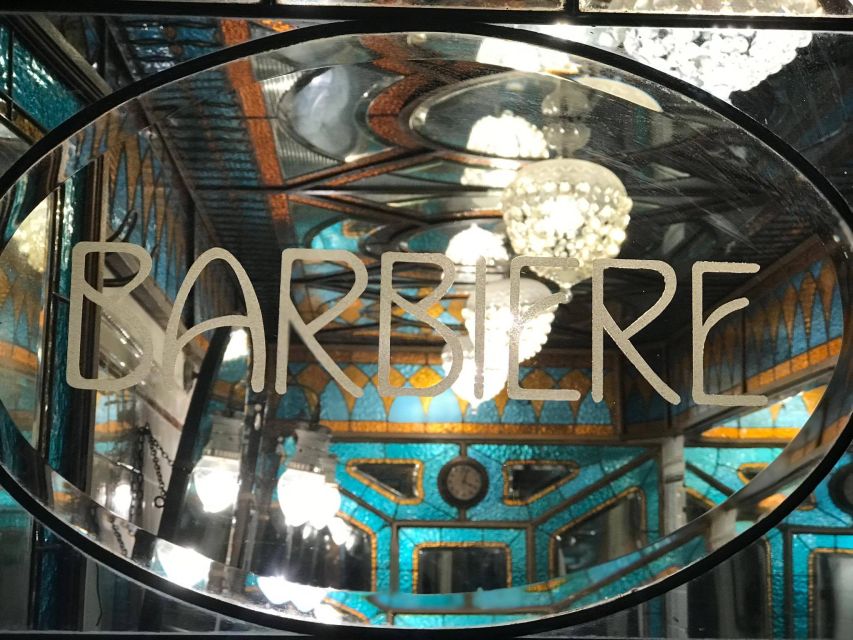
- See Genoa through its old businesses: The tour centers on shops and artisan workshops active for at least 70 years, with some operating for more than two centuries.
- Expect a walking route through the Old Town: You make quick stops at important monuments while the guide explains the buildings and businesses nearby.
- Look for food and maritime traditions: Possible highlights include a specialist in fried food near the port and a maker of naval clothing.
- The tasting is modest but useful: A product from one of the shops is delivered as part of the tour.
- Plan for changing access: Shops may be closed, and some owners may not permit entry, so much of the experience may be from the street.
- Good value for a short introduction: At $16, this works well if you want local context without committing half a day.
Why Genoa’s historic shops make a good walking theme
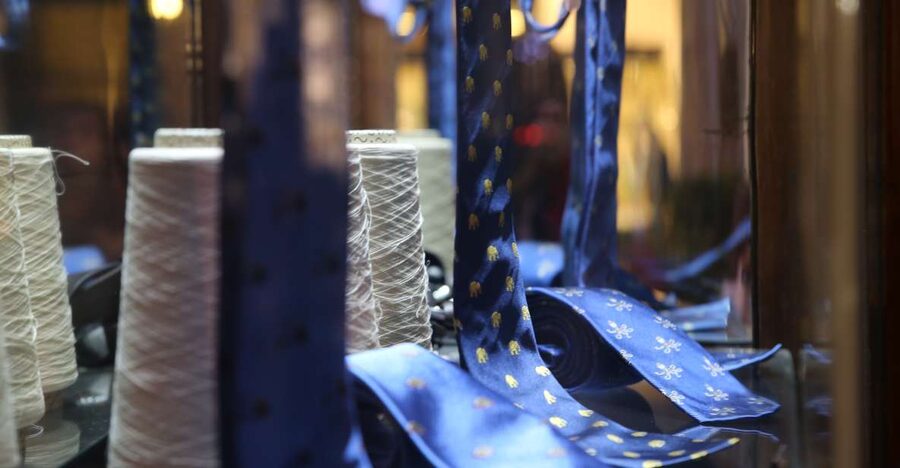
Genoa is easy to admire from its grand streets and palaces, but its older businesses offer a closer look at daily life. A shop that has operated for 70 years has survived changes in fashion, transport, ownership, and shopping habits. A business that reaches back more than 200 years carries an even longer chain of local practice.
That is what gives this tour its appeal. You are not simply looking at a church or palace and moving on. You are learning how a shop, workshop, or food business fits into the street around it. The guide links each stop with nearby monuments, local customs, and small stories that are easy to miss when you walk alone.
The word bottega covers more than a standard retail shop. It can refer to a traditional business, a craft workshop, or a place where a family trade has continued over generations. You should expect a route built around these active or historic places, not a museum display with every item arranged for visitors.
More Shopping Trips in Italy:
- Syracuse: Traditional Cooking Class & Ancient Market Visit
★ 4.9 · 72 reviews - Brooklyn Food Walking Tour: Local Eats & Family‑Run Shops
★ 5.0 · 592 reviews - Private Excursion to Floating Market and Ayutthaya World Heritage
★ 5.0 · 515 reviews
Starting at Via Garibaldi 12red
The meeting point is the Tourist Information Centre at Via Garibaldi, 12red, in Genoa. This puts you in a useful part of the historic center, close to one of the city’s best-known streets and within reach of the Old Town route.
The tour lasts about two to two and a half hours. That is long enough for a proper introduction, but short enough to fit around a museum visit, lunch, or an afternoon train. I would allow a little extra time before the start so you can find the red-numbered address without rushing. Genoa’s old center has close-set streets and confusing numbering, so arriving at the stated meeting point matters.
The route is a guided walk. No separate transport is listed, and the description focuses on streets, shop fronts, monuments, and businesses. Wear comfortable shoes and expect to spend most of the time moving or standing. The information provided does not specify the walking distance, group size, or accessibility arrangements, so you should ask the provider if those details are important for you.
The first part of the route: monuments beside working businesses
The tour includes quick stops at some of the important monuments in the Old Town. These are not presented as long interior visits or full museum tours. Instead, they provide the setting for the shops and help you understand how Genoa’s commercial streets developed.
I like this approach for a first visit. Genoa’s center can feel crowded with details: narrow lanes, grand façades, religious buildings, old signs, and small businesses packed close together. A guide gives you a thread to follow. You can look at a monument, then understand why a traditional shop nearby belongs to the same story of the city.
Do not book this if you want a slow, detailed study of every monument. The monument stops are quick, and the main subject is the historic shop network. You are getting context rather than a full architectural tour.
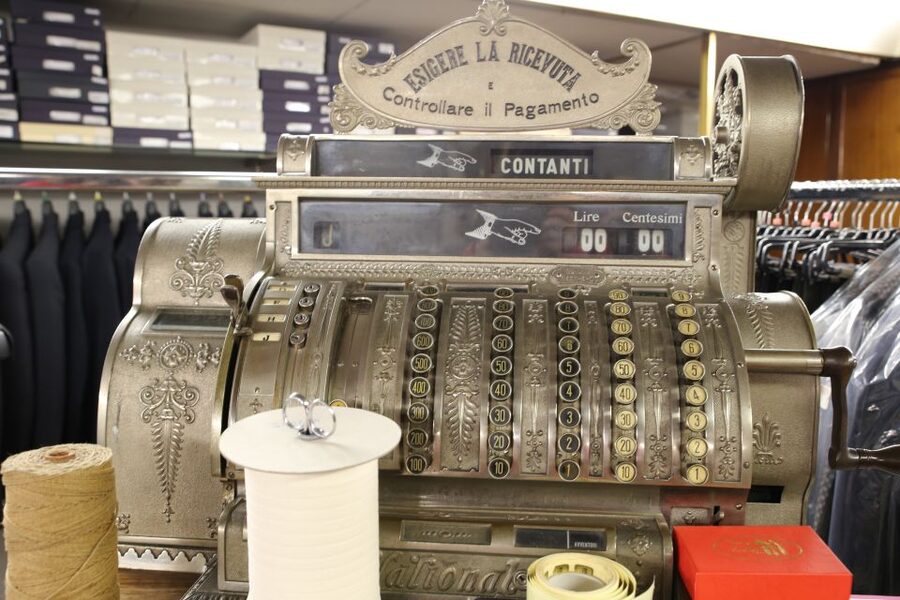
The best moments may come when the guide points out something that looks ordinary. An old sign, a carved counter, or a long-running family business can say more about local life than a polished tourist attraction. The tour’s value rests on these connections.
Food traditions at the port and in the Old Town
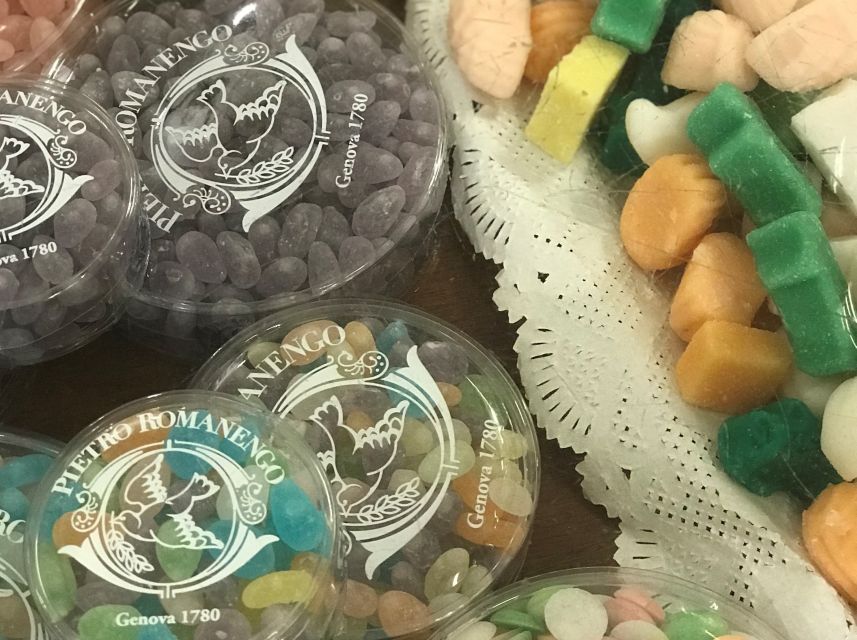
Food is one of the tour’s main threads. A visit connected with a specialist in fried food near the port has been part of the experience, giving you a chance to connect Genoa’s waterfront with quick, traditional cooking. The available information does not promise a fixed tasting menu, so you should not expect a full meal or a long series of samples.
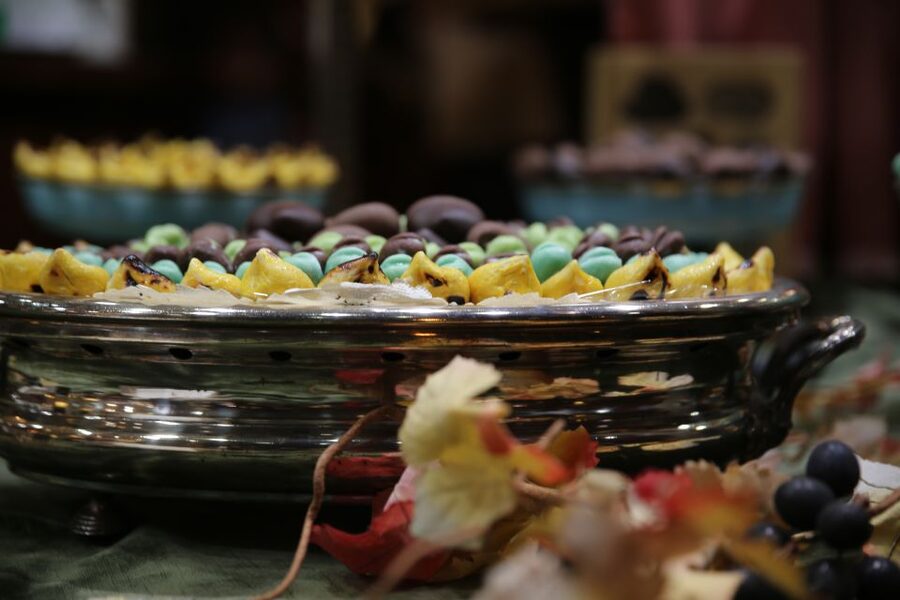
Instead, think of the food element as a small introduction to local flavor. You see where a traditional business fits into the city, hear its story, and receive a product from one of the participating shops. That delivery is included in the price and gives the tour a more tangible finish than a talk alone.
The exact product is not specified. It might reflect the shop visited on your particular route, but you should not book this expecting a named dish or a large serving. The experience is better suited to curious eaters who enjoy a taste connected to a place.
For lunch planning, keep your expectations sensible. A small included product is not a substitute for a meal. The two-hour timing makes it easy to schedule lunch before or after the walk, depending on the starting time you select.
More History Tours in Italy:
- Pompeii: Entry Ticket and Guided Tour with an Archaeologist
★ 4.8 · 19,459 reviews - Colosseum: Underground and Ancient Rome Tour
★ 4.7 · 12,691 reviews - Pompeii: Small Group Tour with an Archaeologist
★ 4.8 · 12,264 reviews - Pompeii Small Group Tour with an Archaeologist
★ 5.0 · 6,593 reviews
Maritime trades and Genoa’s working identity
Genoa’s connection with the sea appears in the mention of a factory making naval clothing. This adds a welcome change of pace from food shops and monument façades. Maritime clothing points to the city’s long relationship with sailors, port workers, and the practical needs of life on the waterfront.
You might find this especially interesting if you want to see Genoa beyond its artistic sights. The city’s identity is not only about palaces and churches. It also includes trades that supplied people working at sea and businesses shaped by the port economy.
Again, the route may not offer a long production demonstration. The supplied details describe a visit or stop connected with this type of business, but they do not promise a full workshop session or a chance to watch garments being made. Treat it as a piece of local commercial history rather than a hands-on craft class.
What happens when a shop is closed
This is the tour’s biggest practical weakness. Historic businesses are working shops, not attractions with guaranteed opening hours. Several may be closed on a particular day, and the guide may have to explain them from outside.
One especially notable business has a butcher’s counter carved with the heads of Renaissance figures. That is the kind of detail that can make the route memorable, but access is not guaranteed. A recent experience found the shop closed and the owner unwilling to let the group inside. You should be prepared to view some features from the street, even when the interior would be the most interesting part.
This does not make the tour pointless. The exterior signs, façade, counter, and street setting can still help you understand the business. But it does change the experience. If you need every stop to be open and fully accessible, this is not the safest choice.
I would think of the route as a guided introduction to a living commercial district, not a controlled museum tour. That means more authenticity, but also more uncertainty. A shop may be serving customers, closed for the day, or simply not able to receive a group.
The guide matters more than usual
The guide leads in both Italian and English. That is helpful for mixed-language groups, but bilingual guiding can also affect the rhythm. Explanations must be repeated or shared between languages, so some information may take longer than it would on a single-language tour.
The guide’s skill matters because many stops are viewed from outside. A strong guide can make a closed door worthwhile by explaining the trade, the building, and the nearby monument. Recent feedback includes clear praise for a well-prepared guide and a friendly, open approach with plenty of information.
There is also a warning in the feedback: one guide was described as kind but not well prepared, with a route that felt approximate and not focused enough on the historic shops. That is a fair concern. The subject needs more than general Genoa facts. You are paying for the link between each shop, its tradition, and the city around it.
The bilingual format and guide quality mean you should keep your expectations at the level of a local introduction. This is not advertised as an academic history seminar, and the $16 price reflects that. Still, the best version of the tour should be specific, well organized, and clearly centered on the shops.
Is $16 a fair price?
At $16 per person, the tour offers good value if you want a short orientation to Genoa’s Old Town. You receive a two to two-and-a-half-hour guided walk, explanations in English and Italian, nearby monument stops, and a product delivered by one of the shops.
The value comes mainly from interpretation. You can walk through the Old Town for free, but you may pass the historic businesses without knowing their age or importance. A guide helps you notice the details and gives the streets a clear theme.
The price is less attractive if you expect extensive tastings or guaranteed entry into each shop. The included product is a single delivery from one business, and the route may depend on opening hours. You are buying a guided story about traditional businesses, with a small flavor element, not a full food tour.
Compared with a longer city tour, this is an inexpensive way to add local color to your Genoa visit. I would book it early in a stay, since the route may help you decide which parts of the Old Town deserve a second look.
Who will enjoy this tour most?
I would recommend it to you if you like small businesses, local food traditions, maritime culture, and city walks with a clear theme. It suits first-time visitors who want help reading Genoa’s Old Town, as well as returning visitors who have already seen the major sights and want something more tied to daily life.
It may also work well for visitors with limited time. The duration is manageable, and the meeting point is central. You can combine it with other Old Town plans without giving up an entire day.
Families may appreciate the mix of food, odd details, and short monument stops, though the tour is still a walking experience rather than a children’s activity. People who prefer polished interiors, guaranteed tastings, or a fixed sequence of open attractions may find it frustrating.
Food-focused visitors should note the limits. You get a product from one shop, but the tour is not described as a meal or a multi-stop tasting. If you want a full food crawl, you will need another experience or your own follow-up stops.
Practical advice for getting the most from the walk
Arrive at the Tourist Information Centre in Via Garibaldi a little early. Bring comfortable shoes and keep your schedule flexible enough to allow for the full two-and-a-half-hour duration.
Go with curiosity about the street, not just the shop interior. If a business is closed, listen for the details about what it did, how long it has operated, and why it belongs in the story of Genoa. The guide may be able to make an exterior stop useful even when you cannot enter.
Treat the tasting as an included extra. It is a pleasant part of the outing, but the exact product and quantity are not specified. Plan a separate meal if you want a full lunch or dinner.
The tour can be cancelled up to 24 hours in advance for a full refund, and you can reserve while paying later. Those terms are useful if your Genoa schedule is still changing. Check the available starting times before you commit, since the duration and shop opening conditions may make one time better than another.
Should you book Historic Shops in Genoa?
Book it if you want a low-cost, guided look at Genoa’s old businesses and you are comfortable with a little uncertainty. The best parts are the connection between shops and monuments, the glimpse of food and maritime trades, and the chance to notice businesses that you might otherwise walk past.
Skip it if you need guaranteed entry, a fixed tasting menu, or a detailed monument tour. Closed shops can reduce the impact, and the bilingual format means the guide’s preparation is especially important.
For $16, I see this as a useful first-day walk with a local flavor. Keep your expectations practical, accept that some stops may happen from the pavement, and you are likely to get a worthwhile introduction to the traditions behind Genoa’s Old Town.
FAQ
Where does the tour start?
The tour starts at the Tourist Information Centre, Via Garibaldi, 12red, 16124 Genova GE, Italy.
How long does the tour last?
The stated duration is two to two and a half hours.
What languages does the guide speak?
The guide speaks English and Italian. The tour takes place in both languages with a bilingual guide.
What does the tour focus on?
It focuses on Genoa’s historic shops and artisan workshops, known as botteghe storiche, along with nearby monuments, local flavors, traditions, stories, and anecdotes.
How old are the historic shops visited or discussed?
Historic shops included in the theme have been active for at least 70 years. Some have been operating for more than 200 years.
Is food included?
A product from one of the shops included in the tour is delivered as part of the experience. The exact product is not specified.
Does the tour include monument visits?
The tour includes quick stops at important monuments in the Old Town. The information does not describe extended interior visits.
Is entry into every shop guaranteed?
No. The shops may be viewed from outside, and some may be closed or may not permit entry.
Can I cancel or pay later?
You can cancel up to 24 hours in advance for a full refund. You can also reserve now and pay later, keeping your plans flexible.
Just added around Italy
- Guided Cultural Tour of the Godfather Film in Messina★ 5.0 · 31 reviews
- Guided tour of the Riace Bronzes and the Archaeological Museum of Reggio Calabria★ 5.0 · 44 reviews
- SU NURAXI BARUMINI Unesco World Heritage Site★ 5.0 · 129 reviews
- Brescia the Unexpected: History, Local Stories & a drink★ 5.0 · 31 reviews
- Bolognese Cooking Class with Margherita in the Historic Center★ 5.0 · 26 reviews
- Tower and Power, Virtual tour in Medieval Bologna★ 4.5 · 54 reviews
- Bologna historical art walking tour with hidden gems and tastings★ 5.0 · 108 reviews
- Best of Bologna in one day : Food, architecture, art and history★ 5.0 · 27 reviews
Italy History Tours, compared.
Pompeii: Entry Ticket and Guided Tour with an Archaeologist
Read our review →
Colosseum: Underground and Ancient Rome Tour
Read our review →
Pompeii: Small Group Tour with an Archaeologist
Read our review →Pompeii Small Group Tour with an Archaeologist
Read our review →
Rome: Colosseum with Arena, Roman Forum and Palatine Guided Tour
Read our review →
Venice: St. Mark’s Basilica Guided Tour & VR History Intro
Read our review →
Colosseum with Arena, Roman Forum and Palatine Hill Guided Tour
Read our review →
Herculaneum: Skip-the-Line Guided Tour with Archaeologist
Read our review →Browse the lists this tour appears in