
Review · NEW ORLEANS
New Orleans: 9th Ward Hurricane Katrina History Tour
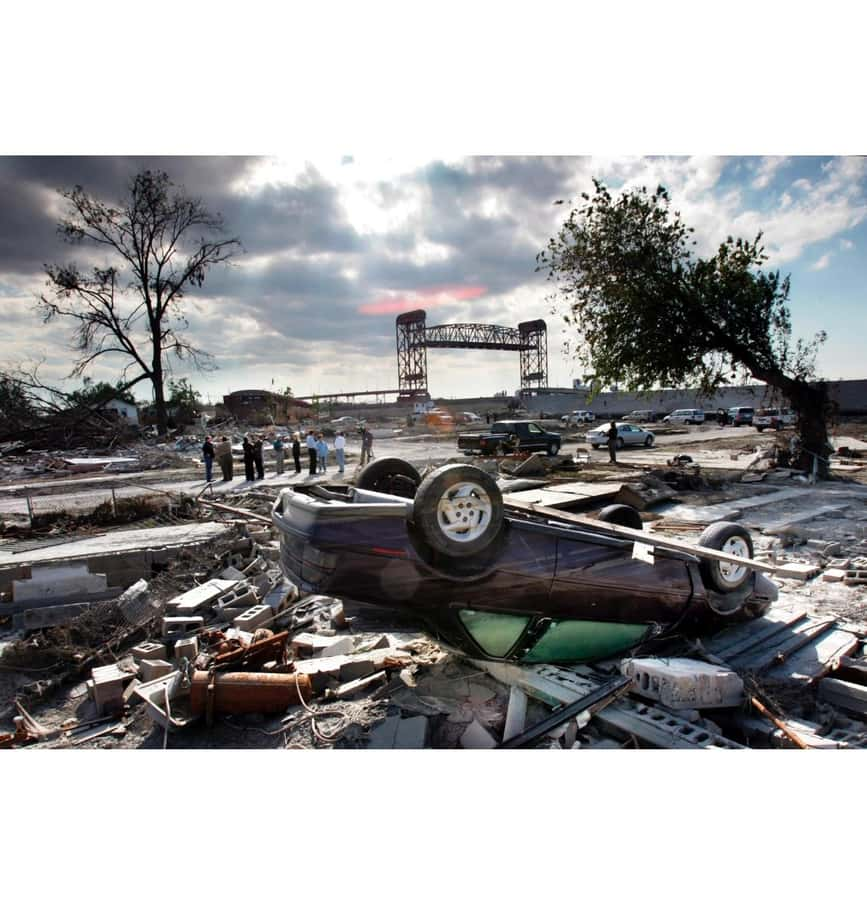
New Orleans’ Ninth Ward tells a harder, more important story than the usual French Quarter stroll. In a small van, local guide Hollis takes you to levee breaches, empty lots, rebuilding projects, and places tied to the people who lived through Hurricane Katrina. I like the personal point of view, and I like that the group is limited to seven.
The one-hour length keeps this manageable, especially on a busy New Orleans schedule. I also appreciate the chance to stop for photos and questions. The trade-off is that the route can change with weather, construction, or local events, and the meeting point must be confirmed the day before.
Key points at a glance
- A local guide’s personal account: Hollis was born and raised in the affected neighborhoods and connects the tour to life before, during, and after Katrina.
- See the levee breach areas: The route points out locations along the Mississippi River and Lake Pontchartrain where flood protection failed.
- The Ninth Ward Memorial: Pause at the memorial near the old St. Claude Hospital and consider the human cost of the storm.
- Rebuilding in real time: Make It Right homes and Musicians’ Village show different efforts to bring residents, music, and community life back.
- A very small group: With space for seven, you get room for questions and may be able to walk around at selected stops.
- Good value at $25: The short tour offers focused local context at a low price, though it is not a full-day outing.
Why the Ninth Ward belongs on your New Orleans schedule
New Orleans is easy to enjoy as a city of food, music, parades, and old streets. But Katrina changed the city in ways you cannot understand from the French Quarter alone. The Ninth Ward, especially the Lower Ninth Ward, shows how floodwater, failed levees, displacement, and slow rebuilding reshaped entire blocks.
I see this tour as a useful counterweight to the city’s party reputation. It asks you to look at homes that disappeared, foundations left behind, and projects meant to restore a neighborhood that had strong ties long before the storm.
That context matters. A quick stop beside a damaged building can feel like sightseeing without explanation. Hollis provides the human and local background that gives those places meaning. He explains how the neighborhoods worked before Katrina, what happened when the water came in, and what recovery has looked like since then.
The subject is serious, but the experience is not presented as a dry lecture. The small vehicle and local guide create room for conversation. You can ask why a particular area changed, how rebuilding affected residents, or what remains unfinished.
More History Tours in New Orleans:
- New Orleans Garden District History Walking Tour
★ 5.0 · 2,879 reviews - French Quarter Historical Sights and Stories Walking Tour
★ 5.0 · 2,724 reviews - New Orleans Small-Group Haunted History Carriage Tour
★ 4.5 · 2,289 reviews
Riding with Hollis through the Ninth Ward
Hollis is the central reason to choose this tour. He was born and raised in the neighborhoods on the route, and his connection is more personal than a guide reading dates from a script. He also rode out the storm, giving him a lived connection to the event and its aftermath.
That does not mean you should expect a single point of view to answer every question. It means you get local memory alongside the physical evidence. Hollis can explain both the large public story and the smaller details of how people and blocks were affected.
The tour is conducted in English. Since the group is limited to seven people, you are less likely to sit quietly at the back of a large bus. One account of the experience describes stopping to walk near parts of the route, even allowing a participant to touch a levee. Stops and walking time can vary, so treat that as a possibility rather than a promise.
The small size also helps with photographs. Hollis has been described as willing to stop, answer questions, and take pictures for the group. That is a useful touch on a tour where the setting often matters as much as the narration.
Seeing where the levees failed
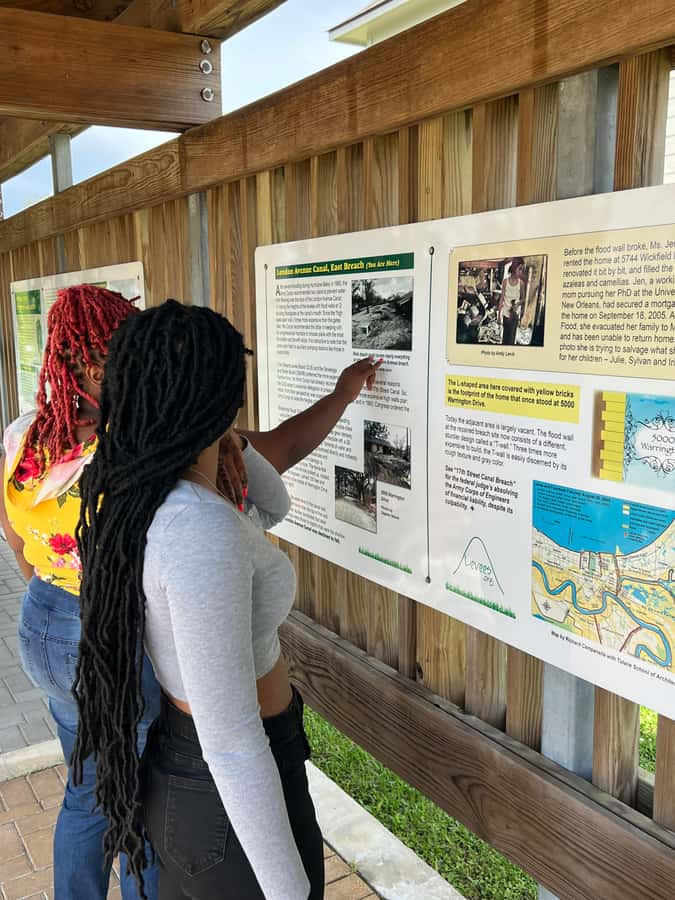
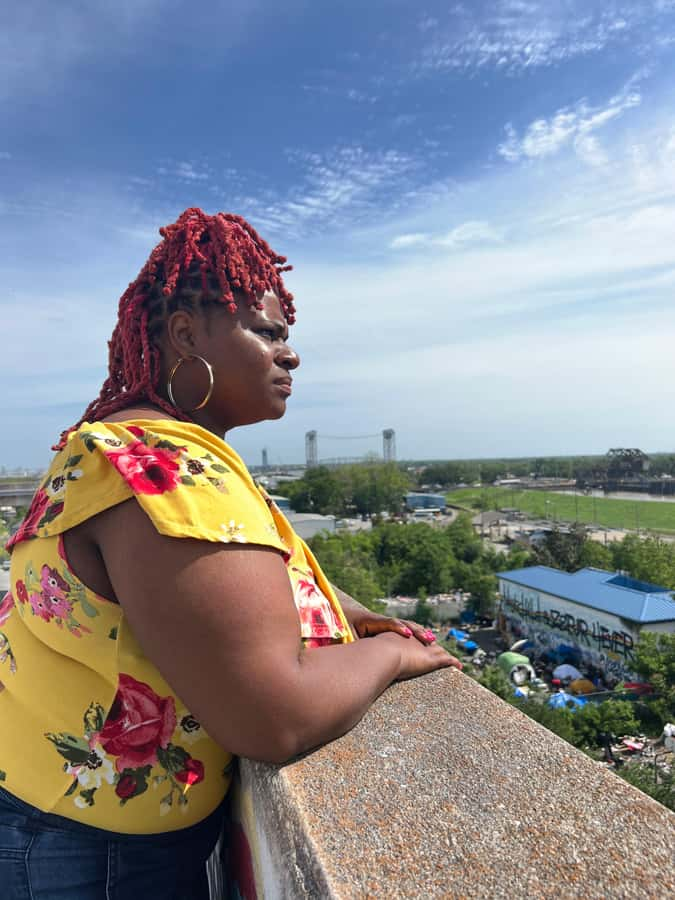
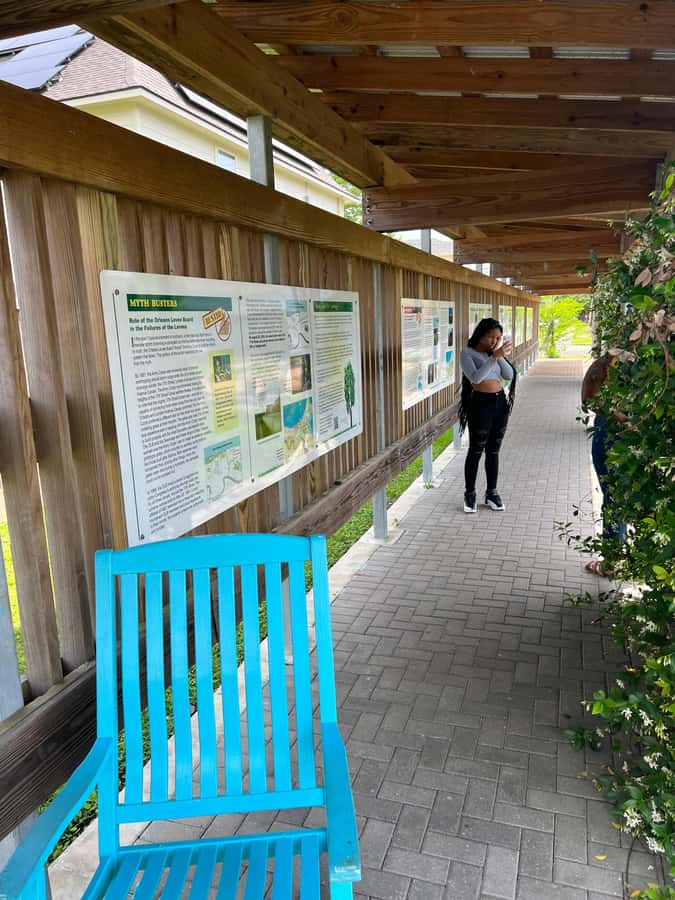
One of the strongest parts of the route is the chance to see locations where levees breached along the Mississippi River and Lake Pontchartrain. These are not abstract points on a map. They help you understand how water reached homes and why entire districts suffered such severe damage.
The tour connects the engineering failure with what happened on the ground. You may see homes that remain, empty parcels where houses once stood, and areas that have changed use or character. Hollis explains the height of the water and how it reached properties, using photographs to show the scale of the damage.
I value this part because it turns a national news event into a place-based story. You can stand near the structures and roads involved, then ask questions while the setting is in front of you. That is more useful than simply hearing that New Orleans flooded.
The experience can also be uncomfortable. The remains of a neighborhood are not scenic attractions, and some parts of the route may feel quiet or stark. Come ready to listen rather than expect a cheerful sightseeing loop.
The Hurricane Katrina Memorial at the old St. Claude Hospital
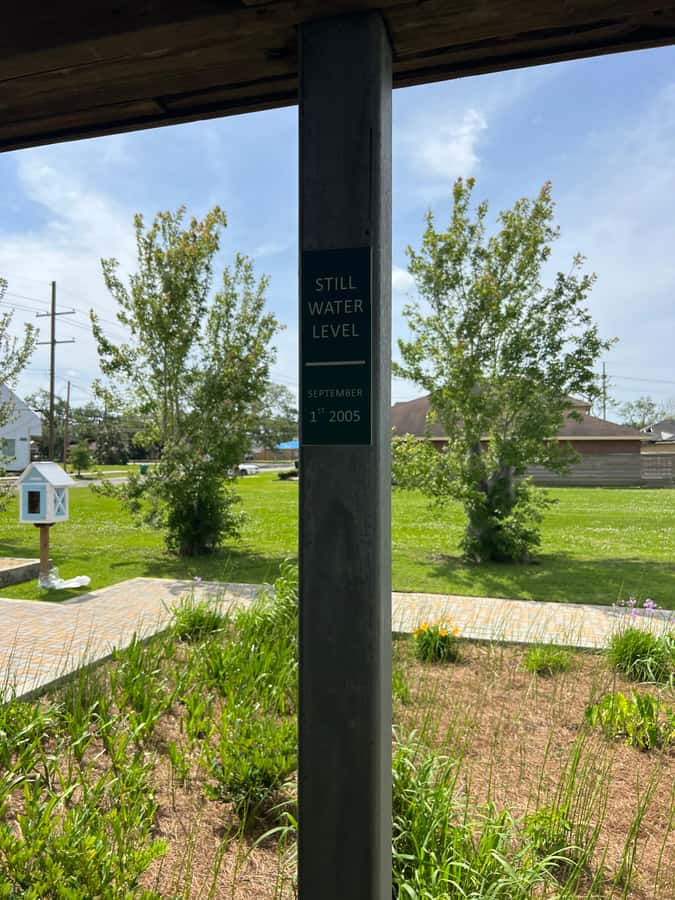
A stop at the Hurricane Katrina Memorial near the old St. Claude Hospital gives the tour a clear moment for reflection. The memorial is in the Ninth Ward and focuses attention on the people affected by the storm, not only on buildings and levees.
The stop is valuable because it slows the pace. A one-hour tour could easily become a rush from one damaged site to another. A memorial gives you time to think about the loss, displacement, and long recovery that followed.
Exact time at each stop can vary because the route is flexible. Still, this is one of the places I would expect to remember after the van ride. It gives the tour a human center.
Same city, a different century:
- The National WWII Museum Admission Ticket New Orleans
★ 5.0 · 2,202 reviews - New Orleans Haunted History Ghost Tour
★ 4.5 · 2,084 reviews - Paddlewheeler Creole Queen Historic Mississippi River Cruise
★ 4.5 · 1,948 reviews - New Orleans Food and History Walking Tour
★ 5.0 · 1,544 reviews
Make It Right homes and Musicians’ Village
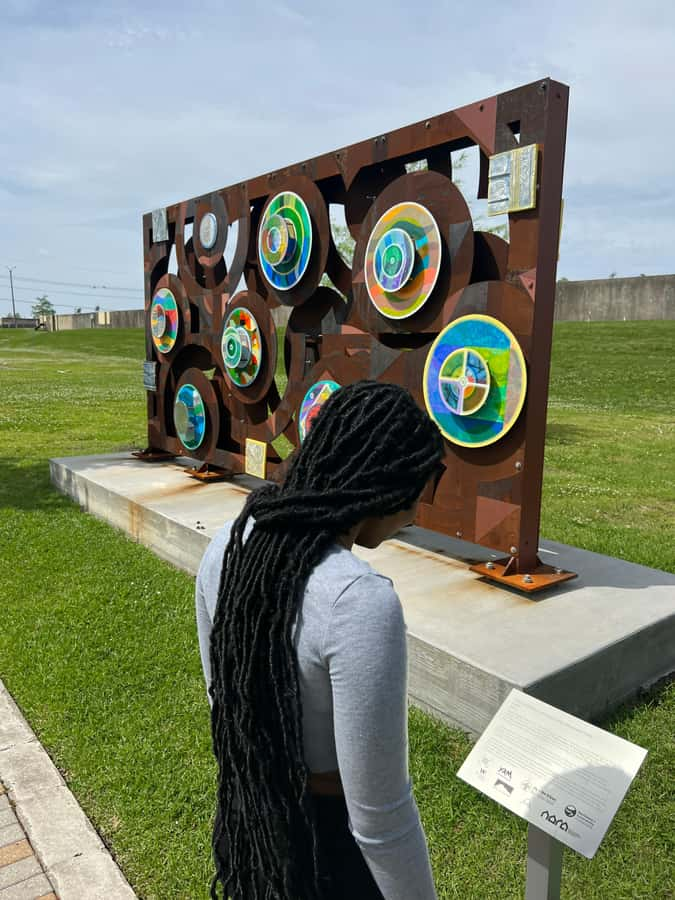
The route also includes rebuilding projects such as the Make It Right homes and Musicians’ Village. These places show attempts to restore housing and community life rather than simply document what was lost.
Make It Right homes represent a highly visible rebuilding effort. The important point for you is not just to look at the architecture. Hollis places the project within the larger question of who returned, what kind of housing was built, and how recovery unfolded over time.
Musicians’ Village adds a cultural angle. New Orleans is known around the world for its music, but music depends on people, homes, and local networks. A project connected with musicians shows that rebuilding a city means more than replacing roads and walls. It also means supporting the people who shape its identity.
You should expect to see projects at different stages of success and change. The route is about ongoing recovery, not a polished redevelopment district. That can make the visit more revealing, but it also means the scenery may not match a neat tourist attraction.
Fats Domino’s home and the city’s musical memory
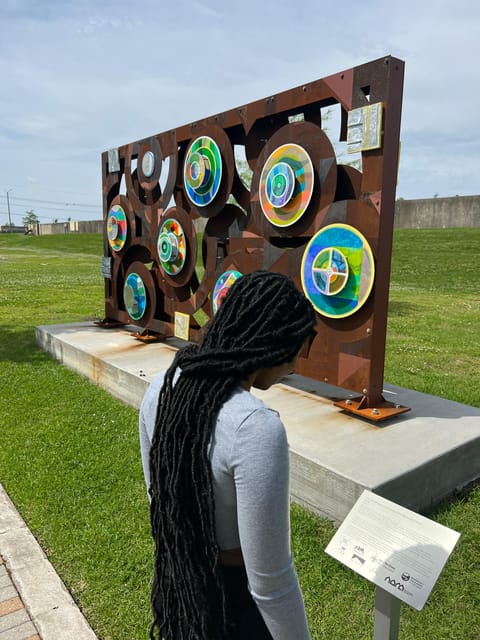
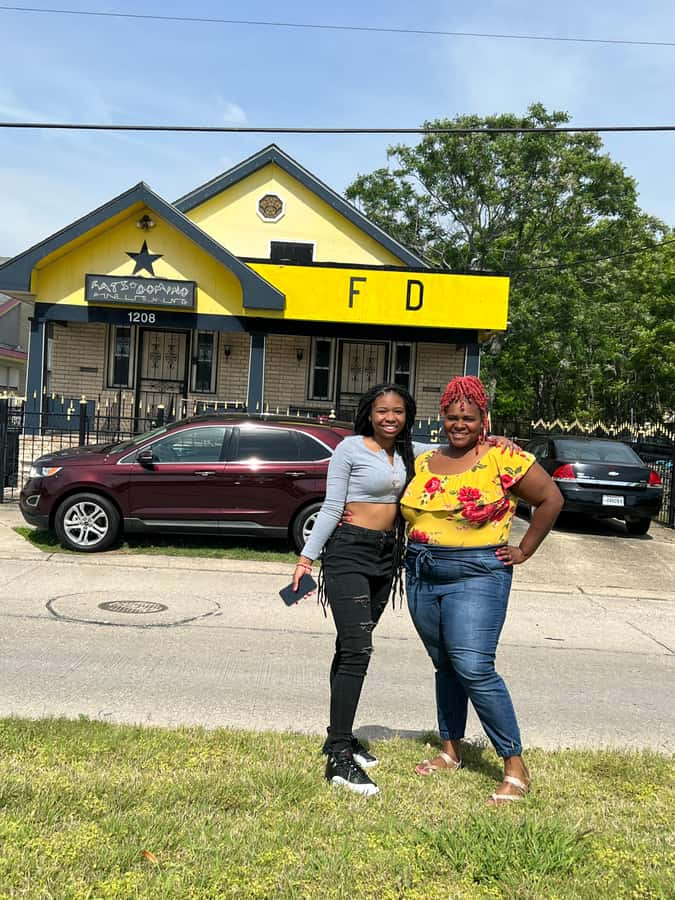
A stop near Fats Domino’s home links the storm story with New Orleans music. Domino was an important figure in the city’s cultural life, and his home provides a personal marker within the broader route.
This stop works best as part of the full story. You are not visiting a museum or entering a private residence. You are seeing the outside location as a reminder that the Ninth Ward was home to famous artists as well as families, churches, workers, and long-established community networks.
For me, that connection makes the route feel less like a tour of disaster sites. It points back to the people and culture that existed before Katrina and continued afterward.
Why the one-hour format can work

At $25 per person, this is an easy addition to a New Orleans itinerary. You pay a modest amount for a focused look at parts of the city that are difficult to understand from a standard downtown tour. The price is especially fair if you want local explanation without committing half a day.
The short duration is both a strength and a limit. You can fit it between meals, museums, or other plans. It works well near the end of a trip, when you want to add context to everything you have already seen.
On the other hand, one hour leaves little room for long stops or extended walking. You will not get a full survey of Katrina, every affected neighborhood, or every rebuilding project. The experience gives you a concentrated introduction, not an all-day study.
I would book this early enough to leave room for a changed route. The operator may alter stops because of weather, construction, or local events. That flexibility helps the tour run safely, but it means you should not treat every named stop as guaranteed on a particular departure.
Practical details before you book
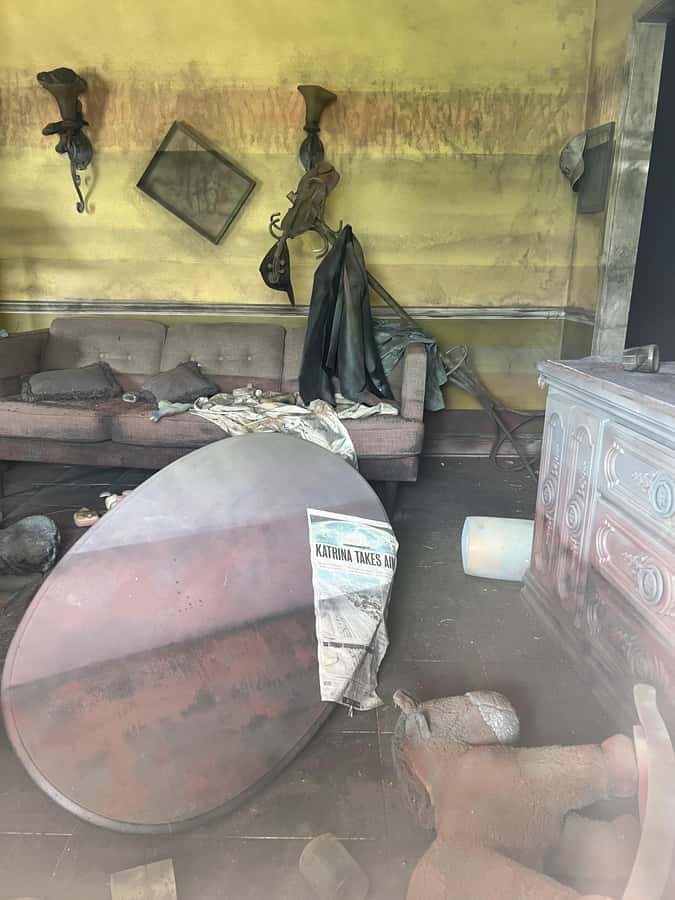
The meeting point is not simply fixed in the information provided. You need to call and confirm the exact location the day before. This is important, since one pickup area has been described as a restaurant with front and back entrances, creating some confusion for visitors trying to find the van.
I would confirm three things during that call: the exact address, the entrance to use, and where the vehicle will wait. Arrive with enough time to avoid wandering around the building.
The tour returns to the meeting point. It is conducted in a small van and limited to seven participants. English is the only listed tour language.
You can cancel up to 24 hours before departure for a full refund. The reserve-now, pay-later option lets you hold a place without paying immediately, which is useful when your New Orleans plans are still shifting.
Because the route may change, wear comfortable clothes and shoes suitable for brief stops. The information does not promise extensive walking, but some departures may include time outside the vehicle. Also remember that this is a serious subject. A respectful attitude is more important than a packed camera roll.
Who will get the most from this tour
I would recommend this experience to you if you want to understand New Orleans beyond its famous restaurants and nightlife. It suits anyone interested in local history, disaster recovery, public policy, music, housing, or the long-term effects of a major storm.
It is also a good choice for repeat visitors. If you have already seen the French Quarter, Garden District, and major music sites, the Ninth Ward gives you a different view of the city.
Families with older children may find the tour useful, especially if Katrina has been discussed in school. The personal stories and visible evidence can make the subject easier to grasp, though parents should decide if the serious material fits their children.
I would be less likely to recommend it if you want a light sightseeing ride, a long walking tour, or a complete account of New Orleans architecture. The focus is narrow and the mood is reflective.
How this compares with a large bus tour
A large city bus tour may cover more ground and offer a wider survey of New Orleans. This experience makes a different trade. You get a smaller group, a guide with direct ties to the area, and more room for questions.
That personal scale is important here. The Ninth Ward is not simply a collection of landmarks. Without local context, you might see an empty lot and miss what it represents. Hollis helps connect the physical site with residents, culture, and government decisions.
The flexible route is another trade. A large operator may follow a more fixed schedule, while this tour can adjust around local conditions. You gain a more personal format but give up certainty about every planned stop.
Is the Ninth Ward Hurricane Katrina tour worth $25?
Yes, if you want a focused and human account of one of the events that most changed modern New Orleans. For $25, the combination of a small group, local guidance, levee sites, memorial, rebuilding projects, and music history offers strong value.
Book it if you want to ask questions and listen to someone who knows the neighborhoods firsthand. Keep your expectations realistic: the tour lasts one hour, routes can change, and the subject includes loss that cannot be reduced to a tidy sightseeing story.
I would make this a priority for a first or repeat visit when you have already enjoyed the city’s lighter side. It will not replace a longer history program, but it can give you the local perspective needed to see New Orleans with more care.
FAQ
How long is the Ninth Ward Hurricane Katrina tour?
The tour lasts one hour. Starting times depend on availability.
How much does the tour cost?
The listed price is $25 per person.
Who guides the tour?
The live guide is Hollis, a local guide who was born and raised in the affected New Orleans neighborhoods.
What language is the tour conducted in?
The tour is conducted in English.
How many people can join the tour?
The group is limited to seven participants.
What places are included on the route?
The route may include the Hurricane Katrina Memorial near the old St. Claude Hospital, levee breach locations, Make It Right homes, Musicians’ Village, and Fats Domino’s home.
Is the route always the same?
No. Weather, construction, and local events can lead to route changes or replacement stops.
Where does the tour begin?
You need to call and confirm the meeting location the day before the tour.
Can I cancel for a refund?
Yes. You can cancel up to 24 hours in advance for a full refund. The reserve-now, pay-later option allows you to book without paying immediately.
Just added around New Orleans
- New Orleans: 1.5-Hour Voodoo History Evening Tour★ 4.5 · 34 reviews
- New Orleans: Swamp Boat Ride and Historic Plantation Tour★ 4.7 · 303 reviews
- New Orleans: Wicked History Walking Tour with a Local Witch★ 4.3 · 29 reviews
- New Orleans: French Quarter Saints & Sinners History Tour★ 4.6 · 56 reviews
- New Orleans: Garden District Food, Drinks & History Tour★ 4.9 · 97 reviews
- New Orleans: Tremé African American & Creole History Tour★ 4.9 · 208 reviews
- New Orleans: Drunk History Walking Tour★ 4.2 · 165 reviews
- New Orleans: Haunted Drunken History Walking Tour★ 4.9 · 50 reviews
New Orleans History Tours, compared.
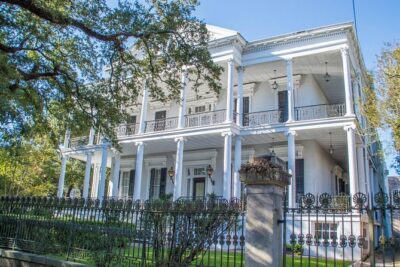
New Orleans Garden District History Walking Tour
Read our review →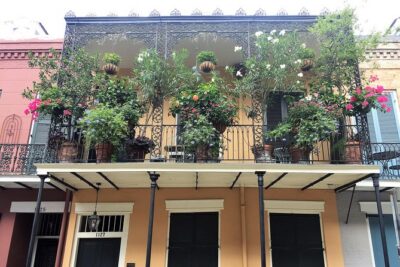
French Quarter Historical Sights and Stories Walking Tour
Read our review →
New Orleans Small-Group Haunted History Carriage Tour
Read our review →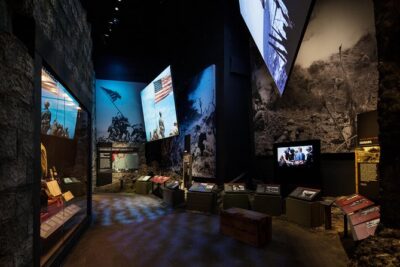
The National WWII Museum Admission Ticket New Orleans
Read our review →
Paddlewheeler Creole Queen Historic Mississippi River Cruise
Read our review →
New Orleans: Creole Queen History Cruise with Optional Lunch
Read our review →Browse the lists this tour appears in