
Review · NEW ORLEANS
New Orleans: French Quarter Food History Walking Tour
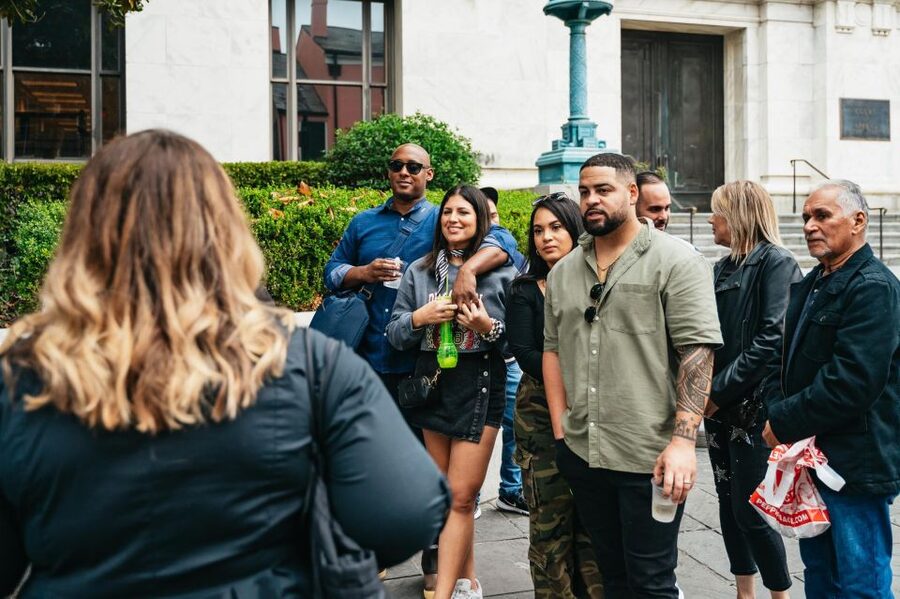
New Orleans puts its story on a plate, and this tour makes that connection clear. Over three hours, you walk the French Quarter while tasting gumbo, boudin, pralines, a catfish po-boy, muffuletta, red beans and rice, and banana bread pudding. The food is the hook, but the real subject is how Louisiana’s people and traditions shaped these dishes.
I like the wide range of stops, from a Creole restaurant to a hot sauce bar and a candy shop. I also like the way the tour gives you both famous New Orleans sandwiches, the muffuletta and the po-boy, in one outing. Guides such as Beth, Gary, Meg, John, and the guide nicknamed Professor have been praised for making the history easy to follow and fun.
The main drawback is that you do not choose every dish, so this is a poor fit for vegans, people with gluten intolerance, or anyone who avoids seafood and meat. The vegetarian menu is a useful option, but allergies must be reported when you book, and the tour runs rain or shine.
Key points
- Up to eight food samples: Portions are substantial enough that you should arrive hungry, not after a full meal.
- A full French Quarter food lesson: Gumbo, boudin, po-boys, muffuletta, red beans and rice, and pralines each open a different window onto local culture.
- Several kinds of stops: You move between sit-down restaurants, a hot sauce counter, a candy shop, and casual food joints.
- Strong guide-led storytelling: Beth, Gary, Meg, John, Kat, and the guide called Professor have all been singled out for clear, entertaining explanations.
- Vegetarian menu available: Ask for black-eyed pea soup, veggie jambalaya, portobello po-boys, and other meat-free dishes when booking.
- Three hours and about $85: The price makes sense if you value a meal-sized tasting menu plus a guided walk, but it is not a budget snack crawl.
Why this tour works as your first New Orleans meal
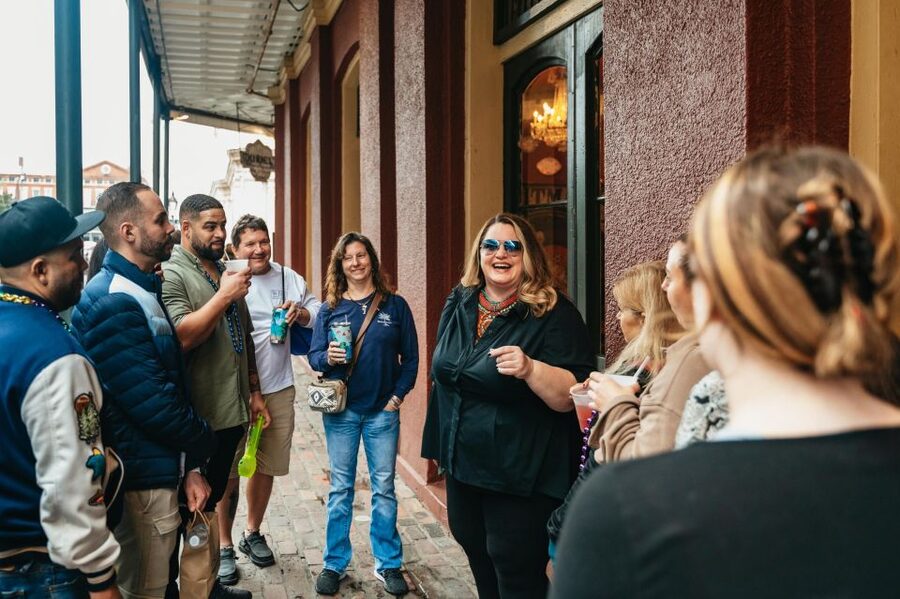
A food tour is a smart way to get your bearings in the French Quarter, especially if you are unsure what to order at a Louisiana restaurant. Instead of facing a long menu filled with unfamiliar terms, you receive small portions of several local standards and hear why they matter.
This tour also avoids making food the whole story. Your guide connects each dish to New Orleans culture, migration, family cooking, and the city’s long relationship with seafood, rice, spices, and slow-cooked meals. Guides praised in the tour’s recent feedback include Beth, Gary, Meg, John, Kat, Cat, Mike, and the guide known as Professor. The names change by departure, but the pattern is consistent: the guide is central to the experience.
I would book it early in your stay. You get a useful list of foods to seek out later, along with restaurant suggestions and a better sense of how the French Quarter fits together. One small complaint is worth noting: the first stop can be noisy while the guide is speaking, which may bother you if you have trouble hearing in a crowded restaurant.
More History Walking Tours in New Orleans
- New Orleans Garden District History Walking Tour
★ 5.0 · 2,879 reviews - French Quarter Historical Sights and Stories Walking Tour
★ 5.0 · 2,724 reviews - New Orleans Food and History Walking Tour
★ 5.0 · 1,544 reviews
Starting with gumbo at 316 Chartres Street
Meet inside 3rd Block Depot at 316 Chartres Street. This is not a vague street corner meeting point, which helps, but give yourself enough time to locate the restaurant in the busy French Quarter.
The first tasting is rustic Cajun-style gumbo with warm potato salad. Gumbo is a useful opening dish because it shows how New Orleans cooking turns a pot of broth, seasoning, meat or seafood, and local cooking traditions into something filling and distinctive. The warm potato salad is a particularly Louisiana touch and gives the first stop more character than a standard cup of soup.
This first stop also sets the pace. You are not rushing from one sample to another. The published timing allows about 25 minutes here, giving your guide room to explain the dish and the area before you head out on foot.
The starting restaurant has received one criticism: staff noise can compete with the guide’s introduction. If you have hearing concerns, stand close to your guide and ask for a quieter position. It is a small issue, but useful to know.
The hot sauce stop brings heat and humor
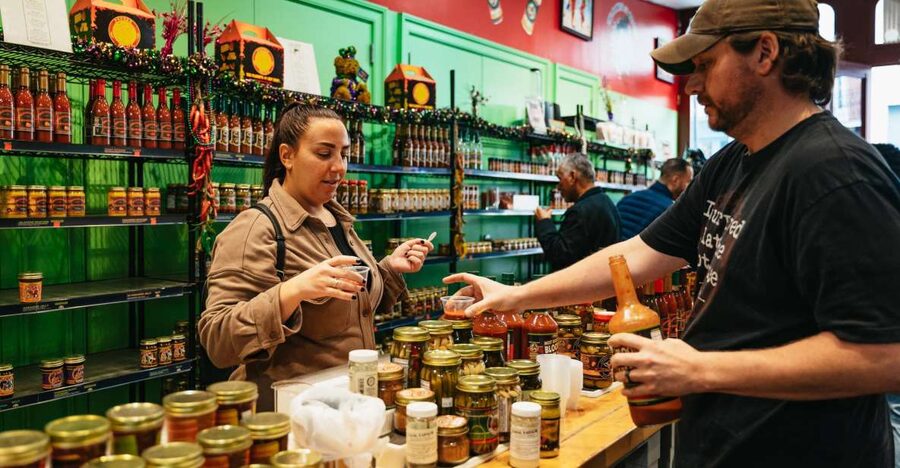
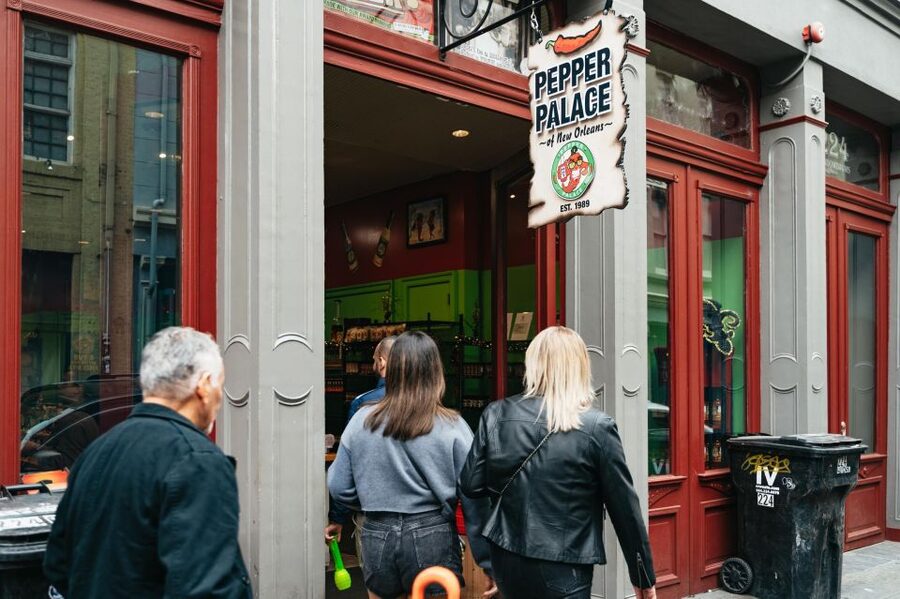
After a short walk, the group reaches a hot sauce bar with dozens of varieties to sample. This is one of the tour’s more playful stops, but it also gives you a practical lesson in Louisiana’s taste for spice.
Do not treat every bottle as a dare. The heat levels can vary sharply, and one person described needing milk after trying an especially spicy sauce. Sample cautiously and remember that the point is to compare flavors, not prove your toughness.
This stop is especially helpful if you plan to shop for hot sauce later. You can identify the styles you like before spending money on a bottle that is too hot, too sweet, or too smoky. Most restaurant stops also have fully stocked bars, so you can buy a cold drink along the way. Alcohol and soft drinks are not included in the $85 price.
The walking distances are short, but the tour is still outdoors. New Orleans can be hot and humid, and one guide was praised for keeping the group moving comfortably in difficult weather. Bring water, wear shoes suited to uneven city sidewalks, and expect the tour to continue in rain.
Pralines and Creole candy at Leah’s
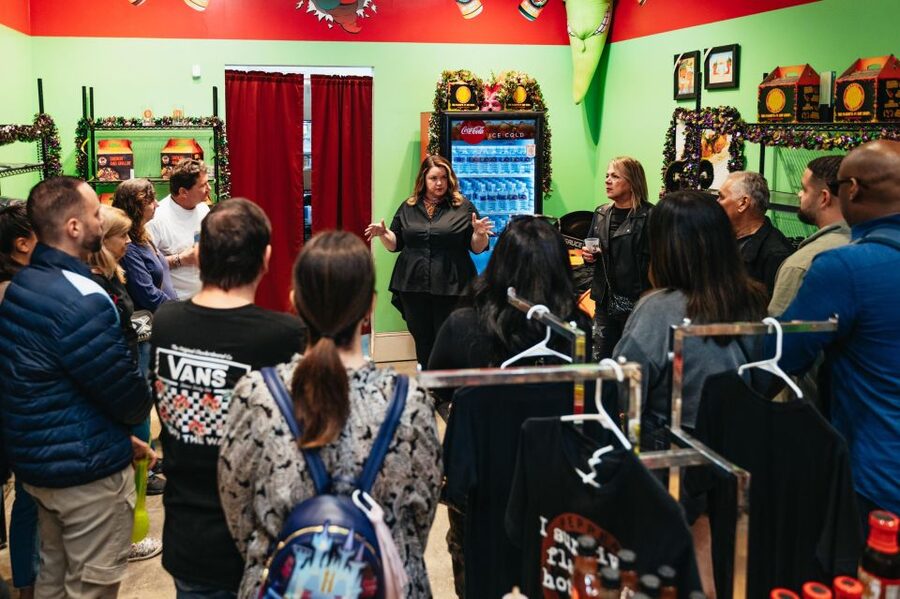
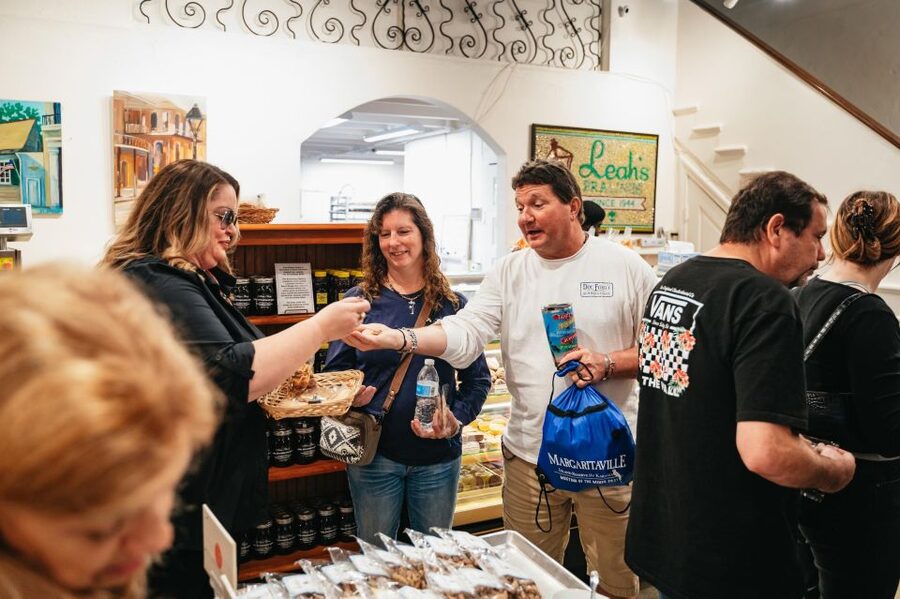
The next stop is Leah’s Pralines, where you sample a traditional Creole praline or the newer bacon pecan brittle. This is a welcome change from savory food and a good reminder that New Orleans cooking is not only about gumbo and seafood.
Pralines are sweet, nutty, and substantial. They also travel well, so this is a natural place to decide if you want to take something home. The bacon pecan brittle gives you a less traditional alternative with a salty edge.
I like this stop because it adds texture to the story. A food tour that only visits restaurants can feel like a sequence of lunches. A candy shop breaks up the meal and shows how local food traditions reach into snacks and gifts as well as main courses.
More History Walking Tours in the USA
- New Orleans Cocktail History Walking Tour in the French Quarter
★ 5.0 · 604 reviews - New Orleans Jazz History and Music Walking Tour
★ 4.5 · 477 reviews - New Orleans Historic Cemetery Walking Tour
★ 5.0 · 175 reviews - New Orleans: Drunk History Walking Tour
★ 4.2 · 165 reviews
Catfish po-boy at NOLA Poboys
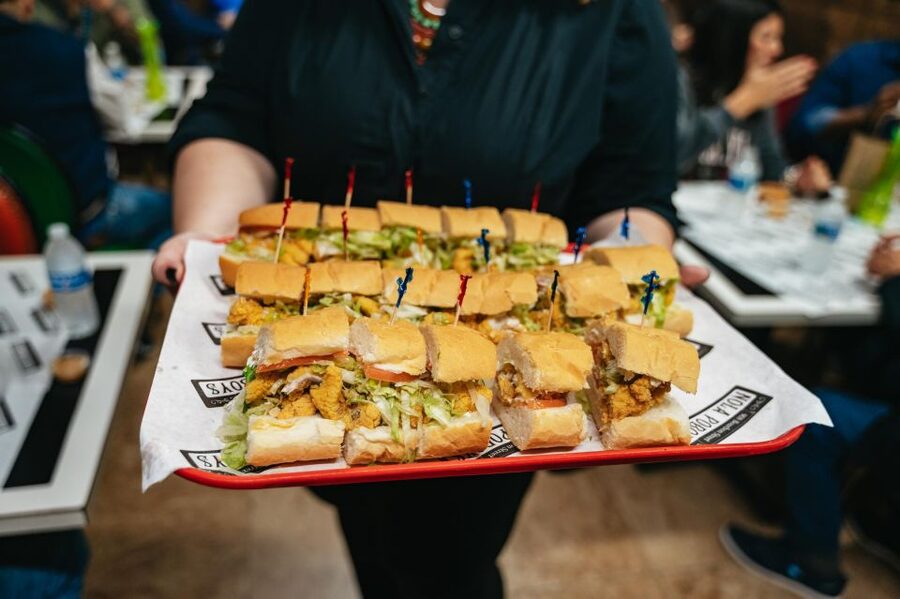
At NOLA Poboys, you learn about Louisiana’s seafood traditions before tasting a freshly fried catfish po-boy. This is one of the tour’s most recognizable bites, and it gives you a direct introduction to the sandwich style that defines casual New Orleans eating.
The po-boy is not presented as a generic fried fish sandwich. The guide explains its place in local food culture, then lets you judge the balance of fried catfish and bread for yourself. If you eat seafood, this is likely to be one of the more memorable savory samples.
The catch is that the set menu limits choice. One person who avoided seafood and alligator found there was little to eat. The new vegetarian plan replaces the seafood version with a portobello po-boy, but you need to request that option at checkout. The tour does not offer a vegan, gluten-free, or dairy-free menu.
Muffuletta and boudin balls in one stretch
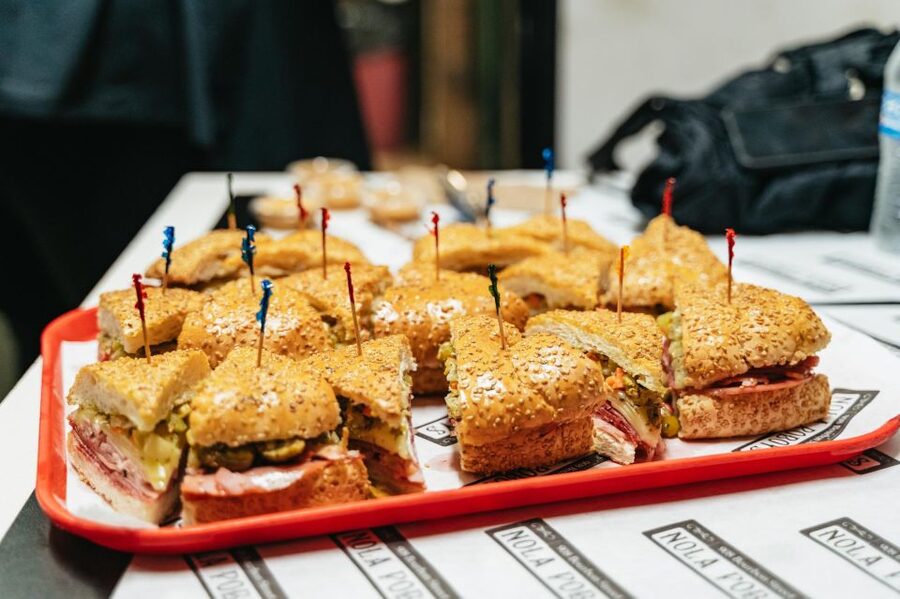
The tour then introduces another New Orleans original, the muffuletta. This round, meaty sandwich is a useful contrast with the po-boy. Instead of a fried seafood filling, you get a heavier sandwich built around cured meats and the flavors associated with its olive mixture.
Tasting both sandwiches in the same afternoon is one of the best reasons to choose this tour. You do not have to decide which one to seek out based on a menu description. You can compare them while the food is fresh in your mind.
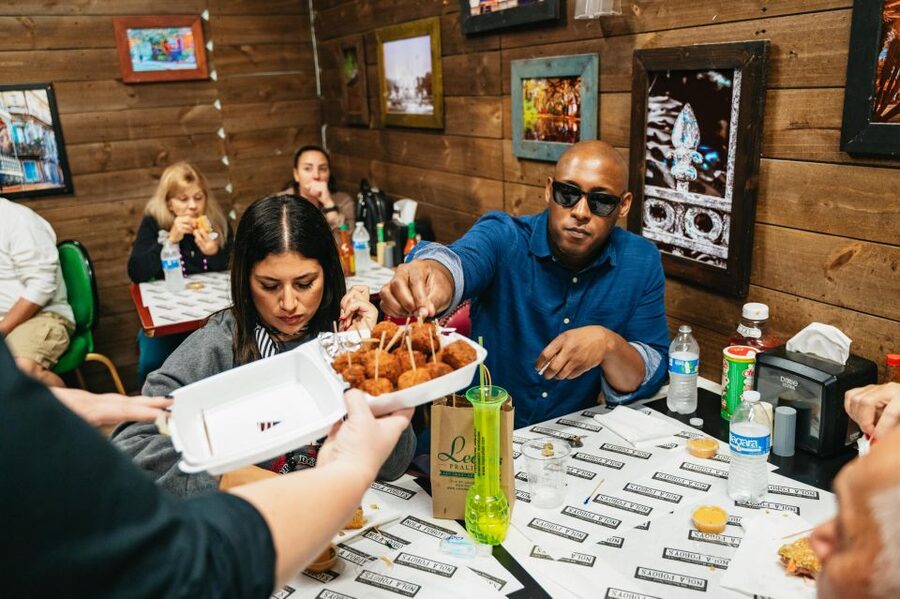
Boudin balls add another distinctly Louisiana sample. Boudin is a seasoned sausage mixture, and the fried ball version is easy to taste while walking between the larger stops. Together, the muffuletta and boudin show how the tour moves beyond the most familiar tourist foods.
This section can be filling. The samples are not merely tiny decorative bites, and several people found they did not need another full meal afterward. Plan your evening meal accordingly.
Red beans and rice at Creole Cookery
At Creole Cookery, you sit down to red beans and rice. This is a humble dish, but it is one of the clearest examples of New Orleans comfort food. It is hearty, seasoned, and built to satisfy rather than impress with presentation.
This tasting also gives the guide a chance to explain how everyday meals can carry as much cultural meaning as restaurant specialties. You are not just sampling a famous dish. You are getting a sense of the food people turn to for a filling, familiar meal.
Several people have singled out the red beans and rice as a favorite. I would not skip it simply because it sounds less exotic than the other stops. On a tour filled with sandwiches, seafood, candy, and spicy sauce, its simple warmth can be the most grounding course.
The itinerary allows about 45 minutes for the final major stretch of the tour, which helps keep the experience from feeling like a race. You have time to eat, listen, and ask questions.
Banana Foster bread pudding closes the meal
The final tasting is banana foster bread pudding, a sweet finish that combines the flavors of bananas foster with the softer texture of bread pudding. It is a generous ending to an already substantial food walk.
Dessert matters here because it completes the tour’s range. You have tasted soups, rice dishes, sausage, sandwiches, seafood, candy, and hot sauce. The bread pudding brings you back to the city’s fondness for rich, comforting sweets.
The finish is on Toulouse Street in the French Quarter. Since hotel pickup and drop-off are not included, you are responsible for getting to the starting point and making your own plans afterward. The central finish is convenient if you want to continue exploring on foot, but no transportation back to your hotel is provided.
What the vegetarian option really covers
The vegetarian menu is more than a token substitution. It includes black-eyed pea soup, veggie jambalaya, portobello po-boys, and other meat-free versions of Southern classics.
That makes the tour workable for vegetarians, and a pescatarian group can also be accommodated according to the food choices described by the provider. Still, you should request the vegetarian plan when booking rather than relying on last-minute changes at each stop.
This is not a tour for vegans. It also does not provide gluten-free or dairy-free alternatives. Food allergies should be reported when you reserve, while simple dislikes and general restrictions may not be accommodated. If you avoid seafood, meat, or alligator but do not want the vegetarian menu, ask before paying so you know exactly what you can eat.
Is $85 a fair price?
At $85 per person, this is not the cheapest way to wander the French Quarter and buy snacks. The price becomes easier to justify because it includes a three-hour guided walk, up to eight food samples, water, and tips for servers and waitstaff.
The samples add up to something close to lunch for many people. You may still want a full dinner later, but several tastings are large enough to leave you full. You also avoid paying separate restaurant bills at each stop, and the guide gives you context that you would not get by simply ordering a plate on your own.
The value depends on what you want. If you are mainly looking for the lowest possible food cost, spend the money on individual meals. If you want a guided introduction to New Orleans dishes, a walk through the French Quarter, and help choosing what to eat later, the fee is reasonable.
Alcohol and soft drinks cost extra. Most stops have bars, so carrying a little extra money is sensible if you want beer, a cocktail, or soda with the tastings.
Walking conditions, group size, and guide style
The activity is designed for up to nine people, creating a small enough group for questions and conversation. The walking sections range from about five to ten minutes between stops, with the longest overall food and storytelling periods taking place at the restaurants.
The tour is listed as wheelchair accessible, but it is also marked as not suitable for people with mobility impairments. That is an important contradiction. Contact the provider before booking if you use a wheelchair, walker, or need a slower pace, and ask about the exact route and stop access.
The guide style appears to be a major part of the value. Beth is often described as warm, funny, and strong on local history. Gary is praised for connecting food with the city’s past. Meg brings personal French Quarter experience, while John and Professor are noted for patience, humor, and clear explanations. Kat and Cat are praised for keeping energy up, even in hot weather.
You should expect an English-language tour. The quality will naturally vary by guide, but the repeated emphasis on storytelling and local knowledge suggests that this is not just a delivery service for restaurant samples.
Who should book this French Quarter food walk?
I would recommend it to first-time visitors who want a fast introduction to New Orleans food. It also suits couples, families with older children, and small groups who prefer tasting several dishes instead of committing to one large restaurant meal.
It is a good choice if you enjoy learning the background of a dish while eating it. The tour gives you useful reference points for later meals, especially if gumbo, po-boys, muffuletta, boudin, and red beans and rice are all new to you.
I would skip it if you need complete control over every ingredient, dislike seafood and meat, or want a quiet, slow lunch. The route includes outdoor walking, restaurant noise, spicy sauces, and a set menu. You also need to arrive ready to eat a lot.
Free cancellation is available up to 24 hours before the tour, and you can reserve while paying later. Those terms are helpful if your New Orleans schedule is still shifting, but the food restrictions deserve attention before you book.
Should you book it?
Book this tour if you want the French Quarter explained through its food, not just photographed from the sidewalk. The best features are the variety of stops, the substantial portions, and the guides who connect each dish to New Orleans culture.
Choose the vegetarian option in advance if needed, and contact the provider about allergies or mobility concerns. If you can eat the set menu and arrive hungry, the $85 fee buys a useful first meal, a guided neighborhood walk, and a practical list of local dishes to pursue on your own.
FAQ
How long is the New Orleans French Quarter food tour?
The tour lasts three hours, including walking between stops, food tastings, and guided commentary.
Where does the tour begin?
Meet your guide inside the 3rd Block Depot restaurant at 316 Chartres Street in the French Quarter.
Where does the tour finish?
The tour ends on Toulouse Street in New Orleans, Louisiana.
How many food samples are included?
The tour includes up to eight food samples. The featured tastings include gumbo, hot sauce, praline or bacon pecan brittle, catfish or portobello po-boy, muffuletta, boudin balls, red beans and rice, and banana foster bread pudding.
Is there a vegetarian option?
Yes. Request the vegetarian option when booking. It includes items such as black-eyed pea soup, veggie jambalaya, portobello po-boys, and other meat-free versions of Southern dishes.
Is the tour suitable for vegans or people with gluten intolerance?
No. The tour does not offer vegan, gluten-free, or dairy-free options.
Are drinks included?
Water is included, but alcoholic drinks and soft drinks are not. Most restaurant stops have bars where you can purchase beverages.
More Food Trips in New Orleans
- Barcelona: Tapas Walking Tour with Food, Wine, and History
★ 4.8 · 4,261 reviews - Sevilla Food Tour: Tapas, Wine, History & Traditions
★ 5.0 · 3,468 reviews - Madrid Tapas & Taverns Small Group Food & History Tour
★ 5.0 · 2,664 reviews - Historic Ybor City Food Walking Tour
★ 5.0 · 2,210 reviews
More Food and Drink Trips in New Orleans
- New Orleans Cocktail and Food History Tour
★ 5.0 · 819 reviews - New Orleans: Combo Cocktail and Food History Tour
★ 4.9 · 180 reviews - New Orleans: Garden District Food, Drinks & History Tour
★ 4.9 · 97 reviews - Amsterdam Food and Cultural Tour with Tastings
★ 5.0 · 4,315 reviews
Just added around New Orleans
- New Orleans: 1.5-Hour Voodoo History Evening Tour★ 4.5 · 34 reviews
- New Orleans: Swamp Boat Ride and Historic Plantation Tour★ 4.7 · 303 reviews
- New Orleans: Wicked History Walking Tour with a Local Witch★ 4.3 · 29 reviews
- New Orleans: French Quarter Saints & Sinners History Tour★ 4.6 · 56 reviews
- New Orleans: Garden District Food, Drinks & History Tour★ 4.9 · 97 reviews
- New Orleans: Tremé African American & Creole History Tour★ 4.9 · 208 reviews
- New Orleans, French Quarter: Pirate History Walking Tour★ 5.0 · 45 reviews
- New Orleans: Drunk History Walking Tour★ 4.2 · 165 reviews
New Orleans History Tours, compared.

New Orleans Garden District History Walking Tour
Read our review →
French Quarter Historical Sights and Stories Walking Tour
Read our review →
New Orleans Small-Group Haunted History Carriage Tour
Read our review →
The National WWII Museum Admission Ticket New Orleans
Read our review →
Paddlewheeler Creole Queen Historic Mississippi River Cruise
Read our review →

New Orleans: Creole Queen History Cruise with Optional Lunch
Read our review →Browse the lists this tour appears in