
Review · ITALY
Padua: Jewish Heritage Museum and Synagogue Tour
Padua’s Jewish Museum gives you a side of the city that many visitors miss: a story told through a former Ashkenazi synagogue, narrow Ghetto streets, films, and a living house of prayer. The tour ends inside the Italian Synagogue, where a polychrome marble Aron-ha-Kodesh is still used by Padua’s Jewish community.
I like the way the visit joins Jewish history with Padua’s university story, including the scholars and students who shaped the city’s intellectual life. I also like its human scale: in about 1 to 1.5 hours, you move from museum displays to street history and then into an active synagogue without spending half a day on one subject.
The main consideration is the weekday pricing rule. Although the advertised cost is $17 per person, a €60 ticket is requested for weekday reservations unless other people are already booked into your time slot. Check the booking details carefully before you commit.
Key points to know before you go
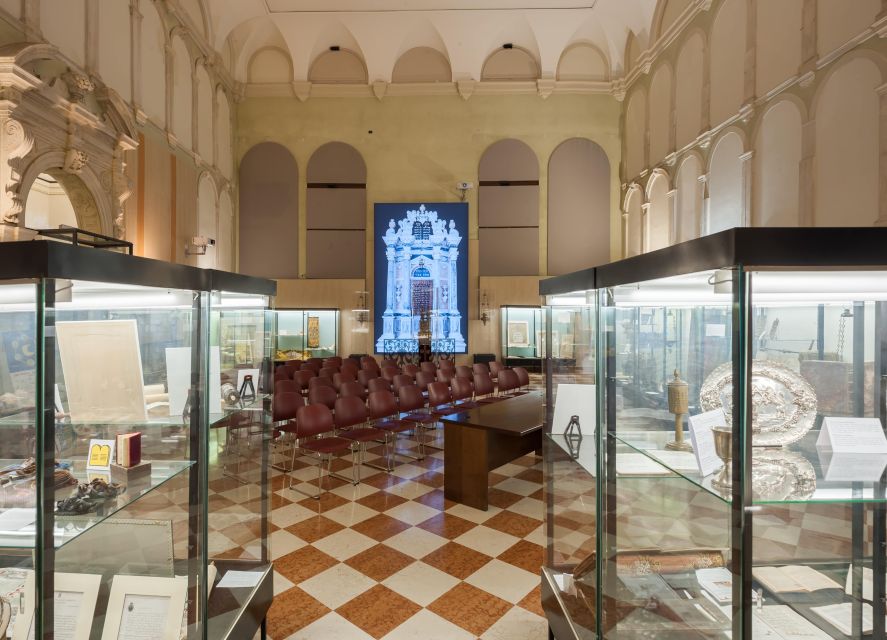
- The former Ashkenazi synagogue houses the museum: Displays explain Padua’s Jewish community from its origins to the present.
- Ten historical figures tell their own stories: A multimedia installation uses film to connect Jewish personalities with places in Padua.
- The Ghetto walk is part of the lesson: You hear about trade, family life, religion, and culture while passing through restricted streets.
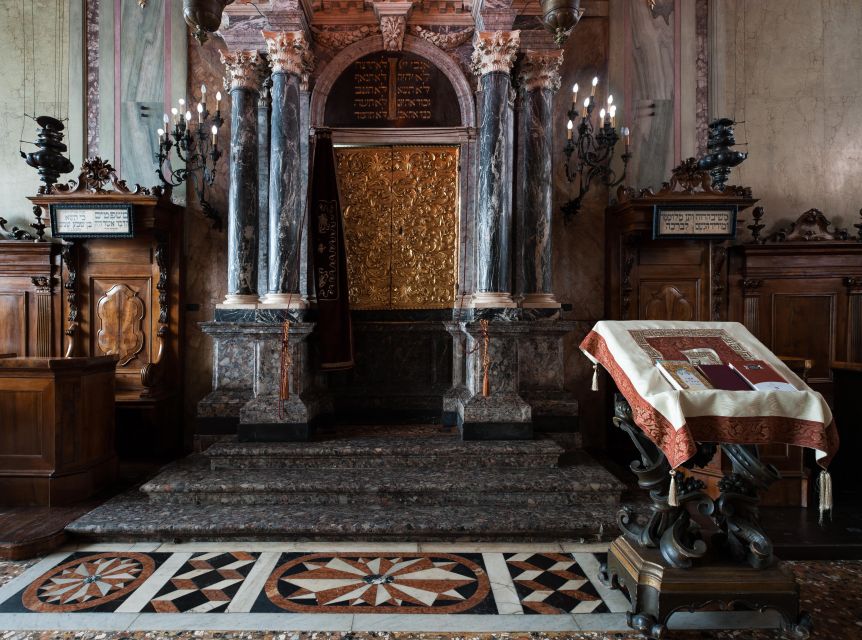
- The final synagogue is still active: The Italian Synagogue remains a prayer site, not simply a preserved monument.
- The guides make the difference: Antonella, Simonetta, and Isaiah have each led particularly detailed and engaging visits.
- Dress modestly: Shorts and sleeveless shirts are not allowed, and the site is wheelchair accessible.
Starting in Padua’s old Jewish Ghetto
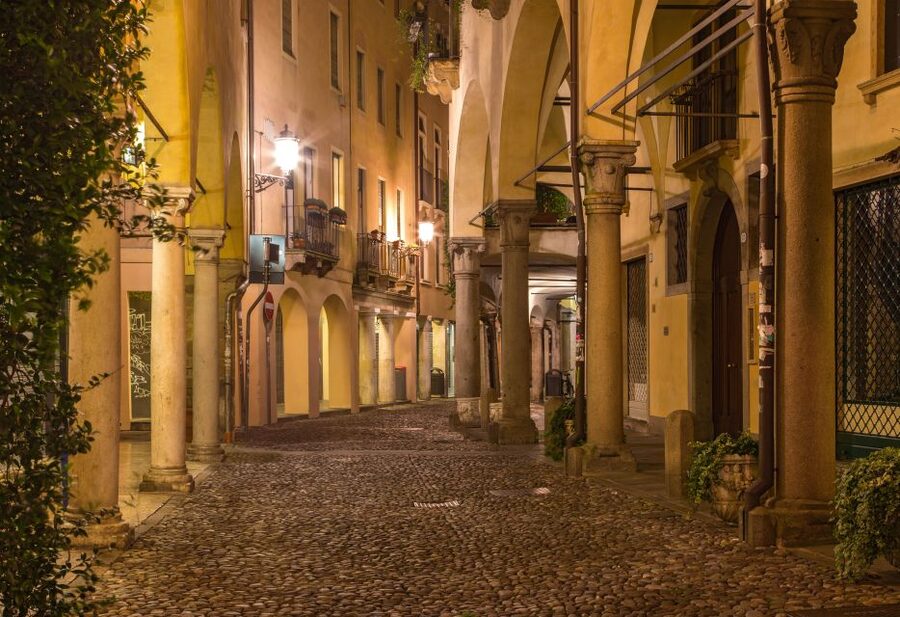
The meeting point is in the historic center, in the former Jewish Ghetto area. Look for the magenta-colored building and show your voucher at the ticket counter before the tour begins.
This location matters. You are not being taken to a museum detached from its subject. The surrounding streets are part of the story, and the tour uses them to explain how Jewish life developed in Padua, including its commercial, social, cultural, and religious sides.
The Ghetto streets are narrow and restricted, so this part of the visit feels close and immediate. You are not covering a large area, which is helpful in a short tour, but the route may feel confined if you prefer wide streets and open viewpoints. The value here is the setting. You hear about the community while standing in the area where that community lived and worked.
The tour is offered in English or Italian. Since the experience depends heavily on explanation, choose the language in which you can follow historical detail most easily.
More Jewish Heritage Tours in Italy:
- Ferrara: Medieval Ferrara and the Jewish Ghetto Walking Tour
★ 4.7 · 70 reviews - Lecce: Jewish History Walking Tour
★ 4.7 · 67 reviews - Budapest Jewish Heritage Memorial Walking Tour & Synagogue Entry
★ 5.0 · 568 reviews
Inside the former Ashkenazi synagogue
The museum occupies a restored sixteenth-century Ashkenazi synagogue. The building was destroyed by a fire set by fascists in 1943 and rebuilt in the 1990s, a fact that gives the site a difficult but important layer of modern history.
The museum explains Padua’s Jewish community from its earliest origins through the present day. Displays focus on customs, religious practice, community events, and the way Jewish life connected with the wider city. You will not simply walk past objects with labels. The guide explains how the material fits together, which is especially useful if you are new to Jewish history or Judaica.
The setting also gives the museum a strong sense of place. You are looking at the history of a community in a building that once served that community, rather than viewing artifacts in a general-purpose gallery. That makes the visit feel more personal, though anyone expecting a large museum with many rooms should keep the scale in mind.
A multimedia installation by film director Denis Brotto adds another layer. Ten important figures in Padua’s Jewish life appear through short film segments and speak about their experiences through the places linked to Padua Judaism. The format helps break up the museum visit and puts faces and voices beside the dates and objects.
One figure highlighted in the experience is Rabbi Judah Minz. Other material connects with the Ramchal and Rabbi Moshe Chaim Luzzatto, as well as Maharam Padua. The exact emphasis can depend on the guide and the time available, but the central point is clear: Padua was connected with major Jewish scholarship, not merely a local community passing through the city.
Why Padua’s university matters
One of the most useful parts of the tour is the link between Jewish life and the University of Padua. The university was among the early European universities open to Jewish students, and that openness helped make Padua an important center for study and religious scholarship.
You hear about the way university life and the Jewish community overlapped. This adds context that you would probably miss if you visited the synagogue without a guide. The story is not limited to worship or the Ghetto. It also includes education, medicine, scholarship, and the movement of ideas.
If you plan to spend more time in Padua, pair this tour with a visit to the University of Padua. The Jewish tour does not replace a university visit, but it gives you a stronger reason to see the two sites together. You can also ask about Jewish cemeteries, which are open on certain days and at certain times. The tour itself does not promise cemetery access, so treat that as a separate plan.
Walking the Ghetto streets
After the museum, the guide takes you through the old Ghetto area. This is a short walk, but it adds useful physical context to the museum displays.
You hear how the Jewish settlement functioned and how commerce, family life, study, and prayer fit within the area. The guide also explains the restrictions associated with the Ghetto and the way Jewish residents interacted with the wider city.
I like this part because it keeps the visit from becoming a purely indoor lesson. You can connect the community’s story with the streets around you. The route is not designed as a scenic walk, and it is not a broad city tour. Its purpose is to explain how space shaped daily life.
Families can do well on this section, particularly if children respond better to stories tied to real buildings and streets. Still, the subject includes persecution, political violence, and the destruction of a synagogue. Parents may want to explain beforehand that this is a serious history tour, not a light sightseeing stop.
More History Tours in Italy:
- Pompeii: Entry Ticket and Guided Tour with an Archaeologist
★ 4.8 · 19,459 reviews - Colosseum: Underground and Ancient Rome Tour
★ 4.7 · 12,691 reviews - Pompeii: Small Group Tour with an Archaeologist
★ 4.8 · 12,264 reviews - Pompeii Small Group Tour with an Archaeologist
★ 5.0 · 6,593 reviews
Ending at the Italian Synagogue
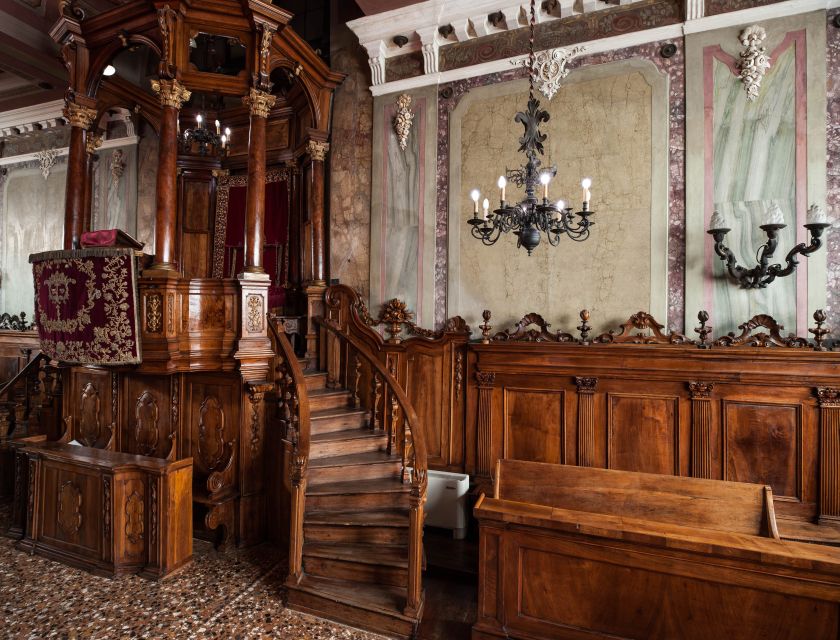
The tour finishes at the Italian Synagogue, which is still used for prayer by members of the Padua community. That active role changes the mood of the visit. You are entering a functioning religious space, not just a historical shell.
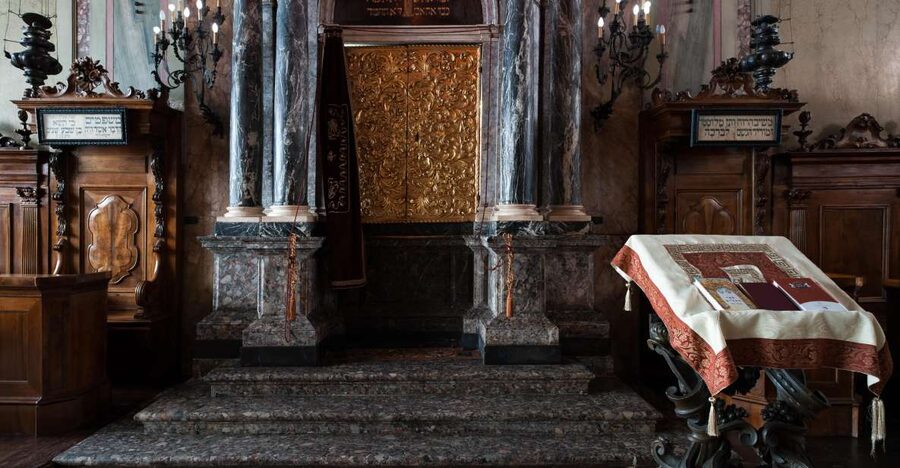
The central feature is the Aron-ha-Kodesh, the sacred chamber set into the eastern wall. Its polychrome marble is one of the strongest visual moments of the tour. The guide explains its architectural style and religious purpose, so you understand more than simply what it looks like.
The synagogue offers a fitting ending because it connects the past with present-day Jewish life in Padua. After hearing about earlier scholars, community practices, and the former Ghetto, you see a place where prayer still takes place.
Modest clothing is required. Shorts and sleeveless shirts are not allowed, and nudity is obviously prohibited. Plan to dress respectfully from the start rather than relying on a last-minute cover-up.
The guides and how much they add
This experience depends a great deal on the guide. The tour covers several centuries, religious customs, prominent scholars, architecture, local geography, and the modern community in a short period. A clear guide keeps the story from becoming a pile of names and dates.
Antonella has been singled out for turning complex material into an engaging story, with particular attention to the Ghetto and synagogue architecture. Simonetta has also led visits praised for clear explanations and strong command of the subject. Isaiah has handled detailed questions about the scholars associated with the museum and the two synagogues.
Guides can vary, and the booking information lists English and Italian rather than guaranteeing a particular person. That is worth remembering if you have read about a specific guide and are hoping for the same one. The consistent strength of the format is that the site is presented by a live guide rather than left to an audio track or printed labels.
If you have questions, ask them. This is the sort of tour where a question about a scholar, ritual object, university connection, or building detail can lead to the most memorable explanation.
Time, access, and practical value
The visit lasts about 1 to 1.5 hours. That makes it easy to fit into a day in Padua, especially if you are arriving from Venice for a day trip. It is long enough to include the museum, multimedia material, Ghetto streets, and Italian Synagogue, but short enough to leave room for the university, markets, churches, or other sights.
The museum and synagogue entry, guided tour, and multimedia experience are included. The experience is wheelchair accessible, which is important for a tour involving historic buildings and older streets. The Ghetto route includes narrow streets, so it is still sensible to ask at the meeting point if you need specific access guidance for your date.
At $17 per person, the tour offers good value if you want a guided introduction to Padua’s Jewish heritage. You are paying for entry to two sites, a live explanation, a film installation, and a short walking segment. That is more useful than simply peering at a synagogue from outside.
The weekday rule needs attention. A €60 ticket is requested for weekday reservations, unless other people have already booked the same slot and you can share that amount. This can change the calculation for a solo visitor or a small group. Before booking, check the available time slots and see if another booking is already listed. A weekend or shared weekday slot may make more financial sense.
The activity offers free cancellation up to 24 hours in advance and a reserve-now, pay-later option. Those terms help if your Padua plans are still shifting, but the weekday charge remains the practical issue to investigate first.
Who should take this tour
I would choose this experience if you care about Jewish history, religious architecture, local history, or the way universities shaped European cities. It also suits anyone who wants a more layered Padua visit than the usual headline sights provide.
It is particularly useful for visitors with a family connection to Jewish heritage. The tour provides religious and historical context without assuming that every person already knows the major figures or customs. At the same time, people with a strong background in Jewish studies can ask detailed questions and get more from the guide than they would from a short museum visit alone.
History lovers should enjoy the combination of a rebuilt synagogue, film, street geography, and an active place of worship. Families can take part, but the material is serious and may be more suitable for older children and teenagers than very young kids.
I would not choose it if you only want a quick architectural photo stop. The synagogue is beautiful, but most of the value lies in the explanations and historical connections. If you cannot follow English or Italian, the tour will be much less rewarding because no other language is listed.
My verdict on Padua’s Jewish heritage tour
Book this tour if you want to understand how Jewish life helped shape Padua and how that life continues today. The strongest moments are the multimedia portraits, the walk through the old Ghetto, and the final visit to the Italian Synagogue with its marble Aron-ha-Kodesh.
The tour earns its high rating through its guides, not through spectacle. Antonella, Simonetta, and Isaiah are noted for clear storytelling and for answering detailed questions, but guide assignments can change. The museum is modest in size, and the walk is short, so set your expectations accordingly.
Check the weekday €60 condition before paying. If the slot works financially, this is one of the most worthwhile specialist visits in Padua, especially when combined with the university and other sites connected with the city’s Jewish past.
FAQ
How long does the Padua Jewish Heritage Museum and Synagogue Tour last?
The tour lasts about 1 to 1.5 hours, depending on the starting time and the pace of the visit.
What does the tour include?
It includes entry to the Padua Jewish Museum, entry to the Padua Synagogue, a guided tour, and the multimedia experience.
Which languages are available?
The live tour guide is available in English or Italian.
Where does the tour meet?
Meet at the magenta-colored building in the street in Padua’s historic center, in the old Ghetto area. Show your voucher at the ticket counter before the tour starts.
What are the main places visited?
The tour visits the museum in the former Ashkenazi Synagogue, the narrow streets of the old Jewish Ghetto, and the Italian Synagogue, which is still used for prayer.
Can I see an active religious feature inside the Italian Synagogue?
Yes. The Italian Synagogue remains a prayer site, and the tour includes an explanation of its polychrome marble Aron-ha-Kodesh.
Is the tour wheelchair accessible?
Yes, the activity is listed as wheelchair accessible.
What should I wear?
Shorts and sleeveless shirts are not allowed. Wear modest clothing suitable for entering a synagogue.
Can I cancel or pay later?
You can cancel up to 24 hours in advance for a full refund, and the activity offers a reserve-now, pay-later option. On weekdays, check the €60 ticket condition and whether other people have already booked your slot.
Just added around Italy
- Guided Cultural Tour of the Godfather Film in Messina★ 5.0 · 31 reviews
- Guided tour of the Riace Bronzes and the Archaeological Museum of Reggio Calabria★ 5.0 · 44 reviews
- SU NURAXI BARUMINI Unesco World Heritage Site★ 5.0 · 129 reviews
- Brescia the Unexpected: History, Local Stories & a drink★ 5.0 · 31 reviews
- Bolognese Cooking Class with Margherita in the Historic Center★ 5.0 · 26 reviews
- Tower and Power, Virtual tour in Medieval Bologna★ 4.5 · 54 reviews
- Bologna historical art walking tour with hidden gems and tastings★ 5.0 · 108 reviews
- Best of Bologna in one day : Food, architecture, art and history★ 5.0 · 27 reviews
Italy History Tours, compared.
Pompeii: Entry Ticket and Guided Tour with an Archaeologist
Read our review →
Colosseum: Underground and Ancient Rome Tour
Read our review →
Pompeii: Small Group Tour with an Archaeologist
Read our review →Pompeii Small Group Tour with an Archaeologist
Read our review →
Rome: Colosseum with Arena, Roman Forum and Palatine Guided Tour
Read our review →
Venice: St. Mark’s Basilica Guided Tour & VR History Intro
Read our review →
Colosseum with Arena, Roman Forum and Palatine Hill Guided Tour
Read our review →
Herculaneum: Skip-the-Line Guided Tour with Archaeologist
Read our review →Browse the lists this tour appears in