
Review · FRANCE
Strasbourg: Historic Center Walking Tour
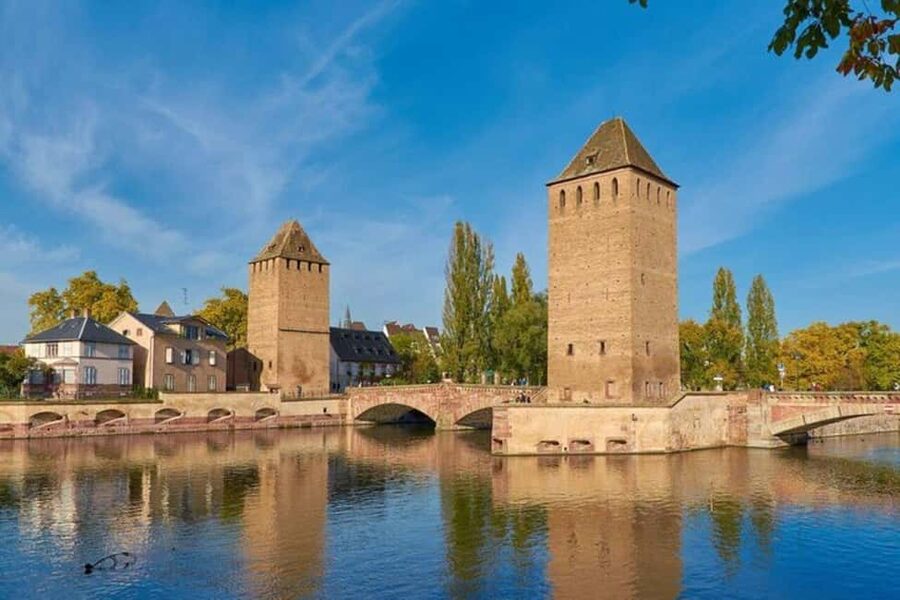
Strasbourg’s old center is compact, but its story is not. On this private two-hour walk, you move from grand squares to medieval lanes, then finish at the remarkable Notre Dame Cathedral. The best part is having a local guide adjust the conversation to your interests, from architecture and politics to food and gardens.
I like the useful orientation at the start, especially the timeline that Jean-Pierre gives before setting off. I also like the practical advice at the end. Guides such as Andrea, Marius, Nahama, and Amelie have helped people choose restaurants, later sights, rose gardens, and Alsatian dishes. The main tradeoff is time: two hours is enough for a strong introduction, not a full visit to every museum or interior.
Key points at a glance
- A private route through central Strasbourg: You have the guide to yourself, so the pace and subjects can change around your interests.
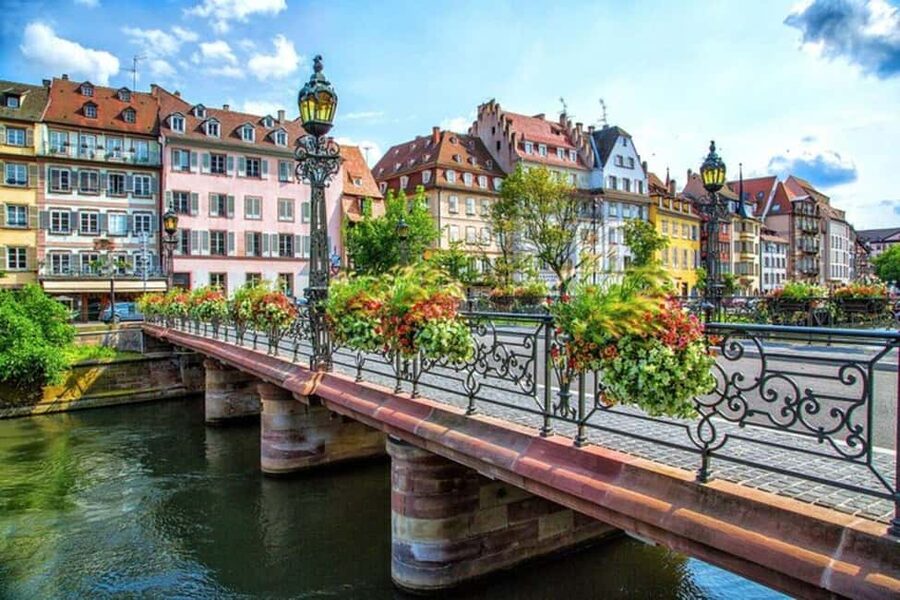
- Major squares with different personalities: See Place de la République, Place Broglie, Place Kléber, and Place Saint-Étienne.
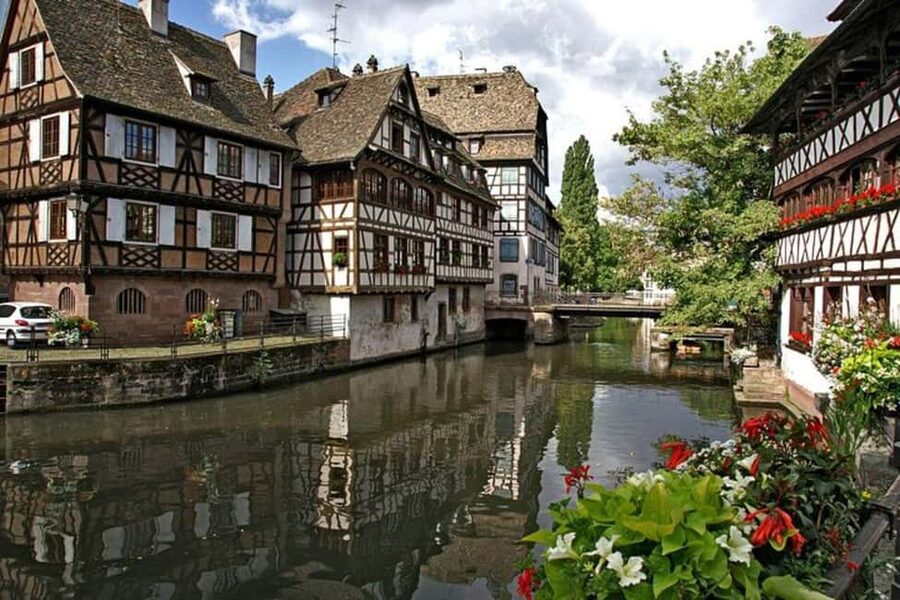
- Petite France on foot: Wander its picturesque streets while learning how the neighborhood changed over the centuries.
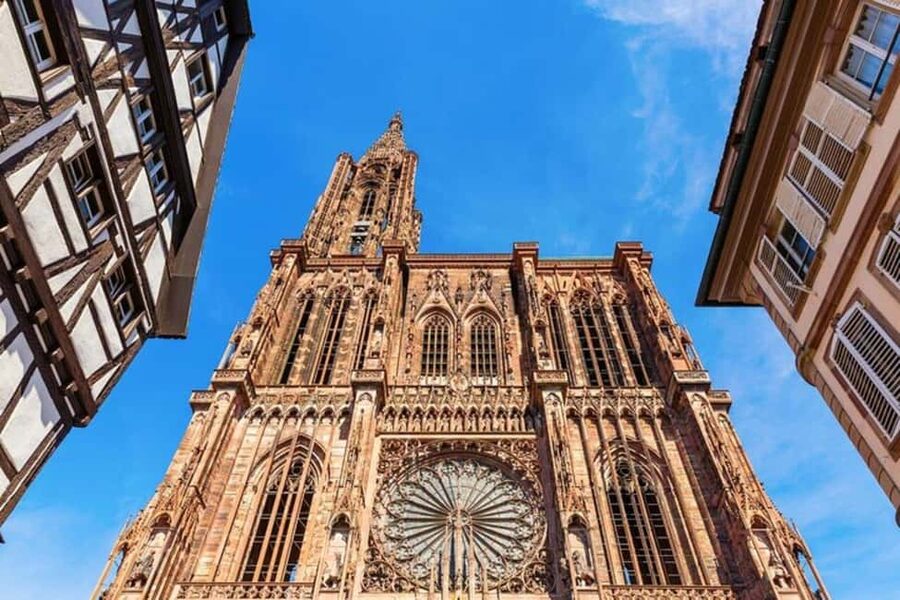
- Notre Dame Cathedral as the grand finish: The cathedral receives guided attention and gives the walk a memorable closing point.
- Useful local planning help: Ask about food, later sightseeing, gardens, or the best way to use the rest of your time.
- Flexible booking terms: The tour costs $34 per person, lasts two hours, and allows cancellation up to 24 hours before departure for a full refund.
Why this walk works as a first look at Strasbourg
I see this experience as a city orientation with a local voice, not a museum-heavy lecture. You cover the main central sights while learning how Strasbourg’s spaces fit together. That matters because the old center can feel like a series of pretty views at first. A guide gives those views a sequence and a reason.
The private format is the real advantage. If you want architecture, your guide can focus on buildings and dates. If food matters more, you can ask about Alsatian dishes and places to eat. If you are traveling with family, you can keep the pace conversational rather than trying to keep up with a large group.
The guides bring different personalities. Andrea is described as warm and easy to talk with, while Marius is praised for humor and clear explanations. Jean-Pierre begins with a city timeline, which is a smart way to help you place later details. Amelie’s long connection with Strasbourg adds a local angle, and Nahama is noted for changing the experience around the group’s interests.
That variety also means your exact experience depends on the guide assigned to you. The common thread is a personal approach, but this is not a scripted performance with one fixed style. If you have a strong interest, tell your guide at the beginning.
More History Walking Tours in France
- Paris: Dark History and Ghostly Guided Walking Tour
★ 4.7 · 1,000 reviews - Vieux Lyon Cultural & Historical Walking Guided Tour (English)
★ 5.0 · 942 reviews - Strasbourg: Guided Historical Neighborhoods Walking Tour
★ 4.9 · 275 reviews
Starting at 7 Rue des Frères
The stated meeting point is 7 Rue des Frères, and the walk returns there. The route can be adjusted, and the order of sights may change to suit the group. The advertised stops include Notre Dame Cathedral, Place Saint-Étienne, Place Broglie, Place Kléber, and Place de la République.
The activity information also allows walking and public transport, except when a selected option changes that arrangement. Since the tour is only two hours, ask your guide early if you want to spend extra time at a certain square or make a particular stop the focus.
I would arrive ready to walk on city streets and pause outdoors. The experience does not include food or drinks, so plan a café stop before or after the tour rather than expecting refreshments along the way.
A short opening explanation can make a big difference. Jean-Pierre’s ten-minute timeline is a good example of how a guide can give you a framework before pointing out individual buildings. You do not need to remember every date. You need enough context to understand why Strasbourg feels both French and distinctly Alsatian.
Place de la République and Strasbourg’s formal side
Place de la République offers a grand beginning. Here, your guide explains the square and the stories behind it before the route moves through the center. This is a useful contrast to Petite France, where the mood is more intimate and the streets feel closer together.
The square is also a good place to hear about Strasbourg as an international city. One person described the tour as having an international atmosphere in an international city, a fitting observation for a place shaped by changing borders and cultures. Your guide can help connect that broad story to the streets you are about to walk.
This opening stop may appeal most if you like urban design and public spaces. It is less about checking off a single object and more about seeing how Strasbourg presents itself through its civic center.
Place Kléber and the city’s public meeting place
Place Kléber is Strasbourg’s main square and one of the easiest places to recognize in the center. During the Christmas season, its large festive tree is a major attraction. At other times of year, the square gives you a sense of the city’s everyday public life.
The square works well on a walking tour because it helps you understand scale. After narrower lanes, its open space gives you room to pause and look around. Your guide can also explain how the square fits into the city’s modern rhythm, rather than treating it only as a photo stop.
If you visit near Christmas, expect the tree and seasonal atmosphere to draw attention. The tour remains useful outside the holiday period because Place Kléber is still a central reference point. I would not expect the stop alone to occupy a large part of the two hours. Its value comes from linking it with the rest of the route.
More Old Town and Historic Centre Walks in France
- Bordeaux: Historic Center & Chartrons District Bike Tour
★ 4.8 · 709 reviews - Strasbourg on Foot: Historic Center and Petite France with a Local Guide
★ 4.7 · 223 reviews - Rouen: Guided Tour of the Historic Center
★ 4.8 · 145 reviews - Strasbourg: Private Walking Tour of the Historical Center
★ 4.2 · 107 reviews
Petite France, where the walk becomes more intimate
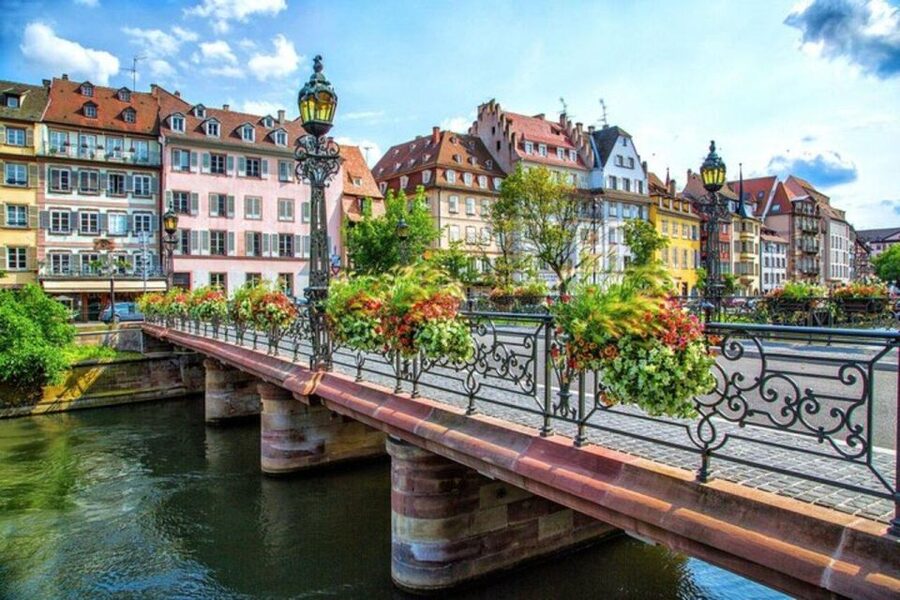
Petite France is the most picturesque part of the experience. You leave the broad civic squares and enter streets and lanes with a more enclosed, old-world feel. The guide explains the neighborhood’s past and how it changed over time, giving you more than a quick stroll through attractive scenery.
This is where the private format can be especially helpful. You can stop for a photograph without holding up a large group, and you can ask why the neighborhood looks the way it does. The exact details you hear will depend on your guide, but the aim is to connect the buildings, lanes, and local history.
I like this part for another reason: it gives you an early sense of where you may want to return alone. One guide helped a visitor see parts of Strasbourg that would have been easy to miss without local direction. After the tour, you can revisit the streets at your own pace instead of trying to absorb them all while following someone else.
Petite France is also a good place to ask about food. The Alsatian dishes you hear about here may help you decide what to order later. Since meals are not included, keep restaurant suggestions as advice rather than part of the paid experience.
Place Saint-Étienne and Place Broglie
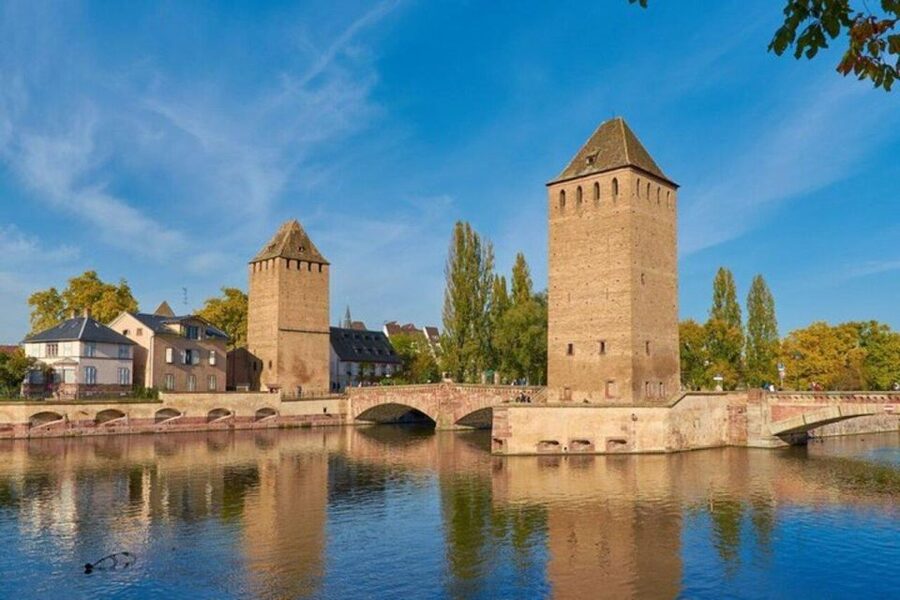
Place Saint-Étienne and Place Broglie add two more views of central Strasbourg. The guide provides a tour at both stops, so you are not simply passing through them on the way to the cathedral.
Place Saint-Étienne helps round out the city’s central squares with a different setting from Place Kléber and Place de la République. Place Broglie adds another formal public space and gives the walk a broader sense of Strasbourg’s civic center.
These stops may be less instantly familiar than Notre Dame or Petite France, but that is part of their value. A first-time visitor can easily spend all their attention on the most photographed places. A guide helps you notice the spaces that explain how the city functions beyond its headline sights.
Because the route is private and customizable, tell your guide if you prefer more time at the squares or would rather move on quickly. A fixed group tour may need to follow its schedule. Here, your interests can have more influence.
Notre Dame Cathedral as the final anchor
Strasbourg’s Notre Dame Cathedral is the most dramatic stop. It is also where the tour’s separate threads come together: architecture, city identity, public space, and the long story of Strasbourg itself.
The cathedral receives guided attention, so you can expect more than a quick look from outside. The guide shares stories about the building and its importance, though the exact depth depends on timing and your interests. Several people particularly appreciated the cathedral and the walks through side streets and alleys.
The cathedral is a strong ending because it leaves you with a clear landmark to remember. It also gives you a good point from which to continue exploring independently. If you want a longer interior visit or a separate ticketed attraction, ask the guide about arrangements. The tour includes help from the team with booking tickets for desired visits, but entrance fees and food are not included in the stated price.
Keep your expectations realistic. Two hours can introduce the cathedral and its setting, but it is not designed as a full architectural study. If you want every detail, you will need more time afterward.
The value of a $34 private tour
At $34 per person, the price is strongest when you are traveling as a small group and plan to use the advice. You are paying for a private guide, route changes, local context, and help deciding what to do next. That can be good value at the start of a short stay, when one well-planned walk saves you from wandering without a plan.
The value is lower if you only want to photograph the cathedral and squares. You can see the outside of many central sights independently. The reason to book is the conversation, the explanations, and the ability to ask questions as you go.
The advice after the formal tour may be just as useful as the walk itself. Jean-Pierre suggested a rose garden after noticing a visitor’s interest in flowers. Other guides offered food ideas and suggestions for later sightseeing. I would use the final minutes to explain where you are going next and what you like. A guide cannot tailor the route to information you never share.
The tour includes a private and exclusive group, customization, walking, and public transport under the stated conditions. It does not include drinks or food. The booking terms allow you to reserve now and pay later, which helps if your plans are still shifting.
Who will get the most from this experience
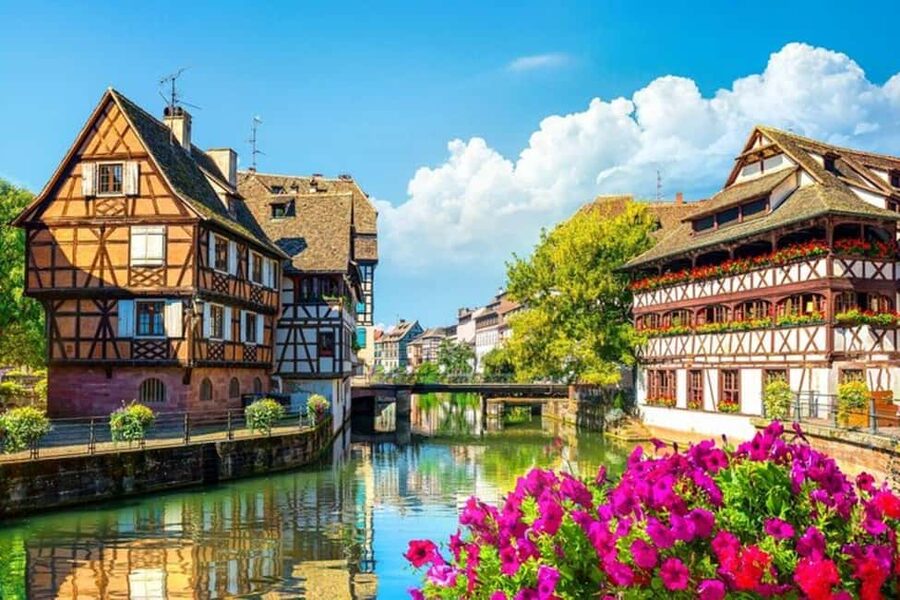
I would choose this for a first visit to Strasbourg, especially if you have only a day or two. It gives you a map in your head, introduces the major central areas, and helps you decide what deserves more time.
It also suits couples, families, and small private groups with different interests. One person can ask about history while another asks about restaurants or gardens. The guide can keep the exchange focused instead of delivering the same speech to a large crowd.
It is a good fit for visitors who want human conversation rather than a recorded guide. The strongest praise centers on clear explanations, warmth, humor, local suggestions, and guides who take time to understand the group.
You may want something else if you need a long cathedral visit, a food tasting, or a detailed museum tour. None of those is included. This is a broad, flexible introduction, not a specialist program.
The activity is wheelchair accessible, which widens its usefulness, though you should still discuss your preferred route with the team when booking. The available guide languages are English, French, Spanish, and Italian.
Practical advice before you book
Tell the guide your priorities at the start. A simple request such as architecture, food, family-friendly pacing, or gardens can change the feel of the walk.
Wear shoes suitable for two hours on foot and leave room in your schedule for stops. The exact route may be customized, so do not plan another fixed activity immediately at the end unless you are comfortable with a little flexibility.
If Christmas is your focus, mention it when arranging the tour. Place Kléber’s seasonal tree is one of the city’s well-known festive features, but the wider walk still has value in other seasons.
Use the tour as a first chapter. Afterward, return to Petite France, spend longer around the cathedral, follow up on a restaurant suggestion, or visit one of the places your guide identifies. That is where the private format earns its keep.
Should you book this Strasbourg walk?
Yes, if you want a friendly, adaptable introduction to the historic center and value advice you can use for the rest of your stay. The combination of Petite France, the main squares, and Notre Dame Cathedral gives you a sound first look, while the private setting lets you shape the conversation.
I would be more cautious if your main goal is a deep architectural tour or included food. At $34 per person, the price makes sense for personal guidance and local planning, not for admissions or refreshments. Book it early in your visit, tell your guide what interests you, and treat the two hours as a practical orientation to Strasbourg rather than the whole city.
FAQ
How much does the Strasbourg Historic Center Walking Tour cost?
The price is $34 per person.
How long does the tour last?
The tour lasts two hours. Starting times depend on availability.
Is the tour private?
Yes. It is a private, exclusive tour, and a private group option is available.
Which languages are offered?
The live guide can conduct the tour in English, French, Spanish, or Italian.
Where does the tour start?
The stated starting location is 7 Rue des Frères.
Where does the tour finish?
The tour returns to 7 Rue des Frères.
Which Strasbourg sights are included?
The route includes Notre Dame Cathedral, Place Saint-Étienne, Place Broglie, Place Kléber, and Place de la République. Petite France is also part of the experience described for the walk.
Are food and drinks included?
No. Food and drinks are not included.
Can I cancel for a full refund?
Yes. You can cancel up to 24 hours in advance for a full refund. You can also reserve now and pay later.
Just added around France
- Medieval Carcassonne: Interactive Ghost Story & City Game★ 3.5 · 33 reviews
- Carcassonne During World War 2★ 5.0 · 127 reviews
- Carcassonne ‘s Medieval Walls: A Self-Guided Tour★ 4.5 · 43 reviews
- Small Group Guided D-Day Tour and Mémorial de Caen Museum★ 5.0 · 237 reviews
- Normandy: Private tour D-Day landing beaches American sector★ 5.0 · 62 reviews
- Mémorial de Caen Museum Admission and Guided Tour of D-Day Sites★ 4.5 · 275 reviews
- Private Day Tour including Normandy Landing Beaches & Battlefields from Caen★ 5.0 · 53 reviews
- Private Bordeaux History Tour with a glass of Bordeaux wine.★ 5.0 · 28 reviews
France History Tours, compared.

Normandy D-Day Sites & Cemetery Day Trip from Paris with Lunch
Read our review →
Paris: Louvre Museum Entry with History of Mona Lisa
Read our review →
Normandy D-Day Small-Group Day Trip with Omaha Beach, Cemetery & Cider Tasting
Read our review →
Normandy D-Day Beaches and American Cemetery Day Trip from Paris
Read our review →
Normandy American D-Day Beaches Full Day Tour from Bayeux
Read our review →
Normandy American D-Day Experience – Group tour from Bayeux
Read our review →
Normandy Beaches Half-Day Afternoon Trip from Bayeux (A2)
Read our review →
Omaha Beach D-Day Experience – Afternoon group tour from Bayeux
Read our review →Browse the lists this tour appears in