Review · TICKETS
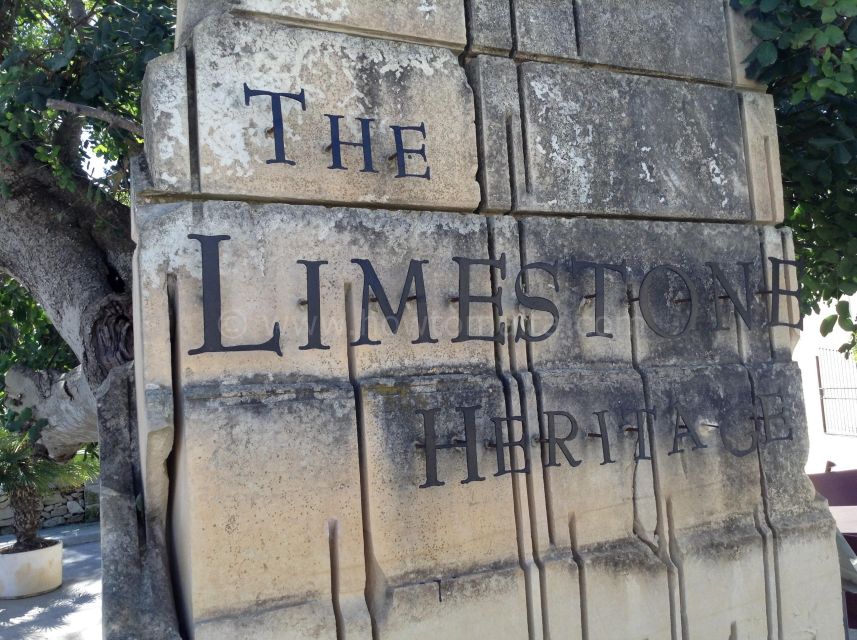
The Limestone Heritage Park and Gardens (Entry Ticket)
Malta’s story is written in limestone, and this family-run park in Siggiewi lets you see that story in practical, hands-on form. You move from an audio-visual presentation into old quarry spaces, a museum hall, a geology section, a 400 B.C. Punic tomb, gardens, and a small farm.
I like the 17-language audio guide, which lets you set your own pace, and I like the mix of culture and simple family fun. Live stonework demonstrations give the place a working feel, while the citrus garden and animals soften what could otherwise be a very museum-heavy stop.
The main consideration is size. One recent booking note found the park smaller than expected, so think of it as a focused half-day attraction rather than a full-day theme park. The ticket allows one entry only, and the venue closes by 4:00 P.M. on weekdays.
Key points to know before you go
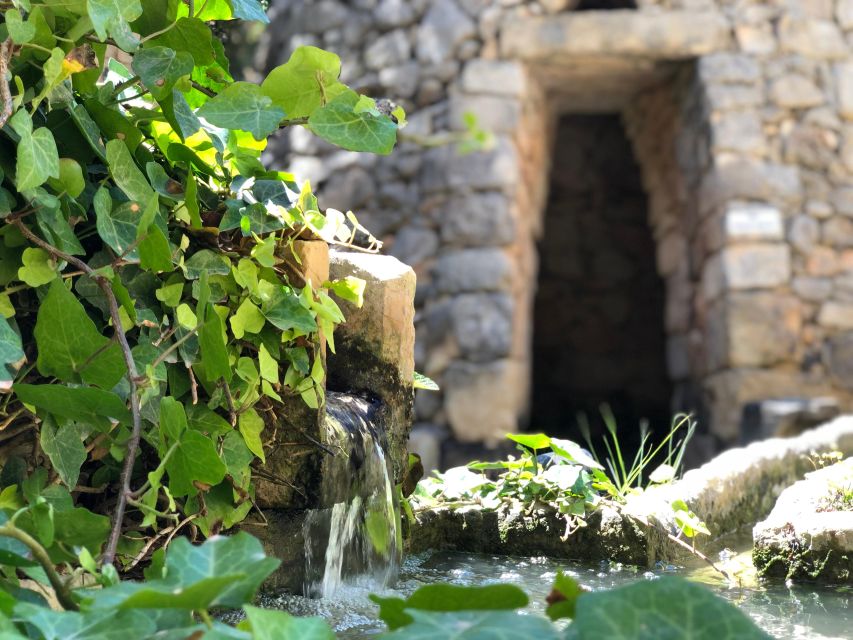
- A 7,000-year story starts with Malta’s limestone: The park explains how this local stone shaped buildings, tombs, sculpture, and daily life.
- The audio guide works in 17 languages: You can choose Maltese, English, French, German, Italian, Dutch, Russian, Spanish, Greek, Portuguese, Swedish, Danish, Finnish, Norwegian, Polish, Chinese, or Japanese.
- The Punic tomb dates to about 400 B.C.: This gives the visit a genuine archaeological feature, not just a modern display.
- Stonework is shown as a living craft: Live demonstrations connect Malta’s past with the skills still used today.
- A €5 limestone-making option adds hands-on fun: You can make your own limestone piece and take time to work on it.
- The setting suits mixed-age groups: Museum displays, gardens, geology, animals, and food give different members of the family something to enjoy.
Why Malta’s limestone matters

Limestone is not a minor detail in Malta. It is the island’s building material, a part of its archaeology, and one of the clearest ways to understand the country’s appearance and culture.
At this park, you get a useful introduction before looking at individual displays. The audio-visual presentation sets out the broad story of Malta across 7,000 years, then the guided walk gives you physical evidence to examine. That order matters. Instead of seeing a quarry or a stone object without context, you begin to understand why it was made and why the material mattered.
The presentation is available in 17 languages, which makes this a practical choice for families or groups who do not all speak English. The audio guide also means you are not tied to a fixed group or a guide’s pace. You can pause, look around, and spend more time in sections that interest you.
There is no live guide included, and the host or greeter language is English. That is worth knowing if you prefer a personal guide who answers questions as you walk. For most visitors, though, the audio format offers freedom and keeps the visit calm rather than tightly scheduled.
More Tickets in the world:
- Pompeii: Entry Ticket and Guided Tour with an Archaeologist
★ 4.8 · 19,459 reviews - Edinburgh: Edinburgh Castle Guided History Tour with Tickets
★ 4.8 · 9,933 reviews - Taormina: Ancient Theater Skip-the-Line Ticket & Audio Guide
★ 4.5 · 2,412 reviews
Starting with the audio-visual presentation
Your visit begins with an audio-visual look at Malta’s past. This is the broadest part of the experience, giving you the basic timeline before you see the quarry areas, museum material, and stone demonstrations.
I find this kind of introduction useful at a site built around one material. Without it, limestone can seem like a simple subject: quarry, stone, building. The presentation explains its larger role and prepares you to notice the difference between geological material, archaeological remains, and crafted stone.
The presentation is not described as a long lecture, so you should expect an introduction rather than a full history course. That is a good fit for a family visit, particularly if younger children are with you. It gives enough background to make the rest of the park more meaningful without asking you to sit through an extended classroom-style talk.
Walking through the quarry and museum hall

The audio-guided walkthrough is the main spine of the visit. It leads you through the attraction while explaining what you are seeing, with information available in the same 17 languages as the presentation.
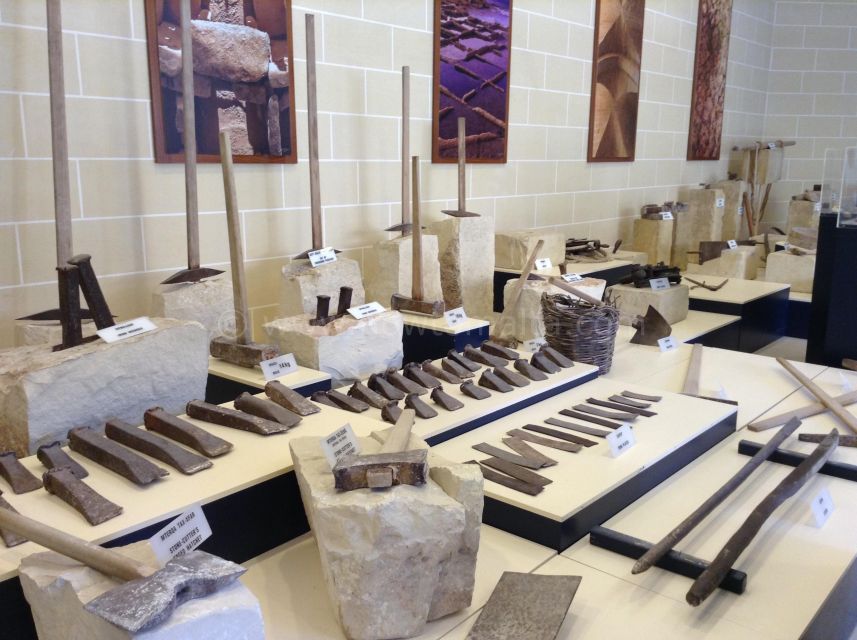
The museum hall helps turn the outdoor setting into a more complete cultural visit. You can expect displays connected with Maltese stone, local history, and the tools or objects that help explain how limestone was used. The attraction is not only about looking at a quarry wall. It links the stone to the people who cut it, shaped it, built with it, and turned it into decorative objects.
The park is award-winning, but the more useful point for you is its range. A history-minded visitor can focus on the archaeological and geological material. Someone interested in local crafts can spend more time at the stonework demonstration. Children may prefer the animals and outdoor areas.
The size is the main limitation. A note from a February 2025 visit described the park as smaller than expected, though still very nice. Plan around that reality. If you expect an enormous open-air museum with hours of exhibits, you may be disappointed. If you want a manageable attraction that combines several subjects in one stop, the compact scale can work in its favor.
The geology section and Malta’s natural material
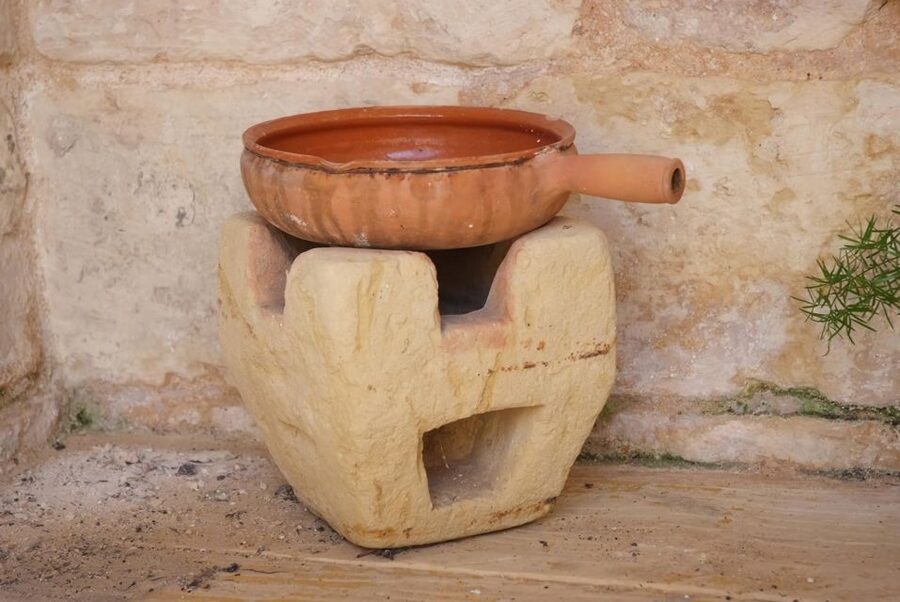
The geology section gives you a chance to consider limestone as a natural material rather than only as a historic building block. This adds useful balance to the museum displays. You see not just what people did with the stone, but something about the stone itself.
That distinction is helpful in Malta, where local construction and geology are closely tied. The section should appeal to anyone curious about how the island was formed, as well as to children who enjoy rocks and physical specimens.
Do not expect a university geology course. The value here is clarity. The park makes a specialist subject accessible within a wider visit, and you can connect the geology section with the quarry surroundings and the later stone-carving demonstration.
This is also one of the stops where the audio guide earns its keep. A rock specimen may look ordinary until you learn why it matters. The narration gives you a way to understand the examples without requiring prior knowledge.
More History Tours in the world:
- Prague: Medieval Dinner with Unlimited Drinks
★ 4.4 · 19,847 reviews - History and Hauntings of Salem Guided Walking Tour
★ 5.0 · 14,564 reviews - Athens: Acropolis & up to 5 Archaeological Sites Combo Pass
★ 4.2 · 13,904 reviews - Colosseum: Underground and Ancient Rome Tour
★ 4.7 · 12,691 reviews
Seeing a Punic tomb from about 400 B.C.
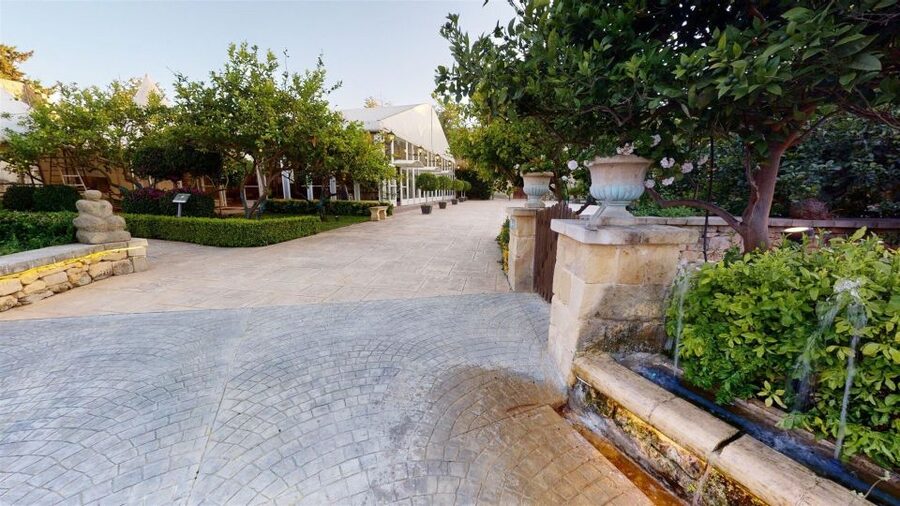
The Punic tomb is one of the most important individual features on the visit. Dating to about 400 B.C., it gives you a direct link to Malta’s ancient past and adds archaeological weight to the park.
A tomb is also a different kind of stop from a museum case. You are looking at a place made for a particular purpose, not simply an object removed from its original setting. The audio guide can help explain what you are seeing and place it within Malta’s long sequence of cultures.
The tomb is likely to be a short part of the visit rather than a large archaeological complex. That is not a criticism. Its value comes from the contrast. You can move from geology to quarrying, then encounter a real ancient burial site before returning to the gardens and craft areas.
If ancient history is your main reason for visiting Malta, you will want larger archaeological sites elsewhere as well. At the Limestone Heritage Park, the tomb works best as one strong piece in a broader story about stone and people.
Watching the live stonework demonstration
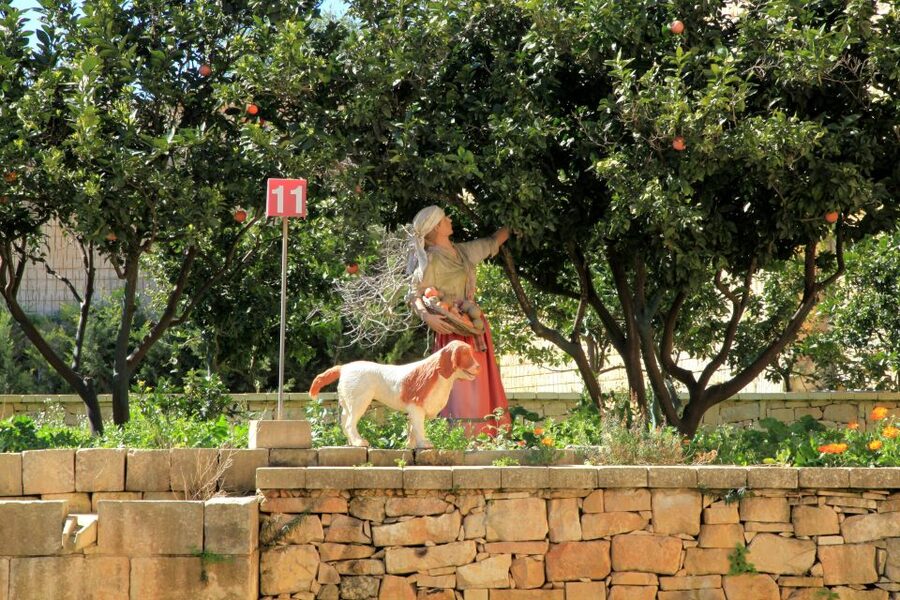
The live stonework demonstration is where the attraction becomes most tangible. Instead of only hearing how limestone was used, you see the material being worked in front of you.
Stone carving takes patience, control, and a feel for the material. Even a short demonstration can make you look differently at carved details in Maltese churches, houses, monuments, and souvenirs. It shows that stonework is not just an old trade locked in a museum display.
The demonstration also helps families. Younger visitors may not stay focused on every audio section, but watching a craftsperson shape stone gives them something visual and immediate. Adults get a clearer sense of the labor behind Malta’s famous stone buildings.
You can also make your own limestone piece for €5. This is an optional extra, not part of the $11 entry ticket, and it may be the best add-on for anyone who likes hands-on activities. You can take your time trying to make it right, rather than rushing through a quick souvenir purchase.
That option changes the pace of your visit. Instead of simply walking through, you can sit with the material and work on something of your own. Check the current availability and price when you arrive, since optional activities can change.
Citrus gardens and the animal farm
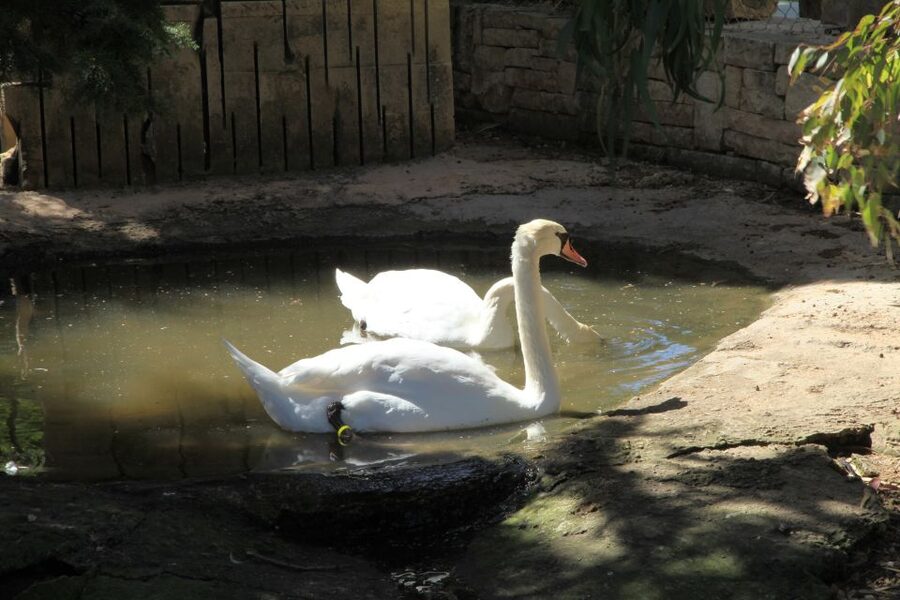
After the history and geology sections, the citrus gardens give you a quieter place to walk and pause. This is a useful change of pace, especially if you are visiting with children or prefer not to spend the whole day indoors or listening to recorded narration.
The gardens also make the attraction feel connected to everyday Malta rather than limited to archaeology. You can see how a historic site can include plants, shade, and open space without losing its main purpose.
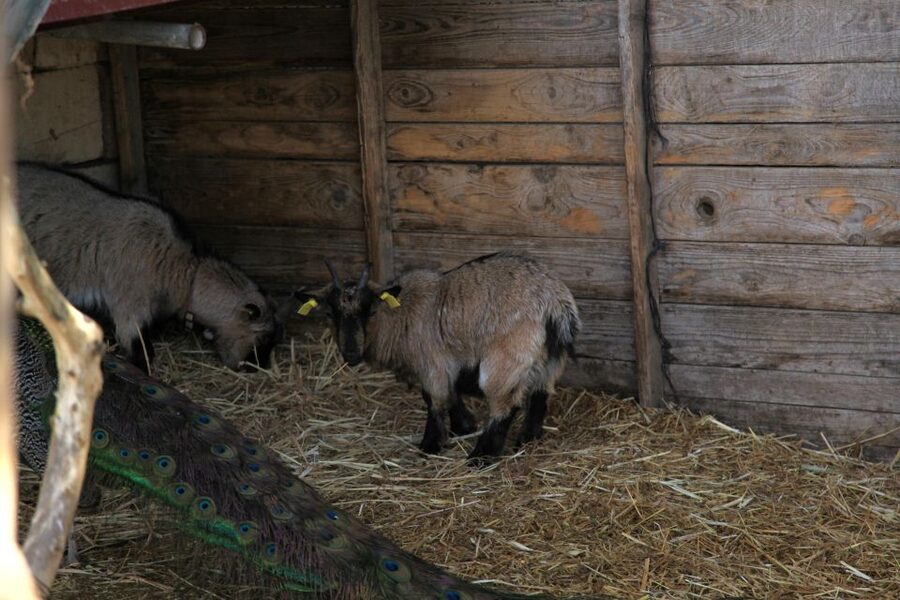
The farm animal park adds another family-friendly feature. The animals are not the reason to visit if you are seeking a major wildlife attraction, but they give children a clear reason to keep exploring. For adults, they offer a relaxed finish after the more serious museum and tomb sections.
The mix is carefully suited to a broad audience. You might spend a short time with the animals, then return to the craft area or settle in the garden. There is enough variety to keep the day from feeling like a single-topic lecture, though the compact scale means you should not expect a large farm.
Maltese food and the small café break
Food and drinks are not included, but you can buy refreshments at the venue. Options include tea, coffee, a Maltese platter, Maltese tuna ftira, and other snacks.
The Maltese platter is useful if you want to try several local flavors without arranging a separate restaurant visit. The tuna ftira offers a more substantial snack. These details matter because the attraction’s opening hours are limited, and stopping for food can make the visit feel less rushed.
You should not treat the café as part of the ticket value. The $11 price covers entry and the listed attractions, while food is an extra cost. Still, being able to sit in peaceful countryside surroundings gives you a pleasant way to finish the visit.
The shop sells Maltese goods and stone souvenirs. You are not required to buy anything, and the optional €5 limestone activity is a better choice if you want an experience rather than a standard keepsake. If you do shop, stone products make sense here because they connect directly with what you have just seen.
How much time to allow and when to arrive
The ticket is valid for one day, but the site does not operate as a full open-ended day out. From Monday through Friday, the park is open from 9:00 A.M. to 4:00 P.M. On Saturday, it closes at noon. It is closed on Sundays and public holidays.
Last entry is 30 minutes before closing. I would avoid arriving late, especially if you want to hear the presentation, follow the audio walk, see the demonstration, visit the farm, and stop for a snack.
You can use the ticket at any time during the booked day within opening hours. There is no re-entry, so plan to complete the visit in one go. That makes a morning or early afternoon arrival the safest choice.
The park does not include hotel pickup or drop-off. You need to arrange your own transport to Siggiewi. A host or greeter is available in English, but there is no live guide included. The attraction itself is wheelchair accessible, which is helpful for visitors who need step-free access, though the exact ease of every outdoor surface is not specified.
Opening times can change, especially around public holidays. Malta’s listed public holidays include New Year’s Day, Good Friday, Easter-related dates, May 1, June 7, June 29, August 15, September 8, September 21, December 8, December 13, and Christmas Day. Confirm the hours before setting out.
Is the $11 ticket good value?
At $11 per person, the ticket is reasonably priced if you want several modest attractions in one stop. You receive the audio-visual presentation, audio-guided walk, museum hall, geology section, Punic tomb, citrus garden, animal park, and live stonework demonstration.
The value is strongest for families and mixed-interest groups. One person can focus on archaeology, another on geology, and children can look forward to the farm and gardens. The 17-language audio system also saves you from paying for a private guide.
The value is weaker if you are expecting a major museum or a full-day cultural site. The attraction is compact, and one recent visit found it smaller than expected. You may complete the main material in a few hours, particularly if you skip food and the optional stone-making activity.
For me, the ticket makes sense when paired with other plans in the Siggiewi area. It gives you a clear, structured way to understand Malta’s stone traditions without taking a full day from the rest of your holiday. The extra €5 limestone-making option can add meaningful value for children or anyone who enjoys practical crafts.
Who should visit the Limestone Heritage Park?
I would recommend this attraction to families, first-time visitors who want a simple introduction to Malta, and anyone curious about how the island’s buildings and archaeology relate to local stone.
It is also a good choice if your group has different interests. The audio guide suits adults who want information, while the animals, gardens, and carving activity give younger visitors something active to do.
You may want to skip it if you only have time for Malta’s largest archaeological sites or if you dislike audio-guided attractions. The park is not a grand ruin complex, and it does not include hotel transportation. Its strength is the combination of several smaller experiences in one calm setting.
Should you book it?
Book the Limestone Heritage Park if you want a relaxed, family-friendly look at Malta’s stone traditions, with a real Punic tomb, geology displays, gardens, animals, and a live craft demonstration. The $11 ticket is fair for the range of included features, and the 17-language audio system makes the visit easy to follow.
Go in with the right expectation: this is a compact attraction, not a sprawling full-day park. Arrive early, allow a few hours, consider the €5 limestone-making activity, and check the opening hours before leaving. For a focused stop in Siggiewi that joins nature, archaeology, and local craft, it is a sensible booking.
FAQ
Where is the Limestone Heritage Park and Gardens?
The attraction is in Siggiewi, a traditional Maltese village in Malta.
How much does entry cost?
The listed entry price is $11 per person.
How long is the ticket valid?
The ticket is valid for one day, during the opening hours of the booked date.
Can I enter more than once?
No. The entry ticket allows one-time entry only, with no re-entry.
What are the opening hours?
The park is open Monday through Friday from 9:00 A.M. to 4:00 P.M. On Saturday, it is open from 9:00 A.M. to 12:00 P.M. It is closed on Sundays and public holidays.
What time is the last entry?
The last entry is 30 minutes before closing.
Is the audio guide available in English?
Yes. The audio guide is available in English, Maltese, French, German, Italian, Dutch, Russian, Spanish, Greek, Portuguese, Swedish, Danish, Finnish, Norwegian, Polish, Chinese, and Japanese.
Is food included in the ticket?
No. Food and drinks are not included, but you can buy tea, coffee, a Maltese platter, Maltese tuna ftira, and other snacks at the venue.
Is hotel transportation included?
No. Hotel pickup and drop-off are not included.
Is the attraction wheelchair accessible?
Yes. The Limestone Heritage Park and Gardens are listed as wheelchair accessible.
Just added around the world
- Scenic Train ride to historical cities of Morretes and Antonina★ 4.0 · 188 reviews
- 6-Day Cultural Tour to Machu Picchu★ 5.0 · 76 reviews
- Jewish Heritage of Curacao★ 4.5 · 68 reviews
- The Curacao’s Colorful History Walking Tour★ 5.0 · 55 reviews
- Discover Scuba Diving Amathounta’s Ancient Port★ 5.0 · 30 reviews
- Olous – Guided Snorkelling Excursion to Discover Olous Sunken Ancient City★ 4.5 · 31 reviews
- Night Walking Tour of Medieval Cuenca★ 5.0 · 64 reviews
- WWII – The Battle of Crete Day Tour★ 5.0 · 103 reviews
Tickets, compared.
Pompeii: Entry Ticket and Guided Tour with an Archaeologist
Read our review →
Edinburgh: Edinburgh Castle Guided History Tour with Tickets
Read our review →
Taormina: Ancient Theater Skip-the-Line Ticket & Audio Guide
Read our review →
Pompeii: Archaeological Park Tour with Ticket on request
Read our review →
The National WWII Museum Admission Ticket New Orleans
Read our review →
Historic Milan Tour with Skip-the-Line Last Supper Ticket
Read our review →
Prague: Hop-on Hop-Off Historical Tram Ticket for Line 42
Read our review →