
Review · TOKYO
Tokyo: Imperial Palace and Shogun Historical Walking Tour
Tokyo’s Imperial Palace East Gardens give you two very different views of Japan in one walk: the quiet beauty of ponds and flowers, and the heavy stone defenses of the former Edo Castle. The best part is the way guides such as Jim, Tony, Miguel, and Izzy connect those remains to the shoguns, the emperor, and modern Tokyo.
I like the small group limit of 15, which makes it easier to hear and ask questions. I also like the easy pace and the chance to see castle foundations, gates, walls, and garden details that a bus tour simply cannot reach. The main caution is that guide quality can vary, and a few visitors found the explanations too long or not quite detailed enough.
Key points to know before booking
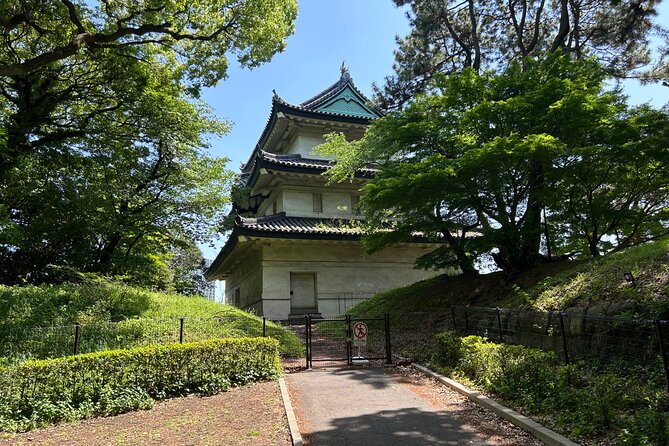
- Edo Castle’s keep foundation gives you a clear sense of the scale and power of the old shogun seat.
- Ninomaru Garden brings a softer side of the tour, with ponds and seasonal flowers shaped by Edo-period design.
- Guides are central to the experience, with Jim, Tony, Miguel, Izzy, Lasse, and others praised for history, culture, and storytelling.
- The group is capped at 15, a useful middle ground between a private tour and a large guided crowd.
- The walk includes slopes and steady time on foot, so comfortable shoes matter.
- The $22 price is mainly for interpretation, since the East Gardens can be visited without paying an admission fee.
What this Imperial Palace walk actually covers
This is not a palace interior tour. You will not be walking through the emperor’s private rooms or seeing a grand royal residence from inside.
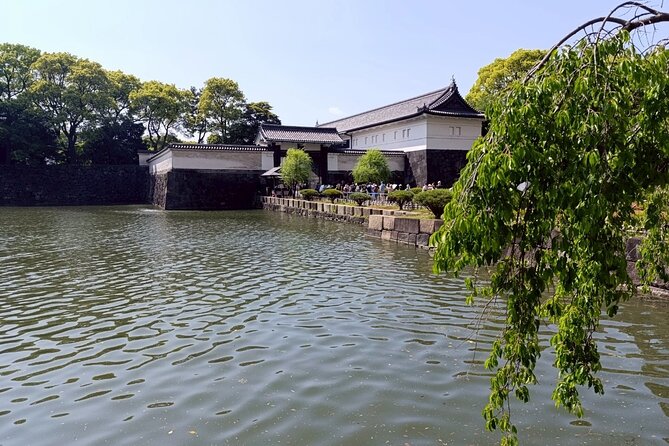
Instead, the focus is the Imperial Palace East Gardens and the former grounds of Edo Castle. The gardens occupy a small but important part of the old castle complex, where stone gates, defensive walls, historic foundations, ponds, and formal plantings tell the story of Japan’s shift from shogun rule to imperial government.
The advertised duration is about two hours. The main garden and Edo Castle section takes about an hour and a half, with the remaining time allowing for meeting, moving between stops, and questions. That makes this a manageable introduction to central Tokyo’s political past rather than an all-day history lesson.
I think the format works best if you want context without spending half your day inside a museum. A guide helps you understand why a bare stone base matters, how castle defenses worked, and why the imperial grounds remain important today.
More History Walking Tours in Japan
- Tokyo Castle & Imperial PalaceーShogun Walking Tour
★ 4.7 · 1,068 reviews - Tokyo: Imperial Palace Japanese History Walking Tour
★ 4.9 · 987 reviews - Tokyo Castle & Imperial PalaceーShogun Walking Tour
★ 5.0 · 724 reviews
Meeting at Wadakura Fountain Park

The tour starts at the Starbucks Coffee in Kokyo Gaien Wadakura Fountain Park, at 3-1 Kōkyogaien in Chiyoda City. The meeting point is near public transportation, but you should still allow time to find the correct Starbucks and arrive before the scheduled start.
That detail matters in Tokyo. The Imperial Palace area is broad, with several gates, roads, parks, and entrances that can look similar on a map. One booking went badly when the group left after a communication problem and the guide could not be reached. The issue was later addressed, but it shows why you should confirm the exact meeting point and arrive early.
The activity ends back at the same meeting point. That is useful if you want to continue around central Tokyo afterward, and it avoids the nuisance of figuring out a new return location in an unfamiliar part of the city.
Walking through the old castle defenses
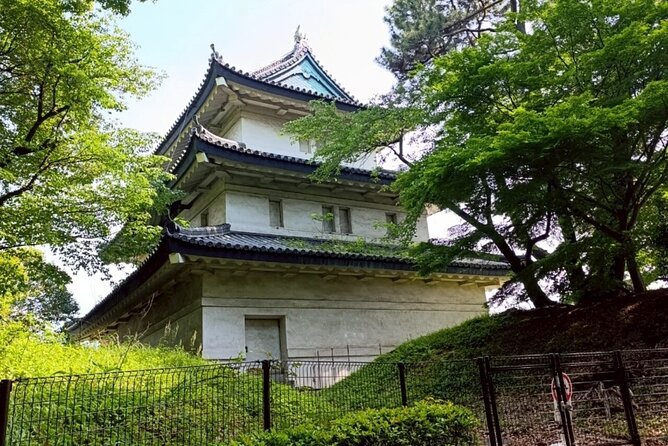
The historical heart of the experience is the former Edo Castle. From the 1600s until the 1800s, Edo was the seat of the Tokugawa shoguns, and the castle was the political center of Japan. Today, much of the wooden architecture is gone, but the scale of the stonework remains easy to read.
You walk through imposing gates and past sections of castle wall. These are not decorative ruins. Their size and carefully fitted stones show how the castle protected the shogun and controlled movement through the compound.
The most memorable stop is the foundation of the former castle keep. You will not see the tower itself, but standing on its stone base helps you picture how large the keep once was. A good guide can turn what looks like an empty platform into a useful lesson about feudal power, castle planning, and the role of the shogun.
This is where the guide earns the $22 price. Without explanation, you might take a photograph, read a short sign, and move on. With clear commentary, the gates and foundations become part of a larger story about samurai government, powerful regional lords, and the changing role of the emperor.
The walk is not completely flat. One review specifically warns you to expect slopes, and the castle grounds include enough walking to make firm shoes a good idea. The pace is generally described as easy, but you should not treat this as a ride-and-stop sightseeing trip.
Ninomaru Garden and the quieter side of Edo
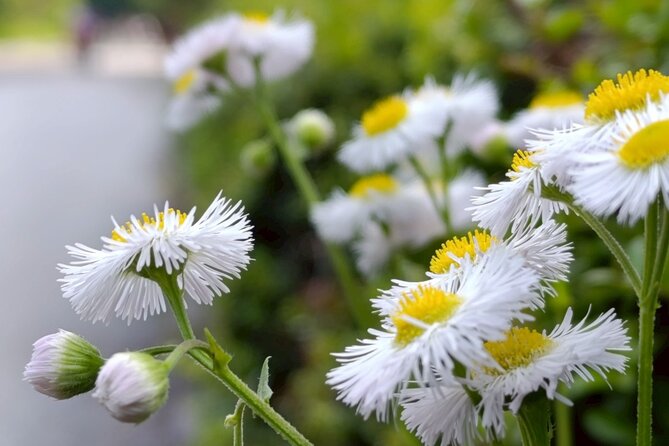
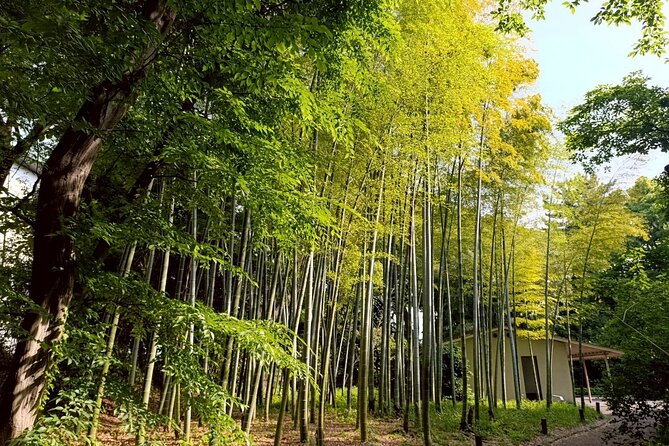
After the fortress remains, the setting becomes calmer. Ninomaru Garden shows the refined side of Edo-period culture, with ponds, seasonal flowers, and carefully arranged greenery.
The contrast is one of the tour’s strengths. You move from massive stone walls and military defenses to a garden designed for beauty, balance, and controlled views. That change helps explain that the castle was not only a military headquarters. It was also a place of ceremony, status, art, and daily life for the ruling class.
Seasonal conditions will affect what you see. Flowers and garden color change through the year, while the ponds and layout remain more constant. The tour’s value here comes less from checking off a famous structure and more from learning how Japanese garden design works within a historic setting.
You can visit the East Gardens without paying an admission fee, so the guide is not providing access to an otherwise closed attraction. That makes the value question straightforward. If you only want a pleasant green walk, you can explore on your own. If you want the old stones, gardens, imperial family, and shogunate placed into a clear story, the fee is modest for the added explanation.
More History Walking Tours in Tokyo:
- Tokyo: Shinjuku Historical Walking Tour & Secret Backstreets
★ 5.0 · 530 reviews - Imperial Palace East Garden and Edo Castle Walking Tour in Tokyo
★ 5.0 · 510 reviews - Asakusa: A Big-picture History Walk to Know Japan
★ 4.6 · 77 reviews - Asakusa: 3.5-hour Big-picture History Walk
★ 4.7 · 39 reviews
The guides shape the quality of the experience
The strongest part of the feedback centers on the guides. Jim is praised for answering questions patiently and for linking Japanese history with modern Japanese culture. Tony is repeatedly described as a strong storyteller who explains the Edo period, the shogunate, the emperor, and the imperial family.
Miguel receives praise for history, fun facts, and modern Tokyo insights. Izzy is described as clear and informative, while Lasse brings visible enthusiasm for Japan’s past. Other named guides include Blake, Mitchi, Dylan, John, and Maitaki.
That list also points to an important limitation. You may not know in advance which guide will lead your group, and the tone can change from one guide to another. Some guides give a broad introduction to Japan, while others spend longer at each historical stop.
One guide was criticized for needing help with historical answers, while the supervising guide appeared better suited to lead. Another guide was faulted for repeating points and spending so long at stops that attention faded. These are not reasons to reject the tour, but they are fair warnings for anyone expecting a polished academic presentation.
The overall rating is five out of five from 2,251 reviews, with 99 percent recommending the activity. That is a strong record, and the praise is unusually consistent about friendliness, history, and the relaxed pace. Still, a tour built around individual guides will never be perfectly uniform.
How much history will you hear?
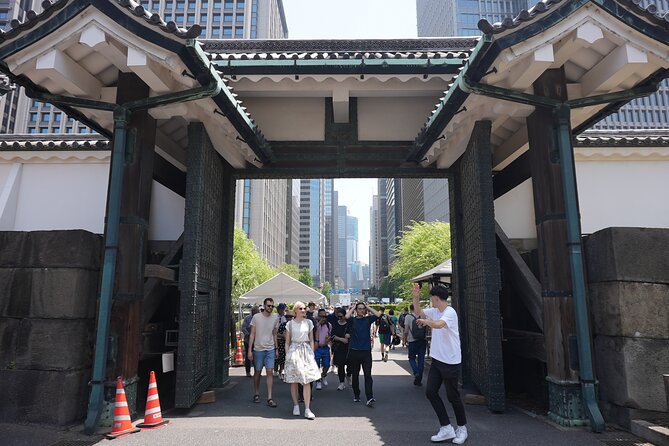
You should expect a history-focused walk. One review advises you to know at least the basics of Japan’s royal family, its opening to the Western world, and its major historical periods. You do not need to arrive as a specialist, but the experience will make more sense if you can keep the shogun, emperor, samurai, and imperial family distinct.
The best guides connect several layers:
- The Tokugawa shogunate and the political power of Edo Castle
- The role of samurai and feudal lords
- The transition from shogun rule to imperial government
- The present-day Imperial Palace and imperial family
- Japanese customs, legends, architecture, and garden design
You may hear stories about people and cultural practices as well as dates and buildings. That broader approach suits a first visit to Tokyo because it helps you understand the city beyond its modern towers and busy railway stations.
If you prefer a quick look with only a few facts, the amount of commentary may feel heavy. If you enjoy asking questions and building a mental timeline, the tour gives you a useful foundation for the rest of your Japan visit.
Group size, pace, and the real walking demands
A maximum of 15 people keeps this intimate without making it a private tour. That size usually allows the guide to check that everyone is together and respond to questions without stopping every few minutes.
The walk is described as relaxed, but relaxed does not mean effortless. You will spend the activity outside and on your feet, moving between gates, walls, gardens, and foundations. Some slopes are included, and the length is enough that poor footwear could make the final section less enjoyable.
The group format can also affect how much you hear. Stay close enough to the guide during explanations, especially near open garden areas where voices can carry away. If you have a question, ask it. Several guides are praised for patience and for making time to explain details.
The tour suits solo visitors, couples, families with older children, and anyone who wants an organized first look at the palace grounds. It is less suited to people who want a private pace, a silent garden stroll, or a short photo stop with little commentary.
Is $22 good value?
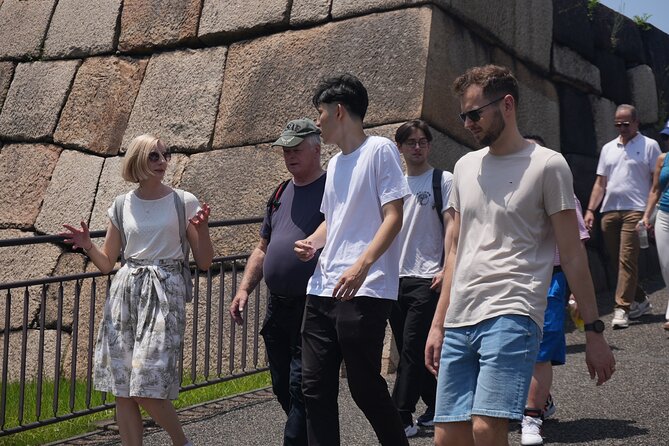
At $22 per person, this is a reasonably priced guided activity in central Tokyo. The East Gardens themselves can be visited for free, so you are paying for the guide’s time, historical explanation, route planning, and the chance to ask questions.
I would call it good value if you are new to Japanese history or want a clear introduction before visiting other historic sites. A skilled guide can help you understand why a stone wall, garden pond, or castle foundation matters. That context is difficult to gain from simply wandering.
The value is weaker if you already know the history well or prefer to read signs at your own speed. You may also feel less satisfied if your guide repeats information or lacks confidence with detailed questions.
The small group limit helps protect the value. You are not paying for a huge crowd following a flag through the grounds. You get a more personal setting, although the actual quality still depends on the person leading the walk.
Practical advice for a better visit
Arrive early at the Starbucks in Wadakura Fountain Park. A past communication problem led to a missed start and a shortened visit, so do not cut the timing close.
Wear comfortable shoes and be ready for slopes. The tour is outdoors and involves more walking than the short duration might suggest.
Keep your phone charged. The ticket is mobile, and you may also need it for meeting information or communication before the walk.
Expect a guide-led history lesson, not only a garden stroll. If you want to get the most from the experience, come ready to ask about the shogunate, Edo Castle, the emperor, and the garden’s design.
If weather is pleasant, the gardens should be especially enjoyable. Still, the main reason to book is the interpretation. The stone walls and ponds are attractive, but the story behind them is what turns the walk into a worthwhile activity.
Who should book this tour?
I would choose this tour for a first visit to Tokyo, especially if you want an introduction to Japan’s political and cultural history without committing to a long museum visit. It also works well near the start of a trip, when you are trying to place the emperor, shogun, samurai, and Edo period on the same mental map.
It is a good fit for anyone who likes walking, questions, and stories about places that no longer look exactly as they did. The East Gardens offer calm space in central Tokyo, while the castle remains provide a strong sense of the city’s older power center.
I would skip it if you want to enter palace buildings, avoid walking, or control the pace yourself. I would also think twice if you already have a strong grasp of Japanese history and would rather explore the free gardens independently.
For most first-time visitors, the price is modest and the route is focused. Book it for the guide and the context, not simply for admission to the gardens. Cancel at least 24 hours before the start time if your plans change and you want a full refund. The cancellation cutoff uses local Tokyo time.
FAQ
How long does the Imperial Palace walking tour last?
The experience lasts approximately two hours. The main East Gardens and Edo Castle section is listed as about one hour and 30 minutes.
What does the tour visit?
The tour visits the Imperial Palace East Gardens and the former Edo Castle grounds, including stone gates, castle walls, the old keep foundation, and Ninomaru Garden.
Is admission to the East Gardens included?
The tour includes admission for the guided visit. The East Gardens can also be visited for free independently.
Where does the tour begin?
The meeting point is Starbucks Coffee in Kokyo Gaien Wadakura Fountain Park, at 3-1 Kōkyogaien, Chiyoda City, Tokyo 100-0002, Japan.
Where does the tour finish?
The activity ends back at the meeting point.
How many people can join the tour?
The group has a maximum of 15 travelers.
Is the tour near public transportation?
Yes. The meeting point is listed as being near public transportation.
Do I need to bring a printed ticket?
No. The tour provides a mobile ticket.
Is the tour suitable for most people?
Most people can participate, but the walk includes time on foot and some slopes. Comfortable shoes are recommended.
What is the cancellation policy?
You can cancel at least 24 hours before the experience start time for a full refund. Cancellations or changes made less than 24 hours before the start are not accepted for a refund.
Just added around Tokyo
- Tokyo: Edo Castle & East Garden of the Imperial Palace Tour★ 4.7 · 112 reviews
- Tokyo: Imperial Palace, the history of Japan (ENGLISH GUIDE)★ 5.0 · 77 reviews
- Tokyo: Customized Private Historical Guided Photoshoot Tour★ 5.0 · 25 reviews
- Kyoto: Nijo Castle World Heritage Guided Tour with Admission★ 4.9 · 37 reviews
- Historic Kanda Sake Tasting at Tokyo’s Oldest Shop (1596)★ 4.9 · 33 reviews
- From Tokyo: Private Nikko World Heritage Sights One Day Trip★ 4.7 · 52 reviews
- From Tokyo: Guided Day Trip to Nikko World Heritage Sites★ 4.8 · 51 reviews
- Asakusa: A Big-picture History Walk to Know Japan★ 4.6 · 77 reviews
Tokyo History Tours, compared.
Tokyo Castle & Imperial PalaceーShogun Walking Tour
Read our review →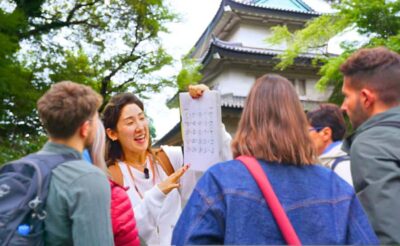
Tokyo: Imperial Palace Japanese History Walking Tour
Read our review →Tokyo Castle & Imperial PalaceーShogun Walking Tour
Read our review →
Tokyo: Shinjuku Historical Walking Tour & Secret Backstreets
Read our review →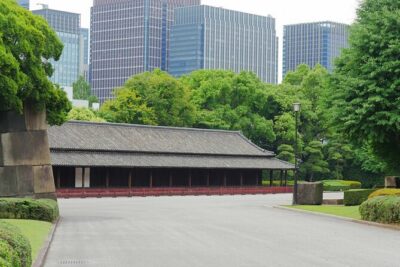
Imperial Palace East Garden and Edo Castle Walking Tour in Tokyo
Read our review →
From Tokyo: Nikko World Heritage Site Private Full-Day Trip
Read our review →
Tokyo: The Best of Izakaya in Shinjuku Food & Cultural Tour
Read our review →
Tokyo: Nikko World Heritage Private Day Trip Hotel Pick-up
Read our review →Browse the lists this tour appears in