
Review · TOKYO
Tokyo: Imperial Palace Japanese History Walking Tour
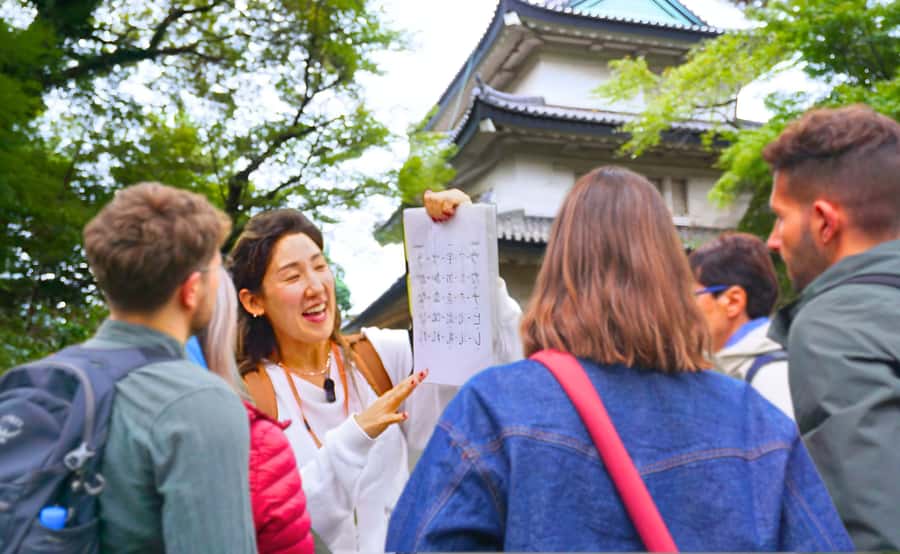
Tokyo’s Imperial Palace grounds give you something many city tours miss: a way to see Japan’s political past in the middle of modern Tokyo. You’ll walk through Otemon Gate, explore the Eastern Gardens, and trace how Edo Castle became the Emperor’s palace after the Shogun era ended. A miniature model helps fill in what the missing castle once looked like.
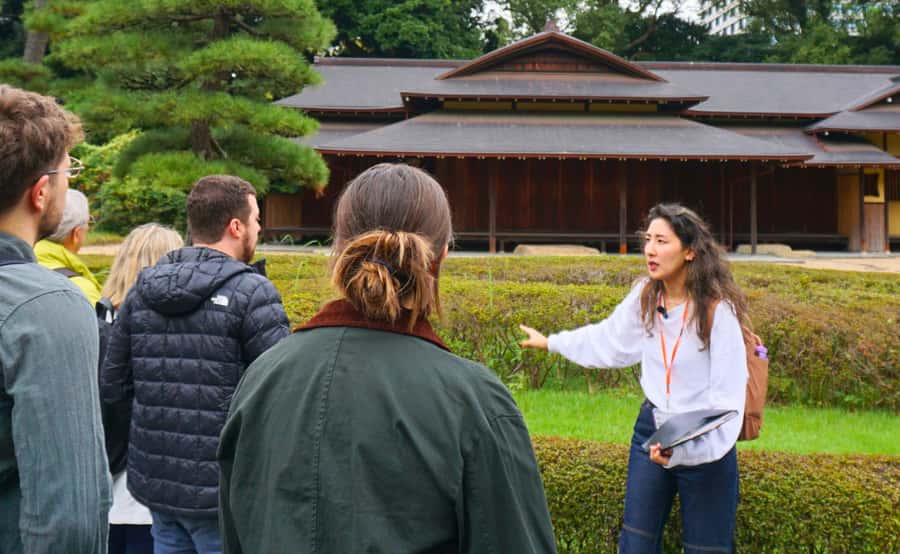
I like the clear historical storyline, which links farmers, samurai, daimyo, Shoguns, and Emperors instead of treating the palace as a collection of stones and trees. I also like the human touch from the guides. Mika, Natsumi, Lakki, and other guides are praised for answering questions, taking photos, sharing restaurant tips, and adjusting the pace in hot weather.
The main drawback is physical. This is a walking tour in an outdoor setting, and Tokyo can be fiercely hot, rainy, or humid. The tour runs in all weather and is not suitable for wheelchair users, people with mobility or heart problems, pregnant women, people with recent surgeries, or anyone with a low level of fitness.
Key Points
- Otemon Gate sets the scene: Enter the palace grounds through the historic gateway that once controlled access to Edo Castle.
- Edo Castle is mostly gone: A miniature model and remaining foundations help you picture the vast stronghold that once occupied this site.
- The history is explained in plain English: Guides connect the social order of farmer, samurai, daimyo, and Shogun to the rise of modern Japan.
- The route includes more than ruins: Expect a former samurai house, bamboo, gardens, historic trees, and unusual royal koi fish.
- The guides add practical value: Mika, Natsumi, Lakki, Alexandre, and others are praised for clear storytelling, photos, heat awareness, and Tokyo advice.
- The palace interior is not included: You visit the public Eastern Gardens, not the Inner Palace.
Why Edo Castle Matters in the Middle of Tokyo
The most useful thing about this tour is its focus. You are not simply walking through a pleasant garden while someone lists dates. You are following the site where Edo Castle once shaped the power structure of Japan.
That gives the visit a helpful before-and-after story. The Shogun’s castle was the center of political power during the Edo period. Later, the castle grounds became linked to the Imperial family, and the site changed from the seat of the military government to an imperial palace.
Your guide explains the old ranking system, from farmer and samurai to daimyo and Shogun. This matters because Japanese history can feel like a parade of unfamiliar titles when you first arrive. A good guide turns those titles into a working system, showing who held land, who served whom, and how authority moved through society.
The tour also helps explain how Japan changed during the move from the Edo period to the Meiji era. You do not need a background in Japanese history. The guides are used to questions, and the best ones, including Natsumi and Mika, make room for them rather than rushing through a prepared speech.
More History Walking Tours in Japan
- Tokyo: Imperial Palace and Shogun Historical Walking Tour
★ 5.0 · 2,251 reviews - Tokyo Castle & Imperial PalaceーShogun Walking Tour
★ 4.7 · 1,068 reviews - Tokyo Castle & Imperial PalaceーShogun Walking Tour
★ 5.0 · 724 reviews
Meeting at Wadakuramon Fountain Park
The meeting point is practical, but give yourself enough time to find it. Take the train to Tokyo Station or Otemachi Station, then walk about five to ten minutes to Wadakuramon Fountain Park.
Look for the Starbucks near the fountain. Your guide waits there with a sign marked SUNRISE ADVENTURE. That sign is useful in a busy city, and several guests specifically appreciated being able to identify the guide without guesswork.
Tokyo Station is a major transport hub, so this tour fits well on a first day in the city. It also works nicely before lunch or another activity around Marunouchi and Otemachi. The walk ends back at the same meeting point, which makes planning the rest of your day simpler.
Arrive ready to walk. Wear shoes you can use on garden paths, and dress for the weather. Bring water, sun protection, and rain gear when needed. The tour operates rain or shine, and the palace grounds offer only partial shade.
Passing Through Otemon Gate
The route begins with a walk toward Otemon Gate, one of the most memorable parts of the visit. This was not an ordinary entrance. A major castle needed controlled access, and gates, walls, moats, and guarded approaches all helped protect the Shogun.
The gate also gives your guide a natural place to explain how Edo Castle functioned. You can look at the physical defenses while learning about the political power behind them. That combination is more useful than hearing the history indoors, because the scale and layout help make the old castle easier to picture.
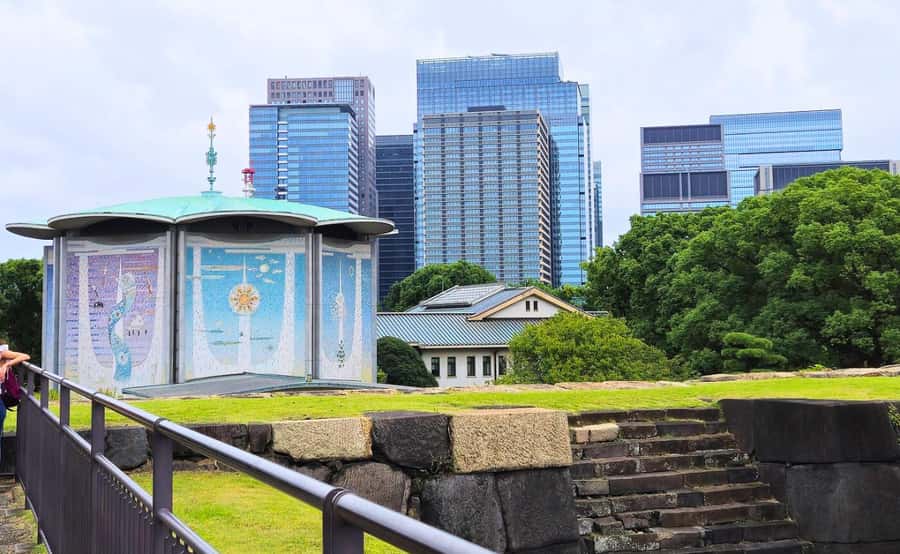
The original castle buildings are no longer standing. That can disappoint visitors expecting a complete Japanese castle, so it is best to set your expectations early. This is a site of ruins, foundations, gardens, walls, and reconstructions rather than a preserved castle interior.
The miniature model helps solve that problem. It shows what Edo Castle looked like in the past, giving you a clearer sense of the complex that occupied the grounds. The model is especially helpful if you have little idea what has disappeared and what remains.
Seeing the Castle That Is No Longer There
The missing castle is not a weakness if you enjoy historical detective work. The tour asks you to connect the model, foundations, walls, and open spaces. Your guide supplies the missing pieces through stories and explanation.
This is also where the tour differs from a standard garden visit. You are not only admiring trees and flowers. You are learning how a castle city operated, how the Shogun’s authority was displayed, and how the same ground later took on an imperial role.
The story has a useful human scale, too. You may hear about samurai responsibilities, the position of daimyo, and how the social order affected ordinary farmers. These details prevent the tour from becoming a list of rulers and battles.
Several guides make the history interactive by asking questions and drawing the group into the discussion. That approach works well for families and for anyone who finds formal lectures tiring. One guide, Lucky, was praised for making the history engaging for children while covering the Edo and Meiji eras and the duties of samurai.
More History Walking Tours in Tokyo:
- Tokyo: Shinjuku Historical Walking Tour & Secret Backstreets
★ 5.0 · 530 reviews - Imperial Palace East Garden and Edo Castle Walking Tour in Tokyo
★ 5.0 · 510 reviews - Asakusa: A Big-picture History Walk to Know Japan
★ 4.6 · 77 reviews - Asakusa: 3.5-hour Big-picture History Walk
★ 4.7 · 39 reviews
Gardens, Bamboo, and Royal Koi

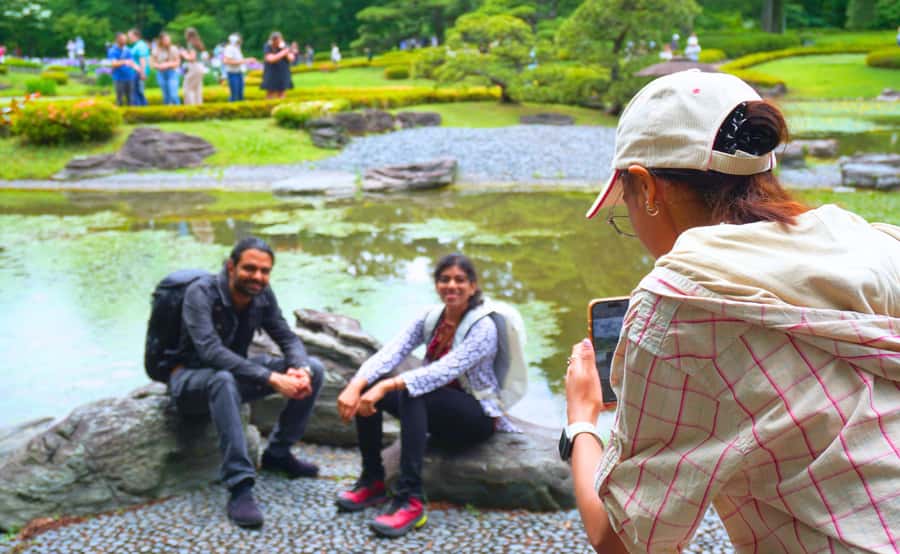
The Eastern Gardens provide a welcome change after the heavier castle history. Here you can slow down, take photographs, and notice the quieter side of the grounds.
The route includes a bamboo forest, carefully maintained gardens, and trees from different parts of Japan that were given to the Emperor over the years. These trees are not just decoration. They show how the palace grounds connect imperial life with regions across the country.
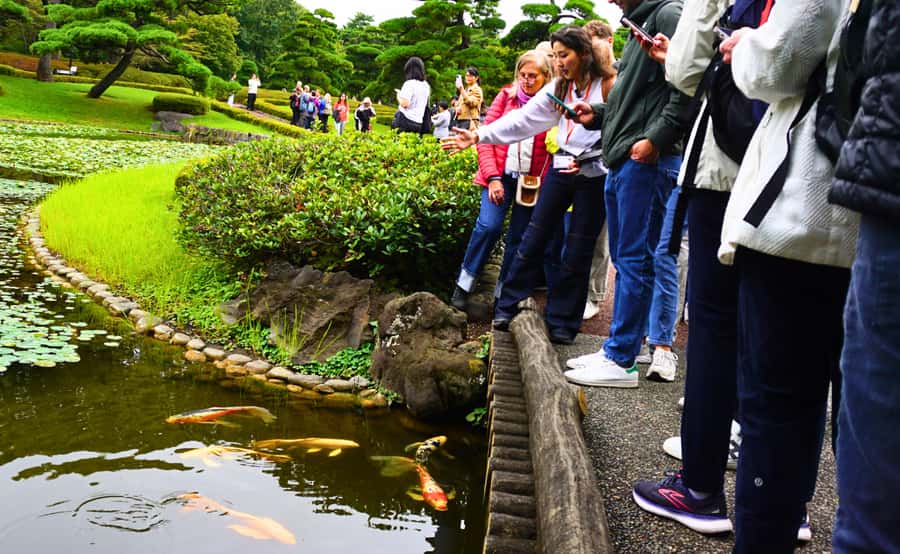
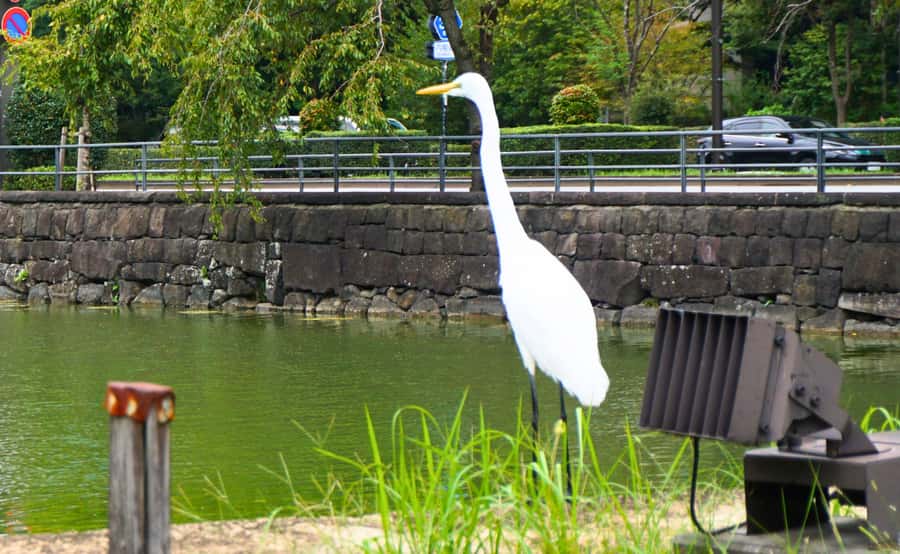
The koi ponds are another pleasant stop. The fish are described as royal koi, and they add color and movement to a route otherwise centered on stone walls and political history. The gardens also offer some of the best photo spots, especially if you want a record of the visit beyond the familiar palace views.
Nature does bring a practical nuisance: mosquitoes. Mika reportedly carried mosquito spray for the group, but you should not count on every guide having it. If insects bother you, apply repellent before entering the gardens and wear light, comfortable clothing that covers your skin.
The shade under the trees can be a major comfort in summer. Guides have paused in shaded areas and adjusted their pace during hot weather, but you should still take the heat seriously. Tokyo summer conditions can make a two-hour walk feel longer than expected.
What Makes the Guides Valuable
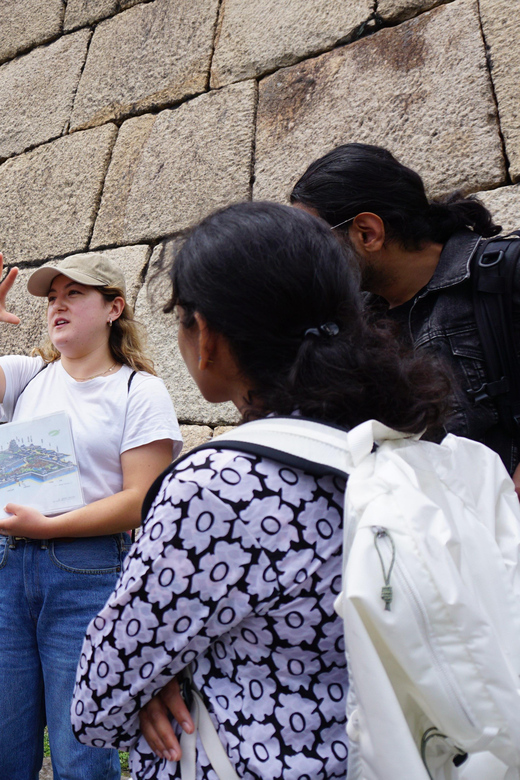
The guide is the main reason to book this rather than walk through the gardens alone. The grounds are pleasant without a guide, but the remaining stones and open spaces do not explain themselves.
Mika is repeatedly praised for clear English, thoughtful answers, photo help, and attention to group comfort. Natsumi is known for lively storytelling, practical food recommendations, and explanations of how Tokyo developed into the city you see today. Lakki is praised for warmth, humor, and a strong grasp of Japanese culture and history.
Other guides add their own strengths. Alexandre leads the tour in French as well as English and has been praised for offering extra time and careful cultural explanations. Hugo is noted for making detailed information easy to follow by mixing historical facts with lighter details. Nico has even offered private-tour options that included a tea ceremony, though that is not part of this standard experience.
Guide quality can vary from person to person, as it does on any walking tour. The repeated strengths are clear speech, friendly interaction, useful answers, and willingness to help with Tokyo plans after the tour. That last point has real value if this is your first morning in the city and you still need lunch or sightseeing ideas.
How Much Walking and Time to Allow
The walk is described as taking about two hours. That is long enough to build a proper story but short enough to fit into a busy Tokyo schedule.
You will be outdoors for the full visit, moving between gates, ruins, gardens, paths, and viewing points. The pace is not presented as a race, and guides have adjusted stops for shade and group needs. Still, you should be comfortable standing and walking for an extended period.
This is not the right choice if you need step-free access or have serious difficulty walking. The activity is specifically unsuitable for wheelchair users, people with mobility impairments, people with back or heart problems, pregnant women, people recovering from surgery, and people with a low level of fitness.
Rain does not automatically cancel the tour. Bring suitable clothing and footwear rather than assuming Tokyo weather will cooperate. In hot weather, a hat, water bottle, sunscreen, and mosquito repellent will make a real difference.
Is $32 a Fair Price?

At $32 per person, this is a modestly priced guided experience in central Tokyo. You are paying mainly for interpretation, not for admission to a grand interior or a long list of included extras.
The value comes from the setting and the explanation. Without a guide, you can see the gate, gardens, walls, ruins, bamboo, koi, and trees, but you may miss how the site connects the Shogun’s government to the Imperial era. If you want historical context, the price is reasonable.
It is less compelling for someone who only wants a quiet garden stroll or expects to enter palace rooms. The Inner Palace is not open to the public, and access to it is not included. You are visiting the public Eastern Gardens and related grounds.
The tour also includes no meal, transport, or special palace access. Its value rises if you use the guide’s advice for the rest of your stay. Restaurant suggestions, cultural tips, and help with photographs can make the experience feel more useful than a simple two-hour walk.
Who Should Book This Walk?
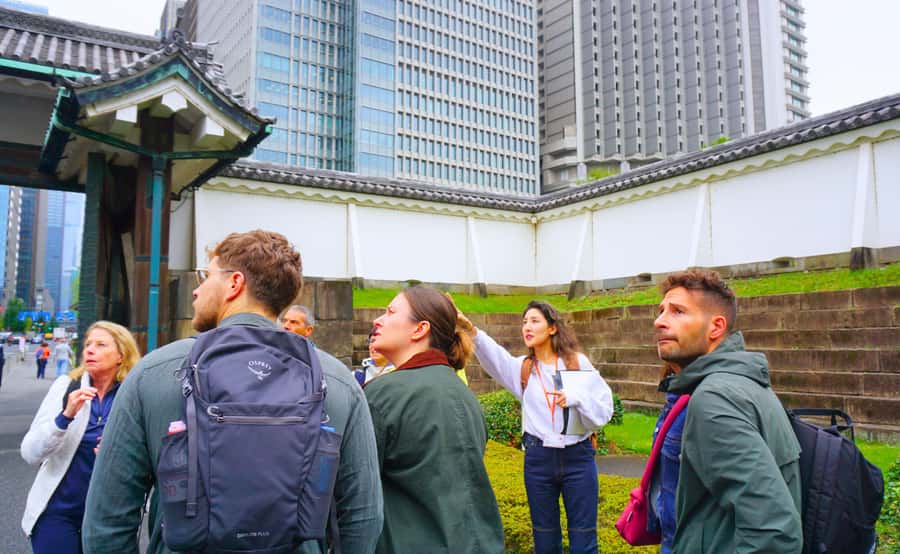
I would choose this tour for a first visit to Tokyo, especially if you want a readable introduction to Japanese history before tackling museums or temples. The tour gives you a framework for understanding the Edo period, the Shogun, samurai society, and the transition to imperial rule.
It suits couples, solo visitors, families with older children, and history-minded visitors who prefer conversation to a recorded audio guide. The interactive format and short factual stories can keep younger visitors involved, particularly with a guide who makes a point of asking questions.
You should skip it if your main goal is to see the Emperor’s private residence, enter preserved castle rooms, or avoid outdoor walking. You should also think twice if you are visiting during extreme heat and do not feel comfortable walking in it, even with shaded stops.
Book at least a day ahead if your plans are uncertain, since you can reserve now and pay later. Cancellation is allowed up to 24 hours before the activity for a full refund, which gives you some flexibility.
Should You Book the Imperial Palace History Tour?
Book it if you want the Imperial Palace grounds to make sense. The castle ruins, model, gates, bamboo, koi, and gardens are pleasant on their own, but the guide turns them into a connected story about power and change in Japan.
The strongest reasons to go are the guides, the clear Edo to Meiji history, and the chance to ask questions while you walk. Ask for English or French when booking, arrive at the Starbucks near Wadakuramon Fountain Park with time to spare, and prepare for sun, rain, mosquitoes, and a fair amount of walking.
Do not book it expecting an indoor palace visit. Book it for the public gardens, the remains of Edo Castle, and a practical introduction to the forces that shaped modern Japan.
FAQ
Where does the tour meet?
Meet your guide at the Starbucks near the fountain in Wadakuramon Fountain Park. The park is about a five to ten minute walk from Tokyo Station or Otemachi Station.
How will I recognize the guide?
Your guide will be holding a sign with the SUNRISE ADVENTURE logo.
Where does the tour end?
The activity ends back at the original meeting point near Wadakuramon Fountain Park.
Which languages are available?
The tour is available in English and French.
Does the tour enter the Inner Palace?
No. The Inner Palace is not open to the public, and access to it is not included.
Does the tour run in bad weather?
Yes. The tour takes place rain or shine, so dress for the forecast and bring suitable protection.
What should I wear?
Wear clothing suited to the weather and comfortable footwear for outdoor walking. Sun protection, water, and mosquito repellent can be useful, especially in hot weather.
Can I cancel for a full refund?
Yes. You can cancel up to 24 hours in advance for a full refund.
Just added around Tokyo
- Tokyo: Edo Castle & East Garden of the Imperial Palace Tour★ 4.7 · 112 reviews
- Tokyo: Imperial Palace, the history of Japan (ENGLISH GUIDE)★ 5.0 · 77 reviews
- Tokyo: Customized Private Historical Guided Photoshoot Tour★ 5.0 · 25 reviews
- Kyoto: Nijo Castle World Heritage Guided Tour with Admission★ 4.9 · 37 reviews
- Historic Kanda Sake Tasting at Tokyo’s Oldest Shop (1596)★ 4.9 · 33 reviews
- From Tokyo: Private Nikko World Heritage Sights One Day Trip★ 4.7 · 52 reviews
- From Tokyo: Guided Day Trip to Nikko World Heritage Sites★ 4.8 · 51 reviews
- Asakusa: A Big-picture History Walk to Know Japan★ 4.6 · 77 reviews
Tokyo History Tours, compared.
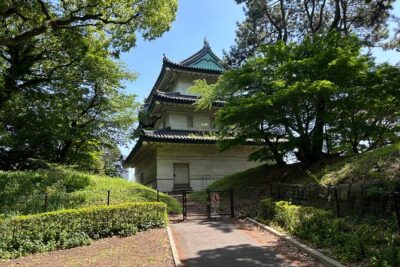
Tokyo: Imperial Palace and Shogun Historical Walking Tour
Read our review →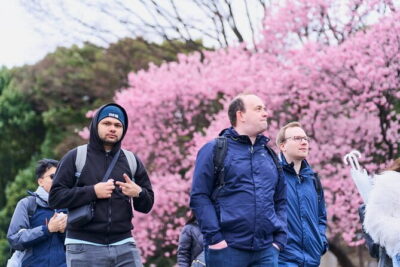
Tokyo Castle & Imperial PalaceーShogun Walking Tour
Read our review →Tokyo Castle & Imperial PalaceーShogun Walking Tour
Read our review →
Tokyo: Shinjuku Historical Walking Tour & Secret Backstreets
Read our review →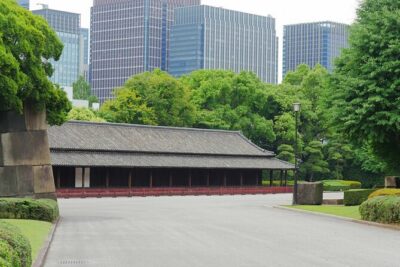
Imperial Palace East Garden and Edo Castle Walking Tour in Tokyo
Read our review →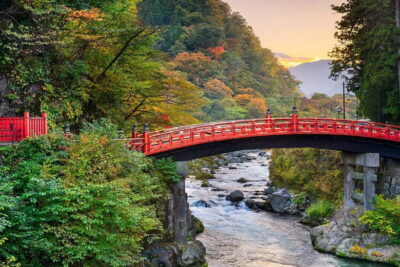
From Tokyo: Nikko World Heritage Site Private Full-Day Trip
Read our review →
Tokyo: The Best of Izakaya in Shinjuku Food & Cultural Tour
Read our review →
Tokyo: Nikko World Heritage Private Day Trip Hotel Pick-up
Read our review →Browse the lists this tour appears in