
Review · ITALY
3 Hours Guided Tour of the Historical Cagliari
Cagliari’s story is easiest to read on foot. In three hours, this tour links the city’s four old districts, from Roman traces and church squares to the scars left by the 1943 bombings. I like the way historical photographs help you compare old Cagliari with the streets in front of you, and I like that the route includes both famous sights and quieter corners. Valentina, the local guide, is praised for her warmth, humor, and clear storytelling.
The main thing to consider is the walking. Castello hill brings stairs and slopes, and the tour is not suitable for people with mobility impairments. Summer sun can also be strong, so bring water, wear sensible shoes, and pack a hat. You can choose a starting time, but the best hour may depend on the heat and the light for the hilltop views.
Key points to know before booking
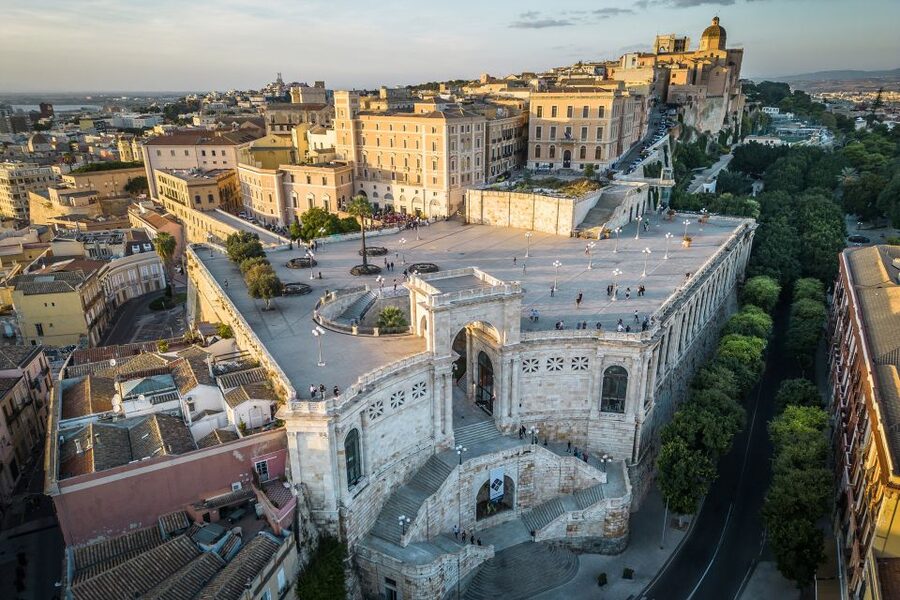
- Four historic districts in one walk: Visit Stampace, Castello, Villanova, and Marina rather than seeing only the postcard center.
- A local guide with a personal touch: Valentina leads in English, Italian, or German, with stories about both Cagliari’s past and daily life today.
- Views from Castello hill: Allow time for photographs and wide views over the city during the Castello section.
- Historical photos add context: Old images help you see how streets and buildings changed, especially after the 1943 bombings.
- A flexible three-hour format: The route includes guided sections, a photo stop, and free time in Castello.
- A useful first-day tour: Restaurant suggestions and local advice can help shape the rest of your stay.
Why this Cagliari walk works so well
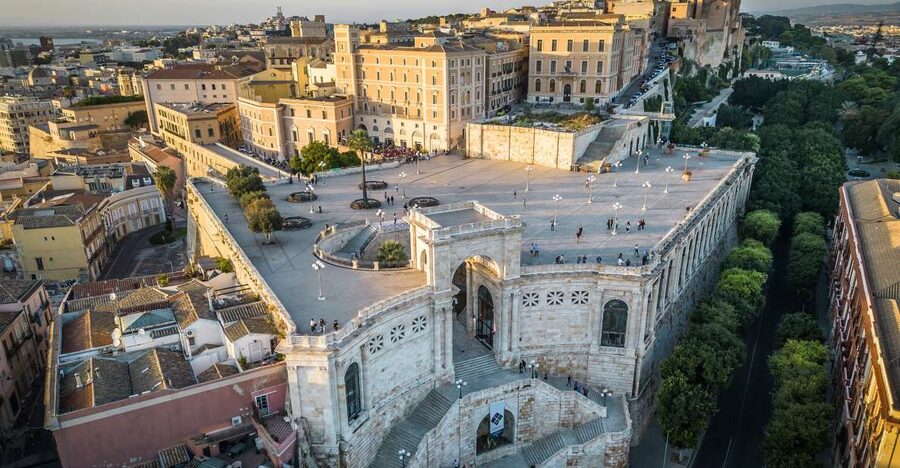
Cagliari can seem like several cities stitched together. The port and Via Roma feel open and urban, while the old districts rise behind them in a maze of lanes, churches, steps, and small squares. This tour gives you a practical map of how those pieces fit.
You begin in Piazza Giacomo Matteotti, in the center of the square near the bust of Giuseppe Verdi. The meeting point is close to Via Roma, the city’s main street, Piazza Matteotti, shops, and restaurants. That location is handy if you arrive by train, are staying near the port, or want to continue exploring after the walk.
I see this as an orientation tour rather than a museum tour. You do not spend the three hours inside galleries or historic interiors. Instead, you move through the city itself, looking at buildings, streets, views, and the marks left by war. That choice makes the tour especially useful at the start of a stay, when you want to know where to return later.
The guide matters here. Valentina is the named guide connected with the experience, and her strongest qualities are warmth, humor, local knowledge, and a lively way of explaining the past. She also gives practical advice about places to eat and things to do, which can be just as useful as another date from a history book.
More Three-Hour Tours in Italy:
- Pompeii Private Tour with an Archaeologist and Skip The Line – 3 hours
★ 5.0 · 564 reviews - Discover Palermo in 3 hours. Art, history, markets and street food
★ 5.0 · 352 reviews - Berlin: 3-Hour World Heritage Cruise to Potsdam
★ 4.5 · 1,569 reviews
Starting in Stampace, where old Cagliari meets everyday life
The first guided section lasts about 30 minutes in Stampace. This is a good opening because it moves you quickly away from the broad central streets and into one of Cagliari’s old quarters.
You can expect the focus to be on the district’s historic character, its streets, and its place in the city’s long story. The tour covers Cagliari from the Roman period to the present, so the guide uses the setting to explain change over time rather than treating each monument as an isolated stop.
Historical photos are particularly useful here. They give you a visual before-and-after view, helping you notice what survived, what changed, and what disappeared. The 1943 bombardments had severe effects on Cagliari, and the tour does not present the old center as a perfectly preserved stage set. You will hear about the damage and see how the city carries those memories.
That honesty is one of the best features of the route. Cagliari is attractive, but its story includes destruction, rebuilding, and ordinary modern life. You get a more useful understanding of the city when all three are part of the walk.
Castello hill brings the biggest views and the hardest walking
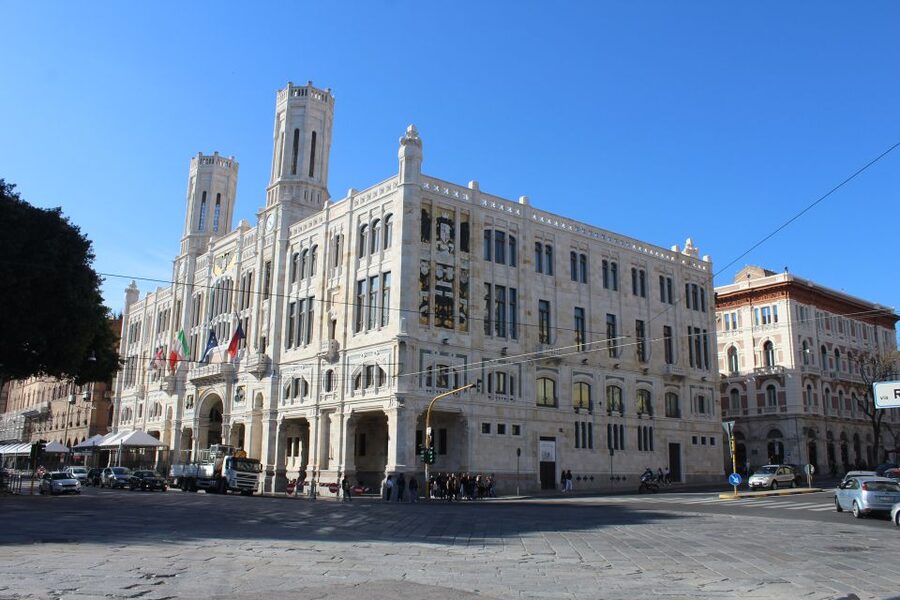
The tour then spends about 50 minutes in Castello, the old district on the hill. This is the section most likely to shape your impression of Cagliari. Narrow lanes, old walls, monuments, and changing views make the uphill route feel different from the port area below.
The hill also explains the practical warning about stairs. The walk includes slopes and steps, so comfortable shoes are not a minor suggestion. I would avoid bringing luggage, heavy bags, or shoes with slippery soles. If you have mobility limitations, this is not the right tour for you.
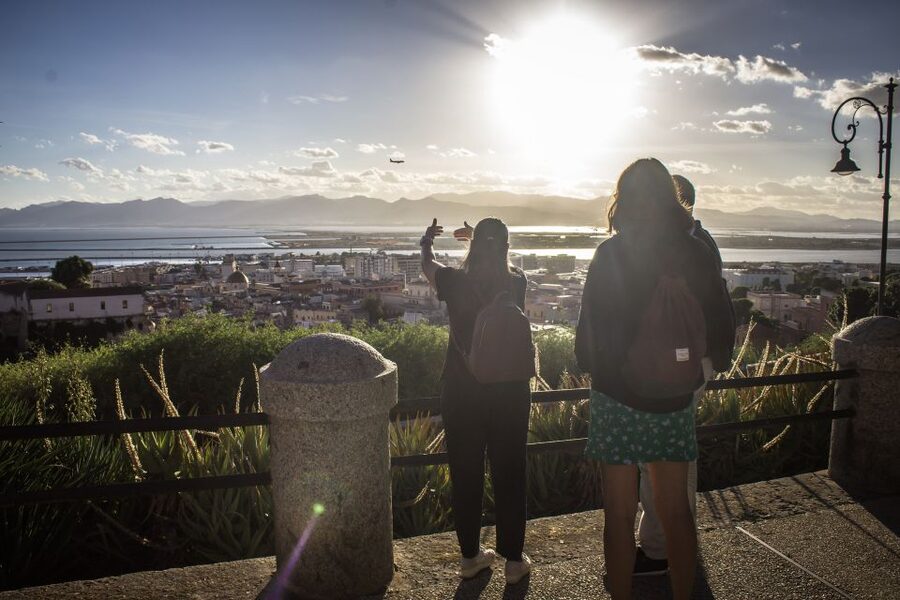
Castello is where the guide can connect Cagliari’s physical position with its history. From above, you can see how the city spreads below the hill and how the older quarters relate to the newer streets. The views are not an extra tacked onto the end. They help you understand the shape of the city.
A separate 10-minute photo stop is listed during the Castello portion. It includes scenic views and may take place around sunset, depending on the chosen start time and the season. If you want warm evening light, ask about timing when you book. Since starting times are flexible, you have some room to choose a morning, afternoon, or later walk, but the exact light will change through the year.
After the photo stop, you have about 20 minutes of free time in Castello. This is a welcome pause. You can take more photographs, look around at your own pace, or simply catch your breath before continuing. It also keeps the tour from becoming a nonstop stream of dates and names.
Villanova shows a different side of the old city
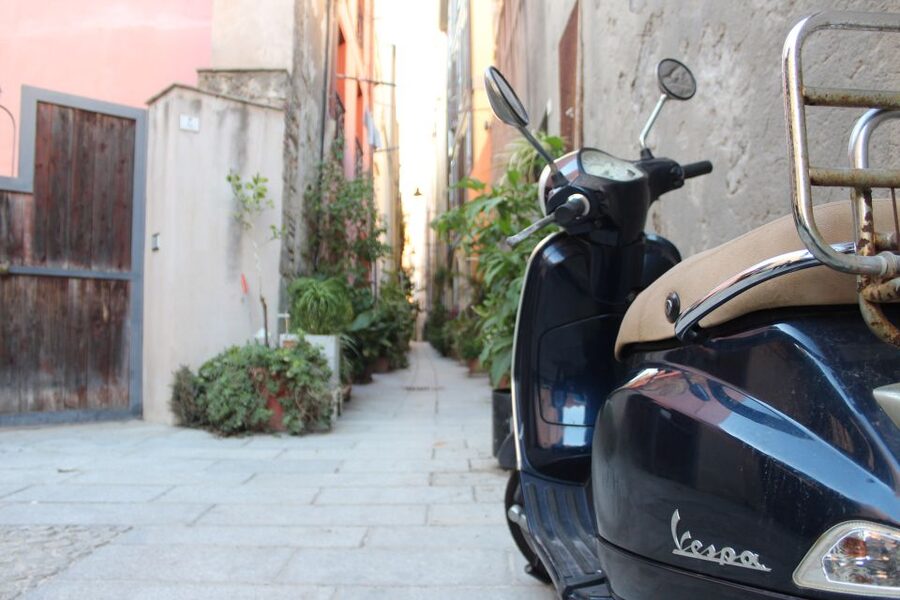
The next guided section lasts around 40 minutes in Villanova. One strength of visiting four districts is that you do not leave Cagliari thinking the old city is all the same. Each quarter has its own layout and feel, and moving between them gives the history some shape.
In Villanova, the guide continues the broad story from the Roman age to today while pointing out the monuments, churches, squares, lanes, and tree-lined avenues that keep the past visible. The emphasis is not only on grand buildings. Small details and street patterns also help explain how the city developed.
This is where a local guide can make a real difference. A printed route might show you where to walk, but it would not necessarily explain why a street matters, how the area changed, or what local life is like now. Valentina’s style, based on the information available for this tour, is conversational and responsive. You can ask questions, and the private option gives you more room to shape the pace and focus.
The tour is also suitable for people who like a little freedom. The route is planned, but the free time and flexible start mean it is not simply a rigid march from one numbered stop to the next.
More Guided Tours in Italy:
- Pompeii: Entry Ticket and Guided Tour with an Archaeologist
★ 4.8 · 19,459 reviews - Rome: Colosseum with Arena, Roman Forum and Palatine Guided Tour
★ 4.0 · 5,598 reviews - Venice: St. Mark’s Basilica Guided Tour & VR History Intro
★ 3.9 · 4,880 reviews - Colosseum with Arena, Roman Forum and Palatine Hill Guided Tour
★ 4.5 · 3,526 reviews
Marina brings you back toward Via Roma
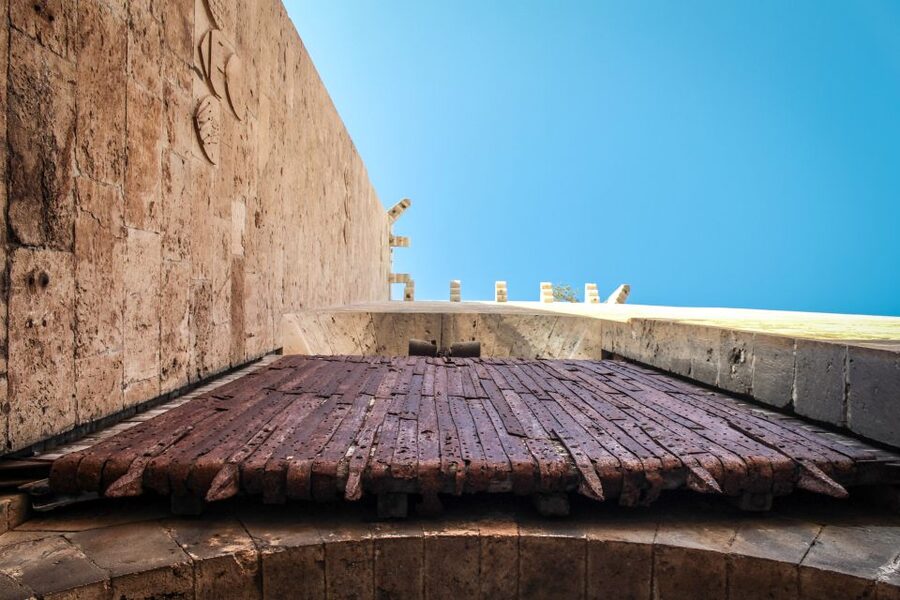
The final guided section covers Marina and lasts about 30 minutes. This brings the walk back toward the lower city and the port-side streets around Via Roma.
Marina is a useful final district because it connects the old center with places you may want to use later. The tour ends back at Piazza Giacomo Matteotti, close to Via Roma and Piazza Matteotti. You finish in a central spot rather than at an isolated monument or far outside town.
That makes the tour easy to combine with dinner or further sightseeing. Sardinian restaurants and shops are nearby, and the guide can offer suggestions based on your interests. I would save a note on any restaurant advice during the walk, since it is easy to forget a recommendation after three hours of sights and history.
The finish also works well for cruise passengers or visitors with limited time in Cagliari. You are not spending part of the tour on transport. The experience is built around walking, and it returns you to an area with useful onward options.
What the guide adds beyond a city map
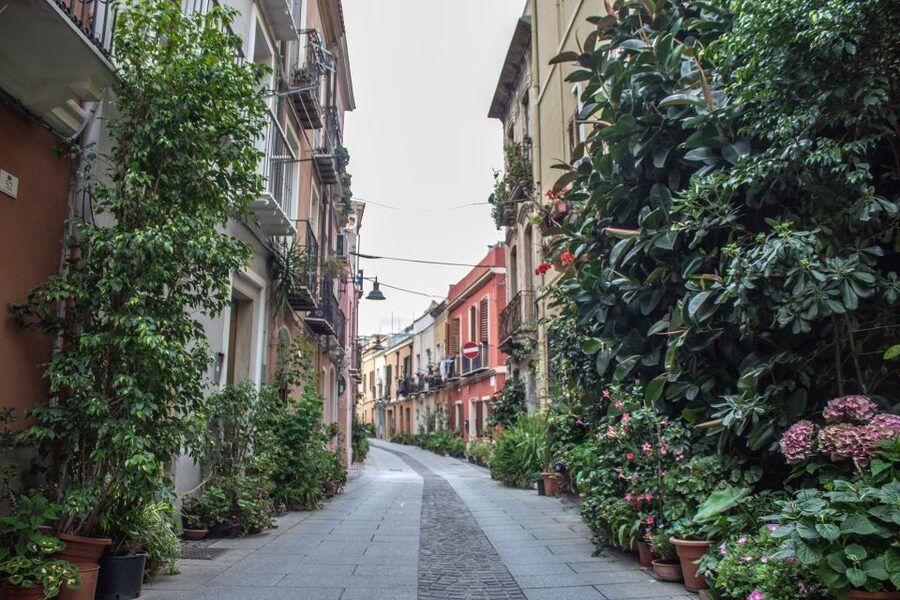
The most praised part of this experience is Valentina’s guiding. Her approach combines facts with anecdotes, humor, and practical advice. That mix matters in a city tour because a list of monuments can become tiring after the first hour.
You can expect explanations of architecture and city history, along with stories about Cagliari and Sardinia. The historical photos add a second layer, especially when the tour discusses the wartime damage of 1943. Seeing an old image while standing in the same place can make the changes much easier to grasp.
The guide also appears comfortable adjusting to the people in front of her. The experience can be booked as a private group, and previous participants have described small-group pacing and the ability to ask many questions. That does not mean every departure will feel identical, so check the group arrangement when booking if personal attention is important to you.
Language choices are English, Italian, and German. Valentina has been specifically praised for fluent English and for accommodating mixed-language groups. If you need a particular language, select it clearly when arranging the tour.
The three-hour pace and what you should bring
Three hours is enough time to cover a lot of ground without turning the walk into an all-day commitment. The scheduled sections add up to about three hours, including the Castello photo stop and free time. You get a broad introduction rather than a close examination of every church or monument.
I like this format for a first visit. You see the main historic quarters, learn the basic timeline, and identify places worth revisiting. If you want extensive interior visits, this is not the right product, since museum entries are not included and museum visits are not scheduled.
Bring water. The hills and Sardinian sun can make the walk more demanding than the duration suggests, especially in summer. A hat is recommended in hot weather, and comfortable shoes are essential.
The tour does not run in heavy rain. That is sensible for a route built around narrow streets, stairs, and viewpoints, but it means you should keep your schedule slightly flexible during poor weather.
Is $71 good value for Cagliari?
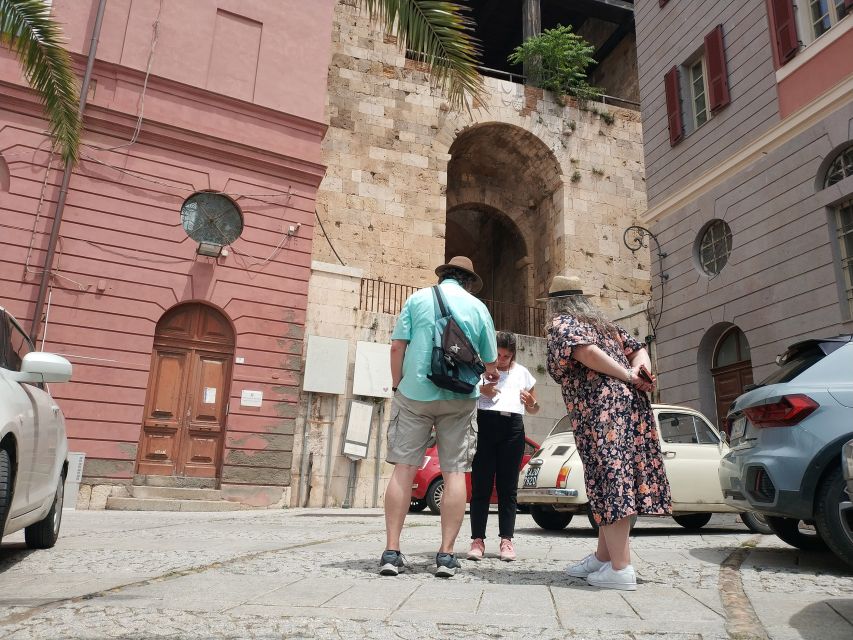
At $71 per person, this is not the cheapest way to walk around Cagliari. The value depends on how much help you want with the city’s history and layout.
For that price, you get three hours with a live guide, historical photographs, a route through all four old districts, scenic views, and time for questions. You also avoid spending your first day working out how Stampace, Castello, Villanova, Marina, and Via Roma connect. If you are staying only briefly, that orientation can save time.
The price makes more sense for a private group or for people who care about personal attention. A larger shared group may feel less tailored, though the available information points to a relaxed pace and easy conversation. Museum tickets, food, and drinks are not included, so plan for those separately.
I would compare this with the cost of a self-guided walk plus a guidebook or audio tour. A self-guided route will be cheaper and lets you stop whenever you like. It will not give you Valentina’s local recommendations, answers to your questions, or the historical photo comparisons. If those details are worth paying for, $71 is a fair price for a focused introduction.
Who should book this tour?
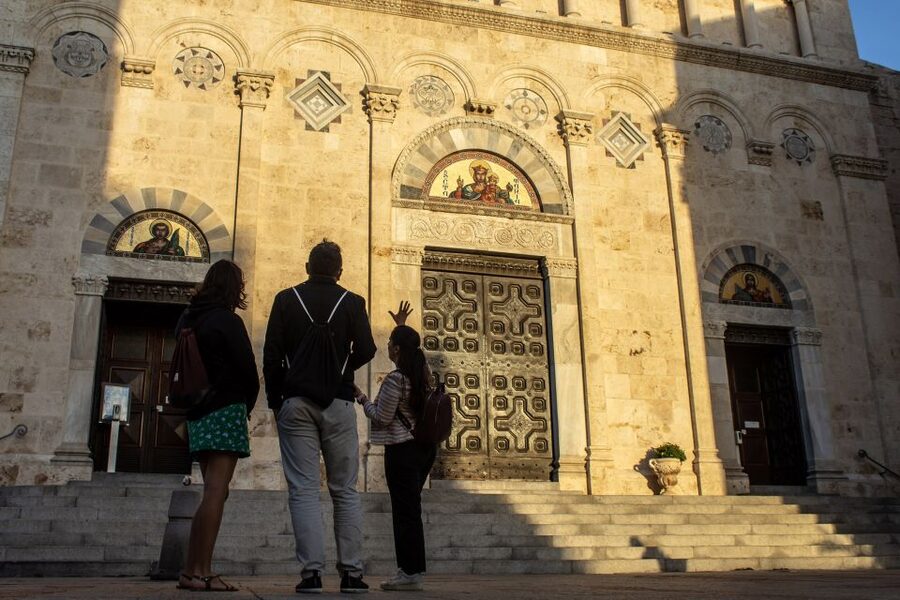
This experience suits you if you want to understand Cagliari before exploring it on your own. It is especially useful for a first afternoon, a short stay, or a morning when you want a clear sense of the city’s main districts.
You should also book it if you enjoy stories about how a city changed over time. The tour does not reduce Cagliari to ancient ruins or pretty viewpoints. It covers Roman-era history, later monuments, modern life, and the impact of the 1943 bombings.
It is less suitable if you dislike hills, stairs, or walking in the sun. It is also not ideal if your main goal is entering museums, since no museum visits are scheduled. If you want a relaxed overview with local advice and plenty of context, it is a stronger match.
FAQ
Where does the Cagliari walking tour start?
The tour starts in Piazza Giacomo Matteotti. Meet in the center of the square, in front of the bust of Giuseppe Verdi.
How long does the tour last?
The walking tour lasts three hours.
Which parts of Cagliari does the tour visit?
The route covers the four old districts of Stampace, Castello, Villanova, and Marina. It starts and finishes near Via Roma and Piazza Giacomo Matteotti.
Is the tour available in English?
Yes. The live guide can conduct the tour in English, Italian, or German.
Does the tour include museum tickets?
No. Museum tickets are not included, and museum visits are not scheduled during the walk.
Is the tour suitable for people with mobility impairments?
No. The route includes hills and stairs, and it is not suitable for people with mobility impairments.
What should I bring?
Bring water and comfortable shoes. In summer, a hat for sun protection is recommended. The tour does not take place in heavy rain.
Should you book the historical Cagliari tour?
Book it if you want a friendly, well-paced introduction to Cagliari that combines major districts, local stories, old photographs, and hilltop views. Valentina’s personal style is a major part of the appeal, particularly if you enjoy asking questions and want restaurant or sightseeing advice for the rest of your stay.
Skip it if you need a fully accessible route, want museum interiors, or prefer to explore without hills and stairs. For most independent visitors who want to get their bearings fast, this three-hour walk offers a useful blend of history, views, and practical local help.
Just added around Italy
- Guided Cultural Tour of the Godfather Film in Messina★ 5.0 · 31 reviews
- Guided tour of the Riace Bronzes and the Archaeological Museum of Reggio Calabria★ 5.0 · 44 reviews
- SU NURAXI BARUMINI Unesco World Heritage Site★ 5.0 · 129 reviews
- Brescia the Unexpected: History, Local Stories & a drink★ 5.0 · 31 reviews
- Bolognese Cooking Class with Margherita in the Historic Center★ 5.0 · 26 reviews
- Tower and Power, Virtual tour in Medieval Bologna★ 4.5 · 54 reviews
- Bologna historical art walking tour with hidden gems and tastings★ 5.0 · 108 reviews
- Best of Bologna in one day : Food, architecture, art and history★ 5.0 · 27 reviews
Italy History Tours, compared.
Pompeii: Entry Ticket and Guided Tour with an Archaeologist
Read our review →
Colosseum: Underground and Ancient Rome Tour
Read our review →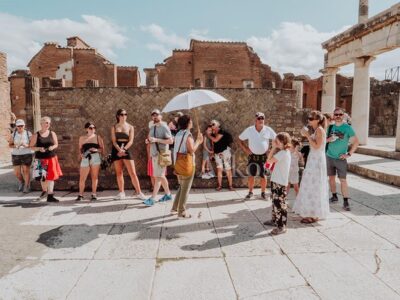
Pompeii: Small Group Tour with an Archaeologist
Read our review →Pompeii Small Group Tour with an Archaeologist
Read our review →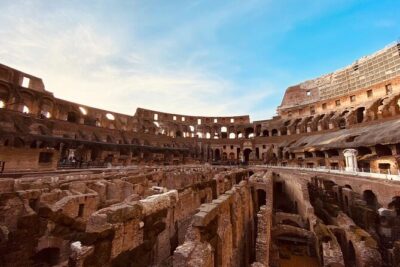
Rome: Colosseum with Arena, Roman Forum and Palatine Guided Tour
Read our review →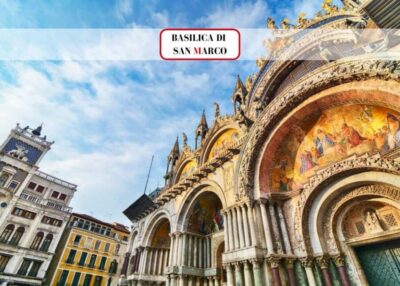
Venice: St. Mark’s Basilica Guided Tour & VR History Intro
Read our review →
Colosseum with Arena, Roman Forum and Palatine Hill Guided Tour
Read our review →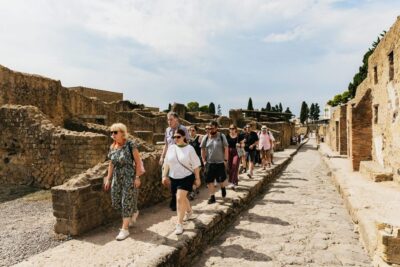
Herculaneum: Skip-the-Line Guided Tour with Archaeologist
Read our review →Browse the lists this tour appears in