
Review · TOKYO
From Tokyo: Nikko World Heritage Sight Full Day Private Tour
Nikko gives you Japan in a single day: ornate shrine buildings in the forest, a mountain lake, a 97-meter waterfall, and a ropeway with wide views. I especially like the private van, which saves you from piecing together trains and buses, and the flexible pace, which lets guides such as Mirza or Imran adjust the day for families, crowds, weather, or a requested stop at Kanmangafuchi Abyss. The catch is the long road time: about two hours each way from Tokyo, so an early start matters.
I also like that hotel pickup and drop-off, Wi-Fi, highway charges, and photography help are included. The $362 group price works out well for six people, at about $60 per person before any separate admission costs, but it is less of a bargain for one or two. The Akechidaira Ropeway can close in bad weather, and the itinerary covers a lot of ground, so you should expect a full day rather than a slow, lingering temple visit.
Key points to know before booking
- Toshogu Shrine is the cultural centerpiece: See the Yomeimon Gate, the sleeping cat carving, colorful details, and the forest setting tied to Tokugawa Ieyasu.
- A private vehicle solves Nikko’s distance problem: The shrine district, lake, waterfall, and mountain viewpoints are spread out, not comfortably linked by one easy walk.
- Early pickup is worth requesting: Several departures around 7:00 helped with crowds, national holidays, and the return before dark.
- The schedule can bend: Guides have added Kanmangafuchi Abyss, the Imperial Villa, or other stops when weather closed the ropeway or when a guest requested them.
- Bring cash for admissions and plan meals: Food, drinks, optional activities, and personal purchases are not included.
- This suits families and mixed-ability groups, with limits: Guides have helped with strollers, young children, wheelchairs, and crutches, but some paths are uneven and certain places may not be accessible.
Why Nikko works as a day trip from Tokyo
Nikko is far enough from Tokyo to feel like a change of world. The road climbs from the city toward forests, mountain country, and Lake Chuzenji, while the religious center below is filled with shrines and temples linked to the Tokugawa shogunate.
The private format matters here. You are not simply being dropped at one attraction. You are moving between the Shinkyo Bridge, Toshogu, Futarasan Shrine, the lake, Akechidaira, and Kegon Falls. Public transport can reach these places, but a private van removes transfers, ticket decisions, and the need to watch a bus timetable.
The tradeoff is clear. Four hours of the ten-hour day can be taken up by the return journey to Tokyo. I would request the earliest available pickup, especially in autumn, on weekends, or around Japanese holidays. An early departure has helped groups avoid the worst lines and return before dark.
Pickup is available from hotels in Tokyo and Nikko. Give the provider the hotel name and address, then wait in the lobby ten minutes before the scheduled time. The driver will not wait more than 60 minutes after pickup, so this is one part of the day where punctuality matters.
More Private History Tours in Japan
- From Tokyo: Nikko World Heritage Site Private Full-Day Trip
★ 4.9 · 243 reviews - Tokyo: Nikko World Heritage Private Day Trip Hotel Pick-up
★ 4.8 · 145 reviews - From Tokyo: Private Nikko World Heritage Sights One Day Trip
★ 4.7 · 52 reviews
The two-hour ride to Nikko
The air-conditioned vehicle has Wi-Fi and is described as luxury transport, which makes a real difference on the long drive. A clean, comfortable car is especially useful for families with children or anyone who wants to walk around the shrine grounds and waterfall area without starting the day tired.
Guides including Mirza, Imran, Musa, Kashif, and Cheema have handled both driving and guiding duties on different departures. The exact guide is not guaranteed, but English, Arabic, and Hindi are offered. Communication about pickup has also been handled through WhatsApp on some bookings, so keep an eye on the contact method supplied after booking.
This is a private group tour for up to six people. That capacity is best for a family or a small circle of friends. A group of four has enough room to travel comfortably while still sharing the fixed price. For one person, the convenience is strong, but the per-person cost rises sharply.
Shinkyo Bridge and the entrance to Nikko
The Shinkyo Bridge is a short first stop and one of Nikko’s most recognizable views. Its red-toned wooden structure crosses the Daiya River, with forest and seasonal foliage around it. You get about 30 minutes for photographs, a short walk, and an introduction from your guide.
The bridge is more than a quick photo backdrop. It marks the approach to Nikko’s sacred area and helps you understand how the town’s religious sites relate to the river and surrounding mountains. If the weather is clear, this is an easy place to get your bearings before the more elaborate shrine visit.
Do not expect a long riverside stroll here. The stop is designed to set up the day, not fill it. Comfortable shoes still matter because the tour involves repeated short walks, steps, and shrine grounds rather than one continuous path.
Toshogu Shrine, carvings, and a very tight schedule
Toshogu is the reason many people make the trip to Nikko. It honors Tokugawa Ieyasu, founder of the Tokugawa shogunate, and its buildings are known for detailed carvings, strong colors, layered roofs, and an unusually theatrical style compared with simpler Japanese shrine architecture.
The Yomeimon Gate is the visual star. Take time to look closely at its carved figures and patterns instead of treating it as a doorway to pass through. The famous sleeping cat carving is another small detail that is easy to miss if you rush.
The listed timing gives roughly 30 minutes at Toshogu, with another 30 minutes at the Toshogu Art Museum. That is enough for an introduction and selected sights, but not enough for every building, carving, and museum display at a relaxed pace. The tour description also includes a 30-minute visit to Futarasan Shrine, so ask your guide at the start how the time will be divided.
The art museum adds a different angle, but the shrine itself is likely to be your priority. Admission costs are not clearly included in the package details, and one booking note specifically advises bringing cash for entry fees. Confirm the exact admissions before the day so you are not forced to choose between sites.
More UNESCO World Heritage Tours in Tokyo:
- From Tokyo: Guided Day Trip to Nikko World Heritage Sites
★ 4.8 · 51 reviews - Kyoto: Nijo Castle World Heritage Guided Tour with Admission
★ 4.9 · 37 reviews - World Heritage Shirakawa-go and Experience Tours from Kanazawa
★ 5.0 · 4,049 reviews - From Tirana: Berat UNESCO Heritage & Belshi Lake Tour
★ 4.9 · 3,863 reviews
Futarasan Shrine and the quieter side of the sacred district
Futarasan Shrine is another important religious stop in the Nikko area. It is less about one instantly famous carving and more about the sense of a living sacred precinct among trees and mountain air.
You have about 30 minutes here for sightseeing and photographs. That short visit works well if you want a broad introduction to Nikko rather than a specialist study of every temple and shrine. If Toshogu interests you most, tell your guide. A private schedule makes it possible to protect time for the places you care about.
The combination of Toshogu and Futarasan also helps explain why Nikko feels layered. The area is not one isolated monument. It is a connected group of religious sites set in a wooded setting, with Shinto and Buddhist traditions visible across the wider area.
Kanmangafuchi Abyss and the Jizo statues
Kanmangafuchi Abyss is one of the best reasons to value the flexible format. It is not always treated as the main headline stop, yet the path beside the river offers a calmer break from the grand shrine buildings.
More than 70 Jizo statues line the route. These figures are associated with children and travelers, and their repeated forms create a quiet, reflective walk. The nearby water and trees change the pace of the day. You are no longer studying gilt gates and dense ornament, but walking beside a river with small stone figures watching from the path.
The route leads toward Jiunji Hondo Temple. Conditions underfoot and accessibility can vary, so this is not the easiest section for every person. A guide can help judge the route, but the tour notes correctly warn that some areas may not suit people with mobility impairments.
Kanmangafuchi has been added when a guest specifically wanted it, and it has also served as a substitute when the ropeway closed. If this stop matters to you, request it during booking rather than assuming every departure will follow the same order.
Lake Chuzenji and the mountain road
The road into the high country brings a major change in scenery. Lake Chuzenji sits at the foot of Mount Nantai and was formed by volcanic activity. The lake stop allows about 90 minutes for views, a walk, and time to take in the mountain setting.
This is the part of the day where you should slow down. The lake gives you open space after the close detail of Toshogu. On a clear day, Mount Nantai frames the water. In autumn, the surrounding trees turn into strong seasonal color. In winter, snow and ice can give the area a very different character.
The tour information notes boating, hiking, and picnicking as possible lake activities, but optional activities may cost extra and are not guaranteed to fit the schedule. With several stops still ahead, I would treat the lake as a scenic walk and photo stop unless you have agreed on a different plan with your guide.
Weather can change quickly in the mountains. Bring water, sunscreen, a hat, and layers suited to the forecast. Tokyo may feel warm while the lake area is cooler, windy, or wet.
Akechidaira Ropeway and the best views of the day
The Akechidaira Ropeway is a short scenic ride to an observation area. From above, you can look toward Mount Nantai, Lake Chuzenji, and Kegon Falls, bringing together the main natural sights of the mountain section.
The ride lasts about 45 minutes including free time. That is enough for the ascent, the viewpoint, and photographs, but it is not a long mountain outing. The attraction is the broad view rather than an extended walk.
There is one important condition: wind and other poor weather can close the ropeway. This happened on a winter departure, and the guide replaced it with other stops, including Kanmangafuchi Abyss and the Imperial Villa. That flexibility is a genuine advantage of booking privately, but you should not book the tour solely for the ropeway. Keep your expectations centered on Nikko, not one weather-sensitive attraction.
The views are also visibility-dependent. On a cloudy or rainy day, the lake and waterfall may still be worthwhile, but you may not get the wide panorama shown in sunny photographs.
Kegon Falls, coffee, and a natural finale
Kegon Falls drops 97 meters into a rocky gorge and is one of Japan’s best-known waterfalls. The viewing area is close to Lake Chuzenji, so the stop fits naturally after the lake and ropeway.
You have about an hour here, with free time and tea or coffee tasting listed. The waterfall changes with the season. In winter, freezing conditions can turn parts of it into ice. In other seasons, water plunges into the gorge beneath the surrounding mountain scenery.
I would save enough time to use the main observation point without rushing. The tour also mentions additional trails and viewpoints, but the exact amount you can explore depends on traffic, the ropeway schedule, and how long you spend at the shrine district.
Food and drinks are not generally included, so use this stop or another break to buy refreshments if needed. If you have allergies, one booking note found food stations with clear allergen information, but you should still check each purchase yourself.
What the private format does well
The strongest feature is control. You can leave early, spend longer at a favorite site, ask for photographs, and adjust plans when rain or wind changes the day. Guides have helped with strollers, young children, wheelchairs, and crutches, and one guide changed the pickup time to help a guest avoid holiday crowds.
That does not make Nikko fully step-free. Shrines, forest paths, and river walks can involve stairs, uneven surfaces, or distances from the vehicle. Tell the provider about mobility needs before pickup, and accept that some stops may need to be shortened or replaced.
The guides also act as photographers. Several departures included help with pictures at bridges, waterfalls, and scenic viewpoints. This is useful for solo visitors and families who want everyone in the frame, though photography should complement the guiding rather than replace your own time looking closely at the sites.
Edo Wonderland appears in the promotional material as a possible cultural activity with crafts and performances, but it is not included in the detailed stop-by-stop schedule. Do not assume you will visit it during this ten-hour route. Ask before booking if Edo Wonderland is a must-see, since fitting it alongside Toshogu, the lake, ropeway, and waterfall would require a different plan.
Price, inclusions, and who gets the best value
At $362 for a private group of up to six, the math is favorable for a full vehicle. Six people pay about $60 each, before admissions, food, and optional activities. Four people pay about $91 each, which can still compare well with the combined cost of transport, transfers, and arranging a full day independently.
For one or two people, the cost is harder to justify on price alone. You are paying for hotel pickup, a private driver, air conditioning, Wi-Fi, highway charges, guiding, and schedule control. If those details matter more than finding the lowest fare, the package has a clear purpose.
The provider offers free cancellation up to 24 hours before departure and a reserve-now, pay-later option. The tour lasts about ten hours, including pickup and return. Bring comfortable shoes, a camera, water, sunscreen, and a hat, and do not smoke in the vehicle or during the activity.
Who should book this Nikko tour?
I would choose this for a family, a small group of friends, or anyone who wants Nikko without managing several transport connections. It is especially useful if you have young children, older relatives, limited Japanese, or a short Tokyo stay and want one organized day.
It is also a good match for photographers and first-time Nikko visitors who want help finding the bridge, lake, waterfall, and shrine viewpoints. The ability to request Kanmangafuchi Abyss or shift the order around crowds adds real value.
I would hesitate if you want a slow, scholarly visit to every Toshogu building, a long hike, or guaranteed access to the Akechidaira Ropeway. The day is broad rather than deep, and four hours of driving is unavoidable.
Should you book it?
Book this tour if your priority is seeing Nikko’s major cultural and natural sights in one day with a comfortable vehicle and a guide who can adjust the plan. The strongest reasons are the private transport, early-start potential, photo help, and proven flexibility when weather or mobility needs interfere.
Before paying, ask two questions: which guide is assigned, and which admissions are included. Also confirm whether Edo Wonderland is actually part of your route, since the detailed schedule focuses on the Nikko World Heritage area, Lake Chuzenji, Akechidaira, and Kegon Falls.
If you gather five or six people, the price is appealing. If you are traveling alone, compare it with public transport and decide how much your time, comfort, and freedom from logistics are worth. For most small groups, this is an efficient way to see a wide and rewarding part of Nikko without turning the day into a transport puzzle.
FAQ
How long is the Nikko tour from Tokyo?
The tour lasts approximately 10 hours, including pickup and return. The drive takes about two hours each way, depending on conditions.
What languages are available for the guide?
Live guides are available in Arabic, English, and Hindi.
Is hotel pickup and drop-off included?
Yes. Pickup and drop-off are available from hotels in Tokyo and Nikko when you provide the hotel name and address. Wait in the lobby 10 minutes before the scheduled pickup.
Is the tour private?
Yes. It is a private group tour for up to six people.
Is the Akechidaira Ropeway guaranteed to operate?
No. The ropeway may close because of bad weather, including strong wind. The guide may adjust the route and add other sights when this happens.
Are food, drinks, and admission fees included?
Food and drinks are not included, and optional activities may cost extra. Bring cash for entry fees, as some admissions are separate from the tour price.
More Full-Day Trips in Tokyo
- Ninh Binh Heritage Full Day Tour with Buffet Lunch and Limousine
★ 5.0 · 2,692 reviews - Normandy American D-Day Beaches Full Day Tour from Bayeux
★ 5.0 · 2,103 reviews - Bali: Tanah Lot UNESCO World Heritage Sites Full-Day Tour
★ 4.7 · 1,947 reviews - UNESCO’s Ayutthaya Historical Park: Full-Day Tour from Bangkok
★ 4.5 · 1,559 reviews
More Private History Tours in Tokyo
- Tokyo: Customized Private Historical Guided Photoshoot Tour
★ 5.0 · 25 reviews - Private Historical Walking Tour of York
★ 5.0 · 1,324 reviews - Private Guided Historic Electric Cart Tour of St. Augustine
★ 5.0 · 1,194 reviews - Istanbul: Acemoglu Historical Turkish Bath w/Private Options
★ 4.6 · 1,190 reviews
Just added around Tokyo
- Tokyo: Imperial Palace, the history of Japan (ENGLISH GUIDE)★ 5.0 · 77 reviews
- Tokyo: Customized Private Historical Guided Photoshoot Tour★ 5.0 · 25 reviews
- Tokyo: Edo Castle & East Garden of the Imperial Palace Tour★ 4.7 · 112 reviews
- Kyoto: Nijo Castle World Heritage Guided Tour with Admission★ 4.9 · 37 reviews
- Historic Kanda Sake Tasting at Tokyo’s Oldest Shop (1596)★ 4.9 · 33 reviews
- From Tokyo: Private Nikko World Heritage Sights One Day Trip★ 4.7 · 52 reviews
- From Tokyo: Guided Day Trip to Nikko World Heritage Sites★ 4.8 · 51 reviews
- Asakusa: A Big-picture History Walk to Know Japan★ 4.6 · 77 reviews
Tokyo History Tours, compared.
Tokyo: Imperial Palace and Shogun Historical Walking Tour
Read our review →
Tokyo Castle & Imperial PalaceーShogun Walking Tour
Read our review →
Tokyo: Imperial Palace Japanese History Walking Tour
Read our review →Tokyo Castle & Imperial PalaceーShogun Walking Tour
Read our review →
Tokyo: Shinjuku Historical Walking Tour & Secret Backstreets
Read our review →
Imperial Palace East Garden and Edo Castle Walking Tour in Tokyo
Read our review →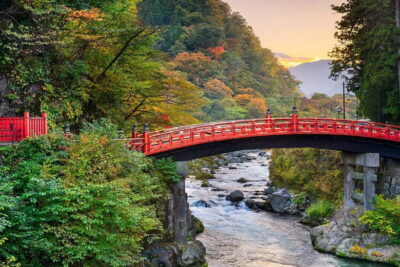
From Tokyo: Nikko World Heritage Site Private Full-Day Trip
Read our review →
Tokyo: The Best of Izakaya in Shinjuku Food & Cultural Tour
Read our review →Browse the lists this tour appears in