
Review · TOKYO
Historic Kanda Sake Tasting at Tokyo’s Oldest Shop (1596)
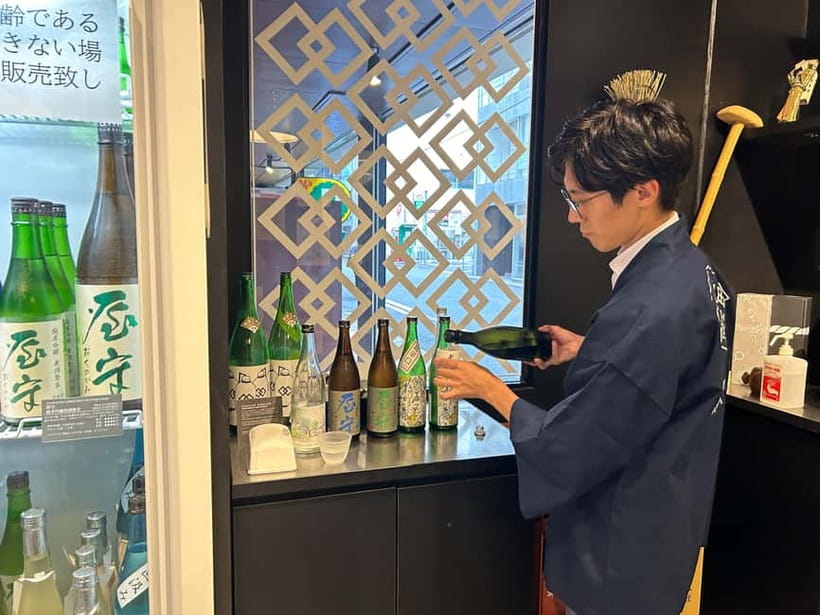
Tokyo’s oldest sake shop, founded in 1596, is the heart of this two-hour experience. You begin with a short walk through Kanda, then settle in for about seven small pours at Toshimaya Rita-Shop, where the bottles on the table are also available to buy.
I like the intimate group size, limited to 10 people, and the way the tour links sake with Kanda’s long-standing drinking culture. I also like that the English-speaking guides, including Fumino-san, explain different styles clearly and offer practical Tokyo recommendations. The main drawback is simple: food is not included, so eat beforehand if sake on an empty stomach is likely to catch up with you.
Key points to know before booking
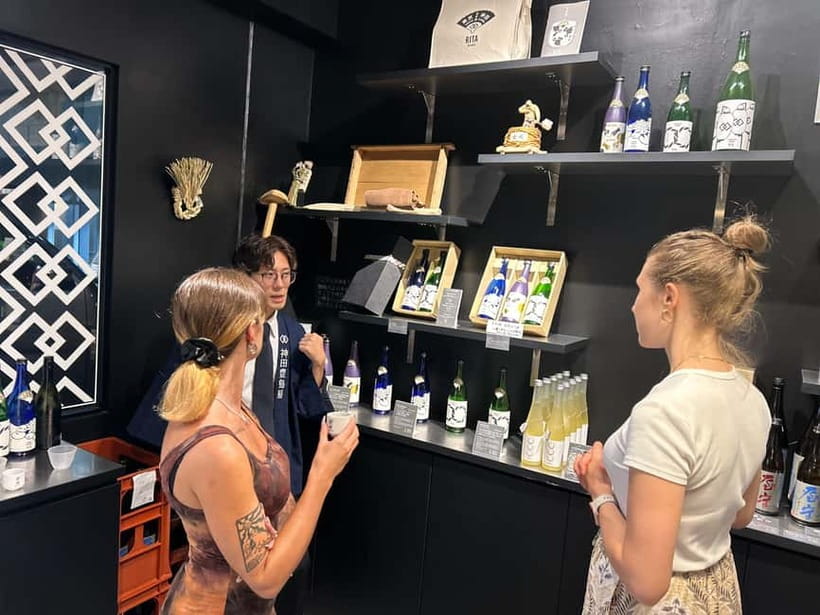
- A 1596 sake shop anchors the experience: You visit Toshimaya Rita-Shop, Tokyo’s oldest sake shop, rather than tasting in a generic bar.
- Seven small tastings are included: Each pour is about 10 to 20 milliliters, and the selection can change with the season.
- Kanda adds local context: A 20-minute guided walk introduces a famous drinking area associated with Japanese salarymen.
- The group stays small: Up to 10 participants makes it easier to ask questions and compare impressions.
- Bring identification: You must be at least 20, and your passport or another valid ID is required for age verification.
- Plan a snack first: Food is not included, and no food is allowed during the experience.
Why Kanda is a good setting for a sake lesson
Kanda is a useful place to learn about sake because drinking is part of the area’s identity. The tour begins near Kanda Station and includes a walk through Kanda Station West Exit Shopping Street. This portion lasts about 20 minutes, so it is not a long neighborhood tour, but it gives the tasting a sense of place.
You are not simply sampling bottles in isolation. You are being shown an area known for its drinking culture and for the small restaurants and izakayas that serve office workers after the day ends. That connection matters. Sake makes more sense when you understand how it is ordered, shared, and enjoyed with food in Japan.
The walk also helps break up the tasting. Two hours can pass quickly, but sitting for the entire time would make the activity feel more like a shop presentation. Here, the short stroll gives you a look at the local setting before you settle down with the sake.
Do not expect a major sightseeing walk through Kanda. The neighborhood introduction is compact and focused on drinking culture. That is a plus if you want to get to the tasting without spending half the afternoon on foot, but a limitation if you hoped for a broad tour of Kanda’s temples, history, or architecture.
More Pub and Bar Trips in Tokyo:
- Tokyo: The Best of Izakaya in Shinjuku Food & Cultural Tour
★ 4.9 · 221 reviews - London Small Group Tour of Historical Pubs
★ 5.0 · 10,422 reviews - Prague Historic Pub Tour with Drinks Included
★ 5.0 · 2,084 reviews
Meeting your guide at Kanda Station
The meeting point is NewDays Kanda South Entrance, outside the south ticket gates at Kanda Station. NewDays is a convenience store, and the guide carries a sign reading Sake Tasting Tour.
This is the sort of meeting point where you should arrive a little early. The guide can wait only five minutes, and you cannot join after the tour has begun. Kanda Station has several exits and can feel confusing if you are rushing, so give yourself time to find the South Entrance rather than relying on a last-second dash through the station.
The tour is conducted in English. The guides are local Tokyo experts, and Fumino-san is specifically noted for her clear, friendly English and her ability to explain sake while answering more specific questions. Your guide may differ, but the format is designed for conversation rather than a lecture delivered to a large crowd.
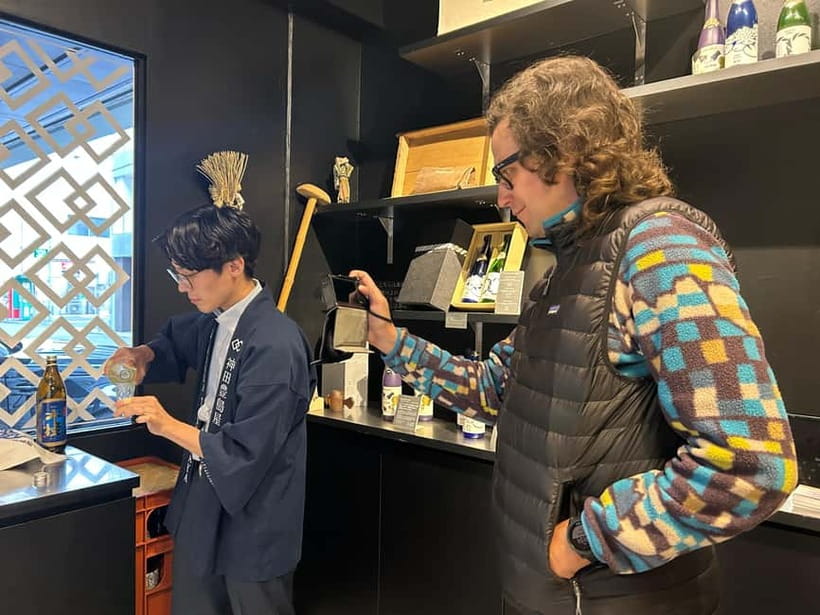
A small group of no more than 10 people is important here. Sake has plenty of vocabulary, from production methods to flavor differences, and you may want to ask a question about one particular bottle. A small group gives you more room to do that. In especially small bookings, the experience can feel almost private.
Wear comfortable shoes and clothes. The route is not described as strenuous, but you will walk through the neighborhood before spending time at the shop.
Walking through Kanda Station West Exit Shopping Street
The first guided stop is Kanda Station West Exit Shopping Street. You spend roughly 20 minutes here, learning about the local drinking area and its connection with Japanese salarymen.
The value of this stop is context rather than sightseeing spectacle. Kanda is known for after-work drinking, and the guide uses the neighborhood to explain where people go for sake and izakaya food. You also receive suggestions for nearby places to continue drinking or eating after the tour.
That advice can be useful later in your trip. Instead of searching randomly for an izakaya, you finish the experience with a few local ideas. The activity does not include a meal, so these recommendations may be especially helpful if you plan to eat after the tasting.
Keep your expectations measured. This is a short introduction, not an evening pub crawl. You will not visit several bars as part of the experience, and the food at those nearby establishments is not included. Think of the walk as a bridge between the station and the sake shop.
Inside Toshimaya Rita-Shop, founded in 1596
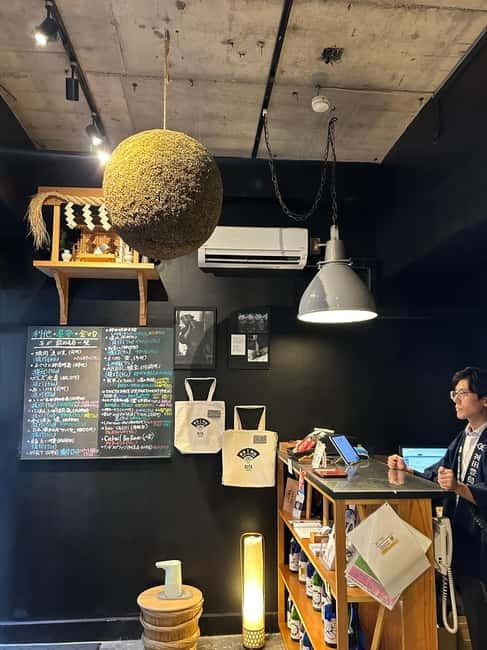
The main stop is Toshimaya Rita-Shop, established in 1596. The age of the shop is not just a line in the tour description. It gives you a physical place where sake has been sold across centuries of Japanese history, rather than a modern tasting room created only for visitors.
You first visit the shop and take in its atmosphere while learning about its background. After that, you move to another room for the tasting. The arrangement lets you see the retail side before sitting down with the bottles, and it leaves time afterward to browse and shop.
The setting suits people who enjoy traditional businesses and small-scale experiences. You are not being rushed through a large commercial attraction. You have a chance to look at the shop, hear how it fits into Kanda, and then return to browse after the tasting.
The shop also makes the purchasing decision straightforward. If you find a sake you like, you can buy it there. That is more useful than tasting something in one location and trying to remember the name later. The activity does include time for shopping, though buying bottles is an extra cost.
More Food and Drink Trips in Tokyo:
- Amsterdam Food and Cultural Tour with Tastings
★ 5.0 · 4,315 reviews - Barcelona: Tapas Walking Tour with Food, Wine, and History
★ 4.8 · 4,261 reviews - Sevilla Food Tour: Tapas, Wine, History & Traditions
★ 5.0 · 3,468 reviews - Normandy D-Day Small-Group Day Trip with Omaha Beach, Cemetery & Cider Tasting
★ 5.0 · 2,786 reviews
What seven small sake pours are really like
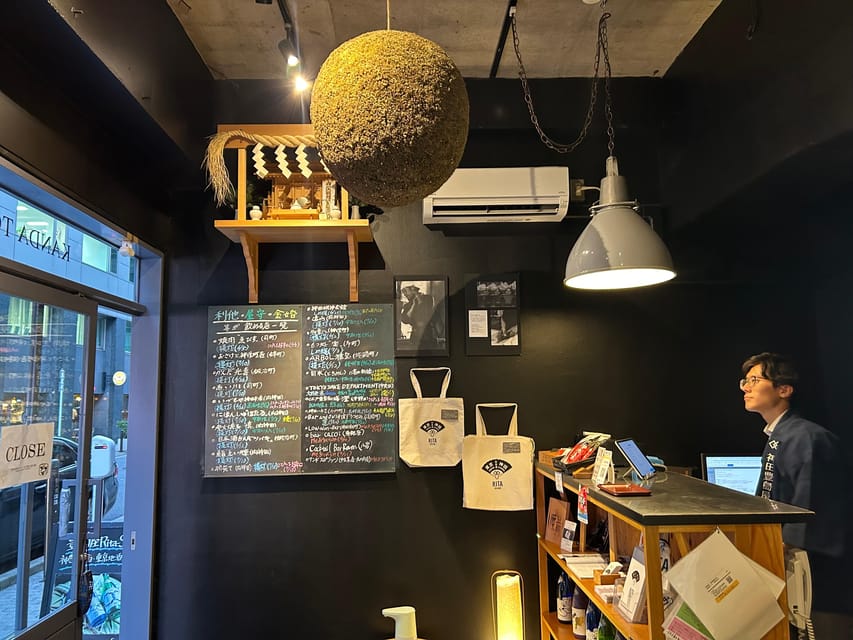
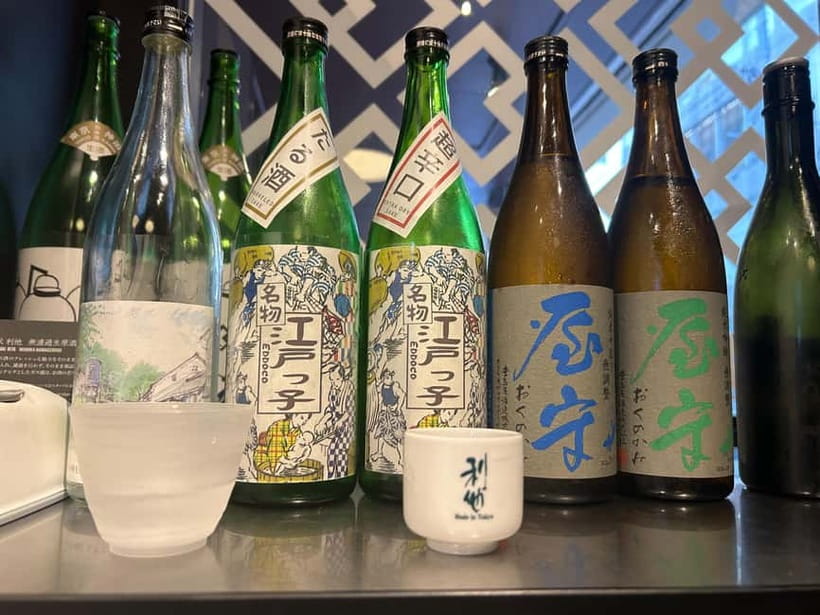
The tasting includes seven sake samples according to the activity details, while the general description refers to around six varieties. The practical point is that you should expect a flight of several small pours, with the exact selection subject to change based on the season and timing.
Each tasting pour is about 10 to 20 milliliters. These are sample-sized servings, not full glasses. That lets you compare several varieties without receiving the equivalent of several drinks, though you are still consuming alcohol and should plan your evening sensibly.
The guide explains the sake and the differences among the varieties sold at the shop. The experience is suitable for someone trying sake for the first time, since the tasting gives you several styles to compare instead of asking you to choose an unfamiliar bottle from a shelf.
It also works for someone who already knows sake. One useful feature is the chance to ask more specific questions about production, flavor, and the differences among bottles. The selection changes, so even an experienced drinker may encounter something new, but no fixed bottle list is promised.
The small pours encourage you to pay attention. You can notice which sake feels lighter, fuller, drier, or more suited to food, then ask the guide about it. The goal is not to turn you into a sake expert in two hours. It is to give you a better basis for choosing sake during the rest of your time in Japan.
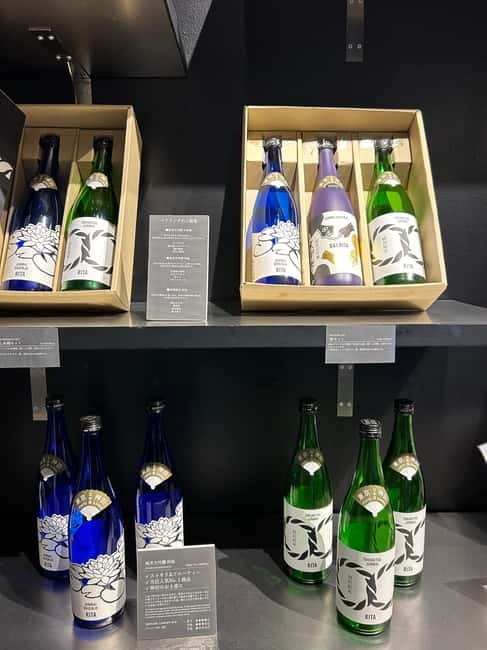
The shop sells the bottles you taste, but purchasing is optional. That matters for the price calculation. The $38 fee covers the guide and the tasting, not a take-home bottle or a meal.
Why eating before the tour is smart
Food is not included, and food is not allowed during the activity. The organizers specifically recommend eating before you arrive if you are hungry.
This is worth taking seriously. Seven small pours are not large servings, but drinking several samples without food can affect you more quickly than expected. A light meal or snack before the meeting point can make the two hours more comfortable.
You can then use the guide’s nearby izakaya suggestions after the tasting. The tour introduces places where you can enjoy more sake and Japanese food, but those visits are recommendations, not part of the included program.
Pregnant people, anyone with a cold, and people under 20 should not book this activity. Japan’s legal drinking age is 20, and the guide must check your age, so bring your passport or another valid ID. A photo or informal proof is not specified as sufficient, so carrying the original document is the safest approach.
Is $38 a fair price?
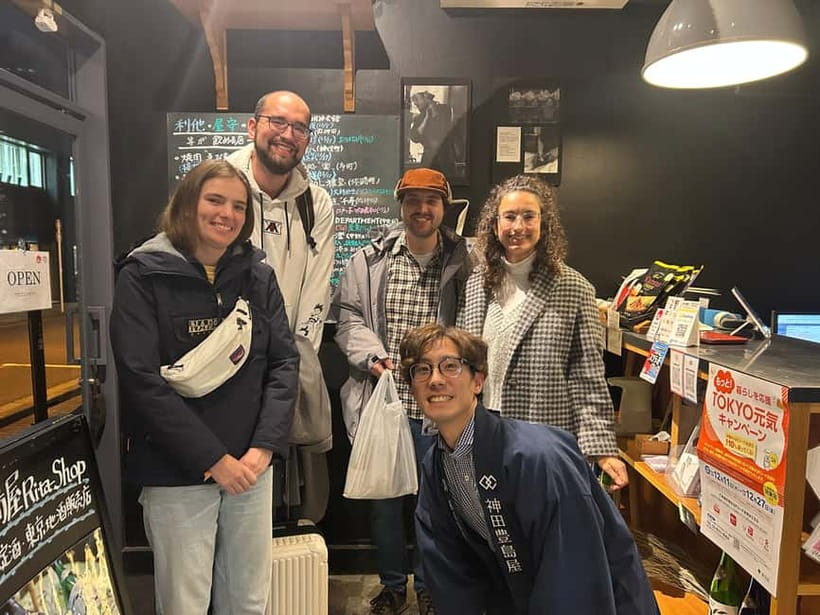
At $38 per person, the cost is reasonable if you value the combination of a historic shop, a live English-speaking guide, neighborhood context, and several tastings. You are paying for more than seven tiny samples. The fee also covers the explanation of sake, a guided walk, local recommendations, and time to browse a shop with centuries of trading history.
The value is strongest for first-time visitors to Japan who want help understanding sake. A bottle shop can offer far more choice than you can easily sort through, especially if Japanese labels are unfamiliar. Here, the guide narrows the experience into a manageable tasting and explains what you are trying.
The value is also good for a small group. A 10-person maximum is not the same as a private tour, but it is far more personal than a large group activity. If your group is very small, you may have plenty of time for questions and individual recommendations.
The price is less attractive if you are mainly looking for a full meal or a long bar crawl. No food is included, and the tasting portions are deliberately small. You will need to budget separately for any bottle you buy and for food or drinks after the tour.
For many people, the ability to taste before buying is the practical advantage. You are less likely to choose a bottle based only on a label or an attractive package. If you find a favorite, you can purchase it immediately at the shop.
Who will enjoy this experience most?
I would recommend this tour to:
- First-time sake drinkers who want a clear introduction
- People who enjoy historic shops and traditional local businesses
- Visitors interested in Kanda’s after-work drinking culture
- Couples and solo visitors who prefer a small group
- Sake fans who want to compare several bottles and ask detailed questions
- Anyone looking for practical Tokyo restaurant suggestions from a local guide
It is less suitable if you want a full dinner, a late-night drinking session, or a long walking tour. It is also not appropriate for anyone under 20, pregnant people, or anyone who is unwell.
The tour is a good fit for a free morning or afternoon because it lasts about two hours. Starting times vary, so you will need to check availability when booking. Since the experience ends back at NewDays Kanda South Entrance, it is easy to continue into Kanda afterward.
Booking details that matter
You can cancel up to 24 hours before the activity for a full refund. You can also reserve now and pay later, which helps if you are still arranging a Japan itinerary.
The key rule is the five-minute meeting limit. Arrive at NewDays Kanda South Entrance early, look for the Sake Tasting Tour sign, and keep your passport or ID ready.
The tour is offered in English and has a maximum of 10 participants. The sake selection is not fixed, so you should treat the exact bottles as part of the surprise rather than expecting a particular label.
Should you book this Kanda sake tasting?
Book it if you want a focused introduction to sake with a real sense of place. The 1596 shop, the Kanda walk, the small pours, and the English-speaking guide create a useful two-hour lesson without turning the experience into a formal class.
I would especially choose it early or midway through a Tokyo visit. The sake background can help you order later, and the izakaya recommendations give you ideas for another evening. If you are mainly after food or a long night of drinking, spend the $38 elsewhere. If you want to understand what you are tasting and buy a bottle with more confidence, this is a strong choice.
FAQ
How long does the sake tasting experience last?
The experience lasts two hours, including the guided walk through Kanda, the shop visit, the sake tasting, and time to browse.
Where is the meeting point?
Meet outside NewDays at the Kanda Station South Entrance. The guide will hold a sign that says Sake Tasting Tour.
How many sake samples are included?
Seven sake tastings are included. The general description says around six varieties, and the exact selection can change depending on the season and timing.
How large is the group?
The experience is limited to 10 participants.
Is the tour conducted in English?
Yes. The tour includes a live English-speaking guide.
What is the legal age for this activity?
Participants must be at least 20 years old, which is the legal drinking age in Japan.
Do I need to bring identification?
Yes. You must bring a passport or valid ID because your age will be verified before or during the experience.
Is food included?
No. Food is not included, and food is not allowed during the activity. Eating beforehand is recommended if you are hungry.
Can I buy sake after the tasting?
Yes. The sake available for tasting is sold at Toshimaya Rita-Shop, and you can browse and purchase bottles after the tasting.
More Sake Tasting in Tokyo
- Private sake pairing@ancient underground
★ 5.0 · 27 reviews
Just added around Tokyo
- Tokyo: Edo Castle & East Garden of the Imperial Palace Tour★ 4.7 · 112 reviews
- Tokyo: Imperial Palace, the history of Japan (ENGLISH GUIDE)★ 5.0 · 77 reviews
- Tokyo: Customized Private Historical Guided Photoshoot Tour★ 5.0 · 25 reviews
- Kyoto: Nijo Castle World Heritage Guided Tour with Admission★ 4.9 · 37 reviews
- From Tokyo: Private Nikko World Heritage Sights One Day Trip★ 4.7 · 52 reviews
- From Tokyo: Guided Day Trip to Nikko World Heritage Sites★ 4.8 · 51 reviews
- Asakusa: 3.5-hour Big-picture History Walk★ 4.7 · 39 reviews
- Asakusa: A Big-picture History Walk to Know Japan★ 4.6 · 77 reviews
Tokyo History Tours, compared.
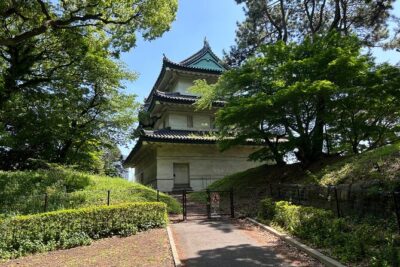
Tokyo: Imperial Palace and Shogun Historical Walking Tour
Read our review →
Tokyo Castle & Imperial PalaceーShogun Walking Tour
Read our review →
Tokyo: Imperial Palace Japanese History Walking Tour
Read our review →Tokyo Castle & Imperial PalaceーShogun Walking Tour
Read our review →
Tokyo: Shinjuku Historical Walking Tour & Secret Backstreets
Read our review →
Imperial Palace East Garden and Edo Castle Walking Tour in Tokyo
Read our review →
From Tokyo: Nikko World Heritage Site Private Full-Day Trip
Read our review →
Tokyo: The Best of Izakaya in Shinjuku Food & Cultural Tour
Read our review →Browse the lists this tour appears in