
Review · BERLIN
Hitler’s Germany: Berlin During the Third Reich & WWII
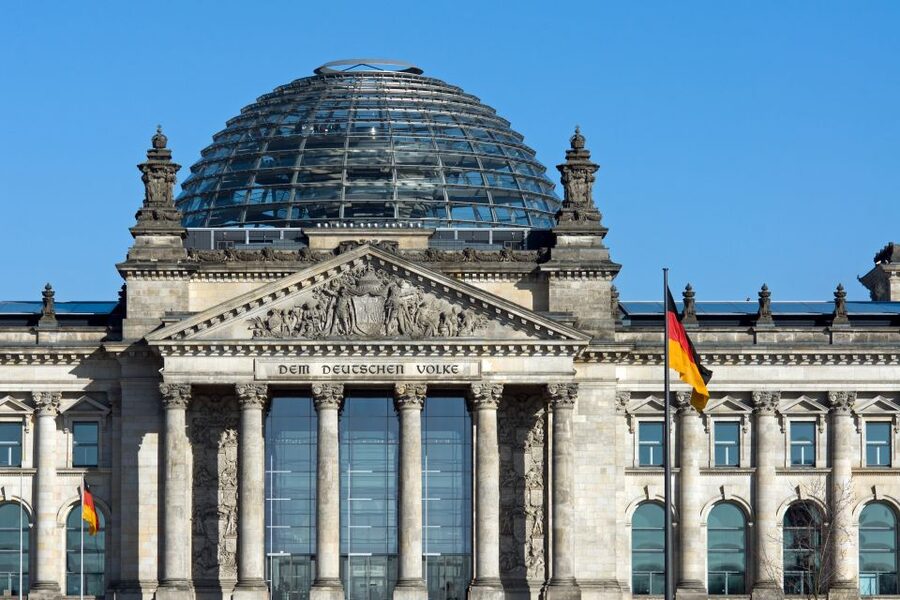
Berlin’s Nazi past is not hidden in one museum. It is scattered across ordinary streets, office blocks, memorials, empty lots, and the broad avenues Hitler wanted to turn into the capital of a world empire. This tour connects those pieces, from the former Jewish district to the site of Hitler’s bunker and the Reichstag, where the Battle of Berlin ended.
I like two things right away. First, the route gives you both the major sights and less obvious places, including the former Gestapo and SS headquarters, the Sinti and Roma memorial, and the memorial to 96 politicians arrested in 1933. Second, the guides bring plenty of personality to a grim subject. Glen, Jimmy, Jonathan N, Artie, Emma, and others are praised for clear storytelling and a light touch when the material allows it.
The main drawback is simple: this is a four-hour outdoor tour, and you do not enter buildings. You will need an AB public transport ticket for the short metro ride, and Berlin weather can be rough. Still, at $23 per person, it offers a lot of historical ground for the money.
Key points at a glance
- The route links Nazi Berlin’s major sites: See the bunker location, Reichstag, Holocaust Memorial, former Luftwaffe headquarters, and former Gestapo and SS offices.
- The Jewish Quarter comes first: Begin with the destruction of Jewish life in Berlin, giving the later political and military sites a human context.
- The Topography of Terror area adds depth: Pause by the former Gestapo and SS headquarters to understand how persecution was organized.
- Guides make or break the experience: Strong guides such as Glen, Jimmy, Jonathan N, Artie, and Rohan are praised for clear explanations, humor, and care.
- You cover ground by metro and on foot: The tour moves from Anhalter Bahnhof through the former government district and into the Tiergarten area.
- The ending is dramatic but sober: At the Reichstag, you hear about Germania, the final battle, and Hitler’s suicide nearby.
Why this four-hour route works
Berlin has enough Nazi-era sites to overwhelm a first-time visitor. You can walk past a gray government building without realizing that it once housed one of the most powerful offices in Hitler’s regime. You can visit the Reichstag without knowing how closely its destruction was tied to the final days of the war.
This tour gives the city a clear order. It begins with the Nazi assault on Berlin’s Jewish community, moves into the machinery of dictatorship, then follows the regime toward war, mass murder, and collapse. That sequence matters. You are not just collecting famous locations. You are seeing how political power, propaganda, terror, and war operated together.
The price is unusually fair for a four-hour guided experience. At $23, you are paying less than many museum admissions and getting a live guide across a large section of central Berlin. The public transport ticket is extra, but only one AB ticket is needed if you do not already have suitable transit coverage.
You may book a shared group or a private group, depending on the option available. Group size can affect the feel of the tour. A small group makes it easier to ask questions and hear the guide clearly. Guides have also been praised for keeping an eye on the group, waiting after stops, and making sure everyone can follow the route.
More WWII and D-Day Tours in Berlin
- Berlin: Third Reich & Cold War Guided Walking Tour
★ 4.9 · 8,378 reviews - Berlin’s Best: 2 Hour Walking Tour Third Reich and the Cold War
★ 5.0 · 5,486 reviews - Third Reich Berlin: Hitler and WWII Walking Tour
★ 5.0 · 3,301 reviews
Starting with Jewish Berlin before 1933
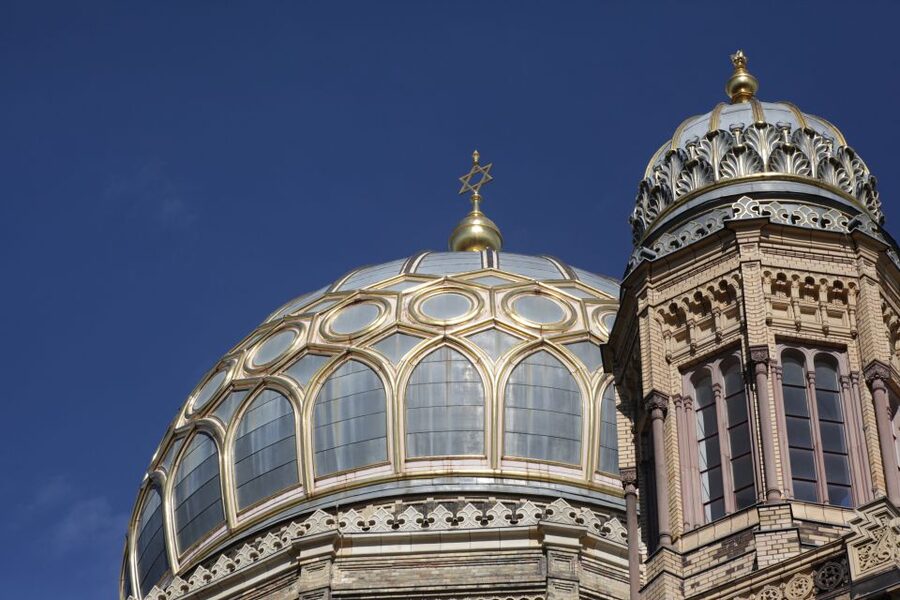
The tour begins in central Berlin with an introduction to the Jewish Quarter and the Nazi destruction of Jewish life. This is an important choice. The story does not begin with Hitler’s bunker or the war. It begins with people, neighborhoods, businesses, families, and a community that the Nazi state set out to erase.
Your guide explains how persecution developed and how the Jewish district was changed by the regime. That opening helps you understand the Holocaust as a process rather than a single event. Laws, public pressure, propaganda, arrests, deportations, and murder followed one another.
The guide’s role is especially important here. This material can become a list of dates if presented poorly. The strongest guides on this route use photographs, maps, personal stories, and small details to show how Berlin changed. Amelie, for example, has used maps and historic documents to help explain the city’s wartime appearance and political changes.
You should expect a serious beginning. The tour deals directly with persecution and murder, but the presentation is not meant to shock for its own sake. It places the human cost at the center before moving to the buildings where the Nazi state carried out its work.
Anhalter Bahnhof and the first metro ride
From the opening section, you take a short metro ride to Anhalter Bahnhof. A public transport ticket is not included, so arrange your AB ticket before the tour or follow the provider’s instructions for the meeting point and transit segment.
Anhalter Bahnhof was once a huge railway station. Much of it was destroyed during the Second World War, and the surviving remains offer a useful reminder of how completely Berlin was damaged. The station is not simply a transport stop on this route. It helps shift the story from the growth of Nazi power to the physical destruction brought by total war.
The stop also gives the tour a change of pace. After the opening discussion, you begin walking through the former government district. Wear shoes you can use comfortably for several hours, and bring water. The route runs in all weather and on public holidays, so a rain jacket is more useful than an optimistic weather forecast.
This is one reason I would not treat the tour as a casual photo walk. You will spend much of the four hours outdoors, moving between sites while listening. In rain or cold, the experience may feel demanding. In better weather, the walking route makes the history easier to place in the actual city.
The former Luftwaffe headquarters
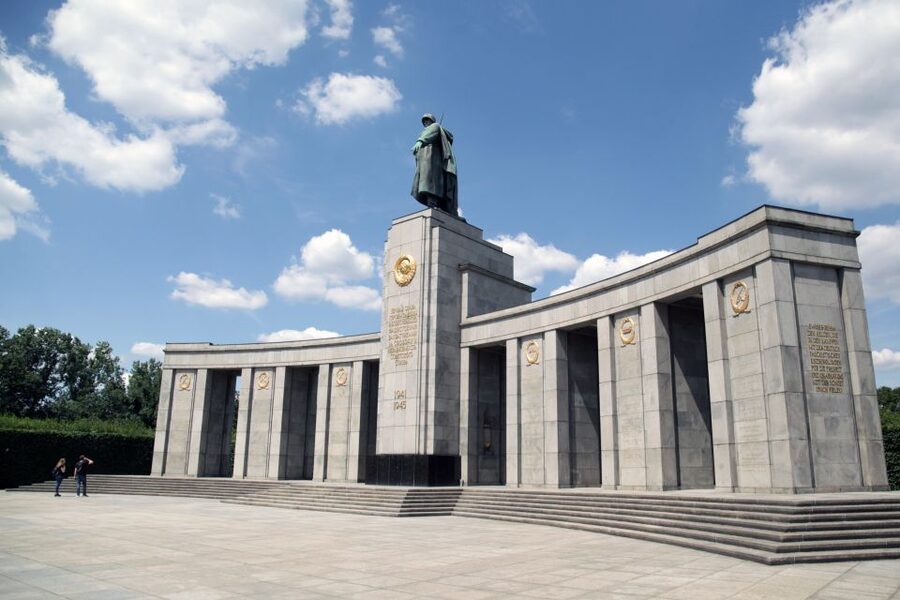
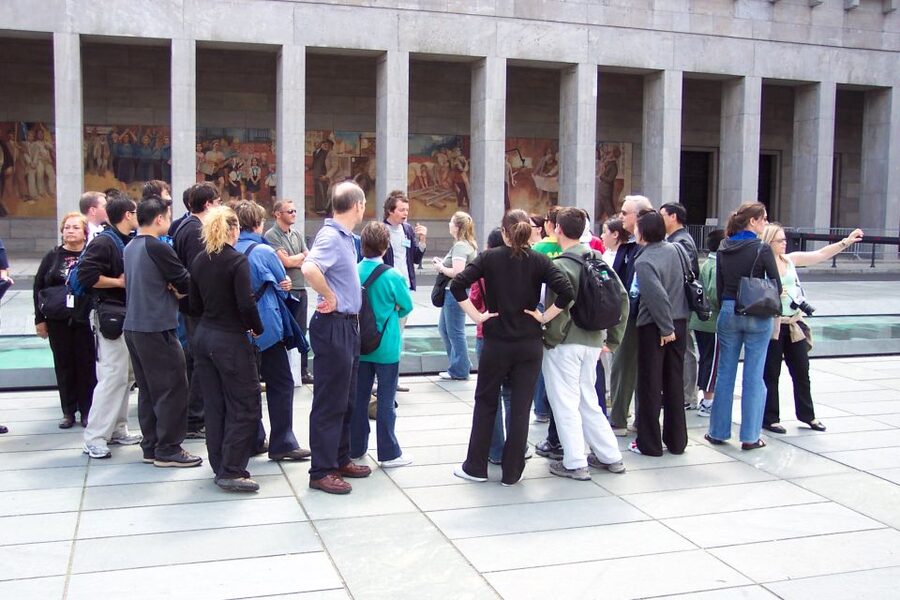
One of the most impressive buildings on the route is the former headquarters of the Luftwaffe, the German air force led by Hermann Göring. The building is one of the best surviving examples of Nazi architecture.
Its scale and severity help you understand the regime’s taste in public buildings. The architecture was designed to project discipline, authority, and permanence. Yet the building’s survival also creates an uncomfortable contrast. Nazi institutions disappeared, but some of their offices remained part of Berlin’s postwar city.
Your guide explains the building’s role rather than treating it as a backdrop. You will hear about Göring and the air force, but the larger point is how the Nazi state divided power among party offices, military bodies, police organizations, and ministries.
This is a good place to listen rather than search for a dramatic ruin. Much of Nazi Berlin has been rebuilt or repurposed. The history often survives in an address, a facade, or a change in function. A guide helps you read those traces.
More WWII and D-Day Tours in Germany
- Berlin: Third Reich, Hitler, and WWII Walking Tour
★ 4.9 · 1,757 reviews - Berlin: History of the Third Reich Guided Walking Tour
★ 4.7 · 791 reviews - Private Walking Tour Berlin Third Reich Hitler and World War II
★ 5.0 · 360 reviews - The History of Berlin: WWII PRIVATE Walking Tour With Locals
★ 5.0 · 209 reviews
The Gestapo, SS, and Topography of Terror
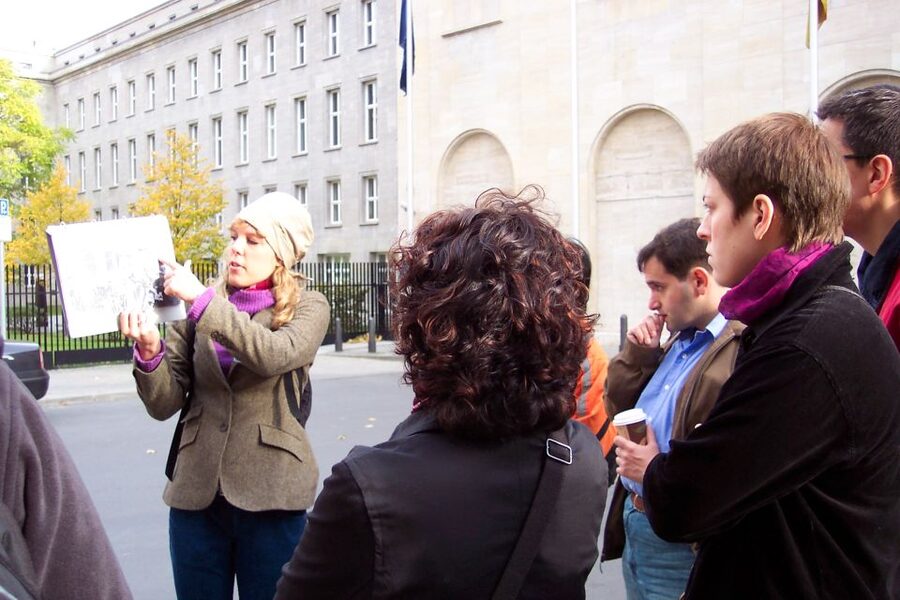
The route continues to the former Gestapo and SS headquarters, now associated with the Topography of Terror Museum. The Gestapo was the secret police, while the SS became one of the regime’s main instruments of terror and mass murder.
The stop gives the tour its clearest look at how Nazi violence was organized. The regime did not rely only on speeches and battlefield force. It used offices, records, arrests, interrogation, deportation, and a network of officials who made persecution possible.
You will have a pause in the Topography of Terror area before the guide continues. The tour does not include entry into buildings, so do not book it expecting a full museum visit. If you want time with the museum’s exhibits, plan a separate visit on another day.
That limitation is worth knowing, but it also keeps the walking tour moving. The guide can explain the site, place it in the wider story, and then take you onward to the next subject. The result is less detailed than a museum visit, but broader in geography.
Propaganda, euthanasia, and the Holocaust
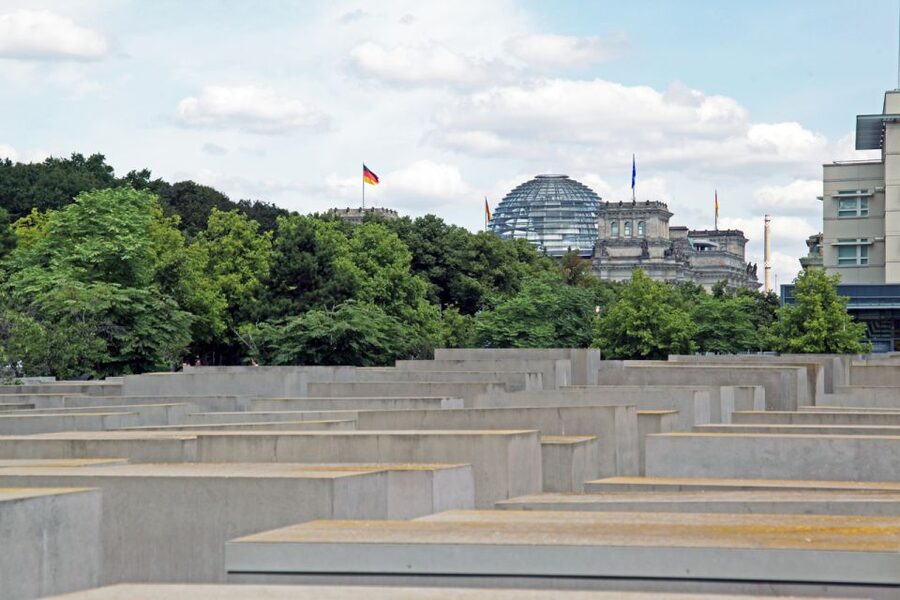
As you walk toward the Tiergarten, the guide covers Joseph Goebbels and the Nazi use of propaganda. This section helps explain how the regime shaped public opinion, controlled information, and presented its policies as necessary or desirable.
You also hear about the T4 euthanasia program, the organized murder of disabled people. This is an essential part of the story because it shows how Nazi killing policies developed before and alongside the Holocaust. The subject is difficult, but it belongs in any serious account of the Third Reich.
The tour then returns to the Holocaust and the machinery of mass murder. Because the route has already introduced the Jewish Quarter, police offices, propaganda, and government buildings, the discussion has a clear structure. You are seeing how ideology became policy and how policy became organized crime on a continental scale.
The best guides keep this section direct and respectful. Several guides, including Rohan, Quincy, Jasper, and Tom, have been praised for combining strong subject knowledge with an approachable manner. That balance matters. The topic is too serious for jokes or theatrical performance, but a cold lecture can lose your attention after several hours.
Memorials in and around the Tiergarten
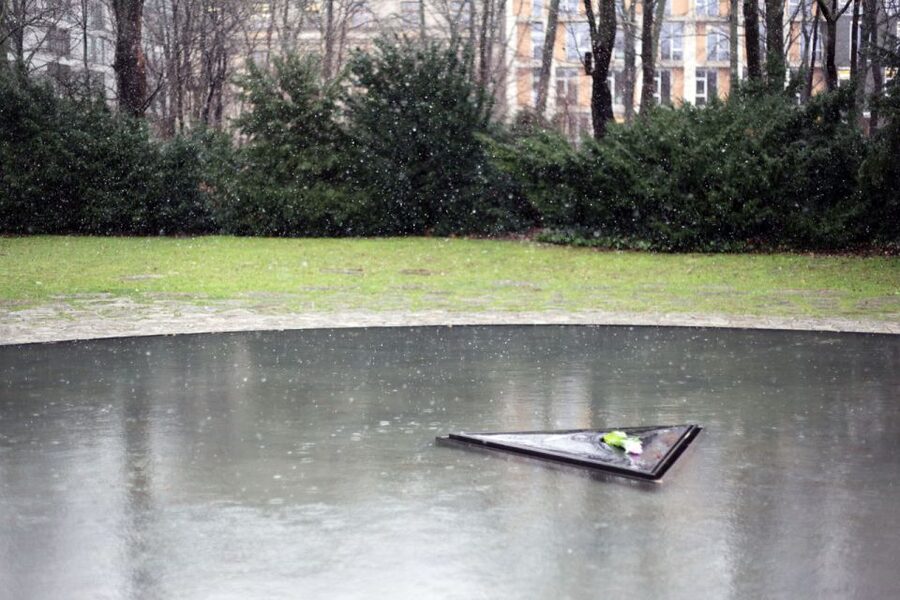
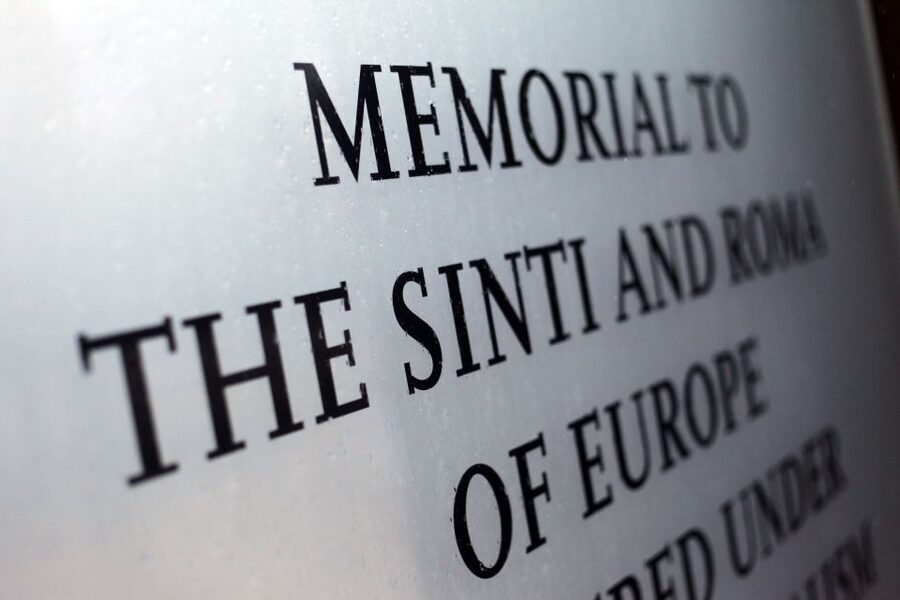
Near Berlin’s largest park, the tour visits the Memorial to the Sinti and Roma Victims of National Socialism. This memorial recognizes a group persecuted and murdered by the Nazi regime, and it broadens the story beyond the Jewish experience without diminishing it.
You also visit the memorial for 96 politicians arrested by the Nazis during their seizure of power in 1933. This stop shows how quickly the regime moved against political opponents. The transition from a democratic system to dictatorship was not abstract. It involved arrests, intimidation, and the removal of people who might resist.
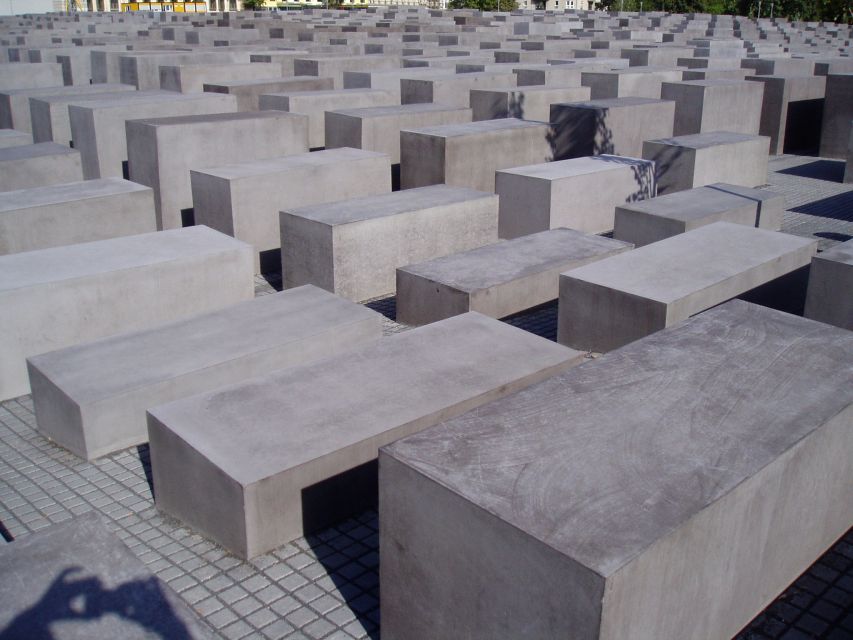
These memorials are easy to miss if you are walking around Berlin without a guide. That is one of the tour’s strongest features. You are not only seeing the well-known Holocaust Memorial and Reichstag. You are being taken to smaller sites that explain different victims and different stages of Nazi rule.
The memorial stops also give you a chance to pause. Four hours is a long time to listen while walking, and these places create moments for reflection. Your guide may invite questions, and the group can discuss what the memorials are trying to preserve.
Hitler’s bunker site and the final battle
The tour includes the site of Hitler’s bunker, now an ordinary-looking urban location rather than a preserved underground attraction. The guide explains what happened there and why the site is not presented as a shrine.
You do not enter the bunker. There is no dramatic ruin to explore. That is useful to understand before booking, since the historical importance of the place far exceeds what you can see at street level.
From there, the tour leads toward the Reichstag. The route explains Hitler and Albert Speer’s plan to rebuild Berlin as Germania, a monumental capital for a German world empire. The plan was never completed, but it reveals the scale of the regime’s ambition and its obsession with architecture.
At the Reichstag, the guide turns to the Battle of Berlin. Soviet soldiers attacked the building under anti-aircraft fire as the city collapsed around them. Hitler was committing suicide less than a mile away.
Ending here gives the tour a strong final chapter. The Reichstag is both a major Berlin landmark and a place tied to the violent end of the Nazi state. You finish with the contrast between the regime’s grand plans and the ruined city those plans helped create.
What the guides add
The guide is the main reason to choose this experience over a self-guided walk. The route covers a lot, but names and buildings alone do not explain how the pieces fit together.
Guides praised for their delivery include Glen, Jimmy, Jonathan N, Artie, Rohan, Jasper, Quincy, Emma, Peter, Amelie, and others. Their styles vary. Some are especially funny, some use photographs and maps, and some bring personal connections to Berlin. One guide was a West Berliner who added lived experience about the divided city and its changing identity.
You should expect fluent English or German, depending on your booking and guide. English-language visitors have consistently found the explanations clear, and several guides are described as passionate, friendly, and easy to talk to.
A good guide also manages the practical side. The strongest examples keep the group together, make sure everyone can hear, answer questions, and handle bad weather without losing the thread. Do not be surprised if the exact guide differs from the names above. They are examples of the range of guides working on the tour, not a guarantee for your date.
Who should book it?
I would choose this tour if you want a structured introduction to Nazi Berlin and prefer seeing sites in context rather than spending four hours inside one museum. It suits first-time visitors, history enthusiasts, older children and teenagers who can handle serious material, and anyone who wants to understand why Berlin’s memorials are placed where they are.
The tour is also a good first step before visiting the Holocaust Memorial, Topography of Terror Museum, or other Berlin museums on your own. The guide gives you a framework, then you can return to the places that interest you most.
I would hesitate if you want a relaxed city walk, dislike public transport, or need regular indoor breaks. You will be outside in all weather, and the tour does not include building entrances. The subject is also emotionally heavy. It is presented with care, but it is still a tour about dictatorship, persecution, genocide, and war.
Booking is flexible: you can cancel up to 24 hours in advance for a full refund, and reserve now while paying later. Check the starting time and meeting point for your chosen option, since they can vary.
Should you book Hitler’s Germany?
For $23, I think this is one of the better-value history walks in Berlin. You see major landmarks, lesser-known memorials, the former Nazi government district, and the bunker site in one carefully linked route.
Book it if you want clear storytelling, strong historical context, and a guide who can help you notice what Berlin does not announce with big signs. Skip it only if you need an indoor tour or prefer to explore at your own pace. Bring comfortable shoes, a public transport ticket, and weather protection. The city will provide the setting, but a good guide helps you understand what happened there.
FAQ
How long does the tour last?
The tour lasts four hours.
What languages are available?
The tour is available with live guides in English or German.
Is public transport included?
No. You need a single AB public transport ticket if required for the short metro journey.
Do you enter the buildings?
No. The tour takes place outdoors and does not include entry into buildings.
Does the tour run in bad weather?
Yes. It runs in all weather and on public holidays.
Can I cancel the booking?
Yes. You can cancel up to 24 hours in advance for a full refund. You can also reserve now and pay later.
Just added around Berlin
- Berlin Food & Cultural Tour: Must-Try German & Berliner Classics★ 5.0 · 51 reviews
- Berlin Half-Day World War II Walking Tour★ 4.5 · 48 reviews
- Small-Group Historical Bike Tour in Berlin★ 4.5 · 103 reviews
- Historic center of Berlin – Tour in Italian★ 5.0 · 143 reviews
- Berlin Cold War & World War II Third Reich Walking Tour★ 4.5 · 30 reviews
- Private Taxi Tour City East & West History and Architecture 3-4h★ 5.0 · 42 reviews
- Berlin Wall and Cold War Bike Tour in Small Groups★ 5.0 · 114 reviews
- Private Tour: Jewish Heritage Walking Tour of Berlin★ 5.0 · 29 reviews
Berlin History Tours, compared.

Berlin: Third Reich & Cold War Guided Walking Tour
Read our review →
Berlin’s Best: 2 Hour Walking Tour Third Reich and the Cold War
Read our review →
Third Reich Berlin: Hitler and WWII Walking Tour
Read our review →
Berlin: Third Reich, Hitler, and WWII Walking Tour
Read our review →
Berlin: 3-Hour World Heritage Cruise to Potsdam
Read our review →
Cold War, Berlin Wall, Spies and the East Side Gallery
Read our review →
Berlin: History of the Third Reich Guided Walking Tour
Read our review →
Browse the lists this tour appears in