
Review · TOKYO
Kyoto: Nijo Castle World Heritage Guided Tour with Admission
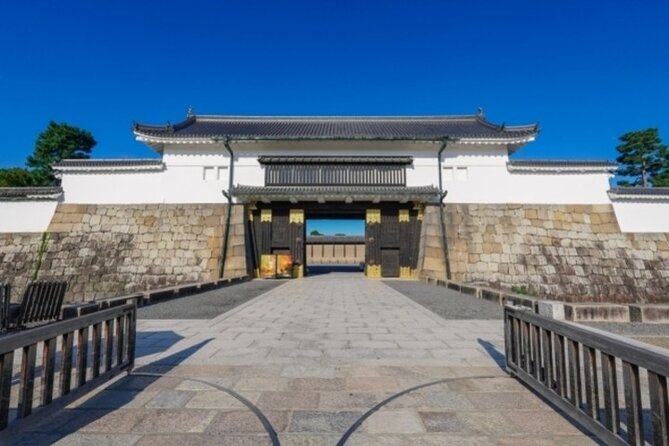
Nijo Castle was built to send a message, not to fight a battle. The Tokugawa shoguns placed this grand palace beside the Emperor’s home in Kyoto, then used gates, corridors, room sizes, and decoration to show who truly held power. The 1867 handover of authority took place here, making the castle a fine place to understand Japan’s shift from shogun rule to the Meiji era.
I like the small groups of up to 10, since you can ask questions without shouting across a crowd. I also like the guides’ clear personal approach. Nao is praised for his storytelling, Naoya for helpful cultural context, Uta for keeping the walk engaging, and Benjamin for mixing facts with humor. The main consideration is time: 90 minutes gives you a focused introduction, not a slow and exhaustive visit to every corner of the grounds.
Key points to know before you go
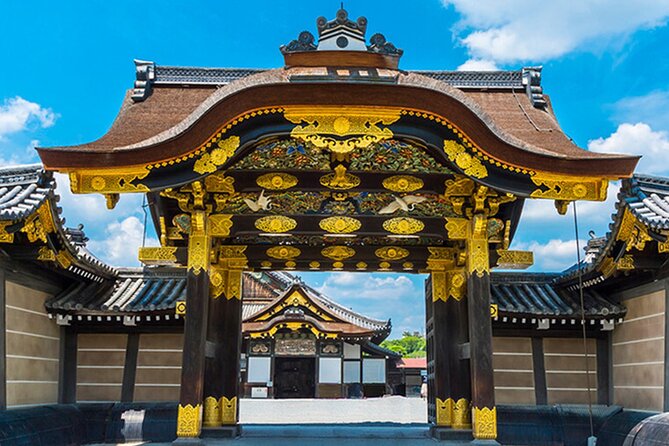
- Hear the nightingale floors chirp as you walk through the Ninomaru Palace.
- Stand in the room linked to 1867, when Tokugawa Yoshinobu returned authority to the Emperor.
- See power expressed through architecture, from raised floors to layered gates and corridors.
- Expect a personal tour, with no more than 10 people and time for questions.
- Allow for shoe removal, since all visitors must take off their shoes inside the palace.
- Look for koi in the moats and gardens, a pleasant change of pace after the formal palace rooms.
Why Nijo Castle tells Kyoto’s political story so well
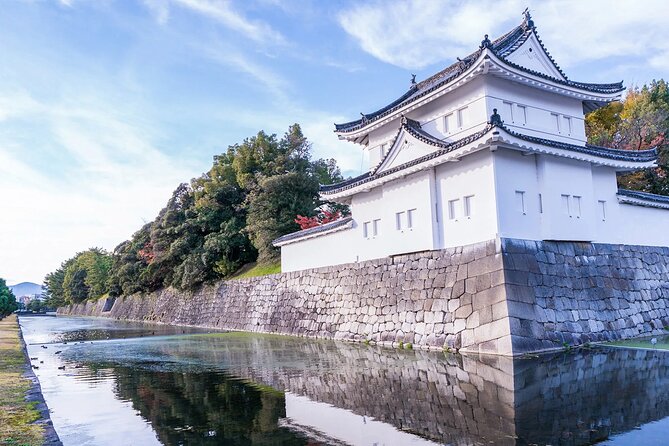
Many castles are built to keep enemies out. Nijo Castle was also built to make visitors feel watched, ranked, and overpowered. The Tokugawa shoguns ruled from Edo, now Tokyo, but Kyoto remained the Emperor’s city. Building a lavish palace just steps from the Imperial residence sent a pointed message: the shogun might live far away, but his authority reached directly into Kyoto.
That political tension gives this visit more weight than a simple palace walk. You are not just admiring painted rooms and old gardens. You are seeing how architecture worked as a form of control.
I find that this kind of setting is easiest to understand with a guide. On your own, you can appreciate the roofs, gardens, and wooden details. A guide helps you notice why a room is larger than the next, why one corridor rises above another, and how visitors were directed through the compound.
The tour is conducted in English and is limited to 10 people. That number is small enough for a conversational walk, but the exact feel may depend on how many people book on your date. Some departures may be especially intimate. One participant described a private-style experience when no one else had booked, while another family found that the guide adjusted well to adults and children.
More UNESCO World Heritage Tours in Tokyo:
- From Tokyo: Nikko World Heritage Site Private Full-Day Trip
★ 4.9 · 243 reviews - Tokyo: Nikko World Heritage Private Day Trip Hotel Pick-up
★ 4.8 · 145 reviews - From Tokyo: Nikko World Heritage Sight Full Day Private Tour
★ 4.9 · 127 reviews
Meeting at Nijōjō-mae Station
The meeting point is outside Exit 1 of Nijōjō-mae Station. Look for a guide holding a Local Guide Stars sign. This is a sensible place to begin, since the station is directly associated with Nijo Castle and keeps the arrival simple.
I would arrive with enough time to find Exit 1 without rushing. The tour begins on foot, and a missed meeting point is an avoidable way to spoil a short experience. Since the tour ends back at Nijojo-mae Station, the route also works well if you plan to continue elsewhere in Kyoto afterward.
The station meeting point matters because the tour does not spend time sorting out a large group at a distant hotel or landmark. You meet the guide, confirm the group, and begin the castle visit together.
Entering a palace built for display and intimidation
The first major lesson is that Nijo Castle was not designed simply as a military fortress. Its spaces were carefully arranged to impress and unsettle important visitors. Gates and corridors controlled movement. Rooms became larger or more decorated according to rank. Even the height of the floor could signal status.
Your guide will connect these physical details to the Tokugawa system. The shogun held military and political power, while the Emperor remained the symbolic ruler in Kyoto. The castle made that relationship visible. It told anyone entering that they were passing through the shogun’s world.
This is where the small-group format earns its fee. You can stop to ask why a corridor is arranged a certain way or how room size reflected social rank. You can also ask about Japanese customs and culture beyond the castle itself. Several guides are described as offering useful suggestions for the rest of a Kyoto visit, which can be handy if this is one of your first stops in the city.
The tone is educational but not stiff. Benjamin is praised for adding humor to the facts, while Uta is noted for keeping the group interested throughout the walk. These details matter because palace tours can become a list of dates and names if the guide does not connect the building to ordinary human behavior.
The Ninomaru Palace and its chirping floors
The Ninomaru Palace is the heart of the visit. Before entering, remember that shoes must be removed. Wear socks you are comfortable walking in, and expect to spend part of the tour indoors without footwear.
Inside, the famous nightingale floors are the star attraction. Their metal fittings produce a chirping sound as the boards flex underfoot. The purpose was to warn of intruders, though the effect is also theatrical. As you walk, the floor makes the palace feel alive and alert.
The sound is a small detail, but it gives you a direct physical connection to the building. You do not need to imagine how the palace might have worked as a controlled environment. The floor responds to your steps.
Your guide can then place the feature in a wider setting. The palace was not only protecting the shogun. It was managing people. Guests were moved through a sequence of spaces that reinforced rank and authority. The architecture did much of the speaking before anyone formally addressed you.
The rooms also show how hierarchy was built into everyday movement. Room size, floor height, and decoration reflected the status of the people expected to use or enter them. The layered corridors and gates could make a visitor feel increasingly separated from the outside world.
You should not expect to wander freely through every room at your own pace. The palace visit is part of a guided walk, and the 90-minute schedule means the route must keep moving. That is a reasonable tradeoff if you want the building explained rather than simply photographed.
More Guided Tours in Tokyo:
- Tokyo: Imperial Palace, the history of Japan (ENGLISH GUIDE)
★ 5.0 · 77 reviews - From Tokyo: Guided Day Trip to Nikko World Heritage Sites
★ 4.8 · 51 reviews - Tokyo: Customized Private Historical Guided Photoshoot Tour
★ 5.0 · 25 reviews - Pompeii: Entry Ticket and Guided Tour with an Archaeologist
★ 4.8 · 19,459 reviews
The room where the shogunate ended
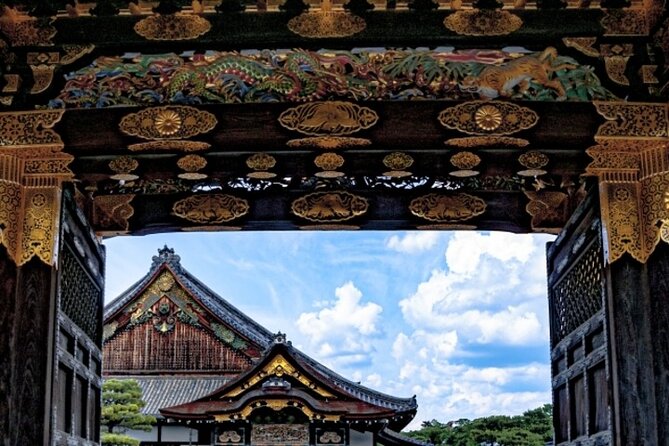
The strongest historical moment comes in the room associated with Tokugawa Yoshinobu’s decision in 1867 to return political authority to the Emperor. This ended more than 260 years of Tokugawa shogunate rule and helped bring about the Meiji Restoration.
The setting makes the event easier to grasp. The end of the shogunate was not an abstract change printed in a textbook. It happened in a palace built to display Tokugawa authority, in Kyoto, beside the Emperor’s residence. The place itself carries the tension.
I like this part of the tour because it connects the palace’s design to its later meaning. At first, Nijo Castle represents the shogun’s power over Kyoto. Then it becomes the setting for that power being handed back. The same rooms that once projected control became linked to a major political transition.
Your guide will not need to rely only on a timeline. The room, the palace arrangement, and the rivalry between the shogun and Emperor give the story a clear physical shape. If you know little about the Meiji Restoration, this is a useful introduction. If you already understand the period, the setting adds a memorable sense of place.
Gardens, moats, and koi after the palace rooms
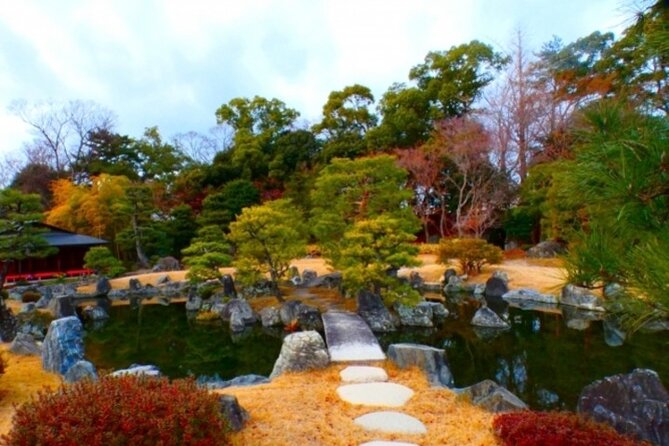
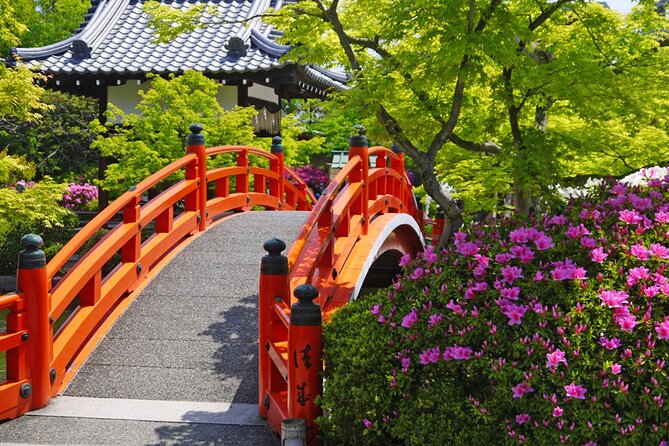
The castle grounds provide a welcome change after the formal interiors. Gardens and moats frame the palace, and colorful koi swim through the water. These views are among the more photogenic parts of the visit, especially after spending time looking at controlled indoor spaces.
The gardens also help balance the political story. Nijo Castle can feel severe inside, with its careful ranks and guarded corridors. Outside, the water, trees, and koi offer a quieter view of the compound.
The tour includes a guided walk through the castle area, but the stated schedule allows about 90 minutes overall. That is enough for a focused look at the main sights, not a leisurely garden study. If you enjoy taking many photographs or reading every sign, you may want additional time at the castle beyond the guided portion, though the supplied details do not specify how much extra time is available.
The koi are not the main reason to book this experience, but they help make the visit more varied. You get architecture, political history, palace customs, and garden views in one compact outing.
What the guides add to the experience
The strongest pattern among the guides is their ability to explain the castle in a personal, accessible way. Nao is praised for detailed historical explanations and for answering questions. Naoya is noted for linking the castle to both past and present Japanese culture. Uta brings information about local customs into the walk.
Benjamin’s style is described as friendly, informative, and humorous. Alexander is also specifically praised for clear explanations. The range of guides means your exact experience will depend on who leads your departure, but the tour is designed around live interaction rather than a recorded commentary.
That distinction matters. You can ask about the shogun, the Emperor, palace rules, or a detail you have just noticed. Families may find that useful. One group with children aged 8 and 13, along with older adults, found the pace and explanations suitable for everyone. The guide also offered ideas for other places to see in Kyoto.
The English level is reported as strong across the named guides. Still, historical names and political titles can be difficult in any language. If you are keen on the period, keep questions short and specific. A small group gives you a better chance to clarify something before the tour moves on.
Is the $40 price fair?
At $40 per person, the cost includes Nijo Castle admission and a 90-minute guided tour. The value depends on how much explanation you want.
If you are happy to stroll through the castle, read signs, and form your own conclusions, admission alone may suit you better if available through your wider Kyoto plans. But the main value here is the interpretation. The guide explains why the rooms are arranged as they are, how the shogun used the palace, and why the 1867 event matters.
For a first visit to Nijo Castle, I think the price is reasonable, especially if you prefer a compact experience with a live English-speaking guide. A group capped at 10 is also more appealing than a large coach-style walk. You are paying for access plus context, not just entry.
The 90-minute length keeps the commitment manageable. It fits well into a day that also includes other Kyoto sights. The drawback is that history-minded visitors may want more time for the gardens, architectural details, and palace interiors than this format provides.
You can reserve now and pay later, and cancellation is free up to 24 hours before the tour for a full refund. Those terms are useful in Kyoto, where weather and changing plans can affect a busy sightseeing day.
Who should book this castle walk?
I would recommend it to you if Nijo Castle is on your Kyoto list but Japanese political history is not yet familiar. The guide turns a beautiful site into a readable story, from Tokugawa power to the end of the shogunate.
It also suits families and mixed-age groups. The walk is mostly flat, and the tour is wheelchair accessible. The palace still requires everyone to remove shoes, so plan for that practical detail.
You will get the most from this tour if you enjoy asking questions and noticing small design choices. The experience is less useful if you want a long, unhurried photography session or a full-day architectural study.
The 90-minute format is also good for visitors with limited time in Kyoto. You see the castle’s key political and cultural points without giving up half a day. Just remember that the palace portion involves walking without shoes and that the tour keeps to a set schedule.
Final verdict: a smart way to read Nijo Castle
I would book this tour if you want Nijo Castle to make sense, not just look impressive. The best parts are the nightingale floors, the carefully ranked palace rooms, and the room tied to the end of Tokugawa rule.
The small group and named guides add real value. Nao, Naoya, Uta, Benjamin, and Alexander are all associated with clear explanations and a friendly approach, though your guide will depend on the departure. The main limit is the short running time, so do not expect every garden path and room to receive equal attention.
For $40, admission and a focused English tour make this a practical choice for first-time visitors, families, and anyone curious about the shogun and Emperor rivalry. If you want context, conversation, and a memorable look at Japan’s political turning point, book it. If you prefer to explore entirely at your own pace, visit independently and allow extra time.
FAQ
Where does the Nijo Castle tour meet?
Meet outside Exit 1 of Nijōjō-mae Station. The guide will be holding a sign that says Local Guide Stars.
How long does the tour last?
The guided experience lasts 90 minutes, with about one hour listed for the castle sightseeing walk.
Is Nijo Castle admission included?
Yes. Admission to Nijo Castle is included in the $40 per person price.
What language is the tour conducted in?
The live tour guide speaks English.
Do I need to remove my shoes?
Yes. All visitors must remove their shoes when entering the palace.
Is the tour suitable for wheelchair users?
The activity is listed as wheelchair accessible, and the grounds are mostly flat. You must still remove your shoes when entering the palace.
Just added around Tokyo
- Tokyo: Imperial Palace, the history of Japan (ENGLISH GUIDE)★ 5.0 · 77 reviews
- Tokyo: Customized Private Historical Guided Photoshoot Tour★ 5.0 · 25 reviews
- Tokyo: Edo Castle & East Garden of the Imperial Palace Tour★ 4.7 · 112 reviews
- Historic Kanda Sake Tasting at Tokyo’s Oldest Shop (1596)★ 4.9 · 33 reviews
- From Tokyo: Private Nikko World Heritage Sights One Day Trip★ 4.7 · 52 reviews
- From Tokyo: Guided Day Trip to Nikko World Heritage Sites★ 4.8 · 51 reviews
- Asakusa: A Big-picture History Walk to Know Japan★ 4.6 · 77 reviews
- Asakusa: 3.5-hour Big-picture History Walk★ 4.7 · 39 reviews
Tokyo History Tours, compared.
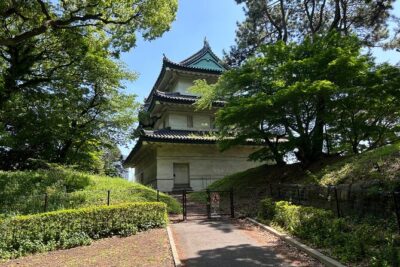
Tokyo: Imperial Palace and Shogun Historical Walking Tour
Read our review →
Tokyo Castle & Imperial PalaceーShogun Walking Tour
Read our review →
Tokyo: Imperial Palace Japanese History Walking Tour
Read our review →Tokyo Castle & Imperial PalaceーShogun Walking Tour
Read our review →
Tokyo: Shinjuku Historical Walking Tour & Secret Backstreets
Read our review →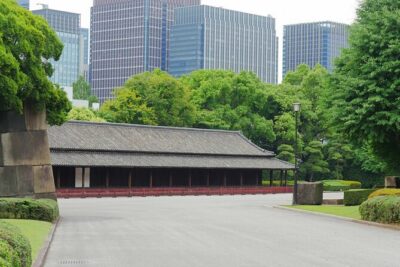
Imperial Palace East Garden and Edo Castle Walking Tour in Tokyo
Read our review →
From Tokyo: Nikko World Heritage Site Private Full-Day Trip
Read our review →
Tokyo: The Best of Izakaya in Shinjuku Food & Cultural Tour
Read our review →Browse the lists this tour appears in