
Review · NEW ORLEANS
New Orleans: Combo Cocktail and Food History Tour
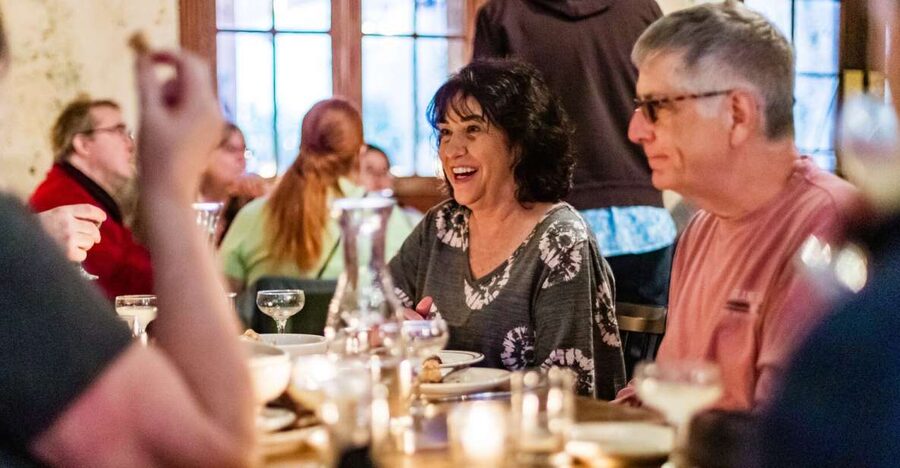
New Orleans puts its history on a plate and in a cocktail glass. This four-hour walk connects gumbo, muffuletta, pralines, and jambalaya with the cultures that shaped Louisiana, while taking you into some of the French Quarter’s best-known dining rooms and bars.
I like the generous portions and the smart route, which keeps most of the eating and drinking indoors. I also like the range: you get polished restaurant food, family-made candy, hot sauces, classic bar drinks, and a walk through Jackson Square. The main drawback is simple: $160 is a serious price, and four full cocktails can be too much for some people.
Key points at a glance
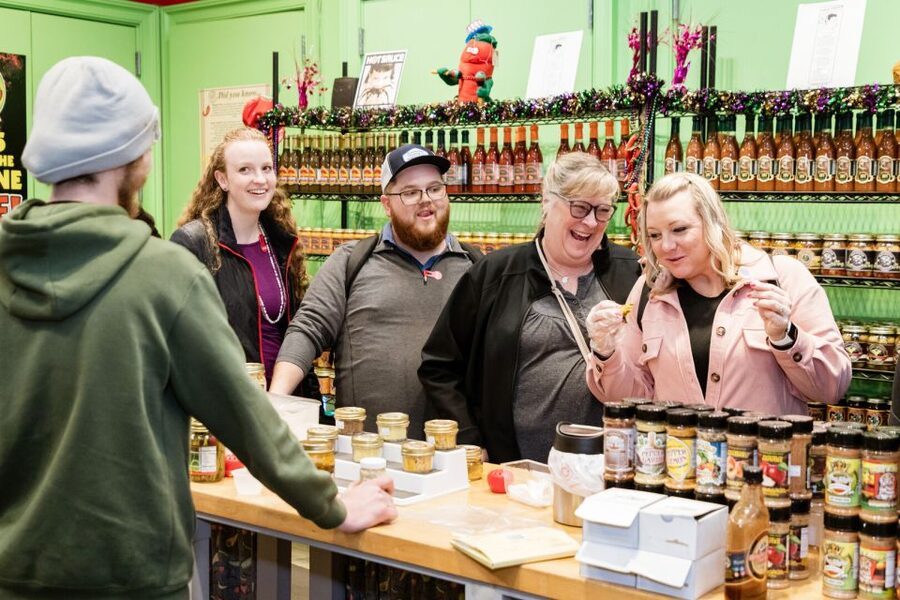
- Six substantial tastings and four craft cocktails make this closer to a small progressive meal than a few nibbles.
- Red Fish Grill, Napoleon House, Tableau, and Cane & Table give you very different views of French Quarter dining.
- Hurricane, Pimm’s Cup, French 75, and daiquiri show how varied New Orleans drinking culture can be.
- Vegetarian substitutions include red beans and rice, meatless muffuletta, and potato salad, but there is no vegan, gluten-free, or dairy-free version.
- Small groups and personable guides are a major part of the appeal. Guides named Meg, Ben, Nate, Gary, Kat, and others have led this experience.
- The walk covers the French Quarter at an easy pace, with stops generally five to ten minutes apart.
A meal that walks through New Orleans history
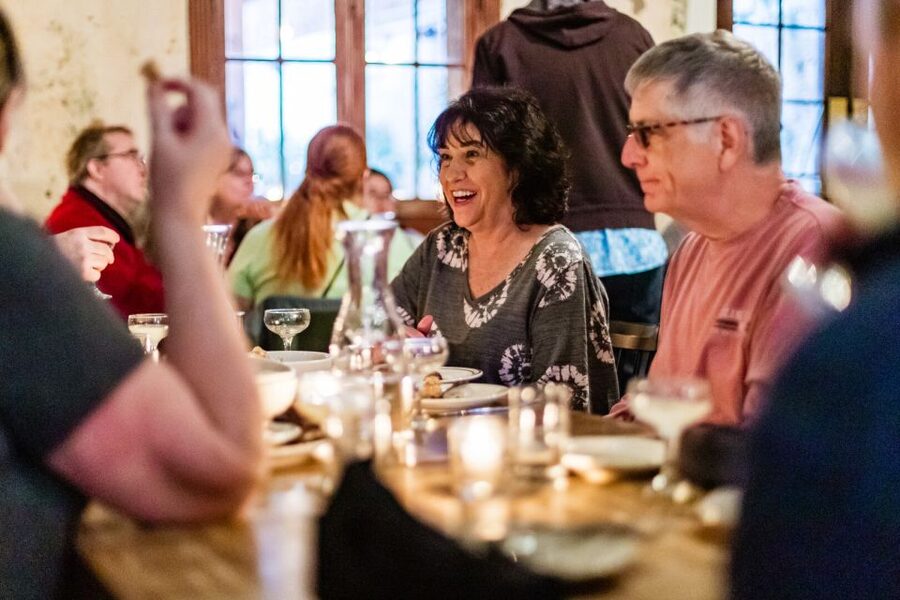
Many food tours give you a taste of one neighborhood. This one gives you a useful framework for understanding New Orleans food. You move from seafood gumbo and Creole jambalaya to Italian-influenced muffuletta, Southern pralines, Caribbean-influenced drinks, and Cajun hot sauces.
That variety matters. New Orleans cuisine is not one tidy tradition. It grew from Native, African, French, Spanish, Caribbean, Italian, and Southern influences. You do not need a lecture to grasp that here. The idea becomes clear as each stop puts something different in front of you.
The route also avoids the common problem of a food tour that leaves you hungry. Portions are described as full or generous rather than token samples. Several people have found themselves comfortably full, and some have advised arriving hungry. I would treat this as a meal replacement, not an appetizer before dinner.
You spend much of the tour inside restaurants and bars, which is useful in New Orleans heat and humidity. The walking sections link the stops and add city context, but you are not standing outdoors for four straight hours.
More Food and Drink Trips in New Orleans:
- New Orleans Food and History Walking Tour
★ 5.0 · 1,544 reviews - New Orleans Cocktail and Food History Tour
★ 5.0 · 819 reviews - New Orleans: French Quarter Food History Walking Tour
★ 4.9 · 713 reviews
Starting with gumbo and a Hurricane at Red Fish Grill
Meet your guide outside Red Fish Grill at 115 Bourbon Street. This puts you right in the French Quarter, though the Bourbon Street setting can be noisy and crowded. Give yourself enough time to locate the entrance and your guide.
The first tasting combines alligator sausage with seafood gumbo. It is a strong opening because gumbo is more than a famous local dish. It shows how Louisiana cooking brings together a dark roux, seafood, sausage, vegetables, spices, and long-standing regional habits.
You pair the food with a Hurricane, the sweet rum-based drink associated with New Orleans. The guide explains the drink’s beginnings and uses it to introduce the colonial period and the early forces that shaped Louisiana.
This first stop sets the pattern for the afternoon: eat, sip, then get the story behind what is in front of you. The portion is substantial enough that you should not plan a large breakfast immediately beforehand.
If you do not eat meat or seafood, request the vegetarian option when booking. Red beans and rice replace the alligator sausage and seafood gumbo here. The vegetarian arrangement is thoughtful, but this is not a vegan menu, and the operator does not offer gluten-free or dairy-free substitutions.
Pralines and pecan brittle at Leah’s
A short walk takes you to Leah’s Pralines, a third-generation family-owned candy shop. This is a useful change of pace. After savory gumbo and a strong cocktail, you get traditional pralines and pecan brittle.
Pralines are one of the easiest New Orleans foods to underestimate. They are sweet, rich, and strongly tied to the city’s Southern and French influences. The pecan brittle gives you a contrasting texture and a more direct taste of the local nut tradition.
The stop is brief, about 15 minutes, so it is not a full candy-making demonstration. Think of it as a focused tasting with a bit of family-business context. If you have a sweet tooth, this may be one of the most memorable stops. If you prefer savory food, it is still a welcome pause before the next restaurant.
Leah’s also adds variety to the route. You are not simply moving from one formal restaurant to another. A small candy shop helps the tour feel connected to everyday New Orleans food culture.
Napoleon House, muffuletta, and a Pimm’s Cup
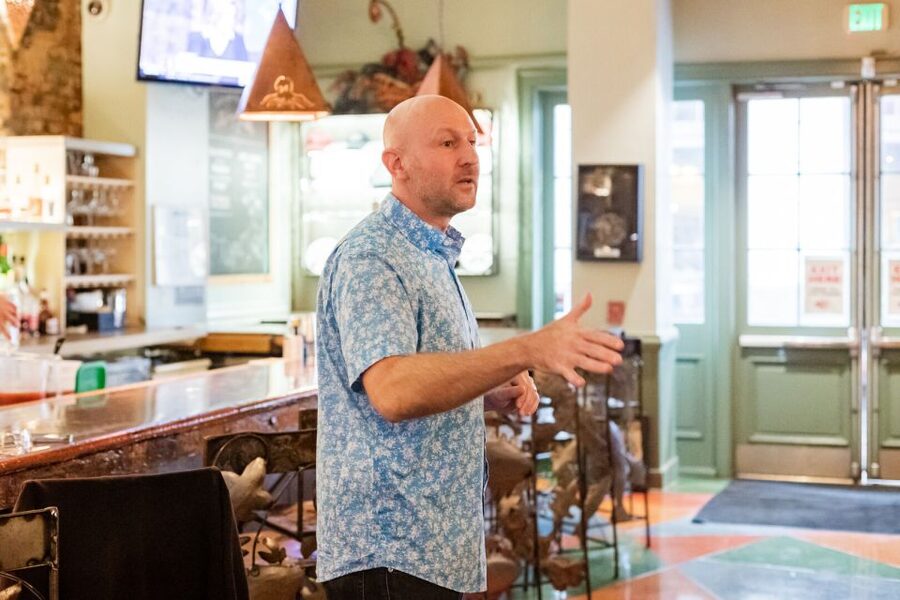
The Napoleon House is one of the tour’s strongest stops. You receive muffuletta, a Creole jambalaya side, and a Pimm’s Cup. The stop lasts about 55 minutes, making it the longest food break of the afternoon.
Muffuletta is one of the clearest examples of New Orleans’ Italian influence. The round sandwich is known for its bread, cured meats, cheese, and olive salad. Here, it gives you something hearty and salty after the earlier gumbo and candy.
The jambalaya brings the focus back to Louisiana cooking. It is a good chance to compare the dish with gumbo. Both may include rice, meat, seafood, and seasoning, but they are prepared and served differently. A good guide can make that comparison easy to follow without turning lunch into a classroom.
The Pimm’s Cup offers a lighter, more refreshing counterpoint. New Orleans has plenty of rum-heavy and sugar-forward drinks, but this one shows another side of local bar culture.
Vegetarians receive a meatless muffuletta and potato salad. That substitution preserves the shape of the meal, even though it cannot replicate the cured-meat version. If you are traveling with one vegetarian in a mixed group, this tour is more accommodating than many food walks, but you should still request the option at checkout.
Napoleon House is also one of the places where the setting adds value. You are not just sampling food in a generic tasting room. The building and restaurant are part of the French Quarter experience, and the guide can connect the food to the city around you.
More Food Trips in New Orleans:
- New Orleans: Garden District Food, Drinks & History Tour
★ 4.9 · 97 reviews - Amsterdam Food and Cultural Tour with Tastings
★ 5.0 · 4,315 reviews - Barcelona: Tapas Walking Tour with Food, Wine, and History
★ 4.8 · 4,261 reviews - Sevilla Food Tour: Tapas, Wine, History & Traditions
★ 5.0 · 3,468 reviews
Louisiana sauces at NOLA Sauce Bar
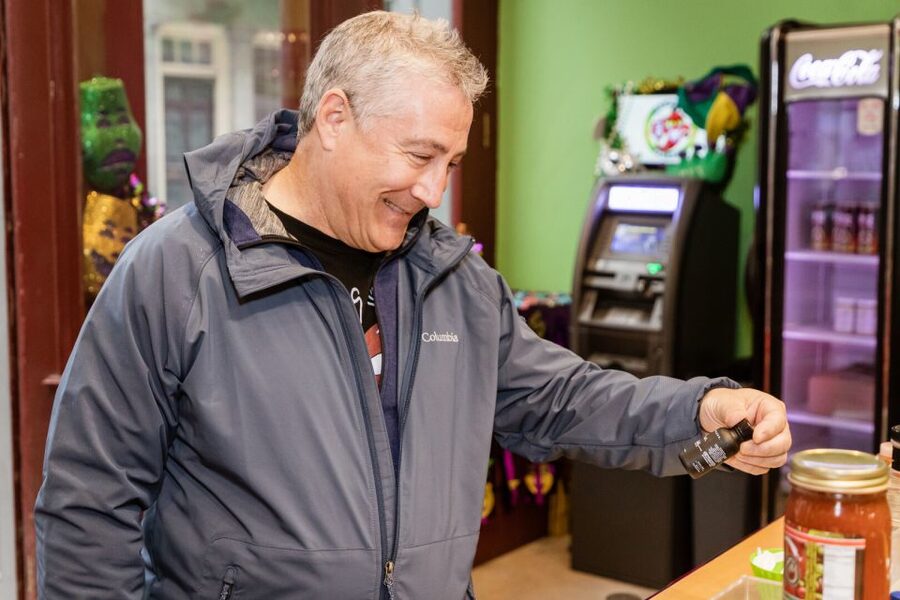
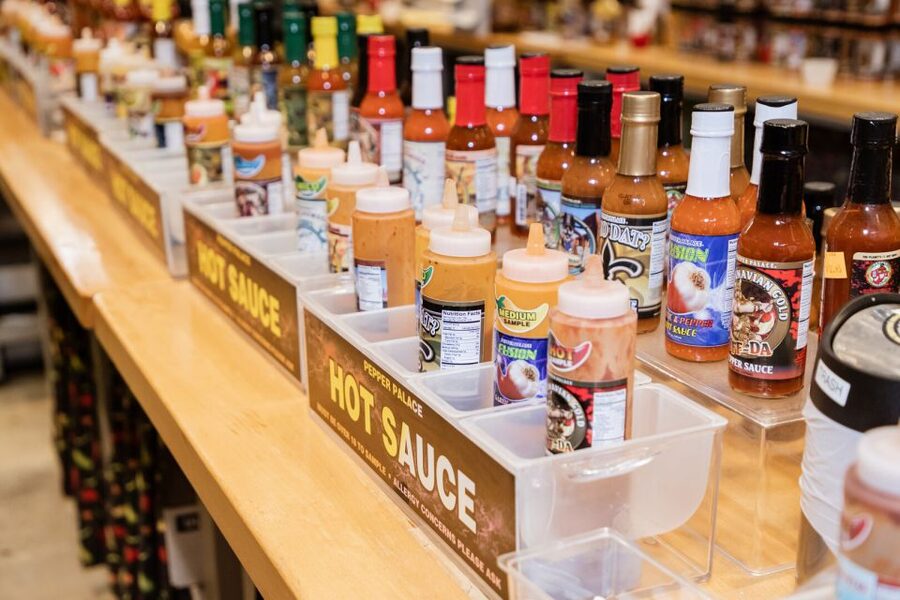
Four blocks later, you stop at NOLA Sauce Bar. This is less about one carefully plated dish and more about the flavor tools that define Cajun and Louisiana cooking.
You can sample an unlimited variety of locally supplied hot sauces, barbecue sauces, buffalo wing sauces, dry rubs, and seasonings. The stop lets you compare heat, sweetness, smoke, and spice at your own pace.
You also receive a free bottle of Louisiana-style seasoning. That small gift has real practical value. It gives you something to take home and use when you want to recreate the flavors of the tour.
The sauces can be an enjoyable break from large portions, but people who dislike spicy food should ask questions before tasting freely. The range is broad, and the guide can help you choose. The stop is also a reminder that Louisiana flavor is not only about restaurant classics. Sauces and seasonings shape what people cook at home and what they add at the table.
Tableau and the French 75
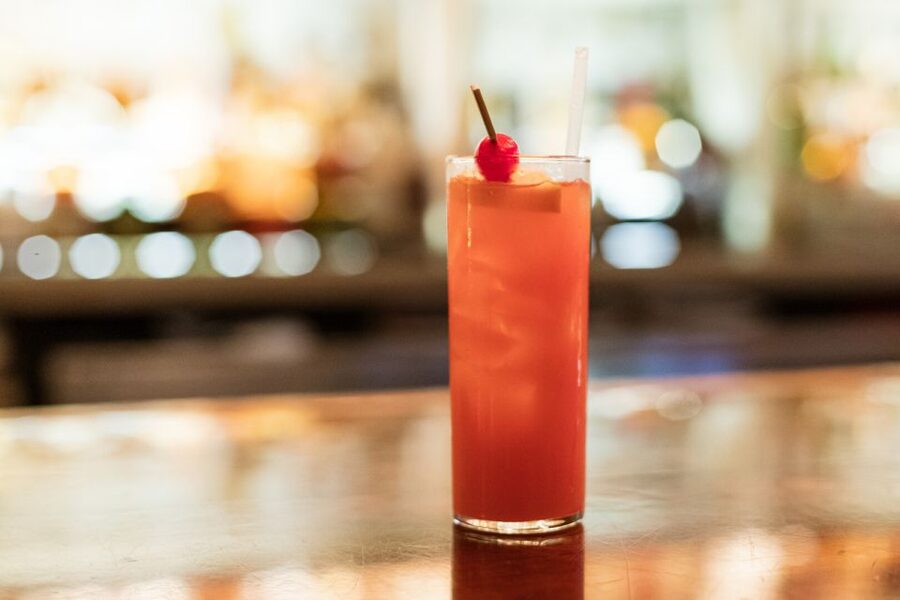
At Dickie Brennan’s Tableau, you sip a French 75. The drink combines fresh lemon, brandy or gin, and sparkling wine. It is sharper and more refreshing than the Hurricane, and it gives the cocktail portion a welcome change of direction.
The tour spends about 35 minutes on this stop, including the drink and the guide’s explanation. The French 75 is a good example of how New Orleans cocktail culture can feel both old-fashioned and lively. The ingredients are simple, but the balance between citrus, spirit, and bubbles matters.
Tableau is also a polished dining room, so this stop adds a different atmosphere from Napoleon House and the candy shop. You get a look at several types of French Quarter hospitality without paying for separate meals at each place.
At this point, the four-hour format becomes important. You are not rushing through one drink at each doorway. The schedule leaves room for conversation and for the guide to answer questions. Small groups help here. Past guides such as Meg, Ben, and Nate have been praised for tailoring the conversation to the people in the group, especially when the group is small or private by chance.
Jackson Square to Cane & Table
From Tableau, you walk through Jackson Square toward the French Market area. This is the most scenic part of the route, and it breaks up the indoor stops with a look at one of the French Quarter’s best-known public spaces.
The walk takes about ten minutes. Wear comfortable shoes, even though the distances between most stops are short. The French Quarter’s sidewalks can be uneven, and the tour involves several transitions between restaurants, shops, and bars.
At Cane & Table, the final food stop brings fried sweet plantains and a classic daiquiri. The plantains add a warm, sweet-savory finish to the food. The daiquiri shows yet another side of New Orleans drinks, with a simpler, colder profile after the more elaborate cocktails earlier in the day.
The tour ends at 1113 Decatur Street. This is useful for continuing your evening around the French Market area, but hotel transportation is not included. You will need to make your own way back or continue exploring on foot.
Four cocktails means pacing matters
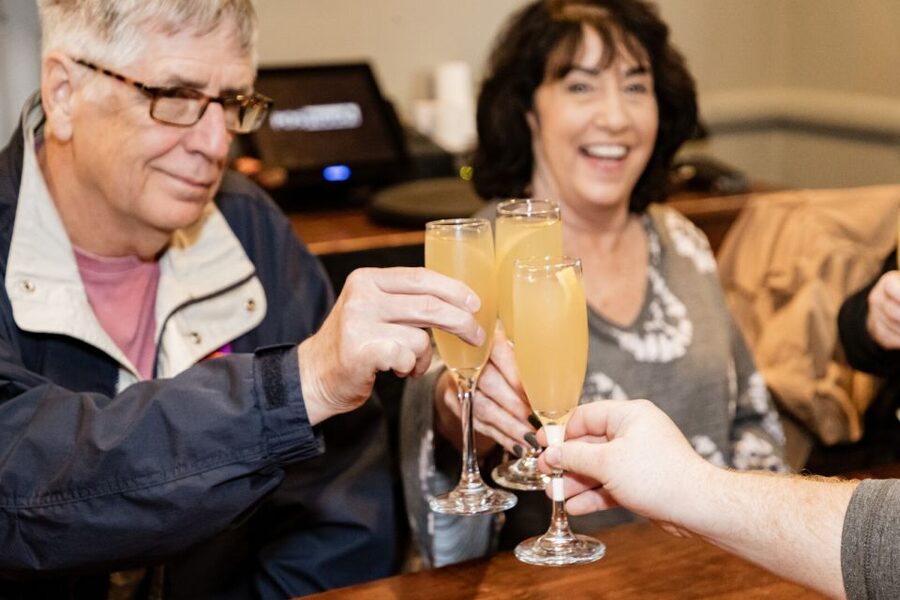
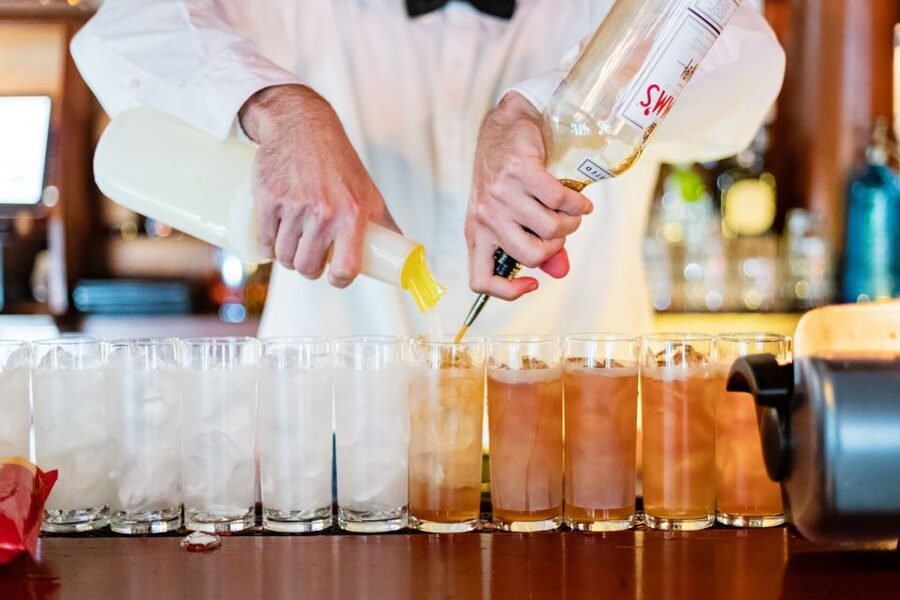
The drinks are not decorative samples. You receive four craft cocktails: a Hurricane, Pimm’s Cup, French 75, and daiquiri. That is a proper afternoon of alcohol, especially alongside a large amount of food.
I would not book this tour immediately before driving, and I would plan the rest of the day accordingly. The tour is for people who enjoy cocktails and can pace themselves. Water is provided at most stops, which helps, but it does not change the amount of alcohol involved.
The selection is well planned. You move from the rum-forward Hurricane to the lighter Pimm’s Cup, then to the citrus and bubbles of a French 75, and finish with a daiquiri. You get a useful lesson in cocktail styles rather than four versions of the same drink.
If you do not drink much, you can ask the guide about pacing, but the tour is not designed as a nonalcoholic experience. People under 21 cannot join, and you should bring a passport or ID card.
How the $160 price measures up
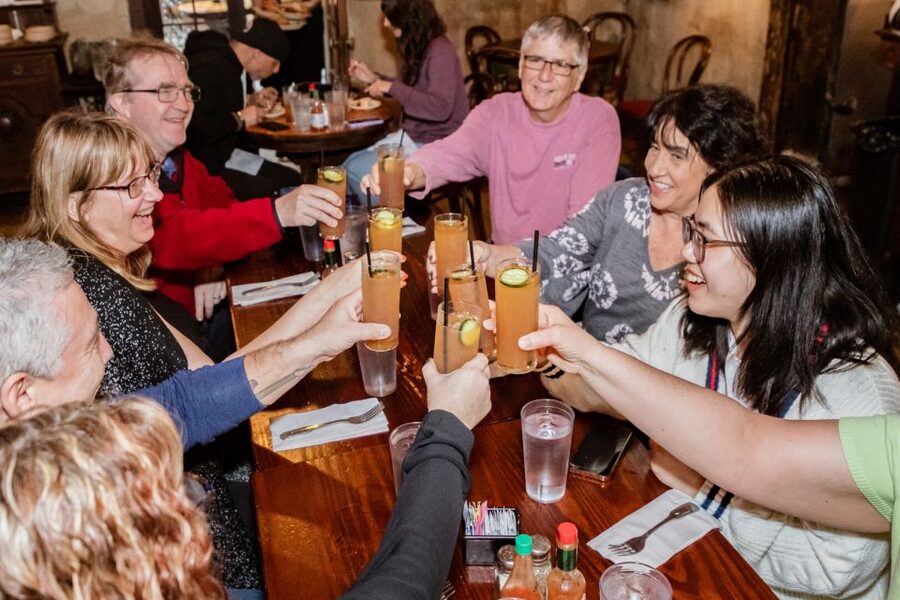
At $160 per person, this is not a cheap walking tour. The fair comparison is not with a one-hour history walk. It is closer to a four-hour guided meal with four cocktails, six food tastings, restaurant service, and city interpretation.
The value is strongest if you would otherwise pay separately for several of these items. You receive gumbo, sausage, pralines, pecan brittle, muffuletta, jambalaya, plantains, and the vegetarian alternatives, along with four drinks. The included server and bar staff tips also reduce the need to calculate extra gratuities at every stop.
The portions are another reason the price can make sense. This is not a tour built around tiny bites. Several guides have been praised for keeping the pace comfortable while serving enough food to leave people full. If you arrive hungry, the tour can cover lunch and much of dinner.
The value is weaker if you are mainly interested in architecture, dislike alcohol, or plan to eat full meals elsewhere that day. You also pay for access to well-known restaurants and bars, not only for the raw cost of food. That is worthwhile for some people and less so for others.
Vegetarian diners should read the menu carefully
The vegetarian option is a real strength, but it has clear limits. You can receive red beans and rice instead of the first gumbo course, a meatless muffuletta at Napoleon House, and potato salad in place of the jambalaya.
That gives a vegetarian a proper meal through the afternoon. It is not simply a plate of garnish or a repeated side dish. Still, the tour does not offer vegan, gluten-free, or dairy-free options, and it is specifically unsuitable for people with gluten intolerance.
If your diet is flexible enough for the stated vegetarian substitutions, this is a good choice for a mixed group. If you need strict avoidance of several ingredients, choose another food tour and confirm its menu before booking.
The guide can make or break the afternoon
The food and drink are important, but the guide determines how well the parts fit together. The strongest guides on this experience have been described as personable, funny, easy to talk with, and able to answer questions about New Orleans, Cajun and Creole cooking, cocktails, and local culture.
Names associated with past tours include Meg, Meghan, Ben, Nate, Gary, Kat, Lyndsay, and Lindsay. You cannot count on a specific guide unless the booking system confirms one, but the repeated pattern is clear: the guide is expected to do more than escort you between venues.
Small groups improve the experience. A guide can adjust the conversation, explain a dish in more detail, or recommend stops for the rest of your visit. Some past departures have had only one couple or a very small party, while other groups have met new friends and continued into the French Quarter afterward.
I would book this for your first full day in New Orleans if you can. The route helps you get oriented, introduces several dishes you may want to order again, and places you near areas you will probably revisit.
Practical details before you reserve
The tour lasts four hours and is conducted in English. It begins at Red Fish Grill, 115 Bourbon Street, and ends at 1113 Decatur Street. There is no hotel pickup or drop-off.
The walk is listed as wheelchair accessible, though you may still want to confirm any specific mobility needs before booking because restaurants and sidewalks can vary. The route is not a long-distance hike, but you should wear comfortable shoes and expect several short walks between stops.
You can cancel up to 24 hours before the start for a full refund, and the reserve-now-pay-later option lets you hold a place without paying immediately. Check the available starting times before committing, since the exact departure time can vary.
Should you book this New Orleans food tour?
Book it if you want a guided introduction to New Orleans food and cocktails, enjoy a full afternoon of tasting, and appreciate the connection between dishes, drinks, and local history. It is especially good for first-time visitors, couples, small groups, and mixed parties with one or more vegetarians.
Skip it if you need vegan, gluten-free, or dairy-free food, if you do not drink alcohol, or if $160 feels too high for a meal-based activity. Four cocktails also deserve serious consideration.
For the right person, this is a satisfying way to get your bearings in the French Quarter. You leave with a full stomach, a better sense of why New Orleans cuisine is so varied, and a short list of places and dishes to revisit on your own.
FAQ
How long is the New Orleans cocktail and food tour?
The tour lasts four hours, including food stops, cocktail tastings, guided commentary, and walking between venues.
Where does the tour start?
It starts at Red Fish Grill, 115 Bourbon Street, New Orleans, Louisiana 70130.
Where does the tour end?
The tour ends at 1113 Decatur Street, New Orleans, Louisiana 70116.
How many drinks and food tastings are included?
The tour includes four craft cocktails and six food samples. Water is provided at most stops.
Is there a vegetarian option?
Yes. Request it at checkout. Substitutions include red beans and rice, meatless muffuletta, and potato salad.
Is the tour suitable for vegans or people with gluten intolerance?
No. The tour does not offer vegan, gluten-free, or dairy-free options.
Can people under 21 join?
No. The tour is for people aged 21 and older, and you should bring a passport or ID card.
Just added around New Orleans
- New Orleans: 1.5-Hour Voodoo History Evening Tour★ 4.5 · 34 reviews
- New Orleans: Swamp Boat Ride and Historic Plantation Tour★ 4.7 · 303 reviews
- New Orleans: Wicked History Walking Tour with a Local Witch★ 4.3 · 29 reviews
- New Orleans: Tremé African American & Creole History Tour★ 4.9 · 208 reviews
- New Orleans: French Quarter Saints & Sinners History Tour★ 4.6 · 56 reviews
- New Orleans: Garden District Food, Drinks & History Tour★ 4.9 · 97 reviews
- New Orleans: Drunk History Walking Tour★ 4.2 · 165 reviews
- New Orleans: Haunted Drunken History Walking Tour★ 4.9 · 50 reviews
New Orleans History Tours, compared.
New Orleans Garden District History Walking Tour
Read our review →
French Quarter Historical Sights and Stories Walking Tour
Read our review →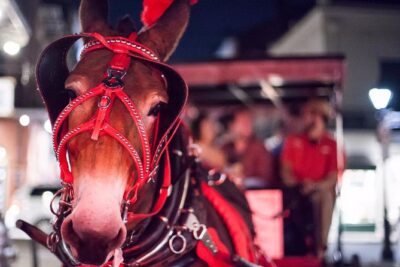
New Orleans Small-Group Haunted History Carriage Tour
Read our review →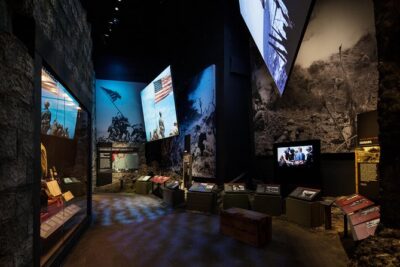
The National WWII Museum Admission Ticket New Orleans
Read our review →
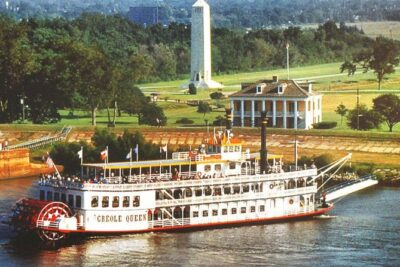
Paddlewheeler Creole Queen Historic Mississippi River Cruise
Read our review →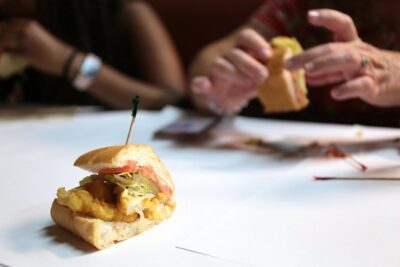
New Orleans: Creole Queen History Cruise with Optional Lunch
Read our review →Browse the lists this tour appears in