
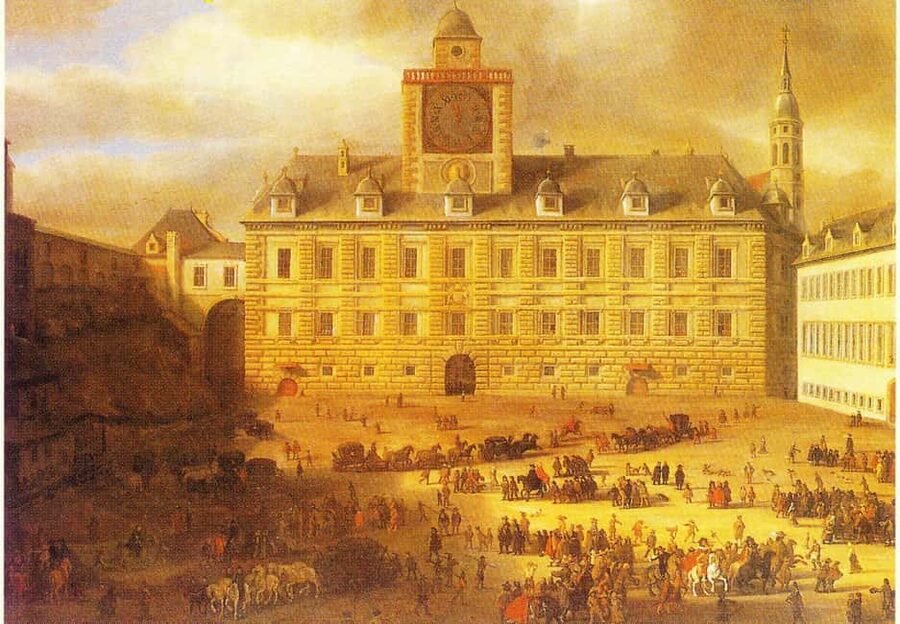
Review · VIENNA
Vienna: historical tours with locals in the unknown City,
Vienna’s grand sights are only part of the story. This small-group walk leads you into quiet lanes, courtyards, and overlooked corners where medieval buildings sit beside modern blocks. You’ll hear legends of monsters, see traces of the city’s Catholic revival, and follow links to musicians, patrons, and the Habsburg past.
I especially like the focus on architecture you might otherwise walk past, and the guide’s willingness to adjust the pace and answer questions. The route also works well early in a Vienna visit, since guides such as Nicoleta have offered restaurant ideas, orientation help, and even assistance finding the right tram stop. The main drawback is that this is a serious walking tour, with no wheelchair access and little time for a meal, so eat first and wear good shoes.
Key points
- Mozart’s concert hall: Visit the Deutscher Orden Haus and its connection with Mozart.
- Unknown Vienna: Explore winding streets, courtyards, churches, and architectural details beyond the usual postcard route.
- Thirteen centuries of change: Follow Vienna from the Middle Ages through the Ottoman Wars, the Habsburg era, and the modern city.
- Local legends: Hear tales of monsters such as the basilisk and learn how Viennese stories dealt with them.
- Small group size: The group is limited to 10 people, allowing time for questions and a flexible pace.
- Walking-first format: The route lasts one to three hours, depending on the option and availability, and ends near Lugeck, Neuer Markt, or Café Central.
A different first look at Vienna’s old center
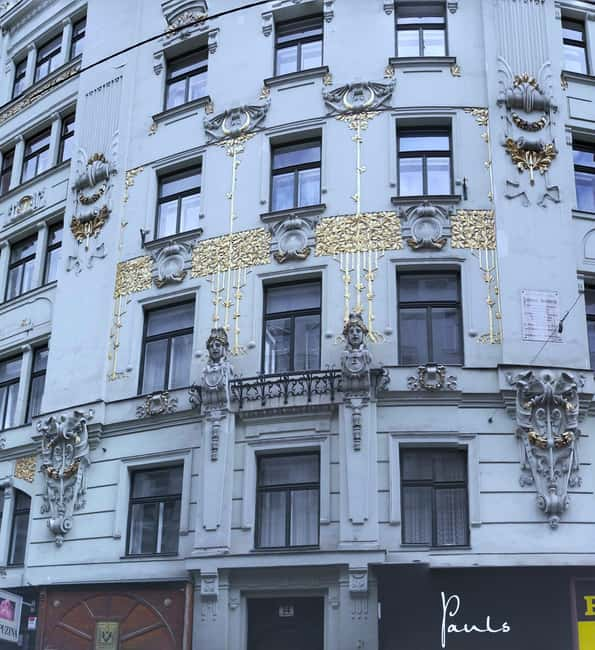
I like this tour because it treats Vienna as a city of layers rather than a checklist of famous buildings. You may begin near Georg-Coch-Platz and then work toward the historic center, but the point is not simply to reach one landmark after another. The guide draws your attention to streets, windows, façades, churches, and building shapes that can seem ordinary until you know what they reveal.
The route covers an unusually broad span of time. You’ll move from medieval Gothic details to Renaissance and Baroque design, then into Art Nouveau and modern construction. That range makes the walk useful for understanding why Vienna can feel both imperial and thoroughly present-day within a few minutes of walking.
The tour is offered in English or German and keeps the group to no more than 10 people. That matters in narrow lanes and small courtyards. You can hear the explanation without standing at the back of a crowd, and you have a fair chance to ask about a detail that catches your eye.
More History Tours in the world:
- Prague: Medieval Dinner with Unlimited Drinks
★ 4.4 · 19,847 reviews - Pompeii: Entry Ticket and Guided Tour with an Archaeologist
★ 4.8 · 19,459 reviews - History and Hauntings of Salem Guided Walking Tour
★ 5.0 · 14,564 reviews
Starting near Georg-Coch-Platz
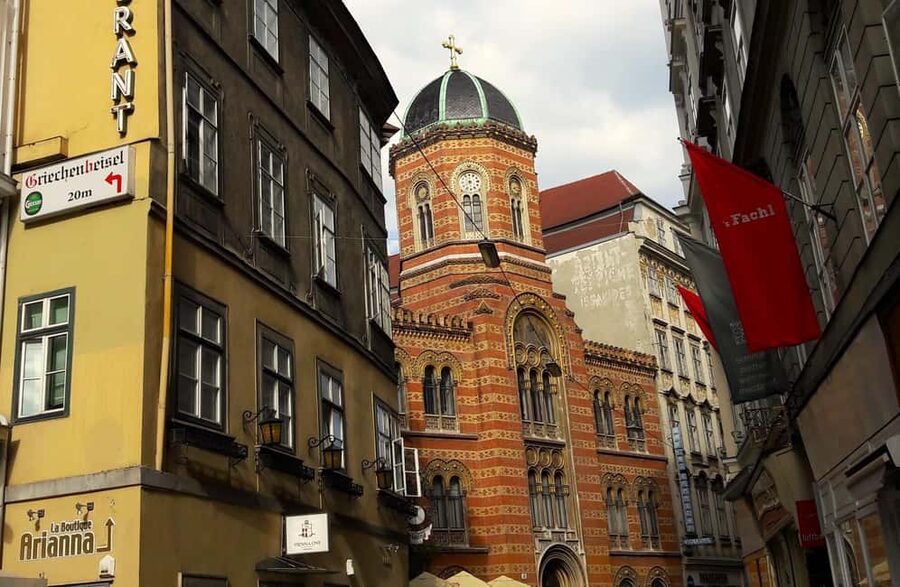
The listed starting choices are Georg-Coch-Platz and the Georg-Coch monument, with the same location appearing more than once in the booking details. Check your confirmation carefully, since the exact meeting point can vary with the option you choose.
This is not a large coach excursion with a fixed central pickup. You need to arrive ready for a walking route and pay attention to the meeting instructions. A guide may be waiting at a monument or another nearby point, so allow enough time to find the right place.
I would eat before meeting the guide. The walk is built around streets, buildings, and stories rather than a scheduled café stop, and the practical advice is clear: start with energy, especially if you select the longer three-hour version.
Following Vienna’s winding streets and courtyards
The strongest part of the route is its attention to small details. A broad avenue tells you something about imperial planning, but a narrow lane can reveal how the older city grew, changed, and adapted. You may pass through spaces that look unremarkable at first, then learn about a former resident, an old building use, or a local story tied to the site.
The route includes alleys and courtyards that are easy to miss when you explore alone. One participant specifically praised the chance to see places that had been passed before but never properly noticed. That is a useful measure of the experience: it is less about collecting famous sights and more about learning how to read the city.
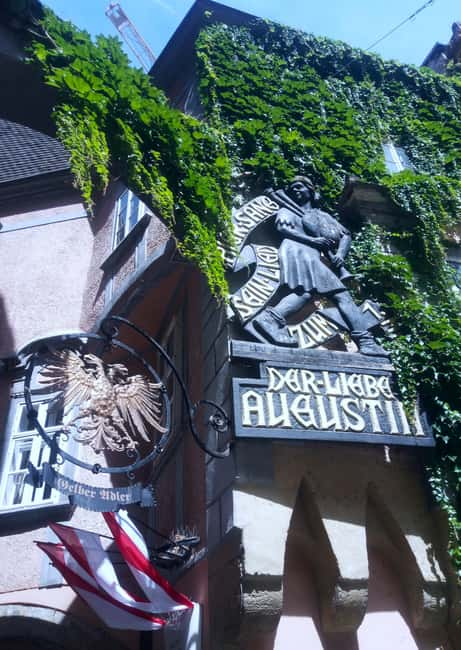
You may also see the former residence of Mark Twain, locations tied to local folklore, and places connected with important moments in Vienna’s past. The exact sequence can vary, but the guiding idea remains consistent: look closely, slow down, and connect the ordinary street to the larger story.
Mozart at the Deutscher Orden Haus
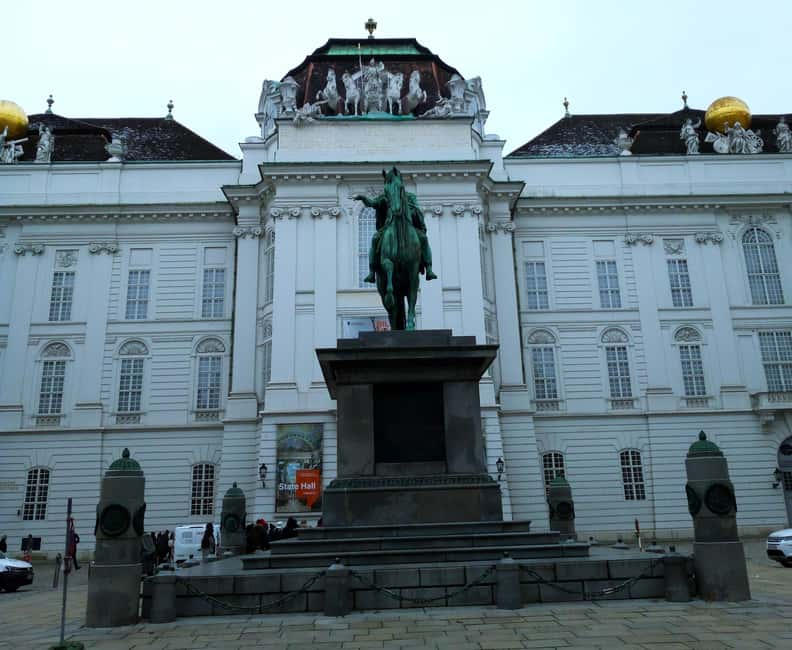
Music is one of the tour’s main threads. The Deutscher Orden Haus is highlighted as Mozart’s concert hall, giving the walk a specific link to Vienna’s musical life rather than a general reference to famous composers.
This stop should appeal to you if music is part of your reason for visiting Vienna. It also fits the wider theme of the tour, which follows musicians and the patrons who supported music and architecture. The guide places those cultural connections within the city itself, showing how buildings and streets formed the setting for artistic life.
Do not expect a full concert as part of the walk. The experience is a guided historical visit, not a performance. Its value lies in understanding the place and its connection to Vienna’s musical past.
Same city, a different century:
- Athens: Acropolis & up to 5 Archaeological Sites Combo Pass
★ 4.2 · 13,904 reviews - Colosseum: Underground and Ancient Rome Tour
★ 4.7 · 12,691 reviews - Pompeii: Small Group Tour with an Archaeologist
★ 4.8 · 12,264 reviews - Lisbon: History, Stories and Lifestyle Walking Tour
★ 4.8 · 10,902 reviews
Churches and the city’s Catholic revival
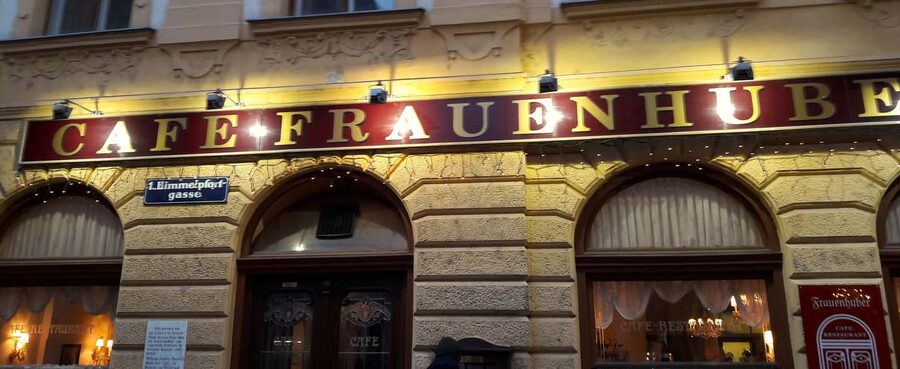
Another distinctive theme is the architectural evidence of Vienna’s re-Catholicization. This gives the tour a sharper historical focus than a standard old-town stroll. You are not only looking at ornate churches as attractive buildings. You are considering why religious architecture changed, how power was expressed through design, and how those changes appeared in the city.
The route includes several beautiful churches, including some that you might not enter or notice on your own. The guide connects their forms and decoration to the wider political and religious shifts of Vienna. This is especially helpful if you want more than dates and names. Buildings become evidence of changing priorities.
The subject can be dense, but the small group helps. You can ask the guide to explain a term, compare two architectural styles, or point out what to look for on a façade. Guides described as Nicoleta, Nicola, or Nikoletta have been praised for patience and for giving detailed answers in clear English.
Medieval Vienna beside modern buildings
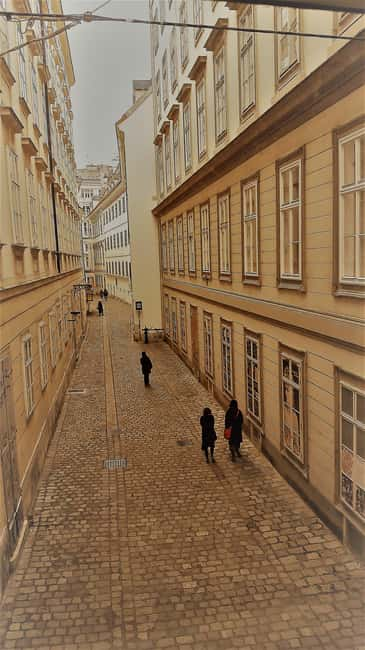
Vienna’s architectural appeal comes partly from the contrast between old and new. A Gothic remnant may sit close to an intensely modern structure, while a Baroque façade can share a street with a later building in a completely different style. The tour makes those contrasts part of the lesson.
You’ll encounter architecture from the 13th through the 21st centuries, including Gothic, Renaissance, Baroque, Art Nouveau, and modern work. That does not mean you receive a formal survey course. Instead, the guide uses what is in front of you to explain how Vienna grew.
I find this approach more useful than rushing through a list of styles. You can start to spot pointed Gothic forms, decorative Baroque treatment, or newer design choices elsewhere in the city after the walk. In that sense, the tour gives you a way to keep exploring after it ends.
Basilisks, monsters, and Viennese folklore
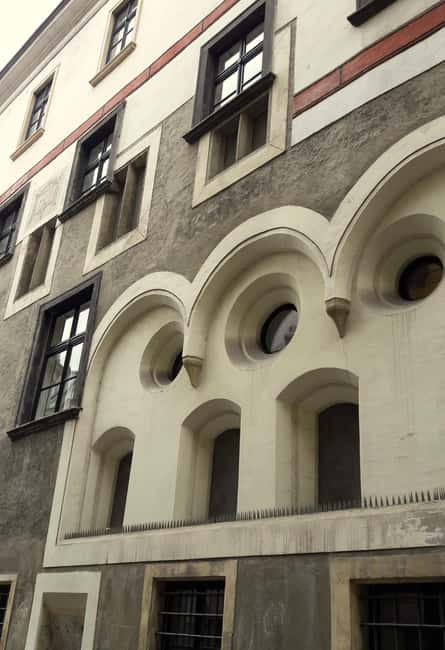
The monster stories add humor and local color to a route that could otherwise become heavy with imperial politics and religious history. One featured tale concerns the basilisk, a creature associated with Vienna’s folklore. You’ll hear about the origins and meaning of such stories, along with how people in Vienna dealt with the creatures in popular belief.
These legends are not presented as a separate fantasy show. They sit alongside real streets and buildings, showing how residents used stories to explain danger, fear, and strange events. That mix makes the walk more memorable, particularly for families and anyone who prefers history with a little mystery.
The guide may also point out places linked to local folk legends. The exact stories depend on the route and the time available, but the experience is designed to include more than political dates and royal names.
From Ottoman Wars to the Habsburg end
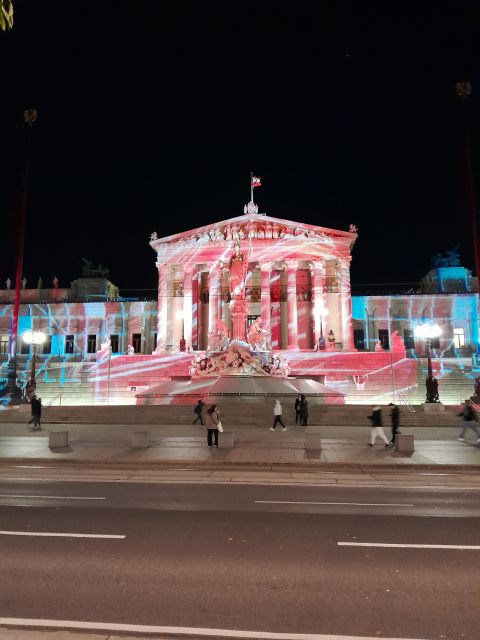
The historical span is wide. You’ll hear about Vienna between the Ottoman Wars and the end of the Habsburg Monarchy, with the city’s setbacks and successes placed in a longer sequence.
This broad view helps explain why Vienna contains so many layers of defense, religion, court culture, music, and public architecture. You are not simply told that a building is old. You get a sense of the events and institutions that shaped the city around it.
The amount of detail can be substantial for a one to three-hour walk. If you enjoy history, that is a strength. If you prefer a light stroll with only a few facts, you may find the material demanding. The guide’s willingness to respond to questions is important here, since you can steer the conversation toward architecture, music, folklore, or political history.
The finish near Lugeck, Neuer Markt, or Café Central
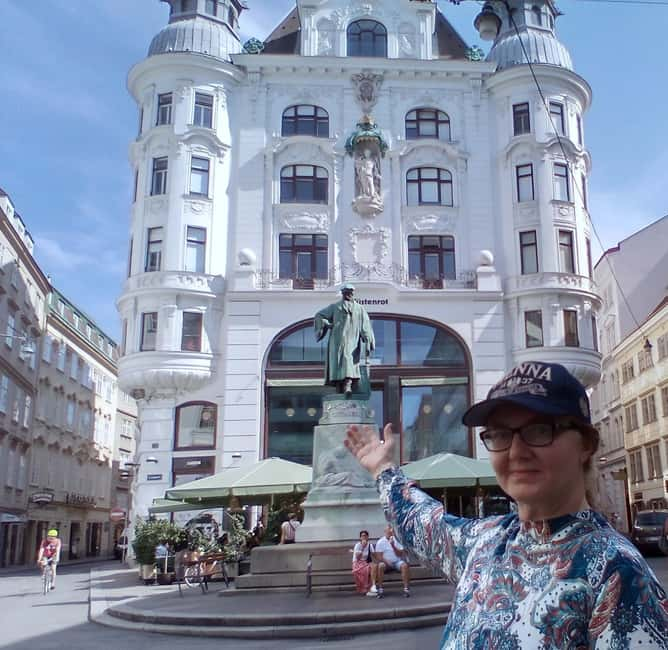
The tour has three listed drop-off areas: Lugeck, Neuer Markt, and Café Central. These endings place you in useful parts of central Vienna, though the exact finish depends on the option booked.
Lugeck is convenient for continuing around the old center. Neuer Markt gives you another central base for exploring. Café Central is a practical landmark and a natural place to pause after the walk, though a café visit is not stated as part of the tour itself.
One useful feature is the guide’s local orientation help. A guide has walked participants to a tram stop when they were unsure which way to go, and restaurant suggestions have also been part of the assistance offered after the main route. That can be particularly handy on your first day, when Vienna’s central streets and public transport still feel unfamiliar.
Is $43 a fair price?
At $43 per person, the tour sits in a reasonable range for a private-feeling, small-group city walk. The group limit of 10 is important to the value. You are paying for a guide who can explain architectural details, respond to questions, and adjust the pace rather than simply deliver a fixed speech to a large crowd.
The value is strongest for you if you care about context. A short walk past major sights may cost less, but it will not necessarily explain why a quiet church, courtyard, or side street matters. Here, the less obvious locations are the product.
The price is less attractive if you want entry to several museums, a concert, food, or transport included. None of those are part of the stated experience. You are paying for a guided walking route and the guide’s interpretation of Vienna.
Timing, language, and comfort
The duration is listed as one to three hours, so check the available starting time and length before booking. A one-hour option will provide a taste of the route, while three hours should allow more room for stories, questions, and architectural comparisons.
English and German are available. In rare cases, the tour may be conducted in two languages, particularly when booked at short notice or during crowded holiday periods such as Easter or Christmas. You may need to contact the provider to learn whether another language has already been booked, since the booking system does not show that information.
Wear comfortable shoes. This is a genuine walking tour, not a short transfer between sights. Wheelchair users cannot be accommodated, and uneven streets, narrow passages, or historic spaces may make the route difficult for anyone with limited mobility.
Recording audio or video is not allowed. That restriction is stated clearly, so plan to listen and take mental notes rather than record the guide’s explanations.
Who will enjoy this walk most?
I would choose this tour for a first or second day in Vienna if I wanted to understand the shape of the old center before exploring alone. The combination of orientation, restaurant suggestions, tram help, and historical explanation can make the rest of your stay easier.
It suits you particularly well if you enjoy:
- Architecture and the clues buildings reveal
- Local legends and unusual city stories
- Music history connected to real places
- Small groups and plenty of questions
- A walking pace that can respond to the group
- Less familiar corners of the historic center
It may not suit you if you need step-free access, dislike long explanations, or want a tour built around major interiors and formal museum visits. It is also not the best choice if you plan to record the guide for later.
Should you book this Vienna history walk?
I would book it if your idea of a good city tour includes side streets, architectural detail, folklore, and a guide who treats questions as part of the experience. The strongest feature is the combination of subjects: Mozart, medieval streets, churches, monsters, re-Catholicization, Habsburg history, and modern Vienna all appear within one compact route.
I would skip it only if you want a relaxed café-centered outing or a fully accessible route. For most history-minded visitors, the $43 price is justified by the small group and the chance to see Vienna with a local guide rather than only from a guidebook.
FAQ
How long does the Vienna historical tour last?
The tour lasts between one and three hours. Available starting times and the exact duration depend on the option you select.
What languages are available?
The tour is offered in English and German. In rare cases, it may be conducted in two languages if participants have booked different languages.
Where does the tour start?
The listed starting area is Georg-Coch-Platz, near the Georg-Coch monument. The meeting point can vary depending on the option booked, so check your booking details.
Where does the tour finish?
The listed drop-off locations are Lugeck, Neuer Markt 13, and Café Central. The exact ending depends on the option selected.
Is the tour suitable for wheelchair users?
No. The activity is not suitable for wheelchair users.
Can I cancel the booking?
You can cancel up to 24 hours in advance for a full refund. The activity also offers reserve now and pay later booking.
Just added around the world
- Scenic Train ride to historical cities of Morretes and Antonina★ 4.0 · 188 reviews
- 6-Day Cultural Tour to Machu Picchu★ 5.0 · 76 reviews
- Jewish Heritage of Curacao★ 4.5 · 68 reviews
- The Curacao’s Colorful History Walking Tour★ 5.0 · 55 reviews
- Discover Scuba Diving Amathounta’s Ancient Port★ 5.0 · 30 reviews
- Olous – Guided Snorkelling Excursion to Discover Olous Sunken Ancient City★ 4.5 · 31 reviews
- Night Walking Tour of Medieval Cuenca★ 5.0 · 64 reviews
- WWII – The Battle of Crete Day Tour★ 5.0 · 103 reviews
Vienna History Tours, compared.
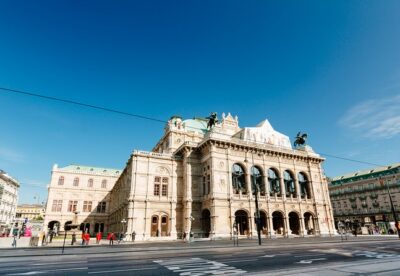
Skip-the-Line Schonbrunn Palace Guided Tour and Vienna Historical City Tour
Read our review →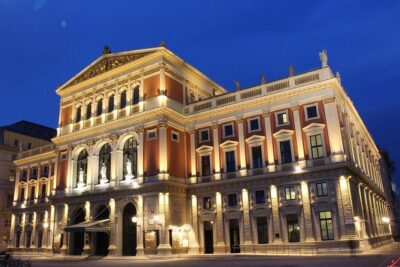
Vienna Mozart Concert in Historical Costumes at the Musikverein
Read our review →
Browse the lists this tour appears in