

Review · BERLIN
Berlin: Cold War & Berlin Wall History Guided Bike Tour
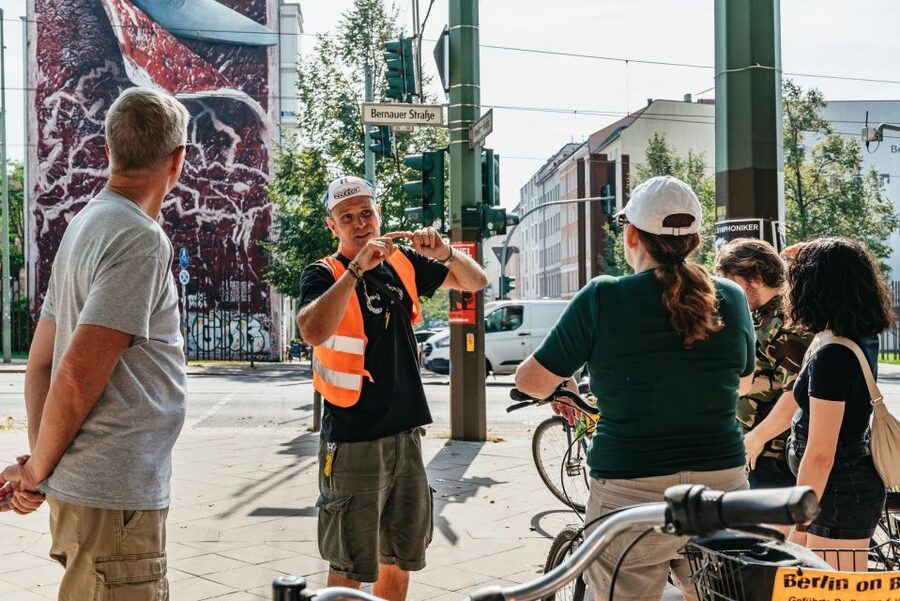
Berlin’s Cold War story makes more sense when you follow the former border by bike. This 210-minute ride links Mauerpark, Bernauerstraße, Checkpoint Charlie, and Brandenburg Gate, so you see how the Wall cut through ordinary streets rather than treating it as one isolated monument.
I like the relaxed pace and the chance to reach Wall remnants and former crossings that are easy to miss on foot. I also like the guides’ use of personal stories, photos, and diagrams. The main drawback is simple: 15 kilometers on a bike can feel long in cold rain, heavy traffic, or a crowded event day.
Key points to know
- A 15-kilometer route: You cover a broad stretch of Berlin at an easy pace, with regular stops for explanations.
- Kulturbrauerei starting point: The tour begins in a striking former 19th-century brewery complex in Prenzlauer Berg.
- Cold War landmarks: Expect Checkpoint Charlie, Bornholmerstraße, a remaining watchtower, Wall fragments, Mauerpark, Bernauerstraße, and Brandenburg Gate.
- Story-led guiding: Guides including Paul, Oleg, Lauren, Jacob, Isabelle, and others focus on escape attempts, border life, and the Wall’s fall.
- Good city orientation: Bike paths and quieter streets help you cover parts of Berlin that take much longer on foot.
- Practical extras: Bikes, sunscreen, trouser clips, and rain ponchos are included. Helmets and gloves are available on request.
Starting at Kulturbrauerei in Prenzlauer Berg
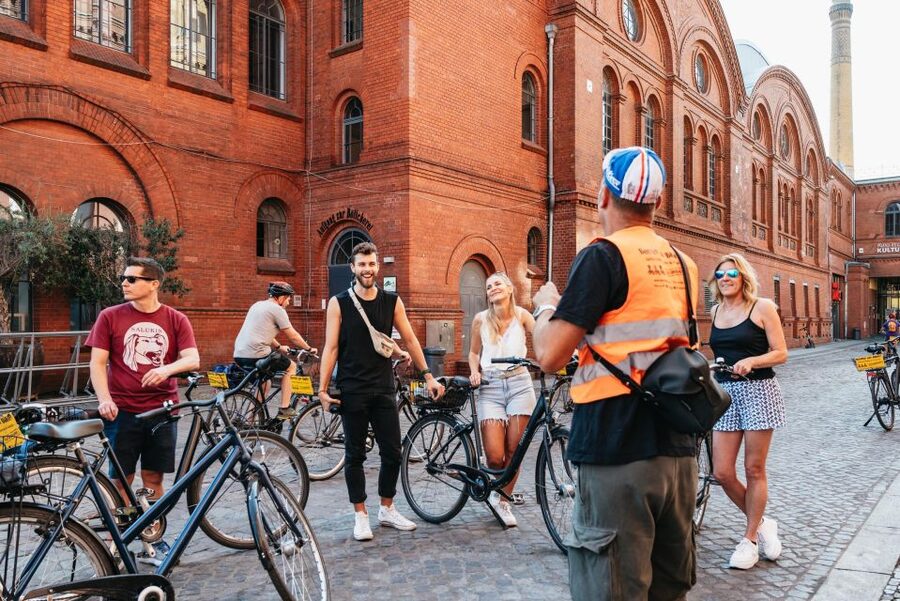
The meeting point is the Berlin on Bike depot inside Kulturbrauerei, a former 19th-century brewery in Prenzlauer Berg. The complex has large entrances, courtyards, and yellow signs leading to the bicycle depot, but allow a little extra time to find the right doorway.
From Alexanderplatz, take the red U2 line toward Pankow for three stops to Eberswalder Straße. Leave the station in the opposite direction from the train, following signs for Kulturbrauerei. Walk along Danziger Straße for about 150 meters, turn right on Knaackstraße, then enter the complex through the large doorway and follow the yellow signs.
The depot has a large choice of bicycles, which matters more than it may sound. You can select a bike that suits your height and comfort, rather than taking whatever is handed to you. One useful tip from past experience on this tour is to avoid a coaster-brake bike unless you already know how that braking system works.
Helmets and gloves are available if you ask. Sunscreen, trouser clips, and rain ponchos are also provided, which makes the tour easier to manage in changeable Berlin weather. Wear comfortable clothes and shoes, and remember that you will be on the saddle for several hours.
More Cold War and Communism Tours in Berlin:
- Berlin: Third Reich & Cold War Guided Walking Tour
★ 4.9 · 8,378 reviews - Berlin’s Best: 2 Hour Walking Tour Third Reich and the Cold War
★ 5.0 · 5,486 reviews - Cold War, Berlin Wall, Spies and the East Side Gallery
★ 5.0 · 1,024 reviews
Mauerpark and the first traces of division
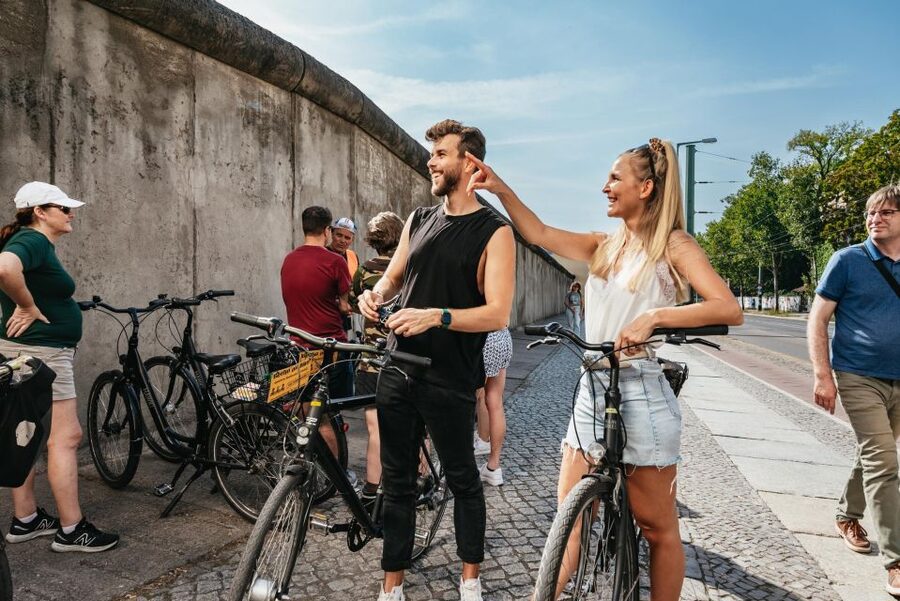
The route heads toward Mauerpark, a former section of the border zone that now has a very different feel. The name translates simply as Wall Park, and the open space helps you picture how the Wall once divided neighborhoods and restricted movement.
This is one of the useful features of the tour: you do not only see preserved concrete. You follow the line of a vanished border through streets, parks, and built-up areas where daily life has continued. Your guide can point out where the barrier and security zone once ran, then connect that physical space to the political decisions behind it.
The pace is designed for listening. You ride, stop, hear the explanation, and then continue. That rhythm works better than trying to absorb a long history talk while pedaling. It also gives you time to ask questions, something several guides have handled particularly well.
The route is not presented as a simple story of good side and bad side. Guides explain why Berlin was divided, how the border worked, and how ordinary residents were affected. That broader view is valuable if you already know the basic Wall story but want a clearer picture of how it shaped the city.
Bernauerstraße and the human cost of the Wall
Bernauerstraße is one of the most important stops because the border cut directly through an inhabited street. Buildings stood on one side while the pavement and entrances could fall within the border zone, making the division brutally visible in everyday life.
Here, the personal stories matter. You hear about people who tried to escape, some successfully and others with tragic results. The tour uses these accounts to put human scale on an event that can otherwise become a list of dates and political names.
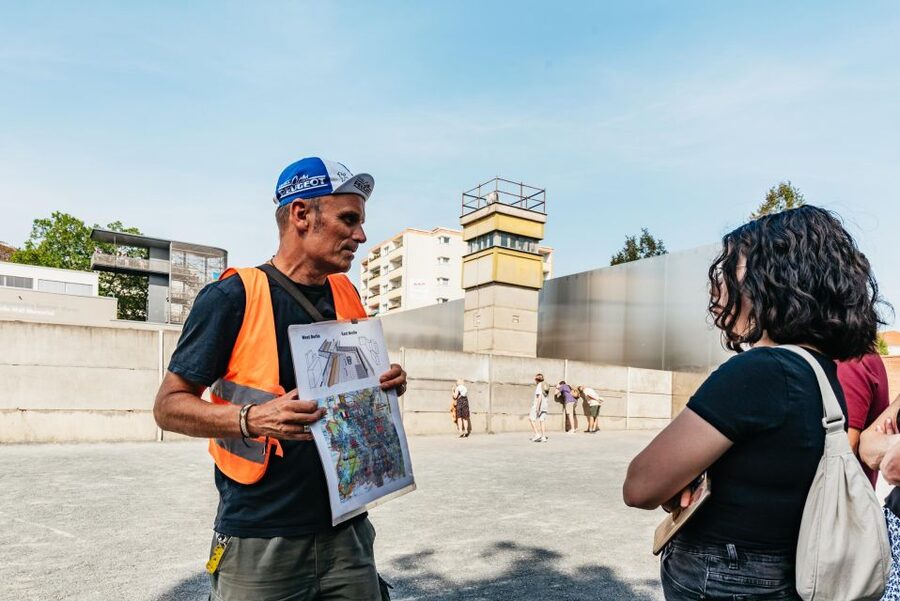
I find this part especially useful for understanding why the Wall was more than a concrete barrier. It separated families, blocked familiar routes, and changed where people could work, shop, worship, and visit friends. Your guide may also use photographs or diagrams to show how the border looked before the city changed again.
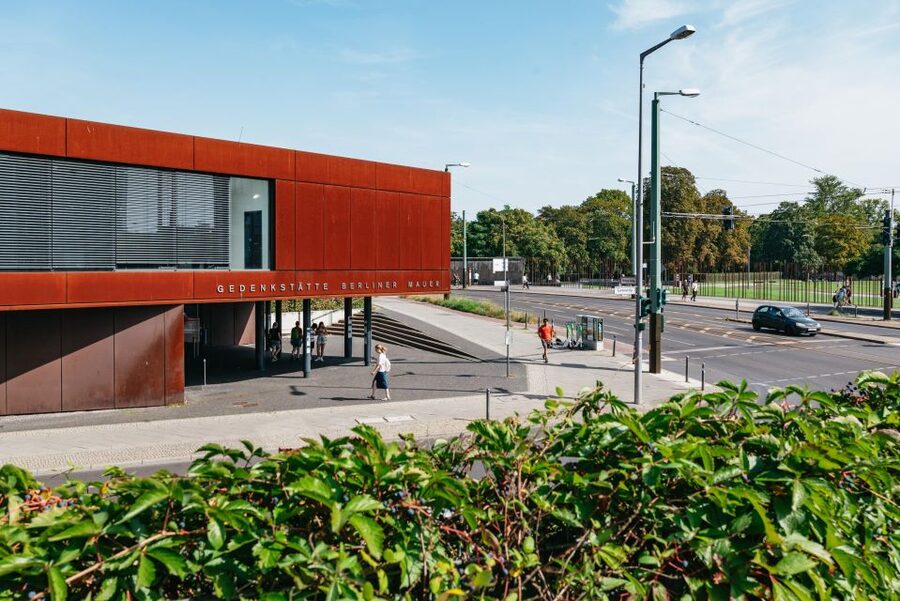
Bernauerstraße can be emotionally heavy. The tour keeps moving, so it is not a long museum visit with extensive indoor displays. If you want a very detailed examination of every surviving structure, you may need to add a separate memorial visit to your Berlin plans. This bike tour gives you the wider route and the main stories rather than one site in total detail.
Bornholmerstraße and the Wall’s unexpected fall
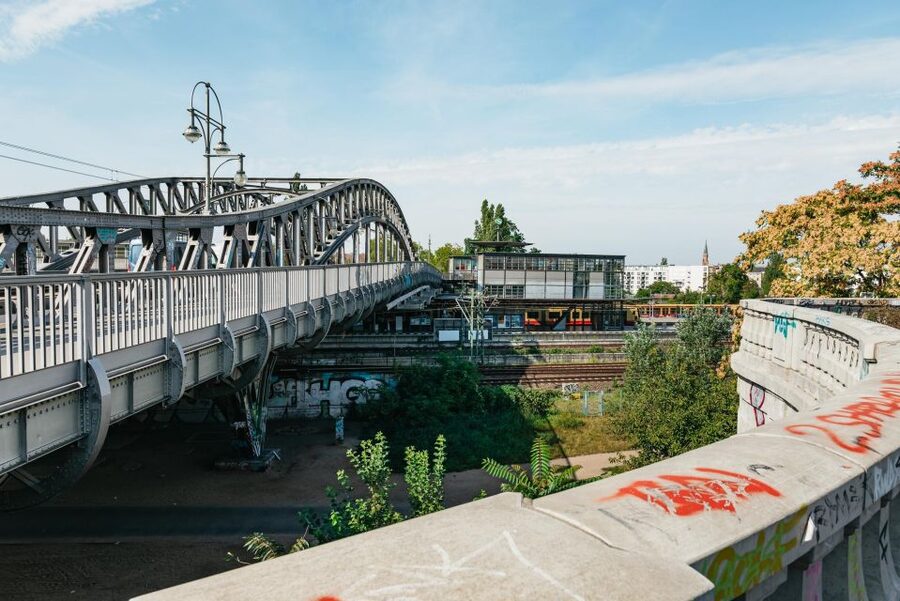
The former crossing at Bornholmerstraße helps explain how tightly controlled movement between East and West Berlin once was. Border crossings were not just roads with a checkpoint. They were carefully managed gateways, and crossing them could involve strict rules, questioning, and long waits.
Your guide explains how the Wall came down after almost 30 years and why the opening happened with such speed. The story is often reduced to a single night, but the tour connects that night to the growing pressure inside East Germany and the confusion surrounding the border announcement.
This stop is valuable because it brings the Wall’s end into the same places where its control was enforced. You are not only hearing about a political collapse in a distant room. You are looking at a real crossing point and following the route through the city.
The route can change slightly when Berlin hosts a major event. A half marathon once interfered with the planned path, and the guide adjusted the ride. That is worth keeping in mind if your booking falls during a large city event. Flexibility may be needed, but the guide can still keep the historical thread intact.
More History Tours by Bike, Segway and Tuk-Tuk in Berlin:
- Berlin: Guided Bike tour of the Berlin Wall and Third Reich
★ 5.0 · 160 reviews - Berlin Wall History Small Group Cycling Tour
★ 4.9 · 152 reviews - Berlin Wall and Cold War Bike Tour in Small Groups
★ 5.0 · 114 reviews - Small-Group Historical Bike Tour in Berlin
★ 4.5 · 103 reviews
A remaining watchtower and escape stories
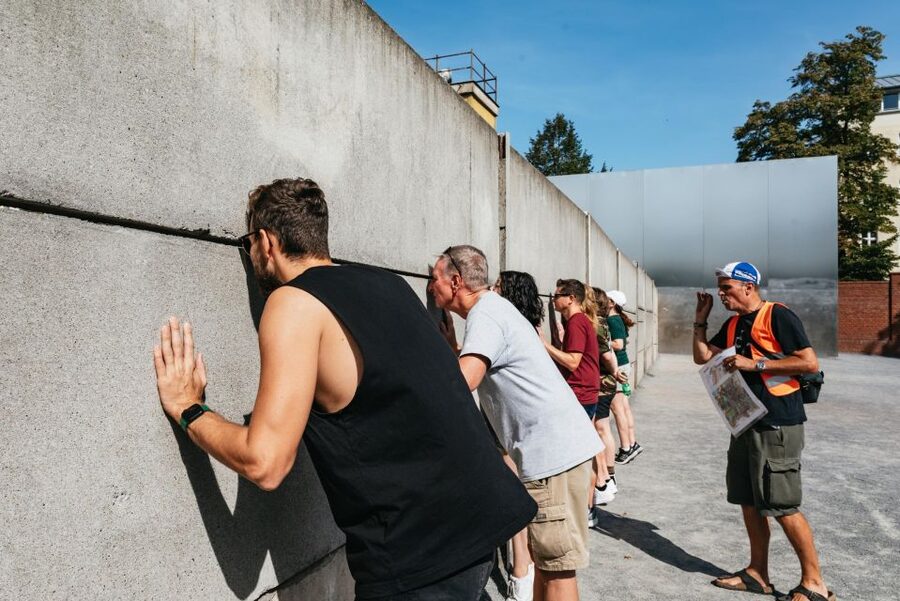
One of the tour’s strongest details is a remaining watchtower. It gives you a direct reminder of the surveillance system that once ran along the border. The Wall was supported by a network of towers, patrols, barriers, and controlled spaces, not just the familiar slab of concrete seen in photographs.
This is where the escape stories become especially powerful. Your guide explains how people attempted to cross and why some plans succeeded while others ended in arrest or death. The stories are handled as part of the place, not as sensational entertainment.
Several guides have been singled out for bringing these accounts to life. Paul is noted for combining clear explanations with humor, while Oleg has led routes that reach less obvious Wall remnants. Lauren has been praised for using passion and strong storytelling, and guides such as Jacob, Isabelle, and Alex have also led tours in English. The exact guide depends on your departure, so treat these names as examples rather than a promise.
A good guide makes a major difference here. The remaining structures are not always self-explanatory, and a quick photo does not tell you how the border operated. Ask questions. The tour is designed for conversation, and the best moments often come when the guide links a physical trace to an individual story.
Checkpoint Charlie and the Cold War in public view
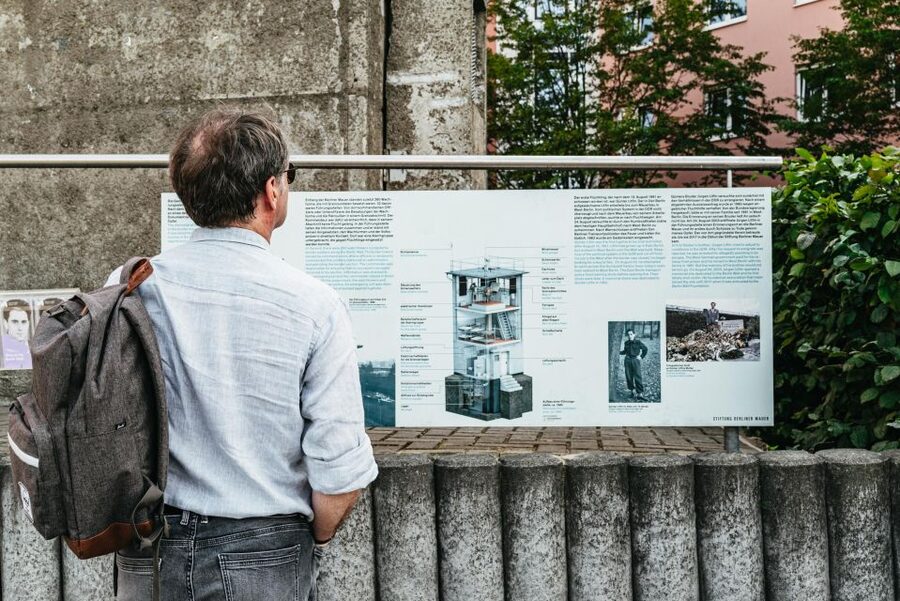
Checkpoint Charlie is Berlin’s most famous Cold War crossing point. It is also one of the city’s most commercialized historical sites, so seeing it with context helps you sort the genuine history from the modern presentation.
The tour uses Checkpoint Charlie as part of a longer route rather than treating it as the whole Wall story. You learn about its role as a crossing between the American and Soviet sectors and compare it with less famous points along the former border.
That comparison is important. Checkpoint Charlie is memorable, but it can give you a narrow picture if visited alone. The ride shows you the border’s broader reach, from northern neighborhoods to central Berlin, and helps explain that the division affected many ordinary streets, not just a famous checkpoint.
There may be crowds and traffic around Checkpoint Charlie. Your time there is likely to focus on the historical explanation and the location, not a quiet, reflective visit. If you want photographs without people around you, this may not be the easiest stop. The benefit is that the guide can explain what the site meant during the Cold War instead of leaving you with only a guardhouse and a sign.
Brandenburg Gate and a wider view of Berlin
The ride continues toward Brandenburg Gate, one of Berlin’s defining monuments. Your guide explains its 18th-century origins and how the gate later became tied to the city’s division and reunification.
The gate is a strong final landmark because it connects several layers of Berlin’s past. It began as a royal city entrance, became an emblem of divided Berlin, and now serves as a symbol of a reunited capital. After spending hours tracing the border, you see the gate with more meaning than you might on a quick photo stop.
The route also gives you a useful first look at Berlin beyond the Wall. One past rider described the tour as covering a wide slice of the city, including important sights that are not strictly part of the former border. That is one reason I would consider taking this early in a Berlin visit. You get historical context and a practical sense of how the central districts fit together.
After Brandenburg Gate, you return to the bicycle depot and drop off the bike. The full experience lasts 210 minutes, so plan it as a substantial half-day activity rather than a short sightseeing add-on.
Why the bike format works
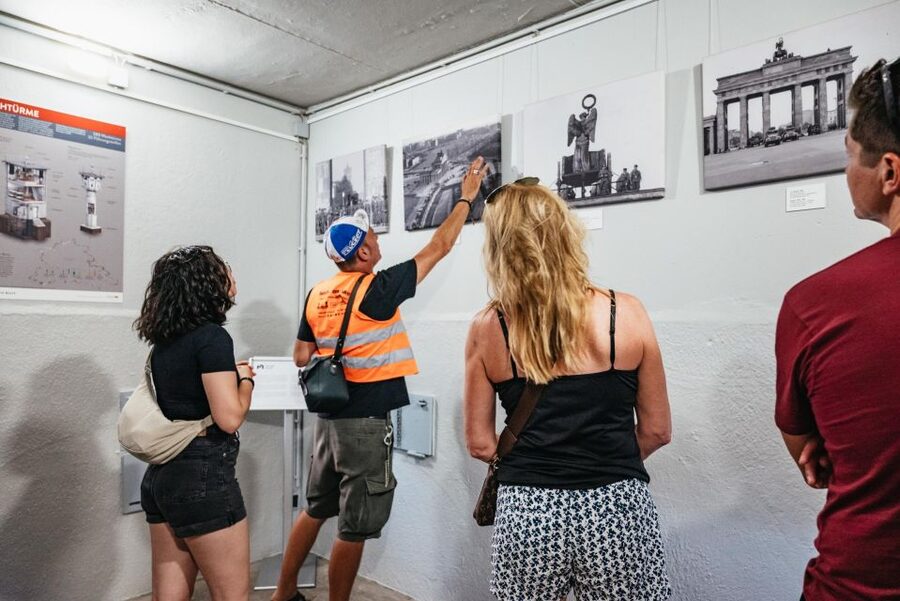
Berlin is a large city, and the former Wall line stretches across many districts. Walking between the northern Wall sites, central crossings, and Brandenburg Gate would take much longer and require more planning.
The bicycle lets you cover about 15 kilometers without turning the day into a race. The ride is described as relaxed, with time to stop and listen. Several guides have chosen quieter bike paths and less obvious routes, which can make the journey feel less like a checklist of major sights.
You still need basic cycling confidence. The tour is not intended for children under 8, and you should be comfortable riding in an urban setting. The exact road conditions can vary, and a large group or a city event may slow the route. Comfortable clothing is more important than dressing for style.
The relaxed pace does not mean no effort. Three and a half hours is a long time if you have not cycled recently. In warm weather, sunscreen and water will matter. In wet weather, the supplied rain ponchos help, but you should still expect the ride to feel less pleasant than it would on a dry day.
Guides, languages, and group style
The tour is offered in English, French, Dutch, and German. A private group option is available, which may suit families with older children, friends with a particular interest in Cold War history, or anyone who wants more control over the pace and questions.
The strongest part of the guiding is the mix of facts and stories. Guides such as Paul, Oleg, Lauren, Anna, George, Almar, and others have been praised for clear explanations, humor, patience, and enthusiasm. Some have adapted the route to group interests or adjusted plans when city events caused problems.
Do not book this expecting a silent scenic ride. The purpose is historical interpretation, and the guide talks at each stop. If you enjoy asking questions and linking places to events, you will get more from it. If you prefer to cycle independently and stop only for photographs, a self-guided route may suit you better.
Is $41 a fair price?
At $41 per person, the tour is reasonably priced for a 210-minute guided experience that includes a bicycle and covers a large part of Berlin. You are paying for the bike, route planning, historical explanation, and the ability to reach sites that would take longer to connect on foot.
The value is strongest if this is your first serious look at the Berlin Wall. A guide saves you from piecing together the route and reading short plaques at scattered locations. The personal stories and diagrams also add something that a simple rental bike cannot provide.
The price is less compelling if you already know Berlin well, have your own bicycle, and prefer to research the Wall independently. You may also want to compare the cost with a walking tour if cycling for 15 kilometers sounds tiring.
Free cancellation is available up to 24 hours before departure, and you can reserve now and pay later. Starting times vary, so check availability before building the rest of your day around it.
Who should book this ride?
I would choose this tour for first-time Berlin visitors who want a clear introduction to the Wall and the Cold War. It also suits history-minded families with children aged 8 or older, couples who want more than a standard city loop, and anyone who likes learning while moving.
It is a particularly good choice if you have only a few days in Berlin. The route combines several major landmarks with less obvious traces of the border, giving you both orientation and historical context in one outing.
I would hesitate if you dislike cycling, have limited stamina, or want long, quiet visits at each memorial. The route covers ground, and the city can bring weather, traffic, or event-related changes. Still, the easy pace and strong storytelling make it a practical way to understand how the Wall shaped Berlin.
Should you book the Cold War bike tour?
Book it if you want the Berlin Wall explained through the actual streets where the division took place. The mix of Mauerpark, Bernauerstraße, Bornholmerstraße, a watchtower, Checkpoint Charlie, and Brandenburg Gate gives you a broad and memorable route.
Bring comfortable clothes, choose your bike carefully, and allow time to reach the depot inside Kulturbrauerei. If possible, take the tour early in your stay, then return later to the sites that deserve more time. For most visitors who are comfortable on a bike, $41 is a fair trade for three and a half hours of context, movement, and stories you would be unlikely to assemble as easily alone.
FAQ
How long is the Berlin Cold War bike tour?
The tour lasts 210 minutes, or three and a half hours.
How far will I cycle?
You will cover approximately 15 kilometers at a relaxed pace.
Where does the tour meet?
The meeting point is the Berlin on Bike depot inside Kulturbrauerei in Prenzlauer Berg.
How do I reach the meeting point from Alexanderplatz?
Take the U2 red line toward Pankow and leave after three stops at Eberswalder Straße. Use the exit signposted Kulturbrauerei, walk along Danziger Straße for about 150 meters, turn right onto Knaackstraße, enter the Kulturbrauerei complex, and follow the yellow signs to the bicycle depot.
Which landmarks are included?
The route includes Mauerpark, Bernauerstraße, parts of the former Berlin Wall, Bornholmerstraße, Checkpoint Charlie, a remaining watchtower, and Brandenburg Gate.
Are bicycles included?
Yes. A bicycle is included, and you can choose from a large fleet.
Are helmets and gloves provided?
Helmets and gloves are available upon request. Sunscreen, trouser clips, and rain ponchos in bad weather are also included.
What languages are offered?
The tour is available in English, French, Dutch, and German.
Can children join the tour?
Children under 8 are not permitted. The supplied information does not give a maximum age or specific cycling ability requirement, but you should be comfortable riding approximately 15 kilometers.
More Cycling Trips in Berlin
- Berlin (E)Bike Tour Historical Highlights in Small groups
★ 4.5 · 24 reviews - Historical Singapore Bike Tour on Full-Sized Bicycles
★ 5.0 · 1,421 reviews - Barcelona: 2.5-Hour Bike or E-Bike Historical Tour
★ 4.5 · 1,262 reviews - Asheville Historic Downtown Guided Electric Bike Tour with Scenic Views
★ 5.0 · 1,234 reviews
Just added around Berlin
- Berlin Food & Cultural Tour: Must-Try German & Berliner Classics★ 5.0 · 51 reviews
- Berlin Half-Day World War II Walking Tour★ 4.5 · 48 reviews
- Small-Group Historical Bike Tour in Berlin★ 4.5 · 103 reviews
- Historic center of Berlin – Tour in Italian★ 5.0 · 143 reviews
- Berlin Cold War & World War II Third Reich Walking Tour★ 4.5 · 30 reviews
- Private Taxi Tour City East & West History and Architecture 3-4h★ 5.0 · 42 reviews
- Berlin Wall and Cold War Bike Tour in Small Groups★ 5.0 · 114 reviews
- Private Tour: Jewish Heritage Walking Tour of Berlin★ 5.0 · 29 reviews
Berlin History Tours, compared.
Berlin: Third Reich & Cold War Guided Walking Tour
Read our review →
Berlin’s Best: 2 Hour Walking Tour Third Reich and the Cold War
Read our review →
Third Reich Berlin: Hitler and WWII Walking Tour
Read our review →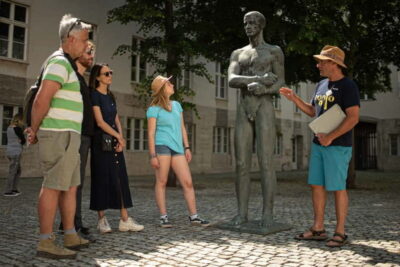
Berlin: Third Reich, Hitler, and WWII Walking Tour
Read our review →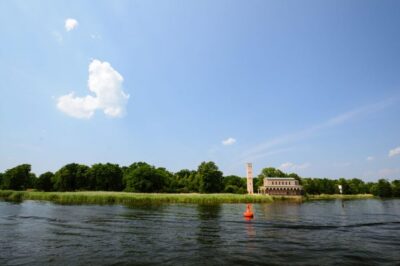
Berlin: 3-Hour World Heritage Cruise to Potsdam
Read our review →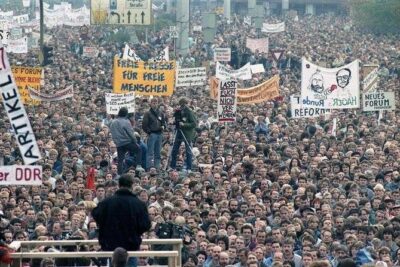
Cold War, Berlin Wall, Spies and the East Side Gallery
Read our review →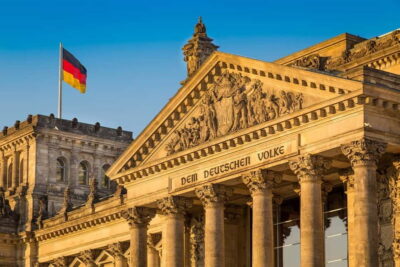
Berlin: History of the Third Reich Guided Walking Tour
Read our review →
Browse the lists this tour appears in