
Review · TOKYO
Tokyo: Shinjuku Historical Walking Tour & Secret Backstreets
Shinjuku changes character block by block. One minute you are under giant neon signs in Kabukicho, and the next you are in a narrow lane of tiny bars or standing before a quiet Shinto shrine. This 90-minute evening walk gives you a useful map of that contrast without making you navigate Shinjuku’s confusing backstreets alone.
I like the personal touch: guides such as Mao, Akari, Ai, Aki, Naoto, and Glenda have tailored walks around food, nightlife, history, and local customs. I also like the finish at Hanazono Shrine, where the city noise drops away. The main drawback is that this is a sightseeing walk, not a food or bar crawl. You receive recommendations and one vending-machine drink, but paid meals, drinks, shrine offerings, and omikuji cost extra.
Key points before you book
- Omoide Yokocho sets the mood: Begin among old-style lanes and compact eateries near Shinjuku Station.
- Kabukicho comes alive at night: Neon signs, entertainment streets, and the famous Godzilla view create the best photo moments.
- Golden Gai is seen, not necessarily sampled: You explore its narrow lanes, but bar purchases are not included.
- Hanazono Shrine provides a calm finish: Learn basic shrine customs and decide if you want to buy omikuji or make an offering.
- The guide shapes the walk: Tell your guide if you care most about food, history, nightlife, shopping, or photography.
- The price is modest for a private introduction: At $25.20 per person, the value rests on orientation and local advice rather than included admissions.
Why this Shinjuku walk is useful
Shinjuku is easy to visit and surprisingly hard to understand. The main station has many exits, the entertainment district spreads across several blocks, and the most interesting lanes can be easy to miss if you stick to broad streets. A local guide removes that first-night friction.
The experience lasts about an hour and a half. The listed stops account for about 70 minutes, leaving time for walking between them, short explanations, photographs, and questions. That makes this a compact introduction rather than a full evening out.
You meet at the police box by the East Exit of Shinjuku Station, at 3-chome-38-1 Shinjuku. This is a practical meeting point, but Shinjuku Station can still be confusing. Give yourself extra time to reach the East Exit, and keep the mobile ticket ready on your phone.
The tour is described as a private activity for your group. One account describes a group of 15, so if having a strictly private walk matters to you, confirm the group arrangement when booking. Either way, the guide-led format is designed to keep you from staring at a map while the district moves around you.
More History Walking Tours in Japan
- Tokyo: Imperial Palace and Shogun Historical Walking Tour
★ 5.0 · 2,251 reviews - Tokyo Castle & Imperial PalaceーShogun Walking Tour
★ 4.7 · 1,068 reviews - Tokyo: Imperial Palace Japanese History Walking Tour
★ 4.9 · 987 reviews
Omoide Yokocho and the old Shinjuku mood
Omoide Yokocho, or Memory Lane, is a tight collection of small lanes near the station. Its appeal is scale. Instead of grand avenues and giant department stores, you find compact restaurants and an older, more intimate side of Shinjuku.
This is a good first stop because it quickly shows you how Tokyo’s food culture can work in very small spaces. The passageways are narrow, the restaurants are close together, and the atmosphere feels quite different from the large commercial streets outside.
Your guide can point out places to eat and explain what you are seeing. That advice may be more useful later in your trip than a rushed meal during the tour. Since food is not included, you can note the places that catch your eye and return when you have time to sit down.
The limitation is that Omoide Yokocho is popular and can feel crowded. You are moving through an active dining area, not an arranged museum display. Keep your group close, watch where you step, and avoid stopping in the middle of a narrow passage for photographs.
Kabukicho under the neon
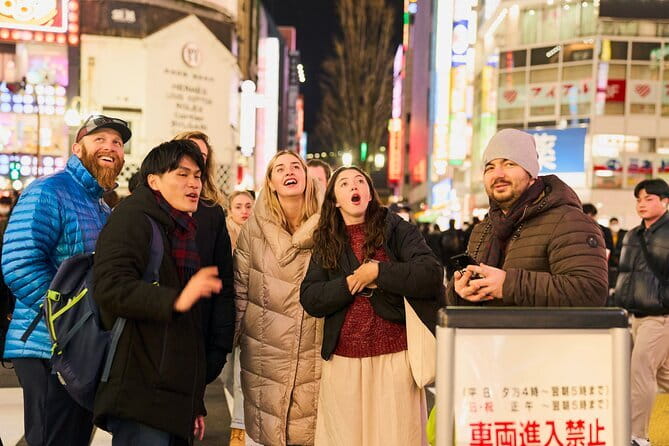
The walk continues into Kabukicho, often called Sleepless Town. At night, the district’s lights and signs provide the strongest visual contrast of the tour. This is where you get the classic Shinjuku photographs: glowing signs, dense streets, and a city that seems to keep going long after dinner.
Kabukicho is also a place where context helps. A guide can explain how the district works and steer you toward streets and sights that feel comfortable for your interests. If you want restaurant or bar advice, say so early. Guides including Aki and Ayaka have been especially helpful with suggestions for places to eat and drink after the walk.
You should expect sightseeing from the street rather than entry into every venue. The tour does not include meals, drinks, or nightlife admission. That is a benefit if you want to keep the evening flexible, but a drawback if you expected a hosted bar visit.
This section also suits photographers. Night lighting, large signs, and changing street views give you plenty to frame. Ask before stopping for a photo, since the walk takes place in busy public areas and the group needs to keep moving.
Tokyu Kabukicho Tower and the new face of the district
Tokyu Kabukicho Tower takes you from older side streets to a newer, large-scale entertainment complex. The stop lasts about 25 minutes, the longest listed pause on the walk, so the guide has room to explain why this building matters to the district.
The tower includes several types of entertainment and gives you a clear sense of modern Kabukicho. It is a useful counterpoint to Omoide Yokocho and Golden Gai. In less than an hour, you see three very different versions of Shinjuku: compact old dining lanes, a bright entertainment zone, and a large contemporary complex.
There is no admission ticket included or required for the listed stop. The value here is orientation. You learn where the tower sits and what kinds of places you might return to later. A guide may also help you connect this newer development with the surrounding streets, rather than treating it as an isolated photo stop.
The stop may be less rewarding if you only want historic sites or traditional Tokyo. It is modern, commercial, and large. Still, skipping it would leave out an important part of present-day Kabukicho.
More History Walking Tours in Tokyo:
- Tokyo Castle & Imperial PalaceーShogun Walking Tour
★ 5.0 · 724 reviews - Imperial Palace East Garden and Edo Castle Walking Tour in Tokyo
★ 5.0 · 510 reviews - Asakusa: A Big-picture History Walk to Know Japan
★ 4.6 · 77 reviews - Asakusa: 3.5-hour Big-picture History Walk
★ 4.7 · 39 reviews
Golden Gai, where the streets turn tiny
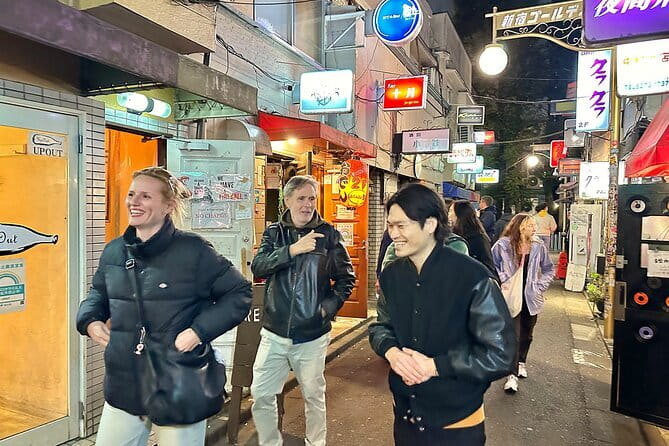
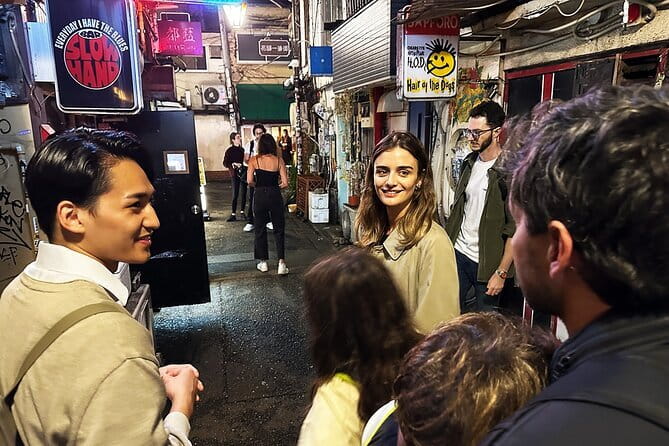
Golden Gai is one of the most distinctive parts of the walk. Several narrow lanes hold a remarkable number of tiny bars, each with its own character and limited seating. Even if you do not go inside, walking through the lanes gives you a strong sense of how much social life can fit into a very small area.
The guide is particularly useful here because the area can feel hard to read at first. A recommendation may help you decide where to return later, especially if you want a quiet drink rather than a large club. The tour itself does not include a bar visit, so treat this stop as a preview and a source of ideas.
Golden Gai is scheduled for about 15 minutes. That is enough for an introduction, but not enough to explore every lane or settle into a bar. If you want a long night here, plan to return on your own after the walk.
Be considerate. These are working businesses, not simply photo sets. Keep voices low, avoid blocking entrances, and follow your guide’s lead about photography. The area rewards curiosity, but it also rewards good manners.
Hanazono Shrine, a quiet finish
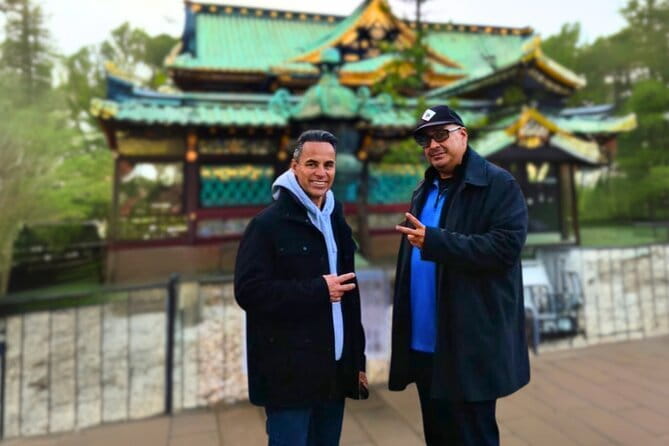
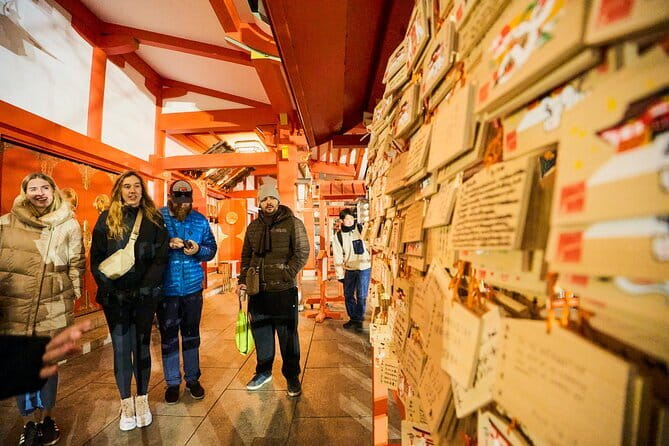
Hanazono Shrine changes the pace. After the signs, crowds, and tight nightlife lanes, the shrine offers a calmer setting in the middle of Shinjuku. The listed visit lasts about 20 minutes, giving your guide time to explain basic shrine customs and the meaning of common practices.
This is the stop that gives the tour more range. Without it, the walk would be mainly about neon streets, food lanes, and nightlife. At Hanazono Shrine, you get a chance to see a traditional spiritual place and learn how to behave respectfully.
Small details matter here. Offering a little change and buying omikuji are not included in the tour price. You do not need to spend money to visit, but you can ask the guide how these customs work if you want to take part.
The shrine also makes a practical end point because it lets you pause and gather your thoughts before returning to the meeting point. Some guides finish by walking the group back toward the station, which can be reassuring if you still find Shinjuku disorienting.
What the guides add
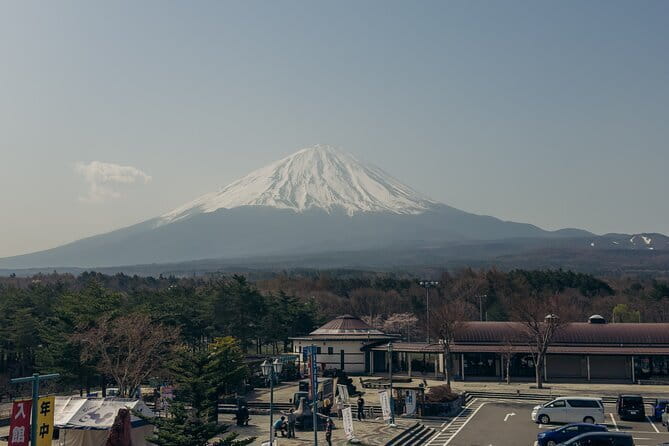
The strongest part of this experience is the guide’s ability to adjust the walk. Mao has been praised for first asking about interests and then shaping the discussion around them. Akari has been a good choice for people staying in Shinjuku who want a quick orientation to the area.
Ai has helped last-minute bookers understand the district and find places to revisit. Naoto has been careful with meeting directions and has added local context to streets that would otherwise look like a blur of signs. Glenda has taken groups to several interesting areas before ending at a shrine.
You may also meet guides such as Maya, Cherry, Hannah, Nana, Ren, or Ayaka, depending on the date and assignment. The useful pattern is clear: this is not a recorded walk with a fixed speech. You can ask for food suggestions, nightlife ideas, history, shopping advice, or basic shrine etiquette.
The guide’s personality matters. A good match can turn a short route into a helpful first evening in Tokyo. Tell the guide what you want at the start. If you say only that you want to see everything, you may get a broad overview. If you explain that you need vegetarian food suggestions, quiet bars, photo locations, or historical background, the conversation can become more useful.
Price, inclusions, and the real value
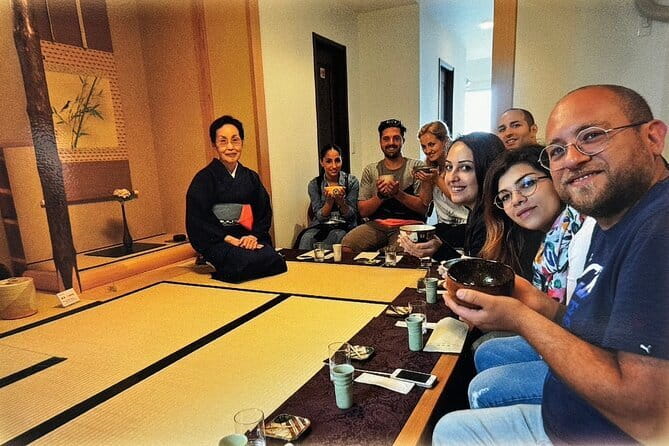
At $25.20 per person, the price is low for a private, guide-led introduction to one of Tokyo’s most confusing districts. There are no major attraction tickets built into the cost, so you are paying mainly for the guide’s time, route planning, local explanations, and practical advice.
One vending-machine drink recommended by the guide is included. It is a small perk, not a meal or tasting. You should budget separately for anything you eat or drink in Omoide Yokocho, Golden Gai, Kabukicho, or elsewhere.
The price makes the most sense on your first night in Shinjuku. A guide can help you get your bearings fast, identify streets worth revisiting, and reduce the chance that you spend your evening wandering without a plan. It is less valuable if you already know Shinjuku well or prefer to explore alone with no fixed route.
The tour also works well near the beginning of a longer Tokyo stay. You can use the recommendations later, when you have more time for dinner, shopping, bars, or another visit to Golden Gai.
Timing, weather, and who should book
You can choose from different start times, which helps fit the walk around dinner or other sightseeing. An evening slot is best if you want the neon atmosphere, though one account also describes an afternoon walk. Some venues may look different or be closed during the day, so choose your time with your main interest in mind.
The tour requires good weather. If poor weather cancels it, you can take a different date or receive a full refund. Otherwise, cancellation is free up to 24 hours before the start time. Changes or cancellations made less than 24 hours ahead are not accepted for a refund.
I would recommend this walk to:
- First-time Tokyo visitors staying near Shinjuku
- Solo visitors who want help finding streets they might skip alone
- Couples and families who want an easy introduction before exploring independently
- Food-focused people who want local restaurant suggestions
- Photographers looking for night views and colorful street scenes
- Anyone interested in seeing both nightlife and a traditional shrine
I would be more cautious if you want a substantial meal, several bar visits, a long historical lecture, or hands-on cultural activities. One three-star assessment found the route informative but wished for more interaction with local businesses and food. That is a fair criticism. You see and learn a lot, but you do not take part in a tasting or workshop.
Most people can participate, and the route is near public transportation. Still, it is a walking tour through crowded streets and narrow lanes. Wear comfortable shoes and expect to remain on your feet for most of the 90 minutes.
Should you book this Shinjuku tour?
Book it if you want a friendly, efficient first look at Shinjuku and value local advice more than included attractions. The route covers old food lanes, neon Kabukicho, Tokyu Kabukicho Tower, Golden Gai, and Hanazono Shrine in one compact outing.
The best reason to go is not the free admission at each stop. It is the chance to ask a local guide what deserves your time after the walk. Tell the guide what you like, listen carefully to the restaurant and bar suggestions, and treat the tour as a useful introduction rather than a complete night out.
Skip it if you already know Shinjuku, dislike guided walking, or expect food and drinks to be included. For first-time visitors, though, the $25.20 price is a sensible way to turn a confusing district into a place you can explore with more confidence.
FAQ
How long is the Shinjuku walking tour?
The tour lasts approximately 1 hour and 30 minutes.
Where does the tour begin?
It begins at the police box by the East Exit of Shinjuku Station, at 3-chōme-38-1 Shinjuku, Shinjuku City, Tokyo 160-0022, Japan.
Where does the tour end?
The activity ends back at the meeting point.
Is the tour private?
The activity is described as a private tour for your group. One published account describes a group of 15, so confirm the exact group arrangement if that detail is important to you.
What places are included?
The route includes Omoide Yokocho, Kabukicho, Tokyu Kabukicho Tower, Shinjuku Golden Gai, and Hanazono Shrine.
Is food or alcohol included?
No meals or alcoholic drinks are included. The tour includes one vending-machine drink recommended by the guide.
Do shrine offerings and omikuji cost extra?
Yes. Small change for shrine offerings and the purchase of omikuji are not included in the tour fee.
Can I cancel for a full refund?
Yes, if you cancel at least 24 hours before the experience start time. If poor weather causes the provider to cancel, you will be offered another date or a full refund.
Just added around Tokyo
- Tokyo: Edo Castle & East Garden of the Imperial Palace Tour★ 4.7 · 112 reviews
- Tokyo: Imperial Palace, the history of Japan (ENGLISH GUIDE)★ 5.0 · 77 reviews
- Tokyo: Customized Private Historical Guided Photoshoot Tour★ 5.0 · 25 reviews
- Kyoto: Nijo Castle World Heritage Guided Tour with Admission★ 4.9 · 37 reviews
- Historic Kanda Sake Tasting at Tokyo’s Oldest Shop (1596)★ 4.9 · 33 reviews
- From Tokyo: Private Nikko World Heritage Sights One Day Trip★ 4.7 · 52 reviews
- From Tokyo: Guided Day Trip to Nikko World Heritage Sites★ 4.8 · 51 reviews
- Asakusa: A Big-picture History Walk to Know Japan★ 4.6 · 77 reviews
Tokyo History Tours, compared.
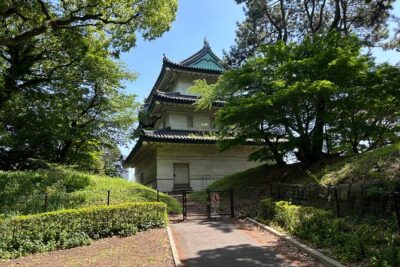
Tokyo: Imperial Palace and Shogun Historical Walking Tour
Read our review →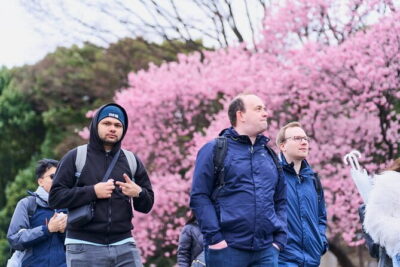
Tokyo Castle & Imperial PalaceーShogun Walking Tour
Read our review →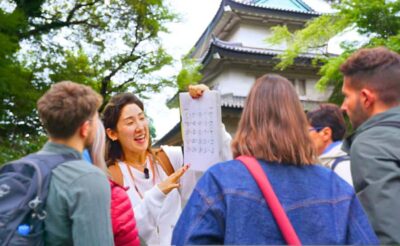
Tokyo: Imperial Palace Japanese History Walking Tour
Read our review →Tokyo Castle & Imperial PalaceーShogun Walking Tour
Read our review →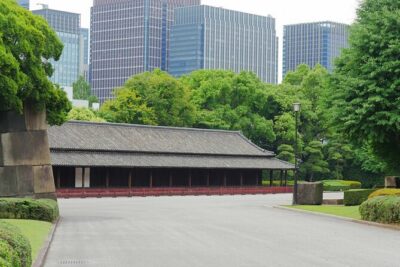
Imperial Palace East Garden and Edo Castle Walking Tour in Tokyo
Read our review →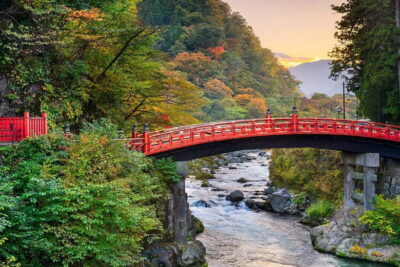
From Tokyo: Nikko World Heritage Site Private Full-Day Trip
Read our review →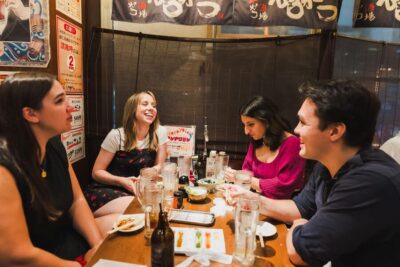
Tokyo: The Best of Izakaya in Shinjuku Food & Cultural Tour
Read our review →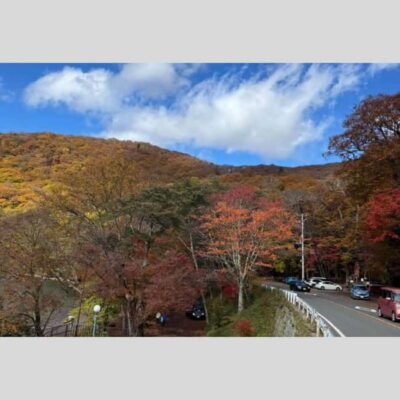
Tokyo: Nikko World Heritage Private Day Trip Hotel Pick-up
Read our review →Browse the lists this tour appears in