
Review · BERLIN
Berlin: Battle for Seelow Heights WW2 tour -Clash of Titans
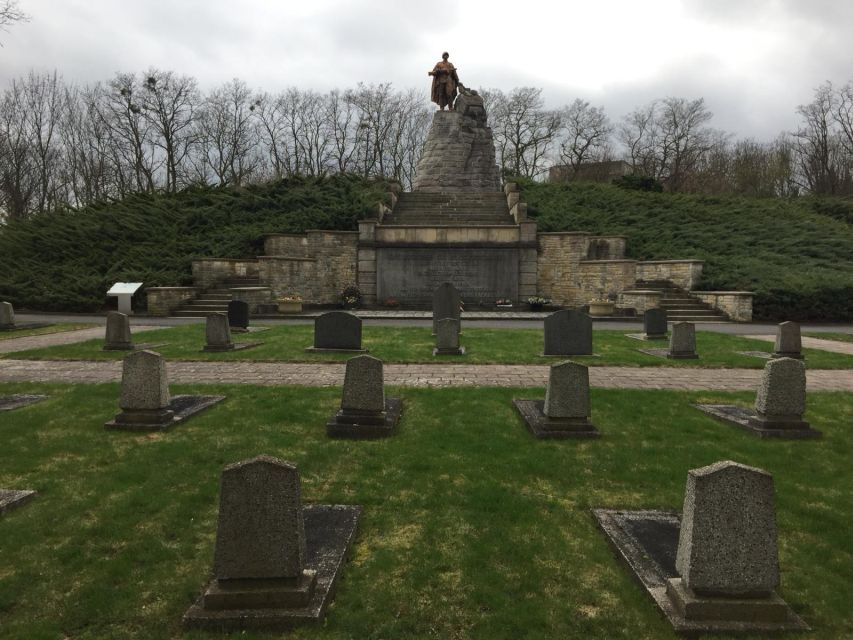
The Seelow Heights battlefield gives World War II a physical scale that books cannot. About 1.5 hours east of Berlin, you can see the ground where Soviet forces pushed toward the German capital and where German defenders made their final stand before the Battle of Berlin. The museum, trenches, tank obstacles, and broad views help turn troop movements into something you can actually follow.
I like the small group of no more than eight, since this kind of tour works best when you can ask questions and see the guide’s maps clearly. I also like the way Matthew, also called Matt, explains more than dates and unit names. He links infantry tactics, artillery, armour, defensive lines, and the human cost of the fighting.
The main drawback is the long day and the amount of time spent outdoors. The price is $152 per person, which is fair for an eight-hour private-feeling outing with transport and museum entry, but this is not a casual Berlin side trip. Bring snacks, wear sturdy shoes, and be ready for rain.
Key points to know before booking
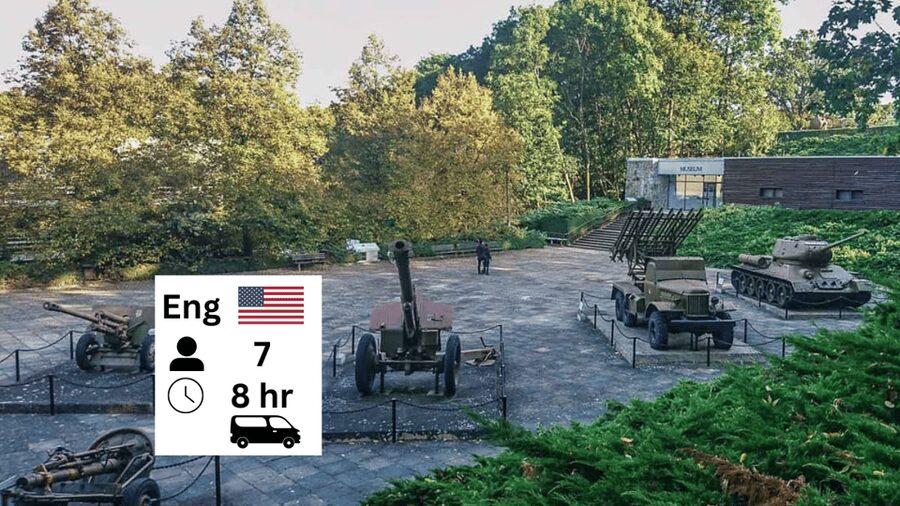
- The 1.5-hour drive matters: Seelow is well outside central Berlin, so the day involves substantial time in the vehicle.
- The museum sets the scene: Maps and artefacts make the later outdoor stops much easier to understand.
- You visit real German positions: Trenches and tank obstacles give you a direct sense of the defensive system.
- The route covers several battle areas: Reitwein, Dolgelin, and Jahnsfelde each add another piece to the story.
- The guide is the heart of the day: Matthew brings military detail down to a level that works for both serious World War II students and newcomers.
- Come prepared for open-air touring: The trip runs in all weather, and mobility is limited by uneven outdoor sites.
Why Seelow matters in the final weeks of World War II
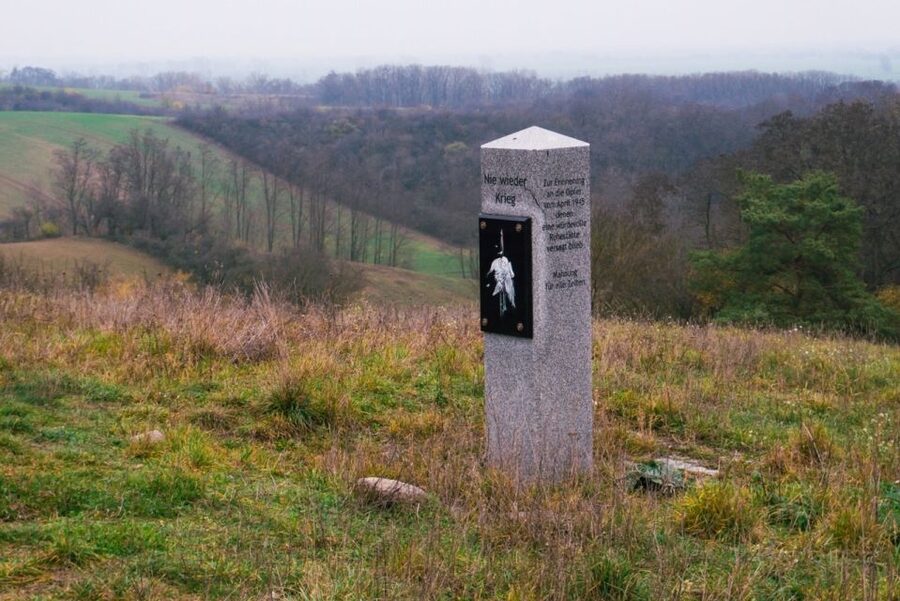
Many Berlin visitors focus on the city’s bunker sites, ruined buildings, and memorials. Those places matter, but they do not show the full military problem facing the Soviet army in April 1945. Before Soviet forces could reach Berlin, they had to cross the Oder River and break through the German defensive line at Seelow Heights.
This tour presents the battle as a huge clash between roughly 768,000 Soviet troops and about 150,000 German defenders. The Soviet side had tanks, artillery, and aircraft in enormous numbers. The German force was much smaller, but it held high ground and prepared defensive positions.
The result was one of the bloodiest battles of the Eastern Front and the final major battle before Berlin was taken. The sheer numbers can feel abstract at first. That is why the physical sites matter. When you look across the open ground from a height, then step into a German trench, the battle begins to make more sense.
I find this especially useful if you have already visited Berlin’s main war sites. The tour takes you beyond the capital and shows the military approach that made the city’s final battle possible.
More WWII and D-Day Tours in Berlin
- Berlin: Third Reich & Cold War Guided Walking Tour
★ 4.9 · 8,378 reviews - Berlin’s Best: 2 Hour Walking Tour Third Reich and the Cold War
★ 5.0 · 5,486 reviews - Third Reich Berlin: Hitler and WWII Walking Tour
★ 5.0 · 3,301 reviews
Meeting at Alexanderplatz and leaving Berlin
The day begins at the main vehicle entrance of the Park Inn by Radisson Berlin Alexanderplatz, opposite the Burger King entrance. Look for the guide holding a Battle for Seelow Height Tour sign, and arrive 15 minutes early.
The vehicle is air-conditioned and heated, with Wi-Fi and a small bottle of water. Transport is one of the strongest practical features here. You avoid sorting out regional connections and arrive with a guide who can explain the battle as the countryside changes outside the windows.
The journey to Seelow takes about 1.5 hours. That is not a short transfer, so plan your energy for a full day. On the plus side, the drive gives the guide time to introduce the battle and explain the larger Eastern Front setting before you reach the first stop.
The small group size also helps during the drive. You can ask for clarification without trying to speak over a coach party. Previous tour groups have sometimes been very small, even just two people, which makes the experience feel closer to a private military history outing.
Seelow Heights War Museum: your battle map
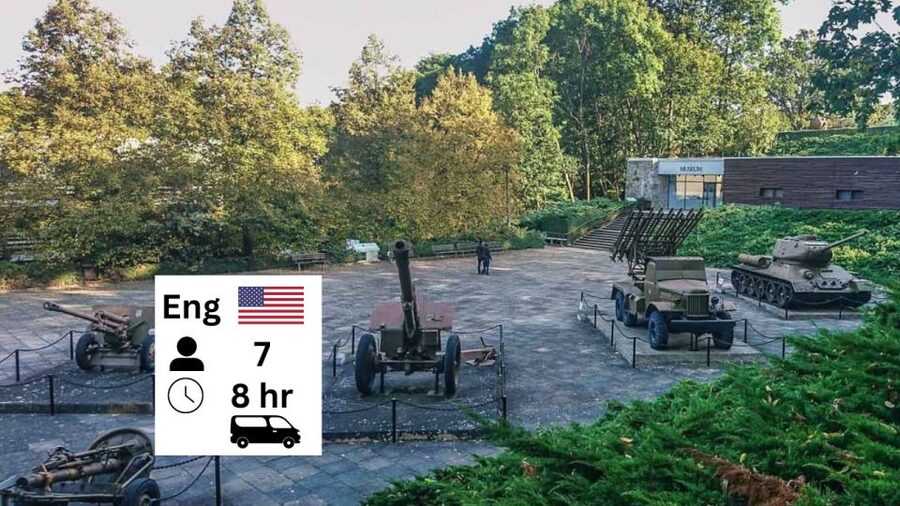
The Gedenkstätte and Museum Seelower Höhen is the essential first stop. You spend about 1.5 hours here with a guided visit, free time, walking, and views of the surrounding terrain.
Start with the maps. Seelow is much easier to understand once you can see the river, the defensive positions, the roads, and the direction of the Soviet advance. A good map prevents the usual battlefield problem, where every field looks like every other field.
The museum also displays artefacts connected with the battle. These objects help bring the broad statistics down to a human level. I would give the museum your full attention rather than treating it as a quick introduction, because the outdoor stops depend on this groundwork.
This is also where the guide can explain the difference between a large offensive on a map and the reality for infantry moving under fire. The tour covers combined arms, offensive and defensive operations, and infantry tactics. You do not need a military background to follow along, but anyone who already studies World War II should find plenty to discuss.
The museum is described as small, so do not expect a huge national collection. Its value comes from its focus. It deals with the local battle and gives you the tools to read the ground outside.
German trenches and the view from the heights
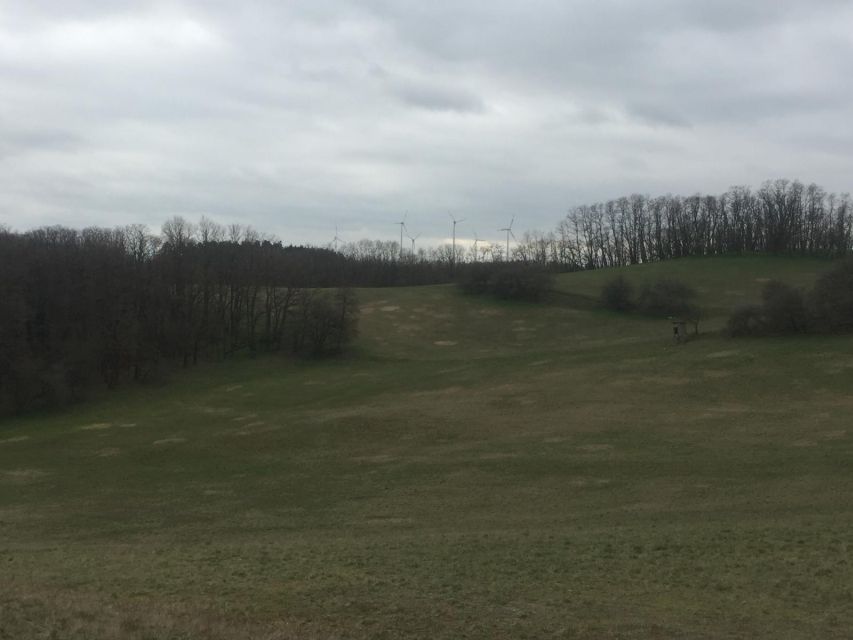
The most direct part of the experience is standing in the actual German trench positions. You are no longer looking only at a display case or a printed map. You can see how the defenders used the terrain and why the heights were important.
The trenches also help you understand the difference between a defensive line on paper and a position occupied by frightened, exhausted soldiers. The tour does not reduce the battle to clever tactics. It connects military decisions with the terrible human cost of the fighting.
From the heights, the broad view becomes one of the day’s strongest teaching tools. You can look across the terrain and picture how difficult it was to move large formations through defended ground. The view is not just scenic. It is a working map.
Bring comfortable shoes. The tour includes walking at several outdoor locations, and the activity is not suitable for people with mobility impairments. The trip runs in rain or sunshine, so rain gear is sensible even if the Berlin forecast looks fine.
More WWII and D-Day Tours in Germany
- Berlin: Third Reich, Hitler, and WWII Walking Tour
★ 4.9 · 1,757 reviews - Berlin: History of the Third Reich Guided Walking Tour
★ 4.7 · 791 reviews - Hitler’s Germany: Berlin During the Third Reich & WWII
★ 4.8 · 476 reviews - Private Walking Tour Berlin Third Reich Hitler and World War II
★ 5.0 · 360 reviews
Reitwein: adding another piece to the offensive
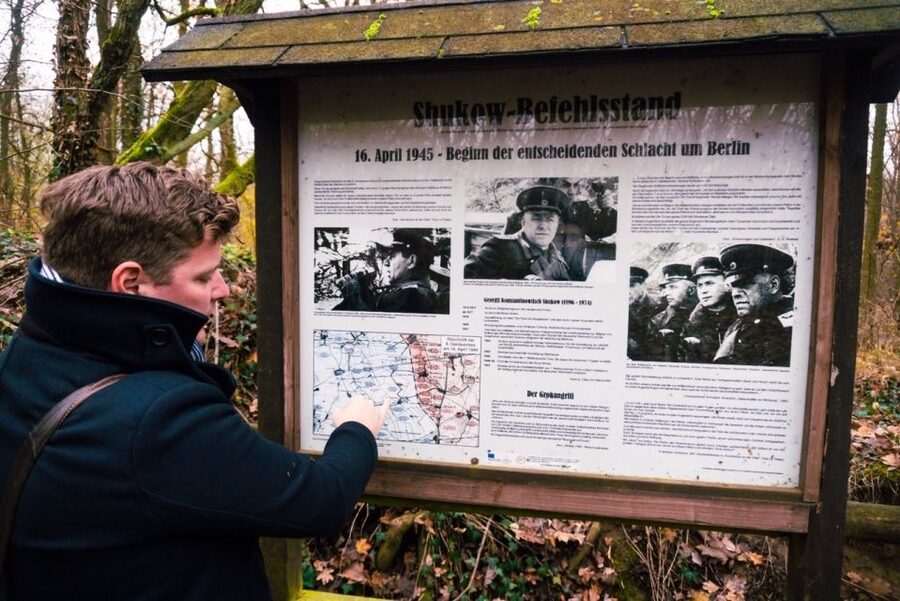
After the museum, the route continues to Reitwein for about 20 minutes. This is a short stop, but it helps widen the story beyond the central museum site.
At Reitwein, the guide provides more explanation and sightseeing on foot. The value of this stop is connection. You have seen the main overview, and now you can place another area within the wider movement toward Berlin.
Do not expect a long museum visit here. Reitwein is an outdoor battlefield stop, so the experience depends on the guide’s explanation and your willingness to study the terrain. If you enjoy military history through maps, direction, and ground conditions, this format works well. If you prefer indoor displays at every stop, the day may feel spare.
Dolgelin: a longer look at the fighting
Dolgelin receives about 45 minutes, including a guided visit, sightseeing, and walking. This gives the guide more time to explain the battle’s smaller actions and the way local positions fitted into the larger offensive.
One of the tour’s best features is its attention to battles within the battle. Huge troop totals can hide the fact that an offensive is made up of many separate struggles over roads, villages, ridges, defensive points, and artillery positions.
At Dolgelin, listen for the link between infantry and supporting weapons. The tour aims to show how infantry tactics, armour, artillery, and air power worked together, or failed to do so, during offensive and defensive operations.
This stop may be most rewarding for people who like detail. The guide, especially Matthew, is prepared to answer questions beyond the basic route. Several visitors have found his explanations clear even when their companions had very different levels of World War II knowledge. That is useful if you are bringing a family member who is interested but not a specialist.
Jahnsfelde: the final major field stop
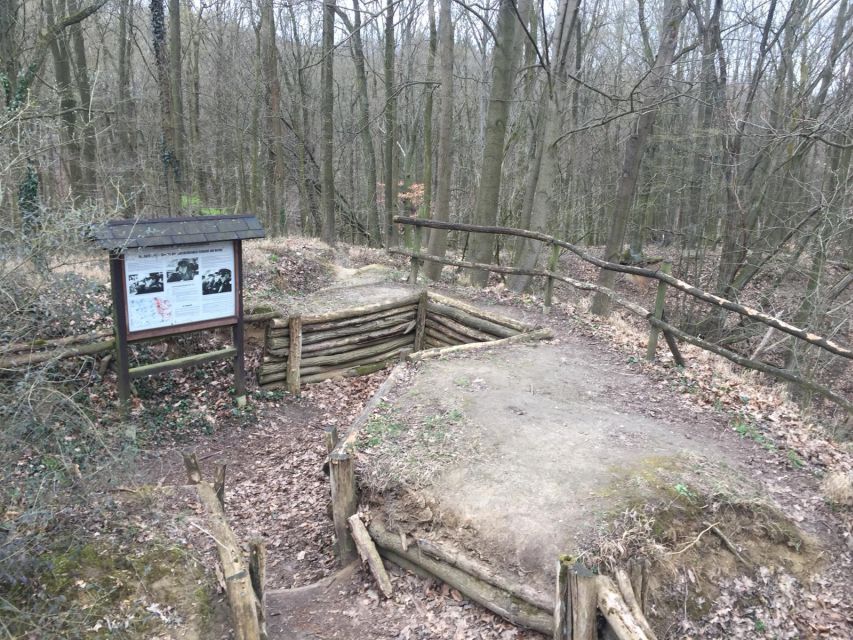
The longest outdoor visit comes at Jahnsfelde, with about an hour for a guided walk and sightseeing. By this point, you have the museum’s maps, the trench experience, and several locations in your head. Jahnsfelde lets the guide pull those threads together.
The stop is useful for understanding the scale and direction of the fighting. You can compare what the terrain looks like from the ground with the wider view from the heights. The guide’s job here is not simply to point out where something happened, but to explain why that location mattered.
The route also includes remnants of tank obstacles. These are a useful reminder that the defensive system was not only trenches and soldiers. Anti-tank measures, terrain, artillery, and infantry positions all formed part of the attempt to slow the Soviet advance.
Expect a serious history lesson rather than a polished attraction. The sites are valuable because they are real places connected to the battle, not because they offer a large number of visitor facilities.
What the guide adds to the experience
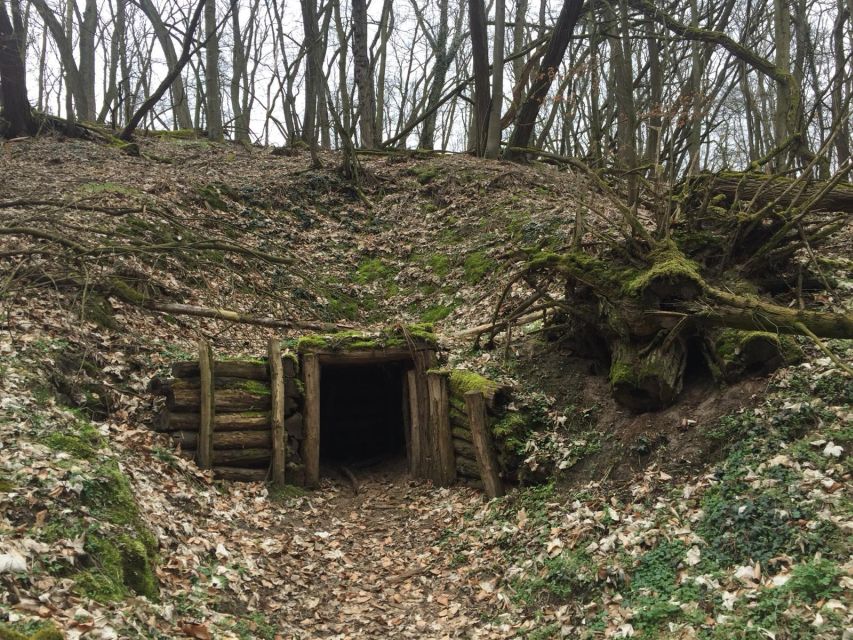
The quality of the guide matters more on a battlefield tour than on many standard sightseeing trips. At Seelow, a field can look quiet and ordinary unless someone explains the positions, movement, timing, and purpose behind it.
Matthew, also referred to as Matt, has led many of these outings and is praised for clear explanations, strong preparation, and an engaging manner. He uses supporting materials to put facts in context, which is particularly helpful when looking at troop numbers or trying to follow a changing front line.
I like that the guide can adjust to the group. You can ask basic questions without feeling out of place, or move into more technical discussion about infantry tactics and combined arms. The tour is not limited to one narrow event either. The guide can place Seelow within the wider story of World War II.
That flexibility is one reason the small group matters. With only eight participants, the day can feel like a discussion rather than a speech. You get room to pause, ask, look again at a map, and connect one stop with the next.
Comfort, food, weather, and the $152 cost
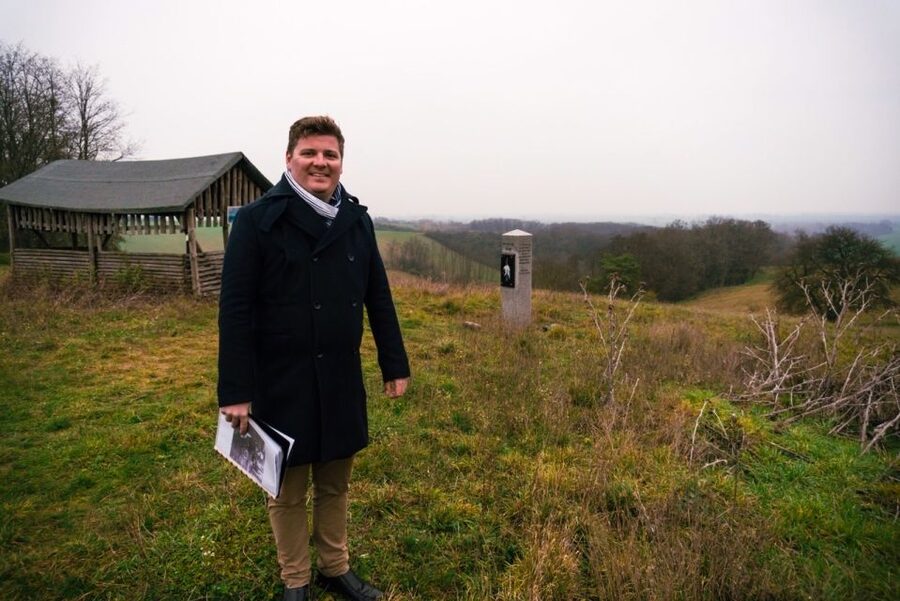
At $152 per person, this is not the cheapest way to spend a day outside Berlin. It is also more than a simple transport service. The price covers an eight-hour guided experience, return travel in a heated and air-conditioned vehicle, Wi-Fi in the vehicle, museum entry, and a small bottle of water.
The value depends on your interests. If you are fascinated by World War II, military history, or the final Soviet advance toward Berlin, the specialist guide and several battlefield locations make the cost reasonable. You are paying for interpretation and access to a route that is awkward to arrange on your own.
Food is not included. Bring snacks and perhaps something more substantial, since the supplied information only promises water and does not list a meal stop. One past group appreciated a hot drink and biscuit during the day, but you should not rely on that as a guaranteed inclusion.
Wear comfortable shoes and bring an umbrella or raincoat. Rain ponchos are supplied if needed, but your own waterproof layer will usually be more comfortable. Since the tour runs in all weather, preparation can make the difference between an absorbing day and a damp, tiring one.
Free cancellation is available up to 24 hours before the start, and you can reserve while paying later. Those terms help if your Berlin plans are still shifting, but the main decision is whether you want to spend eight hours on a focused battlefield tour.
Who should book the Seelow Heights tour
I would choose this for someone who has already seen Berlin’s main World War II sites and wants a less familiar part of the story. It also suits a serious history fan who wants to stand in trenches, inspect tank obstacles, and discuss tactics with a specialist guide.
Families can make it work too, especially when adults and older children have different levels of interest. The guide’s ability to explain complex events in plain language helps keep the day accessible.
I would be more cautious if you dislike long vehicle journeys, outdoor walking, military detail, or difficult subject matter. This is a battlefield connected with enormous loss of life. The tone is serious, and the day asks you to concentrate.
Book it if you want history tied to real ground, clear military explanation, and a small group rather than a standard city excursion. Skip it if you want a relaxed countryside outing or a quick half-day activity near central Berlin.
FAQ
How long does the Seelow Heights tour last?
The tour lasts eight hours, including travel from Berlin and the visits to Seelow, Reitwein, Dolgelin, and Jahnsfelde.
Where does the tour start?
It starts at the main vehicle entrance of the Park Inn by Radisson Berlin Alexanderplatz, opposite the Burger King entrance.
How early should I arrive?
Arrive 15 minutes before the activity begins. The guide will hold a Battle for Seelow Height Tour sign.
How long is the journey from Berlin to Seelow?
The outward journey takes about 1.5 hours. The return drive is listed as about one hour.
What language is the tour conducted in?
The tour is conducted in English with a live English-speaking guide.
How many people are in the group?
The group is limited to eight participants.
Is food included?
No. Food and snacks are not included, so bring your own snacks for the full-day outing.
Does the tour run in bad weather?
Yes. The tour runs rain or shine. Bring comfortable shoes and an umbrella or raincoat, and rain ponchos are available if needed.
Is the tour suitable for people with mobility impairments?
No. The experience is not suitable for people with mobility impairments because it includes walking at outdoor battlefield sites.
Just added around Berlin
- Berlin Food & Cultural Tour: Must-Try German & Berliner Classics★ 5.0 · 51 reviews
- Berlin Half-Day World War II Walking Tour★ 4.5 · 48 reviews
- Historic center of Berlin – Tour in Italian★ 5.0 · 143 reviews
- Berlin Cold War & World War II Third Reich Walking Tour★ 4.5 · 30 reviews
- Small-Group Historical Bike Tour in Berlin★ 4.5 · 103 reviews
- Private Taxi Tour City East & West History and Architecture 3-4h★ 5.0 · 42 reviews
- Berlin Wall and Cold War Bike Tour in Small Groups★ 5.0 · 114 reviews
- Private Tour: Jewish Heritage Walking Tour of Berlin★ 5.0 · 29 reviews
Berlin History Tours, compared.

Berlin: Third Reich & Cold War Guided Walking Tour
Read our review →
Berlin’s Best: 2 Hour Walking Tour Third Reich and the Cold War
Read our review →
Third Reich Berlin: Hitler and WWII Walking Tour
Read our review →
Berlin: Third Reich, Hitler, and WWII Walking Tour
Read our review →
Berlin: 3-Hour World Heritage Cruise to Potsdam
Read our review →
Cold War, Berlin Wall, Spies and the East Side Gallery
Read our review →
Berlin: History of the Third Reich Guided Walking Tour
Read our review →
Browse the lists this tour appears in