
Review · SOUTH KOREA
From Busan: Gyeongju UNESCO World Heritage Guided Day Tour
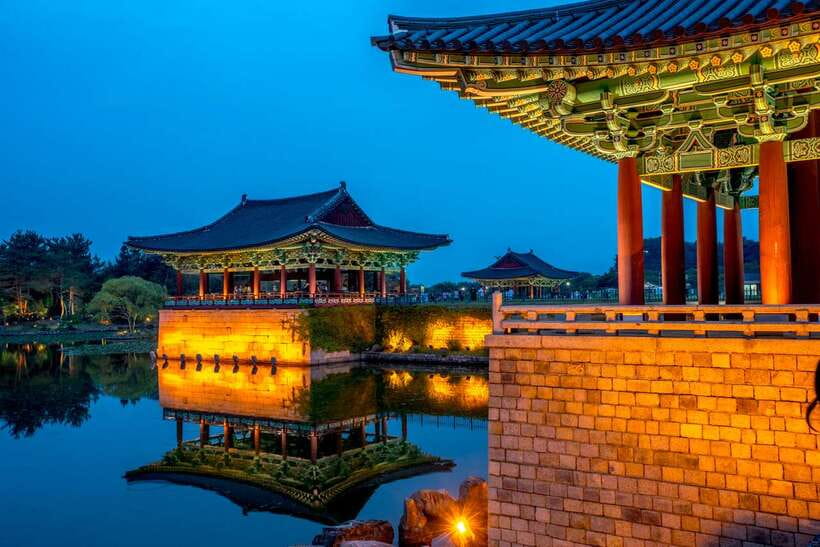
Gyeongju is Korea’s great history lesson, but it does not feel like one long museum visit. In a single day from Busan, you can move from the stone terraces of Bulguksa Temple to royal tombs, old villages, cafés, street food, and a palace pond lit after dark. I especially like the evening finish at Donggung Palace and Wolji Pond, plus the way guides such as Bobby Kim and Jun-a mix clear history with practical photo help.
I also like the choice of three routes. You can visit Yangdong Folk Village, Gyochon Traditional Village, or the Gyeongju National Museum, depending on your interests. The trade-off is simple: this is a long day, often 8 to 12 hours, with a lot of walking and a tightly managed schedule. Wear good shoes and expect the day to feel full.
At a glance: six useful facts before you book
- Three routes give you a real choice: Pick Yangdong Village, Gyochon Village, or the National Museum route.
- Bulguksa begins the sightseeing: Allow about 70 minutes for the temple complex and its stone terraces.
- The best night views belong to two packages: Routes A and B include Woljeong Bridge and Donggung Palace with Wolji Pond after dark.
- The ride from Busan is part of the bargain: Expect about 100 minutes each way by coach, with pickup and return points around Seomyeon, Haeundae, and Busan Station.
- Guiding is a major part of the value: English, Chinese, and Korean-speaking staff explain the sites, manage the clock, and often help with group photos.
- $52 covers a lot of ground: Transport and selected entry fees are included, but food, insurance, and personal spending are extra.
Why Gyeongju works so well as a day trip from Busan
Gyeongju was the capital of the Silla Kingdom, and its historic sights are spread across a broad area. That makes independent sightseeing possible, but not always easy in one day. The coach removes the need to work out several local connections, while the guide gives each stop a place in the larger story.
The journey from Busan takes about 100 minutes each way. That is not a short hop, but it is reasonable for a city with this much to see. You can use the ride to rest, and the comfortable coach matters after a full day on foot.
Pickup is offered at six listed locations, including Seomyeon Station Exit 12, Haeundae Station Exit 5, and KTX Busan Station Exit 1. Check your booked option carefully because the meeting point can change. The return uses the same general set of Busan locations.
The group may be small or as large as 43 people. That range matters. A smaller group can move quickly and give you more access to the guide, while a full coach requires stricter meeting times. Guides such as Bobby Kim, Jun-a, Olivia, Brian, Charles, and Victoria are praised for clear explanations, good organization, humor, and help with photographs. Your guide will depend on the departure date and language group.
More UNESCO World Heritage Tours in the world:
- World Heritage Shirakawa-go and Experience Tours from Kanazawa
★ 5.0 · 4,049 reviews - From Tirana: Berat UNESCO Heritage & Belshi Lake Tour
★ 4.9 · 3,863 reviews - Bali: Tanah Lot UNESCO World Heritage Sites Full-Day Tour
★ 4.7 · 1,947 reviews
Bulguksa Temple: begin with stone, wood, and quiet detail
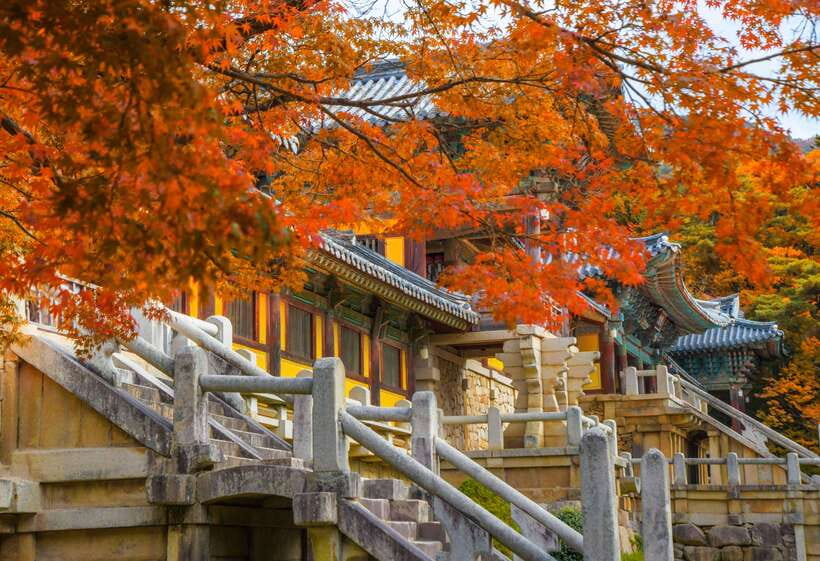
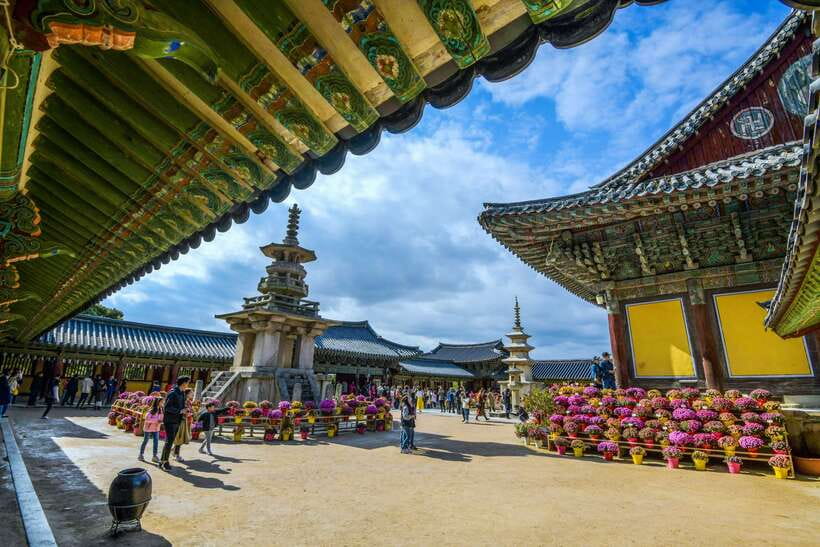
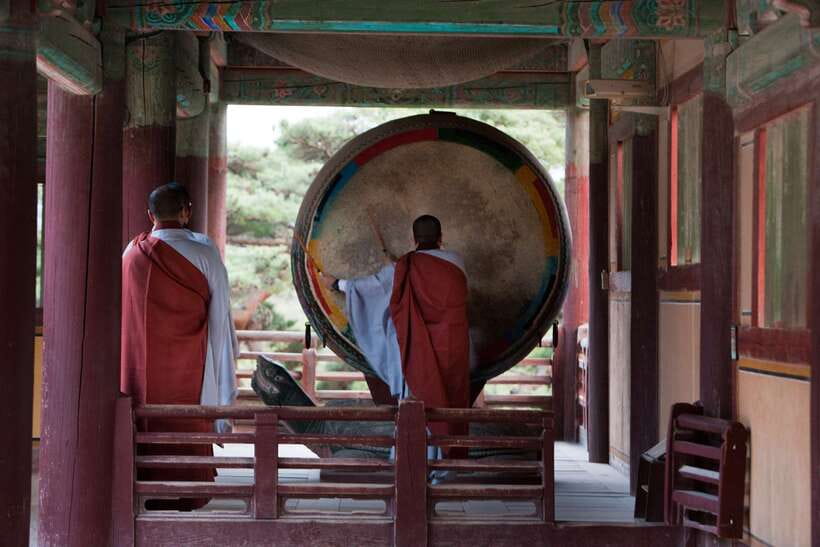
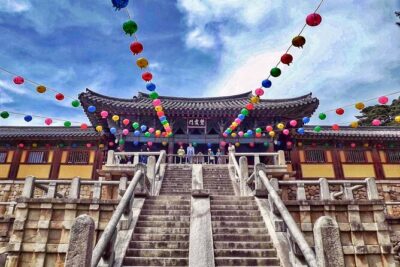
Bulguksa is the first major stop on the sightseeing route, with about 70 minutes for a guided visit. The temple is known for wooden buildings set above carefully built stone terraces. Those terraces are not just a way to reach the upper courtyards. They give the complex a strong sense of order and make the climb itself part of the experience.
A guide is useful here because the details can be easy to miss. You will hear about the temple’s place in Silla-era Buddhism and the meaning behind the buildings and stonework. Without that context, you might simply see an attractive old temple. With it, the site becomes a window into the beliefs and skills of the kingdom that made Gyeongju its capital.
Seventy minutes is enough for an introduction and photographs, but not for a slow examination of every corner. Keep your group’s meeting time in mind. The temple includes steps and uneven ground, so comfortable shoes are not a minor suggestion.
Choose your middle chapter: Yangdong or Gyochon
The biggest decision comes when you select a package. Routes A and B share many stops, but their village visits offer different experiences.
Yangdong Folk Village on Package A
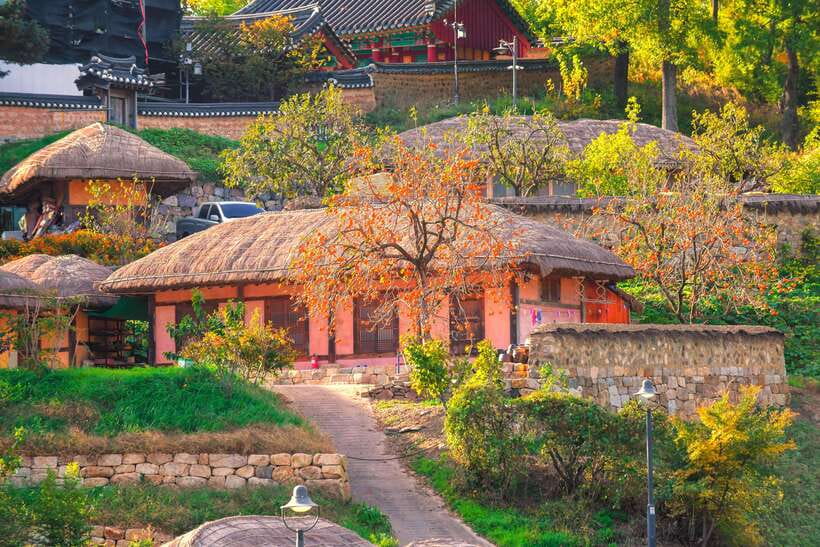
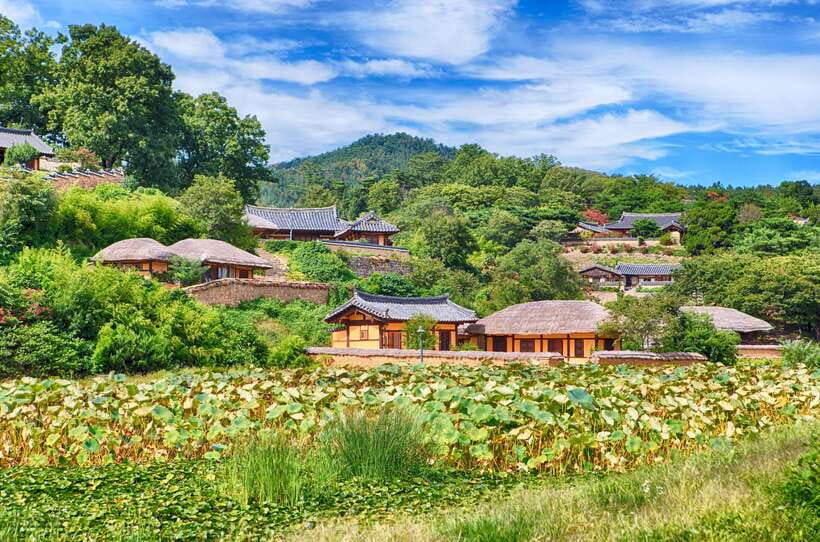
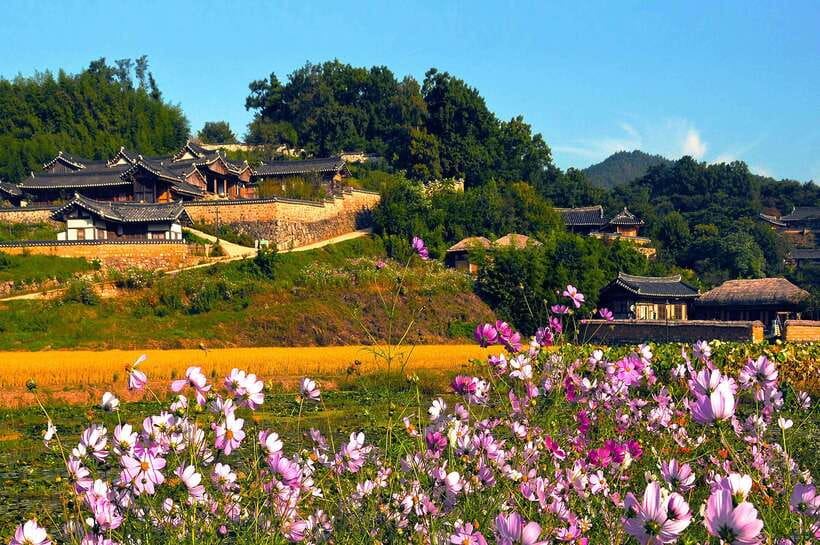
Yangdong Village is a UNESCO World Heritage site with traditional Korean hanok houses and a strong connection to the Joseon dynasty. The village gives you a chance to see how homes, lanes, and hillside settings worked together in an older Korean community.
You get about 90 minutes here, including a guided visit. That is enough time to understand the layout, see traditional houses, and take photographs without turning the stop into a rushed walk-by. The entry fee is included on Package A.
The village is best for you if traditional architecture and local life interest you more than museum displays. It is also the more substantial village stop, so allow for walking on uneven paths and some uphill movement. The drawback is that this package has an especially full day. You gain a major UNESCO site, but you also add another large outdoor visit to an already active schedule.
More Guided Tours in the world:
- Pompeii: Entry Ticket and Guided Tour with an Archaeologist
★ 4.8 · 19,459 reviews - History and Hauntings of Salem Guided Walking Tour
★ 5.0 · 14,564 reviews - Edinburgh: Edinburgh Castle Guided History Tour with Tickets
★ 4.8 · 9,933 reviews - Berlin: Third Reich & Cold War Guided Walking Tour
★ 4.9 · 8,378 reviews
Gyochon Traditional Village on Package B
Package B visits Gyeongju Gyochon Traditional Village for about 100 minutes. This area is linked with the Gyeongju Choi clan, whose ancestral homes help explain the city’s long connection with established Korean families and traditional culture.
Gyochon works well for anyone who wants a traditional village experience with a slightly different focus from Yangdong. The visit is paired with Bulguksa, the tomb complex, Hwangridan Street, Woljeong Bridge, and Donggung Palace, so the day shifts nicely between religious architecture, family heritage, royal burial grounds, modern cafés, and nighttime scenery.
The supplied details do not list a separate Gyochon entry fee as included, so check the exact booking terms for your selected route. The practical lesson is to carry some money for personal expenses and possible costs not covered by the package.
Daereungwon Royal Tombs and the Cheonmachong visit
Packages A and B include Daereungwon Royal Tomb Complex for about 75 minutes. This is where Gyeongju’s royal past becomes especially visible. Instead of stone mausoleums or grand buildings, you see large rounded burial mounds spread through green open space.
The scale is striking. These tombs are not hidden in a remote archaeological zone. They sit within the city, close to cafés and newer streets, making the past feel unusually present. The guide helps explain who was buried here and why the tomb form matters.
Package A includes the entry fee for the Cheonmachong Tomb. That gives you an interior look at one of the burial mounds, rather than viewing only the exterior. If you like archaeology, this is an important difference between the routes.
The paths are generally manageable, but you will be on your feet for much of the visit. Keep water with you, and do not count on every stop having time for a long break.
Hwangridan Street: a short taste of modern Gyeongju
The schedule allows about 30 minutes of free time on Hwangridan Street. This is a compact stop, not a full shopping afternoon. You will find cafés, small shops, street food, and contemporary businesses set among older streets and traditional buildings.
I like this part of the route because it keeps Gyeongju from becoming only a history lesson. You can grab a snack, look at local design, or simply watch the city shift from old royal capital to modern weekend destination. The time is short, so choose one goal instead of trying to explore every side street.
Lunch is not included in the $52 price. The day may include a restaurant stop where you can buy a traditional Korean meal, and some departures allow meal choices to be arranged ahead of arrival for an extra cost. If you have dietary needs, ask what choices are available. One useful point from the tour experience is that vegetarian selection may be limited, so do not assume every menu will suit you.
Woljeong Bridge and Donggung Palace after dark
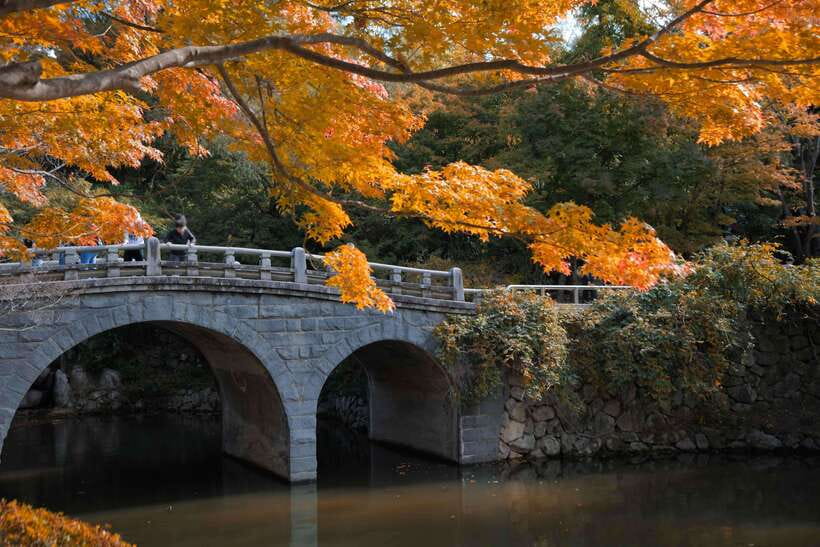
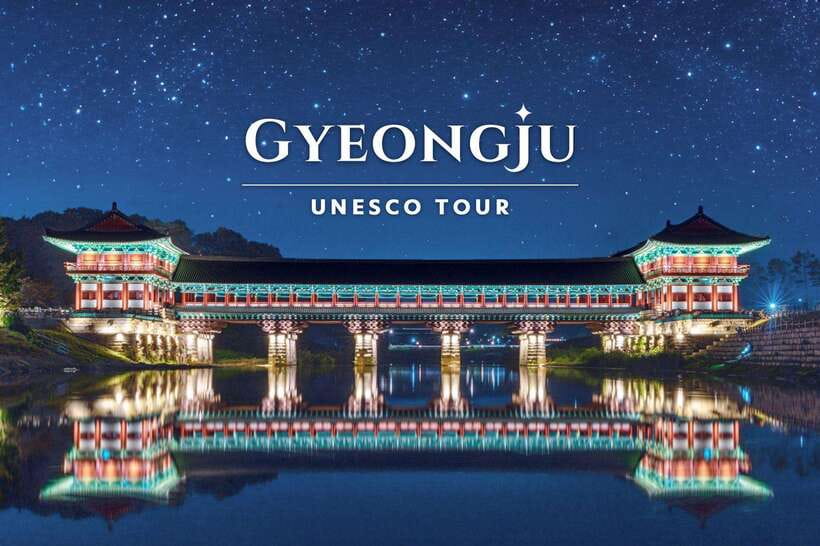
For many people, the strongest part of Packages A and B comes late in the day. Woljeong Bridge is a reconstructed wooden bridge, and the illuminated structure makes an excellent photo stop. The visit lasts about 20 minutes, so you will have time to see the bridge and take photographs, but not to linger for a long riverside walk.
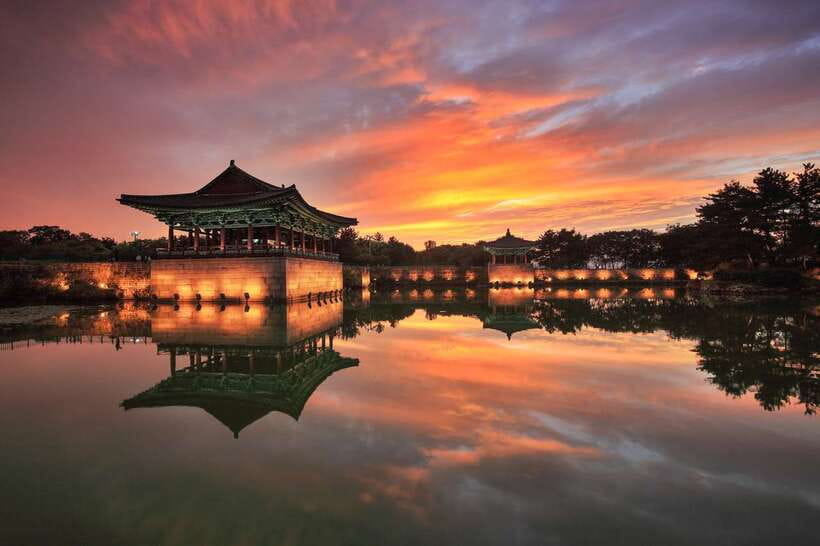
The final stop on these two routes is Donggung Palace and Wolji Pond, with about an hour for sightseeing. This was once part of the Silla palace complex. At night, the lights and their reflections on the pond create a calm, memorable finish after the busier daytime stops.
The evening timing gives this route a pleasing change of mood. You begin with temple stone and end beside reflected palace lights. Still, the timing depends on traffic, weather, and the season. A late arrival could shorten the time available, and rain can affect the views and the comfort of the walk.
If nighttime photography matters to you, choose Package A or B rather than Package C. The glowing bridge and pond are not part of the museum route.
Package C: a better choice for museum people
Package C replaces the village and nighttime route with Gyeongju National Museum. The day still includes Bulguksa, Hwangridan Street, Daereungwon Tomb Complex, and the Cheomseongdae area, but the museum becomes the main late-day stop.
You get about an hour of free time and sightseeing at the museum. Its collection includes Silla gold crowns, Buddhist objects, and other important artifacts. This is the route to choose if you want to see the objects removed from tombs and temples, not just the places where history happened.
Package C is also a good fit if you prefer indoor displays or want a more direct look at Silla art and material culture. Its compromise is visual: you give up the illuminated Woljeong Bridge and Donggung Palace pond. If those night scenes are the images you most want from Gyeongju, pick A or B.
The stop at Hwangridan Street is still brief, and the day remains active. The museum route is not a slow, relaxed alternative. It simply puts more emphasis on artifacts and interpretation.
How the $52 price holds up
At $52 per person, this tour offers solid value if you want several major Gyeongju sites without arranging transport yourself. The price includes the coach, guide service, and some admission fees. Package A includes Yangdong Village and Cheonmachong entry, while Packages A and B include Donggung and Wolji entry.
You still need to budget for food, insurance, and personal purchases. That is normal for a day trip, but the low headline price does not mean the entire day is free of extra costs. Bring money for lunch, drinks, snacks, and any route-specific expense not included.
The value is strongest for first-time visitors to Gyeongju, solo visitors who want help with photographs, and anyone staying in Busan without a rental car. It is less appealing if you dislike group schedules or want to spend an entire afternoon at one temple or village.
The transport earns its keep. Gyeongju’s sights are not all clustered around one station, and the coach avoids the time and uncertainty of building your own route. The trade-off is that you follow the group’s rhythm.
Walking, weather, and the pace of the day
The tour lasts 8 to 12 hours, depending on the route, traffic, and schedule. The listed sightseeing blocks add up quickly, and the two-hour total coach travel makes this a full day rather than a casual excursion.
Wear comfortable shoes with good support. You will walk through temple grounds, villages, tomb areas, streets, and palace grounds. Stairs and uneven surfaces are part of the experience, and one guide was specifically praised for helping older members of a group down steps.
Weather can change the feel of the day. Rain does not cancel the historical value of the stops, but it can make village paths and temple steps less pleasant. The schedule is subject to weather and traffic, so keep your evening plans in Busan flexible.
Infants aged 0 to 2 can join free if they do not occupy a seat. If you bring a stroller, tell the activity provider at least 48 hours ahead. That is especially important because the route includes multiple outdoor sites and a long coach day.
Who should choose this Gyeongju tour?
I would choose this trip if you have one open day in Busan and want a broad introduction to Gyeongju. The guide adds real value by explaining the sites, answering questions, pointing out photo spots, and keeping a large day moving.
It suits you particularly well if:
- You want Silla and Joseon history explained in plain language.
- You prefer coach transport over planning several local connections.
- You want a mix of temples, tombs, villages, city streets, and evening views.
- You are traveling alone and appreciate help taking photos.
- You can handle a long day with plenty of walking.
- You want the convenience of English, Chinese, or Korean support.
I would hesitate if you want a slow pace, dislike meeting times, or already know you prefer deep exploration of just one site. Gyeongju rewards lingering, but this tour is designed to show you many highlights in one sweep.
Should you book it?
Book this tour if you want to turn one day in Busan into a well-organized introduction to Gyeongju. At $52, the transport, guide, and selected admissions make the cost sensible, especially when you add the distance between sites.
Choose Package A for Yangdong Village and the fullest traditional village experience. Choose Package B for Gyochon Village and the same strong evening finish. Choose Package C if Silla artifacts, gold crowns, and museum time matter more to you than illuminated bridges and palace reflections.
The main warning is the pace. You will cover a lot, walk a lot, and spend much of the day with a group. If that sounds like an efficient first look rather than a burden, this is a practical way to meet Gyeongju.
FAQ
How much does the tour cost?
The tour price is $52 per person.
How long does the experience last?
The duration is listed as 8 to 12 hours, depending on the selected route, start time, traffic, and weather.
Where does the tour leave from in Busan?
Pickup options include Seomyeon Station Exit 12, Haeundae Station Exit 5, and KTX Busan Station Exit 1. The exact meeting point depends on the option booked.
Which languages are available?
Live guides and staff are available in English, Chinese, and Korean.
What are the three package choices?
Package A visits Yangdong Folk Village, Bulguksa Temple, Daereungwon and Hwangridan Street, Woljeong Bridge, and Donggung Palace and Wolji Pond. Package B substitutes Gyochon Traditional Village for Yangdong. Package C includes Bulguksa, Hwangridan Street, the Daereungwon and Cheomseongdae area, and Gyeongju National Museum.
Which package includes Yangdong Folk Village?
Yangdong Folk Village is included in Package A.
Which package includes Gyeongju National Museum?
Gyeongju National Museum is included in Package C, with about one hour for free time and sightseeing.
Are meals included?
No. Meals are not included. A restaurant stop may be available, and some departures allow you to choose a meal in advance for an extra cost.
What should I bring?
Bring comfortable shoes. The day includes walking through temple grounds, villages, tomb areas, streets, and palace grounds.
Can infants join the tour?
Infants aged 0 to 2 can join free if they do not occupy a seat. If you bring a stroller, inform the activity provider 48 hours in advance.
Just added around the world
- Scenic Train ride to historical cities of Morretes and Antonina★ 4.0 · 188 reviews
- 6-Day Cultural Tour to Machu Picchu★ 5.0 · 76 reviews
- Jewish Heritage of Curacao★ 4.5 · 68 reviews
- The Curacao’s Colorful History Walking Tour★ 5.0 · 55 reviews
- Discover Scuba Diving Amathounta’s Ancient Port★ 5.0 · 30 reviews
- Olous – Guided Snorkelling Excursion to Discover Olous Sunken Ancient City★ 4.5 · 31 reviews
- Night Walking Tour of Medieval Cuenca★ 5.0 · 64 reviews
- WWII – The Battle of Crete Day Tour★ 5.0 · 103 reviews
South Korea History Tours, compared.
Gyeongju UNESCO World Heritage Guided Day Tour from Busan
Read our review →
Seoul: Evening Dark History, Folklore & Ghost Story Walking Tour
Read our review →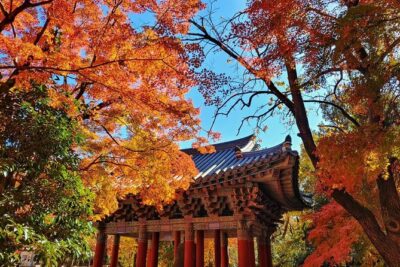
Old Korea Thousand History Tour of Gyeongju from Busan
Read our review →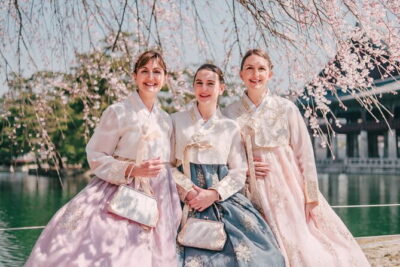
Hanbok Photoshoot and History Tour at Gyeongbokgung Palace
Read our review →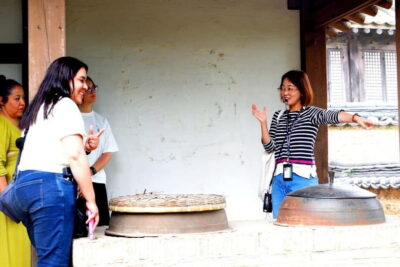
From Seoul: Dae Jang Geum Park Historic K-Drama Set Tour
Read our review →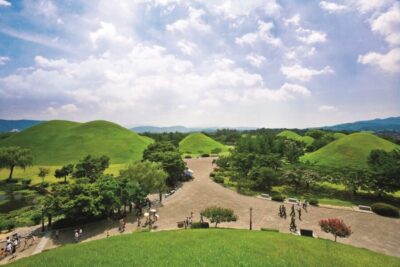
Gyeongju: UNESCO Heritage Tour Including Bulguksa Temple
Read our review →
Seoul: City Highlights and Historical Experience No Shopping
Read our review →
Busan history and market food tour with local chef
Read our review →Browse the lists this tour appears in