
Review · ITALY
Alba: Historic Town Highlights Guided Walking Tour
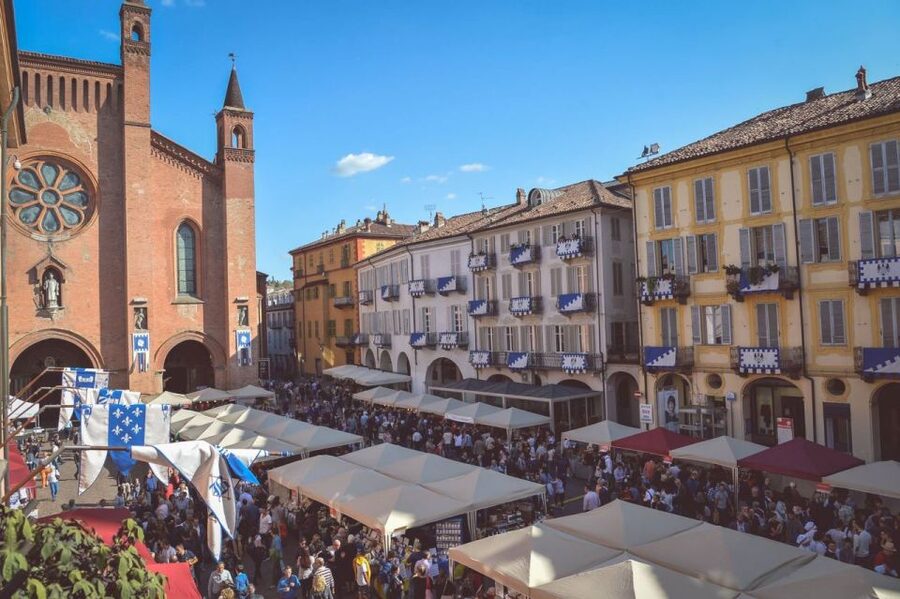
Alba’s old center is easy to underestimate. Behind its pleasant streets and polished shops, you’ll find Roman traces, medieval churches, tall brick towers, bell towers, porticos, and buildings shaped by centuries of town life. This two-hour walk gives you a useful introduction without asking for much time or money.
I especially like the $11 price, which makes a guided introduction easy to add to a Piedmont trip. I also like the chance to see Alba with a local guide such as Agnieszka or Guilia, whose strong command of the town’s history, architecture, and food traditions has earned high praise. The main consideration is that this is a walking overview, not a dedicated tasting tour, so you should not expect food samples simply because the route passes elegant specialty shops.
Key points to know before you book
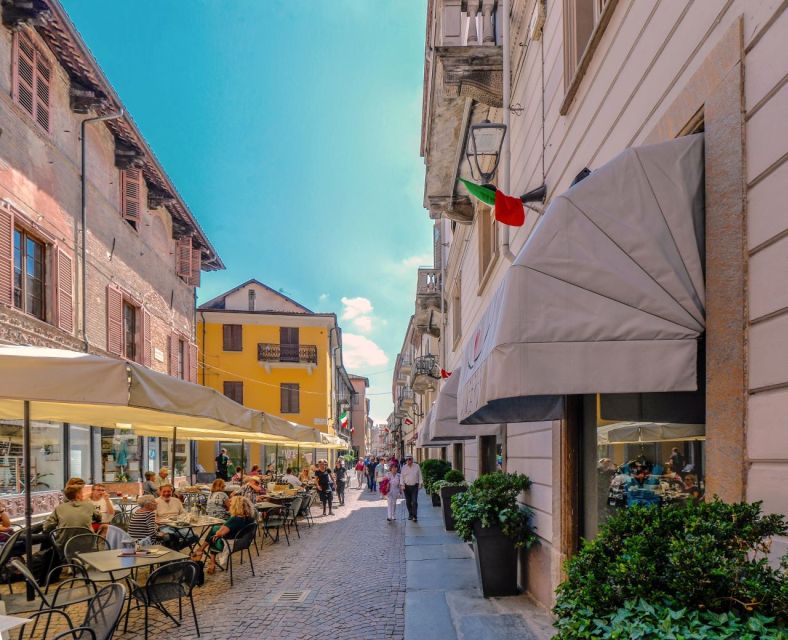
- Roman and medieval Alba in one compact walk: The route connects ancient remains with churches, towers, porticos, and later public and private buildings.
- A good first look at the Langhe’s main town: You’ll get your bearings in Alba’s old center before exploring on your own.
- Guides bring the town to life: Agnieszka and Guilia are singled out for clear, thorough explanations and a strong feel for local culture.
- Only two hours, with time for photos: The pace suits a short orientation, though it cannot cover every corner of Alba.
- Specialty shops are part of the setting: You’ll see boutiques and typical-product stores, but food tasting is not listed as an included feature.
- Simple, flexible booking: The tour is offered in English or Italian, is wheelchair accessible, and allows free cancellation up to 24 hours ahead.
Why Alba is worth seeing on foot
Alba is known as the capital of the Langhe hills, but the town itself is the focus here. Its old center preserves the outline and character of an ancient settlement, with towers still rising above the streets and buildings gathered close around public spaces.
That makes Alba a particularly good place for a walking tour. You are not simply moving between isolated sights. The appeal comes from seeing how the pieces fit together: Roman remains near medieval structures, churches facing town squares, porticos offering shade and shelter, and modern shops operating inside a traditional setting.
I like tours that help you read a town rather than just point at its most famous building. This one appears designed for that purpose. The guide explains the buildings and the history around them while you walk, so the streets become easier to understand during the rest of your visit.
The setting also has a pleasing contrast. Alba has an old-fashioned architectural frame, but its food shops, boutiques, and art exhibitions give the center a modern, outward-looking feel. You can look at the stone and brickwork, then step into a refined store selling typical Piedmont products. That mix is one of the town’s main pleasures.
More History Walking Tours in Italy
- Venice: City Center Historical Guided Walking Tour
★ 4.2 · 1,873 reviews - Palermo: Street Food and History Walking Tour
★ 4.9 · 1,486 reviews - Verona: History and Hidden Gems Guided Walking Tour
★ 5.0 · 1,379 reviews
Meeting at Piazza Risorgimento, 2
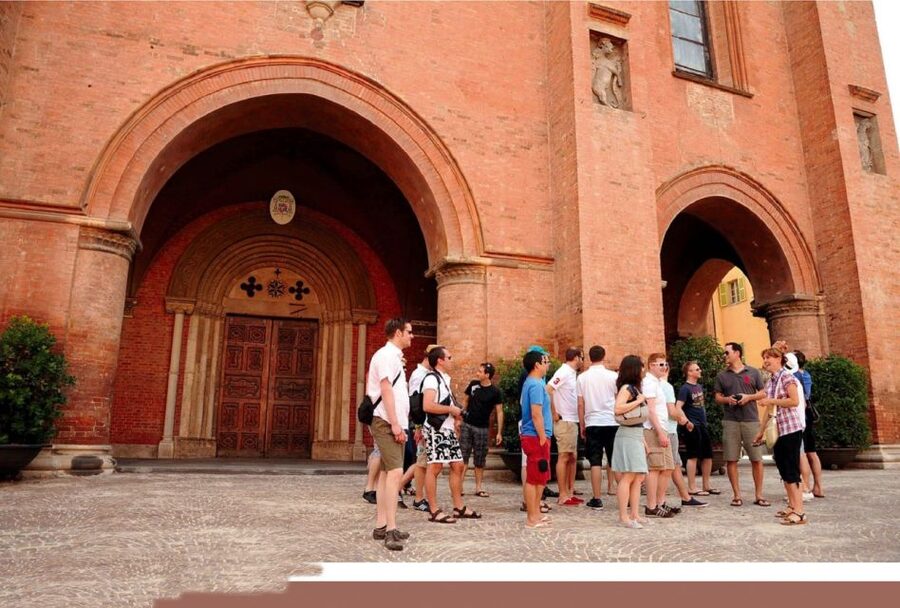
The tour begins and ends at Piazza Risorgimento, 2. Starting and returning to the same place keeps the logistics simple, especially if you are fitting this walk between meals, shopping, or other plans in Alba.
From the meeting point, the guide leads you into the town center for a combination of sightseeing and commentary. The exact order of sights can vary, and starting times depend on availability, so check the schedule before you commit to a particular part of your day.
A central meeting point also makes this tour useful early in your visit. You can get a broad sense of Alba’s layout, then return to places that catch your eye. If you already know the town well, the walk may feel more like a refresher than a major discovery.
The tour is listed as wheelchair accessible. Since the experience takes place in the historic center, you should still confirm any personal mobility needs when booking, but the accessibility information is an important advantage for visitors who want a guided introduction without ruling out a walking route.
Towers, churches, and Alba’s medieval character
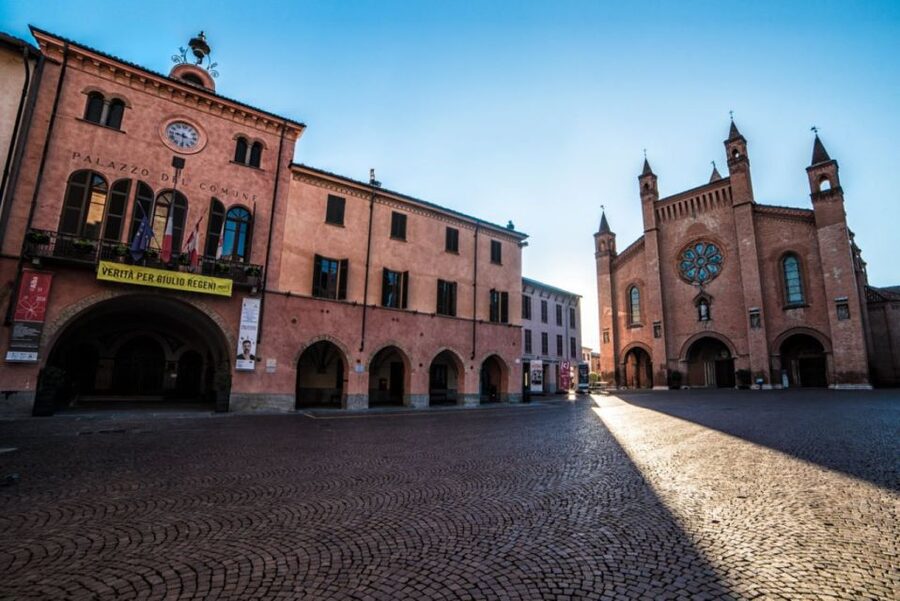
The towers are among the most distinctive features of the old center. They reflect an urban system that developed over thousands of years and remain a visual marker of Alba’s past. You’ll see them not as museum pieces in isolation, but as part of the town’s streets and buildings.
That is where a local guide adds value. A tower can look like an attractive old structure when you pass it alone. With context, it becomes part of the story of how the town was built and how its center changed over time.
Churches and bell towers add another layer to the walk. The route includes medieval churches as well as other religious and civic buildings, giving you a chance to compare different styles and periods. The emphasis is not only on decoration. You’ll also hear how these buildings fit into Alba’s wider development.
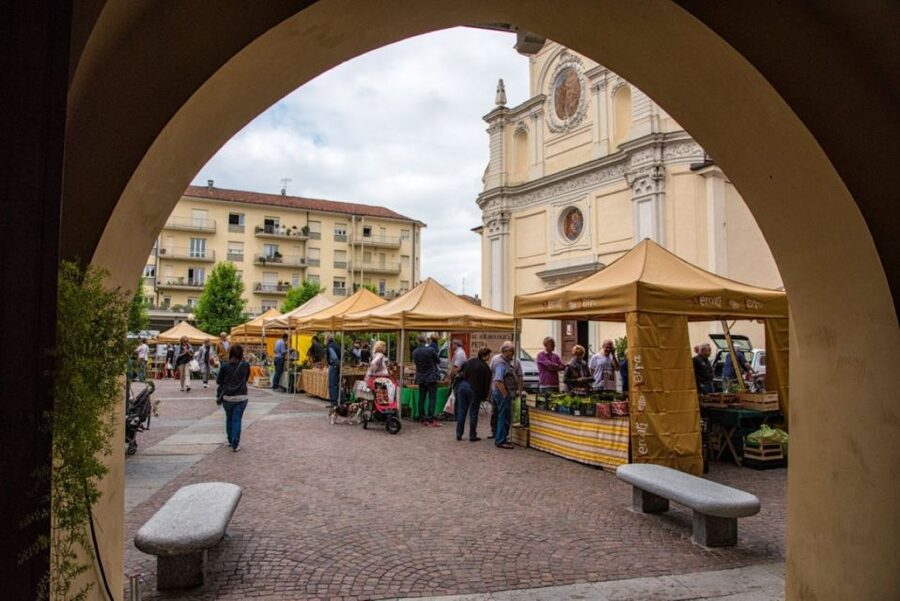
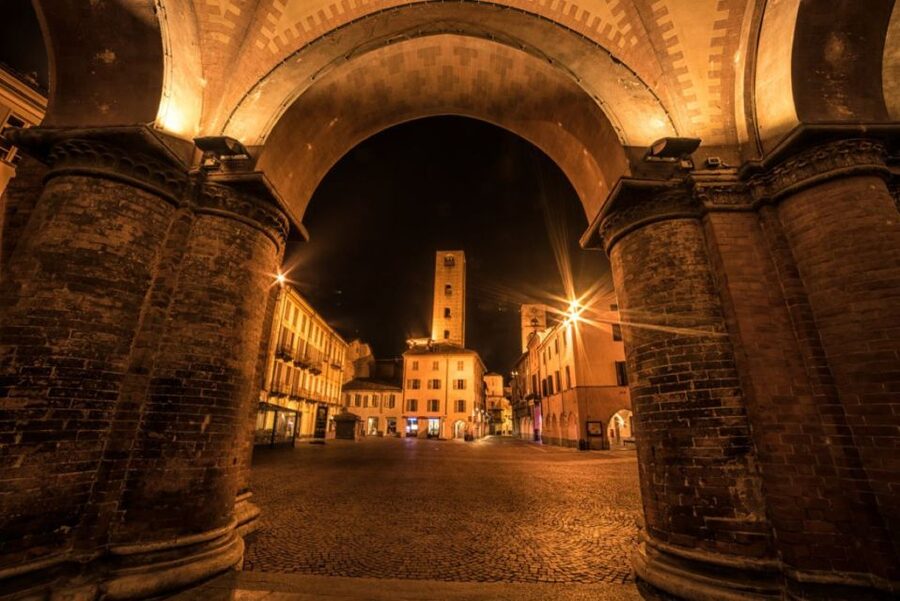
Porticos are another practical feature worth noticing. They shape the feel of many Italian town centers, and in Alba they help connect the historic architecture with daily life. You can walk beneath them, look toward the façades, and see how older buildings still support shops and public activity.
The tour is likely to be most rewarding if you pause to look up. Alba’s strongest details are not always at street level. Towers, bell towers, upper façades, and rooflines help explain why the old center feels different from a typical shopping district.
Roman remains and a town built over time
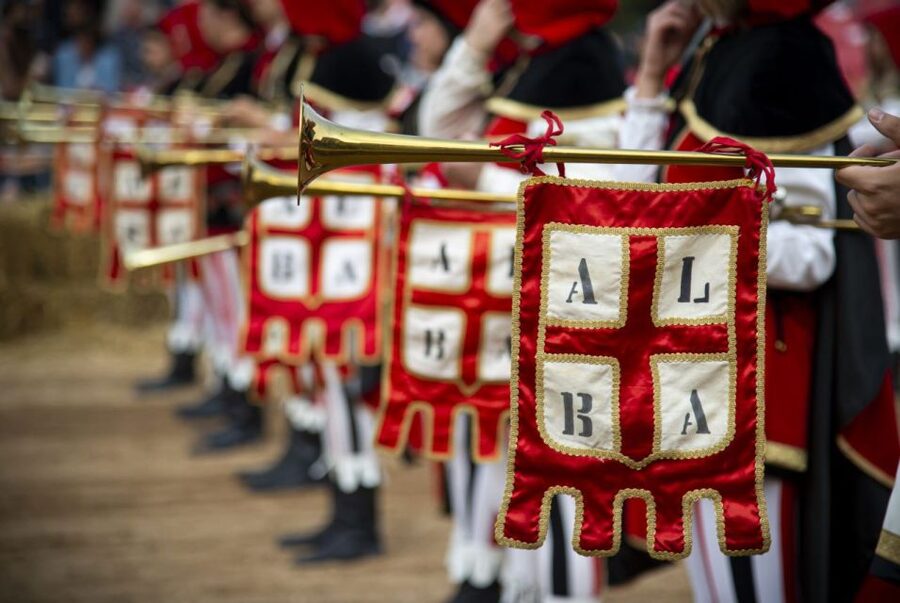
The walk also includes Roman remains, which give Alba a much older starting point than its medieval appearance might suggest. Seeing these traces alongside later churches and towers helps you understand the town as a place that was repeatedly adapted rather than rebuilt from scratch.
I find this kind of historical layering more useful than a long list of dates. You can see how one period left pieces for the next, and how the present town still carries those earlier forms. The guide’s job is to connect those pieces so the remains do not feel like unrelated fragments.
The information provided does not specify the exact Roman sites visited or how much time is spent at each one. That is worth keeping in mind if you are hoping for a detailed archaeological tour. This is a broad town walk, with Roman features forming one part of a larger route.
Still, the combination is a strength. A tour limited to Roman remains would give you one slice of Alba. A tour limited to shopping streets would miss the town’s older foundations. Here, the ancient and medieval elements sit within the same two-hour introduction.
Same city, a different century:
- Pompeii: Entry Ticket and Guided Tour with an Archaeologist
★ 4.8 · 19,459 reviews - Colosseum: Underground and Ancient Rome Tour
★ 4.7 · 12,691 reviews - Pompeii: Small Group Tour with an Archaeologist
★ 4.8 · 12,264 reviews - Pompeii Small Group Tour with an Archaeologist
★ 5.0 · 6,593 reviews
A look at Alba’s food shops and boutiques
Alba’s character is not only architectural. The center also includes elegant shops selling typical local products, along with boutiques and art exhibitions. These places show how the town combines its traditional identity with a more cosmopolitan side.
You’ll notice the scents and displays of specialty products as you walk. That can make the route feel more connected to everyday Alba than a monument-only tour. The town’s food culture is part of its identity, even when the experience is focused on sightseeing rather than eating.
Be clear about what is included. The tour does not list a tasting, meal, or food sample as part of the price. You may pass shops where you can later browse or buy local products, but those purchases are separate.
For me, this is a useful distinction. At $11, the walk offers good value as a town orientation. It does not promise the fuller food experience of a tasting tour. If your main goal is to sample Piedmont specialties, you’ll need to make separate plans.
The boutiques and art displays also give you a reason to linger after the walk. Since the route returns to Piazza Risorgimento, you can continue exploring from the same central area. Just remember that the official two-hour experience includes walking, sightseeing, a break, and photo time, so the guide cannot spend long inside every shop.
What the two-hour itinerary feels like
The main portion is a guided walk through Alba, with stops for sightseeing and explanations. Expect the guide to point out the old town’s towers, churches, bell towers, porticos, public buildings, private buildings, and Roman or medieval features as the route unfolds.
There is also a break and photo stop. That matters because a historic center can become a blur if you are constantly moving. A short pause lets you take pictures, catch up with the guide, and look more carefully at details you might otherwise miss.
The tour finishes back at Piazza Risorgimento, 2. The return point makes it easy to continue with your day, though the supplied information does not give a precise route length, group size, or exact list of monuments. You should treat the experience as a flexible introduction rather than a fixed museum-style program.
Two hours is a sensible length for most people. It is long enough to add context to a walk through the center, but short enough to fit into a day that includes lunch, shopping, or a wider visit around the Langhe hills.
The trade-off is coverage. Alba has more to see than any two-hour route can include. If you want detailed interior visits, extended time at each church, or a full study of the town’s architecture, you may find the pace too limited. For a first orientation, the shorter format works well.
The guides: Agnieszka and Guilia
The strongest praise is directed at the guides. Agnieszka is described as bringing deep familiarity with Alba’s history, architecture, and cuisine, along with clear enthusiasm for the town’s small details. That combination matters because Alba’s interest comes from many modest features working together.
Guilia is also praised for being thorough and well informed. A guide who explains carefully can make a short tour feel substantial, especially when the route includes several periods and types of buildings.
The tour operates in English and Italian. If you need English, check that your chosen departure is offered in that language, since language availability can depend on the scheduled guide.
A local guide can also help you notice links between architecture and local products. The supplied information does not promise restaurant advice, shopping assistance, or a private tour, so do not assume those extras. What you are paying for is a live, guided walk through Alba’s historic center.
Is $11 good value?
Yes, for the right purpose. At $11 per person, this is an inexpensive way to add structure and local explanation to your time in Alba. Even a short guided walk can save you from passing the towers, churches, and Roman remains without understanding why they matter.
The value is especially strong if you are visiting Alba for the first time, have only part of a day, or prefer a guide to wandering without context. The two-hour length also keeps the cost of your time under control.
The price is less compelling if you expect a full food experience or extensive interior access. No tasting, meal, entrance ticket, or special product is listed as included. The value lies in the guiding and the route through the town, not in extras.
Free cancellation up to 24 hours before the start adds useful flexibility. You can also reserve now and pay later, which helps if your Piedmont schedule is still changing. An invoice can be requested by contacting [email protected] within 24 to 48 hours of purchase.
Who should book this Alba walk?
I would recommend it to first-time visitors who want a clear introduction to Alba’s old center. It also suits anyone who enjoys architecture, town history, Roman remains, medieval churches, and the small details of traditional Italian streets.
It is a good fit for a short stop. If you are passing through the Langhe and want more than a quick look around the main square, two hours gives your visit a useful shape without taking over the day.
Food-focused visitors can still benefit, but they should set the right expectation. The route brings you near specialty shops and typical products, yet it is not a tasting experience. Think of it as a way to understand the town before deciding where to shop or eat.
The tour may be less suitable for someone who wants a highly specialized archaeological walk, a long architecture lecture, or a private itinerary built around personal interests. The available information does not give a private-tour format or a detailed monument-by-monument schedule.
Should you book the Historic Town Highlights tour?
Book it if you want an affordable, accessible introduction to Alba with an English- or Italian-speaking local guide. The best reasons are the compact two-hour format, the mix of Roman and medieval sights, and the chance to see Alba’s towers, churches, porticos, and specialty shops as parts of one living town.
I would especially consider it near the start of your stay. The walk can give you the background needed to appreciate later visits, shopping, and meals. Agnieszka and Guilia are strong names to look for when checking available departures.
Skip it if your main goal is food sampling or a detailed archaeological study. For everyone else, $11 is a small outlay for a useful orientation in one of Piedmont’s most appealing historic centers.
FAQ
Where does the Alba walking tour start?
The tour starts at Piazza Risorgimento, 2, in Alba.
Where does the tour finish?
The walk returns to Piazza Risorgimento, 2.
How long does the tour last?
The guided experience lasts two hours.
What languages are available?
The tour is offered in English and Italian with a live local guide.
What can I see during the walk?
The route includes Alba’s towers, churches, bell towers, porticos, public and private buildings, Roman remains, and medieval features.
Is food tasting included?
A food tasting is not listed as an included feature. The route passes typical-product shops, boutiques, and places connected with Alba’s food culture.
Is the tour wheelchair accessible?
Yes, the activity is listed as wheelchair accessible.
How much does the tour cost?
The price is $11 per person.
Can I cancel for a full refund?
Yes. You can cancel up to 24 hours in advance for a full refund.
Can I reserve now and pay later?
Yes. The booking option allows you to reserve your place and pay nothing at the time of booking.
Just added around Italy
- Guided Cultural Tour of the Godfather Film in Messina★ 5.0 · 31 reviews
- Guided tour of the Riace Bronzes and the Archaeological Museum of Reggio Calabria★ 5.0 · 44 reviews
- SU NURAXI BARUMINI Unesco World Heritage Site★ 5.0 · 129 reviews
- Brescia the Unexpected: History, Local Stories & a drink★ 5.0 · 31 reviews
- Bolognese Cooking Class with Margherita in the Historic Center★ 5.0 · 26 reviews
- Tower and Power, Virtual tour in Medieval Bologna★ 4.5 · 54 reviews
- Bologna historical art walking tour with hidden gems and tastings★ 5.0 · 108 reviews
- Best of Bologna in one day : Food, architecture, art and history★ 5.0 · 27 reviews
Italy History Tours, compared.
Pompeii: Entry Ticket and Guided Tour with an Archaeologist
Read our review →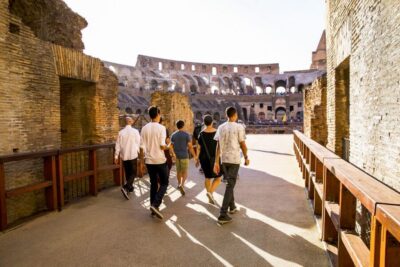
Colosseum: Underground and Ancient Rome Tour
Read our review →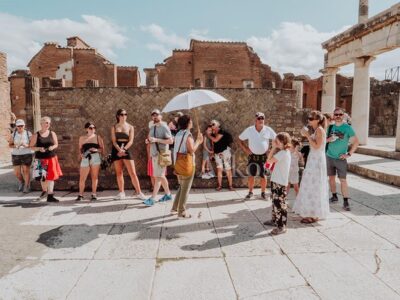
Pompeii: Small Group Tour with an Archaeologist
Read our review →Pompeii Small Group Tour with an Archaeologist
Read our review →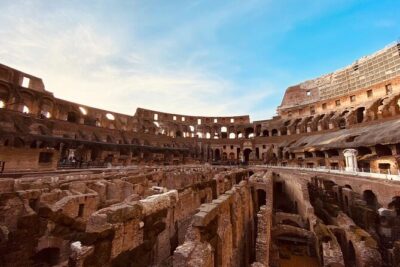
Rome: Colosseum with Arena, Roman Forum and Palatine Guided Tour
Read our review →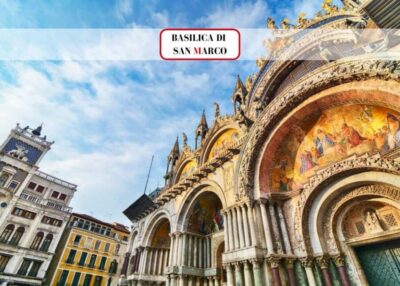
Venice: St. Mark’s Basilica Guided Tour & VR History Intro
Read our review →
Colosseum with Arena, Roman Forum and Palatine Hill Guided Tour
Read our review →
Herculaneum: Skip-the-Line Guided Tour with Archaeologist
Read our review →Browse the lists this tour appears in