
Review · ITALY
Alberobello: History Walking Tour
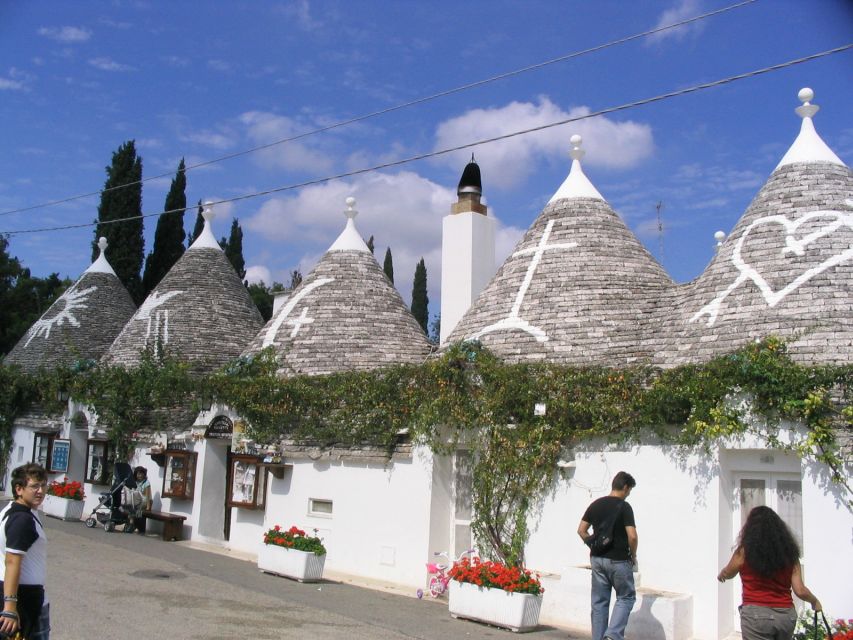
Alberobello’s trulli look almost too neat to be real: round stone houses topped with white cones, gathered along narrow lanes in the heart of Apulia. This walking tour gives you the useful backstory behind that strange and beautiful design, then takes you through both Rione Monti and Aia Piccola before stepping inside a traditional home.
I like the opening view from the Belvedere terrace, which helps you understand Alberobello’s layout before you start wandering. I also like the chance to enter a trullo, since the outside only tells half the story. The main consideration is time: 90 minutes to two hours is enough for an introduction, but not enough for an unhurried look at every corner.
Key points at a glance
- See Alberobello from the Belvedere terrace: Begin with a clear view and an introduction to the town’s unusual building style.
- Visit both trullo districts: Walk through Rione Monti and Aia Piccola, two areas with different moods and character.
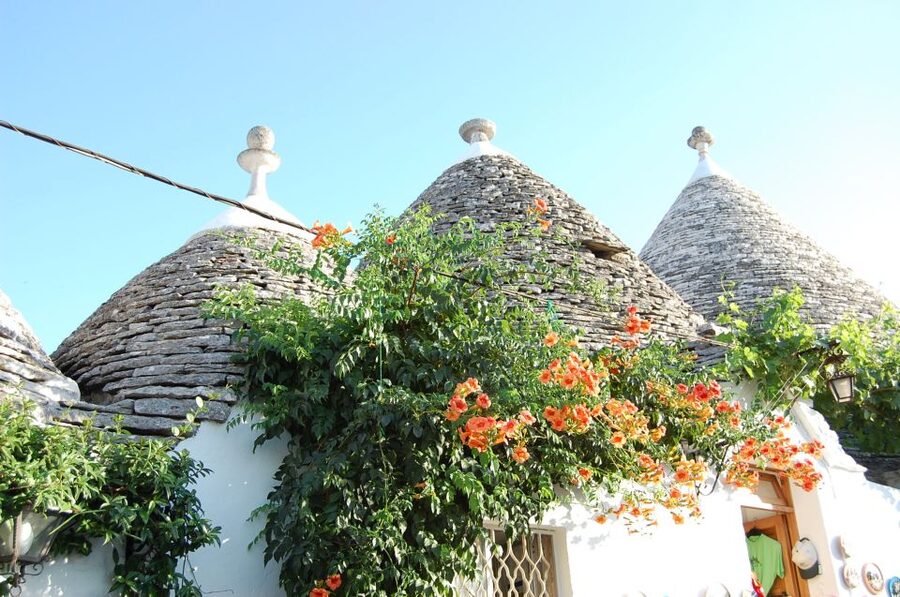
- Enter a traditional trullo: See how the cone-shaped roof and stone construction work from inside.
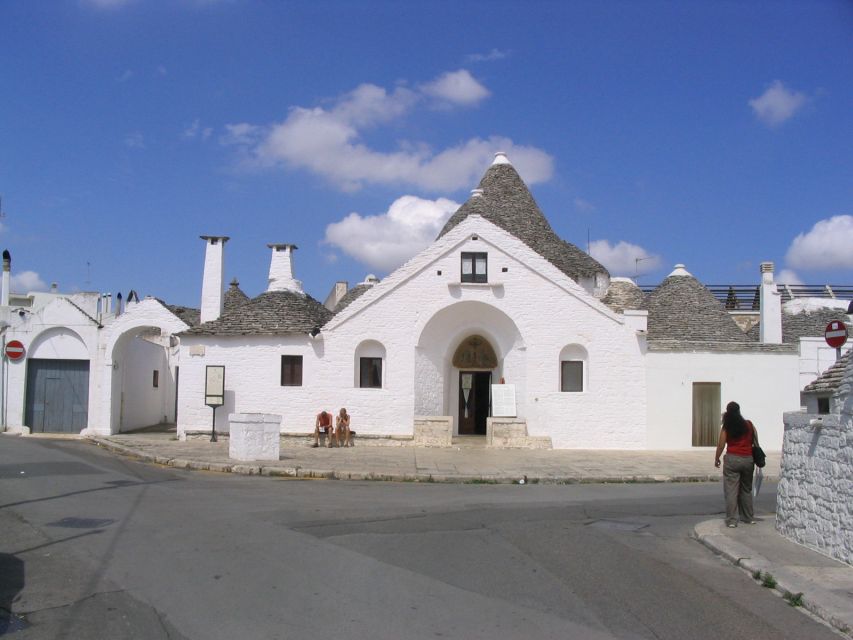
- Reach San Antonio Church: Follow the lanes to Alberobello’s trullo-shaped church.
- Choose a language that suits you: Tours are offered in English, French, Spanish, and Italian.
- Pay for context, not transport: At $40 per person, the value rests in the guide’s explanation and local access, since transfers are not included.
Why a guided walk helps in Alberobello
Alberobello is easy to photograph and harder to understand on your own. The whitewashed walls, stacked stones, cone roofs, and painted symbols can blur into one pretty scene unless someone explains what you are seeing.
That is where this tour earns its keep. A licensed local guide puts the buildings into context as you walk, explaining the history of the trulli and why people in the area built them from stone without cement. You are not simply passing a row of unusual houses. You are learning how the architecture works and why it became so closely tied to Alberobello.
The 4.6 rating from 223 ratings suggests steady satisfaction, and the strongest praise centers on the guides themselves. Francesco is described as warm, clear in English, and especially good at bringing you into historic homes. Mario is praised for making the history easy to follow, while Floriana is noted for a pleasant manner and strong command of local history. Alessandro is described as kind, accommodating, and full of useful information.
Guide quality can vary from one departure to another, of course. Still, the format gives the guide room to answer questions, point out small details, and adjust the pace. That is more useful here than a recorded commentary.
More History Walking Tours in Italy
- Venice: City Center Historical Guided Walking Tour
★ 4.2 · 1,873 reviews - Palermo: Street Food and History Walking Tour
★ 4.9 · 1,486 reviews - Verona: History and Hidden Gems Guided Walking Tour
★ 5.0 · 1,379 reviews
Starting at the Belvedere terrace
The tour begins at a terrace with a view over Alberobello. This is a smart first stop because the trulli make more sense when you can see them gathered together rather than one house at a time.
From above, you get your bearings before entering the lanes. Your guide introduces the history of the UNESCO World Heritage Site and explains what makes the town important. This opening also gives you a chance to see how the two main districts fit into the visit.
I appreciate this kind of start because it avoids the usual problem of beginning in a narrow lane with no idea where you are. The terrace gives the tour a clear shape: first understand the town, then walk through it, then see the inside of a home.
The exact meeting point can vary according to the option you book, so check your confirmation carefully. The activity finishes back at the meeting point, and no transfer is provided. If you are arriving from another town, you need to arrange your own way to Alberobello and to the stated starting place.
Rione Monti and the feel of the trulli lanes
From the terrace, the walk continues into Rione Monti. This is one of the two districts named in the itinerary, and it gives you a chance to see the trulli in a close, street-level setting.
The value of having a guide here is detail. You can look at the roofs, walls, doorways, and unusual shapes while the guide explains what they mean and how the structures were put together. A guide can also help you separate original features from the parts that are simply attractive to the eye.
The lanes are part of the experience. You walk rather than ride, so the tour stays focused on scale and texture. You can pause beside a cone-shaped roof, look along an alley, and compare one trullo with the next.
Some of the strongest guide comments focus on this personal side of the walk. Alessandro, for example, is praised for arranging visits with local residents, while Francesco is remembered for explaining each small detail inside historic houses. Those personal encounters can turn a standard architecture walk into something warmer and more grounded.
Still, keep your expectations sensible. This is a short town walk, not a long architectural study. You will gain a clear introduction, but you will not examine every trullo in Alberobello.
Aia Piccola and a different side of Alberobello
The route also takes you through Aia Piccola. Seeing both districts matters because it gives the tour more range than a quick stroll through the most photographed lanes.
Your guide explains the town as you move between the two areas, helping you notice how the trulli fit into their surroundings. Aia Piccola is included as a distinct part of the walk rather than treated as an afterthought, so you get a broader picture of Alberobello’s traditional housing.
The contrast between districts is one reason I would choose this tour over simply taking photos near the main viewpoint. You are not locked into one postcard scene. You see more of the town and hear how its buildings relate to local life and history.
One useful detail from the tour’s feedback is that guides have adapted when people arrived very late. I would not count on that as a policy, but it does suggest that the walk can have a human, flexible feel. You should still arrive on time, especially because the starting point may differ by option.
Same city, a different century:
- Pompeii: Entry Ticket and Guided Tour with an Archaeologist
★ 4.8 · 19,459 reviews - Colosseum: Underground and Ancient Rome Tour
★ 4.7 · 12,691 reviews - Pompeii: Small Group Tour with an Archaeologist
★ 4.8 · 12,264 reviews - Pompeii Small Group Tour with an Archaeologist
★ 5.0 · 6,593 reviews
Reaching the trullo-shaped Church of San Antonio
Walking through the lanes brings you to the Church of San Antonio, built in the shape of a trullo. This is one of the route’s most memorable details because the trullo form is not limited to private homes.
The church helps you see how local design became a visual identity for the town. Its shape links the religious building to the houses around it, giving the walk a satisfying destination rather than a series of disconnected stops.
I would pay attention here to the relationship between the church and the surrounding trulli. The guide can explain the form in context, while you see how the cone roof looks on a much larger building.
Do not expect a long church visit to be the central feature. The tour is about Alberobello as a whole, with San Antonio Church serving as an important stop along the route.
Inside a traditional trullo
The most useful part of the experience is the visit inside a local home. From the outside, a trullo can look like a simple white cylinder with a pointed roof. Inside, you get a better idea of how the space is arranged and how the unusual roof affects the building.
The guide shows you how a trullo is composed, explaining the construction and the relationship between the stone walls and cone-shaped roof. This is where the walk’s historical information becomes practical. You are no longer hearing about architecture in the abstract. You are looking at the rooms and structure in front of you.
This stop also gives the tour a personal quality. Several of the praised guides are noted for bringing people inside historic houses and explaining small features that are easy to miss. That access is a strong reason to pay for a guided tour instead of making your own walk around town.
The home visit may be less appealing to you if you prefer a fast, purely outdoor sightseeing route. For me, it is the point that makes the tour feel complete. You see the town from above, walk through both districts, and then inspect one trullo from within.
What the $40 price really covers
At $40 per person, this is not a bargain if you only want a quick look at the cones. You can walk around Alberobello without a guide. The price makes better sense if you want the history explained, help understanding the construction, and access to the inside of a traditional trullo.
The fee includes the walking tour and a licensed guide. It does not include transfers, so the cost is only for the guided experience itself.
The short duration also affects the value. At 1.5 to two hours, you get a compact introduction that fits well into a day in Apulia. It is long enough to cover the viewpoint, both districts, the church, and the home visit without taking over your entire schedule.
I would book it if Alberobello is new to you or if architecture usually looks better after someone explains it. I would skip it if you have already had a detailed private tour and only want free time to wander.
A private group option is available. That is worth considering for families or small groups that want more control over questions and pace, though the standard price and exact private-group terms should be checked when booking.
Which guide style might suit you
The tour is offered in English, French, Spanish, and Italian. That matters in a place where the story depends on explanation rather than just scenery.
The guide names connected with particularly strong praise include Francesco, Dominicio, Floriana, Sylvia, Mario, Roberta, and Alessandro. Their strengths differ slightly:
- Francesco is noted for strong English, a welcoming manner, historic house visits, and local product tasting on one outing.
- Dominicio is praised for storytelling that makes the history engaging.
- Floriana is described as pleasant, humorous, and strong on historical detail.
- Sylvia is associated with a warm walk through the UNESCO site and local food tasting.
- Mario is praised for explaining the trulli clearly and making the tour enjoyable.
- Roberta is noted for explaining why the buildings were made from rock without cement, as well as their architecture.
- Alessandro is remembered for being accommodating and for connecting the walk with local residents.
You may not receive one of these guides, and local product tasting is not listed as a standard inclusion. Treat it as a possible extra rather than a promised part of the tour.
Timing, children, and practical planning
The tour lasts between 1.5 and two hours. Starting times depend on availability, so check the date and time before you commit to another activity afterward.
A minimum of two participants is required for the tour to run. That is important if you are booking alone, since a solo reservation may not be enough to operate the departure.
Children under 18 go free. For a family, that changes the value considerably, especially if the children are interested in unusual houses, churches, or local stories. The walk still requires attention for up to two hours, so think about your child’s patience before booking.
The route is on foot, with narrow alleys and stops along the way. The supplied information does not specify accessibility details, so ask the provider if you need a precise answer about surfaces, steps, or mobility equipment.
You can cancel up to 24 hours before the activity for a full refund, and the reserve-now, pay-later option lets you hold a place without paying today. Those policies are useful when your Apulia schedule is still shifting.
Who should book this Alberobello walk
I would recommend this tour to a first-time visitor who wants more than photographs. It suits you especially well if you like local architecture, short historical walks, and small details that are easy to miss alone.
Families may also find it a good fit because children under 18 are free and the trulli offer an immediate visual hook. The home visit gives the walk a change of pace, which helps keep the experience from becoming a long string of similar roofs.
It is also a practical choice if you have limited time in Alberobello. The route covers the main districts, the viewpoint, the church, and a traditional interior in one compact outing.
I would be more cautious if you dislike guided sightseeing or want hours of free wandering. The $40 cost is paying for interpretation and access, not transport or a full-day tour.
Should you book it?
Book this walking tour if you want Alberobello to make sense, not just look pretty. The Belvedere view, two trullo districts, San Antonio Church, and the interior of a traditional home create a well-shaped introduction to the town.
The best reason to go is the guide. Names such as Francesco, Mario, Floriana, Roberta, and Alessandro are tied to clear explanations, warm interaction, and useful local detail. The only real drawback is the compact format: you will get a strong overview, not an exhaustive study.
For $40, I think the tour is good value for a first visit, particularly if you are traveling with children under 18 or can join a small group. Check the meeting point, language, minimum participation rule, and start time before booking, then let the guide handle the stories while you enjoy those remarkable stone cones.
FAQ
Where does the Alberobello History Walking Tour take place?
The tour takes place in Alberobello in Apulia, Italy. It visits the Belvedere terrace, Rione Monti, Aia Piccola, the trullo-shaped Church of San Antonio, and a traditional trullo interior.
How long does the tour last?
The tour lasts between 1.5 and two hours. Available starting times depend on the date you select.
What is included in the price?
The $40 price includes the walking tour and a licensed guide. Transfers are not included.
Which languages are available?
The tour is available in English, French, Spanish, and Italian.
Can I book a private group?
Yes. A private group option is available.
Is the tour free for children?
Yes. Children under 18 can join for free.
How many people are needed for the tour to run?
A minimum of two participants is required for the tour to operate.
Will I go inside a trullo?
Yes. The itinerary includes a visit to a local home where you can see how a traditional trullo is composed.
Does the tour visit both main trullo districts?
Yes. The route includes both Rione Monti and Aia Piccola.
Can I cancel for a full refund?
Yes. You can cancel up to 24 hours in advance for a full refund. You can also reserve now and pay later.
Just added around Italy
- Guided Cultural Tour of the Godfather Film in Messina★ 5.0 · 31 reviews
- Guided tour of the Riace Bronzes and the Archaeological Museum of Reggio Calabria★ 5.0 · 44 reviews
- SU NURAXI BARUMINI Unesco World Heritage Site★ 5.0 · 129 reviews
- Brescia the Unexpected: History, Local Stories & a drink★ 5.0 · 31 reviews
- Bolognese Cooking Class with Margherita in the Historic Center★ 5.0 · 26 reviews
- Tower and Power, Virtual tour in Medieval Bologna★ 4.5 · 54 reviews
- Bologna historical art walking tour with hidden gems and tastings★ 5.0 · 108 reviews
- Best of Bologna in one day : Food, architecture, art and history★ 5.0 · 27 reviews
Italy History Tours, compared.
Pompeii: Entry Ticket and Guided Tour with an Archaeologist
Read our review →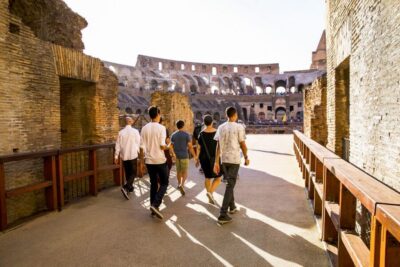
Colosseum: Underground and Ancient Rome Tour
Read our review →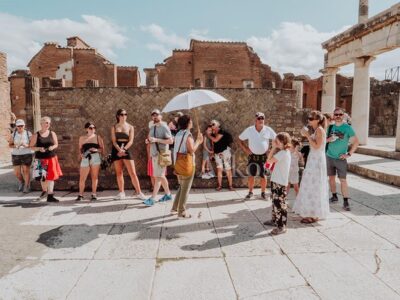
Pompeii: Small Group Tour with an Archaeologist
Read our review →Pompeii Small Group Tour with an Archaeologist
Read our review →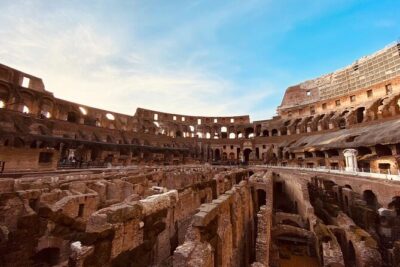
Rome: Colosseum with Arena, Roman Forum and Palatine Guided Tour
Read our review →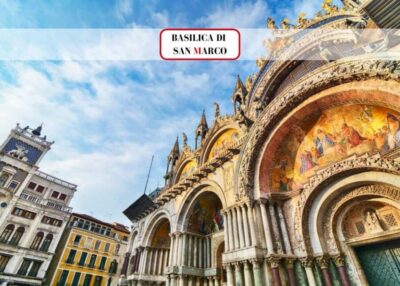
Venice: St. Mark’s Basilica Guided Tour & VR History Intro
Read our review →
Colosseum with Arena, Roman Forum and Palatine Hill Guided Tour
Read our review →
Herculaneum: Skip-the-Line Guided Tour with Archaeologist
Read our review →Browse the lists this tour appears in