
Review · ITALY
Alghero: walking tours around the ancient city
Alghero’s old town is more than a pretty maze of stone lanes. It is a Catalan town in Sardinia, shaped by conquest, trade, religion, pirate attacks, and the survival of a language spoken in this corner of the island. This walking tour begins inside Porta Terra tower and uses the ancient city as an open-air history book.
I like the focus on language and local identity, subjects that many quick city walks skip. I also like the chance to ask direct questions to a local official guide, with guides such as Andrea, Sonia, and Raffaele leading tours in several languages. The main drawback is the timing: the activity is advertised as one hour in some details and 1.5 hours in the itinerary, while some outings have lasted close to two hours.
Key points to know
- Catalan survives in Alghero: Learn why a form of Catalan is still spoken here and why preserving it matters.
- Porta Terra is the starting point: Meet inside the old city gate tower at Piazza Porta Terra, number 2.
- History comes through many rulers: The route explains occupations, kingdoms, pirate attacks, religion, and local customs.
- Guides can tailor the conversation: English, Italian, Spanish, Catalan, and German are offered, with questions welcome.
- The price is reasonable for a short orientation: At $29 per person, the tour gives you a useful historical frame before exploring alone.
- Expect uneven old-town walking: Wear comfortable shoes, carry water, and note that the experience is not suitable for wheelchair users.
Why Alghero’s Catalan story matters
Alghero can look like a typical Mediterranean resort town at first glance. Its older center, however, carries a strong Catalan imprint. The tour explains the origins of the dialect spoken in Alghero and places it within the town’s wider political and cultural story.
That makes the language lesson especially useful. You are not simply hearing a few local words for color. You are learning why this variety of Catalan exists in Sardinia, how it became part of Alghero’s identity, and what pressures affect its future.
One recent outing led by Raffaele included discussion of the Catalan roots and current efforts to preserve the language. That is the sort of detail I value because it connects the past with the town you see today. History here is not locked in a museum case. It still affects daily life, public identity, and local pride.
If you enjoy learning how borders and rulers shape ordinary speech, this may be the most rewarding part of the walk. If you want only famous sights and photo stops, the language material may feel more academic. The guide’s explanations and your own questions will determine how far this subject goes.
More Ancient History Tours in Italy
- Pompeii: Entry Ticket and Guided Tour with an Archaeologist
★ 4.8 · 19,459 reviews - Colosseum: Underground and Ancient Rome Tour
★ 4.7 · 12,691 reviews - Pompeii: Small Group Tour with an Archaeologist
★ 4.8 · 12,264 reviews
Beginning inside Porta Terra tower
The meeting point is inside the Porta Terra tower at Piazza Porta Terra, number 2. This is not a vague rendezvous somewhere near the old walls. You should go into the tower itself and allow enough time to locate the meeting area.
Starting at an old city entrance is a smart choice. It gives the walk a clear historical threshold. You begin outside the ancient center, then pass into the area where the tour traces the main stages of Alghero’s development.
The guide uses this point to set up the story of a town attacked by pirates and controlled by different kingdoms. You will hear about the foundation of the city and the forces that changed it over time. The exact order and detail can vary with the guide and the questions asked, but the route is designed to move from the city’s beginnings toward the present day.
I like this approach because it gives you a basic map of Alghero before you start wandering. After the tour, streets and buildings that might otherwise blur together should have more meaning.
Walking through the ancient city center
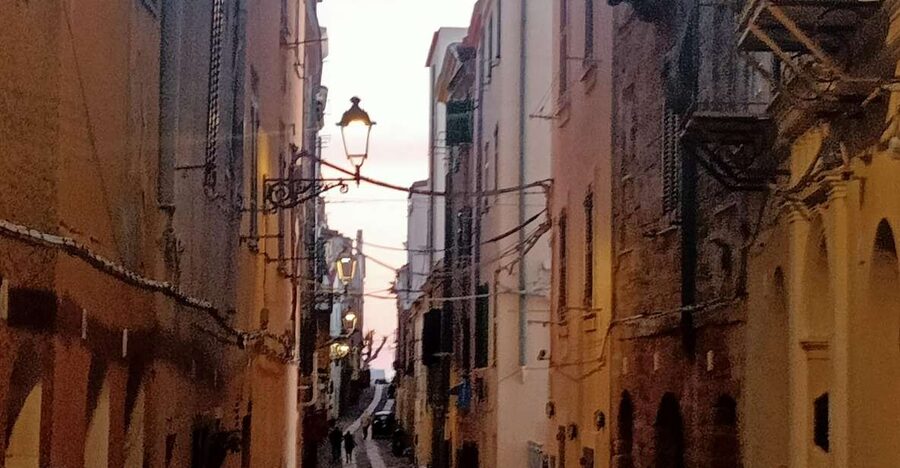
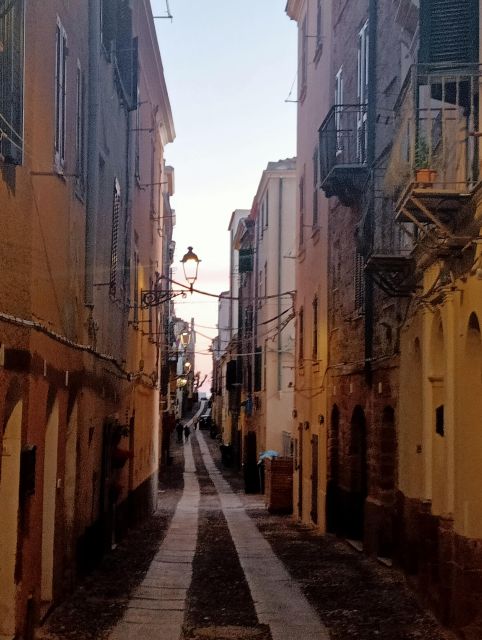
The central portion is a guided walk through Alghero’s historical center. The emphasis is not on entering a long list of attractions. Instead, the guide explains the city’s corners, architecture, religious traditions, occupations, and local customs as you move through the streets.
That distinction matters. A one-hour city walk cannot cover every church, wall, square, and museum in detail. It can, however, show you how the pieces fit together. You should expect an overview that links architecture with politics and religion rather than a series of disconnected facts.
The old center is also a practical place to learn on foot. You can see the setting while the guide explains it, then return later to spend more time at the places that catch your eye. The route comes back to Piazza Porta Terra, so you finish where you began rather than needing to find your way across town.
The walk may be especially useful early in your stay. Take note of churches, museums, lanes, and architectural details you would like to revisit. Admission to museums and churches is not included, so you can decide later which interiors deserve your time and money.
From pirate attacks to changing kingdoms
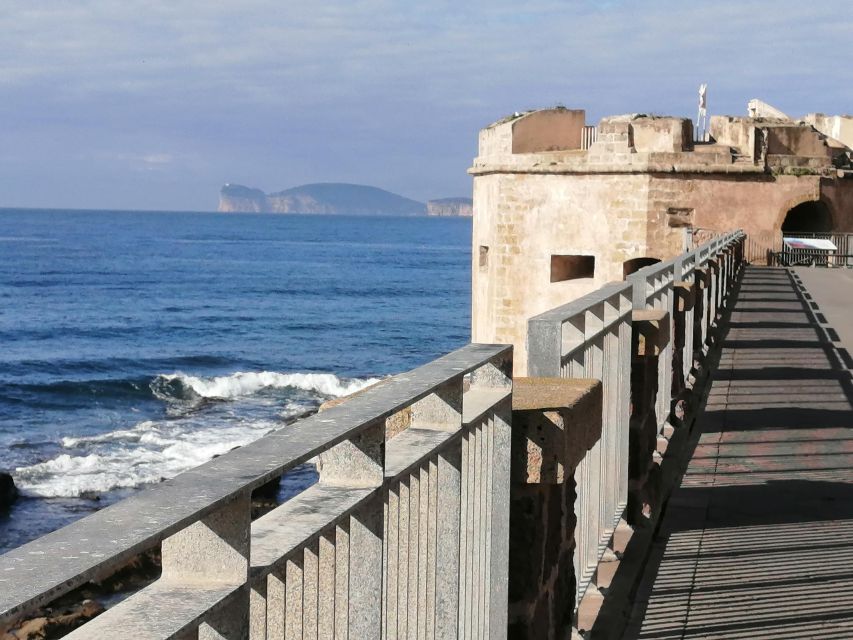
The historical thread covers conflict as well as culture. Alghero’s location exposed it to attack, and the tour explains how pirates and competing kingdoms affected the city.
This is valuable context for anyone who sees old fortifications or defensive structures but does not know why they were built. Rather than treating the walls and towers as attractive background, the guide connects them to fear, power, and control.
The tour also follows the city from its foundation to the modern period. That long view helps you understand that Alghero was not shaped by one ruler or one event. Different occupations left marks on its institutions, buildings, traditions, and speech.
I would not book this walk expecting a specialist military history lesson. The stated focus is broader, covering culture, religion, architecture, traditions, and curiosities. The strength is the range. The trade-off is that each subject receives limited time, particularly if the tour stays close to the shorter one-hour schedule.
More History Walking Tours in Italy
- Venice: City Center Historical Guided Walking Tour
★ 4.2 · 1,873 reviews - Palermo: Street Food and History Walking Tour
★ 4.9 · 1,486 reviews - Verona: History and Hidden Gems Guided Walking Tour
★ 5.0 · 1,379 reviews - Florence Walking Tour with Accademia, Uffizi & Lunch
★ 4.0 · 1,033 reviews
Architecture, faith, and local customs
The guide explains architecture and religion as part of the town’s story. That means you are encouraged to look at buildings not only for their age or appearance, but also for the role they played in the community.
Religious sites are part of the route’s wider context, but entry fees are not included. If a particular church interests you, ask the guide about it and return independently if you want a closer look. This keeps the walking tour affordable, though it also means the experience is not a full interior visit.
The same applies to customs and traditions. Alghero’s identity cannot be reduced to its Catalan language alone. Food, faith, local habits, and the memory of past rulers all help explain how the city sees itself.
One useful feature is the open question period built into the walk. You can ask about something you notice, such as a building, a local practice, or the language itself. Sonia has led a tour described as especially warm and friendly, while Raffaele has offered historical, artistic, and economic perspectives. Guide style will vary, but the format gives you room to shape the conversation.
How much time should you allow?
The booking information gives a duration of one hour, while the itinerary describes a 1.5-hour guided tour. One outing with Raffaele lasted nearly two hours, with the time passing quickly because of the discussion.
Plan around the longer possibility if you have a tight schedule. A short walk may finish in about an hour, but questions and a slower pace can extend it. Do not schedule a museum reservation immediately afterward unless you have a generous gap.
This variation can be a benefit if you like conversation. A guide who stops to explain a point properly is more useful than someone rushing through prepared lines. It can be less convenient if you are fitting the walk between a ferry arrival, lunch, and a fixed departure.
The tour returns to Piazza Porta Terra. That makes the end simple, and it leaves you in a useful location for continuing around the old city. Still, confirm the starting time when booking, since available departures depend on the date.
Guide languages and personal attention
Tours are offered in Catalan, English, German, Italian, and Spanish. Choose the language in which you can follow historical explanation comfortably, especially if you want to ask questions.
The experience is described as a guided city walk rather than a fixed audio route. That gives it a human advantage. You can ask why Alghero’s language developed as it did, how different occupations affected the town, or what a particular architectural feature means.
Group size is not stated, so do not assume you will receive a private tour. Some outings have been private by chance, including one for two people with Raffaele. That can make the discussion very personal, but it is not something to count on when booking.
Named guides include Andrea, Sonia, and Raffaele, but guide assignment may change. I would choose the tour for its subject and local format rather than booking around one particular person unless the provider confirms that guide.
Is $29 a fair price?
At $29 per person, the tour offers a reasonably priced introduction to Alghero’s old center. You are paying for a local guide, a structured route, and an explanation of subjects that are difficult to pick up from a casual stroll, especially the Catalan language and the history of successive occupations.
The value is strongest if you are new to Alghero. In a short period, you get a working framework for the city and ideas for what to see next. The price is less compelling if you already know the old center well or prefer to explore silently with a guidebook.
Because museum and church entries are separate, treat the $29 as the cost of the walking interpretation, not a sightseeing pass. You may spend more later if you choose to enter places along the route.
The flexible booking terms also help. You can cancel up to 24 hours before the activity for a full refund, and you can reserve now and pay later. Those policies reduce the risk of fitting the walk into an uncertain Sardinia schedule.
Practical advice before you go

Wear comfortable shoes. The tour takes place on foot in the ancient center, and the supplied guidance specifically recommends footwear suited to walking.
Bring water, particularly in warm weather. The walk is short compared with a full-day excursion, but you will be outside and moving through the city rather than sitting in a coach.
Arrive at the exact meeting point inside Porta Terra tower, Piazza Porta Terra number 2. The old center can be distracting, and you do not want to spend the opening minutes searching for the group.
The tour is not suitable for wheelchair users. If mobility access is important to you, check other options before booking rather than assuming the old city route will work.
I would also bring a small notebook or use your phone to record the names of places you want to revisit. Since the walk covers a lot of ground in a short time, a few notes can help you turn the introduction into a better self-guided afternoon.
Who will get the most from this walk?
I recommend it most to first-time visitors who want the old center to make sense quickly. It also suits anyone interested in language, cultural identity, local religion, architecture, or the way political power shapes a town.
Families with older children may find the pirate attacks and changing kingdoms easier to follow than a long museum visit, though the suitability will depend on the child’s interest in history. Couples and solo visitors who enjoy asking questions should also find the format useful.
This is not the right pick if you need a wheelchair-accessible route, a long museum visit, or a guaranteed private guide. It is also not designed as a food tour, and food and drinks are not included.
For independent explorers, the best use is to take the walk near the start of your stay, then return to the old center with your bearings improved. You will know which details to look for instead of simply passing through attractive streets.
Should you book the Alghero walking tour?
Book it if you want more than photographs of Alghero’s old walls. The Catalan language, pirate attacks, changing kingdoms, religion, and local traditions give the walk a strong sense of place, and the chance to question a local guide adds value that a printed map cannot provide.
The main caution is the uncertain length. Allow up to two hours if your schedule matters, even though the advertised duration can be one hour. At $29, it is a sensible orientation for a first visit, especially when you choose a language you follow well and arrive ready to ask questions.
Skip it if you already know Alghero’s history or want a focused visit inside museums and churches. For most first-time visitors, though, this is a practical way to understand why this Sardinian port feels distinctly Catalan.
FAQ
Where does the walking tour begin?
The meeting point is inside the Porta Terra tower at Piazza Porta Terra number 2 in Alghero.
Where does the tour finish?
The walk returns to Piazza Porta Terra, the same area where it begins.
How long does the tour last?
The activity information gives a duration of one hour, while the itinerary describes 1.5 hours. Some tours can last longer when questions and discussion extend the walk.
Which languages are available?
The tour is offered in Catalan, English, German, Italian, and Spanish.
Are museum and church entry fees included?
No. Entries to museums and churches are not included in the tour price.
Is the tour suitable for wheelchair users?
No. The activity is listed as not suitable for wheelchair users.
Just added around Italy
- Guided Cultural Tour of the Godfather Film in Messina★ 5.0 · 31 reviews
- Guided tour of the Riace Bronzes and the Archaeological Museum of Reggio Calabria★ 5.0 · 44 reviews
- SU NURAXI BARUMINI Unesco World Heritage Site★ 5.0 · 129 reviews
- Brescia the Unexpected: History, Local Stories & a drink★ 5.0 · 31 reviews
- Bolognese Cooking Class with Margherita in the Historic Center★ 5.0 · 26 reviews
- Tower and Power, Virtual tour in Medieval Bologna★ 4.5 · 54 reviews
- Bologna historical art walking tour with hidden gems and tastings★ 5.0 · 108 reviews
- Best of Bologna in one day : Food, architecture, art and history★ 5.0 · 27 reviews
Italy History Tours, compared.
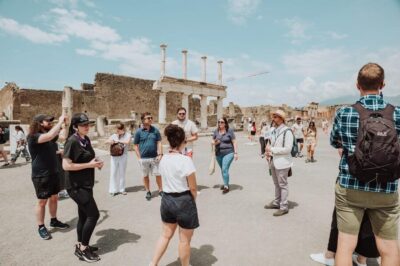
Pompeii: Entry Ticket and Guided Tour with an Archaeologist
Read our review →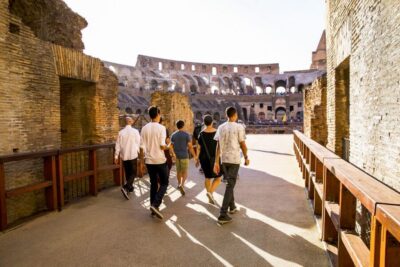
Colosseum: Underground and Ancient Rome Tour
Read our review →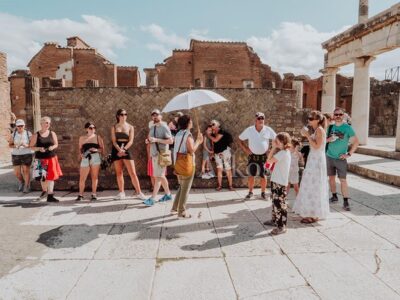
Pompeii: Small Group Tour with an Archaeologist
Read our review →Pompeii Small Group Tour with an Archaeologist
Read our review →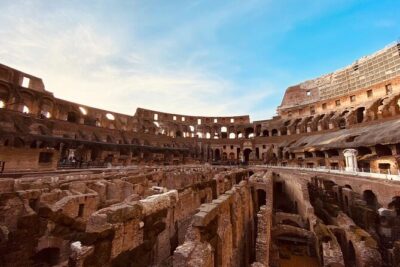
Rome: Colosseum with Arena, Roman Forum and Palatine Guided Tour
Read our review →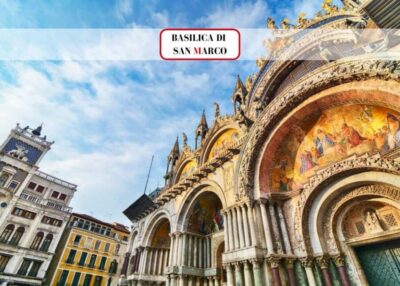
Venice: St. Mark’s Basilica Guided Tour & VR History Intro
Read our review →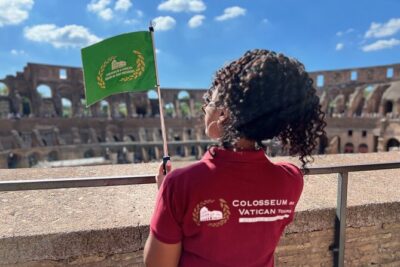
Colosseum with Arena, Roman Forum and Palatine Hill Guided Tour
Read our review →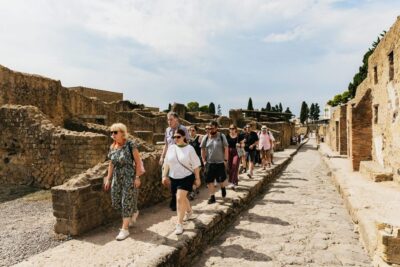
Herculaneum: Skip-the-Line Guided Tour with Archaeologist
Read our review →Browse the lists this tour appears in