
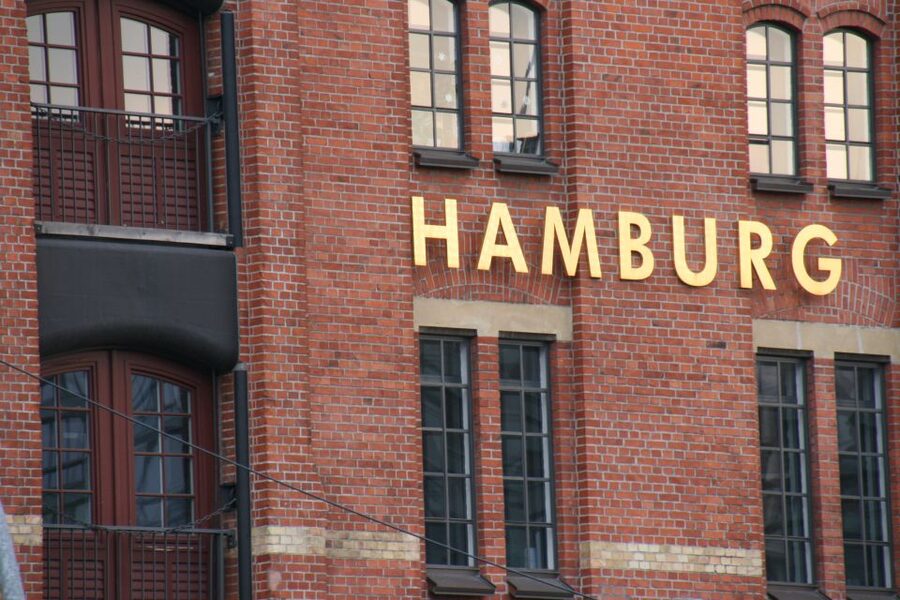
Review · GERMANY
Hamburg: UNESCO-World Heritage Sites Tour
Hamburg’s past comes into focus among red-brick warehouses, canals, and grand office buildings on this compact walk from Jacobikirche to Magdeburg Harbour. You’ll learn how clerks, merchants, spices, carpets, and port trade shaped the city, with Chilehaus and Speicherstadt as the main sights.
I like the clear two-hour route and the small details, such as old rope winches, carpet storage, spice samples, and pictures explaining port work. I also like that guides such as Albert bring solid historical detail without forcing a rushed pace. The drawback is simple: the tour is in German, and the short ferry ride is offered only on Saturdays.
Key points to know before you book
- Chilehaus gives the tour an architectural punch: Its sharp, ship-like form helps explain Hamburg’s early twentieth-century office boom.
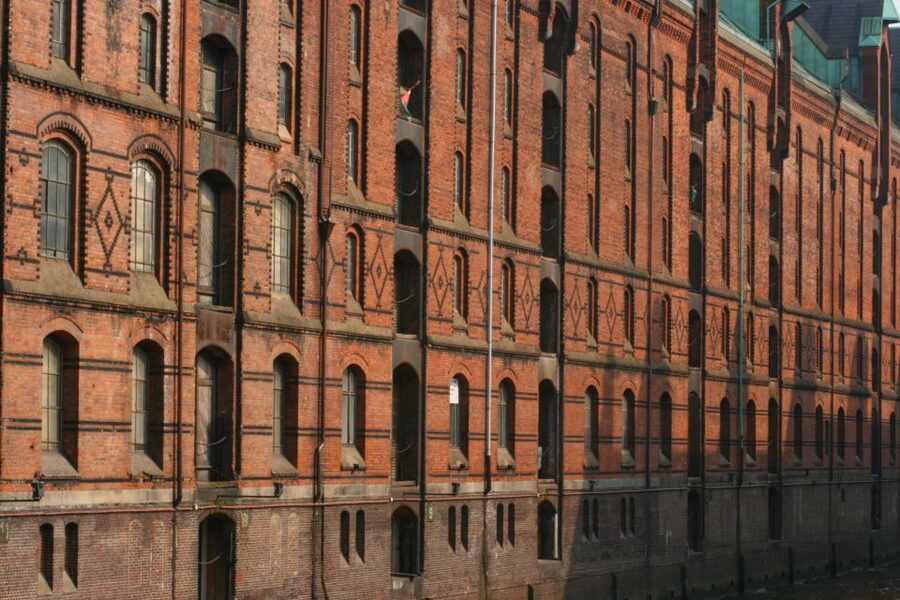
- Speicherstadt is the main visual reward: Expect red-brick storehouses, waterways, old working details, and newer buildings nearby.
- The tour links business and port history: You hear how Kontorhäuser, warehouses, spices, carpets, and clerks fit into Hamburg’s worldwide trade.
- A Saturday may add a short ferry ride: This is not part of every departure, so check the date before booking for that feature.
- The pace is manageable: The two-hour walk has been praised for a clear voice and an easy-to-follow rhythm.
- The language matters: The live guide speaks German, so this is best for German speakers or those comfortable following a German tour.
Why Hamburg’s Kontorhäuser matter
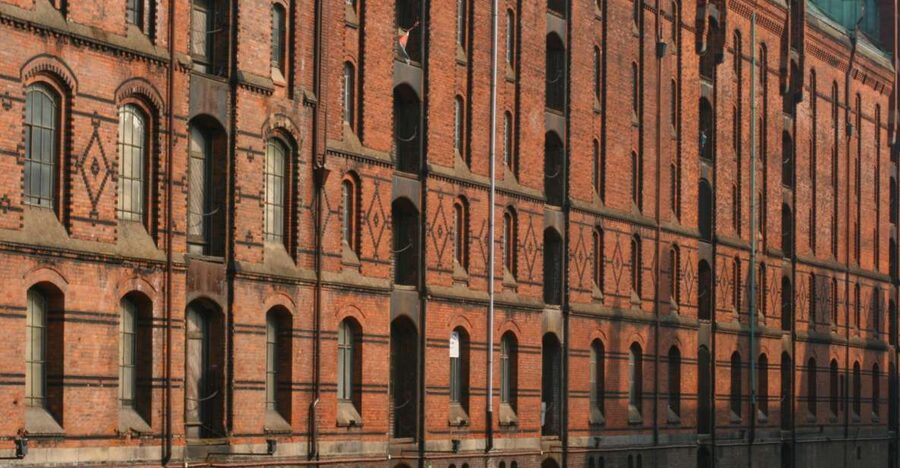
Hamburg can look like a city of water, ships, and grand civic buildings. This tour adds another layer: the city’s commercial heart, where office workers handled accounts, contracts, and international trade long before today’s glass towers arrived.
The Kontorhäuser were purpose-built office buildings for trading firms. The word Kontor points to Hamburg’s merchant tradition, and these blocks tell a practical story about money, paperwork, and overseas business. You are not simply looking at attractive facades. You are seeing the places where Hamburg’s growing trade was organized.
I like this approach because it makes architecture useful. A large building becomes easier to understand when you picture clerks at counting tables, ledgers open, and merchants tracking cargo from distant ports. The tour focuses on that connection between design and daily work.
The walk begins near Jacobikirche, at the corner of Bugenhagenstraße and Barkhof. That meeting point is useful for orienting yourself in central Hamburg, but give yourself enough time to find the exact church corner. The official starting location is listed as Jakobikirchhof, while the meeting instructions specify Jacobikirche.
More UNESCO World Heritage Tours in Germany:
- Berlin: 3-Hour World Heritage Cruise to Potsdam
★ 4.5 · 1,569 reviews - Classic city tour in the World Heritage City of Augsburg
★ 4.0 · 41 reviews - Quedlinburg UNESCO World Heritage Group Tour (private)
★ 4.6 · 32 reviews
From Sprinkenhof to Chilehaus
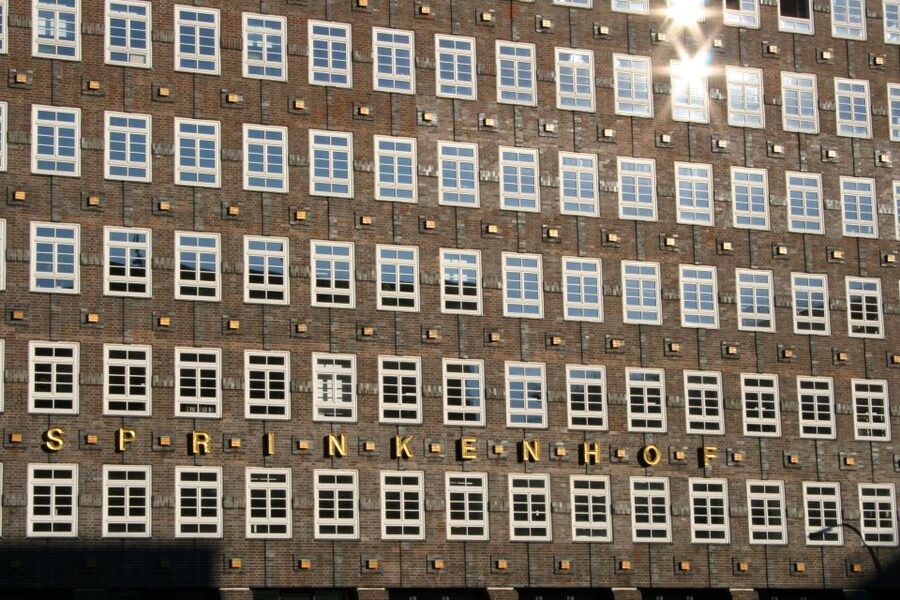
Sprinkenhof is one of the early major stops. Here, the guide introduces the scale and purpose of Hamburg’s office architecture. The building helps you see how the city’s business districts were designed for large firms and busy commercial operations, not just for decoration.
I find this part valuable because the buildings can be easy to admire without understanding. A guide gives you the reason behind the height, arrangement, and heavy brickwork. You begin to read the district as an economic center rather than a collection of impressive fronts.
Next comes Chilehaus, one of Hamburg’s most recognizable buildings. Its dramatic shape is often compared to the pointed front of a ship, a fitting image in a port city. The tour uses Chilehaus to explain Hamburg’s connection to international business and the period when merchant wealth changed the city’s appearance.
You should pay attention to how the building meets the street. The sharp corner is the obvious feature, but the larger point is how an office building could become a symbol of commercial ambition. This is one of the strongest stops for anyone interested in architecture, city planning, or the link between business and design.
The explanations also reach beyond the famous facade. You hear about the people who worked inside, including clerks and the staff who kept trade moving through correspondence, accounts, and money handling. That human detail keeps the tour from becoming a procession of building names.
Meßberg and the working city
At Meßberg, the story moves toward the practical side of Hamburg’s trade. This is where the transition from office district to warehouse district begins to make sense. The tour connects the people arranging commerce in the Kontorhäuser with the goods stored and moved through the port system.
You might hear about spices and see samples used to make that trade more concrete. That is a small but useful touch. Smell and texture can explain cargo in a way that a date on a timeline cannot, and spices help you picture the many goods passing through Hamburg.
The guide also uses pictures to explain how the port worked. This matters because modern Hamburg can hide the older systems behind renovated streets and polished promenades. The visual material gives you a clearer sense of how goods, storage, offices, and waterways depended on one another.
The tour does not promise a museum visit at every stop, so set your expectations correctly. You are getting an outdoor explanation of the city, with images and samples supporting the guide’s story. If you want long interior visits or extensive time inside each building, this will feel brief.
Entering Speicherstadt’s red-brick world
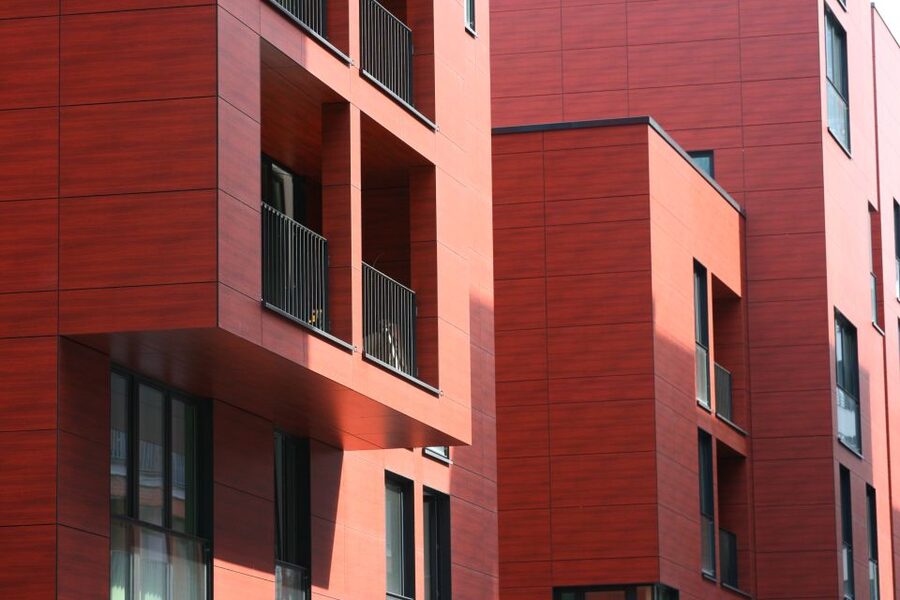
Speicherstadt is the heart of the walk. The district is known for its tall red-brick warehouses, narrow waterways, bridges, and repeated facades. Here, Hamburg’s storage system becomes visible at street level.
The warehouses were built to hold goods arriving through the port. The tour brings attention to details that many people would otherwise pass without noticing, including old rope winches and areas once used for carpet storage. These working features remind you that Speicherstadt was built for cargo, not merely for scenic walks.
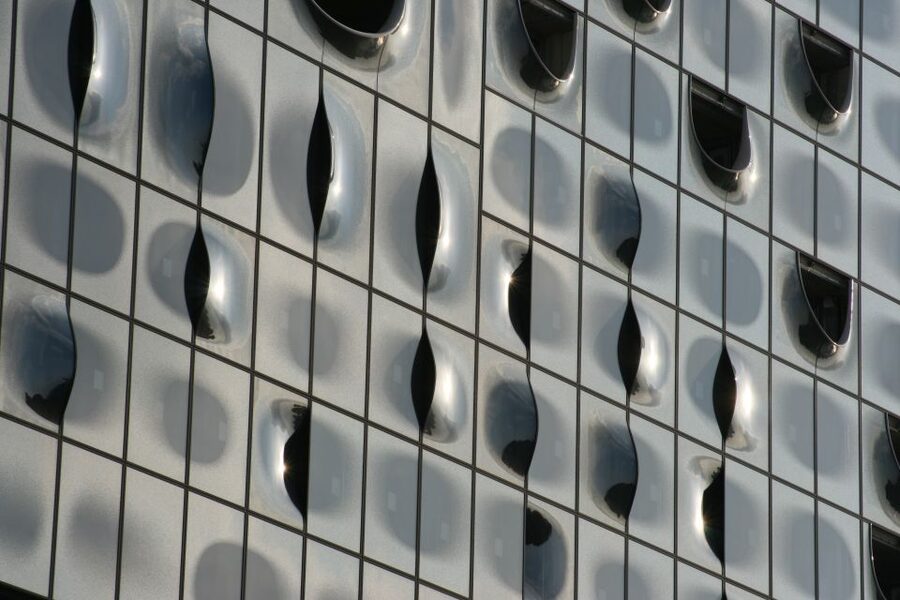
I especially like the contrast between the old brick walls and newer architecture nearby. Hamburg has not frozen this part of the city in one period. Old storehouses sit beside newer dock promenades and modern buildings, creating a useful lesson in how a port district changes without losing every trace of its earlier work.
The canals are another reason to take this walk rather than simply visit Speicherstadt on your own. From the pavement, you can see how water shaped the district’s layout and movement. The warehouses were positioned around the waterways for practical reasons, and the guide helps connect the scenery to that purpose.
There is a limit to the experience. Two hours goes quickly in a district with this much to see. You will receive an overview and a strong sense of place, but you will not explore every lane or spend long periods examining each warehouse.
More History Tours in Germany:
- Berlin: Third Reich & Cold War Guided Walking Tour
★ 4.9 · 8,378 reviews - Leipzig: City History Canal Sightseeing Tour on a Motorboat
★ 4.7 · 7,671 reviews - Munich: Third Reich & WWII Walking Tour
★ 4.6 · 6,181 reviews - Berlin’s Best: 2 Hour Walking Tour Third Reich and the Cold War
★ 5.0 · 5,486 reviews
From old warehouses to modern dock promenades
As the walk continues, the setting shifts again. You see traditional storage buildings, canals, brick facades, and more recent architecture in the same broad area. This is one of the most useful parts of the route for understanding Hamburg’s current identity.
The newer buildings are not treated as a separate world. Instead, they help show the city’s ongoing change from a working port district toward offices, public spaces, cultural attractions, and waterfront development. The contrast is clearest when you look from an older brick facade toward the newer dock promenades.
You also get views toward the Elbe. The river is not just scenery here. It explains why Hamburg became such an important trading city and why warehouses, offices, and transport systems gathered in this part of town.
At the Magdeburg Harbour end of the route, important buildings include the International Maritime Museum and the Überseequartier area. The tour does not suggest that you will receive a full museum visit, so treat these as landmarks and context for the port district. If you plan to visit the museum, you can use the tour’s final location as a practical starting point for further sightseeing.
The Saturday ferry option
A short ferry trip is available only on Saturdays. That can add a welcome change of pace after the walking sections and gives you another way to view Hamburg’s waterfront.
Do not assume every departure includes the ferry. If the boat ride matters to you, confirm the available date and starting time before booking. On other days, the experience remains a walking tour through the Kontorhaus district, Speicherstadt, and the harbor area.
The ferry is best viewed as an extra, not the main reason to choose this activity. The core experience is the guided explanation of Hamburg’s buildings and port history. Still, a brief ride can help you understand the city from the water, especially after seeing how closely the warehouses and canals are tied to maritime trade.
How the guide affects the experience
The guide is important on this tour because the buildings do not explain themselves. A strong guide turns brick, windows, canals, and warehouse equipment into a connected story.
Albert has led some departures with a clear voice, a steady pace, and a large amount of well-supported information. Those qualities matter in a city walk. You need to hear the explanation beside a street, and you need enough time to look up at the buildings without being hurried along.
The pace has been described as manageable even for people who already know Hamburg. That is a useful sign if you want substance without a strenuous march. The route includes several districts and harbor sights, but the stated duration is only two hours, so expect a focused walk rather than a full-day city tour.
The language is German. That is not a minor detail. If you understand German well, you can expect a tour built around spoken explanation, questions, and local history. If you do not, the architecture and scenery remain visible, but much of the value will be lost.
Is $18 a fair price?
At $18 per person, this is a strong-value introduction to central Hamburg’s UNESCO-related sights and commercial architecture. You are paying for a live guide, a structured route, historical interpretation, and access to details that are easy to miss on a self-guided walk.
The price makes particular sense if you are visiting Hamburg for a short time. In two hours, you connect the Kontorhäuser, Chilehaus, Meßberg, Speicherstadt, Dar es Salaam Square, and Magdeburg Harbour. That gives you a useful framework for later exploring on your own.
The value is less clear if you already have detailed knowledge of these districts and prefer to wander independently. You may find the route too brief for extended photography or quiet time beside the canals. The tour also does not include a full museum admission or a long interior visit.
For most German-speaking visitors, the cost is modest enough to justify the structure. You can then return to Speicherstadt, the International Maritime Museum, or the waterfront with a better idea of what you are seeing.
Practical details for a comfortable walk
The tour runs for two hours and takes place outdoors in all weather. Wear shoes suited to a city walk and dress for the forecast. Hamburg weather can change quickly, and the tour does not move indoors simply because the sky turns gray.
Bring something that helps you hear and follow the guide if you need it, especially near streets or open waterfront areas. A clear speaking voice has been noted as a strength on some departures, but outdoor sound can still vary.
The start is at Jacobikirche, at the corner of Bugenhagenstraße and Barkhof. The walk finishes at Magdeburg Harbour, not back at the church. Plan your next activity from the harbor side of the route.
You can cancel up to 24 hours before the start for a full refund, and you can reserve now while paying later. Those options are useful if your Hamburg schedule is still changing.
Who should book this Hamburg walk?
I would choose this tour if you want Hamburg’s architecture explained rather than simply photographed. It suits first-time visitors, people interested in trade and city development, and anyone who wants a clear introduction to Speicherstadt before exploring it alone.
It also works well for people who already know the main sights but want more context. The focus on clerks, office buildings, rope winches, carpet storage, spices, and port systems adds practical detail beyond the usual postcard view.
I would skip it if you need an English-language tour, dislike outdoor walks in uncertain weather, or want extensive time inside museums and historic buildings. The two-hour route is focused, and the Saturday ferry is not guaranteed on other days.
Should you book it?
Book this tour if you speak German and want a reasonably priced, well-paced explanation of Hamburg’s Kontorhäuser and Speicherstadt. The best reasons are the clear route, the mix of architecture and working-port history, and the chance to notice details such as old winches, carpet storage, and spice cargo.
Choose a Saturday if the ferry matters to you, and arrive ready for weather. For $18, this is a practical way to understand why Hamburg’s red-brick warehouses, grand office blocks, canals, and modern harbor buildings belong to one connected story.
FAQ
How long does the UNESCO World Heritage Sites Tour last?
The tour lasts two hours.
What is the price of the tour?
The price is $18 per person.
What language is the tour conducted in?
The live tour guide speaks German.
Where does the tour start?
The meeting point is Jacobikirche, at the corner of Bugenhagenstraße and Barkhof. The starting area is also identified as Jakobikirchhof.
Where does the tour finish?
The walk finishes at Magdeburg Harbour.
Does the tour include a ferry ride?
A short ferry trip is available only on Saturdays. It is not listed as an option for every departure.
Does the tour operate in bad weather?
Yes. The tour takes place in all weather conditions, so you should dress appropriately.
Can I cancel and receive a refund?
You can cancel up to 24 hours in advance for a full refund. You can also reserve now and pay later.
Just added around Germany
- Berlin Food & Cultural Tour: Must-Try German & Berliner Classics★ 5.0 · 51 reviews
- Berlin Half-Day World War II Walking Tour★ 4.5 · 48 reviews
- Small-Group Historical Bike Tour in Berlin★ 4.5 · 103 reviews
- Historic center of Berlin – Tour in Italian★ 5.0 · 143 reviews
- Berlin Cold War & World War II Third Reich Walking Tour★ 4.5 · 30 reviews
- Private Taxi Tour City East & West History and Architecture 3-4h★ 5.0 · 42 reviews
- Berlin Wall and Cold War Bike Tour in Small Groups★ 5.0 · 114 reviews
- Private Tour: Jewish Heritage Walking Tour of Berlin★ 5.0 · 29 reviews
Germany History Tours, compared.

Berlin: Third Reich & Cold War Guided Walking Tour
Read our review →
Leipzig: City History Canal Sightseeing Tour on a Motorboat
Read our review →
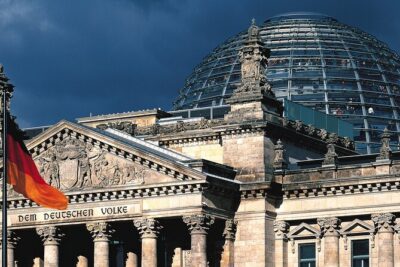
Berlin’s Best: 2 Hour Walking Tour Third Reich and the Cold War
Read our review →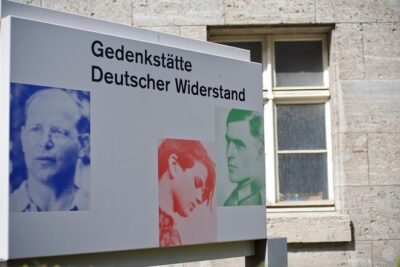
Third Reich Berlin: Hitler and WWII Walking Tour
Read our review →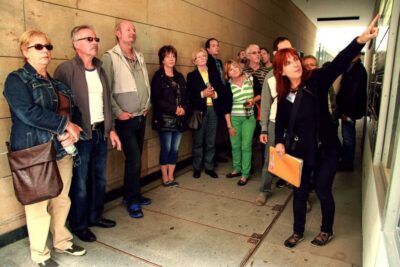
Leipzig: 1.5-Hour Historical Walking Tour in German
Read our review →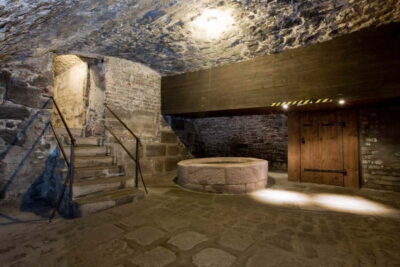
Berlin: Third Reich, Hitler, and WWII Walking Tour
Read our review →Browse the lists this tour appears in