
Review · GERMANY
Koblenz: Historical Sparkling Wine Museum Guided Tour
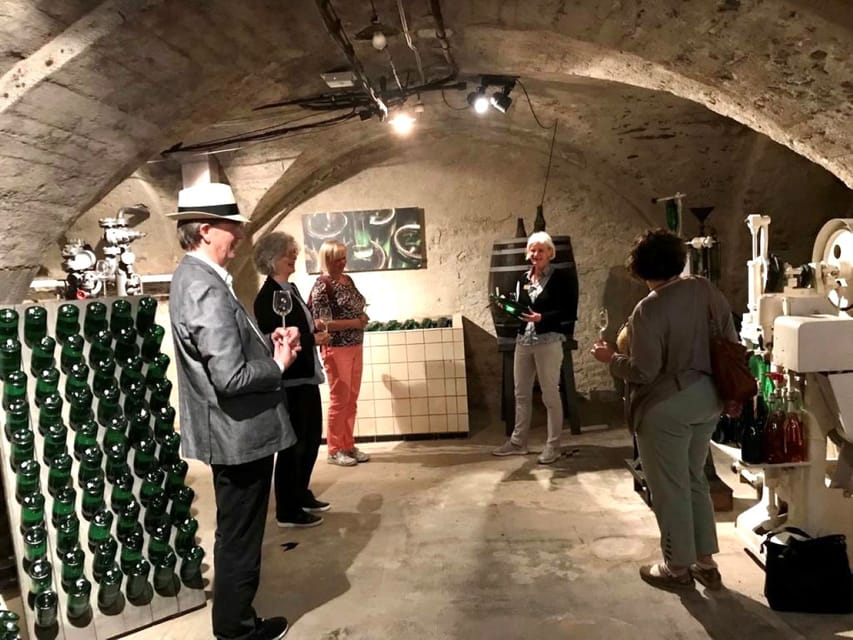
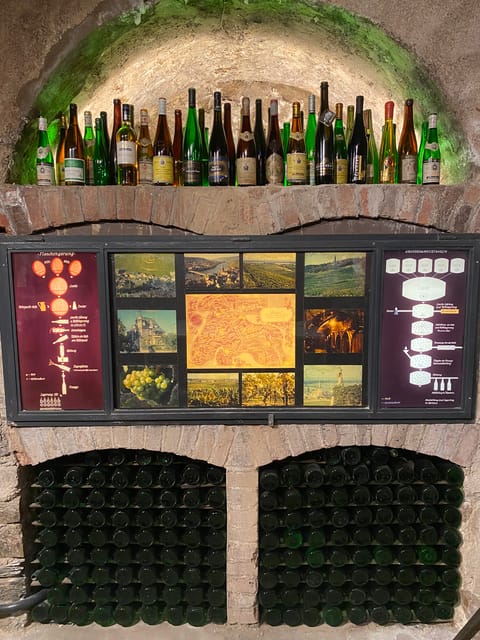
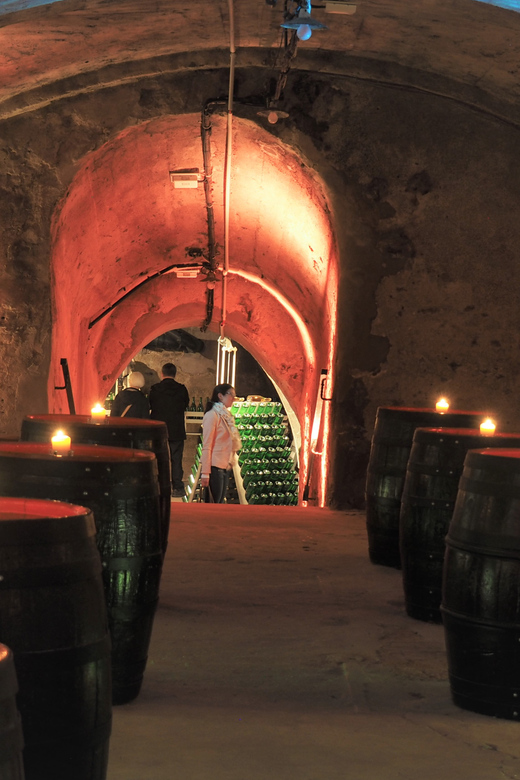
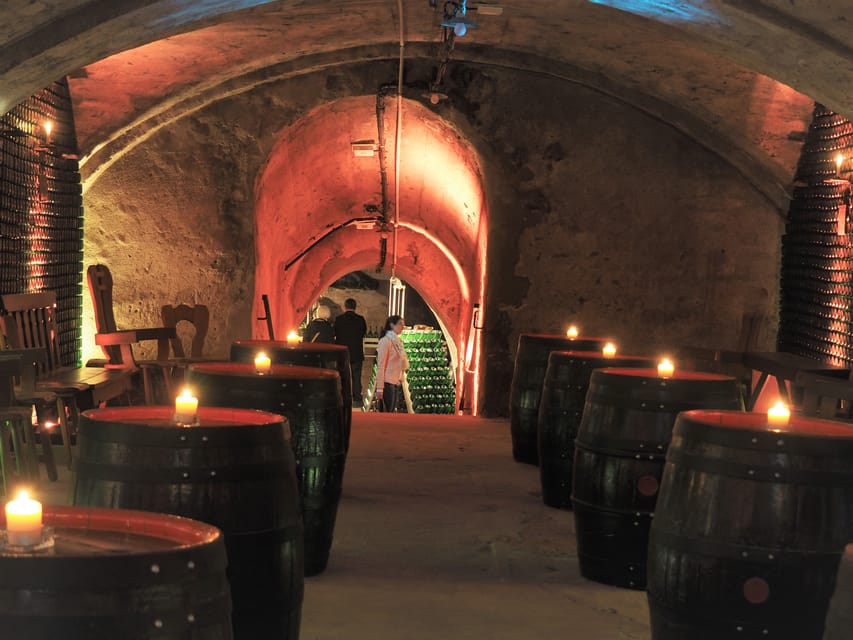
The most memorable part of this Koblenz tour is the setting: you go below street level into the old vaulted cellars of the Deinhard company, founded in 1794. Since 1843, sparkling wine has been made here using traditional bottle fermentation, so the cellar gives the subject a real sense of place rather than treating it like a classroom lesson.
I like two things especially. First, the guide connects hard vineyard work with the finished glass, using original equipment to show each step. Second, the tasting gives the one-hour visit a proper finish. At $24 per person, that combination feels fair, particularly if you enjoy local food and drink with a story behind it.
The main limitation is language. The live tour is in German, and the supplied information does not list a second language or written translation. If you do not understand German, you may get more from the atmosphere and objects than from the full explanation.
Key points at a glance
- A real historic cellar: Visit the former vaulted rooms of the Deinhard sparkling wine company beneath Koblenz.
- Bottle fermentation explained: Follow the traditional method used here for sparkling wine production since 1843.
- Original equipment on display: See the tools and objects that help explain the path from grape to wine to Sekt.
- One glass included: The tour ends with a sparkling wine tasting, included in the admission price.
- Useful in poor weather: The cellar offers a cool indoor break on hot days and a dry one when rain settles over Koblenz.
- German-speaking guide: Allow one hour, meet at the entrance, and return to the same point at the end.
Entering Koblenz’s former Deinhard cellar
This is not a broad city tour with a quick wine stop attached. The experience stays focused on one place and one subject: the making of sparkling wine in a historic Koblenz cellar.
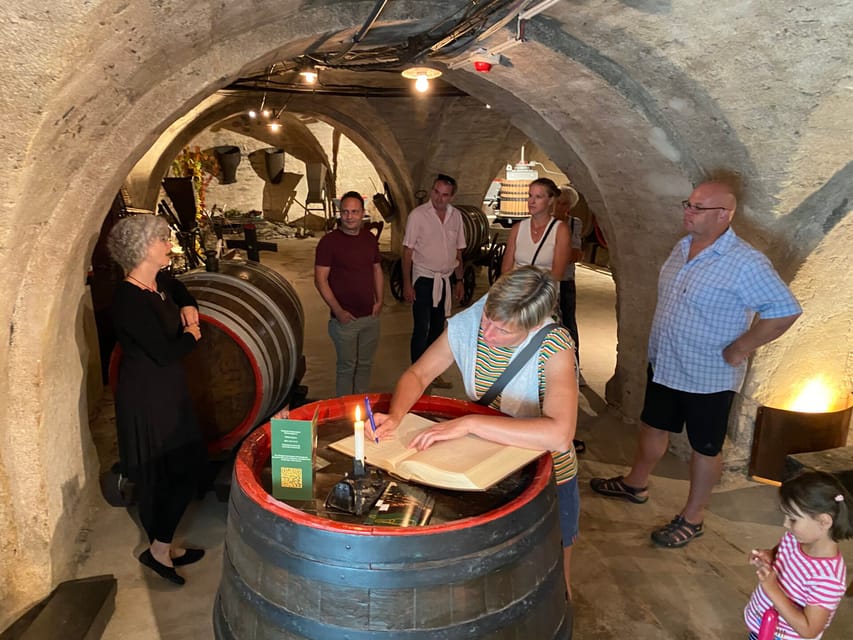
The Deinhard company was founded in 1794, giving the tour a long local connection. The cellar itself is tied to production from 1843 onward, when sparkling wine was made using traditional bottle fermentation. Those dates help put the rooms in context. You are not simply looking at old stone walls. You are standing in a place built around a working drink trade that shaped part of Koblenz’s commercial life.
You meet at the entrance, then go down into the former cellar rooms. An elevator is available, which is useful for anyone who would rather avoid stairs. The information does not specify how much walking is involved beyond the route through the vaults, so comfortable shoes remain a sensible choice.
The atmosphere does much of the early work. Vaulted ceilings and underground rooms create a cooler, quieter setting than the streets above. That makes the visit appealing on a hot day, when the cellar can provide relief, and on a rainy day, when an outdoor plan may lose its charm.
More Wine Trips in Germany:
- Montserrat with Black Madonna & Medieval Winery with Tapas/Lunch
★ 5.0 · 5,209 reviews - Douro Valley: Historical Sites, Wine Experience, Lunch & Cruise
★ 5.0 · 5,133 reviews - Barcelona: Tapas Walking Tour with Food, Wine, and History
★ 4.8 · 4,261 reviews
The cellar atmosphere is part of the lesson
The old vaults are not just a backdrop for photographs. They help you understand why wine production was tied to cellar spaces in the first place. The room gives the guide a natural way to talk about storage, handling, and the long process required before a bottle of sparkling wine reaches your glass.
I like tours that use a historic site as a working teaching tool. Here, the setting helps keep the story grounded. You can picture wine moving through a real production space rather than hearing a list of technical terms in a modern tasting room.
Do not expect an enormous museum complex. The tour lasts about one hour, so the cellar visit is compact and focused. That is an advantage if you have a full day in Koblenz or want to fit the activity between sightseeing stops. It also means the guide must keep the presentation moving, and you should not arrive expecting a long, self-guided exhibition.
The available information does not give the group size, the exact number of cellar rooms, or details about how much of the original production area remains. You can count on the vaulted cellar ambience and original equipment, but not on a large collection of labeled displays.
From grape to wine, then from wine to sparkling wine
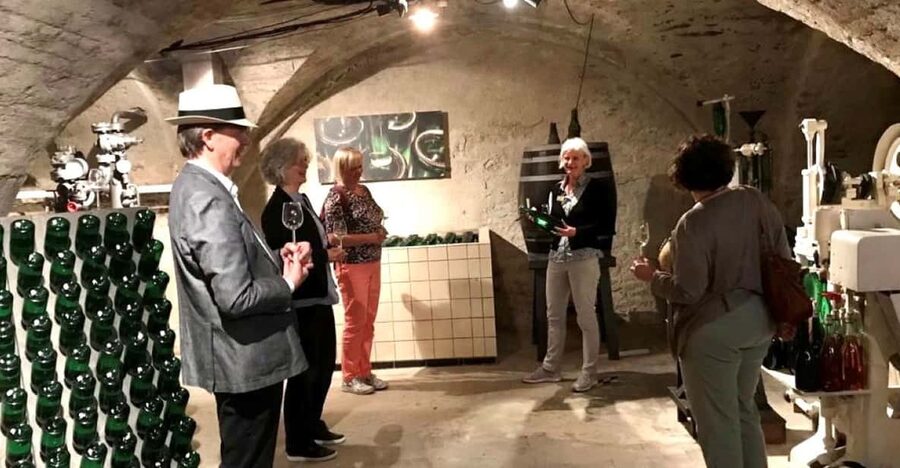
The central part of the visit follows the production process. The guide explains the work of viticulture, beginning with the grape and the demanding labor involved in harvesting. One especially useful part of the presentation is the contrast between past and present. The tour includes the hard work of earlier grape harvests, then traces how that raw material becomes wine.
From there, the explanation turns to sparkling wine. The guide introduces the traditional bottle fermentation process used at the site since 1843. This is the point where the tour moves beyond general wine talk. You learn that Sekt is not simply ordinary wine with bubbles added at the end. The production method gives the drink its own set of steps and its own history.
Original equipment makes this section easier to follow. Instead of hearing only abstract descriptions, you can look at the tools connected with the work. The supplied information does not name each piece of equipment, so I would not promise a particular machine or demonstration. Still, seeing period objects while the guide describes their purpose gives the process a physical scale.
The presentation is designed to be entertaining as well as informative. That matters because production details can become dry when they are presented as a technical lecture. The best use of your hour is to listen for the chain of steps: grape, wine, fermentation, and finished sparkling wine.
The mysterious side of sparkling wine
The tour also explores the mysterious origin of sparkling wine. That wording suggests a story element, not just a list of production facts. You will hear about the less certain or more intriguing side of how sparkling wine came to be understood and made.
This part may appeal most if you like food history with a little mystery in it. It gives the tour a human touch. Wine production involves careful work, but it also has traditions, surprises, and discoveries that are not always tidy or predictable.
The guide’s role is important here. The available information identifies a professional live guide but does not provide a name. The tour is in German, so your enjoyment of the historical explanation will depend heavily on your German comprehension. If you understand the language, you can expect a fuller experience than someone who can only follow a few words.
One piece of practical advice: do not judge the tour only by the tasting at the end. The glass is pleasant, but the main value comes from seeing how the drink is made and why this cellar matters. The tasting works best as a conclusion to the story, not as the sole reason to book.
More Guided Tours in Germany:
- Berlin: Third Reich & Cold War Guided Walking Tour
★ 4.9 · 8,378 reviews - Nuremberg: Medieval Dungeons Guided Tour
★ 4.8 · 2,214 reviews - Berlin: History of the Third Reich Guided Walking Tour
★ 4.7 · 791 reviews - Bamberg: Guided Beer History Tour with Optional Tasting
★ 4.6 · 772 reviews
A glass of Sekt at the end
The adventure tour finishes with one glass of sparkling wine. It is included in the $24 price, along with entrance and the guided visit.
That final glass gives you a chance to connect the explanation with the finished product. After hearing about the grape, the wine, and bottle fermentation, you can taste the result in the same general place where the production story began. It is a simple idea, but it makes the hour feel complete.
The information does not specify the brand, style, vintage, or whether nonalcoholic alternatives are available. If you need an alcohol-free option, ask the provider before booking. Do not assume that the included drink can be changed.
The tasting is also not described as a full meal or a broad sampling session. You receive one glass, so plan another stop if you want a longer wine tasting or food afterward. I see this as a benefit for many people: the activity stays short, controlled, and easy to add to a day in Koblenz.
Is $24 a good value for one hour?
At $24 per person, the price is reasonable if you value the combination of a historic place, a guided explanation, and a drink. You are paying for more than a cellar entrance. The fee includes the tour, admission, access to the production story, and one glass of sparkling wine.
The value is strongest for three types of visitors. First, wine drinkers who want to understand traditional bottle fermentation will get a clear subject and a practical introduction. Second, history-minded visitors will appreciate the Deinhard connection and the long span from the company’s founding in 1794 to sparkling wine production from 1843. Third, people planning around the weather get a reliable indoor activity that does not consume half a day.
The value is weaker if you want a large museum, several tastings, a meal, or a tour in English. None of those features is promised. You should also compare the cost with your interest level. If you rarely drink sparkling wine and do not care about production methods, an hour in a cellar may feel specialized.
For a short cultural activity in Koblenz, though, the price is easy to justify. The tasting alone is not the point, but it helps the admission feel less abstract.
When this tour fits into a Koblenz day
The one-hour length makes this easy to place around other plans. You can use it as a midday break, an indoor stop during bad weather, or a compact activity before dinner.
Because the tour begins and ends at the entrance, you do not need to arrange a separate return transfer. The meeting point is simple: go to the entrance and meet the guide there. Starting times vary, so check availability when choosing your date.
The cellar is particularly useful during uncomfortable weather. On a hot day, the underground rooms provide a cooler change of pace. On a rainy day, you get shelter without giving up a local experience. This is one of those activities that can rescue a day when outdoor sightseeing is less pleasant.
Keep the timing in mind if you are booking other fixed appointments. The stated duration is one hour, but you should leave a little breathing room around it for meeting the guide and moving through the site. No exact start schedule is provided until you check availability.
Who will enjoy it most
I would recommend this tour to you if you like local production stories, historic workplaces, or short guided visits with a tasting at the end. It is also a good choice if you want something more distinctive than a general city walk but less demanding than a full winery excursion.
It suits couples, small groups, and solo visitors who are comfortable joining a guided presentation. Families may find the cellar and equipment interesting, but the sparkling wine theme and German-language explanation may not hold every child’s attention.
You should think twice if English is essential. The live guide speaks German, and no English tour or translation is listed. You should also pass if your main goal is a long tasting session. This is a history and production tour first, with one glass at the finish.
The tour received a strong overall rating of 4.6 from 28 ratings, and the most praised qualities are clear: the guide’s detailed explanation, the journey from difficult historical grape harvesting to sparkling wine, and the satisfying final tasting. That praise matches the design of the experience. It works because the pieces belong together.
Booking details that matter
You can cancel up to 24 hours before the activity for a full refund. You can also reserve now and pay later, which helps if your Koblenz plans depend on weather or changing schedules.
The activity is provided by Koblenzer Sektmuseum GbR. Entrance, the professional guided tour, and one glass of sparkling wine are included.
The tour is in German. An elevator is available for the descent into the cellar, but the supplied details do not explain every accessibility feature. If you have specific mobility needs, contact the provider before reserving so you can confirm that the full route suits you.
Should you book the Koblenz Sektmuseum tour?
Book it if you want a focused hour in an atmospheric historic cellar, especially if you speak German or are happy to enjoy the setting and objects with limited explanation. The strongest reasons are the Deinhard connection, the traditional bottle fermentation story, and the included glass that closes the visit neatly.
Skip it if you need English guiding, expect several tastings, or prefer a large museum with extensive displays. At $24, the tour is good value for the right audience, but its appeal depends on your interest in sparkling wine and local production.
For a hot or rainy day in Koblenz, I would keep it high on the list. It is short, specific, and tied closely to the city. You leave with a better sense of how sparkling wine is made, not just another drink in your hand.
FAQ
Where does the Koblenz sparkling wine tour take place?
The tour takes place in the former sparkling wine cellars of the Deinhard company in Koblenz, Rhineland-Palatinate, Germany.
How long does the tour last?
The guided experience lasts one hour. Starting times depend on availability.
What language is the tour in?
The live tour guide speaks German. No other tour language is listed.
Is a sparkling wine tasting included?
Yes. The tour ends with one included glass of sparkling wine.
What else is included in the price?
The $24 price includes entrance fees, the guided tour, and one glass of sparkling wine.
Is there an elevator to the cellar?
Yes. An elevator is available for going down into the historic cellar.
Can I cancel the booking?
Yes. You can cancel up to 24 hours in advance for a full refund. You can also reserve now and pay later.
Just added around Germany
- Berlin Food & Cultural Tour: Must-Try German & Berliner Classics★ 5.0 · 51 reviews
- Berlin Half-Day World War II Walking Tour★ 4.5 · 48 reviews
- Small-Group Historical Bike Tour in Berlin★ 4.5 · 103 reviews
- Historic center of Berlin – Tour in Italian★ 5.0 · 143 reviews
- Berlin Cold War & World War II Third Reich Walking Tour★ 4.5 · 30 reviews
- Private Taxi Tour City East & West History and Architecture 3-4h★ 5.0 · 42 reviews
- Berlin Wall and Cold War Bike Tour in Small Groups★ 5.0 · 114 reviews
- Private Tour: Jewish Heritage Walking Tour of Berlin★ 5.0 · 29 reviews
Germany History Tours, compared.

Berlin: Third Reich & Cold War Guided Walking Tour
Read our review →
Leipzig: City History Canal Sightseeing Tour on a Motorboat
Read our review →
Berlin’s Best: 2 Hour Walking Tour Third Reich and the Cold War
Read our review →
Third Reich Berlin: Hitler and WWII Walking Tour
Read our review →
Leipzig: 1.5-Hour Historical Walking Tour in German
Read our review →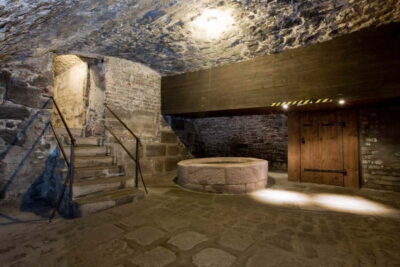
Berlin: Third Reich, Hitler, and WWII Walking Tour
Read our review →Browse the lists this tour appears in