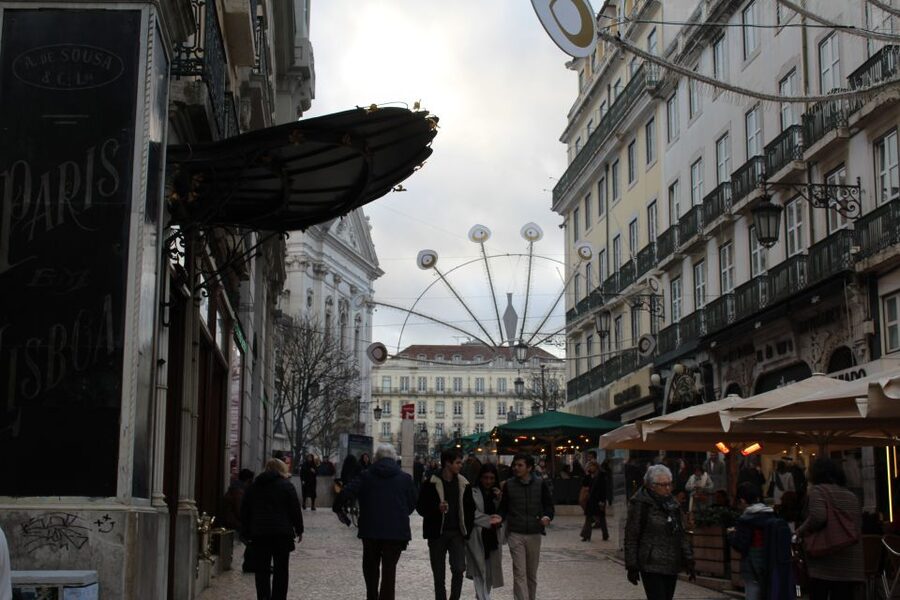
Review · LISBON
Lisbon: Jewish History in Portugal Guided Walking Tour
Lisbon’s Jewish story is one of survival, adaptation, and influence. This three-hour walk links Alfama, Baixa, and Chiado with the Sephardic and Marrano communities that helped shape Portugal’s agriculture, finance, medicine, and age of exploration. Guides Al and Luciano are especially good names to request if available.
I like two things right away: the tour connects Jewish history to Lisbon’s wider past, and it takes you through real city neighborhoods rather than limiting the experience to one museum. You may also get thoughtful extras, such as Israeli dates and a coffee or tea stop. The main drawback is the terrain. Alfama is hilly, and this is not a good choice for anyone with mobility limitations.
Key points to know before booking
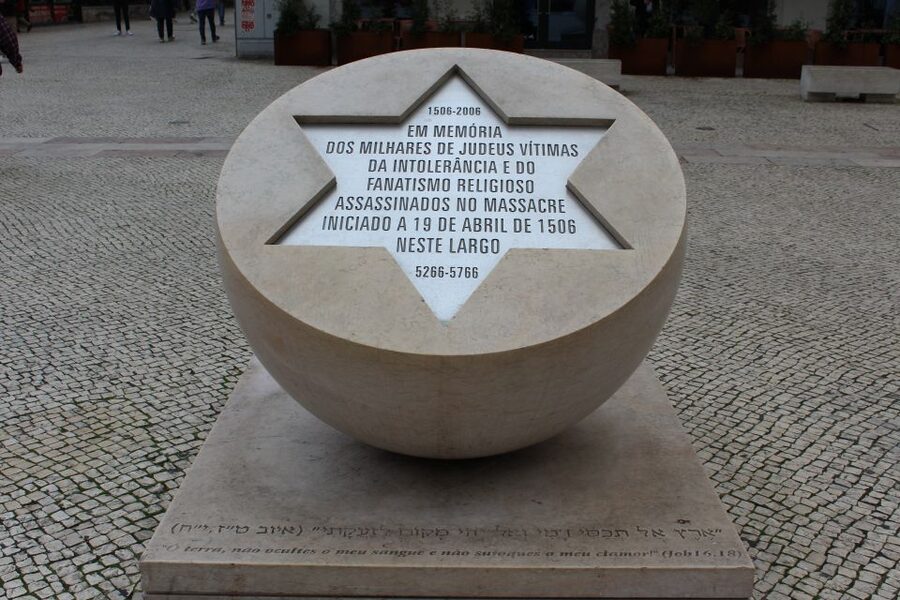
- Alfama provides the strongest sense of place: Narrow streets, hill climbs, views toward the port, and sites linked to Lisbon’s Jewish past make this the heart of the walk.
- The story reaches beyond Lisbon: You’ll learn about Sephardic Jews, Marranos, forced conversion, and the later importance of Portuguese Jewish communities in England, Holland, and the United States.
- Guides shape the experience: Al is praised for adjusting the pace and connecting the Jewish story to general Lisbon history. Luciano is noted for his passion and clear historical explanations.
- Expect a full walking tour, not a transfer-based outing: Transportation is not included, and the meeting point is A Padaria Portuguesa, a bagel shop.
- The price reflects a private-feeling subject focus: At $141 per person, the tour costs more than a basic city walk, but it offers a specialist theme and three hours of guided context.
- Plan for hills and changing surfaces: The activity is specifically not suitable for people with mobility impairments.
Why Lisbon’s Jewish story deserves a full morning
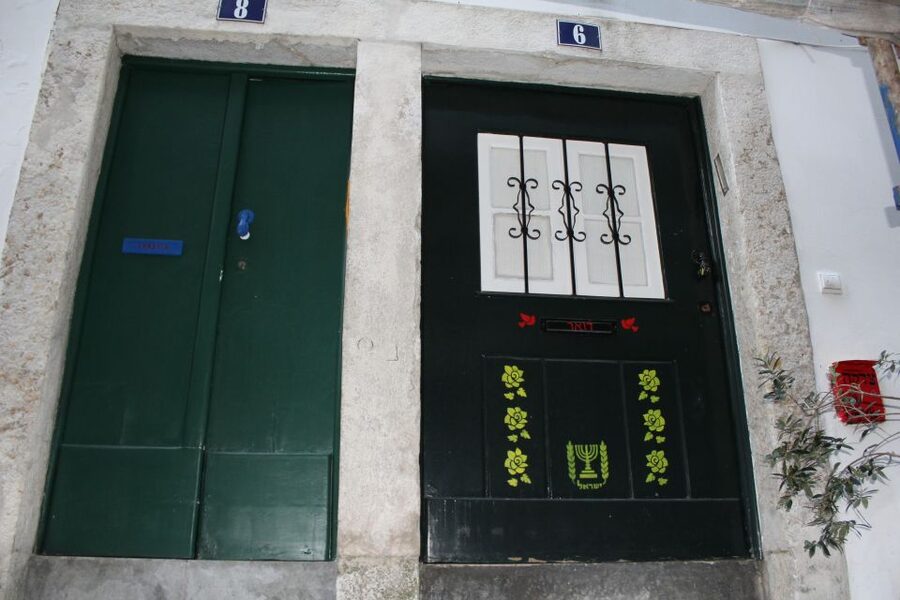
Lisbon’s Jewish past can be easy to miss. The city is full of grand churches, tiled buildings, lookout points, and monuments to the Portuguese discoveries. A Jewish history walk helps you notice another layer, one tied to trade, medicine, scholarship, navigation, money, and the difficult question of belonging.
The central idea is not simply that Jews once lived in Portugal. It is that Jewish communities were repeatedly placed between acceptance and rejection. At different times, they found room to work and prosper, then faced pressure, exclusion, forced conversion, or expulsion.
That tension gives the tour its shape. You are not just ticking off old religious sites. You are looking at how people kept family traditions, work, and identity alive under changing political and religious rules.
The experience also introduces the difference between Sephardic Jews and Marranos. Sephardic Jews are associated with the Jewish communities of the Iberian Peninsula and their later diaspora. Marranos is a historical term often used for Jews who converted to Catholicism, sometimes under pressure, while retaining Jewish practices in secret or preserving Jewish identity within their families.
The wording and history can be sensitive, so a thoughtful guide matters. Al and Luciano are both praised for explaining the subject with care and tying it to the broader story of Portugal.
More History Walking Tours in Lisbon
- Lisbon: History, Stories and Lifestyle Walking Tour
★ 4.8 · 10,902 reviews - Lisbon: Private Dark History Walking Tour with Drinks
★ 4.8 · 387 reviews - Lisbon Essential Walking Tour: History, Stories and Lifestyle
★ 5.0 · 316 reviews
Starting at A Padaria Portuguesa
The meeting point is A Padaria Portuguesa, a local bakery known here as a bagel shop. That makes a practical landmark, but you should still allow time to find it and check your starting instructions before setting out.
The tour lasts three hours, with a live guide in English or Portuguese. You receive a bottle of water, but transportation is not included. That means you need to make your own way to the meeting point and plan your route back afterward.
A three-hour start can work well early in a Lisbon visit. You get a city orientation while learning what to look for during the rest of your stay. It can also work later in your trip, when the names of neighborhoods and landmarks already mean something to you.
The exact route may vary with the guide and the group. That is worth keeping in mind. The experience is built around neighborhoods and historical connections rather than a fixed list of indoor attractions.
Alfama, where the city’s hills meet Jewish memory
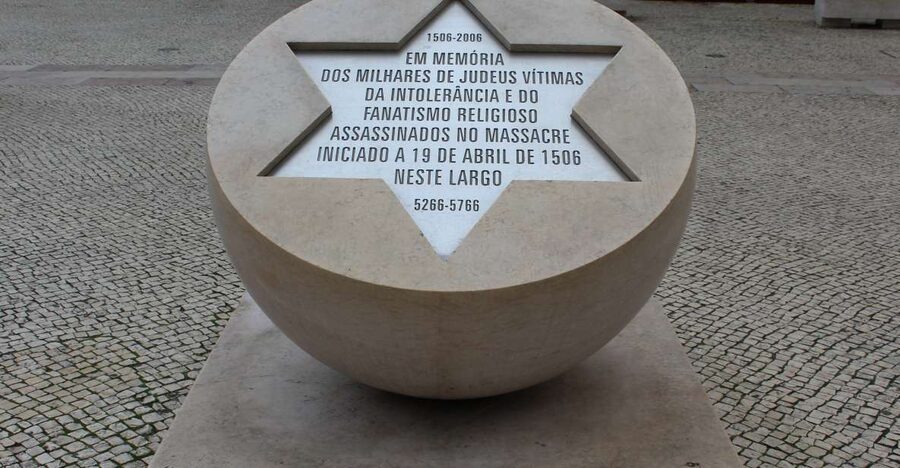
Alfama is the key neighborhood on this walk. It is one of Lisbon’s oldest areas, and its steep lanes make the past feel close and physical. You are not hearing about a vanished community in an abstract lecture. You are walking through a lived-in part of the city, climbing streets and pausing at places connected with Jewish life.
The hills are also the tour’s main physical challenge. One guide, Al, is praised for pacing the walk to suit the group, which can make a real difference. Still, you should wear comfortable shoes and be ready for uneven, sloping streets.
The Alfama section may include archaeological sites and a wall featuring a Star of David. These details help turn broad history into something visible. You might find that a modest marker or fragment tells you more about the city’s past than a grand monument, especially when the guide explains what has survived and what has disappeared.
You also get views toward the port. That matters because Lisbon’s Jewish story is tied to commerce, movement, and Portugal’s connections beyond the Iberian Peninsula. The outlook is not just a scenic pause. It gives context for a city that faced outward toward trade routes and overseas expansion.
Do not expect Alfama to function like an open-air Jewish museum. The neighborhood contains many layers, and the tour connects Jewish history with the rest of Lisbon’s story. That wider view is one of its strengths, though visitors seeking a long list of preserved synagogues or interiors may find the route less site-heavy than expected.
Baixa and Chiado, linking daily life with a wider city
The walk also passes through Baixa and Chiado. These areas help broaden the story beyond Alfama’s older streets.
Baixa is central Lisbon’s planned commercial core, while Chiado is associated with shops, cafés, culture, and city life. The tour uses these districts to explain how Jewish history fits into the development of Lisbon rather than treating it as a separate subject.
That approach is useful. Jewish communities contributed to Portuguese agriculture, finance, and medicine, and their work also connected with the period of Portuguese exploration in the 16th century. A city walk through central neighborhoods gives the guide room to discuss those links.
You may also hear about the effects of forced conversion. Converts to Catholicism could remain part of Portuguese society while carrying family memories and religious practices that did not fit neatly into official rules. The tour’s subject is therefore not only about visible Jewish institutions. It is also about private belief, public identity, and the choices people made to survive.
Chiado and Baixa can feel more open and urban than Alfama. That change helps show how Jewish life was part of the city as a whole. At the same time, the route may involve ordinary streets rather than dramatic landmarks at every stop. Go for the explanations and connections, not for a constant stream of spectacular sights.
More History Walking Tours in Portugal
- Historic Walking Tour Through Lisbon’s Oldest Neighborhood
★ 5.0 · 233 reviews - Lisbon: 3-Hour The Slave Trade – An Historical Walking Tour
★ 4.9 · 179 reviews - Lisbon: Historical Walking Tour with Jeronimos Monastery
★ 4.5 · 71 reviews - Lisbon: Street Art and Historical Walking Tour
★ 4.9 · 42 reviews
Sephardic communities, forced conversion, and the wider world
The strongest part of the experience is likely its historical scope. You learn about the Jewish community in Portugal before the expulsion of the 16th century, then follow the consequences beyond Lisbon.
The tour explains how Portuguese Jews became important in places such as England, Holland, and the United States after leaving Portugal. This wider view helps you understand the diaspora as an active network of people, knowledge, trade, and family ties rather than a simple story of departure.
The subject also gives you a different way to understand the Portuguese discoveries. Jewish contributions to medicine, finance, agriculture, and technical knowledge formed part of the society that supported Portugal’s outward expansion. That does not make the period simple or romantic. It shows how different communities could contribute to a national project while still facing discrimination and religious pressure.
I especially like this balance. The tour does not present Jewish history as an isolated footnote, and it does not reduce Portugal’s past to exploration alone. You see how religion, work, money, science, law, and identity overlapped.
If you have Sephardic family connections, tell the guide at the start. Al has tailored the walk to a visitor’s interest in family ties to Lisbon, and that kind of conversation can make the material more personal. The tour can also suit you if you have no family connection but want to understand how Portugal treated religious minorities over time.
The human touch: pacing, conversation, and small treats
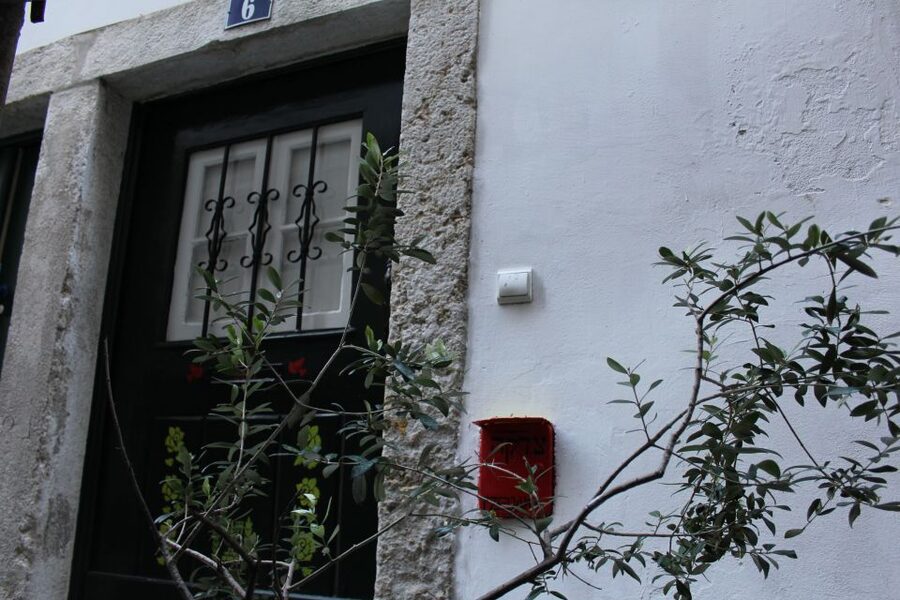
The guide can make or break a history walk. Here, Al is repeatedly singled out for being engaging, accommodating, and able to adjust the pace. Luciano is praised for his command of Portuguese and Jewish history and for linking both subjects to the city around you.
Those details matter because three hours is long enough for a lecture to become tiring. A guide who pauses, answers questions, and changes the rhythm can keep the walk comfortable.
The experience may include Israeli dates bought at a local shop and a coffee or tea break near the end. These are small touches, but they give the tour a more personal rhythm. You get a chance to rest, ask questions, and move from formal history into conversation.
Do not treat these extras as guaranteed features of every departure. The supplied details show that they have been part of the experience, but guides and routes can differ. The bottle of water is included.
The group size is not specified, so you should not book expecting a private tour. The personal feel seems to come mainly from the guide’s approach and willingness to adapt, not from a stated small-group format.
Is $141 per person a fair price?
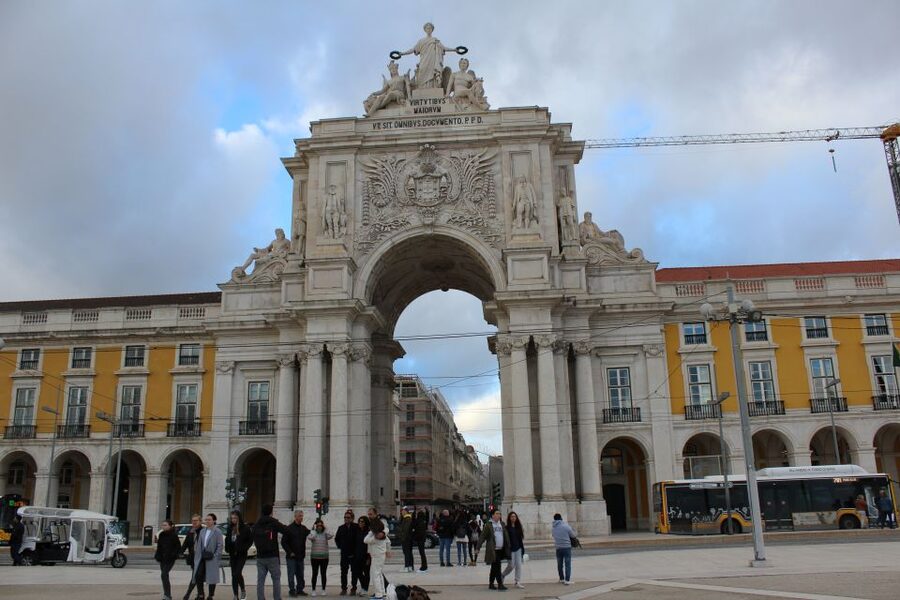
At $141 per person, this is a serious purchase for a three-hour walking tour. It is priced well above a basic city orientation, so the value depends on how much you want a focused Jewish history experience.
I would consider it worthwhile if you have Sephardic roots, a strong interest in Jewish history, or limited time to understand Portugal’s Jewish past with a guide. The price pays for a specialist subject, live commentary in English or Portuguese, and a route that combines history with several central Lisbon neighborhoods.
The value is less clear if you simply want to see Lisbon’s main sights. The tour is not built around entry to major attractions, and transportation is not included. You are paying for interpretation, historical connections, and access to a subject that can be hard to encounter through casual sightseeing.
The rating is 4.6 from 52 reviews, with strong praise focused on the guides, pacing, and historical detail. That pattern suggests the quality rests heavily on who leads your walk. If you can request Al or Luciano, do so, though availability is not stated.
Who should book this walk?
This tour suits you best if you:
- Want Jewish history placed within Portugal’s wider political and cultural story.
- Have Sephardic ancestry or family links to Lisbon.
- Enjoy walking through real neighborhoods instead of spending the whole morning indoors.
- Want a guide who can discuss both Jewish history and general Lisbon history.
- Can manage steep streets and a full three hours on foot.
- Prefer a thoughtful, discussion-led tour over a fast list of photo stops.
It is less suitable if you have mobility impairments, dislike hills, or want a tour with included transportation. It may also disappoint if you expect a large number of preserved Jewish buildings or guaranteed museum entry.
Book with comfortable shoes, water in mind, and enough space in your schedule to walk at a measured pace. Free cancellation is available up to 24 hours before the activity for a full refund, and you can reserve now and pay later, which helps if your Lisbon plans are still shifting.
Should you book the Jewish History in Portugal walk?
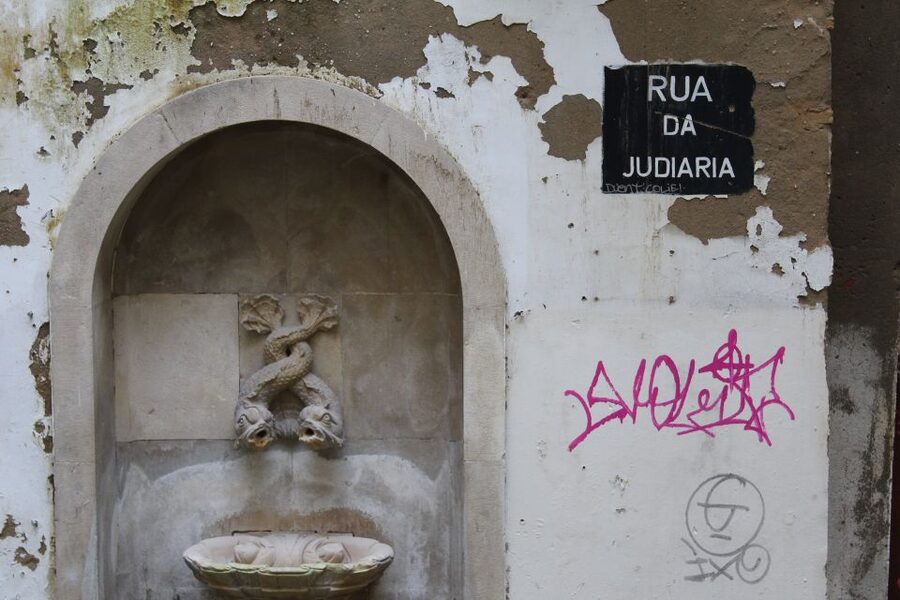
I would book this tour if Jewish Lisbon is a main reason you are interested in the city. The best features are the neighborhood setting, the focus on Sephardic and Marrano history, and the way the guide connects Jewish life to Portugal’s wider story of trade, medicine, exploration, and religious pressure.
The $141 price needs a clear reason. For family-history research or serious cultural interest, the focused guidance can justify it. For a general first look at Lisbon, choose it only if you are happy to trade a standard sightseeing route for a more specialized subject.
If you can walk Alfama’s hills and you want history explained rather than simply pointed out, this is a worthwhile choice. Ask about Al or Luciano when booking, and let the guide know what interests you before the walk begins.
FAQ
How long does the Jewish History in Portugal walking tour last?
The tour lasts three hours.
Where does the tour meet?
You meet at A Padaria Portuguesa, described as a bagel shop.
Which Lisbon neighborhoods does the tour visit?
The route passes through Alfama, Baixa, and Chiado.
What languages does the guide speak?
The live tour is offered in Portuguese and English.
Is transportation included?
No. Transportation is not included. The activity is a walking tour.
Is the tour suitable for people with mobility impairments?
No. The activity is listed as unsuitable for people with mobility impairments, and the Alfama portion is described as very hilly.
What is included in the price?
The tour includes a guide, the walking tour, and a bottle of water.
Can I cancel the booking?
Yes. You can cancel up to 24 hours in advance for a full refund. You can also reserve now and pay later.
More Jewish Heritage Tours in Lisbon
- Budapest Jewish Heritage Memorial Walking Tour & Synagogue Entry
★ 5.0 · 568 reviews - Budapest: Jewish Heritage Guided Tour with Synagogue Ticket
★ 4.8 · 533 reviews - Private Jewish Heritage Journey by Barcelona Dreaming
★ 4.8 · 383 reviews - Warsaw: Jewish History Guided Walking Tour in English
★ 4.7 · 324 reviews
More Jewish Heritage Tours in Portugal
- Lisbon Jewish Heritage and History – Private Tour Van
★ 5.0 · 294 reviews - Lisbon: Jewish History Tour of Lisbon
★ 4.8 · 84 reviews - Lisbon: Jewish History Private Tour
★ 4.8 · 59 reviews - 3-Hour Porto Jewish Heritage Walking Tour with Local Guide
★ 4.5 · 396 reviews
Just added around Lisbon
- Lisbon: Historical Walking Tour with Jeronimos Monastery★ 4.5 · 71 reviews
- Lisbon Sunset Sailing – Small Group (max 10) Wine & History★ 4.8 · 41 reviews
- Lisbon: Private Historic Tour by Eco Tuk Tuk★ 5.0 · 78 reviews
- Lisbon with Tukxi: Historical Secrets by Tuk-Tuk★ 4.8 · 96 reviews
- Lisbon: Private Guided Tour of Historical Center by Tuk Tuk★ 4.7 · 67 reviews
- Lisbon: Tuk-Tuk Tour Historical Alfama old town private tour★ 4.7 · 30 reviews
- Lisbon: Sunset Sailing with Portuguese Wine and History★ 5.0 · 270 reviews
- Portuguese Wine History & Amazing Landscape★ 4.9 · 26 reviews
Lisbon History Tours, compared.

Lisbon: History, Stories and Lifestyle Walking Tour
Read our review →
Lisbon: Fado Show and Wine inside Medieval Walls
Read our review →
Lisbon: Daytime or Sunset Boat Cruise with History and Wine
Read our review →
Explore Lisbon by Tuk Tuk: History and Viewpoints
Read our review →
Private Tuk Tuk Tour Through Lisbon’s Historical Streets
Read our review →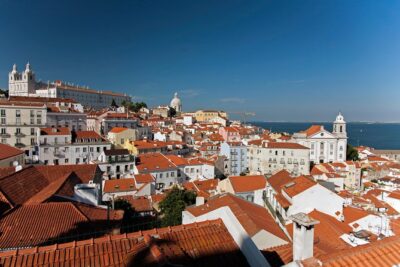
Lisbon Highlights – Private Tour with Van and Local Guide
Read our review →
Templar Tour Convent of Christ & Almourol Castle from Lisbon
Read our review →