
Review · NEW ORLEANS
The National WWII Museum Campus Pass plus 4-D Film
The National WWII Museum is not a quick stop with a few glass cases. It is a six-acre campus of pavilions, films, personal stories, and large displays that can easily fill a full day. The ticket’s best feature is timed entry to Beyond All Boundaries, the Tom Hanks-narrated 4-D film with vibrating seats and atmospheric effects.
I like the freedom to enter the museum before the film at any time, and I like how the five pavilions cover both the European and Pacific theaters, along with life before and after the war. The main drawback is simple: there is a lot of walking and reading, and the material can be emotionally difficult, especially in the sections dealing with Nazi persecution and wartime suffering.
Key Points to Know Before You Go
- Your film time controls the day: Choose a screening time for Beyond All Boundaries, then enter the museum earlier to explore.
- Plan for five pavilions: This is a campus museum, not a single-room exhibit. Four to eight hours is realistic, and some people return for a second day.
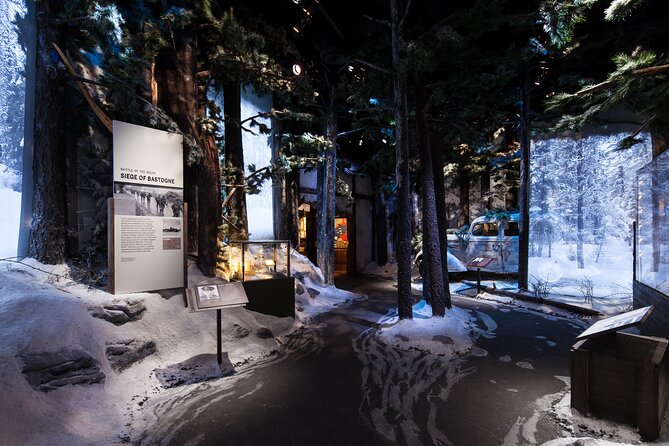
- The 4-D film adds motion and sound: Expect vibrating seats, sudden chair movements, loud noises, flashing lights, fog, moving scenery, and layered projection.
- Personal stories carry the museum: Dog tag experiences, oral histories, photographs, and wartime footage give the displays a human scale.
- The museum suits serious history fans: Young teenagers who enjoy military history may get a lot from it, but the material is not designed as a light family attraction.
- The $49.35 price buys a substantial day: The value is strongest if you arrive early and stay long enough to visit several buildings.
A Museum Campus, Not a Two-Hour Attraction
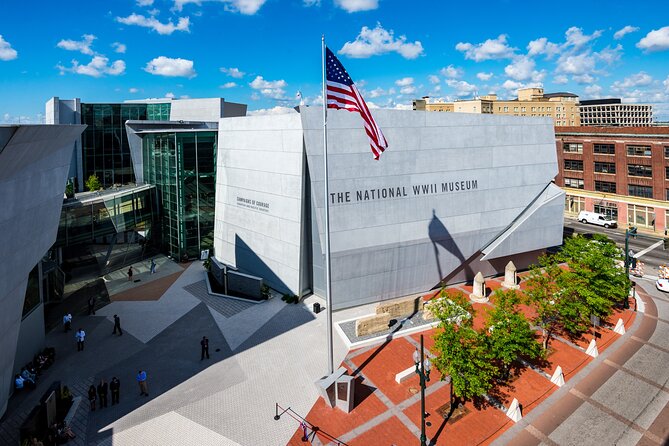
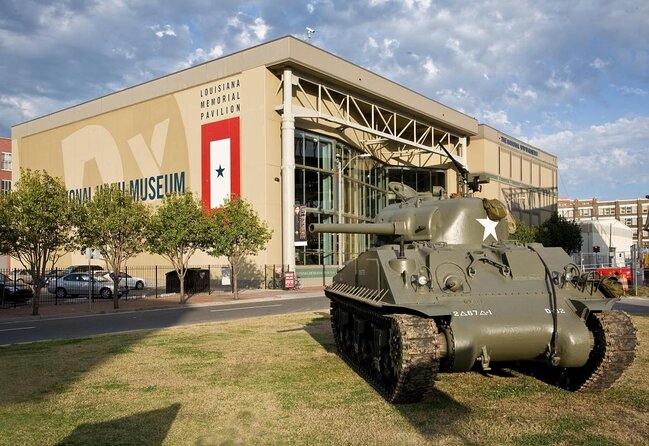
The National World War II Museum occupies a sprawling six-acre campus in downtown New Orleans. You move between several pavilions, each handling a different part of the war and its consequences.
That layout matters. You are not simply walking through one chronological hallway. You are building your visit across separate spaces, films, displays, and large-scale presentations. The museum can feel like a full day’s main event rather than something to squeeze between lunch and a streetcar ride.
The museum opens from 9 a.m. to 5 p.m. You may enter at any point before your selected film time, so an early arrival makes sense. Starting in the morning gives you the best chance of seeing several buildings before the 4-D screening, then continuing afterward.
I would allow at least half a day if your schedule is tight. Four hours can provide a useful introduction, especially if you choose a route and skip some reading. Six to eight hours is more realistic if you want to watch films, follow exhibits carefully, and pause at the personal accounts.
Several people have found that even seven or eight hours was not enough for everything. That is not a criticism of the museum, but it is an important planning fact. If you expect to see every display in one visit, you may leave tired and still feel you missed material.
More WWII and D-Day Tours in New Orleans:
- The National WWII Museum Admission Ticket New Orleans
★ 5.0 · 2,202 reviews - New Orleans: The National WWII Museum Ticket
★ 4.8 · 704 reviews - Amsterdam: Life of Anne Frank and World War II Walking Tour
★ 4.8 · 10,467 reviews
Five Pavilions and Several Ways Into the Story
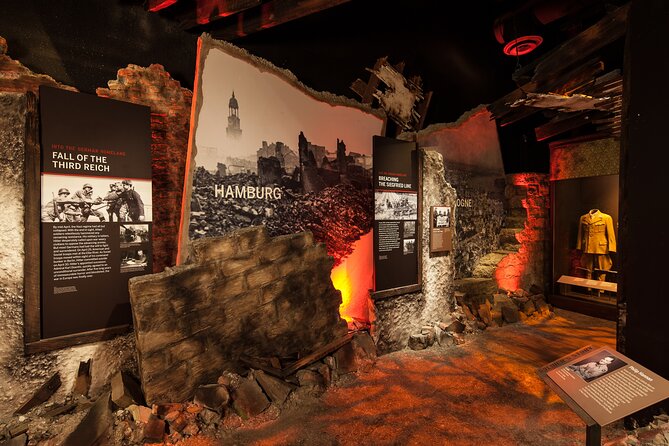
The museum covers the war from more than one angle. You can follow the military campaigns, but you will also find material about political leaders, women, Black Americans, Native Americans, civilians, and people from different countries.
That broader approach gives the museum more weight than a display of weapons and battle dates. Military history is here, but so are production, sacrifice, fear, loss, and the difficult years after the fighting ended.
The European and Pacific theaters receive attention, and the museum also includes the period before the war and life after it. This wider frame helps you understand that World War II was not a string of isolated battles. It changed families, economies, governments, and communities.
You should expect plenty of reading. Bring your glasses if you need them, since many displays depend on written accounts and detailed labels. Audio and visual presentations appear throughout the campus, but the experience is not primarily an interactive children’s attraction.
The sequence is not always obvious, so take a moment to get oriented when you arrive. You might find it useful to choose one building or major theme at a time instead of trying to absorb every sign in order.
Why the Personal Stories Matter
The strongest parts of the museum are often the individual voices. Oral histories, photographs, wartime footage, and personal records connect major events to people who lived through them.
One especially useful option is the Follow A Soldier dog tag experience. It gives you a personal thread to follow as you move through the museum, helping turn a huge subject into one person’s story. That can make the visit easier to organize, especially when the campus begins to feel large.
The dog tag approach also helps younger visitors who already like military history. A 13-year-old with a strong interest in the subject may find this kind of focused activity more rewarding than moving from label to label without a clear goal.
The museum also includes memorial details connected to individual families. Some people have placed bricks in memory of relatives who served in World War II, adding a personal layer to the visit. For anyone with a family connection to the war, that can make the museum feel less abstract.
You should give yourself time to pause. This is not an attraction to rush through while checking off rooms. The emotional effect builds through the voices and images, especially when the displays move from strategic decisions to the consequences for ordinary people.
Beyond All Boundaries: The Part You Should Reserve Early
The selected time on your ticket is for Beyond All Boundaries, shown in the Solomon Victory Theater. You can enter the museum before that time and begin touring, but you need to plan your route so you reach the theater on schedule.
The film is narrated by Tom Hanks and uses a 4-D presentation. Seats vibrate and move, while lighting, sound, fog, moving props, scenery, and layered projection add physical effects to the film.
I would treat the film as a central appointment, not a small add-on. It gives you a fast, dramatic overview of the war and can help connect the exhibits you see before or after it. Many people consider it worth including, but its style is not gentle or quiet.
The effects may be difficult if you are sensitive to loud noises, flashing lights, fog, or sudden chair movements. Stationary seating is available, so ask at the theater if you need it. Assisted listening devices are also available through the Visitor Services desk in the Solomon Victory Theater.
The film is not closed captioned. That is important to know before you pay for the package, particularly if captions are essential for your visit.
Some images are disturbing. The material dealing with Nazi death camps can be very hard to view, and the film and exhibits may use sudden sounds or startling images. Earplugs could be useful for anyone sensitive to volume, although the museum’s own guidance is the best place to ask about current arrangements.
More History Tours in New Orleans:
- New Orleans Garden District History Walking Tour
★ 5.0 · 2,879 reviews - French Quarter Historical Sights and Stories Walking Tour
★ 5.0 · 2,724 reviews - New Orleans Small-Group Haunted History Carriage Tour
★ 4.5 · 2,289 reviews - New Orleans Haunted History Ghost Tour
★ 4.5 · 2,084 reviews
How Much Time Should You Set Aside?
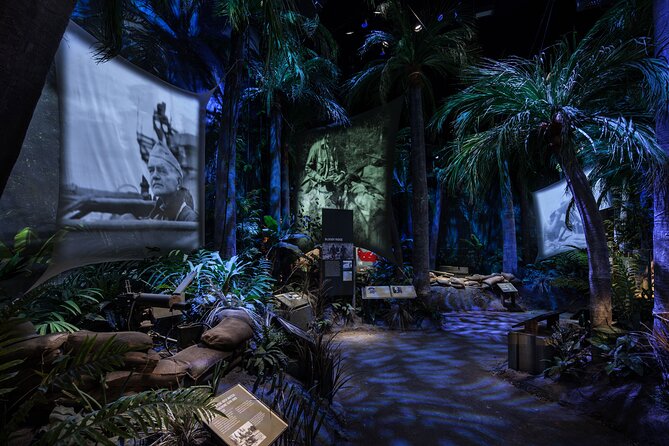
The short answer is as much as your New Orleans schedule can spare.
A minimum of three hours can work if you include the 4-D film and a quick visit, but that will leave large parts of the campus unseen. Half a day gives you a better introduction. A full day lets you move at a more sensible pace, stop for a meal, watch additional films, and read more of the personal material.
Some people return for a second day because the museum is so large. A second-day pass may be available for an additional fee, but the information provided here confirms only that visitors have used that option, not the current terms or price. Ask at the museum if you are considering returning.
The campus includes a place to eat, which helps. You do not need to treat the day as one long march. A break halfway through can make the final buildings much easier to appreciate.
Wear comfortable shoes. That advice sounds ordinary, but it matters here. You will walk between buildings, move through large exhibit areas, and spend time standing while reading or watching presentations.
Is the $49.35 Ticket Good Value?
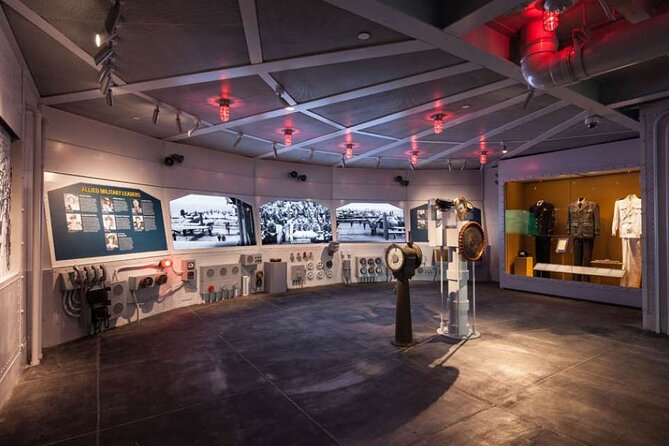
At $49.35 per person, this is not a casual low-cost museum entry. The value depends on how much of the campus you use.
If you arrive late and stay for only two hours, the price will feel high. If you arrive close to opening, see several pavilions, and attend Beyond All Boundaries, the ticket can reasonably cover a full day of activity in one of New Orleans’ major museums.
The 4-D film is the most important value difference between this package and simple museum admission. Since the film has timed screenings and can be in demand, booking ahead removes one worry from your day. You can build the rest of your visit around a fixed appointment.
The ticket also uses a mobile format, which is convenient when you are already managing restaurant bookings, transportation, and other New Orleans plans. Confirmation is provided at booking.
I would choose this package if World War II is a major interest or if you want one substantial, weather-resistant cultural day. I would think twice if your group prefers hands-on science museums, quick attractions, or a light activity for small children.
Who Will Enjoy This Most?
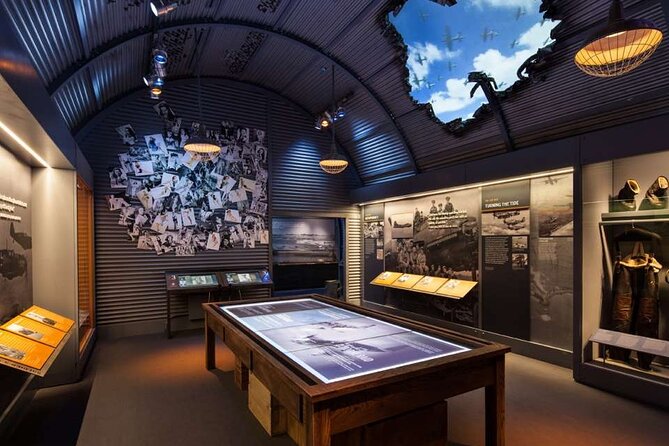
This experience is best for adults, older teenagers, and younger visitors who already have a serious interest in history or military subjects. The museum presents difficult material and expects attention, reading, and patience.
High school students may find the films and personal accounts useful because they show the human cost behind familiar dates and battles. The museum can also help families discuss why the war happened, what people endured, and why avoiding war matters.
It is not ideal for a toddler or for anyone hoping for a purely interactive attraction. The campus does have interactive kiosks and personal storytelling features, but much of the visit involves exhibits, text, photographs, films, and reflection.
The subject is also emotionally heavy. You may leave feeling admiration for the people who served, sadness for those who died, and discomfort with the scale of wartime cruelty. That is part of the purpose, but you should prepare children and teens rather than treating this like a standard sightseeing stop.
Practical Details That Can Shape Your Visit
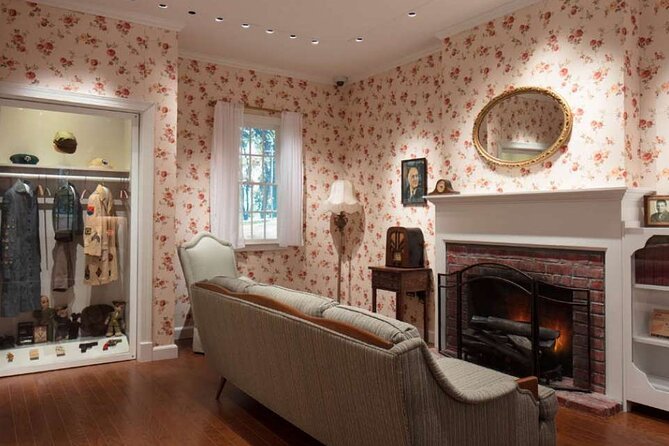
The museum is near public transportation, so you do not need to make a special transportation plan based on the information provided. The ticket is for one day, and the museum’s listed hours are 9 a.m. to 5 p.m., Monday through Sunday.
Service animals are allowed, and most people can participate. For the 4-D film, ask about stationary seating if moving seats may cause trouble. Loud sound, fog, flashing light, and sudden movement are all part of the presentation.
The experience requires good weather under its stated policy. If poor weather causes cancellation, you can be offered another date or a full refund. For a normal cancellation, cancel at least 24 hours before the start time for a full refund. Cancellations or changes made within 24 hours are not accepted for a refund.
The easiest planning mistake is choosing a late film time and assuming you can still see everything afterward. Since the museum closes at 5 p.m., a morning or early afternoon screening gives you more flexibility.
The second mistake is underestimating the reading. If you want to understand the displays instead of simply passing through them, slow down. The museum rewards attention more than speed.
Should You Book the National WWII Museum Campus Pass?
Book it if you want a serious, moving museum day and can give it at least half a day, preferably more. The five-pavilion campus, personal stories, Pacific and European theater displays, and Beyond All Boundaries film make this much more than a basic admission ticket.
I especially recommend the package for adults and older teenagers who enjoy military history, families with a personal connection to World War II, and anyone willing to spend a full day indoors with difficult subject matter.
Skip it if your New Orleans plans allow only a short visit, if loud 4-D effects are a problem, or if your group needs a light and highly playful attraction. For everyone else, the $49.35 price makes the most sense when you arrive early, use your timed film slot wisely, and accept that one visit may not cover the whole campus.
FAQ
How long does the National WWII Museum Campus Pass last?
The pass is for one day, with museum hours listed as 9 a.m. to 5 p.m. You can enter the museum at any time before your selected Beyond All Boundaries film time.
Does the ticket include the Beyond All Boundaries film?
Yes. The ticket includes timed entry to Beyond All Boundaries in the Solomon Victory Theater. The selected time is for the 4-D film.
Can I enter the museum before my film screening?
Yes. You may enter the museum any time before your movie time and begin touring the campus.
What happens during the 4-D film?
The presentation uses vibrating seats, sudden chair movements, loud noises, flashing lights, fog, moving props and scenery, lighting and sound effects, and layered projection.
Is the 4-D film suitable for people with medical concerns?
Some effects may aggravate certain medical conditions. Stationary seating is available, and you can ask Visitor Services in the Solomon Victory Theater for assistance.
Is the film closed captioned?
No. Beyond All Boundaries is not closed captioned. Assisted listening devices are available at the Visitor Services desk in the Solomon Victory Theater.
Can I cancel the booking for a full refund?
Yes, if you cancel at least 24 hours before the experience start time. Cancellations or changes within 24 hours are not refunded or accepted. If poor weather causes the experience to be canceled, you will be offered another date or a full refund.
Just added around New Orleans
- New Orleans: 1.5-Hour Voodoo History Evening Tour★ 4.5 · 34 reviews
- New Orleans: Swamp Boat Ride and Historic Plantation Tour★ 4.7 · 303 reviews
- New Orleans: Wicked History Walking Tour with a Local Witch★ 4.3 · 29 reviews
- New Orleans: French Quarter Saints & Sinners History Tour★ 4.6 · 56 reviews
- New Orleans: Garden District Food, Drinks & History Tour★ 4.9 · 97 reviews
- New Orleans: Tremé African American & Creole History Tour★ 4.9 · 208 reviews
- New Orleans: Haunted Drunken History Walking Tour★ 4.9 · 50 reviews
- New Orleans, French Quarter: Pirate History Walking Tour★ 5.0 · 45 reviews
New Orleans History Tours, compared.

New Orleans Garden District History Walking Tour
Read our review →
French Quarter Historical Sights and Stories Walking Tour
Read our review →
New Orleans Small-Group Haunted History Carriage Tour
Read our review →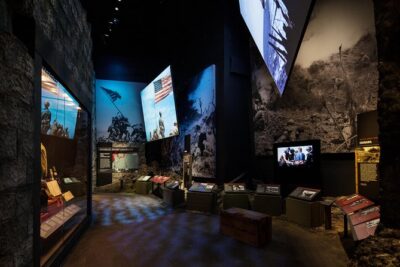
The National WWII Museum Admission Ticket New Orleans
Read our review →
Paddlewheeler Creole Queen Historic Mississippi River Cruise
Read our review →
New Orleans: Creole Queen History Cruise with Optional Lunch
Read our review →Browse the lists this tour appears in