
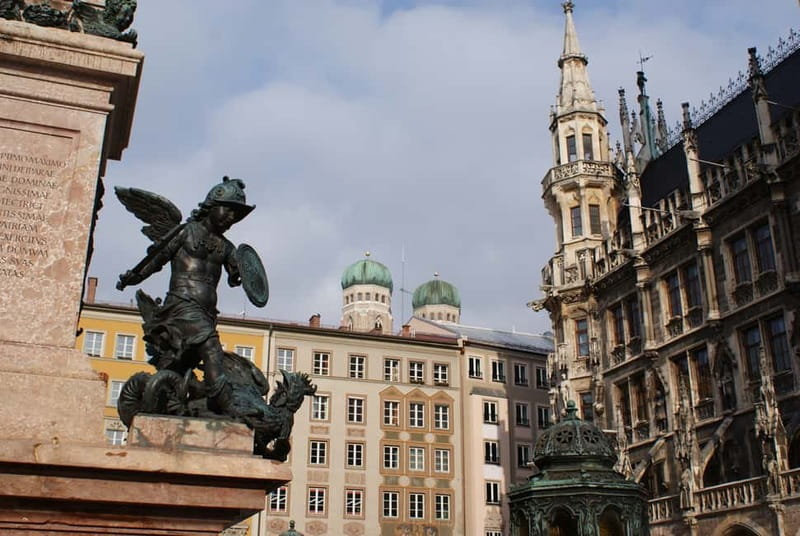
Review · MUNICH
Munich and Nazi History Combination Day Tour Small Group
Dachau is not a sightseeing stop in the usual sense. It is a place for remembrance, education, and quiet attention. This eight-hour tour gives you a structured way to visit the memorial, then connects it to the streets and buildings of Munich where the Nazi movement began and gained power.
I like the small maximum group of 15, which keeps questions possible and makes public transport easier to manage. I also like the split schedule: a serious morning at Dachau, a lunch break at Marienplatz, and a city walk in the afternoon. The main drawback is the pace. You spend much of the day walking, riding trains and buses, and taking in difficult material, so this is not a light outing.
The guide, Alun Evans, handles the day in English and takes care of transportation during the tour. Past guests particularly valued his clear explanations, calm handling of an emotional subject, and ability to answer questions without making anyone feel awkward for asking them.
Key points to know before booking
- Dachau comes first: Spend about three hours at the memorial site, including guided touring and independent time in the museum.
- Munich’s Nazi past is woven into the city: See places linked to Hitler, the German Workers Party, the November 1938 pogrom, and the Munich Agreement.
- Small group size matters: The tour accepts no more than 15 people, allowing more room for conversation than a large coach outing.
- Public transport is part of the experience: Train and bus travel take about 45 minutes each way, with the guide managing the route and transport costs.
- Plan for a full, serious day: Comfortable shoes, weather-appropriate clothing, and a willingness to discuss painful history are essential.
- Lunch is on your own: You get about an hour at Marienplatz, and the guide can suggest places to eat.
Why this Munich history tour is useful
Munich can look like a handsome medieval city of churches, old squares, beer halls, and grand avenues. Its Nazi-era story is not always obvious as you walk around. That is exactly why this tour is useful.
You do not simply visit Dachau as an isolated memorial, then return to sightseeing as if the morning had never happened. The afternoon walk shows how Munich was connected to the Nazi movement before and during its rise. You see the city as both a historic Bavarian capital and a place where destructive political ideas were organized, announced, and enforced.
I appreciate that the day combines two different kinds of learning. Dachau gives you the physical memorial site and museum. Munich gives you the political setting: meeting places, public buildings, rally grounds, and locations linked to major decisions.
The subject requires care. This is not a tour for jokes, quick photo stops, or casual entertainment. Your guide’s role is especially important, and Alun Evans is repeatedly praised for being organized, approachable, and sensitive while still providing a large amount of historical detail.
More WWII and D-Day Tours in Germany
- Berlin: Third Reich & Cold War Guided Walking Tour
★ 4.9 · 8,378 reviews - Munich: Third Reich & WWII Walking Tour
★ 4.6 · 6,181 reviews - Berlin’s Best: 2 Hour Walking Tour Third Reich and the Cold War
★ 5.0 · 5,486 reviews
Meeting at Marienplatz and taking the train to Dachau
The day begins at 9:00 AM in front of the Tourist Information Center at Marienplatz. Look for the guide holding a placard marked Dachau Memorial Tour. This central meeting point is easy to reach within Munich, but you should arrive early. A late start can be difficult when the group is catching scheduled public transport.
The journey to Dachau takes about 45 minutes. That may sound like lost sightseeing time, but it is part of the practical value of the tour. You do not need to work out the correct train and bus connections, figure out the ticket arrangements, or lead a group through a busy station.
Several past guests specifically appreciated Alun’s skill with public transportation. He keeps the group moving through trains and buses, which matters when you are unfamiliar with Munich or concerned about making a mistake on the way to the memorial.
The tour includes transportation costs for the duration of the experience. It does not include transport before the meeting, after the tour, or for any separate plans you make later in the day.
Three serious hours at Dachau Memorial
The Dachau Concentration Camp Memorial Site is the emotional center of the day. You spend roughly three hours there with a memorial-accredited guide. That credential matters because Dachau is not a place where a quick collection of facts is enough. The site calls for historical accuracy, restraint, and a clear explanation of what you are seeing.
Expect a thorough tour of the grounds, followed by time to visit the museum independently. The museum is extensive, so the allocated hour may feel short if you want to read every panel. Still, independent time is valuable because it lets you pause, read, and think at your own speed rather than staying with the group every minute.
I like this balance between guided explanation and personal time. A guide can provide the framework and point out details you might miss alone. The museum then gives you room to absorb the material without a constant stream of commentary.
Questions are encouraged. That is useful here because the subject can raise difficult points about political control, persecution, responsibility, and how ordinary places became part of a system of terror. The guide’s explanations are intended to provide context rather than simply point at buildings.
The memorial visit can be physically tiring as well as emotionally demanding. You will be outside for part of the visit and walking across a large site, so wear comfortable shoes and dress for the weather. Large bags and luggage are not allowed, so travel light.
Current regulations at the memorial can sometimes alter the format. Historical information may occasionally be given offsite, with more independent time on the grounds. The precise order can change, but the purpose remains the same: remembrance, education, and careful attention to the site.
Returning to Marienplatz for a one-hour break
After Dachau, you return to central Munich with the guide. The timetable allows about an hour at Marienplatz for lunch and refreshments before the afternoon begins at 3:00 PM.
This break is more important than it may sound. Dachau is demanding, and a short pause gives you time to eat, use the restroom, and reset before another three hours of history. Lunch is not included, but Alun can suggest places to eat nearby.
Do not treat this as a long free period. One hour passes quickly, especially if the group needs to meet again at Marienplatz. I would choose a quick, convenient meal rather than trying to fit in a formal restaurant experience.
The break also divides the tour into two clear parts. You can approach the afternoon city walk with more energy and a better sense of how the memorial visit connects to Munich’s political past.
Same city, a different century:
- Leipzig: City History Canal Sightseeing Tour on a Motorboat
★ 4.7 · 7,671 reviews - Third Reich Berlin: Hitler and WWII Walking Tour
★ 5.0 · 3,301 reviews - Leipzig: 1.5-Hour Historical Walking Tour in German
★ 4.7 · 2,217 reviews - Nuremberg: Medieval Dungeons Guided Tour
★ 4.8 · 2,214 reviews
Walking through Nazi-era Munich at 3:00 PM
The second part begins at Marienplatz with a walking tour through central Munich. The exact stops are designed to show how Nazi history is woven into the city rather than confined to a single museum.
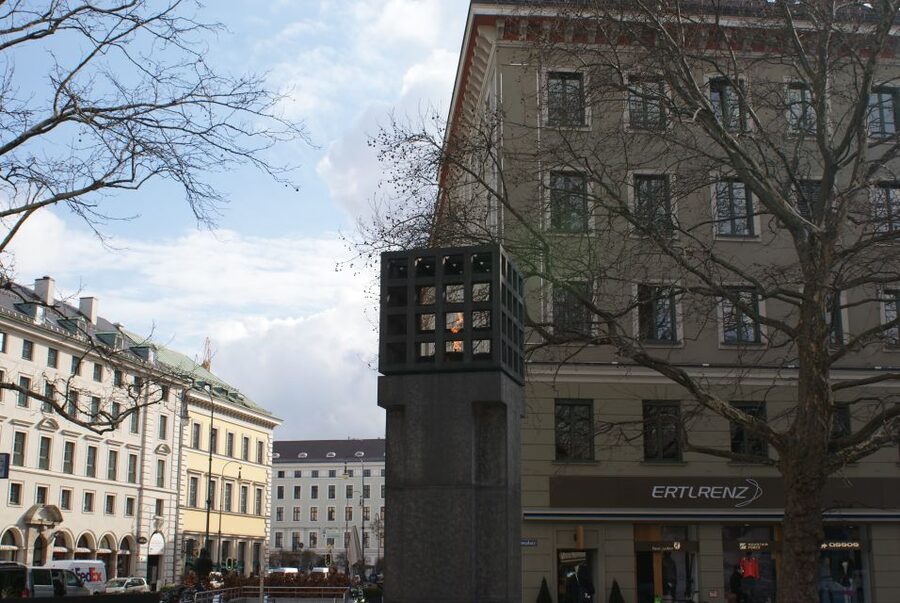
One location is connected with Hitler joining the German Workers Party. That stop helps explain the early political setting from which the Nazi Party developed. Another location is linked to the decision to carry out the pogrom against German Jews in November 1938. Seeing the place where such a decision was made gives the event a physical setting and makes clear that it was organized, not a random outbreak of violence.
The tour also visits the location where the Munich Agreement was signed in 1938. This adds an important international dimension to the walk. You are not only tracing local party activity, but also seeing a Munich site connected with a major event in the build-up to the Second World War.
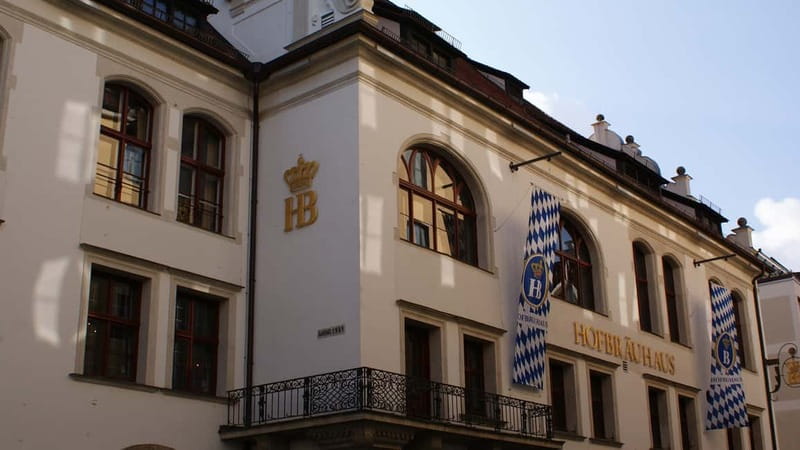
The walk includes ordinary Munich landmarks too. You see the city’s oldest parish church, one of its quaintest beer gardens, and the famous Hofbräuhaus. These stops provide useful contrast. Munich’s daily life, architecture, food, and public spaces exist alongside places connected to political extremism and persecution.
That contrast can be uncomfortable, but it is also honest. The city did not stop being a beautiful place while these events unfolded. A good guide helps you understand both facts at once without turning the tour into a sightseeing checklist.
Hofbräuhaus, Führerbau, and Königsplatz
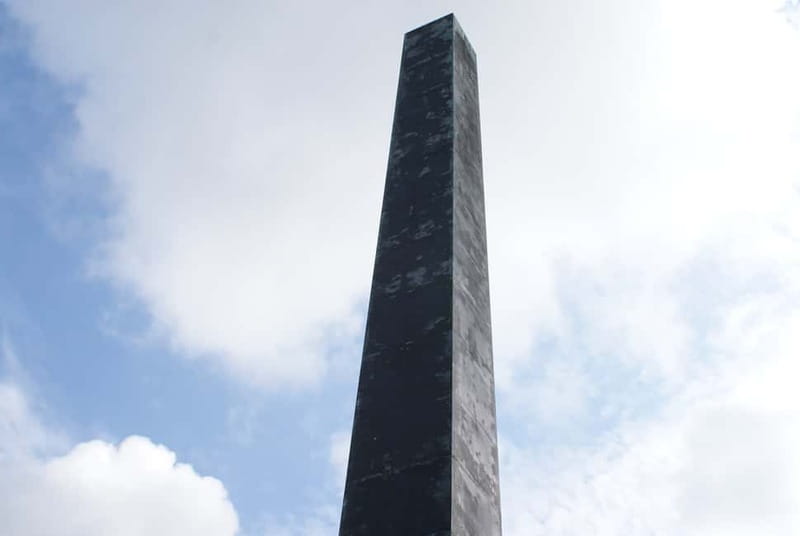
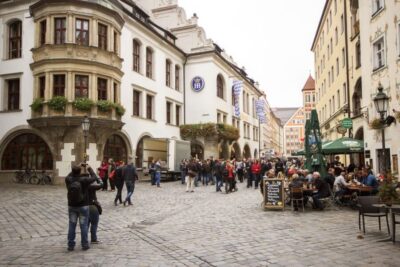
The short stop at Hofbräuhaus is not simply a chance to admire a famous beer hall. It is included because the building is part of Munich’s political story and helps place the Nazi movement within the city’s public life.
The tour then continues toward Führerbau, a building associated with the Nazi leadership and the signing of the Munich Agreement. The stop is brief, about 10 minutes, so expect an explanation rather than a long interior visit.
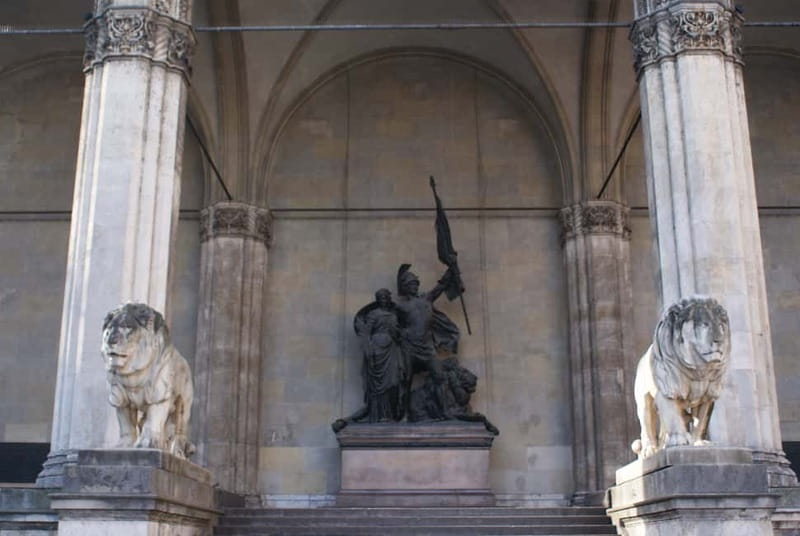
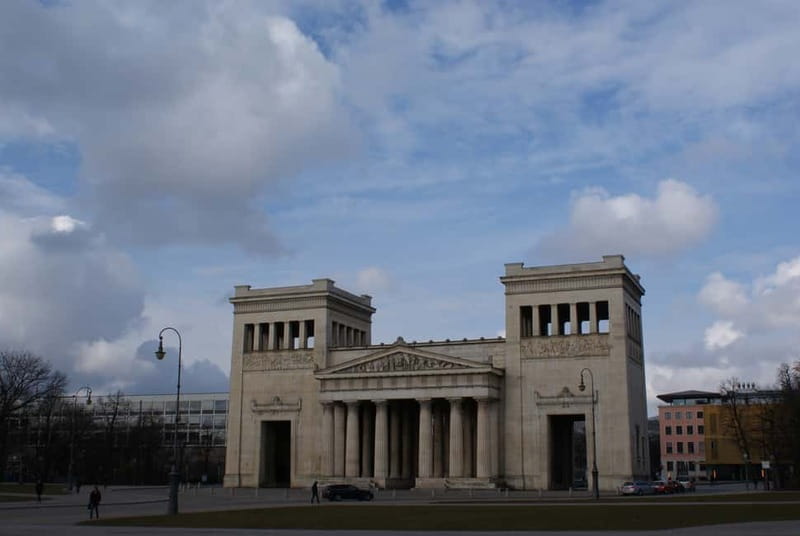
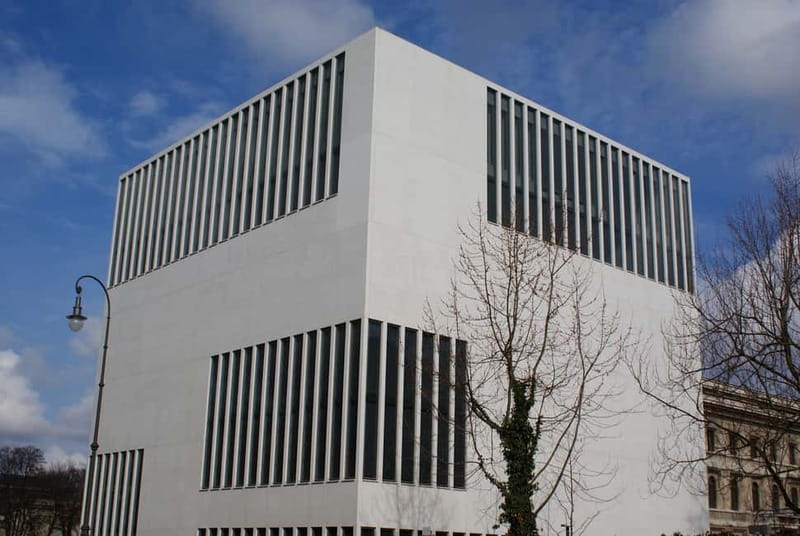
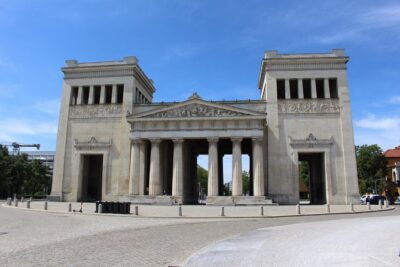
The final major stop is Königsplatz. During the Nazi period, this grand public space was used for rallies. It also marks the location of the former Führerbau and the newer Documentation Center of National Socialism.
Königsplatz makes a fitting end to the walking portion because it brings together architecture, propaganda, public ceremony, and later remembrance. You see how a civic space could be used to project political power, then become a place where that past is documented and examined.
The city walk includes several short stops, so the day does not involve sitting in one museum for hours. That variety helps maintain attention, but it also means the guide must keep a steady pace. If you prefer a slow, unhurried stroll with lots of time for photography, this tour may feel brisk.
Group size, guide style, and the value of personal attention
A maximum of 15 participants is one of the strongest features of this experience. It is not a private tour, but it can feel personal compared with a large bus group. A smaller party is easier to move through public transport, and you have a better chance to ask questions.
Alun Evans receives especially strong praise for organization and subject knowledge. His background and experience allow him to handle both the broad political story and the smaller details that casual visitors can miss. He is also described as friendly and easy to approach, which matters when the material feels intimidating.
The most useful kind of guide on a subject like this does more than recite dates. You want someone who can explain cause and effect, separate fact from assumption, and make room for questions. Alun’s approach is described as thorough but concise, with enough detail to give the day substance without losing the group.
You should still expect the quality of the experience to depend partly on the guide assigned on your date. The listed experience is provided by Alun Evans Personal Tour Guiding Munich, and the guide information names Alun Evans. The tour is in English.
Is the $141 price fair?
At $141 per person, this is not the cheapest way to reach Dachau. You can visit the memorial independently for less, especially if you are comfortable handling Munich’s transport system and preparing your own historical background.
The price becomes easier to justify when you consider what is included: an accredited guide at Dachau, transportation during the tour, a second guided walk through Munich, and a small group capped at 15 people. You are also getting a full eight-hour day rather than a short memorial transfer.
I see the value in this tour for anyone who wants the history explained in sequence. The guide connects Dachau with Munich’s Nazi-era locations, and you do not have to spend time planning routes or deciding which city sites matter.
If your main goal is simply to see Dachau and return quickly, this tour is longer and more expensive than necessary. If you want an organized historical day with room for questions, the cost is reasonable.
Free cancellation is available up to 24 hours before the tour, and you can reserve now while paying later. Those terms help if your Munich schedule is still taking shape.
Who should book this experience?
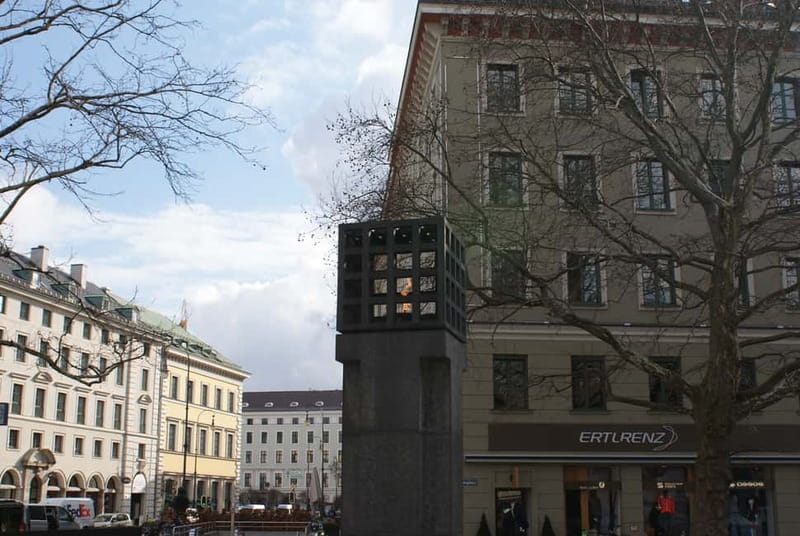
This tour suits adults and older teenagers who want serious historical context, not just landmark photos. Children under 14 are not permitted, and the subject matter is not designed as a family-friendly introduction to Munich.
It is also a strong choice for first-time visitors who want to understand how Dachau fits into Munich’s wider story. You will get the most from it if you are willing to listen closely, ask questions, and accept that parts of the day will be emotionally difficult.
History students, educators, and visitors with a particular interest in the Second World War may appreciate the amount of explanation. The tour also works well for people who feel uncertain about navigating Munich’s trains and buses.
It is less suitable if you want a relaxed day centered on food, shopping, beer halls, or general sightseeing. Although you see attractive parts of Munich, the purpose of the experience is education and remembrance.
Practical advice for making the day easier
Wear shoes you can walk in for several hours. The tour includes the Dachau grounds, train and bus connections, and an afternoon city walk.
Dress for changing weather. Parts of the memorial visit are outdoors, and you should not count on remaining inside for much of the morning.
Bring only what you need. Large bags and luggage are not permitted. Keep your phone, wallet, water, and other small essentials in a compact bag that is allowed under current site rules.
Eat a proper breakfast before meeting at Marienplatz. Lunch comes later, after the Dachau visit, and the break is limited to about an hour.
Finally, leave room in your schedule after the tour. The guide can escort you back toward Marienplatz by train, or you can continue with your own plans from Königsplatz. Alun can also offer restaurant suggestions and directions.
Should you book this Munich and Dachau tour?
Book it if you want a well-organized, English-language day that links Dachau with the places where Nazi politics took shape in Munich. The small group, included transport, memorial-accredited guiding, and time in the museum give it more substance than a simple transfer or quick city walk.
Skip it if you prefer to explore independently, want a lighter sightseeing day, or need a flexible schedule with no fixed eight-hour commitment. Dachau is also a place where going alone can be meaningful, provided you are prepared to study the site beforehand.
For most adults visiting Munich who want a clear and respectful introduction to this difficult subject, I would choose the guided option. It saves logistical work, brings together locations you might otherwise miss, and gives you the historical links needed to understand what you are seeing.
FAQ
Where does the tour begin?
The meeting point is in central Munich at Marienplatz, in front of the Tourist Information Center. The guide carries a placard marked Dachau Memorial Tour.
What time does the tour start?
The day begins at 9:00 AM. The second part starts at 3:00 PM from Marienplatz.
How long does the tour last?
The full experience lasts about eight hours.
Is the tour conducted in English?
Yes. The live tour guide speaks English.
How large is the group?
The tour is limited to 15 participants.
Is transportation included?
Transportation costs during the tour are included. The experience uses Munich’s public transport system, including train travel of about 45 minutes each way to Dachau.
Are meals included?
No. Meals and drinks are not included. You have about an hour for lunch at Marienplatz, and the guide can suggest places to eat.
Can children join the tour?
Children under 14 are not permitted.
More Small-Group History Tours in Germany
- Small group Potsdam: A Journey Through History and Palaces
★ 4.7 · 317 reviews - Berlin Wall History Small Group Cycling Tour
★ 4.9 · 152 reviews - Small group Potsdam: A Journey Through History and Palaces
★ 4.5 · 151 reviews - Small-Group Historical Bike Tour in Berlin
★ 4.5 · 103 reviews
Just added around Germany
- Berlin Food & Cultural Tour: Must-Try German & Berliner Classics★ 5.0 · 51 reviews
- Berlin Half-Day World War II Walking Tour★ 4.5 · 48 reviews
- Small-Group Historical Bike Tour in Berlin★ 4.5 · 103 reviews
- Historic center of Berlin – Tour in Italian★ 5.0 · 143 reviews
- Berlin Cold War & World War II Third Reich Walking Tour★ 4.5 · 30 reviews
- Private Taxi Tour City East & West History and Architecture 3-4h★ 5.0 · 42 reviews
- Berlin Wall and Cold War Bike Tour in Small Groups★ 5.0 · 114 reviews
- Private Tour: Jewish Heritage Walking Tour of Berlin★ 5.0 · 29 reviews
Munich History Tours, compared.
Munich World War II Sites Including Dachau Concentration Camp
Read our review →
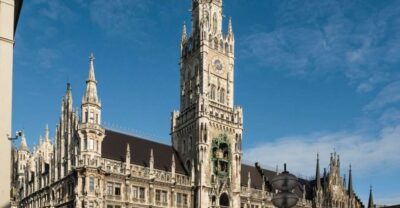
Munich: Guided Tour of the historic Town Hall on Marienplatz
Read our review →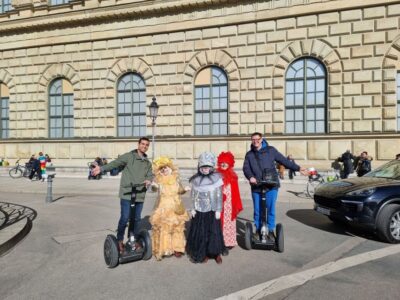
Munich: Third Reich and World War II Segway Tour of the City
Read our review →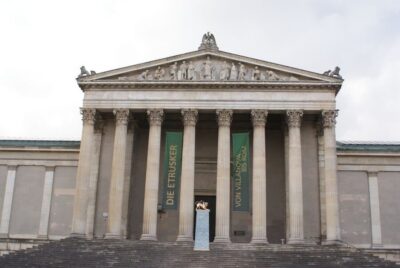
Munich: Nazi History 2-Hour Small Group Walking Tour
Read our review →Browse the lists this tour appears in