Review · MUNICH
Munich: Nazi History 2-Hour Small Group Walking Tour
Munich’s Nazi past is not tucked away in a distant museum. It is woven into the central streets you cross on an ordinary city walk. This tour follows that difficult story from Marienplatz to Hofbräuhaus, Odeonsplatz, and Königsplatz, showing how Adolf Hitler and the Nazi party gained a foothold here.
I like the small-group format, which gives Alun Evans room to answer questions and adjust his explanations. I also like the route’s mix of famous landmarks and darker political history, especially the Hofbräuhaus stop, where Hitler gave speeches. The main drawback is time: two hours gives you a strong introduction, but history lovers may wish for a longer conversation afterward.
Key points at a glance
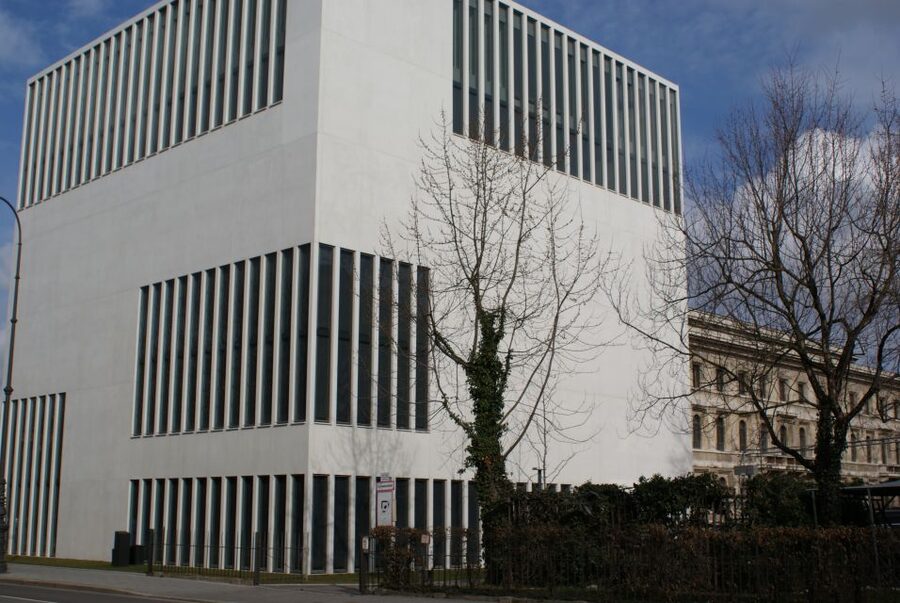
- Munich’s central squares become historical evidence: Marienplatz, Odeonsplatz, and Königsplatz each reveal a different part of the Nazi story.
- Alun Evans leads in English: His calm, personal style suits a subject that calls for care rather than theatrical storytelling.
- Hofbräuhaus adds an unexpected layer: This famous beer hall was also a meeting place for the early Nazi party.
- The Beer Hall Putsch enters the walking route: You visit the setting connected with Hitler’s failed 1923 attempt to seize power.
- The group is intended to stay small: The activity information gives a limit of 10 participants, while another description says up to 15, so confirm the exact size when booking.
- Plan for Munich weather: The walk operates in all conditions, and there are no refreshments included.
Why this two-hour walk matters in Munich
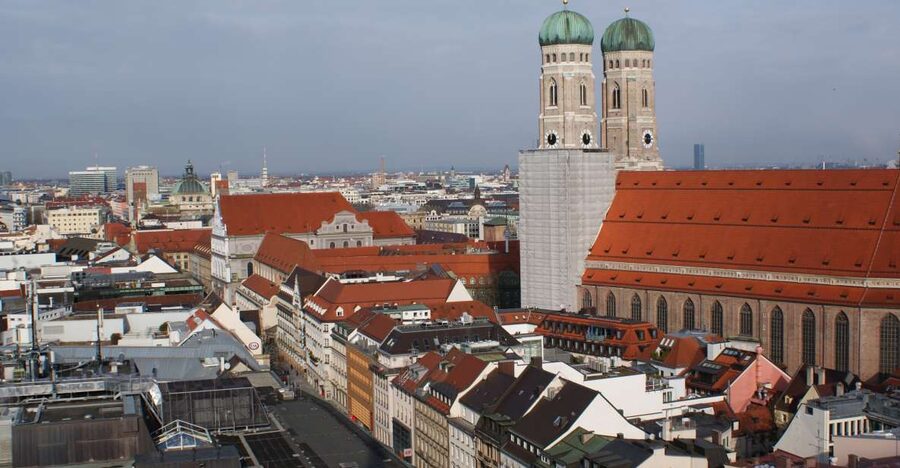
A standard Munich sightseeing walk can leave you with a polished picture of royal palaces, grand churches, and beer halls. This experience adds the uncomfortable chapter that explains how the city became the birthplace of the Nazi party and an important setting for its rise.
That matters because the story is not confined to one memorial. It unfolded in meeting rooms, public squares, government buildings, and popular gathering places. As you move through central Munich, you see how political movements use familiar spaces to build support, stage power, and rewrite public life.
The tour begins with Hitler’s arrival in Munich in 1913, when he was 24 and had no obvious future. From there, the guide traces the formation of the Nazi party, the growth of its organizations, the failed Beer Hall Putsch of 1923, and the rallies that later turned central Munich into a stage for Nazi power.
I appreciate this approach because it connects names and dates to places you can actually see. You are not only hearing about an event in an abstract lecture. You are standing at the square, street, or building connected with it.
The tone also matters. This is a terrible subject, and the best guide does not treat it as entertainment. Alun Evans is described as thoughtful, candid, respectful, and engaging. Those qualities are especially useful here. You want clear explanations, but you also want someone who understands the weight of the subject.
More History Walking Tours in Germany
- Berlin: Third Reich & Cold War Guided Walking Tour
★ 4.9 · 8,378 reviews - Munich: Third Reich & WWII Walking Tour
★ 4.6 · 6,181 reviews - Berlin’s Best: 2 Hour Walking Tour Third Reich and the Cold War
★ 5.0 · 5,486 reviews
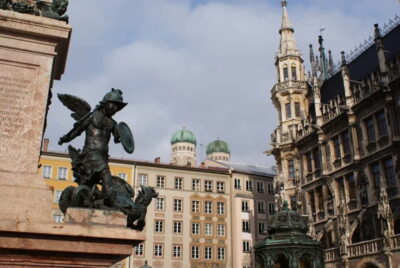
Starting at Marienplatz
Meet in front of the Tourist Information Center on Marienplatz, Munich’s central square. Your guide holds a sign for the local operator, making the meeting point fairly easy to identify in a crowded part of town.
Marienplatz is a practical starting point because it is easy to reach and already sits at the heart of Munich. It also gives the guide a place to explain the city’s political setting before the walk moves toward more specific Nazi-era locations.
The scheduled time here is about 30 minutes, including the guided walk. Expect an introduction to Hitler’s arrival in Munich and an explanation of how the city helped give rise to the Nazi party. The guide brings together the local setting and the wider political story, so you can understand why Munich became so important to the movement.
I would pay close attention at this point rather than treating it as a simple orientation. The rest of the walk makes more sense once you understand the early conditions, people, and organizations that shaped the party’s growth.
Marienplatz is also where the tour ends. If you want to return with the guide after the final stop, that option is available on request. The route therefore works well as a focused historical walk in the middle of a day of sightseeing, rather than as a separate out-of-town excursion.
Hofbräuhaus and the politics of a beer hall
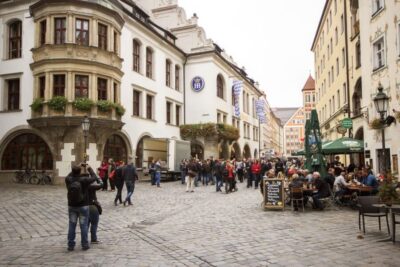
The Hofbräuhaus stop lasts about 10 minutes, but it carries unusual weight. This is one of Munich’s best-known beer halls, yet it was also a place where the early Nazi party met and Hitler gave speeches.
That contrast makes the stop memorable. You see how a familiar social setting could become a platform for political organization and public persuasion. The guide can explain the significance of the building without stripping away its modern identity as a working beer hall.
I like this part of the route because it challenges the easy habit of treating historic buildings as picturesque backdrops. A place can be famous for food, drink, and atmosphere while also carrying a painful political past. You need both facts to understand Munich honestly.
The stop is brief, so do not expect a long sit-down discussion over a beer. Refreshments are not included, and the activity is designed as a walking tour rather than a tasting experience. If you want to spend time inside the Hofbräuhaus on your own, you can plan that separately after the tour.
For anyone interested in propaganda, political speeches, or the early years of the Nazi movement, this is one of the most revealing stops. The setting helps explain how political ideas reached ordinary people in places where they gathered socially.
Odeonsplatz, the Bavarian State Opera, and the Residenz
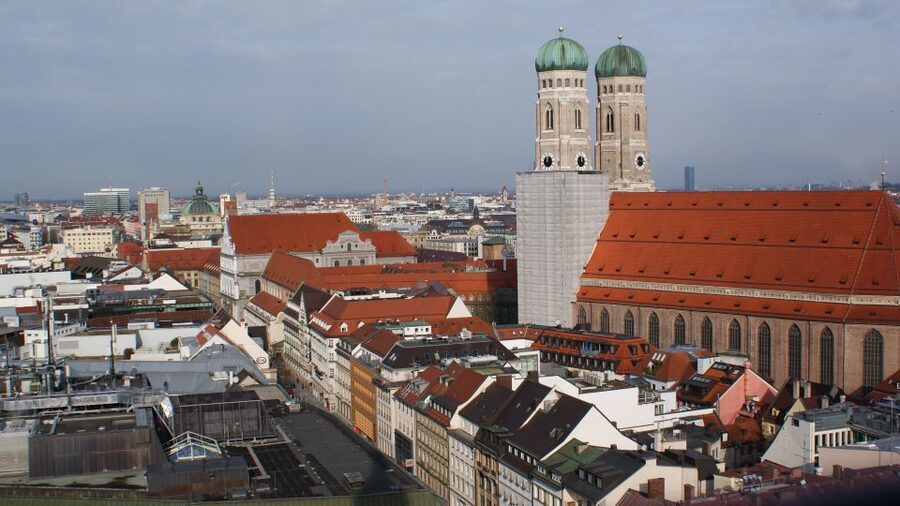
The route continues to Odeonsplatz, with about 15 minutes of guided explanation. Here you see the area around the Bavarian State Opera and the Residenz, two major Munich landmarks that place the Nazi story within the city’s older political and cultural center.
Odeonsplatz is also tied to the failed Beer Hall Putsch of 1923. Hitler and his supporters attempted to seize power, but the effort collapsed. The event became an important part of Nazi mythology even though it failed at the time.
This is where a good guide can separate what happened from how the Nazis later presented it. Alun’s style, based on the information available, focuses on facts, context, and clear storytelling rather than simply listing dates. That makes the stop useful for you even if you already know the basic outline of the putsch.
The surrounding buildings add another layer. The Bavarian State Opera and the Residenz are not Nazi constructions, but their presence shows how the movement operated within a historic city center. Munich’s older institutions and grand public spaces were absorbed into the political theater of the period.
You will be on foot throughout this section, so comfortable shoes matter. The tour runs in all weather, and Munich can be cold, wet, or snowy. One particularly cold winter tour still held together with only four people, with the guide keeping the group engaged despite heavy snow. That is a useful warning: bring proper clothing, not just a coat chosen for a sunny forecast.
More WWII and D-Day Tours in Germany
- Third Reich Berlin: Hitler and WWII Walking Tour
★ 5.0 · 3,301 reviews - Berlin: Third Reich, Hitler, and WWII Walking Tour
★ 4.9 · 1,757 reviews - Nuremberg: Historischer Kunstbunker WWII Art Bunker Tour
★ 4.8 · 921 reviews - Berlin: History of the Third Reich Guided Walking Tour
★ 4.7 · 791 reviews
Königsplatz and the Nazi rally grounds
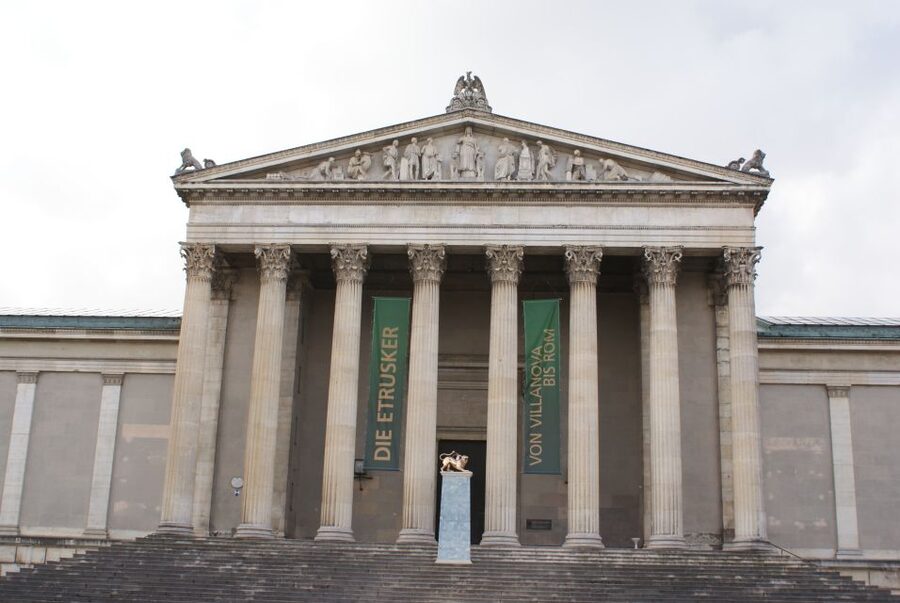
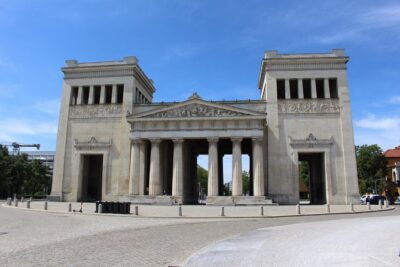
The walk continues toward Königsplatz, described as the final major stop. The Nazis used this area for rallies, turning a monumental urban setting into a place for mass display and political control.
Königsplatz helps you see the scale of the movement. Earlier stops deal with meetings, speeches, and failed attempts to seize power. Here, the focus shifts to public spectacle and the way architecture and crowds could be used to project authority.
The provided route details are slightly inconsistent about the ending. The main description places the final stop at Königsplatz, while the stated return point is Marienplatz, with a return alongside the guide available on request. I would confirm the exact end arrangement when you book, especially if you have a timed reservation afterward.
That small bit of uncertainty does not change the value of the route, but it affects your planning. The tour lasts two hours, and you should allow extra time before your next appointment rather than scheduling something immediately afterward.
A guide who keeps a difficult subject human
The strongest part of this experience is the guide’s delivery. Alun Evans is repeatedly described as caring, humble, patient, engaging, and well informed. Those qualities are not decorative on a tour about Nazism. They shape how comfortably you can ask questions and how clearly you can process difficult material.
You can expect facts, stories, and interpretation rather than a bare list of sites. Alun’s explanations have been praised for bringing places and events to life while presenting the subject with tact. That balance is important. The goal is not to make the past seem exciting, but to make it understandable.
I also like that the small group allows real interaction. The advertised group information gives two different limits, 10 participants in one place and up to 15 in another. Either size is much more manageable than a large city tour, but I would verify the number for your date if personal discussion is a priority.
A private departure can sometimes occur if only a very small number of people book. That is not guaranteed, but a small group gives the guide more freedom to respond to your interests. History fans can ask for clarification, while those new to the subject can ask basic questions without feeling lost.
The tour is in English with a native English-speaking guide. If you want a detailed discussion of the Third Reich, World War II, or Munich’s political development, this language setting makes the experience easier to follow.
How much value do you get for $58?
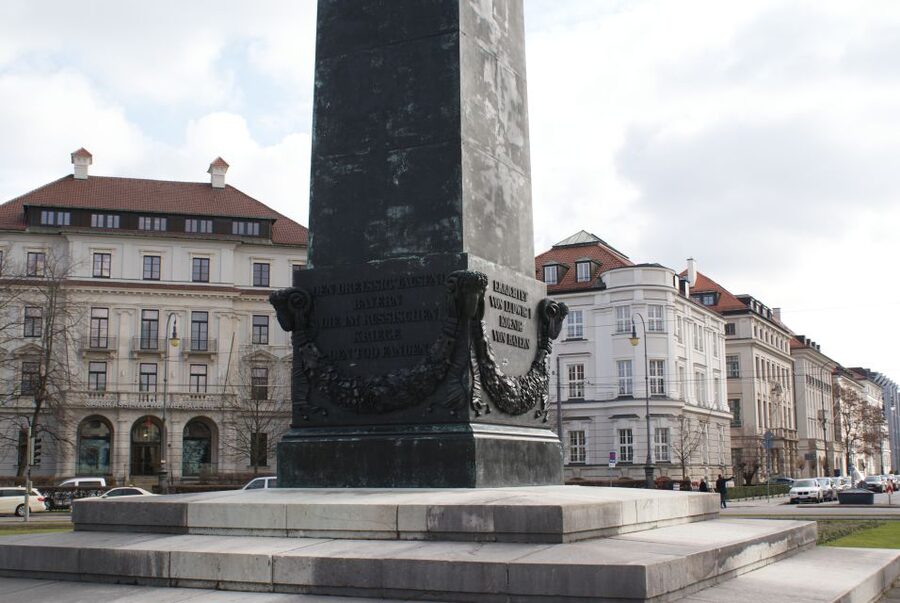
At $58 per person, this is not the cheapest way to walk around central Munich. You are paying for a live guide, a focused historical route, and a small group rather than simply following a map or audio track.
I think the price is reasonable if you care about context. The locations themselves are public, so you could walk past Marienplatz, Hofbräuhaus, Odeonsplatz, and Königsplatz without paying an entrance fee. What you cannot easily recreate is the connected explanation of how these places relate to the Nazi party’s development.
The value is strongest for people who have already read about the subject and want to attach events to real locations. One history-minded participant found the walk brought familiar material to life, while another wished the tour had lasted longer. That tells you exactly where the value lies and where the limit appears: strong interpretation, limited time.
You are not paying for food, drinks, hotel pickup, or entry to a special attraction. The price covers the guide and the walk. If you want a meal at Hofbräuhaus or more time at any site, budget for that separately.
Free cancellation up to 24 hours before the tour and the option to reserve now and pay later add useful flexibility. I would still check the available start time before booking, since the activity runs for two hours and the schedule can affect your other Munich plans.
Who should book this Munich history walk?
I would choose this tour if you want a concise introduction to Munich’s Nazi past without spending half a day in a museum. It suits first-time visitors who want more historical depth, as well as people who already know the broad story and want to see the places connected with it.
It is particularly good for:
- History readers: You can connect political events with actual squares and buildings.
- Families with older children or teenagers: The two-hour format is manageable, though the subject is serious.
- Visitors with limited time: The meeting point is central, and the walk covers several important locations in one session.
- People who prefer conversation: A small group makes it easier to ask questions.
- Anyone seeking a less polished view of Munich: The route adds necessary context to the city’s famous landmarks.
I would choose something else if you want a relaxed sightseeing stroll, a food tour, or a museum-heavy experience with indoor seating. This is an outdoor history walk, and it does not soften the subject for comfort.
Practical advice before you go
Meet at the Tourist Information Center on Marienplatz and look for the operator’s sign. Since the tour begins in a busy central square, arriving with a few minutes to spare will help you find the guide without rushing.
Wear shoes suitable for two hours on foot. Dress for rain, cold, or snow because the walk operates in all weather. The winter example, with heavy snow and severe cold, makes this more than a routine warning.
There are no refreshments included. Eat beforehand if you prefer to stay focused, or plan to visit a café or beer hall afterward. Do not assume the Hofbräuhaus stop includes a drink or a seated break.
Finally, keep your schedule open after the tour. The route is described as ending at Königsplatz while the activity returns to Marienplatz, so allow time for the walk back or confirm the final arrangement with the operator.
Should you book it?
Book this tour if you want a serious, place-based explanation of Munich’s Nazi past and value a guide who can handle difficult material with care. Alun Evans appears to be the main strength: his thoughtful delivery, patience, and ability to connect facts with personal stories make the short route more useful than a self-guided walk.
Skip it if you want a light introduction to Munich or dislike walking outdoors in poor weather. For $58, the tour is best understood as a compact history lesson with real streets and buildings as its classroom. Two hours will not answer every question, but it gives you a clear framework for seeing Munich with more honesty.
FAQ
Where does the tour begin?
It begins in front of the Tourist Information Center on Marienplatz in central Munich.
Where does the tour end?
The route description identifies Königsplatz as the final major stop, while the stated return point is Marienplatz. You can request to return to Marienplatz with the guide.
How long does the tour last?
The tour lasts two hours.
What language is the tour conducted in?
The live tour is conducted in English.
Who leads the tour?
The guide is Alun Evans, a local English-speaking guide who provides personal tour guiding in Munich.
What places does the tour visit?
The route includes Marienplatz, Hofbräuhaus, Odeonsplatz, and Königsplatz. It also covers the site connected with the failed Beer Hall Putsch of 1923 and places linked with Nazi party and SS activity.
How large is the group?
The activity information describes a small group limited to 10 participants. Another description gives a maximum of 15, so confirm the exact group limit when booking.
Is hotel pickup included?
No. You meet the guide at the fixed meeting point on Marienplatz.
Are food and drinks included?
No. Refreshments are not included.
Does the tour operate in bad weather?
Yes. The tour operates in all weather conditions, so you should dress appropriately.
More Two-Hour Tours in Germany
- 2-Hour Gettysburg Battlefield Guided History Bus Tour with a National Park Guide
★ 4.5 · 2,201 reviews - Kyoto Gion: 2-Hour Geisha Culture & History Walking Tour
★ 5.0 · 1,186 reviews - 2 Hour LoDo Historic Walking Tour in Denver
★ 5.0 · 1,106 reviews - 2-Hour Historical Walking Tour from Dublin
★ 5.0 · 875 reviews
More Small-Group History Tours in Germany
- Small group Potsdam: A Journey Through History and Palaces
★ 4.7 · 317 reviews - Berlin Wall History Small Group Cycling Tour
★ 4.9 · 152 reviews - Small group Potsdam: A Journey Through History and Palaces
★ 4.5 · 151 reviews - Small-Group Historical Bike Tour in Berlin
★ 4.5 · 103 reviews
Just added around Germany
- Berlin Food & Cultural Tour: Must-Try German & Berliner Classics★ 5.0 · 51 reviews
- Berlin Half-Day World War II Walking Tour★ 4.5 · 48 reviews
- Berlin Cold War & World War II Third Reich Walking Tour★ 4.5 · 30 reviews
- Small-Group Historical Bike Tour in Berlin★ 4.5 · 103 reviews
- Historic center of Berlin – Tour in Italian★ 5.0 · 143 reviews
- Private Taxi Tour City East & West History and Architecture 3-4h★ 5.0 · 42 reviews
- Berlin Wall and Cold War Bike Tour in Small Groups★ 5.0 · 114 reviews
- Private Tour: Jewish Heritage Walking Tour of Berlin★ 5.0 · 29 reviews
Munich History Tours, compared.
Munich World War II Sites Including Dachau Concentration Camp
Read our review →
Munich: Guided Tour of the historic Town Hall on Marienplatz
Read our review →
Munich: Third Reich and World War II Segway Tour of the City
Read our review →