
Review · ITALY
Syracuse: Traditional Cooking Class & Ancient Market Visit
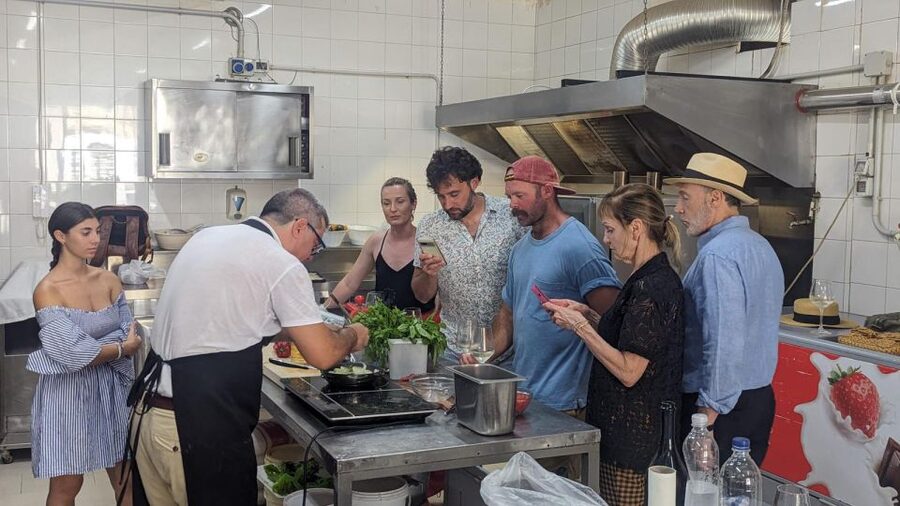
Syracuse’s best food lesson begins before the kitchen. Chef Ettore takes you through Ortigia’s Ancient Market, where he knows the stallholders, samples local products with you, and chooses the day’s ingredients. Then you cook those purchases together, rather than following a fixed demonstration menu.
I especially like the market-to-table format and the small group size, capped at eight people. I also like that Ettore can adjust the meal for your preferences, including seafood choices or a menu with less fish. The main drawback is that meeting at the large Bar Cristina can be a little unclear, so arrive early and confirm who you are looking for.
Key points to know
- The market visit shapes the meal: You choose ingredients with Chef Ettore instead of simply watching a cooking demonstration.
- Expect hands-on Sicilian cooking: Past menus have included fresh pasta, seafood, tuna, arancini, pistachio pesto, veal involtini, and cannoli.
- Chef Ettore is the central character: He knows the market sellers and brings professional restaurant experience to the class.
- The four-hour schedule includes lunch: You cook, sit down, and eat the dishes you have prepared.
- A small group keeps the lesson personal: No more than eight participants join the class.
- Sunday needs special planning: Ortigia Market is closed then, so the chef takes you through the island streets to buy local products instead.
Why this Syracuse cooking class feels different
Many cooking classes begin with a recipe card and a spotless worktable. This one begins with the noise, smells, bargaining, and bright displays of Ortigia’s market. That change matters. You see the fish, vegetables, herbs, cheese, and other products before learning how they become lunch.
Chef Ettore appears to have strong ties to the market. He greets vendors by name and can point out products worth trying. Depending on the day and your preferences, you might taste red prawns, mortadella, pistachio spread, fresh fruit, or other local items while he shops.
I like this part because it gives you a working sense of Sicilian food. You are not just told that ingredients are fresh. You see what is available that morning and learn how a local cook decides what belongs on the menu.
The market also gives the chef room to respond to you. If you want seafood, the meal can head in that direction. If you are not keen on fish, the menu can be adjusted. That flexibility is one of the strongest reasons to choose this class over a rigid, pre-set lesson.
More Ancient History Tours in Italy
- Pompeii: Entry Ticket and Guided Tour with an Archaeologist
★ 4.8 · 19,459 reviews - Colosseum: Underground and Ancient Rome Tour
★ 4.7 · 12,691 reviews - Pompeii: Small Group Tour with an Archaeologist
★ 4.8 · 12,264 reviews
Meeting Chef Ettore in Ortigia
The official meeting point is Bar Cristina at Piazza Pancali 24. This is a large venue, and it may not be immediately obvious who is leading the class. I would arrive a few minutes early, keep the chef’s name handy, and look for clear contact instructions in your booking details.
Once everyone is together, the group heads into the streets of Ortigia. The walk is part of the class, not just a way to pass time before the real activity begins. The chef explains what you are seeing, introduces you to sellers, and selects the products needed for lunch.
The experience is offered in Italian and English. That makes a difference during a market visit, where the value lies in asking questions and understanding why one product is chosen over another.
The group is limited to eight people. That is large enough for a social meal but small enough for you to take part at the stove and ask for help. A larger group would make the cooking less personal, especially when several people are making pasta or preparing seafood at once.
Exploring Ortigia’s Ancient Market
The market is the liveliest and most local part of the outing. You will encounter colorful stalls, strong food smells, and sellers calling out to potential customers. The setting provides a welcome contrast to Syracuse’s grand monuments, since here the focus is on daily life and food.
Chef Ettore’s relationships with the vendors add real value. He can help you recognize local products, explain what is worth buying, and arrange tastings as you go. You may sample ingredients before they become part of your lunch.
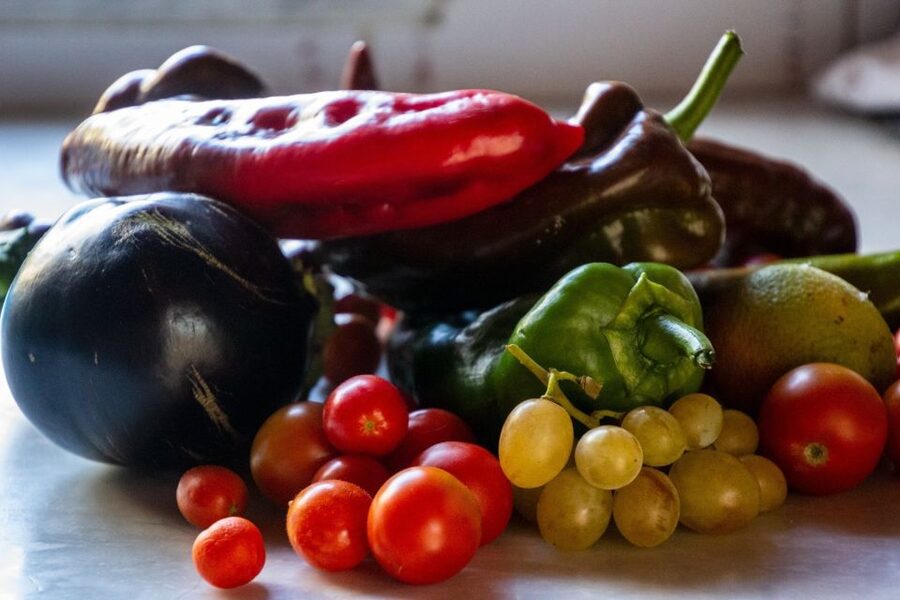
The menu is not necessarily decided in advance. The chef looks at what is available and takes your wishes into account. That might lead to seafood pasta, tuna with peppers and onions, pistachio pesto, fresh pasta, or a meat-based dish such as veal involtini.
Past meals have also included sardines, fried mullet, eggplant with tomatoes and cheese, arancini, strawberry salad, bread, fruit salad, and cannoli. You should not assume every dish will appear on your visit. The point is that the meal follows the market and the group, rather than a fixed list.
This approach is especially useful if you want to bring home practical ideas. You can see how ingredients are combined, how sauces begin, and how a cook makes decisions with what is on hand.
From market shopping to the cooking kitchen
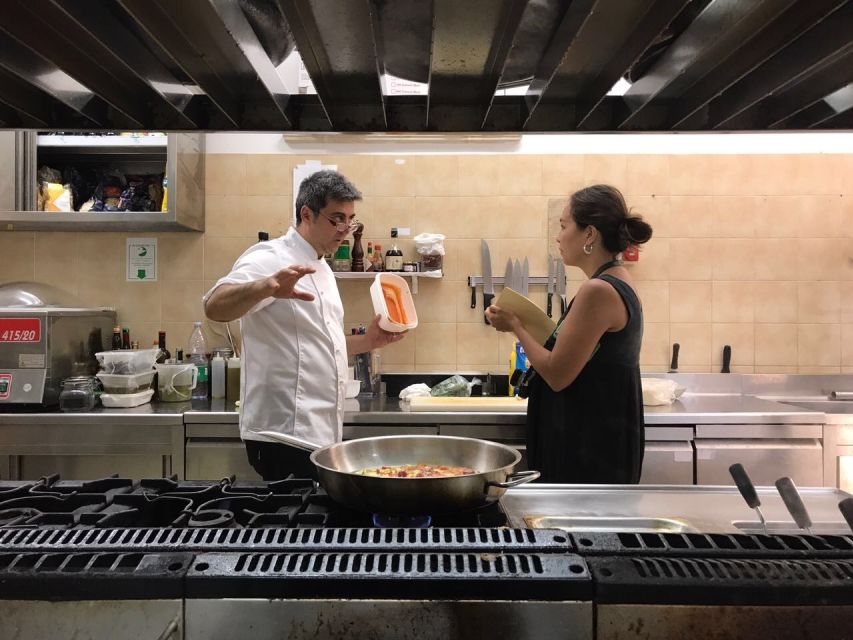
After shopping, you may be transferred from the market to the cooking location, depending on where the chef’s kitchen is that day. The transfer is included if needed. The exact kitchen setting can vary, and past classes have taken place in a restaurant kitchen, a professional kitchen at Cortile di Bacco, and even a rugby club kitchen.
That variety is worth knowing in advance. You are not signing up for a single standardized studio. You are entering the working space arranged by the local chef, which can make the class feel more connected to everyday Sicilian cooking.
Some participants have cooked in a restaurant kitchen with a striking view. Others have described the professional setup as part of the appeal. Still, the precise setting is not guaranteed, so book this for the food and instruction rather than for a particular room.
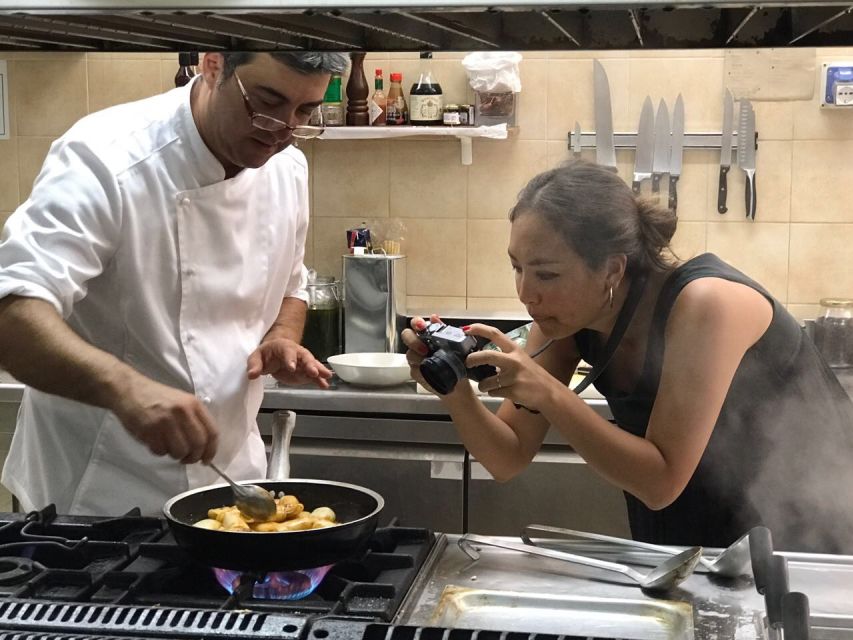
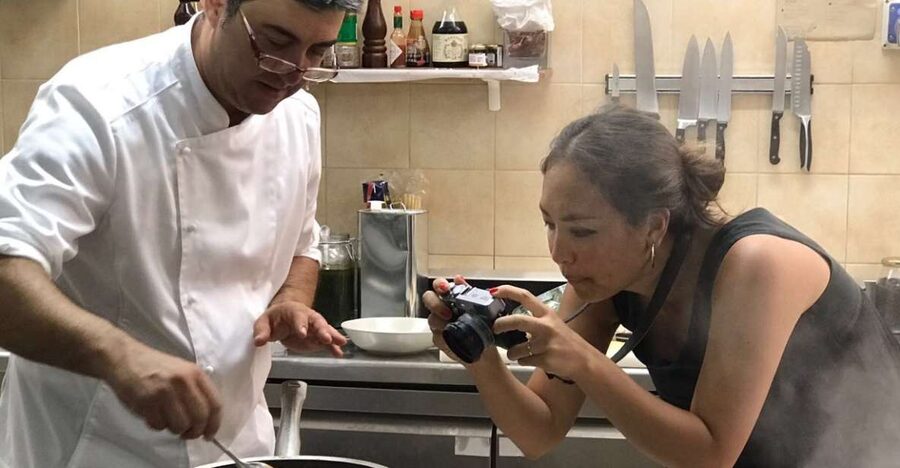
The chef leads the process, but you are expected to help. You may prepare pasta, sauces, vegetables, seafood, meat, or dessert, depending on the menu. The lesson is practical rather than purely performative.
Same city, a different century:
- Pompeii Small Group Tour with an Archaeologist
★ 5.0 · 6,593 reviews - Rome: Colosseum with Arena, Roman Forum and Palatine Guided Tour
★ 4.0 · 5,598 reviews - Venice: St. Mark’s Basilica Guided Tour & VR History Intro
★ 3.9 · 4,880 reviews - Colosseum with Arena, Roman Forum and Palatine Hill Guided Tour
★ 4.5 · 3,526 reviews
What you might cook with Chef Ettore
The menus described from this class are unusually varied for a short cooking lesson. Seafood has featured heavily, including shrimp, calamari, mussels, prawns, sardines, cuttlefish, tuna, and mullet.
One particularly useful lesson involves making a seafood sauce from shrimp shells and olive oil. That is the kind of small technique you can repeat at home, and it shows how Sicilian cooking gets strong flavor from ingredients that might otherwise be discarded.
Fresh pasta is another recurring theme. You might prepare pasta with pistachio pesto, seafood, or mussels and squid. One menu included fresh cavatelli, while another included two homemade pasta dishes with different sauces.
The class can also move beyond pasta. Possible dishes have included veal involtini, tuna with roasted peppers, onions, capers, and tomatoes, eggplant with tomato and cheese, and arancini. Desserts and sweet finishes have included cannoli, fruit salad, strawberries, apricots, brioche, and ricotta.
If you have a particular food interest, tell the chef early. The class is best suited to people who want to participate in choosing the meal. It is less suited to someone who wants a guaranteed recipe list with every dish fixed before arrival.
The meal at the end
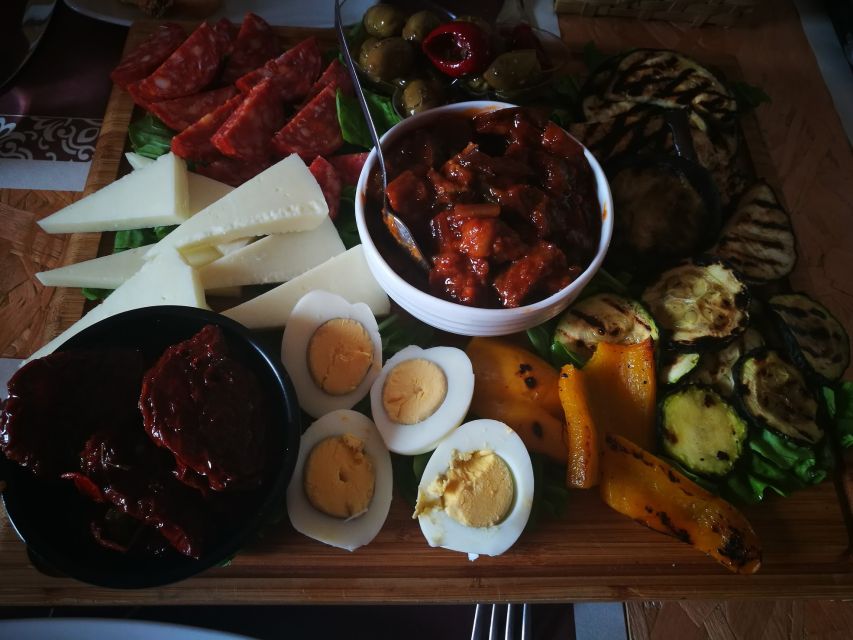
The final meal is included, and it is not an afterthought. You sit down and eat the food you helped prepare, with the satisfaction that comes from knowing the steps behind each dish.
The food can be substantial. Several menus included more than one main preparation, fresh pasta, side dishes, dessert, and extra market tastings. Some groups also received wine, limoncello, or other drinks, but drinks outside the planned menu are not guaranteed and should not be assumed to be included.
The activity information says food and drinks not included in the menu are arranged separately by the chef. If you have dietary restrictions, allergies, or foods you avoid, tell the provider before the class and repeat the information to the chef at the start.
The meal also creates time for conversation. Several menus have been adjusted around the group’s tastes, and the shared table helps the experience feel more like cooking with a local host than attending a formal school.
What makes the chef important
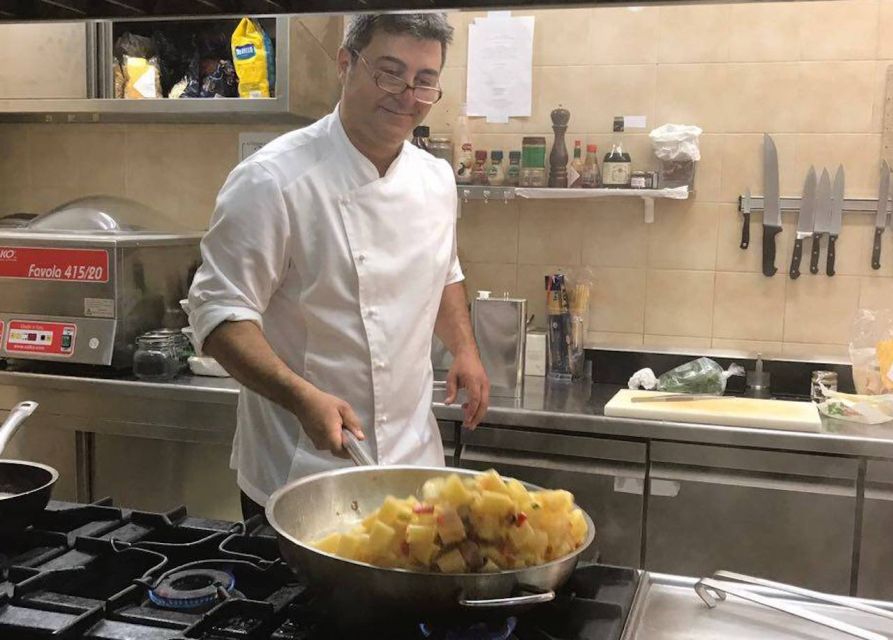
Chef Ettore receives the strongest praise for his warmth, humor, teaching, and professional background. He has worked as a pasta chef at a two-star Michelin restaurant and now shares his cooking skills in his hometown.
That background does not mean the class is stiff or overly technical. The descriptions of the lessons point to a generous host who gives practical tips, explains processes clearly, and encourages you to take part.
His market connections are just as important as his restaurant experience. He can explain an ingredient in the market, buy it for the meal, and then show you how to use it in the kitchen. That full chain gives the four hours a clear purpose.
A chef’s daughter has also led or assisted with some classes. If she is involved in your session, the class may have a family feel, but the exact staff arrangement can vary.
Is $134.81 a fair price?
At $134.81 per person, this is not a cheap meal, but it covers much more than lunch. You are paying for a guided market visit, ingredient shopping, a local chef, hands-on instruction, the cooking session, and the meal afterward.
The price makes more sense if you value local contact and practical instruction. A simple market walk and restaurant lunch would likely cost less, but they would not give you the same chance to choose ingredients and prepare the food yourself.
The small group also supports the price. With a maximum of eight people, you should have a better chance to handle the ingredients and receive direct guidance than in a large class.
The value is weaker if you dislike group cooking, do not want a long meal, or prefer a fixed menu. You should also consider that extra food and drinks outside the agreed menu are not included.
Timing, Sunday plans, and practical details
The experience lasts four hours, but starting times depend on availability. Allow enough room in your day for the market, transfer, cooking, and meal. This is not a quick lesson to squeeze between two tightly scheduled sightseeing stops.
Ortigia Market is closed on Sunday. The class can still run, but the chef will guide you through the island streets to purchase local products instead of taking you through the market itself.
That Sunday alternative preserves the shopping element, but it is not the same market experience. If the market is your main reason for booking, choose another day.
The tour ends back at the meeting point. If the kitchen is located away from the market, transportation from the market to the kitchen is arranged when needed.
Cancellation is free up to 24 hours before the start time, and you can reserve now and pay later. Those terms help if your Syracuse plans are still shifting.
Who should book this class?
I would recommend it to food-focused visitors who want to understand Sicilian cooking through ingredients, not just eat a finished dish. It is also a good choice for couples, families, and small groups who like shared activities and do not mind spending several hours around food.
It suits adventurous eaters, especially if you enjoy seafood and want to try products such as cuttlefish, red prawns, mussels, sardines, or mullet. It can also work well for less enthusiastic fish eaters because the menu can be adjusted.
This is not the best pick if you need a strict menu, a guaranteed cooking venue, or a quiet, formal lesson. The experience is shaped by the market, the chef, and the group’s preferences, which is part of its charm but also means some details remain flexible.
The meeting point deserves a little care. Bar Cristina is large, and finding the right person may take effort. Confirm the arrangements before you arrive.
Should you book the Syracuse cooking class?
Book it if you want a personal look at Sicilian food from market stall to dining table. The strongest parts are the market relationships, the flexible menu, the hands-on cooking, and Chef Ettore’s mix of professional skill and easygoing hospitality.
Skip it if you want a short demonstration with a fixed recipe list or if Sunday market access is essential. For everyone else, this is a well-balanced four-hour activity that combines food, conversation, shopping, and useful cooking lessons in the heart of Ortigia.
FAQ
Where does the cooking class begin?
The class begins at Bar Cristina, Piazza Pancali 24, in Syracuse.
Where does the experience end?
The activity ends back at the meeting point.
How long does the experience last?
The cooking class and market visit take about four hours.
Is the Ortigia Market open every day?
No. Ortigia Market is closed on Sunday. On that day, the chef guides you through the streets of the island to buy local products instead.
What languages are available?
The host or greeter speaks Italian and English.
How many people can join the class?
The group is limited to eight participants.
Is transportation included?
Transfer from the market to the cooking kitchen is arranged when needed, depending on the kitchen’s location.
More Cooking Classes in Italy
- Rome: Five Shapes of Pasta Cooking Class in Ancient Tavern
★ 5.0 · 102 reviews - Cooking Class in a Historic Home in the Heart of Brindisi
★ 4.7 · 28 reviews - Sicilian cooking class in the historic baglio Florio Adamo
★ 5.0 · 27 reviews - Bolognese Cooking Class with Margherita in the Historic Center
★ 5.0 · 26 reviews
More Local Culture and Traditions Tours in Italy
- Naples Spanish Quarters Walking Tour Street Art, Folklore & Sweet
★ 5.0 · 797 reviews - Matera’s Sassi Walking Tour – History & Culture
★ 5.0 · 476 reviews - Matera’s Sassi Walking Tour – History and Culture
★ 4.8 · 356 reviews - From Catania: Syracuse and Noto Culture and History Tour
★ 4.4 · 232 reviews
Just added around Italy
- Guided Cultural Tour of the Godfather Film in Messina★ 5.0 · 31 reviews
- Guided tour of the Riace Bronzes and the Archaeological Museum of Reggio Calabria★ 5.0 · 44 reviews
- SU NURAXI BARUMINI Unesco World Heritage Site★ 5.0 · 129 reviews
- Brescia the Unexpected: History, Local Stories & a drink★ 5.0 · 31 reviews
- Bolognese Cooking Class with Margherita in the Historic Center★ 5.0 · 26 reviews
- Tower and Power, Virtual tour in Medieval Bologna★ 4.5 · 54 reviews
- Bologna historical art walking tour with hidden gems and tastings★ 5.0 · 108 reviews
- Best of Bologna in one day : Food, architecture, art and history★ 5.0 · 27 reviews
Italy History Tours, compared.
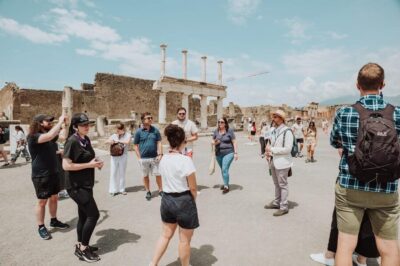
Pompeii: Entry Ticket and Guided Tour with an Archaeologist
Read our review →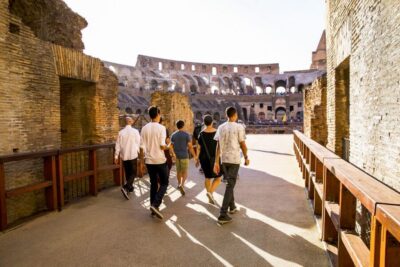
Colosseum: Underground and Ancient Rome Tour
Read our review →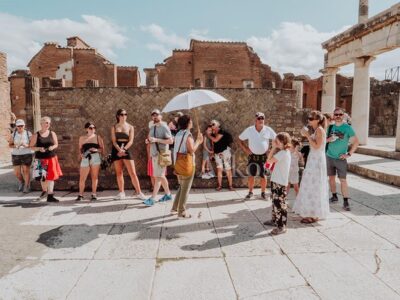
Pompeii: Small Group Tour with an Archaeologist
Read our review →Pompeii Small Group Tour with an Archaeologist
Read our review →
Rome: Colosseum with Arena, Roman Forum and Palatine Guided Tour
Read our review →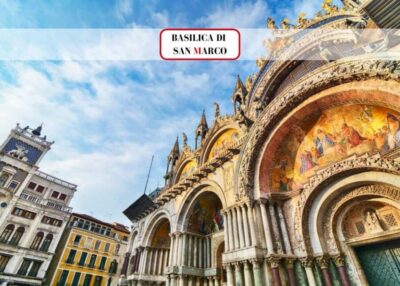
Venice: St. Mark’s Basilica Guided Tour & VR History Intro
Read our review →
Colosseum with Arena, Roman Forum and Palatine Hill Guided Tour
Read our review →
Herculaneum: Skip-the-Line Guided Tour with Archaeologist
Read our review →Browse the lists this tour appears in