
Review · TOKYO
Tokyo: The Best of Izakaya in Shinjuku Food & Cultural Tour
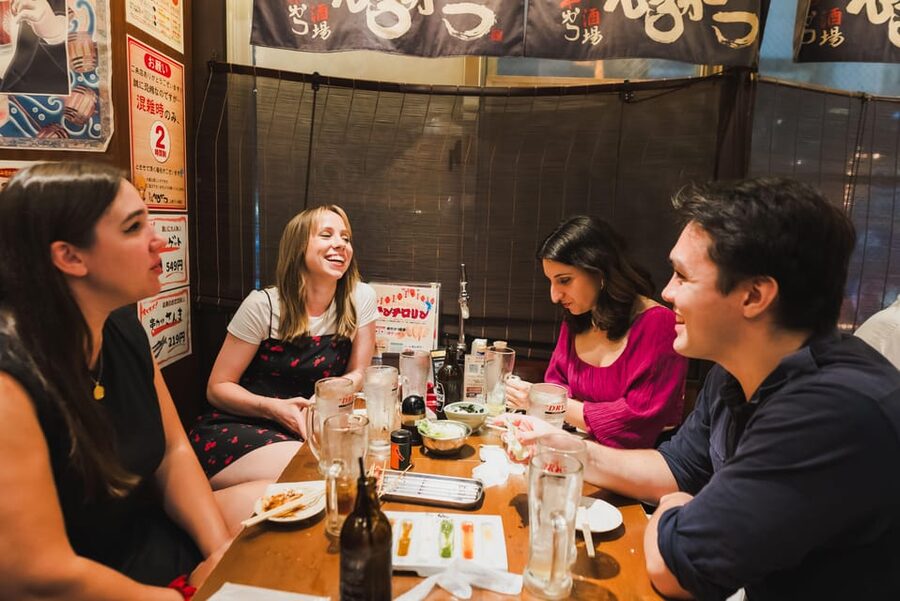
Shinjuku is easiest to understand after dark, when its narrow lanes, glowing signs, tiny bars, and busy food shops come to life. This tour gives you a friendly way into that maze, with 14 or more Japanese dishes served across local izakaya stops, plus a walk through Golden Gai, Kabukicho, and nearby streets.
I like two things right away: you eat enough for a proper dinner, not just a few polite samples, and your guide helps you make sense of foods and customs that can be hard to decode alone. Guides such as Joe, Max, Chizuru, Nobu, and Ayaka have been praised for their humor, local stories, and care with food restrictions. The main drawback is price: at $129, you will pay more than you would for a cheap meal in Tokyo, though the food, drinks, guiding, and access to small local places help explain the cost.
Key points at a glance
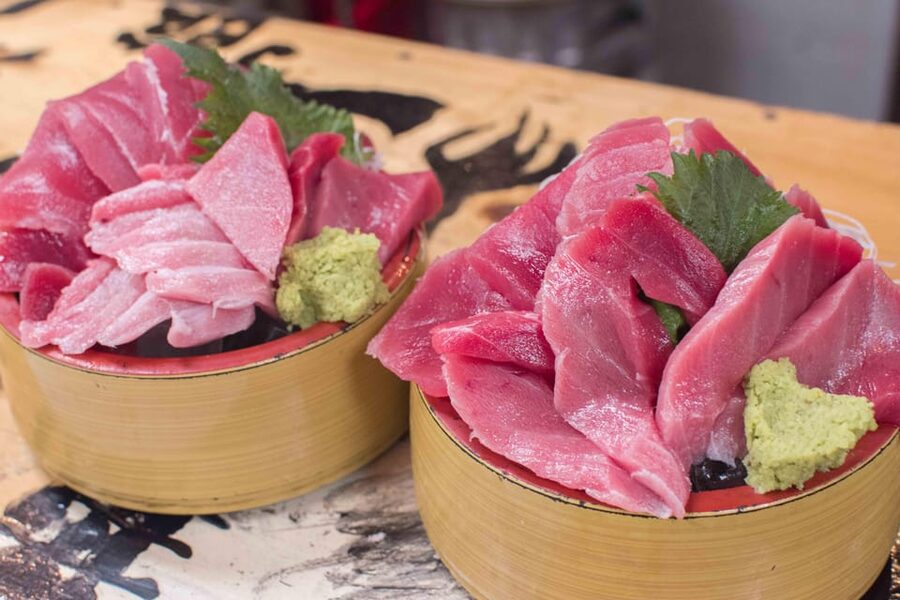
- A full izakaya dinner: Expect chicken skewers, sashimi, dumplings, croquettes, tonkotsu, traditional snacks, and other dishes that vary with the day’s ingredients.
- Two alcoholic drinks included: Sake is part of the experience, with other drink choices available. Non-drinkers still receive more than 10 food samples.
- Shinjuku after dark: The route covers Golden Gai, Kabukicho, Omoide Yokocho, and nearby streets around the world’s busiest railway station.
- Small group setting: The group is limited to 10 people, which makes questions and conversation easier.
- Guides make the difference: Joe, Max, Chizuru, Nobu, Megan, Julian, Taiga, Ayaka, and others have led this experience, with strong praise for their energy and food knowledge.
- Come hungry: Several meals are served in generous portions, and many people finish very full.
Why an izakaya tour works so well in Shinjuku
An izakaya is part pub, part neighborhood restaurant, and part social gathering place. You order several dishes for the table rather than one main course, then share food over drinks. That format suits a food tour because you can try many styles in one evening without committing to a large serving of anything unfamiliar.
Shinjuku is a particularly good setting. The district combines department stores, office towers, entertainment streets, old drinking quarters, and narrow restaurant lanes. A short walk can take you from enormous neon displays to a street of small bars with only a few seats each.
The evening begins around 17:00 and runs until about 20:30. The advertised duration is three hours, though the stated schedule is closer to three and a half hours. Plan your evening around the longer timing so you are not rushing to another booking.
The first 40 to 50 minutes are spent walking through the surrounding area. This matters because the meal makes more sense once you have seen the streets where Tokyo’s after-work food culture plays out. Your guide can explain what you are seeing, point out historic corners, and help you get your bearings in a district that can feel confusing at first.
More Local Culture and Traditions Tours in Japan
- Kyoto Gion: 2-Hour Geisha Culture & History Walking Tour
★ 5.0 · 1,186 reviews - Nara: Half-Day UNESCO Heritage & Local Culture Walking Tour
★ 4.8 · 250 reviews - 2.5 Hour Private History and Culture Tour in Himeji Castle
★ 5.0 · 185 reviews
Golden Gai: tiny bars and a preserved slice of old Shinjuku
Golden Gai is one of the most distinctive stops. Its narrow lanes contain very small bars packed closely together, with unusual facades and stairways. The area has preserved an older side of Shinjuku that is easy to miss if you stay on the main roads.
You spend about 30 minutes here. This is mainly a walking and cultural stop rather than a separate drinking session, so you should not expect to visit every bar. The value comes from seeing the layout and hearing how the district fits into Shinjuku’s nightlife.
Golden Gai can be crowded, and the lanes are tight. Stay close to your guide and wear shoes that are comfortable for walking. The stop works best if you enjoy atmosphere, architecture, and local stories rather than expecting a polished sightseeing attraction.
Several guides have made this part especially entertaining. Hawaii Joe has been praised for mixing humor with explanations of Tokyo’s food and buildings. Max is known for his enthusiasm for Japanese cuisine and for making unfamiliar dishes easier to approach. The exact guide depends on the date, but the experience clearly relies heavily on the person leading your group.
Four food stops, or a changing selection of local restaurants
The main meal takes about two and a half hours. The supplied plan describes two popular local restaurants, while individual evenings have included several izakaya-style stops. The practical point is that the food selection can change with fresh ingredients and restaurant availability.
That variation is useful. You are not locked into one fixed menu that looks the same every night. At the same time, you should not book this expecting a precise list of dishes. The typical spread includes:
- Chicken skewers
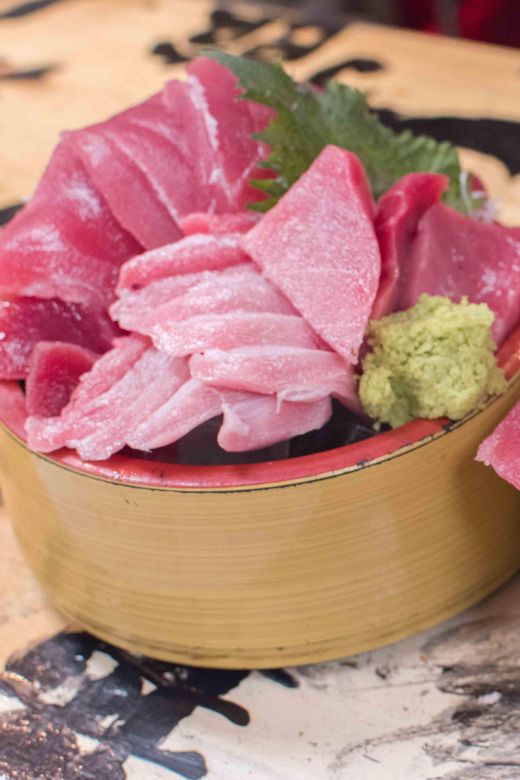
- Fresh sashimi
- Handmade Japanese croquettes
- Dumplings
- Tonkotsu
- Traditional izakaya snacks
- Other seasonal dishes
- Lemon sorbet on some evenings
Portions are larger than the word tasting might suggest. This is not a tour where you nibble on one bite and then wait for dinner afterward. People regularly finish full, and several meals have included substantial servings at each restaurant.
That makes the $129 price easier to assess. If you simply want the cheapest possible dinner, you can eat in Tokyo for much less. But the fee includes the food, drinks, guide, restaurant coordination, and explanations. You are also paying to reach places that may have Japanese-only signs or menus and could be difficult to choose on your own.
Sashimi, skewers, and the pleasure of trying by committee
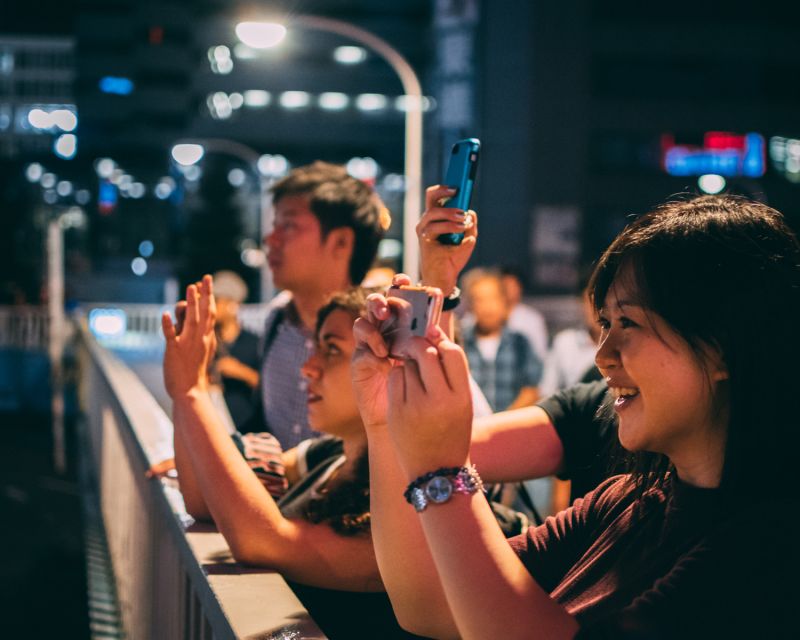
Food tours are most useful when they remove the pressure of ordering alone. If you see a Japanese menu filled with unfamiliar names, you may retreat to something safe. With a guide, you can try a sashimi platter, a handmade croquette, or a dish you would not have recognized from a sign.
Sashimi has been a particular highlight for several people, including one account of the best sashimi they had eaten in Japan. That is not a guarantee of the same dish every night, since ingredients change, but it tells you the seafood is treated as more than a token sample.
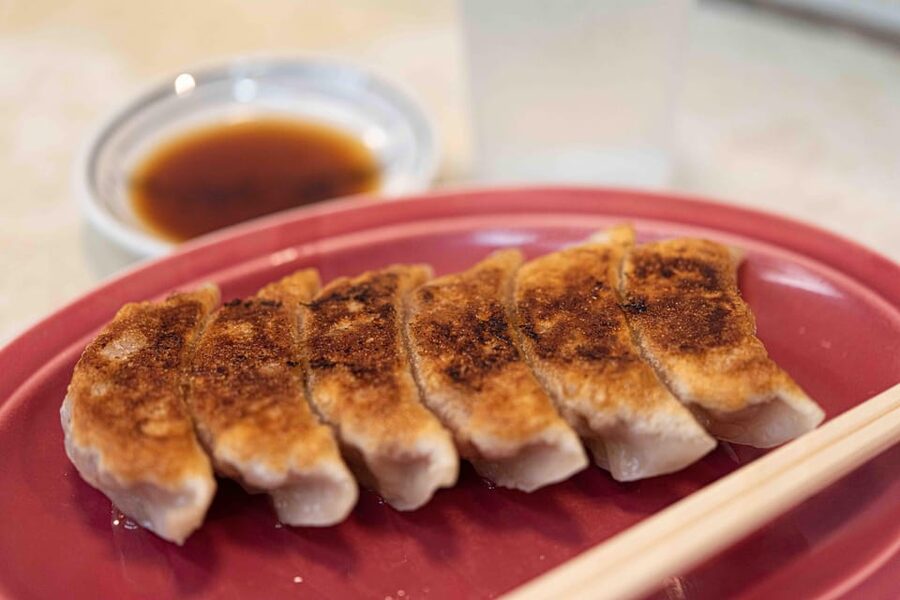
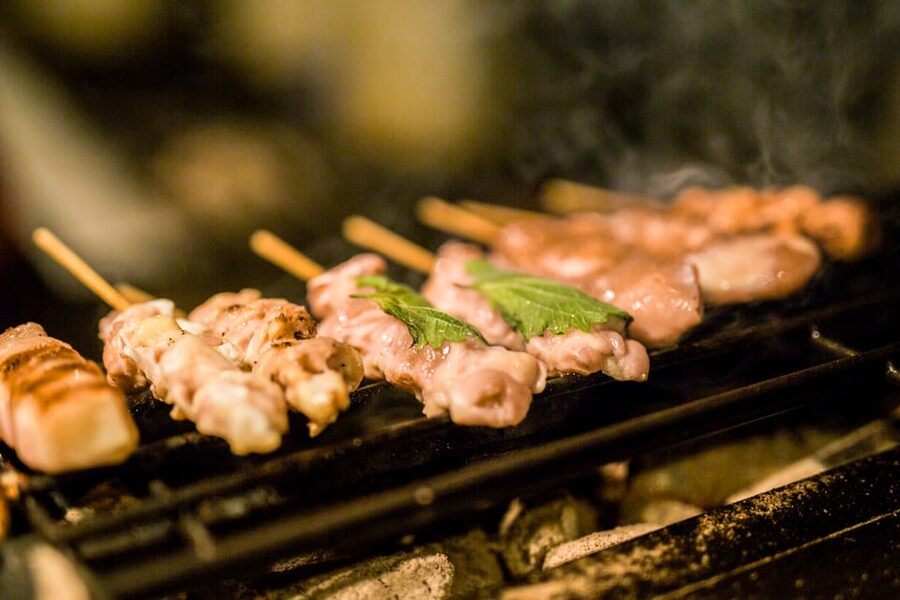
Chicken skewers are another likely feature. They offer a simple way to see how an everyday Japanese food can be handled in an izakaya setting. The handmade croquettes and dumplings add contrast, while tonkotsu brings a richer, more filling style to the table.
Your guide explains what you are eating and how it fits into Japanese food culture. Chizuru has been praised for describing both the dishes and the customs around them. Nobu has helped groups with pronunciation of place names and food terms. These small lessons are useful later in your trip, especially when you return to a restaurant without a guide.
More Local Culture and Traditions Tours in Tokyo:
- Amsterdam Food and Cultural Tour with Tastings
★ 5.0 · 4,315 reviews - Sevilla Food Tour: Tapas, Wine, History & Traditions
★ 5.0 · 3,468 reviews - Tromsø: Reindeer Camp and Sami Cultural Tour with Lunch
★ 4.7 · 3,326 reviews - Half Day Dominican Republic Cultural Tour : Small Group
★ 4.5 · 1,862 reviews
Sake and the drinking culture of Japan
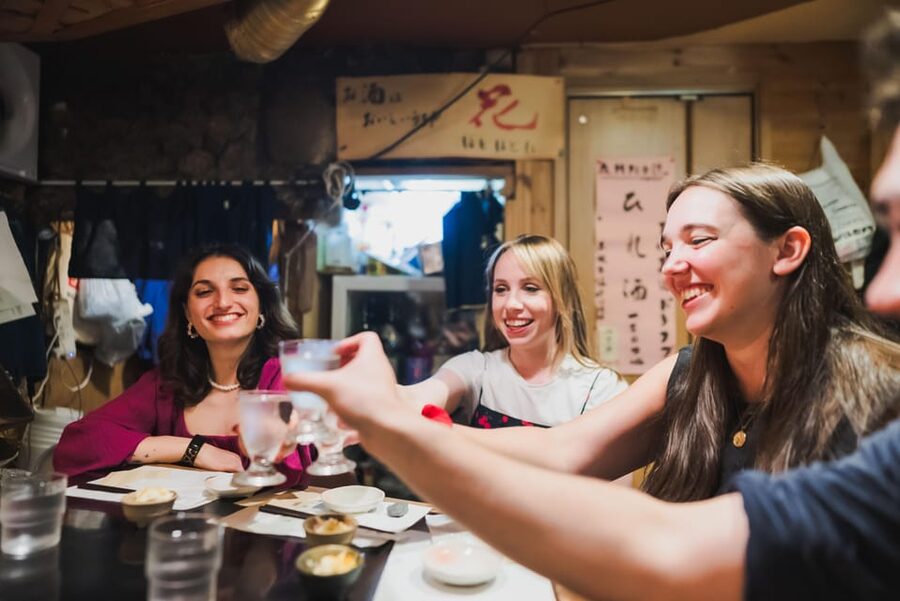
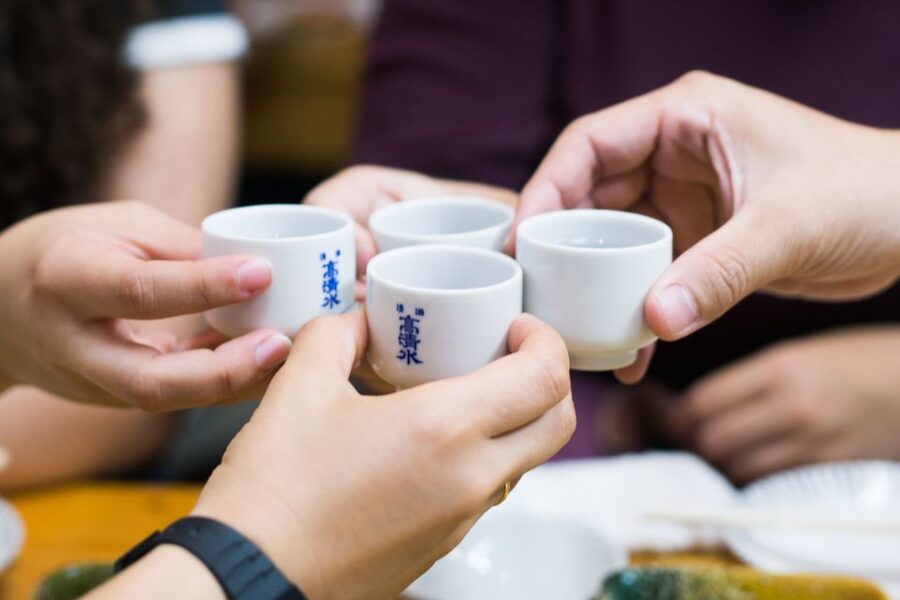
Two alcoholic drinks are included. You can choose sake or another available drink, and the evening includes a chance to try sake that may not be available where you live.
Sake is more interesting when you understand a little about how to approach it. The guide can offer suggestions and explain how to taste it properly rather than leaving you with a glass and no context. A sake stop also shows how drinks support the shared-dish style of an izakaya meal.
If you do not drink alcohol, you can still join. The tour provides more than 10 food samplings for non-drinkers, so you are not paying for an experience built around alcohol alone. Food allergies and dietary restrictions can be accommodated when arranged in advance, but you should state your needs before the tour rather than waiting until you sit down.
The menu and drink choices may not be identical for everyone. Fresh ingredients, restaurant offerings, and dietary needs can change the final selection. That is normal for this type of food experience and worth accepting before you book.
Omoide Yokocho and Kabukicho after sunset
Omoide Yokocho is another atmospheric Shinjuku stop. Its compact restaurant lanes contrast with the district’s larger streets and give you another look at the area’s old-style dining culture. The visit lasts about 15 minutes, so think of it as a short orientation walk rather than a long meal stop.
Kabukicho receives about 30 minutes of attention. This entertainment district is famous for its bright signs, restaurants, bars, and nighttime energy. Your guide helps you read the area as part of Shinjuku rather than treating it as a backdrop for photographs.
The route also includes the broader Shinjuku area around the meeting point. One useful feature is that guides have taken groups away from the obvious main streets to spots that are easy to pass without noticing. Some restaurant signs are in Japanese characters only, which is exactly why an organized food walk can save time and reduce guesswork.
Do not expect a quiet stroll. Shinjuku is crowded, loud, and full of visual distractions, especially in the evening. If you prefer calm streets and slow sightseeing, this setting may feel intense. If you want to see Tokyo’s nightlife without having to plan every turn, it is a strong match.
The guides shape the evening
The guide is the biggest variable in a small-group food tour, and this experience has used a large team. Joe, also called Hawaii Joe, has been praised for humor, food knowledge, and extra recommendations for places to eat. Max brings clear enthusiasm for Japanese cuisine and has been especially good at helping first-time visitors try unfamiliar foods.
Chizuru is noted for energy, cultural explanations, and making solo participants feel included. Nobu has helped groups relax with pronunciation tips and easy conversation. Ayaka has led walks with strong neighborhood and food explanations, while Megan, Julian, Taiga, Harumi, Sabian, and others have also received positive comments for warmth and humor.
You cannot request that a particular guide lead your evening based on the information provided. Still, the pattern is clear: the guide does more than carry you from restaurant to restaurant. Expect stories about the neighborhood, explanations of dishes, help with ordering, and suggestions for the rest of your Tokyo stay.
The group size is capped at 10. That is small enough for direct questions and shared conversation, while still giving the evening a social feel. Solo visitors may find it particularly useful, since the structure makes it easier to meet people over a meal.
Who will get the most from this tour
I would recommend this experience to a first-time Tokyo visitor who wants a confident introduction to Shinjuku food culture. It is also useful for anyone who likes tasting many dishes but does not want to spend the first night studying menus and restaurant ratings.
You are a good fit if you:
- Enjoy sharing food and trying several dishes
- Want an evening activity rather than a daytime sightseeing tour
- Like local stories along with your meal
- Are comfortable walking through crowded nightlife streets
- Want to meet other people in a small group
- Appreciate help with Japanese food names and customs
Families and younger visitors need to consider the timing and setting. The route passes through nightlife districts, and the tour includes alcohol, although non-drinkers can participate. The information provided does not specify an age policy, so check the booking conditions if you are traveling with children.
The tour is less suitable if you need a strictly fixed menu, dislike seafood, or want complete control over where and what you eat. Food requests can be accommodated, but the menu changes with the day’s ingredients.
Is $129 a fair price in Tokyo?
At first glance, $129 can feel high in a city where inexpensive noodles, rice bowls, and casual meals are widely available. If you judge the tour only by calories, you can spend less.
The stronger comparison is a guided evening with multiple restaurant visits, more than 14 dishes, two drinks, sake, neighborhood walks, cultural explanations, and planning handled for you. Several meals include large portions, so you are unlikely to need a second dinner afterward.
The price makes the most sense for a short Tokyo stay, a first evening in Shinjuku, or a visitor who wants food choices without trial and error. It is harder to justify if you already know Shinjuku well or are happy to order inexpensive meals independently.
Free cancellation up to 24 hours before the start and the option to reserve now and pay later add flexibility. Transportation is not included, so you will need to reach the meeting point on your own.
Meeting point and useful planning tips
Meet in front of Kirin City Shinjukuhigashi, the beer hall. Look for the guide carrying a Ninja Bowl logo tote bag.
Arrive with room for a full dinner. The food can be substantial from the first stop, and saving space for later courses will make the evening more enjoyable. Wear comfortable shoes because the route includes walking through several busy districts and narrow lanes.
Tell the organizer about allergies and dietary restrictions before the tour. The food changes, and advance notice gives the guide a better chance to arrange suitable dishes.
Bring a translation app if you want to save the names of foods, but do not rely on it to choose restaurants yourself. One of the advantages here is having a guide who can explain the menu and local etiquette in real time.
Should you book the Best of Izakaya in Shinjuku tour?
Book it if you want a social, food-heavy evening that combines dinner with an introduction to Shinjuku’s nighttime streets. The strongest reasons are the generous portions, the broad range of dishes, the included drinks, and guides who explain both food and place.
Skip it if your main goal is the lowest-cost meal in Tokyo or if you prefer choosing every restaurant yourself. For everyone else, especially first-time visitors and solo diners, the $129 fee buys convenience, context, and a much better chance of finding the kind of small local places that are easy to miss.
FAQ
How long does the tour last?
The experience is described as three hours, with the stated schedule running from 17:00 to 20:30. Plan for about three and a half hours.
Where does the tour meet?
Meet in front of Kirin City Shinjukuhigashi, a beer hall. Your guide will be holding a Ninja Bowl logo tote bag.
Where does the tour finish?
The tour finishes at Wakore Shinjuku Daiichi Building in Nishishinjuku, at 7-chōme-7-26.
How many dishes are included?
You can expect at least 14 Japanese dishes on the regular experience. Non-drinkers still receive more than 10 food samplings.
Are drinks included?
Yes. The price includes two alcoholic drinks of your choice. Sake is one of the available options.
Can I join if I do not drink alcohol?
Yes. Non-drinkers can participate and still receive more than 10 food samplings.
Can food allergies and dietary restrictions be accommodated?
Yes, food requests can be accommodated based on allergies and restrictions. Provide the information in advance.
What language is the tour offered in?
The live tour guide speaks English.
How large is the group?
The tour is limited to 10 participants.
More Food and Drink Trips in Tokyo
- Barcelona: Tapas Walking Tour with Food, Wine, and History
★ 4.8 · 4,261 reviews - Normandy D-Day Small-Group Day Trip with Omaha Beach, Cemetery & Cider Tasting
★ 5.0 · 2,786 reviews - Madrid Tapas & Taverns Small Group Food & History Tour
★ 5.0 · 2,664 reviews - Edinburgh: Whisky Tasting with History and Storytelling
★ 4.9 · 2,451 reviews
More Pub and Bar Trips in Tokyo
- Historic Kanda Sake Tasting at Tokyo’s Oldest Shop (1596)
★ 4.9 · 33 reviews - London Small Group Tour of Historical Pubs
★ 5.0 · 10,422 reviews - Prague Historic Pub Tour with Drinks Included
★ 5.0 · 2,084 reviews - Soho Music & Historic Pubs Tour
★ 5.0 · 1,993 reviews
Just added around Tokyo
- Tokyo: Edo Castle & East Garden of the Imperial Palace Tour★ 4.7 · 112 reviews
- Tokyo: Imperial Palace, the history of Japan (ENGLISH GUIDE)★ 5.0 · 77 reviews
- Tokyo: Customized Private Historical Guided Photoshoot Tour★ 5.0 · 25 reviews
- Kyoto: Nijo Castle World Heritage Guided Tour with Admission★ 4.9 · 37 reviews
- Historic Kanda Sake Tasting at Tokyo’s Oldest Shop (1596)★ 4.9 · 33 reviews
- From Tokyo: Private Nikko World Heritage Sights One Day Trip★ 4.7 · 52 reviews
- From Tokyo: Guided Day Trip to Nikko World Heritage Sites★ 4.8 · 51 reviews
- Asakusa: A Big-picture History Walk to Know Japan★ 4.6 · 77 reviews
Tokyo History Tours, compared.
Tokyo: Imperial Palace and Shogun Historical Walking Tour
Read our review →
Tokyo Castle & Imperial PalaceーShogun Walking Tour
Read our review →
Tokyo: Imperial Palace Japanese History Walking Tour
Read our review →Tokyo Castle & Imperial PalaceーShogun Walking Tour
Read our review →
Tokyo: Shinjuku Historical Walking Tour & Secret Backstreets
Read our review →
Imperial Palace East Garden and Edo Castle Walking Tour in Tokyo
Read our review →
From Tokyo: Nikko World Heritage Site Private Full-Day Trip
Read our review →
Tokyo: Nikko World Heritage Private Day Trip Hotel Pick-up
Read our review →Browse the lists this tour appears in