Review · JAPAN
Nara: Half-Day UNESCO Heritage & Local Culture Walking Tour
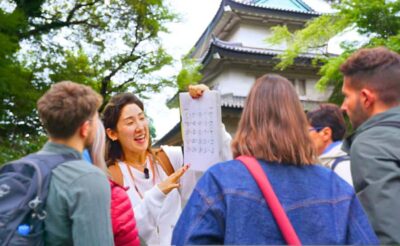
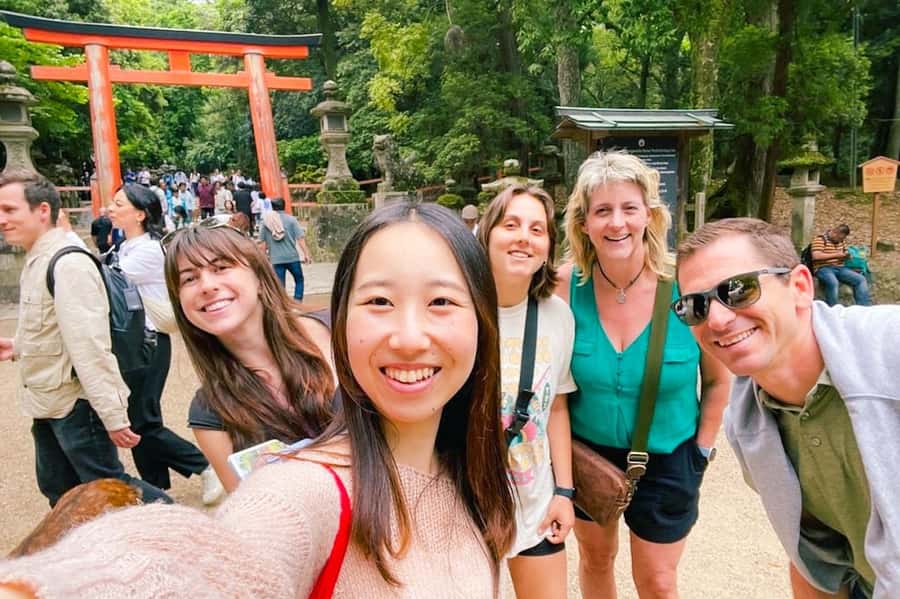
Nara’s best moments are not limited to its famous deer. This five-hour walk links Todai-ji Temple and Kasuga Taisha Shrine with old merchant streets, a quiet hilltop view, and a traditional house. Your guide helps connect Buddhist and Shinto customs so the temples feel like part of daily life, not just photo stops.
I like the small-group pace, which gives you room to ask questions and pause for photos. I also like the local lunch, made with Nara vegetables and fresh meat instead of the usual quick meal near a major sight. The main drawback is simple: this is a long walking tour, and summer heat or wet weather can make the five hours tiring.
Key points at a glance
- Two UNESCO sites in one morning or afternoon: Todai-ji and Kasuga Taisha provide two very different views of Japanese religious culture.
- A proper local lunch is included: Expect a Japanese meal using regional vegetables and fresh meat.
- Deer feeding is part of the plan: You receive a packet of crackers and learn why Nara’s deer are treated as sacred messengers.
- The route leaves the busiest paths: Quiet lanes, Shimononegi-michi, and Naramachi add local character beyond the park.
- Guides shape the experience: Guides such as Miyabi, Yuki, Matthew, Peco, Eri, and Nobu have been praised for clear English, thoughtful pacing, and help with photos.
- Come ready to walk: Comfortable shoes matter, and dietary requests must be arranged by the day before.
Why this Nara walk works so well
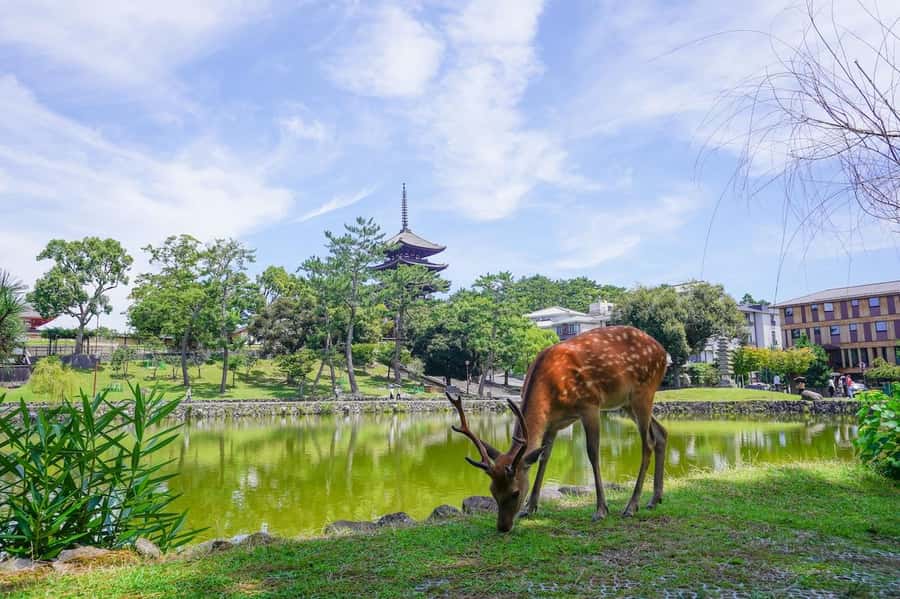
Nara is easy to visit on your own, but it is also easy to reduce to a quick deer-feeding stop and one large temple. This route gives the city a wider frame. You move from a shopping arcade and old-town buildings to a Buddhist temple, a Shinto shrine, wooded paths, and a meal in a local restaurant.
The strongest part is the contrast. Todai-ji feels grand and monumental, while Kasuga Taisha is quieter, more atmospheric, and filled with lanterns. In between, the guide explains how Buddhist and Shinto traditions have shaped Japanese life. That context is useful because the buildings, statues, gates, and rituals can otherwise blur together.
The tour is also designed for a day trip from Kyoto or Osaka. Five hours is long enough to cover Nara’s key sights without spending your whole day in a museum-like march. It is not a lazy stroll, though. You will walk through town, the park, temple grounds, shrine approaches, and connecting paths.
The price is $102 per person. That is not the cheapest way to see Nara, but entrance fees, a full lunch, deer crackers, and a live English-speaking guide are included. If you would otherwise pay for Todai-ji and Kasuga Taisha, find a restaurant meal, and arrange the route yourself, the price offers fair value, especially for a small group.
More History Walking Tours in Japan
- Tokyo: Imperial Palace and Shogun Historical Walking Tour
★ 5.0 · 2,251 reviews - Kyoto Gion: 2-Hour Geisha Culture & History Walking Tour
★ 5.0 · 1,186 reviews - Tokyo Castle & Imperial PalaceーShogun Walking Tour
★ 4.7 · 1,068 reviews
Starting at Kintetsu Nara Station
Meet your guide in front of the Gyoki Bosatsu statue near Exit 2 or the East Exit of Kintetsu Nara Station. This detail matters. The meeting point is not at JR Nara Station, and the two stations are not interchangeable when you are hurrying to meet a group.
Arrive 10 minutes early. Your guide will hold a board marked Magical Trip, making the meeting point easier to spot. The tour begins on time, so allow a little extra time if you are unfamiliar with Kintetsu Nara Station.
Starting at Kintetsu Station puts you near the shopping arcade and the historic center. You do not begin with a long transfer or bus ride. Instead, the route moves quickly into Nara’s older streets.
Kofuku-ji and the first look at Nara’s religious past
The first temple stop is Kofuku-ji, with about 25 minutes set aside for a visit. This is a useful opening because your guide can introduce the difference between a Buddhist temple and a Shinto shrine before the larger sites later in the route.
The stop is fairly short, so you should not expect an exhaustive visit. Think of it as an orientation to Nara’s religious setting and architecture. Your guide may also help explain details that are easy to miss, such as statues, prayer customs, and the role of the temple in the city’s past.
This is where a good guide adds real value. Guides named in the tour feedback include Matthew, Nobu, Eri, Yuki, Peco, Miyabi, Shin, and others. The guide assigned to your departure will vary, but the format allows time for questions rather than only a memorized speech.
Todai-ji and the Great Buddha
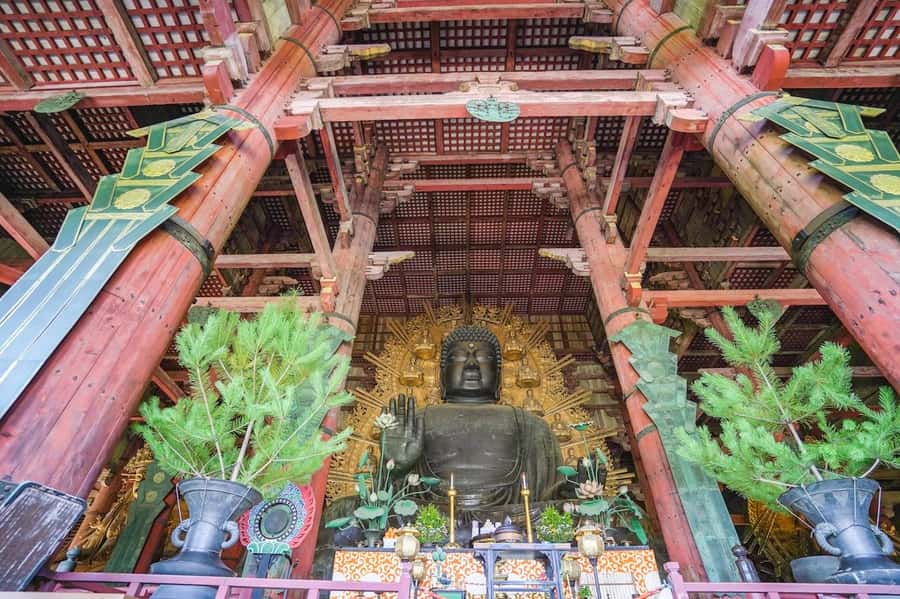
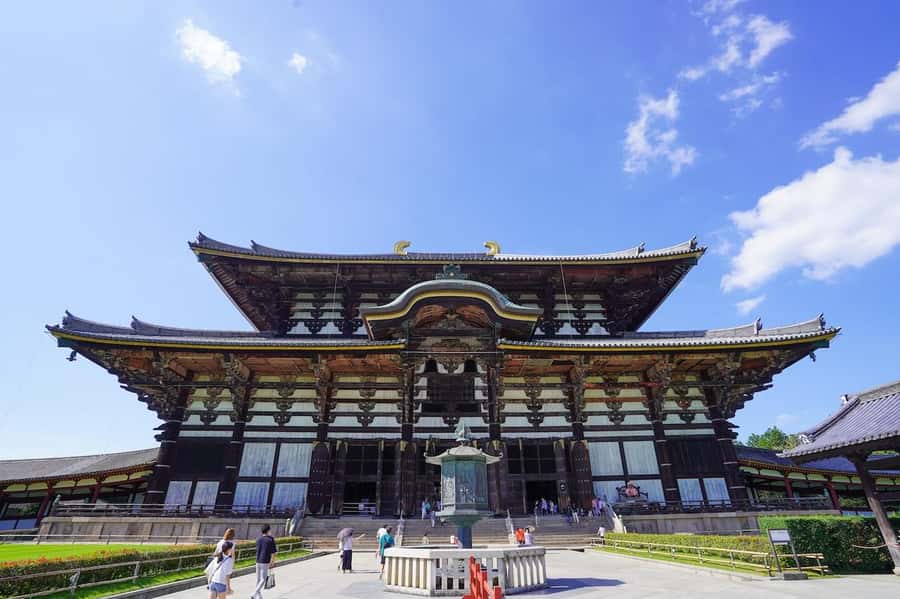
Todai-ji receives about two hours, making it the central stop. This is the part of Nara most people have in mind: a huge wooden temple hall and the immense Great Buddha statue inside.
The building and statue can feel overwhelming at first, but the guide helps put them into context. You learn about the Buddhist beliefs connected with the temple and how to behave at religious sites. The explanation of Japanese worship is especially useful if this is your first major temple visit in Japan.
Two hours is a sensible amount of time here. You need time to enter, listen, look closely at the architecture and statues, and move through the grounds at a reasonable pace. You also have time for photos without feeling that the group is being pushed onward after ten minutes.
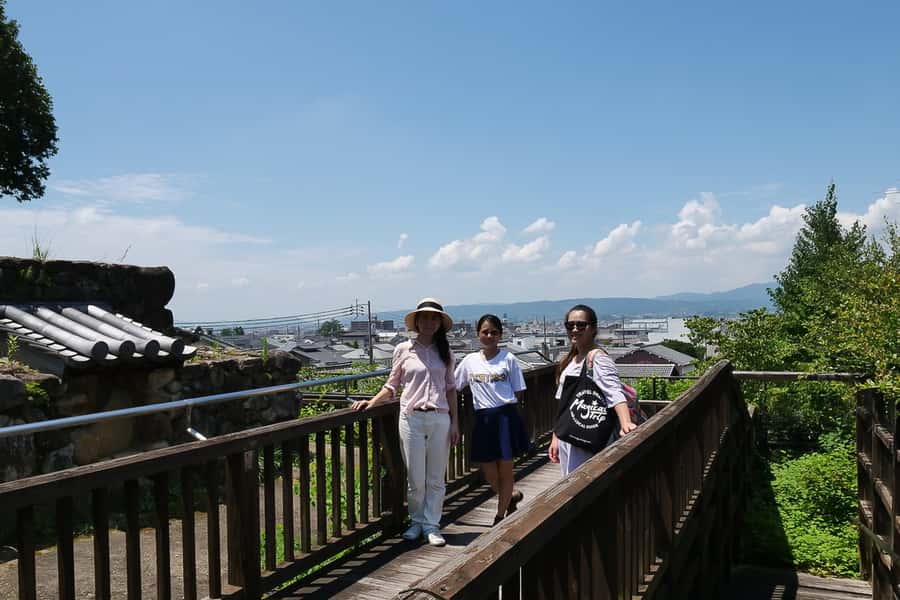
Todai-ji is one of Nara’s busiest sights, so the guide’s route and timing matter. The tour does not promise an empty temple, and you should expect other people around the main hall. Still, the small-group format makes it easier to stay together and ask questions.
Families and first-time visitors will likely find this stop especially rewarding. The sheer scale of the hall and Great Buddha gives children and adults something immediate to grasp, while the guide supplies the background that a quick self-guided visit may lack.
More Local Culture and Traditions Tours in Japan
- Tokyo: The Best of Izakaya in Shinjuku Food & Cultural Tour
★ 4.9 · 221 reviews - 2.5 Hour Private History and Culture Tour in Himeji Castle
★ 5.0 · 185 reviews - Kyoto: Nara & Traditional Matcha Experience Bus Tour
★ 4.9 · 185 reviews - Kyoto: Gion Hidden Gems & Geisha Culture Tour
★ 4.9 · 126 reviews
A local lunch instead of a station-area shortcut
Lunch lasts about 45 minutes at a local restaurant. It uses vegetables from Nara and fresh meat, and it is included in the tour price. The meal is repeatedly described as a highlight, with several different dishes and a more home-style feel than a rushed snack near a major attraction.
The exact menu is not specified, so you should not book this expecting one particular dish. You can expect a proper Japanese lunch rather than only a drink and a small bite. Extra food and drinks cost more, so bring some cash if you want snacks or beverages beyond what is provided.
Dietary planning is important. Vegetarian and gluten-free requests may be possible if you contact the local partner by the day before, but the tour is not suitable for vegans or people with gluten intolerance. Same-day changes cannot be accepted. You do not need to pay for the guide’s food or drinks.
This meal also gives your feet a break. After Todai-ji, a seated lunch helps reset the pace before the walk continues toward the shrine and quieter lanes.
The pyramid-shaped structure and a hilltop view
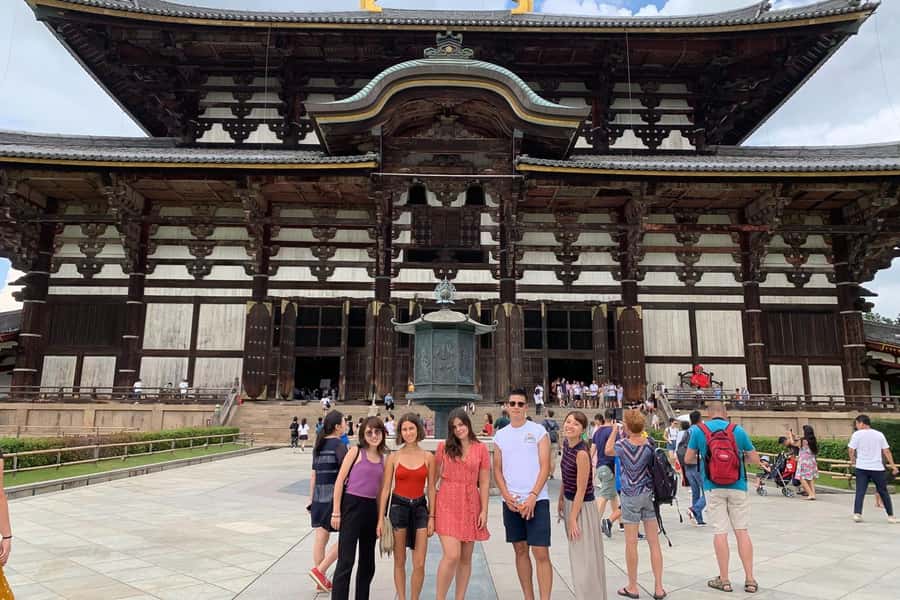
The route includes a stop at 110 Zoshicho, where you pause for about 15 minutes to see a mysterious pyramid-shaped structure in a quiet part of town. The description is intentionally intriguing, but the important point is that this is not another standard temple interior.
You also get a view of Nara from the hill. It is a welcome change after the enclosed spaces and crowded approach to Todai-ji. The stop is brief, so treat it as a scenic and unusual pause rather than a major attraction requiring extensive exploration.
This is one of the route’s better choices for anyone who wants Nara beyond its headline sights. It gives the walk a sense of discovery without turning the tour into a long detour.
Kasuga Taisha and the language of lanterns
Kasuga Taisha receives about 40 minutes. This major Shinto shrine has a very different feel from Todai-ji. You move through a shrine setting associated with lanterns, sacred deer, wooded approaches, and Shinto customs.
Your guide explains how to approach and pray at a shrine, which is practical information you can use during the rest of your Japan trip. The distinction between temple and shrine becomes clearer here: Todai-ji represents Buddhist worship, while Kasuga Taisha follows Shinto traditions.
The time allocation is enough for an introduction and a close look at the shrine, but not for every corner of the complex. If you are deeply interested in shrine architecture or religious art, you may want to return independently. For a first visit, though, this stop gives you the essential atmosphere and meaning.
The lanterns are one of the memorable visual details. They make the shrine feel intimate even though it is a major cultural site. Your guide may also point out customs or details you would likely pass without understanding.
Shimononegi-michi and a quieter side of the park
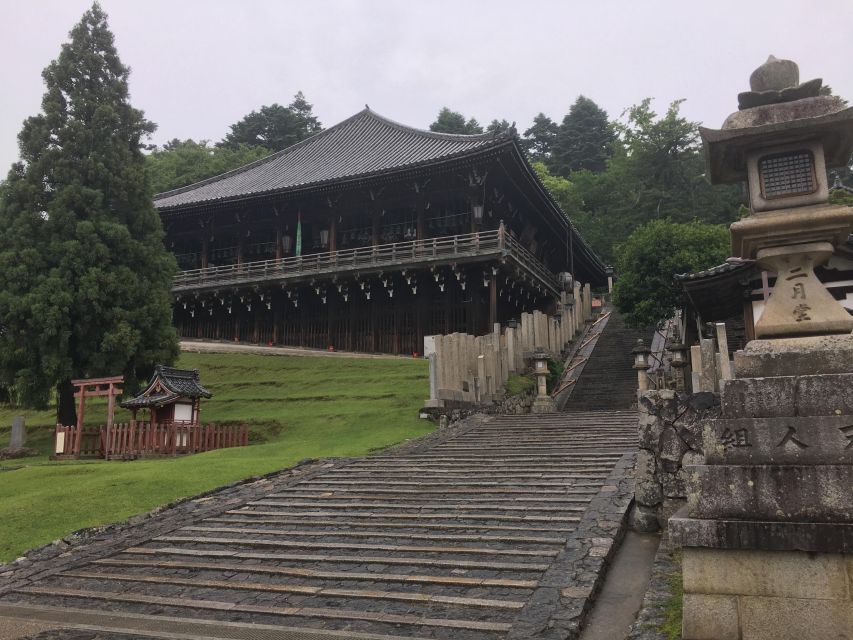
After Kasuga Taisha, the group follows Shimononegi-michi for about 20 minutes. This section helps the tour avoid becoming a straight line between famous buildings.
The path offers a slower change of mood. You leave the biggest crowds behind and walk through a quieter part of Nara. That matters in a city where the main park paths can become busy, especially during popular seasons and pleasant weather.
The route still demands comfortable shoes. You will be on foot for most of the five hours, with only short breaks. People who enjoy walking and want to cover a lot of ground will appreciate this. Anyone with health concerns should tell the local partner in advance so the pace and breaks can be considered.
Nara Park deer, sacred messengers with good timing
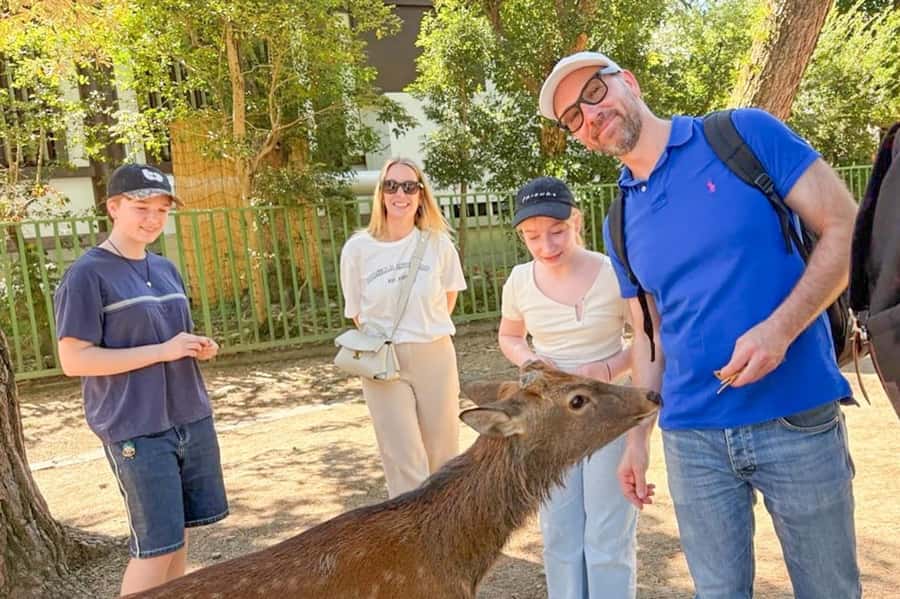
The deer encounter is not a side note. You receive one packet of crackers and have time to feed the deer in Nara Park. For more than 1,200 years, locals have regarded these deer as sacred divine messengers.
The guide explains the cultural meaning behind the animals, which makes the encounter more than a quick animal photo. You also learn how to handle the crackers and interact with the deer. The animals are famous for their polite behavior, but remember that they are still wild animals. Keep food controlled and follow your guide’s instructions.
If you want to continue feeding deer after the tour, buy extra crackers early. They can sell out around the park, and one visitor had to walk back to the original shop to find more. The included packet is enough for the planned experience, but not necessarily for a long afternoon with the deer.
This is often the most playful part of the tour. It works well for families, solo visitors who want someone to take photos, and anyone looking for a memorable break from temple visits. Several guides, including Peco and others, have also helped take photos for participants, though you should not assume every guide will provide the same photo service.
Naramachi and a traditional merchant’s house
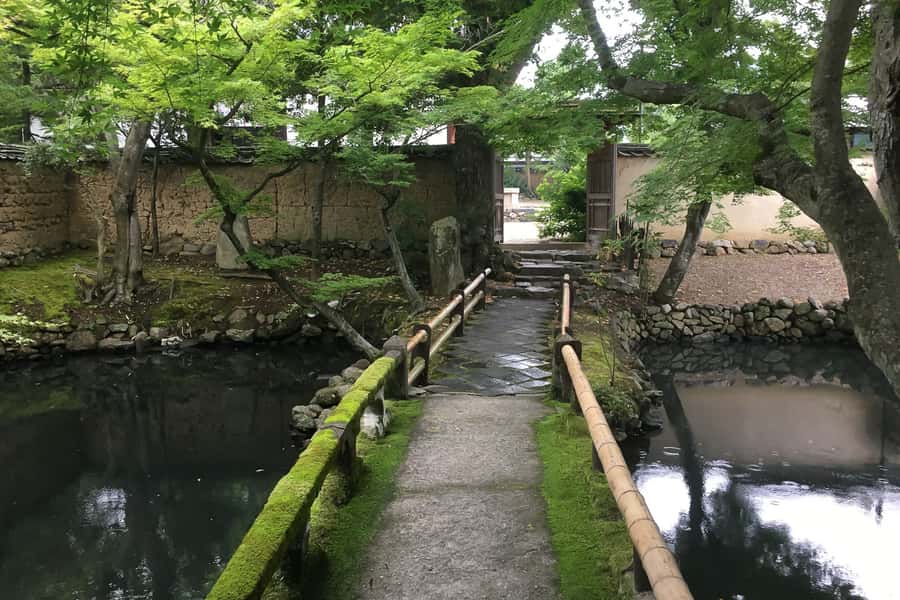
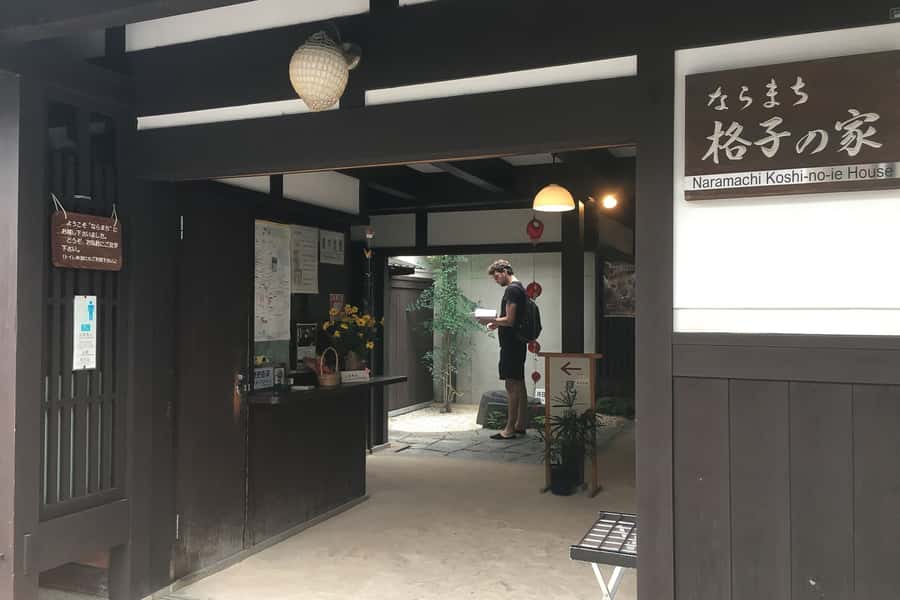
The final part of the route visits Naramachi Nigiwai-no-le for about 20 minutes. Naramachi is an old merchant district with traditional buildings and narrow streets that feel far removed from Tokyo’s scale and pace.
The tour includes entry into a traditional merchant’s house, where you can see how people in the area lived in the past. Details such as latticework and building design can reveal what a merchant sold or how the home was arranged. This is a small stop, but it adds everyday human detail to a day otherwise filled with grand religious monuments.
You return to the Gyoki Bosatsu statue near Kintetsu Nara Station. The ending is practical if you are continuing by train, shopping in the arcade, or heading back toward Kyoto or Osaka.
Guide quality and group atmosphere
The guide can make or break a walking tour, and this format gives that person plenty of influence. The most praised qualities are clear English, strong explanations, friendly conversation, and a pace that does not feel rushed.
Past guides have included Miyabi, Mari, Yucci, Yuki, Peco, Matthew, Nobu, Eri, Shin, Haru, Hiroko, and Duncan. Names and assignments change, but the recurring strength is personal attention. Small groups leave room for unusual questions, and guides have adjusted explanations for mixed language abilities when possible.
Some guides have helped with temple stamps, suggested sake tasting after the tour, or found a good local stop based on a participant’s interests. Those extras are not guaranteed parts of the itinerary, but they show how a small group can feel more flexible than a large bus tour.
The tour is offered as a private or small-group experience. Check the booking option carefully if group size matters to you. A small group is particularly useful at religious sites, where you want to hear the guide without standing in a crowd.
Walking conditions, weather, and what to bring
Wear comfortable walking shoes. You will cover a lot of ground, and the route includes city streets, temple and shrine areas, park paths, and a hill. The tour includes short breaks, but it is not designed for sitting down at every stop.
Summer can be hot, while rain changes the feel of the outdoor sections. One wet-weather outing still included the planned sights and meal, but you should bring suitable rain protection if the forecast calls for showers. The tour continues in ordinary weather conditions.
Bring a little cash for extra snacks, drinks, or more deer crackers. Keep your schedule tight around the start time, and arrive 10 minutes early at Kintetsu Nara Station.
Free cancellation and date or time changes are available until 24 hours before the start, subject to availability for rescheduling. That gives you some flexibility, but it does not protect a last-minute change.
Who should book this Nara experience?
I would choose this tour if you have one day in Nara and want the major cultural sights explained in plain English. It is also a good fit if you prefer a local lunch, enjoy walking, and want a few quieter corners rather than only the most photographed buildings.
Families can benefit from the deer feeding and the variety of stops. Solo visitors may appreciate the small-group setting and the chance to have photos taken. First-time visitors to Japan will get useful guidance on temple and shrine manners.
I would hesitate if you dislike walking, need a fully accessible route, want a vegan meal, or cannot eat gluten. I would also skip it if your main goal is slow photography at one shrine or temple, since the route covers several places in five hours.
Should you book it?
Book this tour if you want Nara’s big sights, local food, deer, and religious context in one well-organized half-day. The combination of Todai-ji, Kasuga Taisha, Naramachi, and the quieter paths gives you more than a quick park visit.
At $102, the value depends on how much you use the guide. For independent sightseers who only want to see the deer and Todai-ji, it may feel expensive. For you if a good explanation, included lunch, temple fees, and a carefully planned route matter, the price is reasonable.
Go ready for a full walk, arrange dietary needs in advance, and meet at Kintetsu Nara Station, not JR Nara Station. With those details handled, this is a strong choice for seeing Nara as a living cultural city rather than a single famous Buddha and a herd of deer.
FAQ
Where does the Nara walking tour meet?
Meet in front of the Gyoki Bosatsu statue near Exit 2 or the East Exit of Kintetsu Nara Station. Do not go to JR Nara Station. Your guide will hold a board marked Magical Trip.
How long does the tour last?
The experience lasts five hours. Check availability for the starting times offered on your chosen date.
What sites are included?
The route includes Kofuku-ji, Todai-ji Temple, Kasuga Taisha Shrine, Shimononegi-michi, Naramachi Nigiwai-no-le, a traditional merchant’s house, and the Nara Park deer area.
Is lunch included?
Yes. Lunch is included and uses local Nara vegetables and fresh meat. Extra food and drinks are not included.
Can the tour accommodate dietary requests?
Vegetarian and gluten-free requests must be made to the local partner by the day before the tour. Same-day requests cannot be accepted. The activity is not suitable for vegans or people with gluten intolerance.
What is included for feeding the deer?
One packet of crackers is included. Bring cash if you want to buy additional snacks, drinks, or more deer crackers after the included feeding experience.
More Half-Day Trips in Japan
- Miyajima Half-day Trip Historical Walking Tour
★ 5.0 · 284 reviews - Hiroshima: Miyajima Half-day Historical Walking Tour
★ 4.7 · 100 reviews - Shirakawa-go UNESCO Half-Day Tour from Takayama
★ 4.6 · 47 reviews - Normandy Beaches Half-Day Afternoon Trip from Bayeux (A2)
★ 4.5 · 1,116 reviews
More UNESCO World Heritage Tours in Japan
- World Heritage Shirakawa-go and Experience Tours from Kanazawa
★ 5.0 · 4,049 reviews - World Heritage Kyoto & Nara Uji Authentic Matcha Experience
★ 5.0 · 1,573 reviews - Kanazawa: World Heritage Shirakawa-go Morning Guided Tour
★ 4.9 · 988 reviews - Hiroshima Peace (Heiwa) Walking Tour at World Heritage Sites
★ 5.0 · 872 reviews
Just added around Japan
- [30 minutes] Rickshaw tour around Asakusa [History, sightseeing, Tokyo Skytree]★ 5.0 · 38 reviews
- Private sake pairing@ancient underground★ 5.0 · 27 reviews
- Tokyo: Asakusa & Sensoji ー Oldest Temple Walking Tour (2hrs)★ 5.0 · 213 reviews
- Tokyo: Edo Castle & East Garden of the Imperial Palace Tour★ 4.7 · 112 reviews
- Tokyo: Imperial Palace, the history of Japan (ENGLISH GUIDE)★ 5.0 · 77 reviews
- Tokyo: Customized Private Historical Guided Photoshoot Tour★ 5.0 · 25 reviews
- Osaka: Dark Side of Osaka Night Walking Tour★ 4.9 · 89 reviews
- Osaka: Osaka Castle & Historical Museum Guided Tour★ 4.8 · 28 reviews
Japan History Tours, compared.
Kyoto: Fushimi Inari, Kinkakuji, Bamboo Grove 1 Day Bus Tour
Read our review →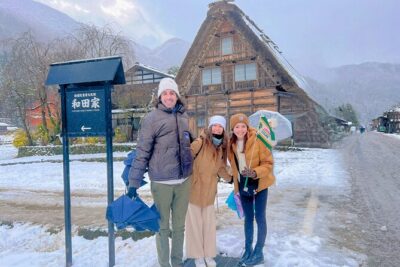
World Heritage Shirakawa-go and Experience Tours from Kanazawa
Read our review →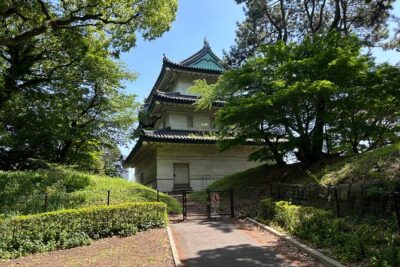
Tokyo: Imperial Palace and Shogun Historical Walking Tour
Read our review →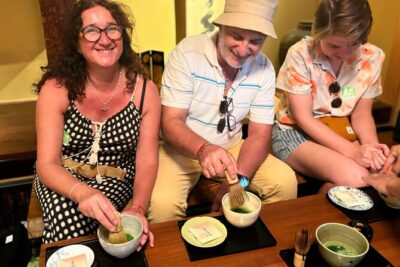
World Heritage Kyoto & Nara Uji Authentic Matcha Experience
Read our review →
Kyoto Gion: 2-Hour Geisha Culture & History Walking Tour
Read our review →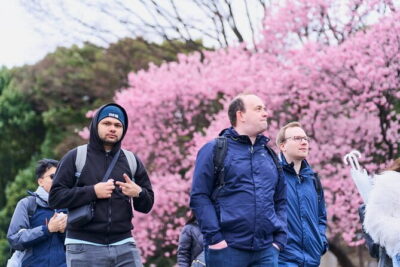
Tokyo Castle & Imperial PalaceーShogun Walking Tour
Read our review →
Kanazawa: World Heritage Shirakawa-go Morning Guided Tour
Read our review →