Review · BERLIN
Berlin: Third Reich & Cold War Walking Tour
Berlin’s 20th-century story is packed into a short walk: Nazi power, the destruction of war, the Berlin Wall, and the hard work of German reunification. This private tour links those chapters in a clear route from Brandenburg Gate to Checkpoint Charlie, so you spend less time finding sites and more time making sense of them.
I like the one-on-one format, which lets you ask direct questions and adjust the emphasis toward Nazi Germany, the Cold War, or modern Berlin. I also like the local advice built into the experience. Carlo, one guide who has led this tour, is a Berlin resident who can suggest neighborhoods, food, and local places to visit after the walk.
The main drawback is the pace. Two hours is enough for a strong introduction, but not enough for long visits at every stop. The route also covers difficult subjects, so this is a serious history walk rather than a light city stroll.
Key points to know before booking
- Brandenburg Gate begins the story: You start at one of Berlin’s best-known symbols and connect it to German division and reunification.
- Hitler’s Bunker is a site, not a preserved room: You learn about the final days of World War II at the location associated with Hitler’s last headquarters.
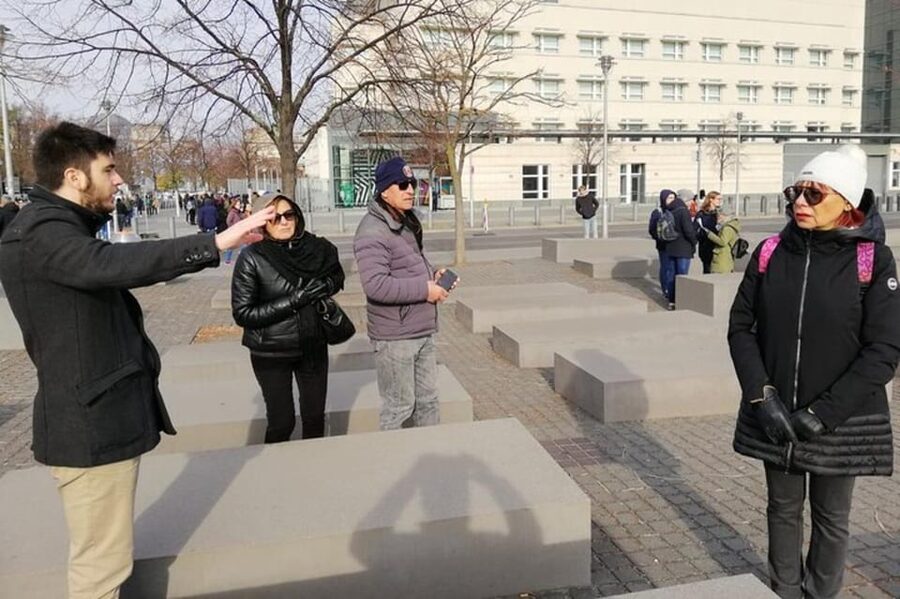
- The Holocaust Memorial needs quiet attention: Your guide helps explain how to approach this powerful memorial respectfully.
- Topography of Terror adds hard evidence: The exhibition sits on the former Gestapo and SS headquarters site.
- Checkpoint Charlie closes the Cold War chapter: The stop covers the 1961 superpower standoff and the Berlin Wall’s fall in 1989.
- Private guiding gives you flexibility: English, French, and Spanish tours are available, and the route can be customized.
Why this two-hour route works in Berlin
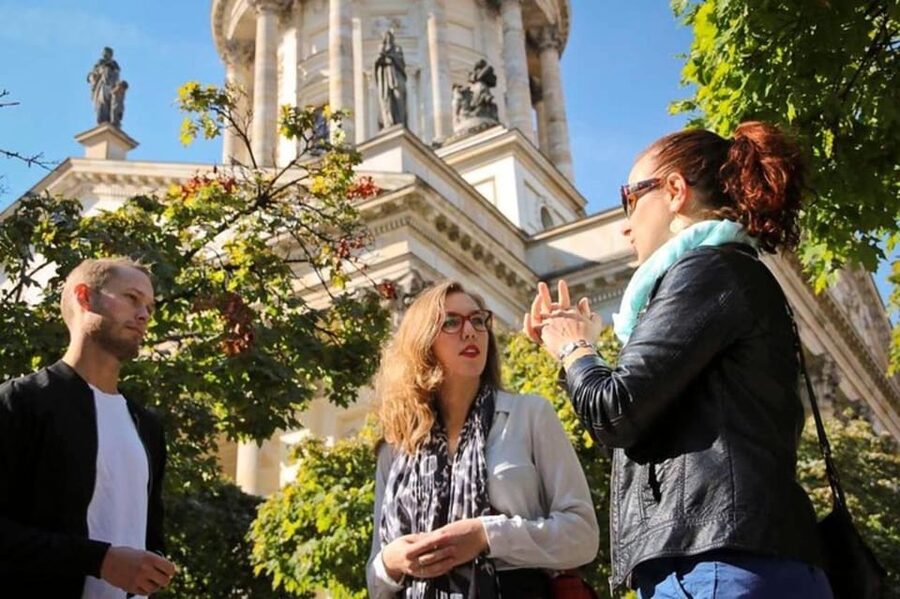
Berlin can feel like a history book spread across a very large city. The trouble is not finding famous sights. The trouble is understanding how they fit together.
This walk solves part of that problem by following a compact central route. You begin at Unter den Linden 77, in front of Wellendorff Berlin at Hotel Adlon, then move through places tied to the Nazi period and the Cold War. The sequence makes sense: the old political center, the Nazi dictatorship, the wreckage of war, the postwar division of Berlin, and the eventual return to unity.
At $35 per person, the price is reasonable for a private two-hour guide if you value personal attention. You are not paying for a full-day museum program, and you should not expect one. You are paying for someone to explain the meaning of major sites, answer questions, and help you orient yourself in central Berlin.
The value rises if you are visiting Berlin for the first time or find 20th-century German history hard to organize. It is less useful if you already know the sites well and prefer to explore museums at your own pace.
More History Walking Tours in Berlin
- Berlin: Third Reich & Cold War Guided Walking Tour
★ 4.9 · 8,378 reviews - Berlin’s Best: 2 Hour Walking Tour Third Reich and the Cold War
★ 5.0 · 5,486 reviews - Third Reich Berlin: Hitler and WWII Walking Tour
★ 5.0 · 3,301 reviews
Starting beneath Berlin’s grand boulevard
Meet your guide in front of Wellendorff Berlin at Hotel Adlon. The address is Unter den Linden 77, an easy starting point near several central sights.
This is a practical place to begin because Berlin’s political and historical center is close by. You avoid spending the first part of the tour on a long transfer. The walk uses public transport when needed, unless you select an option with different arrangements, but the main experience is built around walking.
A private start also makes the opening minutes useful. You can tell your guide what you already know and what you want explained. If your group has children, older relatives, or different levels of interest, the guide can adjust the tone and pace within the available two hours.
Guides are offered in English, French, and Spanish. Eugen has led French-language tours described as clear, friendly, and highly informative. Carlo has also guided visitors in Berlin and can offer suggestions for neighborhoods, places to eat, and local experiences. Guide assignment can vary, so treat these names as examples rather than a promise that one particular guide will lead your tour.
Brandenburg Gate and the meaning of unity
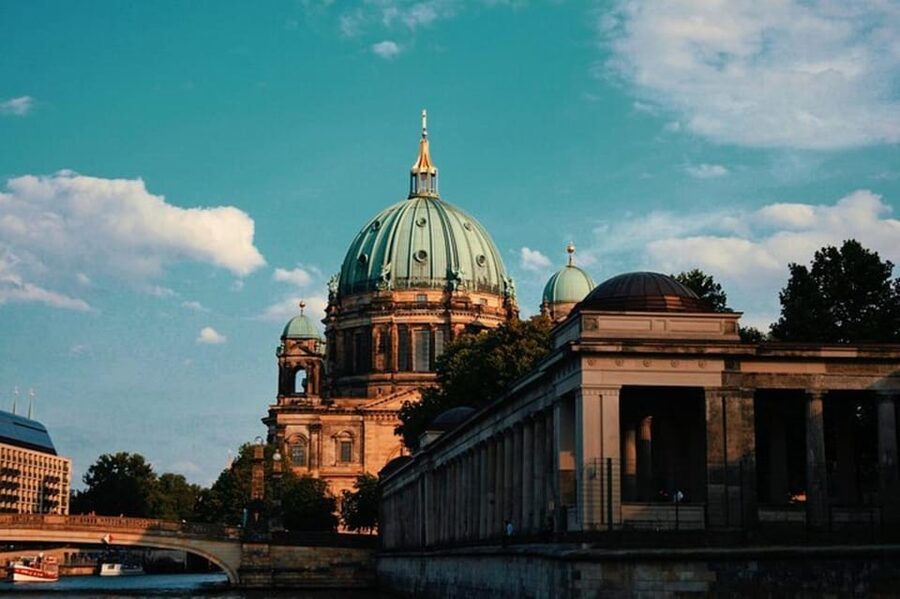
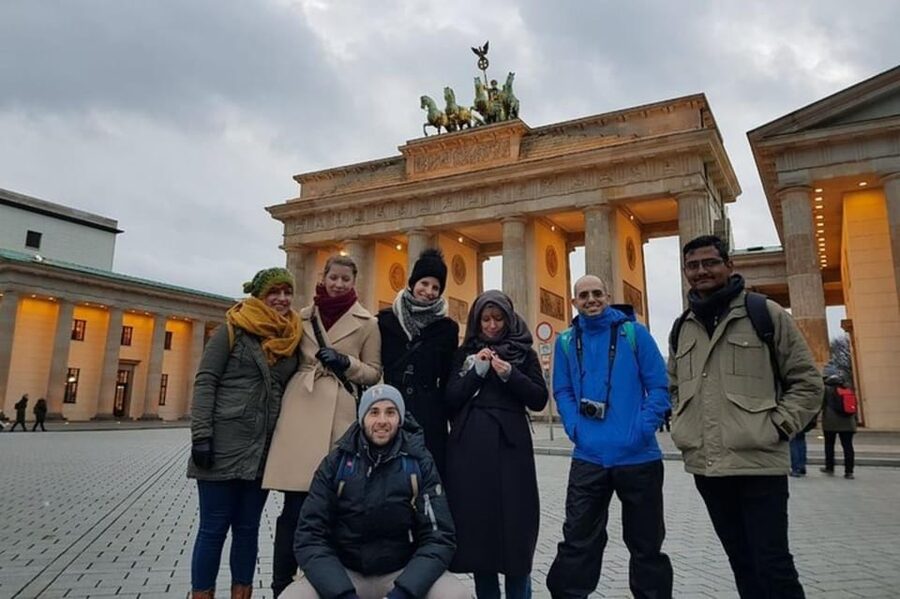
Brandenburg Gate is not just a photogenic arch. It is the right place to begin because its meaning changed with Berlin itself.
Your guide explains the gate’s role in German history and its connection to unity. That matters because the same monument has been viewed through very different political lenses. It became a symbol of division during the Cold War and later a public sign of reunification.
The stop is guided rather than simply a quick photo break. You can ask how the gate fits into the story of the city and why it remains such a central image of Germany.
Expect other people around this famous sight. The tour does not promise a quiet, private view of the gate. The private part refers to your group and guide, not exclusive access to public Berlin.
The Reichstag and power under dictatorship
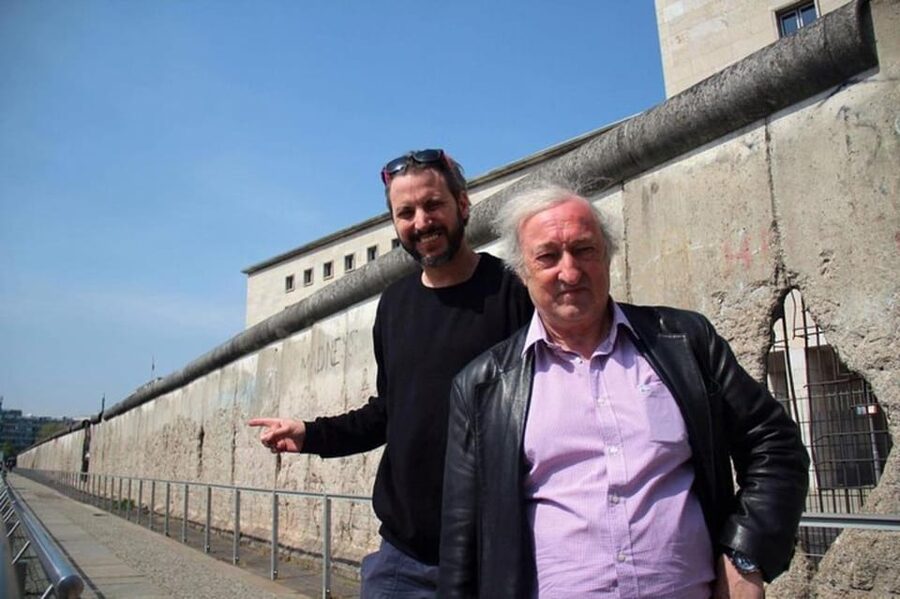
From Brandenburg Gate, the route continues to the Reichstag, home of the German Parliament. The building gives the tour a useful link between democratic government, dictatorship, war, and modern Germany.
Your guide discusses the Reichstag’s role during the Nazi dictatorship. This is an important distinction: you are not simply being shown a government building. You are looking at a place connected to the breakdown of democracy and the political system that followed.
The tour provides a guided explanation of the Reichstag area. It does not state that an interior visit, dome reservation, or Parliament tour is included. If entering the building matters to you, ask about ticket help before booking. The tour provider can assist with arranging tickets for desired visits, but ticket details should be confirmed separately.
This stop works best if you listen for the connection between buildings and institutions. Berlin’s history is not only about battles and walls. It is also about how political power was used, abused, and rebuilt.
More History Walking Tours in Germany
- Berlin: Third Reich, Hitler, and WWII Walking Tour
★ 4.9 · 1,757 reviews - Berlin: History of the Third Reich Guided Walking Tour
★ 4.7 · 791 reviews - Berlin Historical Highlights Walking Tour
★ 4.9 · 657 reviews - Berlin Private Complete History All Day Walking Tour
★ 5.0 · 474 reviews
The Holocaust Memorial calls for a slower moment
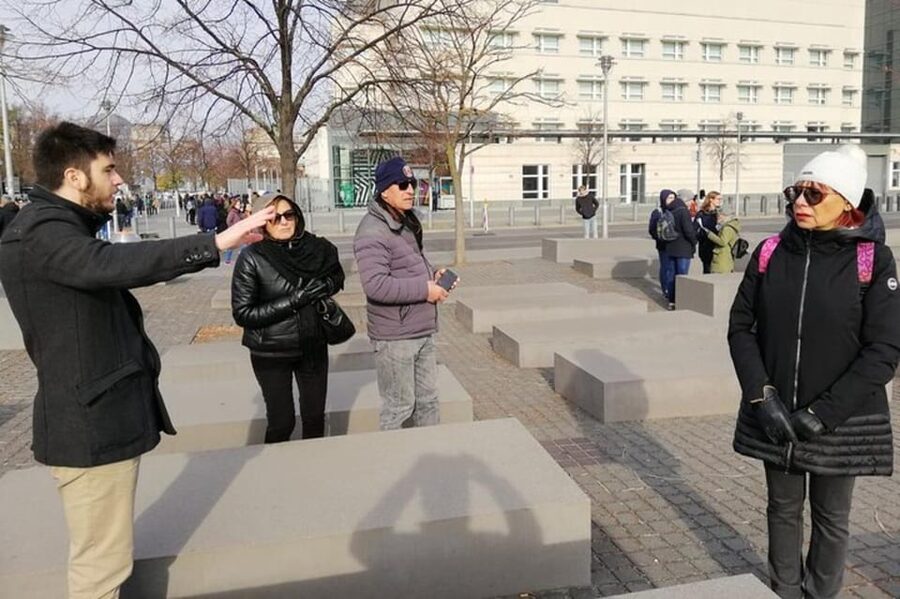
The Memorial to the Murdered Jews of Europe is one of the most serious stops on the route. Its field of concrete blocks creates a setting that is open to the sky but difficult to read at a glance.
Your guide explains the memorial and its place in Berlin’s remembrance of the Jewish victims of the Holocaust. The value here is context. Without explanation, you may see only an unusual arrangement of blocks. With a guide, you can consider what the memorial is trying to communicate and how it fits into Germany’s effort to confront its past.
I would not rush this stop for a better photo. It deserves quiet attention, and the subject requires respect. A two-hour walk cannot give you the full story of the Holocaust, nor should it pretend to. Instead, this portion gives you a clear introduction and points you toward further study.
The memorial is also a reminder that Berlin’s public spaces carry moral weight. You move through the city not just as a sightseeing route, but through places where memory is part of daily life.
Hitler’s Bunker site and the end of the war
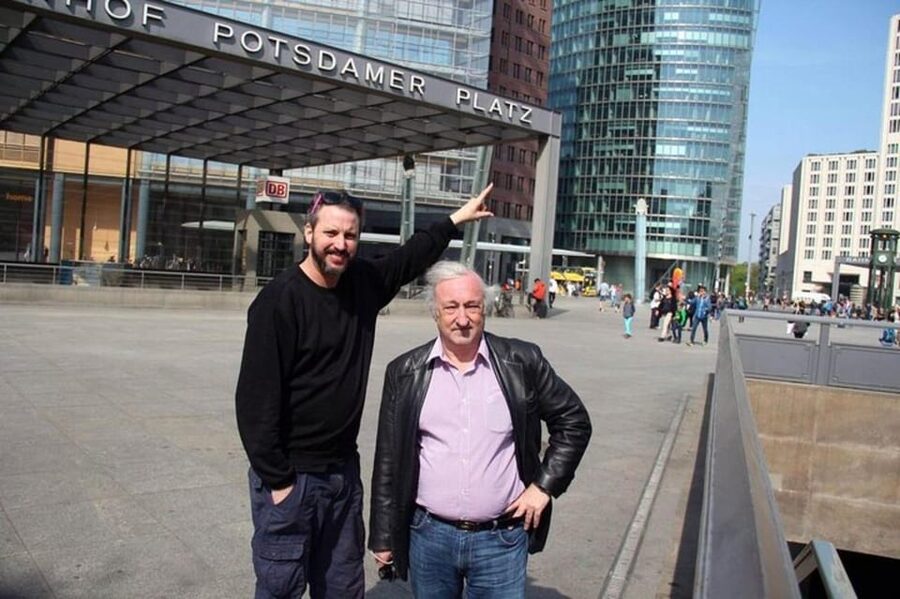
The tour then visits the site of Hitler’s Bunker. The key fact is that this is a historical location, not a preserved underground attraction for you to tour.
Your guide covers the final days of World War II and Hitler’s suicide. The stop helps explain the collapse of Nazi Germany from the ground where the regime made its last stand.
This part can feel less visually dramatic than Brandenburg Gate or the Holocaust Memorial. That is part of its value. There is no grand ruin to inspect and no intact bunker interior to explore. The guide’s explanation supplies the context.
You should expect a sober discussion rather than sensational treatment. The site is useful because it shows how much history can disappear physically while remaining important politically and morally.
Topography of Terror exposes the machinery of crime
The route continues to the Topography of Terror exhibition, located on the former site of the Gestapo and SS headquarters. This is one of the strongest stops for understanding how Nazi persecution was organized.
The exhibition focuses on crimes committed during World War II. It moves the discussion beyond famous leaders and battlefield dates, toward the institutions that carried out repression.
That distinction matters. A short city tour can easily reduce Nazi history to Hitler, the war, and the bunker. Topography of Terror shows the administrative and police structures behind the violence. You get a clearer sense of how state power became a tool of terror.
The available information describes a visit to the exhibition, but it does not specify how much indoor time is included in the two-hour route. Ask your guide how the stop will be handled if you want a longer look at the displays. The tour provider can help with tickets for desired visits, and this is one place where extra time may be worthwhile.
The Berlin Wall, escape stories, and Checkpoint Charlie
The Cold War section brings the route toward Checkpoint Charlie, Berlin’s best-known former crossing point. Along the way, your guide explains the Wall’s construction in 1961 and the attempts people made to escape across it.
This is where the tour shifts from dictatorship and wartime destruction to the city’s postwar division. The Wall was not simply a border marker. It cut through streets, families, workplaces, and ordinary routines. Stories of escape make that division easier to grasp, though a two-hour tour can only cover a selection.
Checkpoint Charlie is the final main stop. Your guide discusses the 1961 standoff between Soviet and American forces and the fall of the Berlin Wall in 1989.
The checkpoint is famous, but the modern setting can feel more commercial than solemn. Do not expect an untouched Cold War scene. The value comes from understanding what happened here, not from mistaking today’s display elements for an original border crossing.
Ending at Checkpoint Charlie gives the walk a clear shape. You begin with the symbols of German unity and finish with the Cold War’s end and the country’s return to unity. That arc is one of the best reasons to choose this route.
What private guiding changes
A private tour is most useful when you make use of it. Do not stand quietly and let the guide give a fixed speech if you have questions. Ask what happened to Berlin after 1945, how Germans view these events today, or which museums should come next.
The tour can be customized. That does not mean every stop disappears or that the route can become a full-day program. It means the guide can shape the discussion around your interests and help you see areas and venues beyond the basic tourist checklist.
French-speaking visitors may appreciate a guide such as Eugen, who is described as both approachable and clear in French. Spanish-speaking groups can benefit from a guide such as Carlo, who has lived in Berlin and can discuss modern local life along with the historical material.
The strongest praised qualities are personal attention, clear explanations, and warm guiding. Those matter more here than theatrical presentation. The subjects are heavy, and a guide who welcomes questions can help you stay engaged without turning the past into a spectacle.
Pace, walking, and practical planning
Two hours goes quickly on this route. You will cover several major sites, listen to explanations, and likely pause for questions. If your group likes to discuss each stop at length, you may need to choose which sections deserve the most time.
Wear comfortable shoes. The experience is presented as a walking tour, and public transport may be used as part of the standard arrangement. Food and drinks are not included, so plan a snack or meal before or after the tour rather than expecting a scheduled break.
The tour is wheelchair accessible according to the activity information. Since the experience includes public streets, memorial space, and an exhibition, it is still sensible to confirm the exact route and access arrangements when booking.
You can cancel up to 24 hours in advance for a full refund, and the reserve-now, pay-later option keeps the booking flexible. Those terms are useful in Berlin, where weather and changing plans can affect a walking day.
Who will get the most from this tour
I would choose this experience for a first visit to Berlin, especially if you want a clear starting point for the city’s Nazi and Cold War history. It also suits a couple or small family group that wants to ask questions without joining a large public group.
It is a good fit if you want local suggestions after the tour. Carlo’s advice about neighborhoods, food, and local experiences shows how the guide can help you plan the rest of your stay, not just explain monuments.
I would be more cautious if you want long museum visits. Topography of Terror, the Holocaust Memorial area, and the other sites deserve more time than this route can provide. You may want to book the walk first, then return independently to the places that hold your attention.
This is also not the best choice for anyone seeking a cheerful introduction to Berlin. The tour deals with genocide, dictatorship, war, political repression, and division. It is worthwhile, but the mood is serious.
Should you book the Berlin Third Reich and Cold War Walking Tour?
Book it if you want a focused historical framework, a private guide, and a compact central route. At $35 per person, it offers solid value when personal questions and local advice matter to you.
Go in with sensible expectations. You will not master Berlin’s entire 20th-century story in two hours, and you will not have unlimited time at every site. You will get a guided path through the city’s most important Nazi and Cold War locations, with the freedom to ask questions and request emphasis on the subjects that matter most to your group.
For a first look at Berlin’s difficult past, this is a practical and well-shaped introduction. Use it as your foundation, then return to the museums and memorials that deserve a longer visit.
FAQ
Where does the tour begin?
The meeting point is in front of Wellendorff Berlin at Hotel Adlon, at Unter den Linden 77.
Where does the tour end?
The route ends at Checkpoint Charlie, the famous former Berlin Wall checkpoint.
How long does the tour last?
The tour lasts two hours.
How much does the tour cost?
The listed price is $35 per person.
Is this a private tour?
Yes. The experience is private and exclusive, with no other group members joining you.
Can the tour be customized?
Yes. Customization is included, allowing the guide to shape the experience around your interests.
Which languages are available?
Live guiding is available in English, French, and Spanish.
Is public transport included?
The walking tour includes public transport unless you select an option with different arrangements.
Is the tour wheelchair accessible?
Yes. The activity information states that the tour is wheelchair accessible.
Can I cancel for a full refund?
Yes. You can cancel up to 24 hours in advance for a full refund.
More WWII and D-Day Tours in Germany
- Clash of Titans: Battle for Seelow Heights WW2 tour
★ 5.0 · 71 reviews - Berlin Half-Day World War II Walking Tour
★ 4.5 · 48 reviews - Path of Resistance: Berlin’s Hidden Holocaust Stories
★ 4.9 · 43 reviews - Berlin: Nazi History Walking Tour
★ 4.8 · 33 reviews
More WWII and D-Day Tours in Berlin
- Hitler’s Germany: Berlin During the Third Reich & WWII
★ 4.8 · 476 reviews - Private Walking Tour Berlin Third Reich Hitler and World War II
★ 5.0 · 360 reviews - The History of Berlin: WWII PRIVATE Walking Tour With Locals
★ 5.0 · 209 reviews - Berlin: Guided Bike tour of the Berlin Wall and Third Reich
★ 5.0 · 160 reviews
Just added around Berlin
- Berlin Food & Cultural Tour: Must-Try German & Berliner Classics★ 5.0 · 51 reviews
- Berlin Half-Day World War II Walking Tour★ 4.5 · 48 reviews
- Small-Group Historical Bike Tour in Berlin★ 4.5 · 103 reviews
- Historic center of Berlin – Tour in Italian★ 5.0 · 143 reviews
- Berlin Cold War & World War II Third Reich Walking Tour★ 4.5 · 30 reviews
- Private Taxi Tour City East & West History and Architecture 3-4h★ 5.0 · 42 reviews
- Berlin Wall and Cold War Bike Tour in Small Groups★ 5.0 · 114 reviews
- Private Tour: Jewish Heritage Walking Tour of Berlin★ 5.0 · 29 reviews
Berlin History Tours, compared.

Berlin: Third Reich & Cold War Guided Walking Tour
Read our review →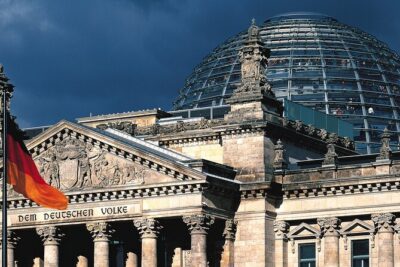
Berlin’s Best: 2 Hour Walking Tour Third Reich and the Cold War
Read our review →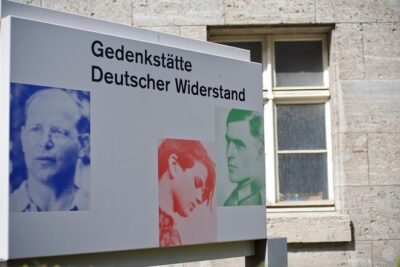
Third Reich Berlin: Hitler and WWII Walking Tour
Read our review →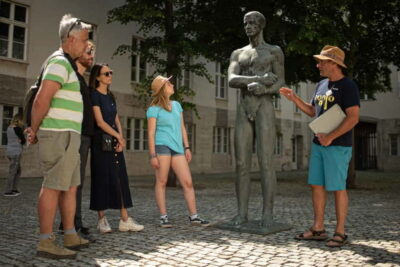
Berlin: Third Reich, Hitler, and WWII Walking Tour
Read our review →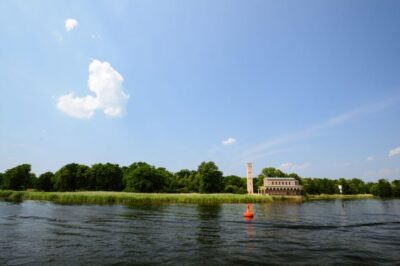
Berlin: 3-Hour World Heritage Cruise to Potsdam
Read our review →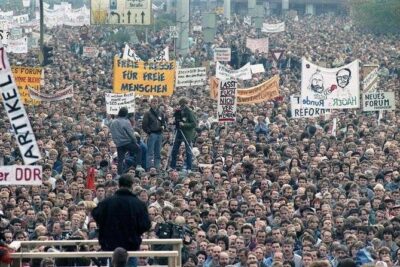
Cold War, Berlin Wall, Spies and the East Side Gallery
Read our review →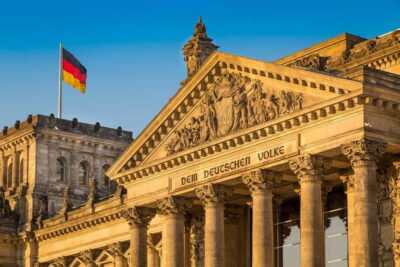
Berlin: History of the Third Reich Guided Walking Tour
Read our review →