
Review · JAPAN
Kamakura: A Journey Through Medieval Japan
Kamakura packs nearly 900 years of Japanese religious and political drama into a seaside town you can reach from Tokyo. This tour links Zen temples, samurai history, and the Great Buddha in one well-planned day, with guide John adding the stories that turn stone gates and wooden halls into living history.
I like the flexible pace and the smart use of local trains and buses. I also like the chance to eat shojin-ryori, vegetarian Buddhist temple food, and to finish the longer tour on Enoshima, where sacred sites, sea views, and a little seaside kitsch share the same island.
The main caution is simple: this is still a walking tour. There are places to sit, but the route includes temple grounds, shrine approaches, station transfers, and Enoshima walking, so it is not suited to wheelchair users or people with major mobility limits.
Key points to know before booking
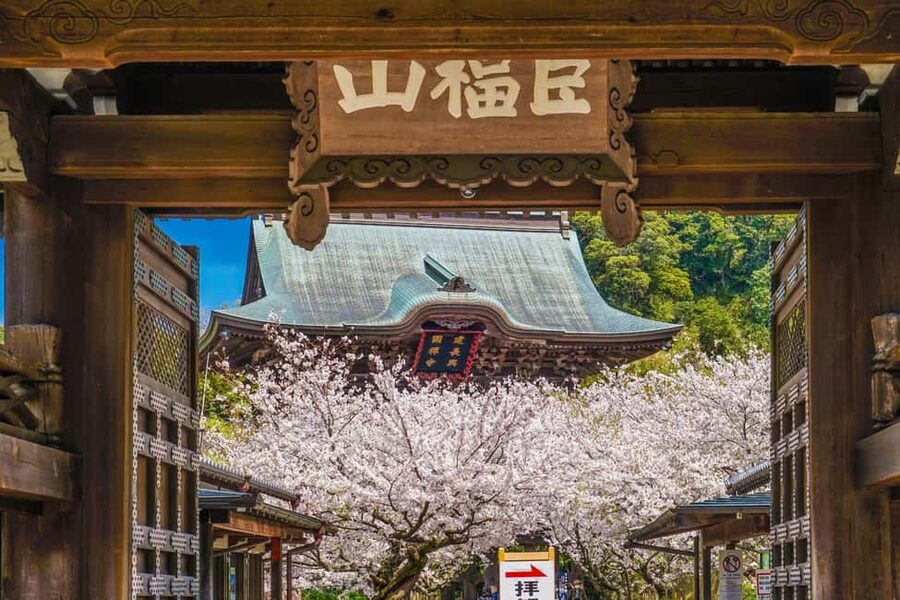
- Kita-Kamakura makes a calm starting point: Meet outside the station’s East Exit, then begin among some of Kamakura’s finest temples.
- John is the guide to request: His strengths are clear English, lively historical storytelling, flexible planning, and practical help with Japanese food and transport.
- The 4-hour route gives you the essential Kamakura: Engaku-ji, Tokei-ji, Tsurugaoka Hachimangu, and the Great Buddha can fit into a half-day.
- The 8-hour option adds the best flavor: You have time for shojin-ryori and Enoshima, including its religious sites and seaside setting.
- Extra costs are modest but real: Expect about 800 to 1,500 yen per person for entry fees, around 400 yen for transport, and about 1,000 yen for lunch.
- Private tours offer useful freedom: The route can be adjusted for your group, interests, food needs, and available time.
Why Kamakura makes such a good day from Tokyo
Kamakura gives you a sharp change of pace from Tokyo without requiring a long journey. This was the base of Japan’s first warrior government, founded about 900 years ago during the Kamakura Period. Its temples, shrines, and political landmarks are not scattered randomly. They reflect the rise of the samurai class and the growing influence of Zen Buddhism.
That connection is what makes this tour worthwhile. You are not simply checking off a shrine, a temple, and a statue. You are following the changing relationship between religion, government, art, and daily life.
The route starts in Kita-Kamakura rather than in the busiest part of town. That is a good choice. You meet outside the East Exit of Kita-Kamakura Station, where the station is easy to navigate, and move quickly into a quieter temple district.
The tour costs $35 per person for the guide service. That is a reasonable starting price for a private or small-group experience, but you should budget for entry fees, public transport, and lunch. Those added costs are listed at roughly 800 to 1,500 yen per person for admissions, about 400 yen for transport, and about 1,000 yen for food.
More Medieval History Tours in Japan:
- Prague: Medieval Dinner with Unlimited Drinks
★ 4.4 · 19,847 reviews - Prague: Oldtown, Medieval Underground & Dungeon History Tour
★ 4.3 · 10,277 reviews - Ghent: 50-Minute Medieval Center Guided Boat Trip
★ 4.5 · 5,637 reviews
Engaku-ji explains the Zen foundation
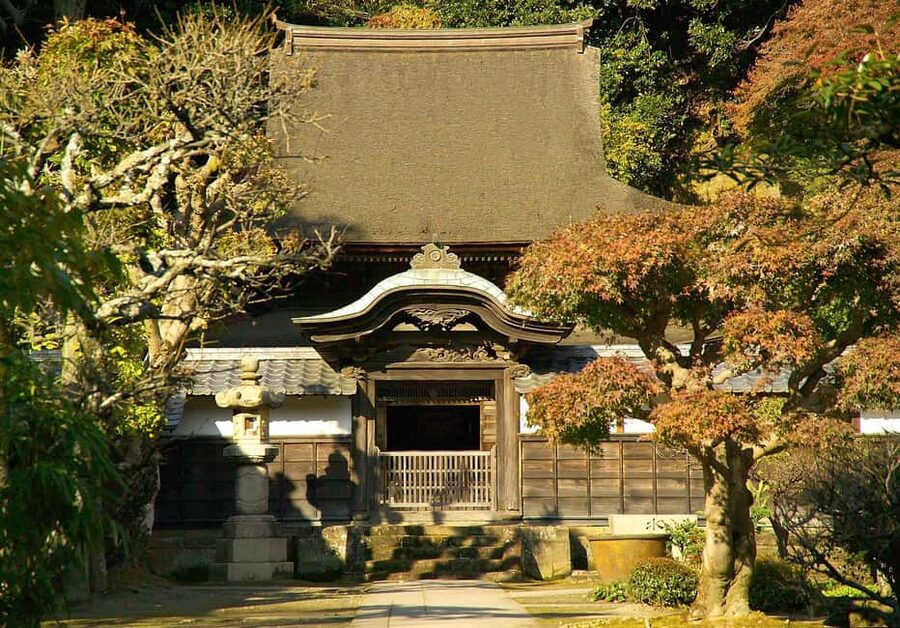
Engaku-ji is the first major stop and receives about an hour of guided time. It is one of Japan’s most important Zen temples, so this is where the wider story begins.
John’s approach is especially useful here. He explains Zen not only as a set of religious practices, but also as a force that shaped Japanese politics, art, and ideas about discipline. That context helps you understand why Kamakura has so many temples and why the city became such an important center of religious life.
The temple is a strong opening because it gives the day a clear theme. Look beyond the buildings themselves and pay attention to the relationship between the paths, gates, wooded grounds, and worship spaces. The point is not only to admire an old temple. It is to see how a Zen setting creates a different rhythm from the city streets outside.
You should allow time for photographs, but do not expect the visit to feel like a quick photo stop. The guided hour is designed for explanation. If you want only a short look at temple architecture, this may feel slow. If you want the background behind what you are seeing, it is time well used.
Tokei-ji adds a women’s history often missed
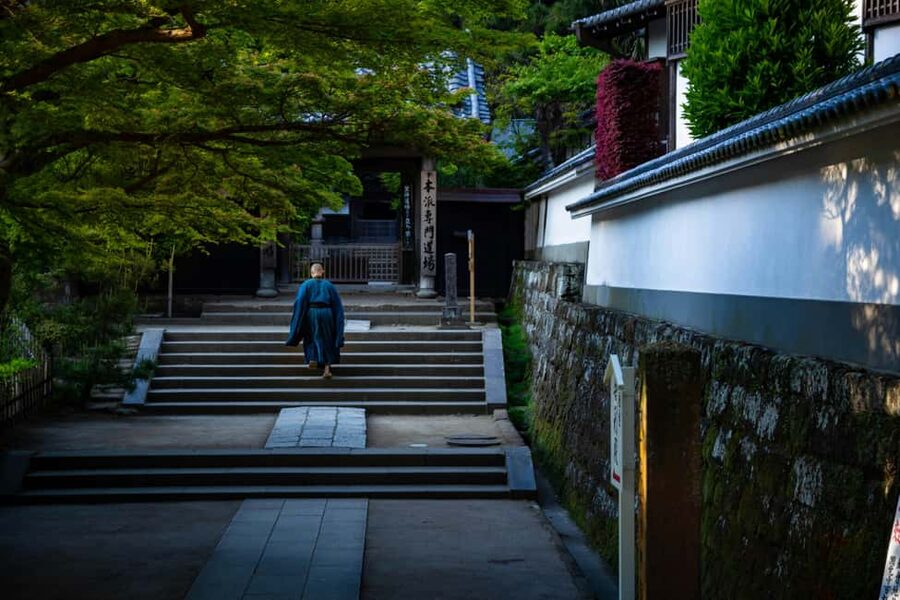
The next stop is Tokei-ji, a former nunnery visited by women from across Japan. The guided portion lasts about 15 minutes, so this is a short stop rather than another long temple visit.
Its value is the different angle it brings to Kamakura’s religious history. Engaku-ji introduces Zen and its ties to warrior culture. Tokei-ji adds the story of women and pilgrimage. That contrast keeps the morning from becoming a blur of similar temple roofs and garden paths.
Because the visit is brief, listen closely to John’s explanation and ask questions while you are there. This is one of the places where a guide makes a real difference. Without context, a former nunnery can be easy to pass by. With context, it becomes part of the social history of the region.
Shojin-ryori turns lunch into part of the tour
On the longer route, lunch is usually built around shojin-ryori, the vegetarian food associated with Buddhist monks. The meal takes about 45 minutes and costs about 1,000 yen per person, separate from the guide fee.
This is more than a convenient lunch break. It connects the morning’s religious sites with something you can taste. You get a practical glimpse of how Buddhist food traditions influence Japanese cooking, rather than spending the entire day treating temples as monuments from a distance.
The meal is generally included on the 8-hour tour. It can be arranged on the 4-hour tour if requested, but the shorter schedule gives you less room to linger. Tell John about dietary restrictions in advance. Vegetarian and vegan needs can be handled, and the guide has also arranged a gluten-free restaurant for a guest with celiac disease.
That flexibility is useful, but do not assume every special diet can be handled without notice. Send the information before the tour so the restaurant choice can be checked and arranged.
More History Tours in Japan:
- World Heritage Shirakawa-go and Experience Tours from Kanazawa
★ 5.0 · 4,049 reviews - Tokyo: Imperial Palace and Shogun Historical Walking Tour
★ 5.0 · 2,251 reviews - World Heritage Kyoto & Nara Uji Authentic Matcha Experience
★ 5.0 · 1,573 reviews - Kyoto Gion: 2-Hour Geisha Culture & History Walking Tour
★ 5.0 · 1,186 reviews
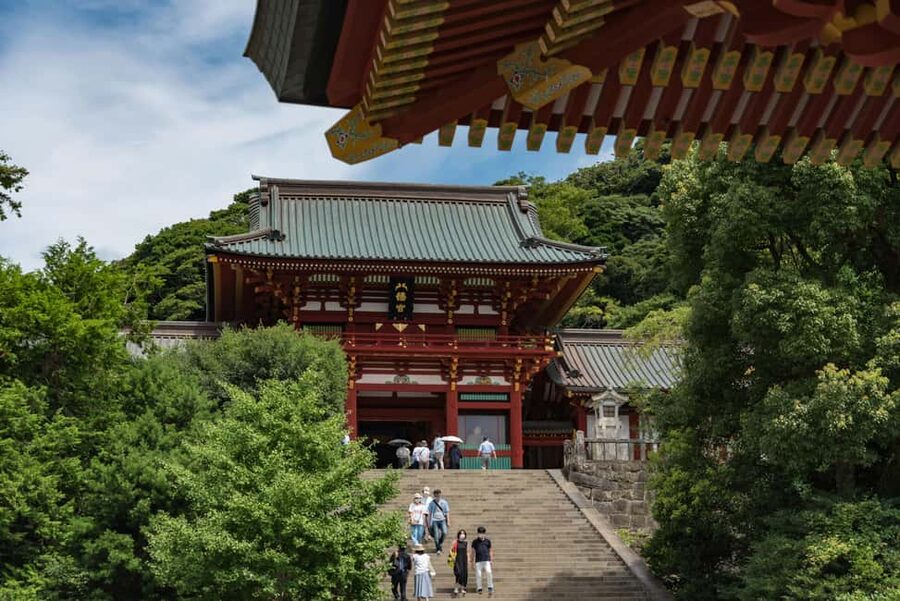
Tsurugaoka Hachimangu connects the city to the samurai government
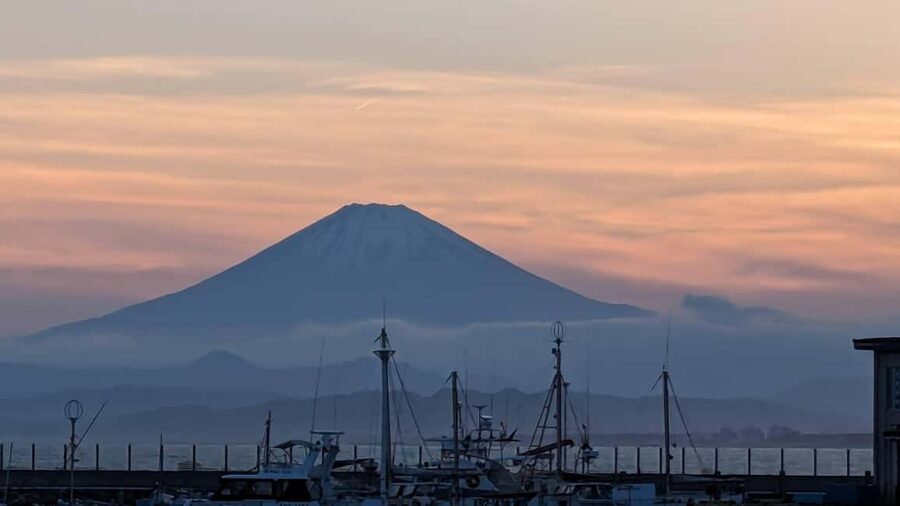
After lunch, the route heads to Tsurugaoka Hachimangu, Kamakura’s huge central shrine. The guided visit lasts about 30 minutes.
This is the place to connect the religious story with the political one. Tsurugaoka Hachimangu was at the heart of Kamakura-period government, and its central location makes the link between shrine, city, and power easy to grasp. You are no longer looking only at a quiet temple compound. You are seeing a major public and ceremonial center.
The shrine is popular and can feel much busier than the temples in Kita-Kamakura. John’s experience with timing and photo spots helps here. He has been praised for finding good places for pictures and for helping groups avoid the worst crowd pressure even at busy sites.
Thirty minutes is enough for a focused explanation, but not enough for an unhurried exploration of every part of the grounds. If the shrine is your top interest, say so when you book a private tour. The route can be adjusted to your priorities.
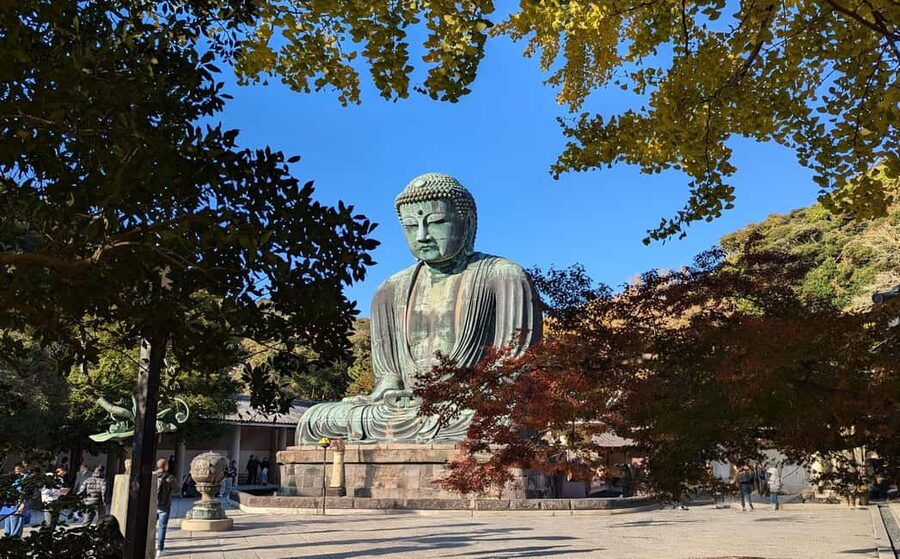
The Great Buddha is the visual centerpiece
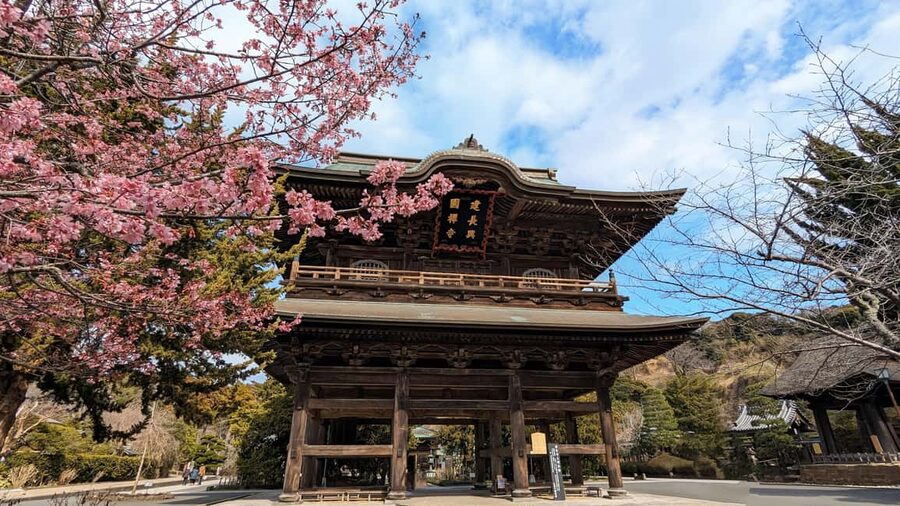
From Tsurugaoka Hachimangu, you take a bus for about 20 minutes to Kōtoku-in, home of the Great Buddha of Kamakura. The guided visit lasts about 30 minutes.
The statue is one of the largest Buddha figures in Japan and perhaps the most visually powerful stop on the route. It gives the day a clear centerpiece after the more detailed temple and shrine visits. The scale is impressive, but John’s historical explanation keeps the stop from becoming only a monument photo.
The bus transfer matters. Kamakura is walkable in sections, but the sights are spread out. Using public transport lets you cover more ground without turning the day into a forced march. Transport costs are not included, so budget roughly 400 yen per person for the day’s train and bus rides.
The half-hour visit is a sensible middle ground. You have time to see the statue and hear the main story, but you may want longer if you care about photography or want to explore at a slower pace. The Great Buddha is included in the shorter experience, making it a strong choice for a half-day from Tokyo.
Enoshima gives the full-day tour a different mood
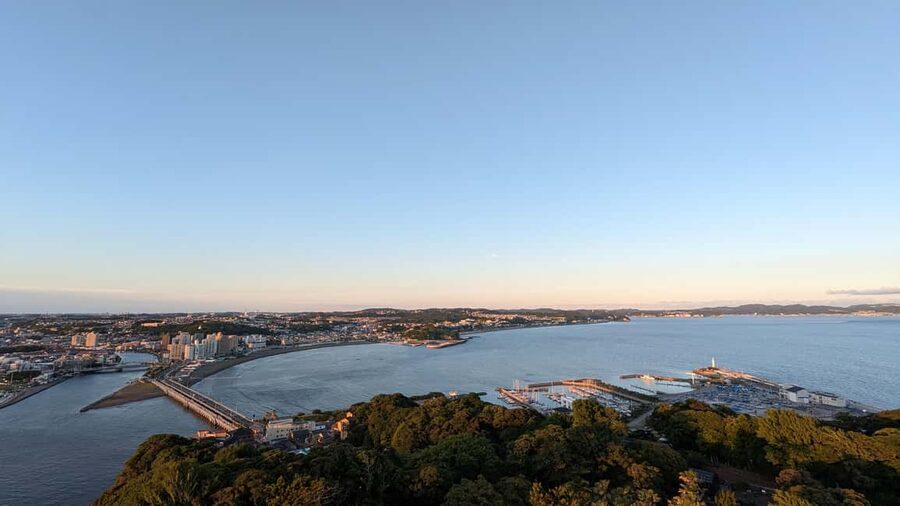
The private 8-hour route continues by train, with about 15 minutes of travel before reaching Enoshima. The guided visit lasts around two hours.
Enoshima changes the character of the day. The island has an old sacred role, but it is also a popular seaside escape for couples and families. That mix of holiness, souvenir shops, food, and natural views is part of the appeal. It is not a quiet temple district, and it is not meant to be one.
The island works best as a final stop because it gives you a more relaxed finish after the concentrated history of Kamakura. If timing permits, John has guided groups toward especially attractive views around sunset. The schedule and season matter, so do not treat sunset as guaranteed, but the evening light can make the island a memorable ending.
Two hours gives you a useful introduction rather than a full exploration of everything Enoshima offers. You will walk, and some sections may feel tiring after the rest of the day. Still, the island earns its place on the longer route because it shows how an ancient sacred site became a modern leisure destination.
The 8-hour tour ends with drop-off options at either Kita-Kamakura Station or Kamakura Station. That gives you a practical choice depending on where you are staying or where you want to continue afterward.
John’s guiding style is the strongest reason to book
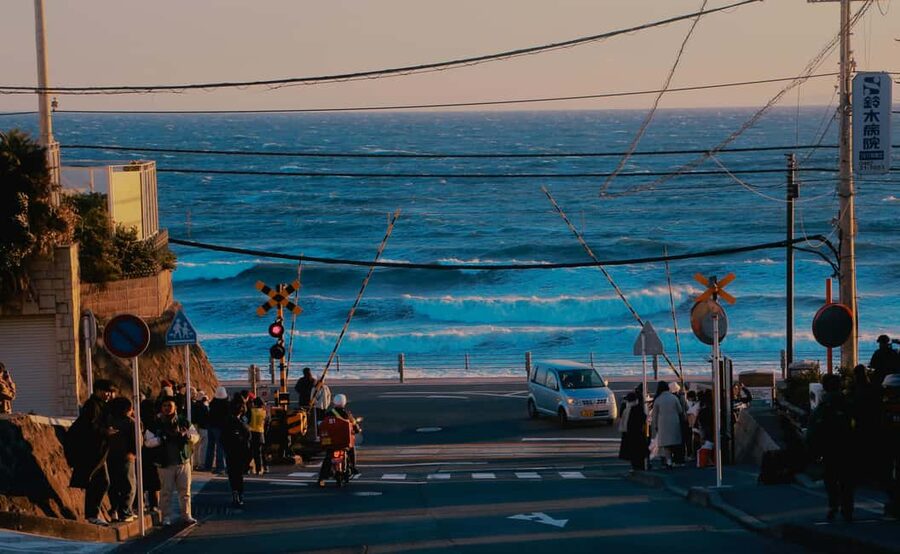
The clearest strength of this experience is John. His English is excellent, and his style combines historical detail with practical help. He explains the personalities and politics of Kamakura’s past, then shifts easily to Japanese food, public transport, or the best place for a photograph.
That balance matters. A guide can know dates and names yet still make a long temple visit feel flat. John’s stories give the sites human shape. At the same time, he is willing to adjust the route. One guest with only half a day received a customized plan that covered the major sights without unnecessary fatigue. A family group of six also found that the pace could be adapted to their needs.
His background as an American guide is helpful if you want clear English throughout the day. That does not make the tour less local. It means you can ask detailed questions and receive explanations without worrying about language gaps.
The experience is best for people who want interpretation, not just transportation. If you prefer wandering alone with an audio guide, the guide fee may feel unnecessary. If you want the history to connect from one site to the next, John is the main value.
Walking, timing, and physical demands
The tour description is right to call this a walking tour with public transport. You will not walk every distance between sights, but you will walk through temple grounds, shrine approaches, station areas, and Enoshima.
There are places to sit along the way, and the route is designed to avoid needless exhaustion. Even so, you should wear comfortable shoes and expect a full day on your feet for the 8-hour option. August heat, rain, or crowded paths could make the experience harder.
The activity is not suitable for wheelchair users or people with mobility impairments. If you have a physical disability that does not prevent walking but requires adjustments, contact John before booking. The route is private or small-group based, so changes may be possible, but they should be discussed in advance.
The 4-hour version is the better fit if you are on a Tokyo day trip and want a clear introduction without committing an entire day. The 8-hour tour makes more sense if you want lunch, Enoshima, and a slower pace.
What the price really buys you
At $35 per person, the guide fee is modest for a private or small-group day. You are paying for route planning, English-language explanation, transport know-how, and the ability to change the schedule around your group.
The real cost is higher once you add admissions, transport, and lunch. Using the provided estimates, extra costs can add roughly 2,200 to 3,300 yen per person, depending on what you visit and eat. That is still reasonable for a full day, but it is worth knowing before you book.
The value is strongest for first-time visitors to Kamakura, families, and anyone who wants to understand the city rather than simply photograph it. It is also useful if Japanese train and bus systems make you nervous. John knows how to move between the sights and when a bus or train saves your legs.
Free cancellation up to 24 hours before the tour and reserve-now, pay-later booking add flexibility. Those policies are helpful when your Japan plans are still changing.
Who should choose this Kamakura experience
Choose the tour if you want:
- A clear introduction to Kamakura’s samurai and Buddhist past
- A guide who can explain history in fluent English
- A private or small-group pace
- Help with trains, buses, food, and photo stops
- A half-day route or a full-day route with Enoshima
- A vegetarian or vegan-friendly lunch option arranged in advance
Think twice if you want a completely independent day, dislike walking, or want to spend several hours at just one temple. The route covers a lot, so each major stop receives focused rather than endless time.
Should you book it?
I would choose this tour for a first visit to Kamakura, especially if John is available and you want more than a checklist of famous sights. The 4-hour route gives you the essential temples, shrine, and Great Buddha. The private 8-hour version is the better buy if you want shojin-ryori, a flexible pace, and Enoshima’s unusual blend of sacred tradition and seaside fun.
Book it if stories, context, and easy transport matter to you. Skip it if you are comfortable planning every train and temple on your own. For most visitors coming from Tokyo, the combination of strong guiding, flexible routing, and sensible public transport makes this a practical way to see Kamakura without losing the meaning behind its monuments.
FAQ
Where does the tour begin?
Meet the guide outside the East Exit of Kita-Kamakura Station.
How long does the tour last?
You can choose a 4-hour or 8-hour experience. Check available starting times when booking.
Which languages are offered?
The tour is offered in English.
Is the tour private?
Private and small-group options are available. Private tours can be customized to your interests and needs.
Are admission fees included?
No. Entry fees are separate and are estimated at about 800 to 1,500 yen per person for the guide and participants.
Is lunch included?
No. Lunch costs about 1,000 yen per person. Shojin-ryori is generally offered on the 8-hour tour and can be requested for the 4-hour tour.
Can the tour accommodate dietary restrictions?
Yes. Vegetarian and vegan options are available, and you should provide dietary information in advance. The guide will try to meet other dietary needs as well.
Is the tour suitable for wheelchair users?
No. The experience is not suitable for wheelchair users or people with mobility impairments.
Just added around Japan
- Private sake pairing@ancient underground★ 5.0 · 27 reviews
- Tokyo: Asakusa & Sensoji ー Oldest Temple Walking Tour (2hrs)★ 5.0 · 213 reviews
- [30 minutes] Rickshaw tour around Asakusa [History, sightseeing, Tokyo Skytree]★ 5.0 · 38 reviews
- Tokyo: Edo Castle & East Garden of the Imperial Palace Tour★ 4.7 · 112 reviews
- Tokyo: Imperial Palace, the history of Japan (ENGLISH GUIDE)★ 5.0 · 77 reviews
- Tokyo: Customized Private Historical Guided Photoshoot Tour★ 5.0 · 25 reviews
- Osaka: Dark Side of Osaka Night Walking Tour★ 4.9 · 89 reviews
- Osaka: Osaka Castle & Historical Museum Guided Tour★ 4.8 · 28 reviews
Japan History Tours, compared.
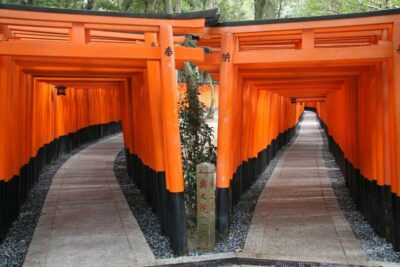
Kyoto: Fushimi Inari, Kinkakuji, Bamboo Grove 1 Day Bus Tour
Read our review →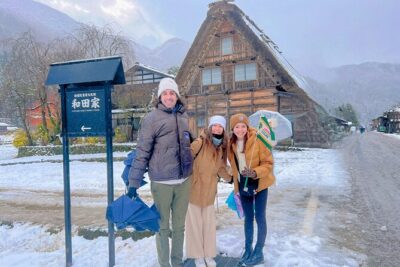
World Heritage Shirakawa-go and Experience Tours from Kanazawa
Read our review →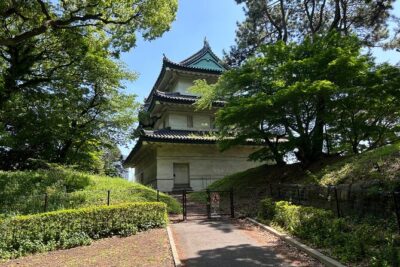
Tokyo: Imperial Palace and Shogun Historical Walking Tour
Read our review →
World Heritage Kyoto & Nara Uji Authentic Matcha Experience
Read our review →
Kyoto Gion: 2-Hour Geisha Culture & History Walking Tour
Read our review →
Tokyo Castle & Imperial PalaceーShogun Walking Tour
Read our review →
Kanazawa: World Heritage Shirakawa-go Morning Guided Tour
Read our review →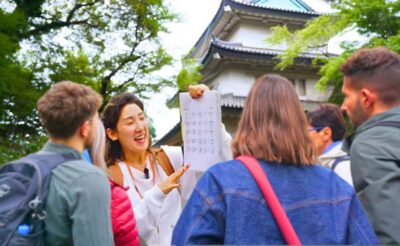
Tokyo: Imperial Palace Japanese History Walking Tour
Read our review →Browse the lists this tour appears in