
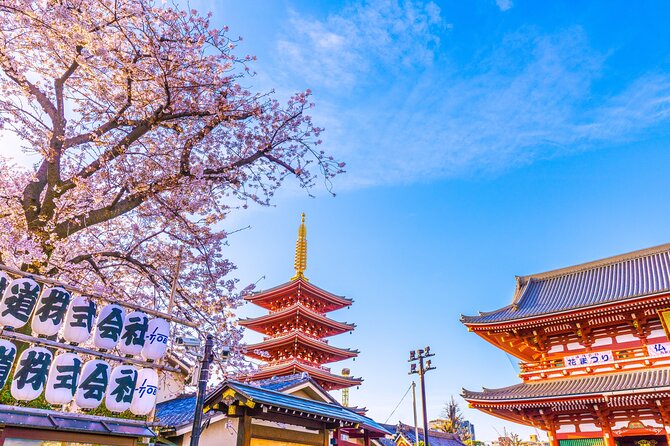
Review · JAPAN
Tokyo: Asakusa & Sensoji ー Oldest Temple Walking Tour (2hrs)
Asakusa’s best moments are easy to miss if you only follow the main path to Sensoji. This two-hour walk adds the stories, food stops, temple customs, and old-style shops that turn a famous sightseeing stop into a closer look at Tokyo life. Guides such as Keiko, Yui, Josh, Nono, and Nanami are praised for making the route friendly and easy to follow.
I like two things here. First, you learn how to take part in Japanese temple customs, from washing your hands to handling incense and drawing a fortune. Second, the route keeps moving beyond the temple to melon bread, matcha sweets, Hoppy Street, knife shops, and a local supermarket.
The main caution is the food tasting. It is included in the tour description, but the exact tasting can vary, and one booking did not include it. If snacks are your main reason for booking, confirm the plan with the guide at the start.
Key points at a glance
- Kaminarimon sets the scene: Learn the real name and meaning of Sensoji’s famous Thunder Gate before entering the temple district.
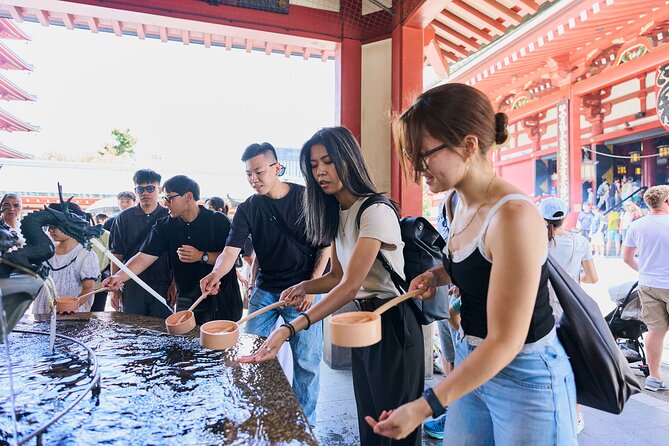
- Temple customs are explained: Wash your hands, use incense, draw a fortune, and make a traditional prayer with clear guidance.
- The route goes beyond the postcard view: See Yogodo, Jizo statues, a koi pond, Hoppy Street, retro shops, and local food stands.
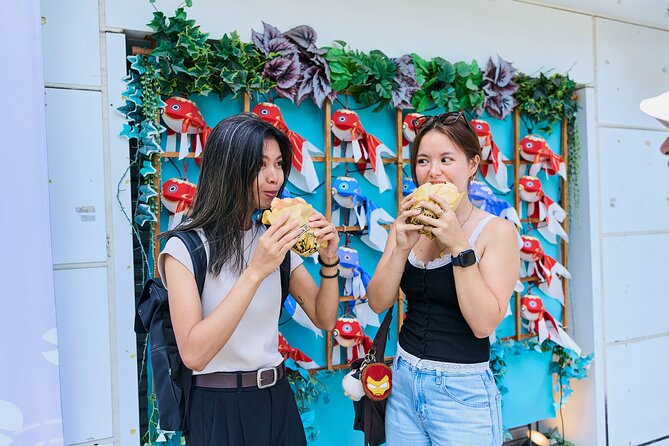
- Food is part of the fun: Look for melon bread, menchi-katsu, skewers, and matcha desserts, though tastings may depend on the day.
- Small groups keep it personal: The maximum group size is 15, and some bookings have been private or nearly private.
- The ending is useful: A stop at Ozeki supermarket gives you a chance to browse everyday Japanese food and choose practical souvenirs.
Why this Asakusa walk works
Sensoji is one of Tokyo’s most familiar sights, yet it can feel confusing on a first visit. The temple grounds, shopping streets, side lanes, shrines, food stalls, and old storefronts spread across a large part of Asakusa. You can certainly wander alone, but a local guide helps you understand what you are seeing and makes it easier to pick out worthwhile stops.
This tour is built around that idea. It does not spend the full two hours inside Sensoji. Instead, it uses the temple as the center of a wider walk through Asakusa, connecting religious customs with food, shopping, and neighborhood life.
I especially like the balance. You get the major sight, then move into places where people shop for snacks, cooking tools, sweets, and small gifts. The route also gives you time to pause rather than rushing through a long list of monuments.
The guides are another strong point. Keiko added small touches for younger participants, including handwritten food cards and stickers. Nono adjusted the pace for a mother and daughter dealing with jet lag. Josh was praised for clear English and local insight, while Yui gave useful food suggestions. These details matter because a good walking guide should notice how you are feeling, not simply recite facts.
More History Walking Tours in Japan
- Tokyo: Imperial Palace and Shogun Historical Walking Tour
★ 5.0 · 2,251 reviews - Kyoto Gion: 2-Hour Geisha Culture & History Walking Tour
★ 5.0 · 1,186 reviews - Tokyo Castle & Imperial PalaceーShogun Walking Tour
★ 4.7 · 1,068 reviews
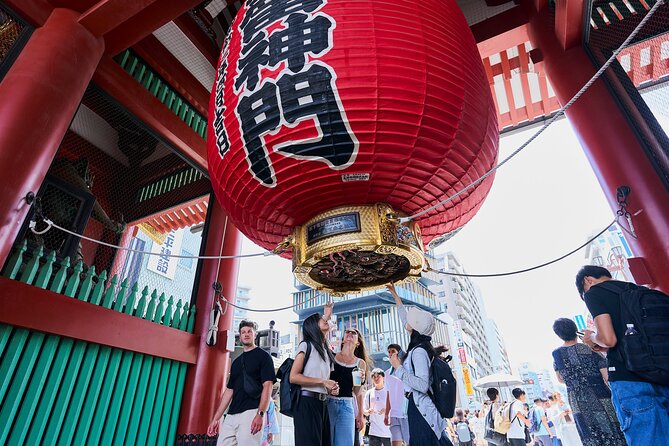
Meeting at Kaminarimon, the Thunder Gate
The walk begins at the Kaminarimon Police Box, at 1-chome-3-1 Asakusa. This puts you at the outer gate of Sensoji, a practical meeting point near public transportation and one of Tokyo’s easiest landmarks to recognize.
Allow a few extra minutes to find the guide, especially if you are arriving during a busy period. The guide explains the gate’s official name, its background, and the meaning of its famous features. That opening talk gives you useful context before you enter the shopping street.
Kaminarimon is more than a large entrance with a dramatic lantern. It marks the beginning of the approach to Sensoji, and it is also your first sign that this visit will mix religion, commerce, and local tradition. The first stop takes about 20 minutes and has no admission charge.
This is a good place to ask questions. If you are curious about temple and shrine customs, Japanese food, or the difference between Buddhist and Shinto sites, bring those questions early. The guides are there to make the area easier to read.
Nakamise Street, souvenirs, and snacks
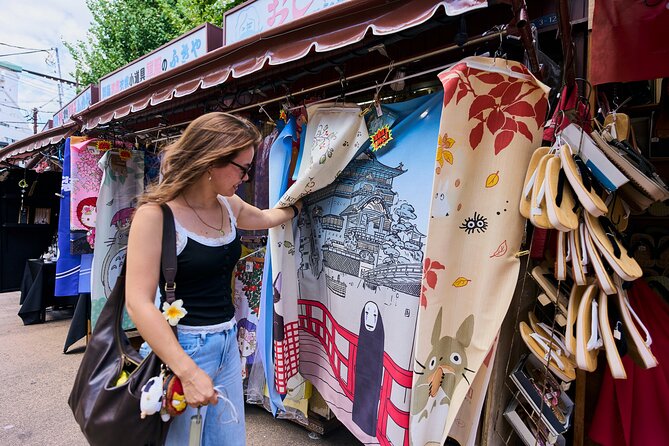
From Kaminarimon, you follow Nakamise Shopping Street toward the temple. The street is lined with souvenir shops and food stalls, making it one of the most obvious places in Tokyo to shop for small gifts.
The useful part of having a guide here is selection. Nakamise can offer everything from decorative goods to edible souvenirs, and it is easy to spend your time browsing without knowing what is especially local or worth carrying home. Your guide can point out traditional items and explain the foods you are seeing.
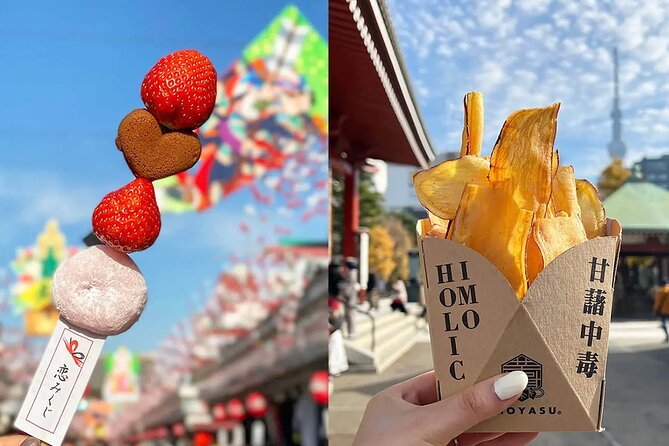
The food portion may include local street snacks, but do not assume that every booking receives the same tasting. The route also passes famous melon bread and other snack stands. You might find the food recommendations more valuable than a fixed tasting because they give you ideas for the rest of your time in Asakusa.
There is no admission fee for Nakamise Street, but you should bring money if you want to buy food or souvenirs. The tour price does not promise unlimited purchases, and the supplied information does not state that all food costs are covered.
Sensoji customs made simple
Sensoji is Tokyo’s oldest temple and the main religious sight on the route. You get roughly 20 minutes here, enough for an introduction and a chance to take part in several customs without trying to see every corner of the grounds.
Your guide can show you how to purify your hands with water, use incense, draw a fortune, and offer a traditional prayer. These are small actions, but they make the visit more meaningful. Instead of only photographing the gate and main hall, you learn how people use the space.
The tour also points out that Asakusa contains a rare pairing of Buddhist and Shinto places. This is one of the more interesting cultural details in the walk because it helps explain why the neighborhood cannot be understood as a single type of religious site.
You may want to carry small change for offerings or fortunes, though the tour details do not specify an amount. Take your cues from the guide and from the people around you. The point is to participate respectfully, not to hurry through a checklist.
Sensoji can be crowded, and the temple is also a major photo stop. The guide’s explanation helps you use your short visit well, but this is not a long, quiet temple meditation. If you want extended time for photos, shopping, or private prayer, plan to return after the tour.
Same city, a different century:
- Kyoto: Fushimi Inari, Kinkakuji, Bamboo Grove 1 Day Bus Tour
★ 4.8 · 4,316 reviews - World Heritage Shirakawa-go and Experience Tours from Kanazawa
★ 5.0 · 4,049 reviews - World Heritage Kyoto & Nara Uji Authentic Matcha Experience
★ 5.0 · 1,573 reviews - Kanazawa: World Heritage Shirakawa-go Morning Guided Tour
★ 4.9 · 988 reviews
Yogodo, koi, and the Jizo statues
The route then moves to Sensoji’s Yogodo area for about five minutes. This is brief, but it adds a quieter and more detailed side of the temple complex.
You can see a goshuin desk, where temple visitors may obtain a temple seal, along with a pond containing koi fish. Rows of Jizo statues also line the area, connected with a well-known story that the guide can explain.
This stop works well for anyone who likes small details more than grand views. The koi pond and statues also provide a change from the main approach, with useful photo opportunities. Since only five minutes are scheduled, you should not expect a long explanation of every feature or time for a full goshuin transaction.
If collecting temple seals matters to you, ask the guide about the desk early. The tour information confirms its presence but does not promise that the schedule includes time to obtain a seal.
Matcha treats at Kaminari Issa
A short stop at Kaminari Issa introduces a local sweets shop focused on matcha. You may find matcha soft serve, matcha truffles, and seasonal desserts.
This is a pleasant contrast to the temple visit. Matcha flavors can range from gentle and creamy to quite strong, so this stop gives you a chance to try a distinctly Japanese style of sweet without committing to a full meal.
The scheduled time is only five minutes. That makes it best for a quick taste or look rather than a leisurely dessert break. Seasonal choices may change, and the information does not state that a particular dessert is included in the tour price.
If you are sensitive to caffeine or prefer less bitter sweets, ask what is mildest. If you like green tea flavor, this could become one of the most useful stops for choosing a small edible gift.
Old Asakusa streets and Edo-style storefronts
After the temple and sweets shop, the walk continues through local shopping streets with snack stands, traditional storefronts, and small souvenir shops. This section is important because it shows how Asakusa is more than a single temple entrance.
You may see melon bread, fried snacks, and other street food along the way. The guide can help identify what is worth trying and explain how the area has kept its old-fashioned character while serving modern Tokyo.
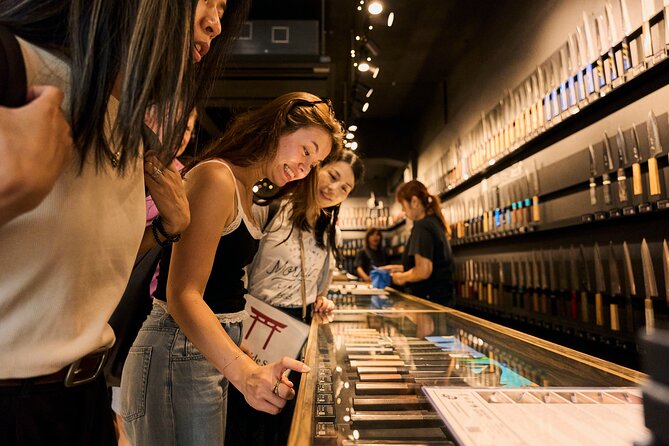
The route also includes a look at a professional chef knife shop. Japanese knives are known for precision and careful sharpening, and the guide may introduce you to a shop where you can watch traditional sharpening in action. This is a useful stop even if you do not plan to buy a knife because it shows a working craft rather than a display made only for sightseeing.
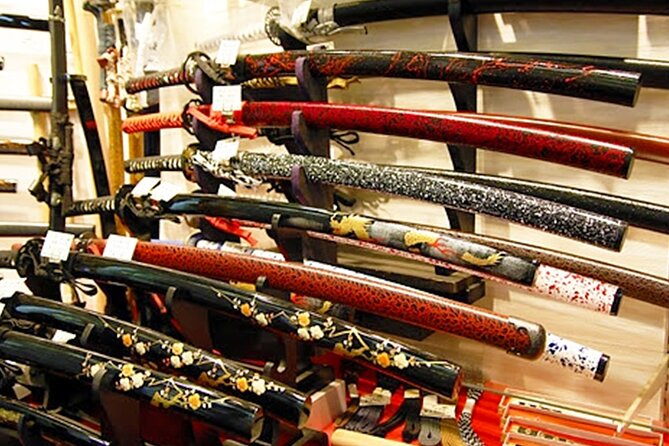
A sword store and a shop carrying samurai swords and ninja gear add another playful layer. These stores appeal to fans of Japanese history, martial arts, and pop culture, but you should treat them as shopping stops, not museum exhibits. The tour description does not promise a demonstration of sword use or a formal history lesson.
Hoppy Street and daytime local life
Hoppy Street takes about 10 minutes. The guide points out locals enjoying daytime drinks and shops that recall the Edo period, including sword and kimono stores.
This part of the route gives you a look at a different side of Asakusa. The temple grounds are formal and symbolic. Hoppy Street is more casual, with food, conversation, and old-style storefronts. Seeing both within one walk helps you understand why Asakusa remains such a popular area for a wide range of Tokyo residents and visitors.
The tour does not include a drinking session, so do not expect time for a full meal or bar visit. The stop is mainly about observing the street and learning what makes it distinctive.
Another nearby street has a retro style, playful storefronts, unusual vending machines, and foods such as menchi-katsu and skewers. Menchi-katsu is a fried minced meat cutlet, the sort of filling snack that works well during a walking tour. Again, the exact food you sample may depend on timing, shop hours, and the guide’s plan.
Finishing at Ozeki supermarket
The final scheduled stop is Ozeki Asakusa Kaminarimon Grocery and Supermarket. This is a smart ending because it takes you away from the usual souvenir shops and into a place where you can see everyday Japanese groceries.
You can browse packaged foods and choose practical souvenirs. A supermarket often gives you a better sense of ordinary shopping than a tourist store does, and it can be a useful place to find items to take home.
The tour finishes back at the meeting point. Since the full activity lasts about two hours, you can continue exploring Asakusa afterward without losing an entire morning or afternoon. You are also well placed to return to a shop or food stall that caught your eye.
How much value do you get for $19.90?
At $19.90 per person, this is priced as a low-cost guided introduction rather than a full food tour or private cultural lesson. The value comes from the local explanation and the route design.
You are paying for a guide who connects Kaminarimon, Sensoji, side areas, food streets, craft shops, Hoppy Street, and a supermarket within two hours. If you visited all these places alone, you could do it for little or no admission cost, but you would not automatically know the customs, the local shopping tips, or the significance of the smaller stops.
The value is strongest for a first visit to Asakusa, especially if you want orientation before exploring alone. It is also good for families, since the route includes food, stickers and cards for children on some tours, unusual shops, and manageable walking rather than a long museum visit.
The value is weaker if you want a serious food crawl, a long temple lecture, or guaranteed samples. One booking specifically found that the advertised food tasting did not happen. I would book this for local context and neighborhood coverage first, with food as a welcome extra.
Group size, pace, and practical details
The maximum group size is 15 people. That is small enough for questions, though the experience can feel different with a full group than with a private booking. Some bookings have been handled even when only one person reserved, which suggests the operator may still run the tour at very low numbers.
Most people can take part, and the route is near public transportation. The tour uses a mobile ticket, and confirmation is provided when you book.
The walking is described as not too demanding, but you should still expect to be on your feet through shopping streets and temple grounds. Comfortable shoes make sense. Since the tour includes food shops and possible purchases, keep some room in your schedule and bag.
Free cancellation is available if you cancel at least 24 hours before the start time. Inside that window, the payment is not refunded and changes are not accepted. The cut-off uses Tokyo local time, so check the clock carefully if you are booking from another time zone.
Who should book this tour?
I would choose this walk if you are visiting Asakusa for the first time and want more than a quick photograph at Kaminarimon. It suits you if you enjoy cultural explanations, small food stops, traditional shops, and practical local suggestions.
Families may like the flexible guides and the short stops. People who are tired from a long flight may also appreciate the two-hour format, especially if the guide can adjust the pace as Nono did for one mother and daughter.
This is less suitable if you want a private, slow temple visit or a guaranteed sequence of food tastings. The route is social and varied, with some stops lasting only five or ten minutes. You should also expect the busy atmosphere that comes with one of Tokyo’s most famous temple districts.
Should you book it?
Book this tour if you want a friendly introduction to Asakusa that combines Sensoji with the surrounding streets. The strongest reasons are the practical temple guidance, the broad route, and the local tips from guides such as Keiko, Yui, Josh, Nono, and Nanami.
Keep your expectations clear: this is a guided neighborhood walk, not a formal religious tour or guaranteed food feast. If you value context, easy orientation, and a few well-chosen snacks and shops, $19.90 is a sensible price. If food tasting is your top priority, confirm what is planned before you start.
FAQ
How long does the Asakusa and Sensoji tour last?
The tour lasts approximately two hours.
Where does the tour begin?
It begins at the Kaminarimon Police Box at 1-chome-3-1 Asakusa, Taito City, Tokyo 111-0032, Japan.
Where does the tour finish?
The activity ends back at the meeting point.
Is admission to Sensoji included?
The listed stops, including Kaminarimon, Nakamise Street, Sensoji Temple, Yogodo, Hoppy Street, and the supermarket, have no admission ticket charge.
What will I see at Sensoji?
You can learn about temple customs, purify your hands with water, use incense, draw a fortune, and offer a traditional prayer. The guide also explains Sensoji as Tokyo’s oldest temple.
Does the tour include food tasting?
The tour description includes local street food with tasting, matcha sweets, and other snack stops. However, the exact tasting can vary, and the supplied information records one booking where the food tasting did not take place.
How many people can join the tour?
The maximum group size is 15 people.
Can I cancel for a refund?
You can receive a full refund if you cancel at least 24 hours before the experience begins. Cancellations or changes made less than 24 hours before the start time are not accepted and are not refunded.
Just added around Japan
- Private sake pairing@ancient underground★ 5.0 · 27 reviews
- [30 minutes] Rickshaw tour around Asakusa [History, sightseeing, Tokyo Skytree]★ 5.0 · 38 reviews
- Tokyo: Edo Castle & East Garden of the Imperial Palace Tour★ 4.7 · 112 reviews
- Tokyo: Imperial Palace, the history of Japan (ENGLISH GUIDE)★ 5.0 · 77 reviews
- Tokyo: Customized Private Historical Guided Photoshoot Tour★ 5.0 · 25 reviews
- Osaka: Dark Side of Osaka Night Walking Tour★ 4.9 · 89 reviews
- Osaka: Osaka Castle & Historical Museum Guided Tour★ 4.8 · 28 reviews
- Osaka: Castle History Walking Tour / Castle Tower Admission★ 4.9 · 230 reviews
Japan History Tours, compared.
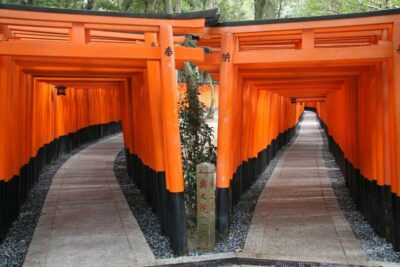
Kyoto: Fushimi Inari, Kinkakuji, Bamboo Grove 1 Day Bus Tour
Read our review →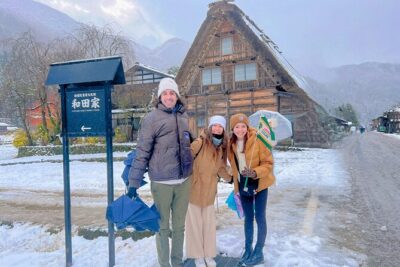
World Heritage Shirakawa-go and Experience Tours from Kanazawa
Read our review →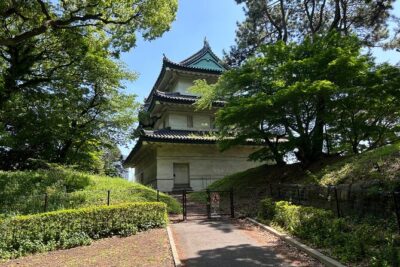
Tokyo: Imperial Palace and Shogun Historical Walking Tour
Read our review →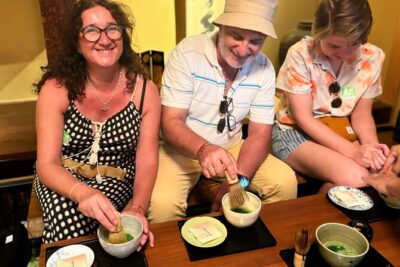
World Heritage Kyoto & Nara Uji Authentic Matcha Experience
Read our review →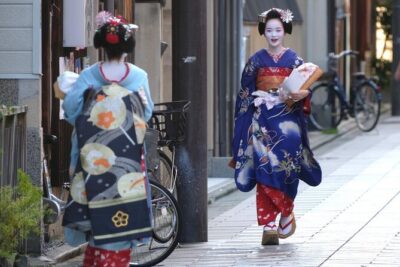
Kyoto Gion: 2-Hour Geisha Culture & History Walking Tour
Read our review →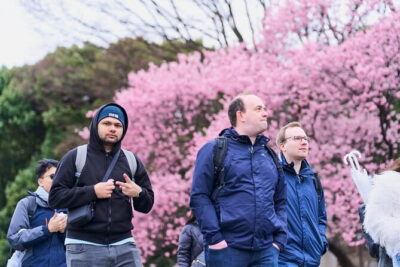
Tokyo Castle & Imperial PalaceーShogun Walking Tour
Read our review →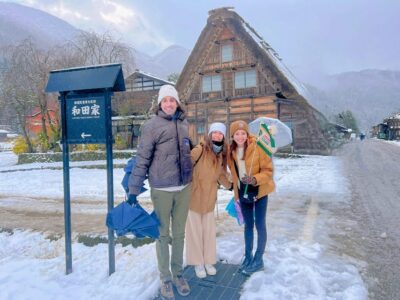
Kanazawa: World Heritage Shirakawa-go Morning Guided Tour
Read our review →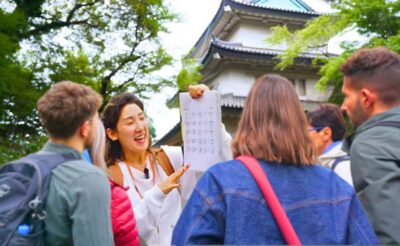
Tokyo: Imperial Palace Japanese History Walking Tour
Read our review →Browse the lists this tour appears in