

Review · JAPAN
Osaka: Castle History Walking Tour / Castle Tower Admission
Osaka Castle makes more sense when you approach it as a military machine, not just a photogenic tower. This walking tour traces triple moats, zigzag gates, arrow slits, and gun ports, then takes you into the tower for a city view and a closer look at the castle’s political story.
I like the focus on defense design and the practical skip-the-line entrance. I also like the guides’ repeated attention to small details, from hidden marks left by stonecutters to the way the largest stone was moved. The main consideration is timing: the activity is advertised as 90 minutes, but the detailed stop times add up to more, so confirm the schedule when booking.
Key details worth knowing
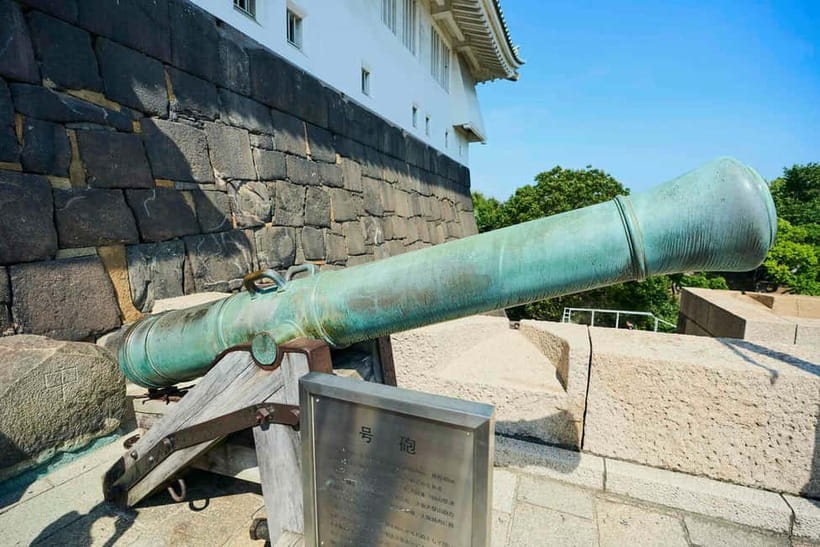
- The castle is explained from the outside in: You learn how attackers were delayed before entering the tower.
- The largest stone gets its own story: The guide explains how builders moved huge blocks in the 16th century.
- The tower visit ends with a view: You enter Osaka Castle Tower and continue through the museum on your own.
- Hokoku Shrine adds political context: The visit connects Osaka Castle with Toyotomi Hideyoshi and his legacy.
- The English guides are the main asset: Guides named Mao, Spike, Kaz, Yuta, Saya, Ken, and Yu have led engaging tours, with time for questions.
- Early starts can save time: A 9 AM departure may avoid the longer entrance and elevator lines that develop later in the morning.
Why Osaka Castle is best understood as a fortress
The bright white-and-gold tower is easy to admire from a distance. The harder part is seeing the military logic underneath the decoration. This tour gives you that missing piece.
You begin near the Lawson S Otemae Rest House Store, then walk toward the castle through the outer defenses. The route is not simply a stroll to the main building. You follow the kinds of approaches that once slowed an attacking force, with water, walls, gates, and turns forcing enemies to move in controlled directions.
That matters because Osaka Castle was designed to break an assault into smaller problems. An attacker might cross one barrier only to face another gate, another wall, and another exposed stretch of ground. The guide points out how the castle’s defenses delayed movement and divided groups, making it difficult to reach the central stronghold in one rush.
I find this approach more useful than a quick architectural tour. A photograph shows the tower. A guide can show you why the walls angle the way they do and why the route refuses to run in a straight line.
More History Walking Tours in Japan
- Tokyo: Imperial Palace and Shogun Historical Walking Tour
★ 5.0 · 2,251 reviews - Kyoto Gion: 2-Hour Geisha Culture & History Walking Tour
★ 5.0 · 1,186 reviews - Tokyo Castle & Imperial PalaceーShogun Walking Tour
★ 4.7 · 1,068 reviews
The outer moats and gates create the opening lesson
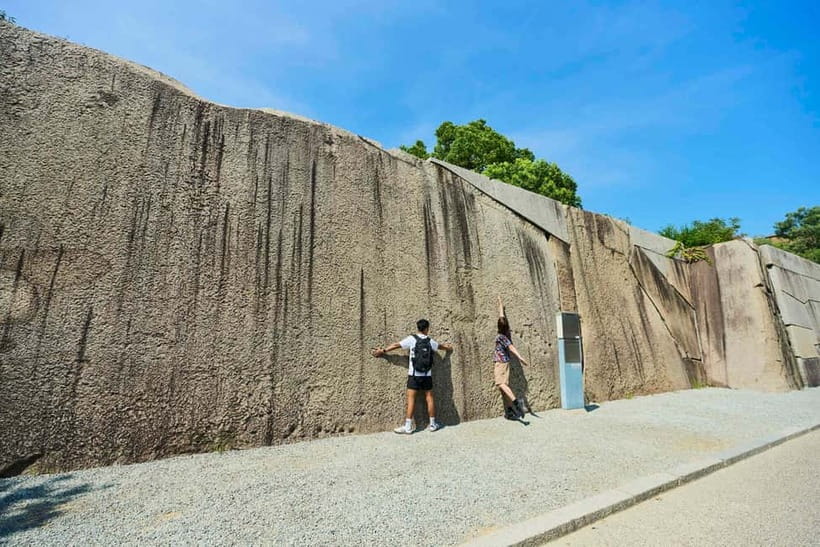
The first major subject is the castle’s layered defense system. You see the triple moats and the multi-level gates that once forced attackers to lose time and direction.
The masugata entrances are especially interesting. These boxed-in gate areas were built to trap invading soldiers in a confined space. Once inside, attackers could be exposed from several positions before they reached the next section of the castle.
The walking route helps you picture this. You may turn sharply, pass through a gate area, then face another wall or approach. Those zigzag paths were not poor planning or an accident of modern landscaping. They were meant to make an enemy slow down, bunch together, and remain under fire.
The guide also explains the angle and finish of the stone walls. Large stones were carefully fitted, and the sloping faces made climbing difficult. You do not need a specialist background to follow the lesson. The best guides use the actual wall in front of you, pointing rather than lecturing.
This is one of the tour’s strongest features for families and first-time castle visitors. Younger children may not care about dates, but they can understand a route designed like a puzzle. Adults get the larger picture: the castle was built to control movement long before modern military technology.
The castle’s largest stone and the labor behind it
One stop focuses on Osaka Castle’s largest stone. The point is not just its size. The guide explains how builders in the 16th century transported huge stones without modern cranes or trucks.
This gives the castle a human scale. The walls can feel almost abstract when you see them from across the grounds. Standing beside an enormous block, then hearing how it was moved, makes the construction effort easier to grasp.
You also look for marks left by the master craftsmen. These hidden symbols and stone marks helped identify teams or work groups. They are easy to miss if you walk alone, especially when the castle grounds are busy and your attention is fixed on the tower.
Bring your camera, but do not let it replace the guide’s explanation. The marks are a good example of the tour’s value. They are not necessarily dramatic sights. They are small details that give the walls a story.
Hokoku Shrine connects the castle to Hideyoshi
The itinerary includes a guided stop at Hokoku Shrine, associated with Toyotomi Hideyoshi. This section adds a cultural and political layer to the fortress tour.
Osaka Castle is closely tied to Hideyoshi’s rise and to the power struggle that followed his death. The guide explains how Hideyoshi’s legacy became part of the castle’s meaning, and how Tokugawa Ieyasu’s ambition shaped the conflict that came next.
The subject can be complicated, but the tour keeps returning to the physical setting. You are not just hearing a list of names. You are learning why this particular castle mattered so much and why control of Osaka had national consequences.
A visit to the shrine also breaks up the defensive architecture. You get a quieter cultural stop before returning to the main castle area. One especially fortunate possibility is seeing a traditional Japanese wedding ceremony if one happens to be taking place, though that is not a promised part of the tour.
Same city, a different century:
- Kyoto: Fushimi Inari, Kinkakuji, Bamboo Grove 1 Day Bus Tour
★ 4.8 · 4,316 reviews - World Heritage Shirakawa-go and Experience Tours from Kanazawa
★ 5.0 · 4,049 reviews - World Heritage Kyoto & Nara Uji Authentic Matcha Experience
★ 5.0 · 1,573 reviews - Kanazawa: World Heritage Shirakawa-go Morning Guided Tour
★ 4.9 · 988 reviews
Entering the tower and looking across Osaka
The included Osaka Castle Tower admission is the practical payoff. The tour uses a separate entrance, which can save time when the general queue is long.
The tower’s upper level gives you a city view. It is a fitting end to the outdoor explanation because you can see the castle’s position within Osaka rather than viewing the building as an isolated monument.
The guide discusses the tower as a command post and final defensive position. Arrow slits and gun ports show how the building served practical military purposes, while the gold decoration had a psychological role. A fortress did not only need to stop attackers. It also needed to project power.
The entrance process and elevator can become slower later in the morning. One useful timing tip is to consider the 9 AM tour. A morning group may reach the tower before the longer lines develop, leaving more time for the view and the museum displays.
The tour ends with access to the tower, but it does not provide a guided explanation of every museum floor. You are free to explore the interior exhibits yourself. That is good for people who want flexibility, but less ideal if you expect a room-by-room museum tour.
How Osaka Castle fell despite its defenses
The most compelling historical turn comes near the end: the castle that appeared nearly impossible to take fell during the conflicts of 1614 and 1615.
The guide frames the fall through the rivalry between Hideyoshi’s supporters and Tokugawa Ieyasu. The castle’s walls and moats were formidable, but defenses do not exist apart from politics, leadership, and changing military conditions.
This is where the tour moves beyond construction details. You begin by studying how a wall stops an attacker. You finish by considering how a powerful fortress can still lose when the people inside are divided or outmatched over time.
The story also keeps Osaka Castle from becoming a simple tale of Japanese bravery or architectural skill. Its military design was clever, but no design could guarantee permanent control. That tension gives the visit more weight than a standard photo stop.
What the guides do best
The tour depends heavily on the person leading it. The guide team includes English speakers such as Mao, Spike, Kaz, Yuta, Saya, Ken, Yu, Ami, and others.
Across the available guide feedback, the strongest pattern is clear: people value guides who explain the castle in plain English, answer questions, and adjust the pace to the group. Guides have helped older participants, waited for delayed arrivals, allowed time for photographs, and kept children engaged.
That flexibility matters on a walking tour. Osaka Castle can be crowded, and not everyone moves at the same speed. A guide such as Spike has been praised for making the route comfortable for an older member of a group, while Kaz and Yu have been noted for allowing time to relax and take photographs.
Some departures may be very small. One person described receiving what was effectively a private tour when no one else arrived. You should not book expecting that outcome, but a small group can make it easier to ask detailed questions.
The best guides also explain Osaka beyond the castle. You may hear about Japanese culture, the city’s wider past, and newer findings connected with the site. If you enjoy asking questions, this is where the tour can become much more valuable than an audio guide.
How much value do you get for $33?
At $33 per person, the price is reasonable if you want more than admission and photographs. You receive the tower ticket, an English-speaking guide, a structured route through the castle grounds, and a separate entrance that can reduce waiting.
The value comes mainly from interpretation. Osaka Castle is possible to visit alone, but the military features are easy to miss. Without help, you may see a moat, wall, gate, and tower without understanding how the pieces worked together.
The price is less compelling if you only want to climb the tower and spend hours reading every museum display. The guided portion is focused and relatively short, and the museum floors are not guided in detail.
I would also compare the cost with your timing. If you visit during a quiet period and face no line, the admission advantage matters less. If you arrive during a crowded morning or holiday period, the separate entrance can make the fee easier to justify.
The activity has a 4.9 rating from 230 ratings, and the repeated praise centers on the guides’ warmth, clear English, historical explanations, and ability to point out details you might otherwise miss. That pattern suggests the guide, not simply the ticket, is what you are paying for.
Who should book this castle walk
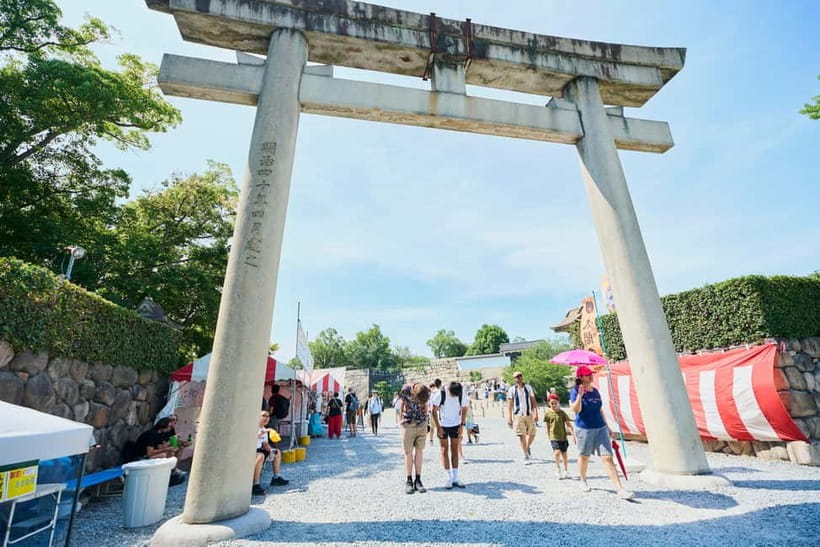
This tour suits you if you like history, military architecture, and stories with a clear political consequence. It is also a good choice if you want a short introduction to Osaka Castle before exploring the tower on your own.
Families can benefit from the route because the defenses provide something concrete to look at. Children may respond better to the idea of traps, blocked paths, and giant stones than to a long museum explanation.
It also works well for solo visitors and small groups. You can ask questions without needing to organize your own research, and a local English-speaking guide can help you find the main photo points.
You should think twice if you dislike walking through historical grounds, need a completely self-paced visit, or want a detailed guided tour of every museum floor. Wear comfortable shoes and dress for the weather. The tour takes place outside as well as inside the tower.
One practical issue deserves attention: the stated duration is 90 minutes, while the detailed schedule lists 75 minutes at Osaka Castle, 20 minutes at Hokoku Shrine, and 25 minutes at the castle, which totals 120 minutes. The actual route may vary, so check the departure details and allow enough time around the booking.
Should you book the Osaka Castle tour?
Book it if you want to understand why Osaka Castle was difficult to attack, not simply photograph the tower. The largest stone, masugata gates, angled walls, hidden marks, and command-post features give you a clear set of details to watch for.
I would especially choose it for a first visit, an early morning schedule, or a trip where you want a local guide to supply the historical framework. The skip-the-line entrance is useful, and the final city view gives the walking route a satisfying finish.
Skip it if your main goal is a long, quiet museum visit or if you already know the castle’s history and defense system well. For most first-time visitors, though, $33 buys more than entry. It gives you a way to read the castle as a fortress, a symbol of power, and the setting for the final struggle between the Toyotomi and Tokugawa camps.
FAQ
Where does the Osaka Castle tour meet?
Meet in front of Lawson S Otemae Rest House Store. There are several Lawson stores nearby, so confirm the location on Google Maps and look for the Local Guide Stars sign.
How long is the tour?
The activity is advertised as 90 minutes. The detailed schedule lists 75 minutes at Osaka Castle, 20 minutes at Hokoku Shrine, and 25 minutes at the castle, so check the exact timing when you reserve.
What is included in the price?
The $33 price includes Osaka Castle Tower admission and a professional English-speaking guide.
Is the castle museum guided floor by floor?
No. The tour does not include a guided visit through each museum floor. You can explore the tower museum on your own after the guided portion.
Is the tour in English?
Yes. The live tour guide speaks English.
Does the tour include skip-the-line access?
Yes. The activity includes access through a separate entrance, which can help avoid the main ticket line.
What should I bring?
Bring comfortable shoes and clothing suitable for the weather. The experience includes walking through outdoor historical areas.
Is the tour suitable for children?
The tour is suitable for people interested in history, military strategy, and architecture. Guide feedback also describes children staying engaged during the explanations.
Can I cancel for a full refund?
Yes. You can cancel up to 24 hours in advance for a full refund. You can also reserve now and pay later.
Just added around Japan
- Private sake pairing@ancient underground★ 5.0 · 27 reviews
- Tokyo: Asakusa & Sensoji ー Oldest Temple Walking Tour (2hrs)★ 5.0 · 213 reviews
- [30 minutes] Rickshaw tour around Asakusa [History, sightseeing, Tokyo Skytree]★ 5.0 · 38 reviews
- Tokyo: Edo Castle & East Garden of the Imperial Palace Tour★ 4.7 · 112 reviews
- Tokyo: Imperial Palace, the history of Japan (ENGLISH GUIDE)★ 5.0 · 77 reviews
- Tokyo: Customized Private Historical Guided Photoshoot Tour★ 5.0 · 25 reviews
- Osaka: Dark Side of Osaka Night Walking Tour★ 4.9 · 89 reviews
- Osaka: Osaka Castle & Historical Museum Guided Tour★ 4.8 · 28 reviews
Japan History Tours, compared.
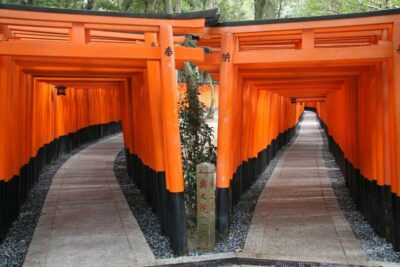
Kyoto: Fushimi Inari, Kinkakuji, Bamboo Grove 1 Day Bus Tour
Read our review →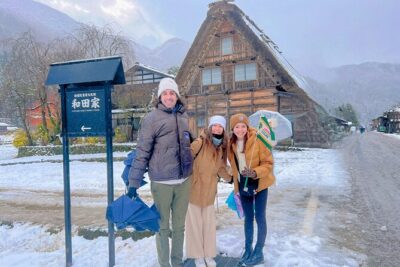
World Heritage Shirakawa-go and Experience Tours from Kanazawa
Read our review →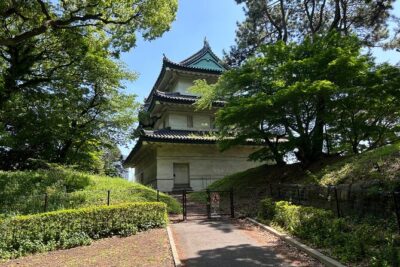
Tokyo: Imperial Palace and Shogun Historical Walking Tour
Read our review →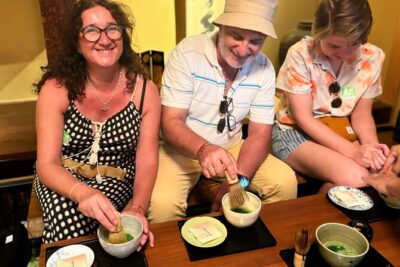
World Heritage Kyoto & Nara Uji Authentic Matcha Experience
Read our review →
Kyoto Gion: 2-Hour Geisha Culture & History Walking Tour
Read our review →
Tokyo Castle & Imperial PalaceーShogun Walking Tour
Read our review →
Kanazawa: World Heritage Shirakawa-go Morning Guided Tour
Read our review →
Tokyo: Imperial Palace Japanese History Walking Tour
Read our review →Browse the lists this tour appears in