
Review · CROATIA
Zagreb: City and WWII Tunnels Walking Tour
Zagreb’s WWII tunnels are the surprise here. They add a darker, more recent layer to a city walk that also covers parks, markets, churches, viewpoints, and café-lined streets. I like the mix of major landmarks and local stories, and I like that the tour gives you a useful first map of central Zagreb rather than keeping you in one small square.
The other strength is the guides. Robert, Marko, Iva, Zrinka, Marin, and Goran are among the named guides praised for humor, clear explanations, good photographs, and restaurant tips. The main drawback is practical: the funicular is closed for renovation until March 2026, so the advertised ride may not be available. The tunnels can also be closed on certain dates.
Key points to know before you book
- The WWII tunnels change the pace: You move from open-air city sights into a cool underground passage linked to wartime and Cold War history.
- The route covers both Lower and Upper Town: You see Zrinjevac, Ban Jelačić Square, Dolac Market, Gradec, and Tkalčićeva Street in one walk.
- The guides are the main asset: Robert and Marko are often praised for humor and useful local advice, while Iva, Zrinka, Marin, and Goran bring their own style.
- The funicular is not guaranteed: A two-minute ride is included when operating, but renovation keeps it closed until March 2026.
- The pace is manageable: The 150-minute tour includes regular stops, photo time, and a short funicular segment when available.
- At $14, the value is strong: You receive a licensed English-speaking guide and a broad introduction to Zagreb for less than many city walks cost.
Why the WWII tunnels make this city walk different
Many Zagreb walks stay with the handsome public face of the city: green squares, Austro-Hungarian buildings, church towers, and café streets. This tour adds the Gric Tunnel, a passage that brings wartime Zagreb into the picture.
The tunnel is not just a quick curiosity. It helps you understand how Zagreb’s underground spaces were used during World War II and later adapted as a Cold War bunker. One particularly striking detail shared on the walk concerns an underground hospital that could operate below the city. That gives the tunnel a real human scale. You are not simply looking at an old passage. You are considering how a city prepared for danger and tried to protect its people.
The tunnel also offers a welcome change in temperature during hot weather. In winter, it may feel chilly, so dress for the forecast rather than assuming the whole tour will be outdoors. Access can depend on the date, and the tunnels do not operate every day, so check the conditions before booking if this is the part you most want to see.
More History Walking Tours in Croatia
- Dubrovnik Old Town History Walking Tour
★ 5.0 · 1,684 reviews - Dubrovnik: Ancient City Walls & Wars Walking Tour
★ 5.0 · 1,270 reviews - Zagreb: City & History Walking Tour & WW2 Tunnels
★ 4.9 · 1,202 reviews
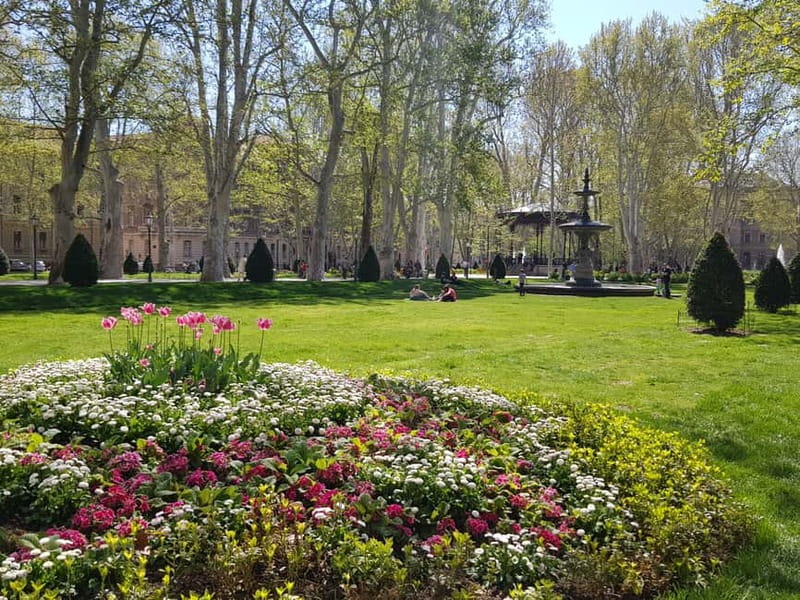
Starting at Zrinjevac Park
The meeting point is in front of the Meteorological Station at Trg Nikole Zrinskog 2. That places you beside Zrinjevac Park, one of central Zagreb’s most pleasant starting points.
Zrinjevac gives the guide an easy way to introduce the city. You get formal green space, open views, and good photo opportunities before the route moves into the tighter streets of the center. This is also a useful place to begin if you are still finding your bearings. The walk starts with orientation, not a rush through a long list of dates.
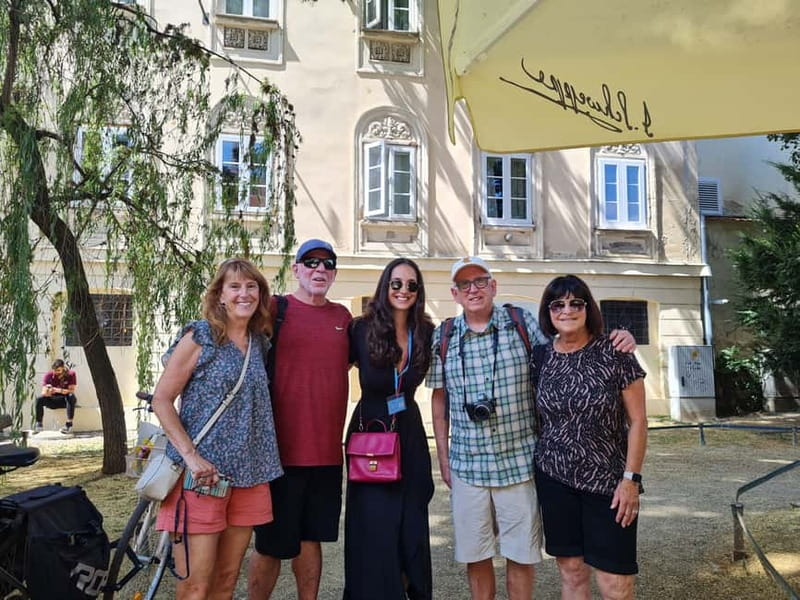
A guide such as Robert or Marko can make this opening section more than a photo stop. The best use of the first few minutes is to ask about neighborhoods, food, museums, or the parts of Zagreb you want to explore later. Guides are especially helpful here because they can point out details you might otherwise pass without noticing.
Bogovićeva Street and the café side of Zagreb
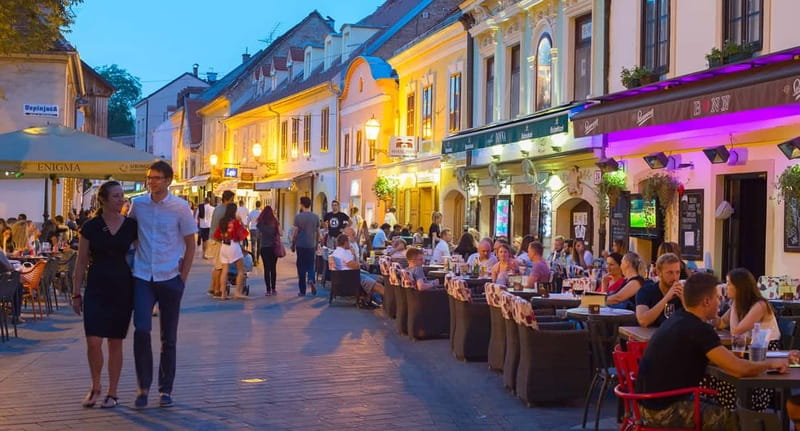
From Zrinjevac, the group continues to Bogovićeva Street. This is one of the central streets associated with bars and restaurants, so it gives you an early look at Zagreb’s social side.
The stop is brief, but it helps balance the tour. You are not only seeing monuments and old buildings. You are also learning where people meet for coffee, drinks, and meals. Zagreb rewards this kind of slower café culture, and Bogovićeva is a useful place to mark for later.
I would not plan to eat here during the walk. The tour has a set route and continues through several landmarks, so save a full meal for after the finish. Instead, note the street and ask your guide for a recommendation. Marko and other guides are praised for giving practical suggestions about restaurants and bars, which can be more useful than a generic list online.
Ban Jelačić Square and the city’s central meeting point
The route then crosses Ban Josip Jelačić Square, Zagreb’s main central square. This is the tour’s natural reference point and the place where the walk ends later, so seeing it early helps you understand the route.
The square connects several parts of central Zagreb. It is a good place to pause and take photographs, but its larger value is orientation. Once you know where Ban Jelačić Square sits, it becomes easier to find the Cathedral, Dolac Market, Tkalčićeva Street, and the Upper Town on your own.
The square can feel open and exposed, especially in bad weather or strong sun. The tour runs in all weather, so bring a coat, umbrella, or sun protection as needed. Comfortable shoes matter more than dressy clothes. You will be walking on city streets, and the route climbs toward Gradec.
More WWII and D-Day Tours in Croatia:
- Amsterdam: Life of Anne Frank and World War II Walking Tour
★ 4.8 · 10,467 reviews - Berlin: Third Reich & Cold War Guided Walking Tour
★ 4.9 · 8,378 reviews - Normandy D-Day Sites & Cemetery Day Trip from Paris with Lunch
★ 5.0 · 6,877 reviews - Munich: Third Reich & WWII Walking Tour
★ 4.6 · 6,181 reviews
Zagreb Cathedral and the first major landmark
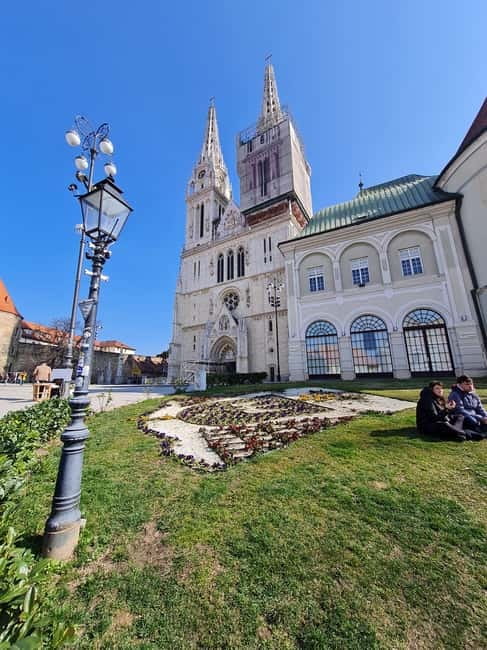
The next major stop is Zagreb Cathedral. Its towers and position make it one of the city’s defining sights, although the exact experience can change because of restoration work and earthquake damage.
That point matters. You may see parts of the building from outside rather than enjoy a full interior visit. The tour is built around seeing the cathedral and explaining its place in Zagreb, not around a guaranteed extended indoor visit. A guide can give you the background and help you understand what you are looking at even if access is restricted.
This is where the tour’s mix of old and recent history works well. The cathedral represents Zagreb’s long religious and architectural story, while the nearby tunnel later shifts the focus to the twentieth century. You get more context than you would from simply walking past the façade with a camera.
Dolac Market, where the city feels most local
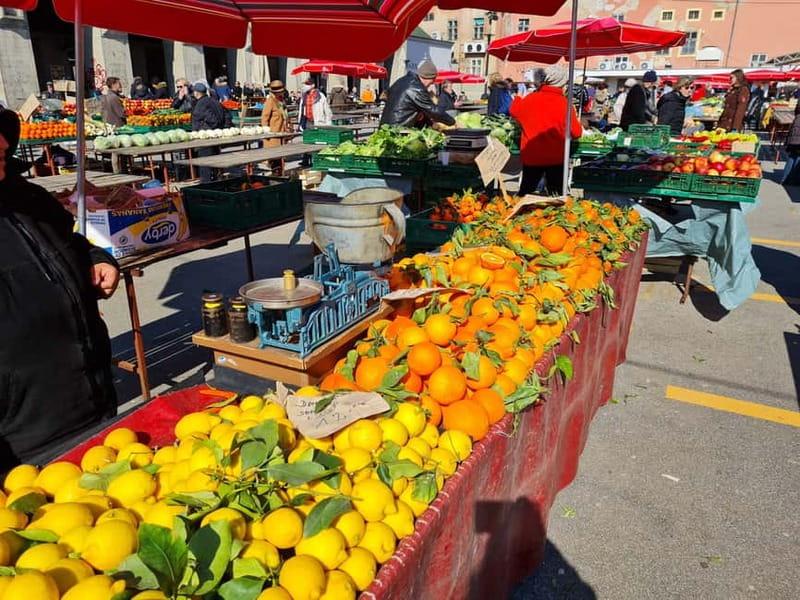
After the cathedral, you pass through Dolac Farmers Market. This is one of the most useful stops for anyone who wants more than a list of monuments.
Markets show how a city eats and shops. Here, you can see the everyday side of Zagreb before heading underground. The guide may also point out small details, local customs, or food worth trying. One guide-led group even sampled homemade cheese and sour cream, though you should treat that as a possible extra rather than a promised part of every departure.
Dolac is a good place to ask questions about Croatian food. If you want a snack, coordinate with the guide rather than wandering away from the group. Food and drinks are not included in the $14 price, and the route continues soon after the market.
Entering the Gric Tunnel
The move from Dolac Market into the Gric Tunnel is one of the clearest changes in mood on the tour. Above ground, you have open squares, market stalls, and café streets. Below ground, the story turns to air-raid protection, wartime use, and Cold War planning.
The tunnel is especially valuable because it gives Zagreb’s recent past a physical setting. You can better picture how underground spaces affected daily life when the guide explains their purpose while you are inside them.
Do not expect a long museum visit with a large collection of displays. The appeal is the passage itself and the explanation that comes with it. If you prefer a tour focused only on architecture and pretty viewpoints, this section may feel more serious than expected. If you want the city’s twentieth-century story included, it is one of the best reasons to choose this route.
The tunnel may be closed on certain dates. The activity also says that some sites can be unavailable, so keep your expectations flexible. If the tunnel is essential to your plans, confirm its operation before you pay.
The funicular and the climb to Grič Hill
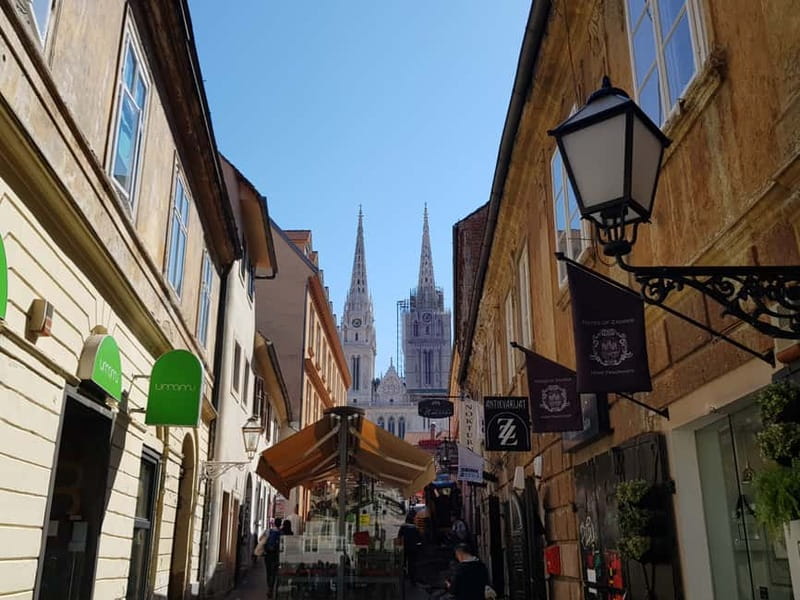
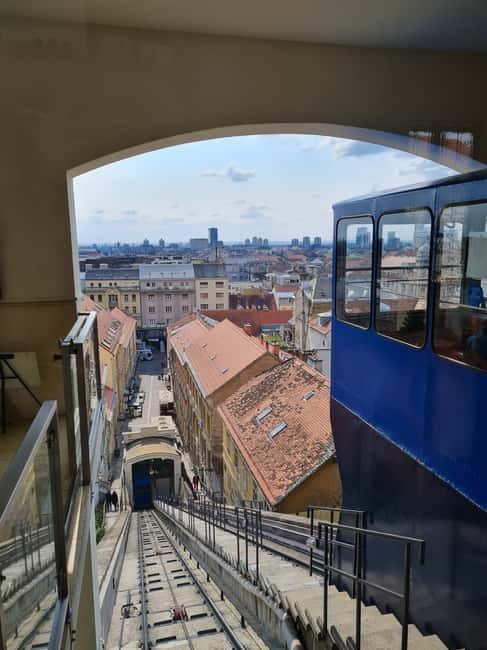
Under normal operation, the tour includes a two-minute ride on Zagreb’s small funicular to the top of Grič Hill. The ride is short, but it saves you a climb and adds a memorable bit of local transport to the walk.
There is an important catch. The funicular is closed for renovation until March 2026. When it is operating, the ticket is included. When it is not, the route may need to continue without the ride, so do not book this tour solely for that feature.
At the top, you enter Gradec, Zagreb’s Upper Town. The change in elevation gives the walk a clear reward. You have moved from the lower city’s squares and market into an older district with viewpoints and landmark streets.
Lotrščak Tower and the view from Gradec
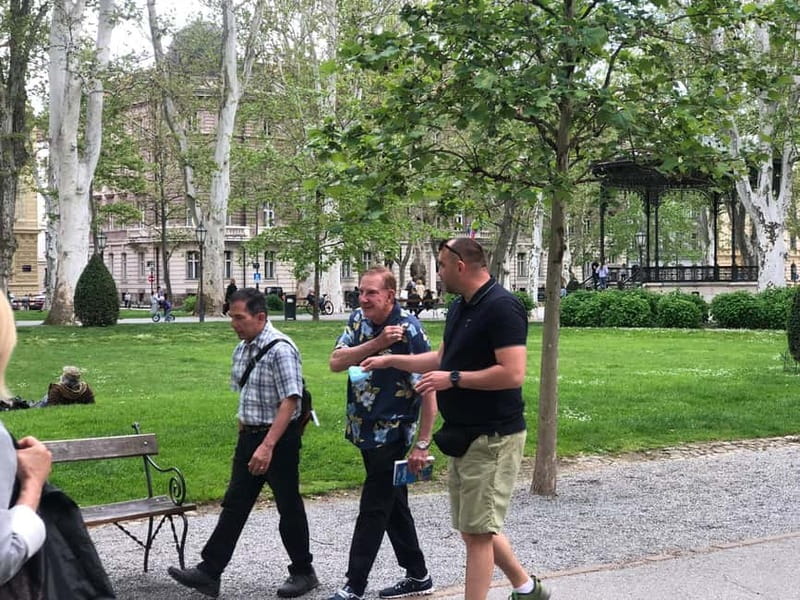
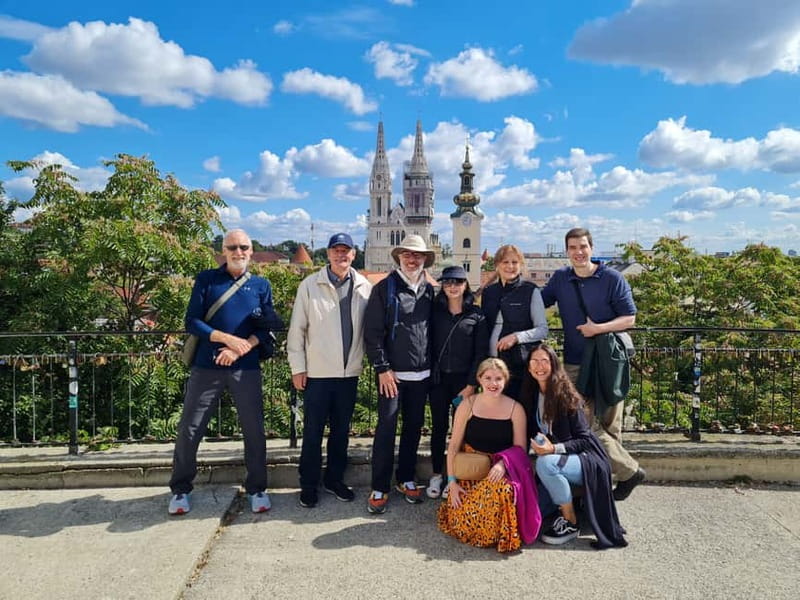
Lotrščak Tower is one of the key sights in Gradec. The stop gives you a chance to look across Zagreb and understand the city from above rather than from street level.
You may also hear the daily cannon firing if the timing works. One person on the walk managed to hear it, and the moment added a bit of drama to the visit. It is timing-dependent, so treat it as a bonus rather than a scheduled part of the tour.
The view is especially useful after the guide has already taken you through the lower city. You can now connect the places you have seen: the square, the cathedral area, the market, and the streets below. Bring a camera, but also give yourself a minute to listen. The guide’s explanation of how the Upper Town relates to the lower city is more useful than another rushed photograph.
St. Mark’s Church and the Stone Gate
The walk continues through two of Gradec’s best-known landmarks, St. Mark’s Church and the Stone Gate.
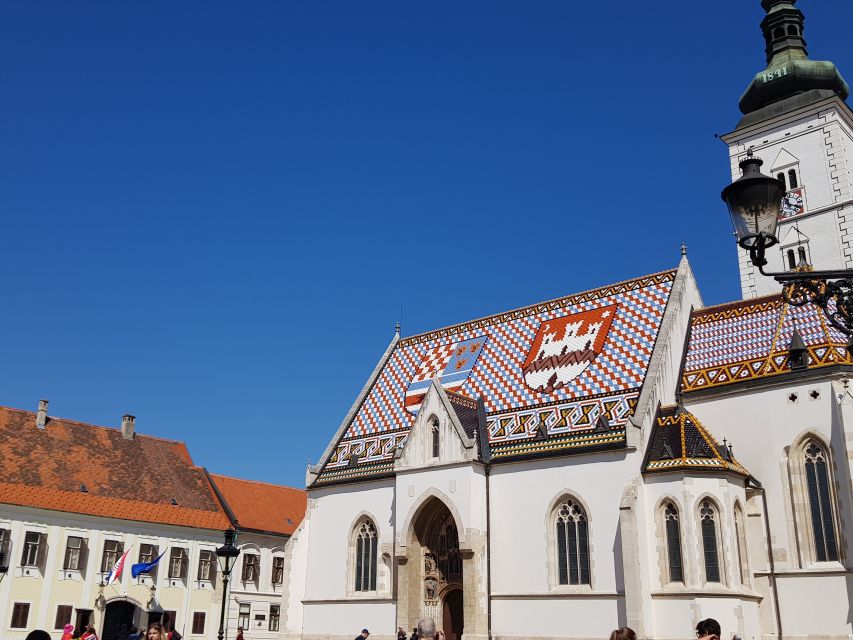
St. Mark’s Church is easy to recognize by its decorated roof. The stop is mainly about the exterior and the stories attached to the church and the Upper Town. Restoration or access restrictions may affect what you can see, so listen to the guide’s explanation rather than expecting a long interior visit.
The Stone Gate offers a different kind of atmosphere. It is a historic passage through the old town and a place where the route narrows and slows. This is the sort of stop where a local guide adds real value, pointing out small details and stories that do not announce themselves from the street.
The tour does not try to turn every sight into a long lecture. Instead, it links the landmarks into a walkable story. That helps you remember Zagreb as a place with several layers, not just a checklist of buildings.
Ending on Tkalčićeva Street
From Gradec, you descend toward Tkalčićeva Street. This is a good finish because it returns you to the practical pleasures of central Zagreb: restaurants, bars, and places to stop for a snack.
The street is also useful after a two-and-a-half-hour walk. You can continue exploring, sit down for food, or ask the guide where to go next. The tour finishes in Ban Jelačić Square, but Tkalčićeva gives you an appealing chance to pause before or after the final walk back.
This is not a food tour, and no food or drinks are included. Still, the location makes the ending convenient. If you want a meal, plan to buy it yourself after the guided portion rather than expecting a tasting menu along the way.
What the guides add to the experience
The guide can make or break any city walk, and this tour has a strong record in that department. Robert is repeatedly praised for humor, warmth, photographs, and the ability to make history easy to follow. Marko is described as both funny and generous with restaurant and bar advice.
Iva is a good fit if you want a clear explanation of Croatia and Zagreb, with plenty of local context. Zrinka is praised for storytelling and for filling the walk with small facts, including architectural details that are easy to miss. Marin has been noted for being attentive even with a very small group, while Goran is remembered for keeping younger people interested.
The tone is generally friendly rather than formal. Guides use jokes, current observations, and personal suggestions alongside the historical material. That makes the 150 minutes pass quickly, but it also means the exact personality of your guide will shape the day.
Group size can vary. Some departures have only a few people, while others can be larger. One guide was specifically praised for keeping a large group together and making room for questions. The route includes regular stops, so it is not a nonstop march.
Is $14 good value for Zagreb?
At $14 per person, this is an unusually affordable way to cover central Zagreb with a licensed guide. You receive the walking tour and the funicular ticket when the funicular is running. You do not pay extra for the guide’s local recommendations, route planning, or explanations at the main sights.
The value is strongest if this is your first day in Zagreb. In 150 minutes, you get a practical map of the center and several ideas for what to do later. You also avoid spending your first day figuring out the relationship between the lower city, Dolac, the Upper Town, and Tkalčićeva Street.
The price does not include snacks, drinks, or special entry to attractions. It is best viewed as an orientation walk with history, not as a full museum tour. At this cost, the limited inclusions feel fair.
The activity is wheelchair accessible, which is useful information when planning. Still, check the current route if the funicular or tunnel is closed, since changes to access can affect the exact experience.
Who should book this walk?
I would choose this tour if you want a first look at Zagreb that combines famous sights with local context. It suits couples, solo visitors, families, and anyone who prefers a guide to connect the dots between places.
It is also a good choice for people who enjoy recent history. The WWII and Cold War material gives the tour more substance than a standard photo walk. If your main interest is food, you will get more from the market and restaurant recommendations than from the tour itself, since food is not included.
You may want a different experience if you dislike walking, need long stops at each landmark, or want guaranteed access inside every major building. The route is broad rather than deeply focused on one site. Also remember that the funicular is closed until March 2026, and the tunnel may not operate on every date.
Should you book the Zagreb City and WWII Tunnels Tour?
Book it if you want an affordable, well-paced introduction to Zagreb with a guide who can explain both the postcard sights and the city’s harder twentieth-century story. The combination of Dolac Market, the Gric Tunnel, Gradec viewpoints, and Tkalčićeva Street gives you a useful first-day framework.
I would book early in your stay, then use the guide’s suggestions to plan the rest of your visit. Just confirm the tunnel and funicular situation, bring weather-appropriate clothing, and treat the ride as an extra rather than the main reason to go. At $14, the tour offers a lot of Zagreb in a short time.
FAQ
How long does the Zagreb City and WWII Tunnels Walking Tour last?
The tour lasts 150 minutes, or two and a half hours.
What language is the tour conducted in?
The live tour guide speaks English.
Where is the meeting point?
Meet in front of the Meteorological Station at Trg Nikole Zrinskog 2, beside Zrinjevac Park.
Is the funicular ride included?
The funicular ticket is included when the funicular is operating. The funicular is closed for renovation until March 2026.
What happens if the funicular is closed?
The funicular and the WWII tunnels do not operate on certain dates. Check availability before booking because the exact route can change when these features are unavailable.
Is food included?
No. Food and drinks are not included, although the route passes Dolac Market, Bogovićeva Street, and Tkalčićeva Street, where you can decide where to stop.
Does the tour operate in bad weather?
Yes. The tour operates in all weather conditions, so dress appropriately for the forecast.
Is the tour wheelchair accessible?
Yes, the activity is listed as wheelchair accessible.
Just added around Croatia
- Split: Local History and Culture 90-Minute Walking Tour★ 5.0 · 194 reviews
- Split: Walking tour of Split with a ‘Magister’ of History★ 5.0 · 110 reviews
- Split: Historical & Gastro Treasures Tour with Green Market★ 4.9 · 144 reviews
- Split: Historical Tour of Salona, Klis Fortress and Trogir★ 4.1 · 108 reviews
- Split: Private Walking Tour in the Historical Town Center★ 5.0 · 25 reviews
- Šibenik: Medieval Night Walking Tour★ 5.0 · 27 reviews
- Šibenik: Croatia in a Day, Vistas, History, Olive Oil, Wine★ 5.0 · 30 reviews
- Dubrovnik: Red History Museum Regular Ticket★ 4.6 · 134 reviews
Croatia History Tours, compared.
Dubrovnik: Ancient City Walls & Wars Walking Tour
Read our review →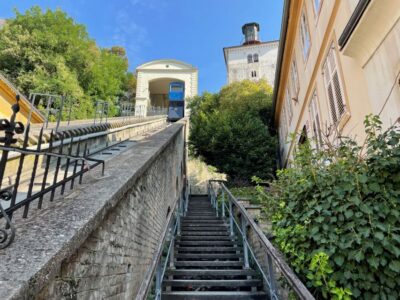
Zagreb: City & History Walking Tour & WW2 Tunnels
Read our review →
Walking Tour of Split with a ‘Magister’ of History
Read our review →
Dubrovnik Combo: Old Town & Ancient City Walls
Read our review →
Browse the lists this tour appears in