
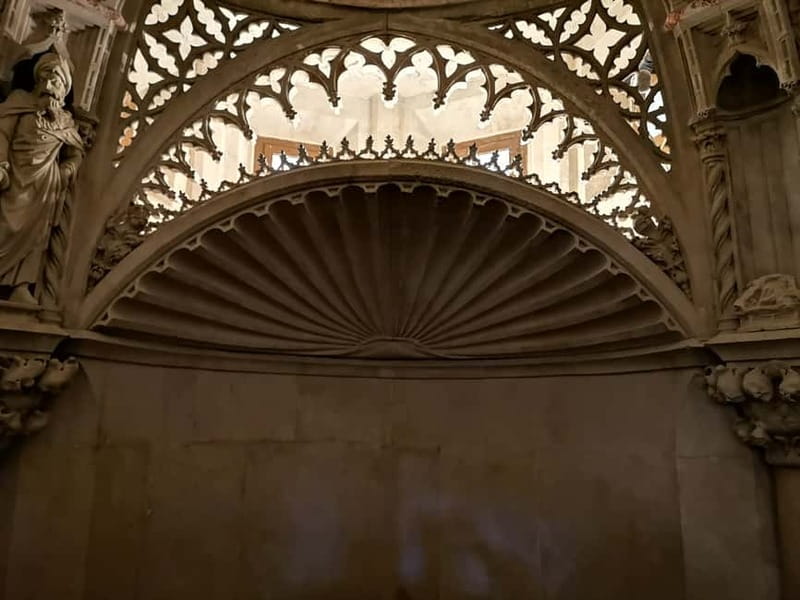
Review · CROATIA
Šibenik: Medieval Night Walking Tour
Šibenik changes after sunset. Its narrow stone lanes, covered passages, stairways, and tunnels feel closer to their medieval past once the daytime crowds and glare are gone. On this one-hour walk, guide Dario Mikulandra leads you through the old city with stories about churches, plague, water, bells, trade, and punishment.
I like the medieval cistern of four wells, where you learn how the city collected and stored water. I also like the visit to the area beside St. Lawrence Monastery, where an old cave sits inside the town core. The only drawback is the short length: one hour gives you a strong introduction, but not enough time for a full visit to every church, museum, or historic corner.
Key points at a glance
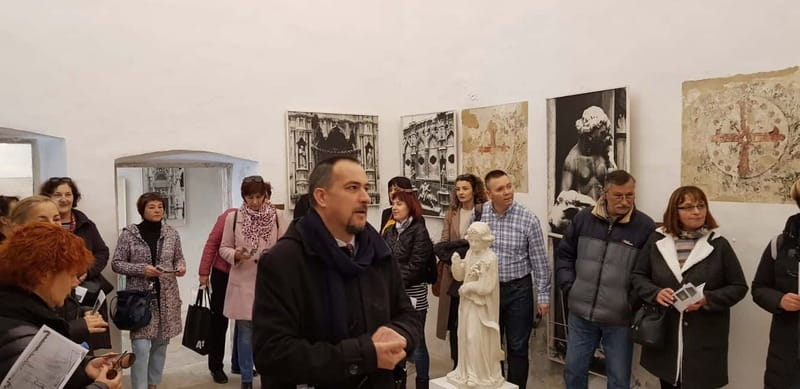
- See Šibenik after dark: Walk lanes that were not lit in the Middle Ages, along with tunnels, stairways, and covered passageways.
- Visit the four-well cistern: Learn what the medieval water system looked like and how people collected water.
- Meet at St. James Cathedral: Hear how the cathedral was built and what it meant to the people of Šibenik.
- Find unusual old-town details: The route includes a cave, the oldest street, the former pillar of shame, and the old Šibenik subway sign.
- Hear stories beyond architecture: Dario covers plague, medieval fairs, nuns, bells, weddings, lighting, and city customs.
- Good value at $29: The price is reasonable for a focused, live-guided orientation to Šibenik’s historic center.
Why Šibenik works so well after sunset

Many old European towns look attractive at night, but Šibenik has a practical reason for feeling especially atmospheric. Its medieval streets were built before modern street lighting, and many lanes remain narrow, steep, and partly enclosed.
The tour uses that setting well. You walk through streets that are more than 600 years old, often with the stone walls close on both sides. The darkness is not just decoration. It helps you understand how difficult movement through the town must have been before electric lights.
You will not spend the hour only admiring façades. Dario explains how people used the city, where they gathered, how they got water, and how religious life shaped daily routines. That gives the walk more purpose than a simple night stroll.
The route also includes plenty of stairs. Šibenik is a medieval hill town, and its old center is not flat. You should be ready for a steady walk through narrow streets and stairways, even though the tour lasts only one hour.
More History Walking Tours in Croatia
- Dubrovnik Old Town History Walking Tour
★ 5.0 · 1,684 reviews - Dubrovnik: Ancient City Walls & Wars Walking Tour
★ 5.0 · 1,270 reviews - Zagreb: City and WWII Tunnels Walking Tour
★ 4.9 · 1,230 reviews
Starting beside St. James Cathedral
The meeting point is the cathedral’s main entrance portal, facing west. This is not the cathedral door with the lions. The correct entrance is opposite the statue of sculptor Juraj Dalmatinac, so take a moment to check the location before the tour begins.
The cathedral square is an excellent place to start. St. James Cathedral is the great architectural focus of Šibenik, and the tour explains how it was constructed, how long the work took, and what the building represented to the people of the city.
The cathedral is often described as the most beautiful in Croatia. That is a matter of taste, but its importance to Šibenik is not in doubt. The building is tied closely to the city’s identity, and the tour treats it as more than a photo stop.
Dario also explains the part that light played in the cathedral’s design. That detail is useful because it shifts your attention from the outside stonework to the way medieval builders and worshippers understood the interior.
Since this is a night walk, do not expect a full interior visit or a detailed examination of museum collections. Churches and museums do not charge entrance fees during the tour because the visit is conducted after hours. You come mainly for the exterior setting, the stories, and the old streets around the cathedral.
The four-well cistern and medieval water supply
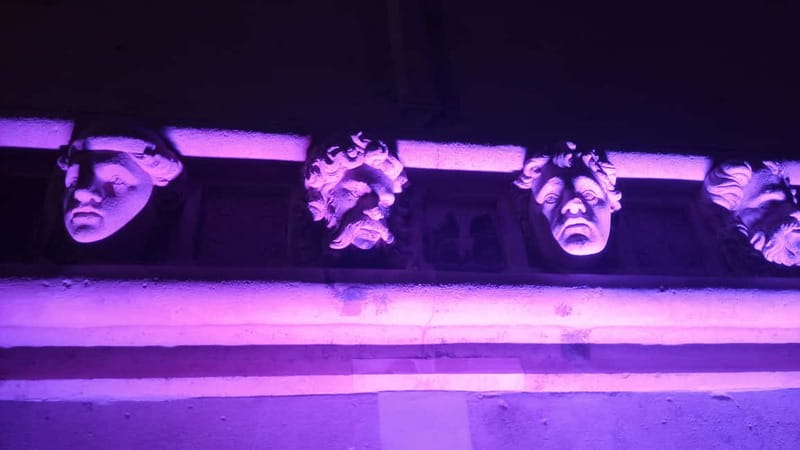
The cistern is one of the most useful stops on the route. Medieval towns depended on reliable water, yet the old city’s stone lanes and dense buildings leave little room for modern ideas of supply and storage.
At the cistern of four wells, you learn what the structure looked like inside and how water was collected. This is the sort of detail that helps the rest of the town make sense. A beautiful stone city still needed ordinary systems for drinking, washing, and survival.
I especially like this stop for visitors who want more than dates and church names. The cistern connects the city’s grand buildings with everyday life. It shows the practical side of medieval Šibenik, where people had to organize water carefully within a crowded fortified center.
The stop is also easy to miss if you explore alone. You might pass through the surrounding square without understanding what the wells meant. A guide gives the feature a clear place in the city’s story.
The oldest street, tunnels, and covered passages
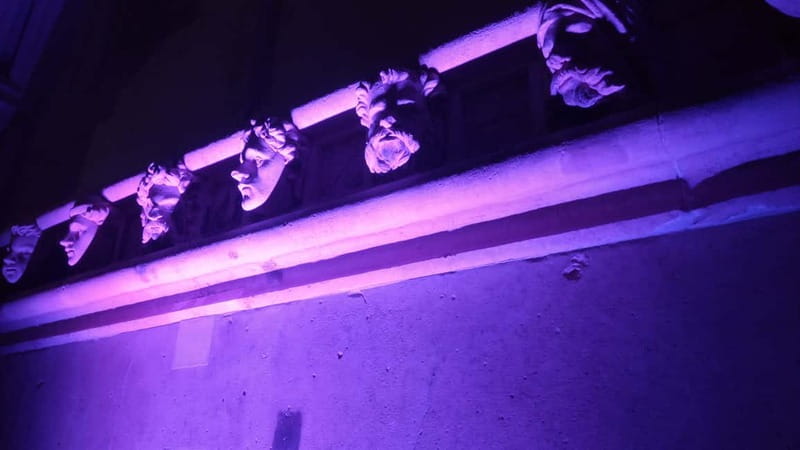
The walk continues through the oldest street in Šibenik and several of the old city’s tighter passages. You will see how houses were fitted into the historic core and why the town developed such a dense pattern of lanes and stairs.
The covered passageways are especially effective at night. They make the city feel enclosed and slightly mysterious without turning the tour into a theatrical performance. The point is to picture ordinary movement through a town where darkness was part of daily life.
The route includes tunnels and a medieval sign connected with the Šibenik subway. The wording can sound modern, but the feature belongs to the city’s old circulation system and is one of the unusual details that adds character to the walk.
You should keep your expectations sensible. This is a compact walking tour, not a long underground exploration. The route uses these spaces to explain the shape of the town, then moves on to other parts of the old center.
More Medieval History Tours in Croatia:
- Prague: Medieval Dinner with Unlimited Drinks
★ 4.4 · 19,847 reviews - Prague: Oldtown, Medieval Underground & Dungeon History Tour
★ 4.3 · 10,277 reviews - Ghent: 50-Minute Medieval Center Guided Boat Trip
★ 4.5 · 5,637 reviews - Montserrat with Black Madonna & Medieval Winery with Tapas/Lunch
★ 5.0 · 5,209 reviews
St. Lawrence Monastery and the cave inside the old town

One of the tour’s more surprising details is the cave beside St. Lawrence Monastery. Finding a cave within the old city core changes your sense of Šibenik. The town is not only a collection of churches and polished squares. It also contains rough, tucked-away spaces that are easy to miss.
The monastery area adds another layer. The tour explains how nuns prayed for the city in darkened monasteries, linking religious life with the fears and hopes of medieval residents.
The nearby medieval gardens are also part of the wider St. Lawrence setting, although the night walk does not promise a full garden visit as a separate admission attraction. If the area catches your interest, return in daylight to look more closely.
This is a good example of why the evening timing matters. A cave, a monastery wall, or a covered lane can feel very different after sunset. At the same time, low light means you may want to return the next morning for photographs and a closer look at architectural details.
Punishment, fairs, and the city’s stranger stories
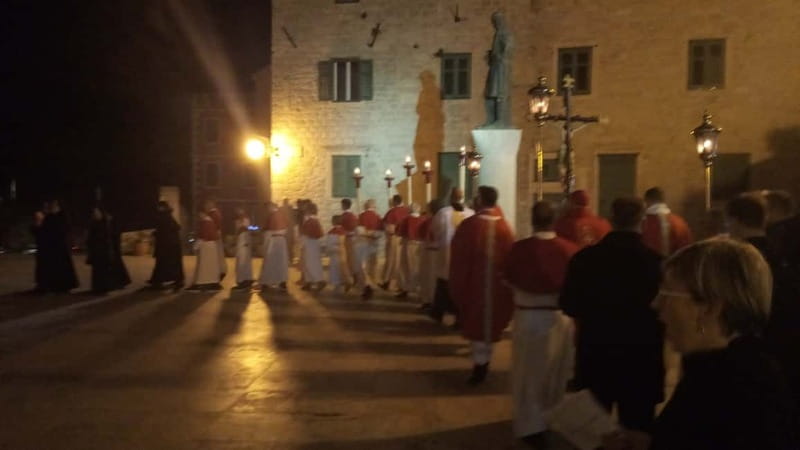
Dario’s route includes the location of Šibenik’s former pillar of shame. This stop brings a harder edge to the city’s medieval story. Towns did not only celebrate faith and trade. They also publicly punished people who broke local rules.
You will hear where cheaters escaped from the medieval fair, along with stories about the town’s crafts and public life. These details help you picture Šibenik as a working community rather than a silent historic backdrop.
The tour also touches on the city’s medieval brotherhoods. Dario is a specially trained guide and a member of one of these medieval brotherhoods, which gives his presentation a personal connection to the subject.
That does not mean the walk is a costumed show. Its appeal is the explanation of places and customs, delivered by someone who clearly cares about Šibenik and its past. The tone can suit adults, but a family of four with young children can also manage it because the route mixes visual details with short stories.
Plague, bells, weddings, and public lighting
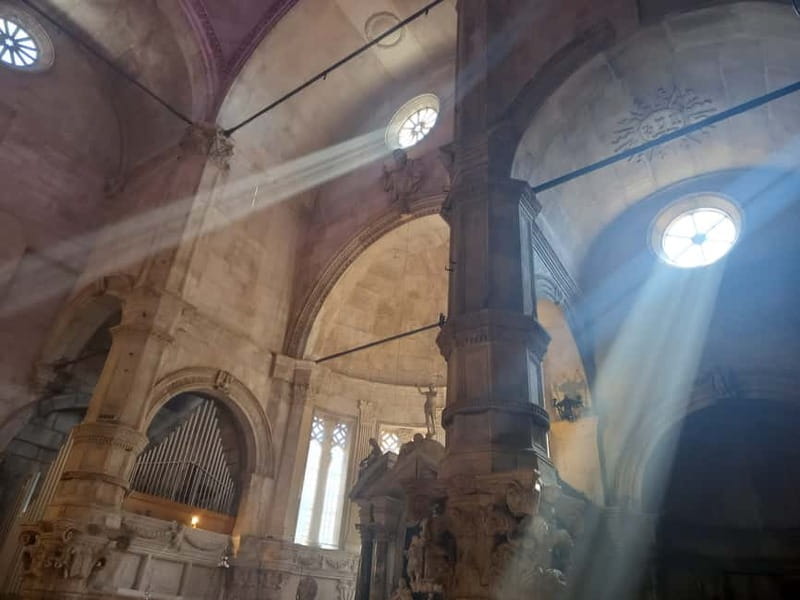
The walk reaches beyond architecture into local customs and memorable dates. You will hear how the plague nearly destroyed Šibenik in 1649, a reminder that medieval and early modern cities faced sudden dangers that could reshape the whole community.
There is also a local explanation for why weddings are not held in Šibenik during May. The tour presents this as part of the city’s customs, giving you a glimpse of how old beliefs and traditions can survive alongside modern life.
Another story concerns midnight on December 17 and why all 72 city bells rang. This is the kind of detail that gives a small city a strong sense of identity. Rather than treating bells as background sound, the tour explains their place in public and religious life.
You will also see the first public lighting lamp from 1895. This is a fine contrast with the unlit medieval streets earlier in the walk. In one hour, the city moves from medieval darkness to the arrival of modern public lighting.
Churches and religious history without a church crawl

Šibenik hides more than 30 churches, and the tour introduces some of the religious sites without trying to turn the hour into a formal church crawl. You will see the church of St. John and examine the reliefs on it, along with the cathedral square and the monastery area.
The chapel of the first Šibenik doctor, dating from 1419, is another precise historical detail included on the route. It connects medicine, religion, and the city’s civic life at a time when those subjects were closely linked.
This focus will suit you if you enjoy religious history and old civic traditions. One review of the experience described it as oriented toward historic and religious facts, which is a fair way to set expectations.
If you want long interior visits, art analysis, or time inside every church, choose a separate daytime visit. The night walk is better at showing how the religious buildings fit into the streets and stories of the town.
What Dario adds to the experience
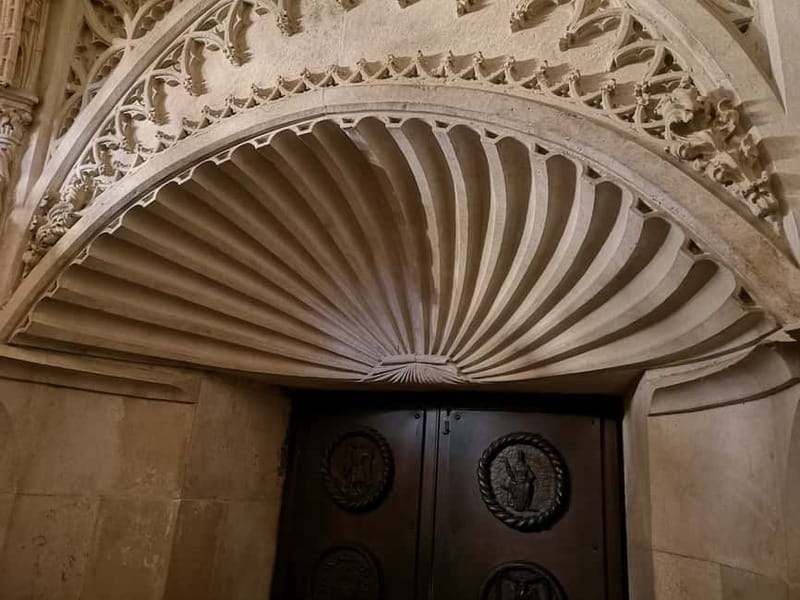
The guide matters a great deal on a one-hour tour. There is no time for a weak introduction or long pauses. Dario Mikulandra leads the walk in English, Croatian, or Serbo-Croatian, and his approach is described as enthusiastic, authentic, and easy to follow.
His strong English is useful for international visitors, especially when the subject includes local customs, religious terms, and old place names. He also welcomes questions, so you can ask about the surrounding Dalmatian area or return to a detail that caught your attention.
The most useful advice is to take the tour early in your stay. It gives you a quick map of the cathedral area and the old town, then you can return the next morning to revisit places such as St. Lawrence and the cathedral in daylight.
Several people also appreciated the cooler night air during summer. In July and August, that is a practical advantage. You get the historic center without the heat of a midday walk, though you should still wear secure shoes for stone surfaces and stairs.
Is $29 fair for one hour?
At $29 per person, this is not the cheapest way to walk through Šibenik, since you can explore many old streets without a guide. The value comes from the access to specific stories and overlooked places, especially the cistern, cave, oldest street, pillar of shame, and medieval passages.
You also receive city maps and brochures in your own language. These are useful after the tour, particularly if you want to return to the cathedral, city museum, St. Lawrence, or the old streets in daylight.
The one-hour length keeps the price from becoming a major commitment. It works well before dinner, after arriving in Šibenik, or on a summer evening when you want something focused rather than a long excursion.
It is less suitable if you want a broad tour of all Dalmatia, a museum visit, or detailed interior access. The price pays for a compact local history walk, not a full-day program.
Who should book this night walk?
I would choose this tour if you are visiting Šibenik for the first time, want a fast orientation, or enjoy history that includes daily life, religion, public punishment, and local customs. Families can manage it, and the short length helps if younger children have limited patience.
It also suits repeat visitors. One returning visitor had been to Šibenik several times but found that Dario’s stories changed the way the city looked. That is believable because the route focuses on details you might pass without noticing.
You may prefer a daytime visit instead if you have difficulty with stairs, need bright conditions to see surfaces clearly, or mainly want to enter churches and museums. The tour is a walking experience through the old center, not a fully accessible indoor sightseeing program.
Cancellation is free up to 24 hours before the start, and you can reserve now and pay later. The meeting point is the west-facing cathedral portal, opposite the statue of Juraj Dalmatinac.
Should you book the Šibenik Medieval Night Walking Tour?
Book it if you want a compact, story-led introduction to Šibenik and like the idea of seeing the city in the dark. Dario’s enthusiasm, the unusual cistern and cave stops, and the contrast between medieval darkness and the first public lamp give the hour a clear identity.
Skip it if your priority is long church interiors, museums, or a relaxed walk without stairs. For most first-time visitors, though, $29 is a fair price for a focused evening route that helps you understand what you are seeing. Take it near the beginning of your stay, then return in daylight to explore the places that deserve more time.
FAQ
How long is the Šibenik Medieval Night Walking Tour?
The tour lasts one hour.
How much does the tour cost?
The price is $29 per person.
Who guides the tour?
The tour is led by Dario Mikulandra of Magnificat.
What languages are available?
The live guide is available in English, Croatian, and Serbo-Croatian.
Where is the meeting point?
Meet at the main entrance portal of St. James Cathedral, facing west. It is opposite the statue of sculptor Juraj Dalmatinac, not the cathedral doors with the lions.
What places are included?
The route includes the cathedral square, the medieval cistern of four wells, the oldest street in the city, St. Lawrence Monastery, the old city’s narrow lanes, tunnels, covered passages, a cave, the church of St. John, and the former pillar of shame.
Will I enter churches or museums?
The tour is conducted at night, so it does not include entrance fees for churches and museums.
Does the tour include a visit to a medieval cistern?
Yes. You visit the cistern of four wells and learn how water was collected and what the structure looked like inside.
Are maps or brochures provided?
Yes. Participants receive city maps and brochures in their own language.
Can I cancel the booking?
You can cancel up to 24 hours in advance for a full refund. You can also reserve now and pay later.
More Evening Trips in Croatia
- Private Sibenik Walking Historical Morning or Evening Tour
★ 5.0 · 93 reviews - Dubrovnik Old Town: Night tour with History, Wine & Bites
★ 4.7 · 59 reviews - Charleston Harbor History Day-Time or Sunset Boat Cruise
★ 4.5 · 2,788 reviews - Dubai Evening Heritage Safari by Vintage G Class Al Marmoom Oasis
★ 5.0 · 1,500 reviews
Just added around Croatia
- Split: Local History and Culture 90-Minute Walking Tour★ 5.0 · 194 reviews
- Split: Walking tour of Split with a ‘Magister’ of History★ 5.0 · 110 reviews
- Split: Historical & Gastro Treasures Tour with Green Market★ 4.9 · 144 reviews
- Split: Historical Tour of Salona, Klis Fortress and Trogir★ 4.1 · 108 reviews
- Split: Private Walking Tour in the Historical Town Center★ 5.0 · 25 reviews
- Šibenik: Croatia in a Day, Vistas, History, Olive Oil, Wine★ 5.0 · 30 reviews
- Dubrovnik: Red History Museum Regular Ticket★ 4.6 · 134 reviews
- Pula: Historic Sites Guided Walking Tour★ 4.8 · 78 reviews
Croatia History Tours, compared.
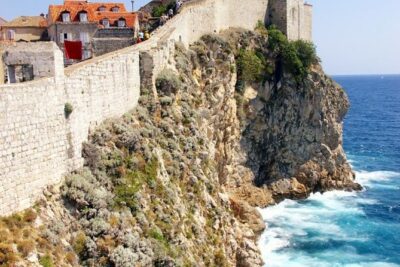
Dubrovnik: Ancient City Walls & Wars Walking Tour
Read our review →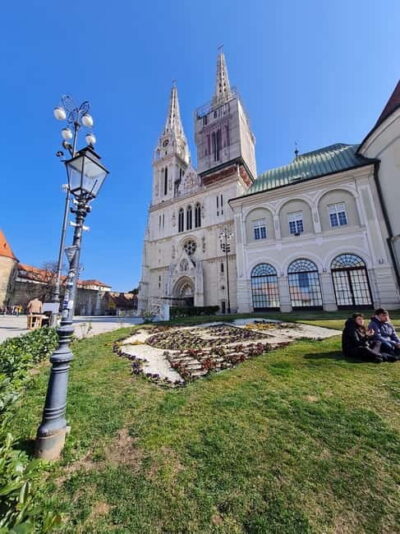
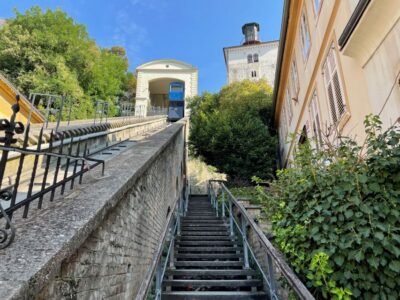
Zagreb: City & History Walking Tour & WW2 Tunnels
Read our review →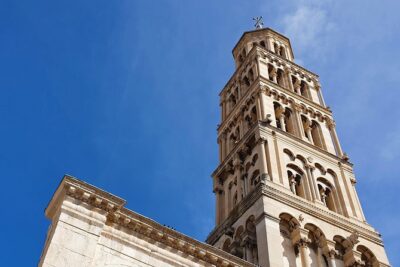
Walking Tour of Split with a ‘Magister’ of History
Read our review →
Dubrovnik Combo: Old Town & Ancient City Walls
Read our review →
Browse the lists this tour appears in