Review · POMPEII
PompeiI Exclusive Tour with your Archaeologist in a Small Group
Pompeii makes far more sense with someone who can explain what you are seeing. In two hours, this small-group walk links the Forum, temples, baths, food shops, private homes, and theater, with an archaeology guide such as Ricardo, Raffaele, Antonio, or Ornella leading the way. You get the big picture without wandering blindly through a vast ruin.
I like the small group of up to 15, which gives you a better chance to hear the guide and ask questions. I also like the practical route through Pompeii’s civic center and ordinary streets, where bakeries, snack counters, baths, and house decorations reveal daily life. The main drawback is the short running time: the amphitheater and brothels may not be included, and the €19 adult entry ticket is extra.
Key points to know before booking
- Meet at Porta Marina Superiore: Look for the guide outside the park with a Pompeii Vip sign.
- The guide adds essential context: You learn not only what a building was, but how archaeologists identify its purpose and date.
- Two hours covers the core sights: Expect the Forum, temples, baths, houses, shops, Via dell’Abbondanza, and theater.
- Entry is not included: Adults pay €19 for Pompeii Park, while admission is free for visitors under 18.
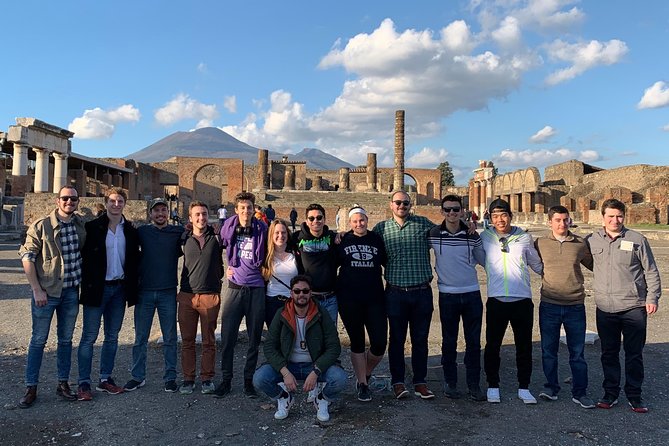
- Small groups feel more personal: The stated maximum is 15, though one booking reported a group closer to 20.
- Wear proper walking shoes: Pompeii’s old streets are uneven, and the route is spent on foot.
Why a guide changes your Pompeii visit
Pompeii is not a tidy museum with one clear path. It is a broad ancient city of streets, courtyards, temples, shops, homes, public buildings, and partially excavated areas. Without context, you can look at a stone counter or a painted wall and miss its purpose entirely.
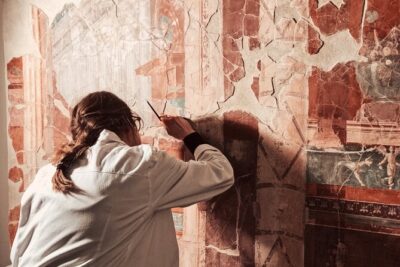
An archaeology guide gives you a way to read the place. You learn how archaeologists work out what a building did, how its rooms were arranged, and what small details reveal about Roman life. Guides praised for this style include Ricardo, Raffaele, Antonio, Ornella, and PierLuigi. The exact guide depends on the date and group, but the experience is designed around a guide trained in archaeology rather than a simple audio commentary.
The English is generally clear, and several guides make the subject lively with questions, stories, and links between Latin, Greek, and Roman culture. A two-hour walk can pass quickly, especially when the guide leaves time for photographs and questions. One practical limitation is that a busy site can make it hard to hear, so check any listening equipment at once if it is provided. One visitor reported a faulty earpiece that was not replaced during the walk.
More Ancient History Tours in Italy
- Pompeii: Entry Ticket and Guided Tour with an Archaeologist
★ 4.8 · 19,459 reviews - Pompeii: Small Group Tour with an Archaeologist
★ 4.8 · 12,264 reviews - Pompeii Small Group Tour with an Archaeologist
★ 5.0 · 6,593 reviews
Meeting at Porta Marina Superiore
The tour begins at Via Villa dei Misteri, 1, outside the archaeological park at Porta Marina Superiore. The guide waits with a Pompeii Vip sign, which is important because the entrance area can be busy and confusing.
Porta Marina was the western gateway to Pompeii. Its name comes from the road leading toward the sea, giving you an immediate sense of how the city connected to the coast and its wider trade network. From here, the route moves into the archaeological park and toward the public center.
The tour uses a separate priority line, helping you avoid a long wait at the gate. Take care with the wording, though: the tour price does not include admission. The operator sends a link the afternoon before the tour so you can buy a skip-the-line entry ticket online, and staff can help you purchase one on site. The advertised adult price is €19, with free admission for visitors under 18.
Temples and the route to the Forum
The first major religious stop is the Temple of Venus. Venus was Pompeii’s patron goddess, so this site helps explain the city’s religious identity and civic pride. The temple also gives the guide a chance to set Pompeii within Roman public life, where religion, politics, and community business were closely linked.
Next comes the Basilica, one of the grandest buildings around the Forum. It was not a church in the later Christian sense. It was a place for business and the administration of justice, making it one of the clearest places to understand how public authority worked in Pompeii.
The Sanctuary of Apollo is among the oldest worship sites in the city. Its position along the road from Porta Marina toward the Forum was strategic, and the route helps you see how visitors approaching from the harbor would have entered the public heart of Pompeii.
The Forum itself was the city’s main square and the center of daily activity. This is where the tour’s separate pieces come together: religion, justice, trade, politics, and public ceremony all met here. It is also one of the places where a guide is most useful, since the open space can feel bare until you understand which buildings surrounded it and what each one did.
Jupiter, food stalls, and the human cost of the eruption
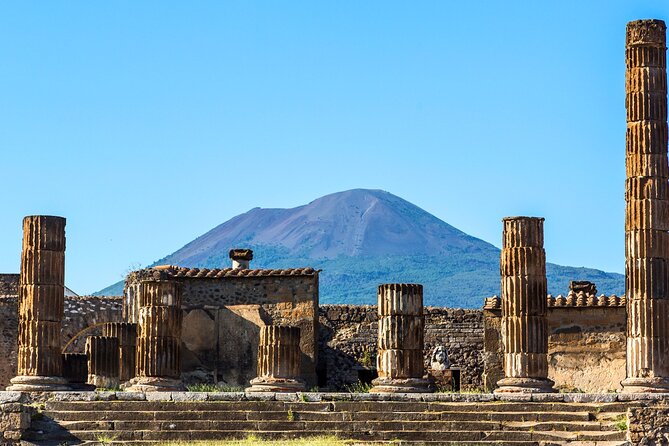
The Temple of Jupiter dominates the northern side of the Forum. Behind it, Mount Vesuvius rises above the ruins, linking the peaceful view to the eruption that buried Pompeii. The setting is powerful, but the guide’s explanation gives the view more weight than a photograph alone.
At the Macellum, you see a monumental food market used for selling provisions and everyday goods. The site offers a direct look at shopping in ancient Pompeii, rather than only grand temples and official buildings.
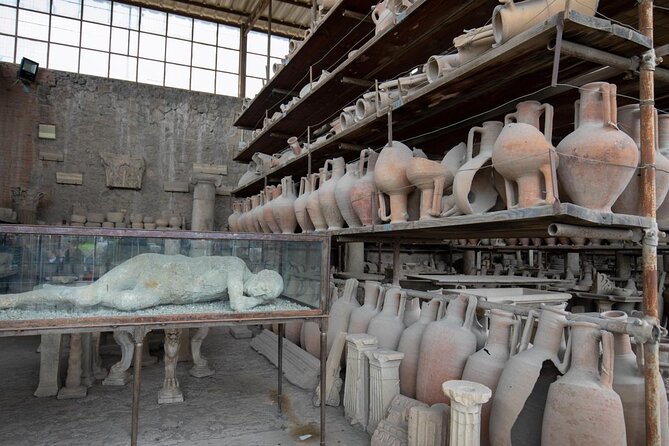
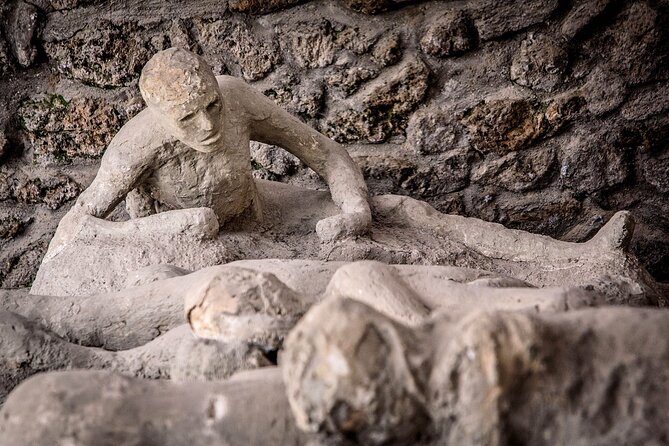
This area may also include plaster casts of victims. These are not preserved bodies in the usual sense. Archaeologists used cavities left in the hardened volcanic material, filling them to recover the forms of people caught during the eruption. The casts can be difficult to see, particularly for younger visitors, so consider your group before booking.
More Ancient History Tours in Pompeii
- Discover the Ancient Ruins of Pompeii: Day Trip from Rome
★ 3.5 · 2,247 reviews - Pompeii and Herculaneum Small Group Tour with an Archaeologist
★ 5.0 · 1,350 reviews - Skip the Line Guided Tour of Pompeii led by an Archaeologist
★ 5.0 · 703 reviews - Pompeii: Tour with Archaeologist Guide & Skip-the-Line Entry
★ 4.5 · 623 reviews
Baths, snack counters, and Roman daily life
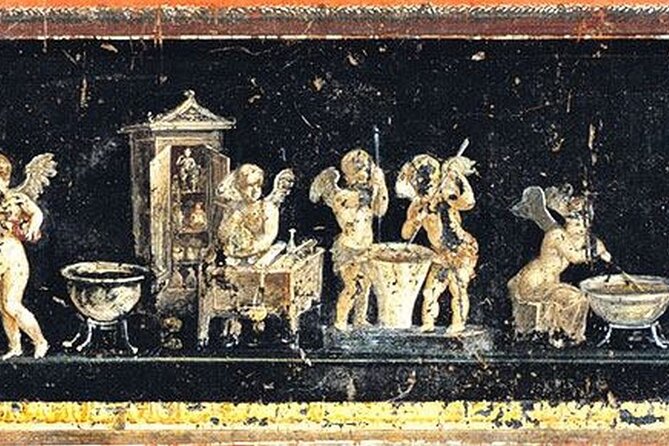
The Forum Baths are among Pompeii’s best-preserved buildings. Men and women had separate entrances, and the surviving rooms help you understand how bathing worked as part of public life, not simply as a way to wash.
The tour then reaches the Thermopolium of Vetuzio Placido, an ancient refreshment counter or diner. Its presence is a useful reminder that Pompeii was a lived-in city. People stopped for food, met friends, conducted business, and moved through the streets much as people do in any working town.
These smaller places are among the strongest parts of the route for me. Grand monuments explain how the city wanted to present itself, but a food counter and public bath tell you how ordinary residents spent their time. Guides also use such stops to explain how archaeologists identify a building’s use, which adds substance to the visit.
House of the Faun and the homes of the wealthy
The House of the Faun is one of Pompeii’s largest private residences. Its entrance pavement carries the Latin greeting HAVE, a small detail that makes the home feel surprisingly personal. The size and decoration of the property show the scale of wealth available to Pompeii’s elite.
The House of the Vettii is another important residence, known for its wealth and its connection with Priapus, the god of prosperity. Both houses are subject to seasonal opening and closing, so you should not assume that every departure includes access to both. The guide can still explain their place within Pompeii’s residential districts if one is closed.
This is also where the pace matters. A guide can point out how rooms, courtyards, decoration, and street entrances worked together. You may have time for photographs, but the schedule is not designed for a slow, detailed study of every painting or architectural feature.
Via dell’Abbondanza and the ancient street plan
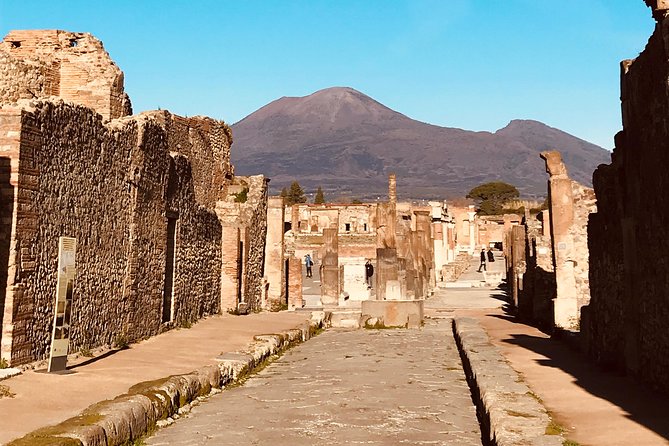
Via dell’Abbondanza was Pompeii’s main street, the ancient decumanus maximus. Walking along it gives you a practical sense of the city’s layout, with homes, shops, and public buildings connected by a real street network rather than scattered ruins.
The road is also a good place to notice the physical demands of the site. Pompeii’s surfaces can be rough and uneven, and you will spend much of the tour standing or walking. Comfortable shoes are not a minor suggestion here. They can make the difference between enjoying the guide’s explanations and thinking about your feet.
The street is one reason the tour works well for first-time visitors. You follow a logical route rather than doubling back at random, and the guide helps you see how the central buildings relate to the neighborhoods around them.
The theater and what you will not see
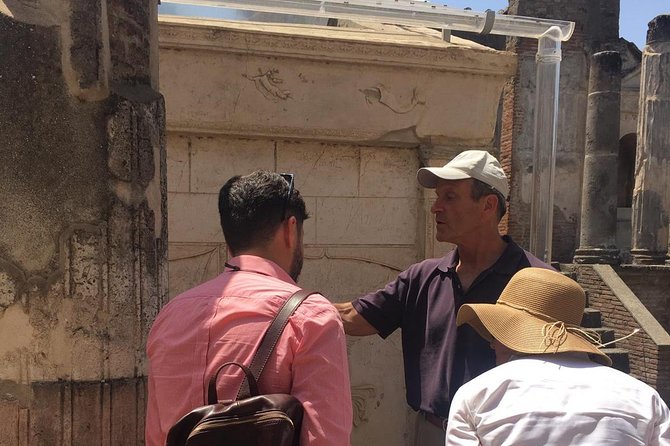
The final listed stop is the Teatro Grande, where comedies and tragedies were performed in the Greco-Roman tradition. It adds a cultural dimension to the tour after the temples, government buildings, markets, houses, and baths.
The route is built around Pompeii’s key central sights, not every famous corner of the park. The amphitheater and brothels may not be included, and one two-hour visit cannot cover the full archaeological area. If either of those sites is your main reason for coming, ask about the route before you book or plan extra time to explore afterward.
That limit is not necessarily a flaw. Two hours is manageable in hot, wet, or windy weather, and it gives you a strong introduction without turning the day into an exhausting march. One guide, Raphael Romano, was praised for finding covered spots during poor weather while continuing the explanation. Still, you should see this as a highlights tour, not a complete exploration of Pompeii.
Group size, guide style, and the value of the ticket
The advertised maximum is 15 people, which is a useful size for a site where groups can spread out. A smaller group makes it easier to ask about an inscription, stop for a photograph, or hear a detailed explanation near a busy monument.
The operator’s own information says the tour has a maximum of 15, though one booking reported a group of about 20. If a tight group size is essential for you, confirm the number close to your date.
At $30.25 per person, the tour itself is fairly priced for a two-hour specialist walk, but the real total for an adult is higher once you add the €19 park admission. Children under 18 benefit from the free entry policy, although the tour charge may still apply according to the booking terms.
I see the value in paying for the guide if Pompeii is new to you. An audio guide can identify a building, but it cannot respond when you ask how archaeologists know what happened there. A guide can also adjust the last part of the walk, giving more attention to questions or subjects that interest your group.
The 4.7 rating from 363 reviews and 93 percent recommendation rate fit the main strengths of the experience: clear explanations, strong enthusiasm, and useful historical context. The main complaints are practical rather than sweeping. Check your earpiece, confirm the group size, and understand that entry is separate.
Who should book this Pompeii tour
I would choose this walk if you have about two hours, want the main sights explained, and prefer a human guide to a recorded device. It suits couples, families, and first-time visitors who want to understand the city without preparing a long reading list beforehand.
Families can also find it useful. A guide who asks questions and explains shops, baths, houses, and street life can hold the attention of older children better than a long sequence of dates. The plaster casts may be upsetting, so parents should decide if that part fits their children.
This is less suitable if you want to see every major section of the park, linger over art, or make the amphitheater and brothels your priority. It is also not a private tour. You share the pace and route with the rest of the group, even though the group should remain relatively small.
The tour requires good weather, and poor conditions can lead to a different date or a full refund. You can cancel for a full refund up to 24 hours before the start time. Near the meeting point, public transportation is available, and most people can take part, but the walking surface still calls for sensible shoes.
Final verdict: a strong first visit with clear limits
I would book this tour for a first look at Pompeii, especially if you want the Forum, temples, baths, houses, food stalls, and main street placed into a clear story. The strongest feature is the guide’s ability to explain how the ruins work, not simply label them. Guides such as Ricardo, Raffaele, Antonio, Ornella, and PierLuigi have been singled out for lively, careful explanations.
Before paying, add the €19 adult admission to your budget, confirm how the ticket link works, and accept that two hours means selected highlights. If you want the amphitheater, brothels, or long time inside individual houses, plan more time after the guided walk. For a focused introduction with an archaeology guide and a manageable group, this is a sensible Pompeii choice.
FAQ
How much does the tour cost?
The tour price is $30.25 per person. Pompeii Archaeological Park admission is separate and costs €19 per adult. Admission is free for visitors under 18.
Are Pompeii entrance tickets included?
No. The tour price is for joining the guided experience, not for entering the archaeological park. A link for buying skip-the-line tickets online is sent the afternoon before the tour, and assistance with purchasing tickets is available on site.
Where does the tour meet?
Meet at Via Villa dei Misteri, 1, 80045 Pompei, outside Porta Marina Superiore. The guide waits with a sign reading Pompeii Vip.
How long is the tour?
The guided visit lasts approximately two hours. It covers major sites including the Forum, temples, baths, homes, shops, Via dell’Abbondanza, and the Teatro Grande.
What is the maximum group size?
The stated maximum is 15 people. One booking reported a group of about 20, so you may want to confirm the expected group size if this is important to you.
Can I cancel the tour?
Yes. You can cancel up to 24 hours before the start time for a full refund. Poor weather or failure to meet the minimum number of participants can also lead to a different date or a full refund.
More Archaeological Site Tours in Pompeii
- Pompeii Skip-the-line Tour with Archaeologist Guide
★ 5.0 · 559 reviews - Explore Pompeii with an Archaeologist
★ 5.0 · 511 reviews - Pompeii 3hours Villa of Mysteries tour with an Archaeologist
★ 4.8 · 486 reviews - Pompeii and Herculaneum: Guided Tour with an Archaeologist
★ 5.0 · 164 reviews
More Private History Tours in Italy
- Pompeii Private Tour with an Archaeologist and Skip The Line – 3 hours
★ 5.0 · 564 reviews - Pompeii Private Tour with an Archaeologist and Skip The Line
★ 5.0 · 391 reviews - Pompeii Private Tour with an Archaeologist Guide
★ 5.0 · 184 reviews - Pompeii: Exclusive Tour with Archaeologist and Entry Tickets
★ 4.9 · 634 reviews
Just added around Pompeii
- Pompeii and Herculaneum: Guided Tour with an Archaeologist★ 5.0 · 164 reviews
- Pompeii Guided Tour with Archaeologist★ 4.6 · 27 reviews
- Pompeii: Guided Tour with Archaeologist with max. 12 People★ 5.0 · 155 reviews
- Pompeii Small Group Tour – Tickets Included★ 4.7 · 72 reviews
- Pompeii: 2-Hour Guided Tour with an Archaeologist★ 4.9 · 151 reviews
- Pompeii Private Tour with an Archaeologist Guide★ 5.0 · 184 reviews
- Pompeii Private Tour with an Archaeologist and Skip The Line★ 5.0 · 391 reviews
- Pompeii 3hours Villa of Mysteries tour with an Archaeologist★ 4.8 · 486 reviews
Pompeii History Tours, compared.
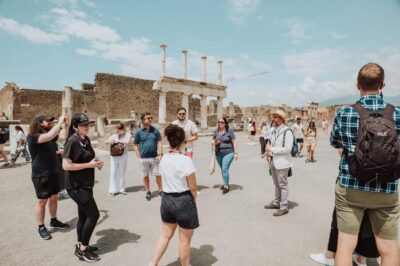
Pompeii: Entry Ticket and Guided Tour with an Archaeologist
Read our review →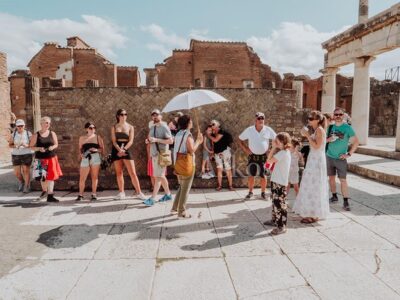
Pompeii: Small Group Tour with an Archaeologist
Read our review →Pompeii Small Group Tour with an Archaeologist
Read our review →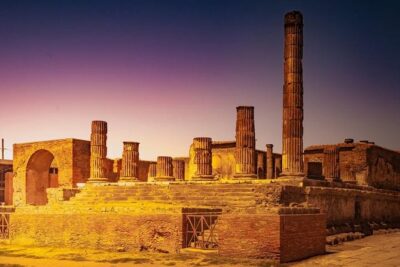
Discover the Ancient Ruins of Pompeii: Day Trip from Rome
Read our review →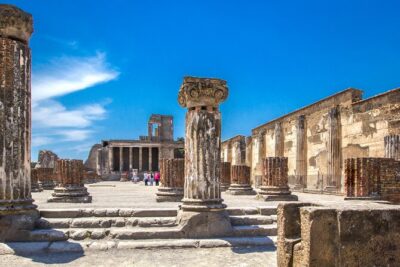
Pompeii and Herculaneum Small Group Tour with an Archaeologist
Read our review →
Skip the Line Guided Tour of Pompeii led by an Archaeologist
Read our review →
Pompeii: Tour with Archaeologist Guide & Skip-the-Line Entry
Read our review →