
Review · ITALY
Genoa: 2-Hour Guided Walking Tour of the Historical Center
Genoa’s Old Town is easiest to appreciate with someone who can explain what you are seeing. The caruggi, a maze of narrow lanes, can feel confusing at first, but they lead to grand palaces, small squares, medieval churches, and traces of the city’s seafaring power. I especially like the focus on the Palazzi dei Rolli and the museum admission included after the walk.
I also like the relaxed two-hour format and the chance to hear local tips about food, coffee, and places to explore later. Guides such as Barbara, Irene, Roberta, Daniel, and Marina have been praised for clear explanations and warm delivery. The main drawback is the bilingual format: every explanation is given in English and Italian, so the tour may run longer or feel slower if you speak only one language.
Key points to know before you book
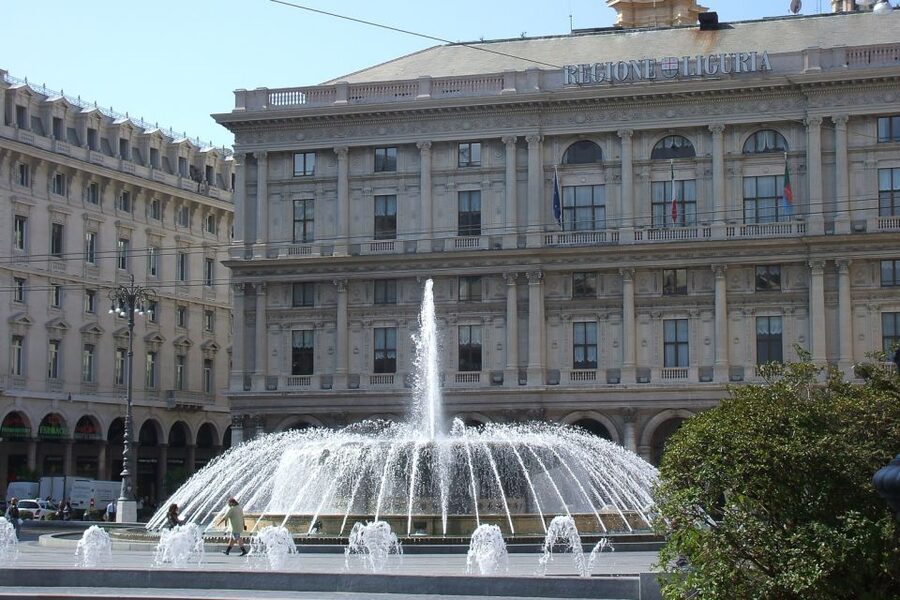
- The walk begins on Via Garibaldi: Meet at the Tourist Information Center at Via Garibaldi 12red, directly among Genoa’s famous Rolli palaces.
- The route covers major landmarks: Expect San Lorenzo Cathedral, San Matteo Square, Doge’s Palace, the Opera House, Via Garibaldi, medieval lanes, and historic city features.
- The museums are self-guided afterward: Your guide introduces the Strada Nuova Museums, then you visit both the Strada Nuova and Sant’Agostino museums independently on the same day.
- The tour is bilingual: English and Italian are used throughout, which is fair to both groups but takes extra time.
- The price is strong for the package: At $16 per person, you get a live guide plus admission to two museum sites.
- It suits first-time visitors: You get a useful orientation before deciding which palaces, churches, streets, and museums deserve a closer look.
Why Genoa is better understood on foot
Genoa does not reveal itself all at once. Modern streets and port traffic can hide a medieval city center filled with sharp turns, steep-looking perspectives, dark passageways, and sudden squares. A walking tour gives you the story behind that jumbled appearance.
The historic center is described as the widest in Europe, and its size matters. Without a guide, you can easily pass a grand doorway without realizing that it once belonged to one of Genoa’s most powerful families. You might also miss how quickly the city changes from narrow working lanes to formal streets lined with aristocratic residences.
I like this tour because it does not treat Genoa as a collection of isolated sights. It connects the city’s trade, banking, religious power, noble families, and maritime past. You are not simply shown a church, then a palace, then a square. You get a basic explanation of how they fit together.
The route also works well as a first activity in Genoa. After two hours, you should have a clearer sense of where the historic center begins, how Via Garibaldi relates to the older lanes, and which places deserve your return visit.
More History Walking Tours in Italy
- Venice: City Center Historical Guided Walking Tour
★ 4.2 · 1,873 reviews - Palermo: Street Food and History Walking Tour
★ 4.9 · 1,486 reviews - Verona: History and Hidden Gems Guided Walking Tour
★ 5.0 · 1,379 reviews
Via Garibaldi and the Rolli palaces
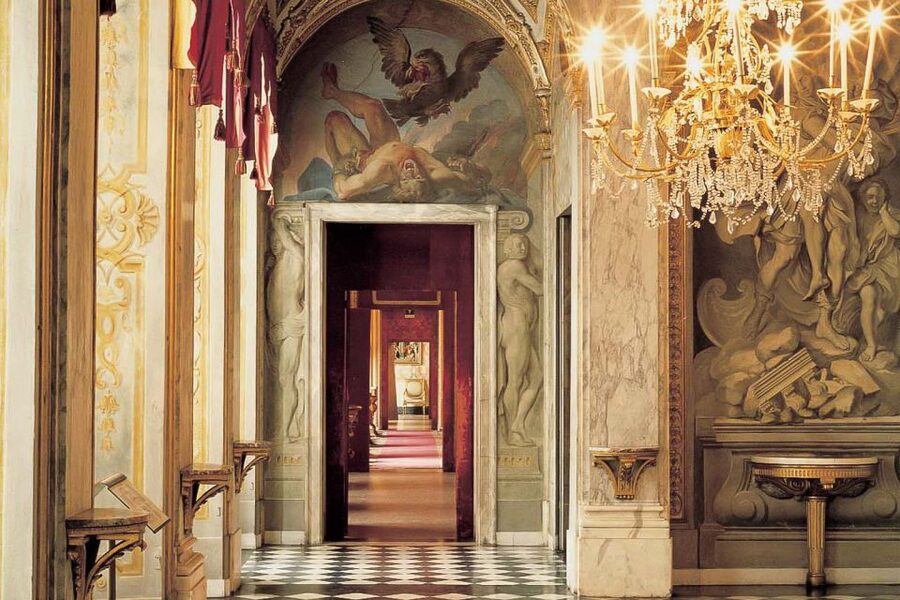
The meeting point at Via Garibaldi 12red puts you in one of Genoa’s grandest streets from the first minute. This broad, elegant avenue is also called Strada Nuova, or New Street, and it forms part of the UNESCO-listed Palazzi dei Rolli area.
The Rolli palaces were built in the 16th and 17th centuries for Genoa’s aristocratic families. They were not just private homes. The city selected certain residences to host visiting rulers, diplomats, and other important people. That system tells you a great deal about Genoa’s wealth and political importance during its most powerful period.
Look closely at the façades as the guide explains them. The outside can be impressive, but the real point is the social world behind the doors: grand households, formal hospitality, and families competing to display their influence. The tour gives you a practical introduction before you enter the museums later.
The route does not promise an extended interior visit to every palace. Instead, the guide helps you understand the street and its buildings, then directs you to the museum access included with the booking. That arrangement keeps the walking portion moving while leaving time for you to look at art at your own pace.
The caruggi, Genoa’s narrow old lanes
The caruggi are the heart of the walk. These narrow alleys can feel like a maze, which is precisely why a local guide is useful. The route leads through lanes that may be easy to miss if you are relying only on a map.
Genoa grew in tight quarters between the harbor and the hills. The old lanes reflect that history. They are not designed for a grand sightseeing parade. They are intimate, irregular, and full of small details. You may pass a modest doorway beside an ornate façade, then emerge into a square that feels much larger than the lane you just left.
This is where the tour’s local knowledge matters most. Past guides have pointed out places for chocolate, ice cream, coffee, and food, along with ideas for exploring after the official walk. Those tips can be as useful as the formal history, especially if you have only one day in town.
The walking pace has generally been described as comfortable, including on warm days and for people with different physical limits. Still, you should expect continuous walking on old streets and remain with the group in narrow spaces. The tour is not built around long stops inside every landmark, so wear sensible shoes and keep your attention on the guide.
San Matteo Square and the Doria family
San Matteo Square offers one of the clearest glimpses into the power of Genoa’s ruling families. The square is closely linked with the Doria family, one of the city’s most important aristocratic clans.
Here, the guide can turn architecture into a story about influence. The square is not just a pretty pause in the route. It shows how a powerful family marked its place in the city and how Genoa’s political life was tied to family networks.
This stop is useful because it gives context for the Rolli palaces. You begin to see that Genoa’s wealth was not spread evenly across the city. Certain families controlled money, trade, government, and religious foundations, and they made that power visible in stone.
You may find this section more interesting if you already know a little about Italian city-states, but the tour is designed as a basic introduction. The guide explains the background in accessible terms rather than assuming a history degree.
More Old Town and Historic Centre Walks in Italy
- Rome in a Day Tour with Vatican, Colosseum and Historic Center
★ 4.5 · 1,042 reviews - Rome Food Tour in the Historic Centre with 8+ Food Tastings
★ 5.0 · 1,000 reviews - Guided Tour, Historic Center Sassi Rock Churches and Cave House
★ 5.0 · 461 reviews - Palermo: Tour of the historic center by train
★ 3.7 · 242 reviews
San Lorenzo Cathedral and Genoa’s religious treasures
San Lorenzo Cathedral is one of the route’s main landmarks. This Gothic church holds important religious objects and connects Genoa with the wider Mediterranean world.
The cathedral’s story includes relics brought back during the Crusades, including objects associated with Saint John the Baptist. The guide uses the church to explain how religion, trade, conquest, and civic pride overlapped in medieval Genoa.
The tour’s cathedral visit should be understood as part of a guided orientation rather than a long, quiet study session. You will hear why the building matters and see its place in the old center, but the schedule has several other landmarks to cover.
That is a fair trade for a first visit. I would use the tour to decide if you want to return to the cathedral for more time. The same approach applies to other churches and historic sites along the route: listen carefully, note what catches your interest, and revisit it later if your schedule allows.
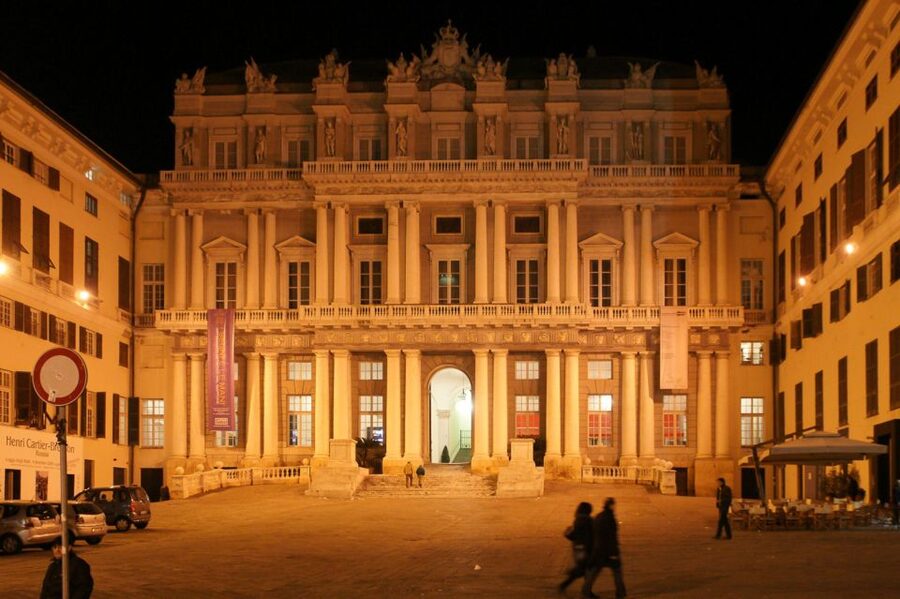
Doge’s Palace, the Opera House, and the old civic center
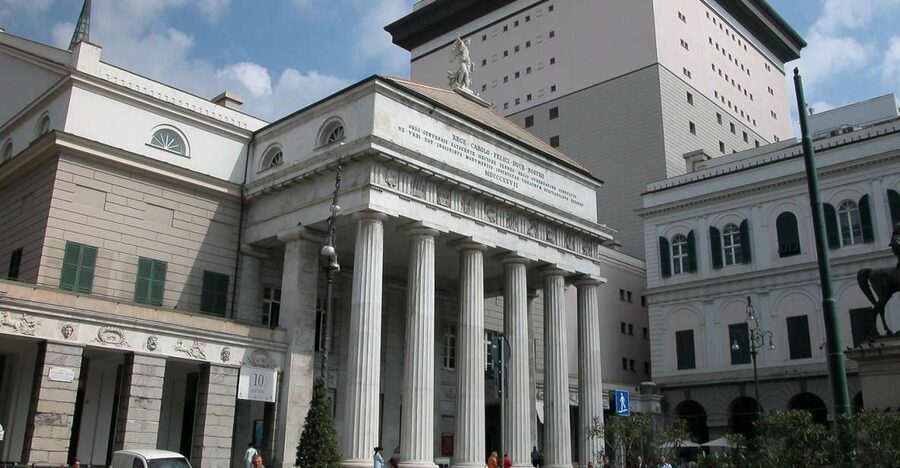
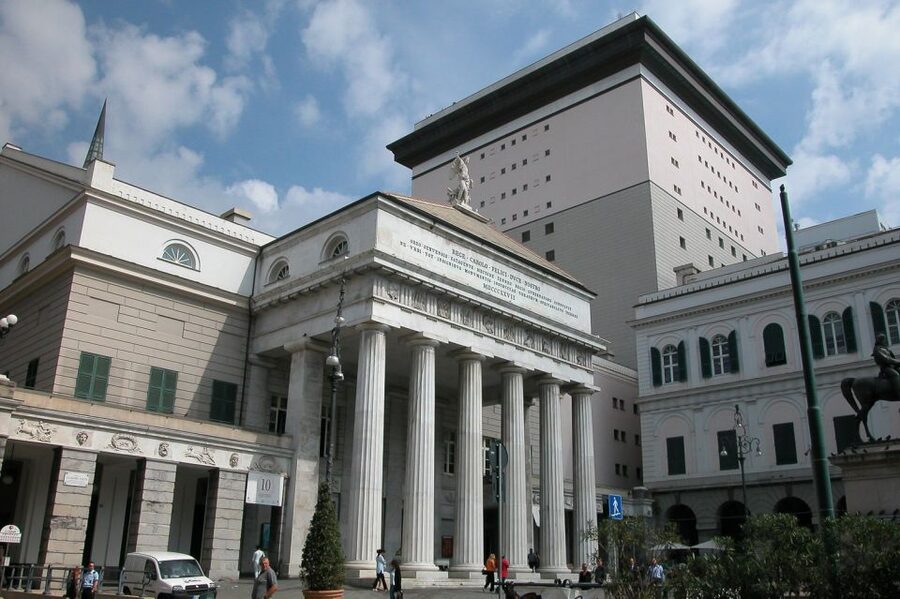
The route also includes the area around the Doge’s Palace and the Opera House. These sights help explain Genoa as a working city of government, culture, and commerce rather than only a port.
The Doge’s Palace represents the city’s civic authority. The Opera House adds a different layer, showing how public culture became part of Genoa’s identity. Together with the cathedral and aristocratic palaces, these stops create a useful picture of how power operated through government, religion, entertainment, and family wealth.
The tour may not provide lengthy interior visits at each of these buildings. Its value is in linking them within the city center. You learn where they are and why they matter, then decide where to spend your limited free time.
Other historical details may appear along the way, including Genoa’s old city gates, the former bank of San Giorgio, Columbus connections, and the story of Marco Polo’s imprisonment. These details give the walk variety. Some are grand subjects, while others are short local anecdotes that help the lanes feel less anonymous.
The Strada Nuova Museums after the guided walk
At the end of the walking portion, the guide introduces the Strada Nuova Museums. You then continue alone, using the included admission for an independent visit.
This is an important detail. The museums are not a guided group visit, and you should not expect the guide to lead you through every painting. The advantage is freedom. You can move at your own pace, pause for works that interest you, or keep the visit short if you are ready for lunch or more street wandering.
The museums contain works from the 15th through 19th centuries, including Italian and foreign artists, with strong representation from the Genoese and Flemish schools. For many visitors, this adds substance to the palace experience. You have just heard about the aristocratic families and their residences, then you can see the kind of art that belonged in that world.
Plan this part of your day carefully. The museum visit must take place on the same day as the tour. Since the guided route ends at a useful point in the old center, you can continue directly rather than trying to return on another day.
Sant’Agostino Museum and the medieval side of Genoa
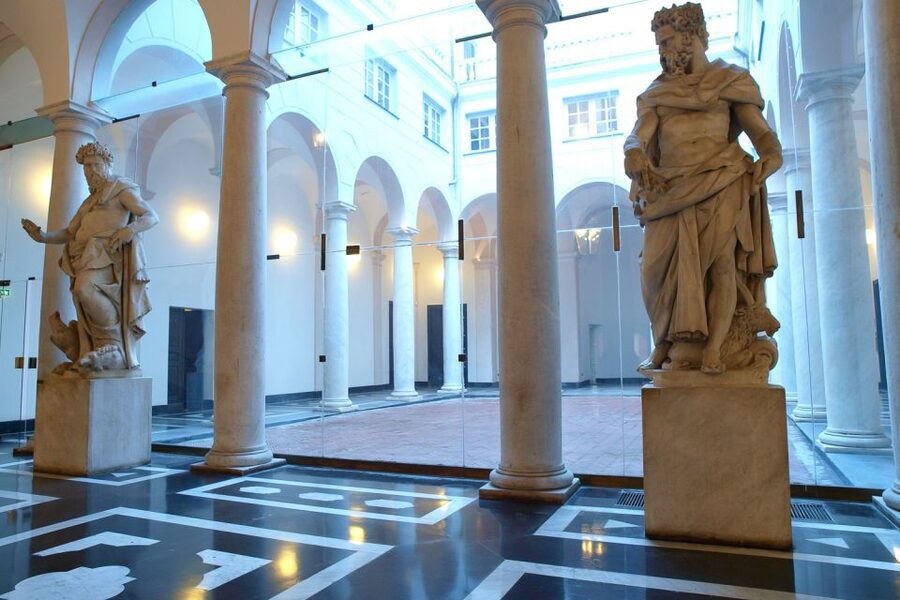
The Sant’Agostino Museum gives the tour a different artistic focus. It is housed in spaces connected with a triangular cloister and the largest preserved Gothic church in the city.
Its collection centers on significant art from medieval Genoa. That makes it a useful companion to the Strada Nuova Museums, which cover a broader period and include later works. Together, the two museums help you follow Genoa’s artistic development from the medieval city into its later era of wealth and palace building.
Again, this is an independent visit, not a guided museum lecture. I see that as a plus if you prefer to explore quietly, but less useful if you want detailed commentary on each object. If art is your main reason for booking, allow enough time after the walk instead of treating the museum admission as a quick extra.
The bilingual format and guide quality
The tour runs in English and Italian with one bilingual guide. This makes the experience accessible to both language groups, but it changes the rhythm.
You may wait while the guide repeats an explanation in the second language. Some people find that frustrating, especially when they want to cover more ground. Others appreciate the chance to look at the building, take photographs, or listen to the Italian presentation before hearing the English version.
The strongest part of the guide experience is the consistency of the personal delivery. Guides named in past bookings include Irene, Roberta, Daniel, Barbara, Anna, Marina, and Paola. Their styles differ, but the most praised traits are clear speech, strong local knowledge, humor, patience, and an effort to give both language groups equal attention.
Group size can vary. Some sessions have been intimate, while others have included around 15 or 16 people. A larger group can make it harder to hear in busy streets. Past visitors have suggested a microphone or listening devices for this reason, so stay close to the guide and position yourself where you can see the buildings without losing the commentary.
Is $16 a good value?
At $16 per person, this is a very good value if you plan to use the museum admission. You receive a two-hour guided orientation, access to the Strada Nuova Museums, and access to the Sant’Agostino Museum.
The price also compares favorably with the time saved. You could wander the caruggi alone, but it would take longer to understand the palaces, squares, and churches. The guide gives you a framework, and you can return to the places that interest you.
The value is lower if you only want a short stroll and do not care about art museums. In that case, the bilingual explanations may feel like extra time, and you may prefer to explore independently.
The flexible booking terms are useful for a changing itinerary: cancellation is allowed up to 24 hours before the activity for a full refund, and you can reserve now and pay later. The tour is offered in English and Italian, with starting times subject to availability.
Who should book this Genoa walk?
I would choose this tour for a first visit, especially if you have only a day in Genoa or arrive by cruise ship. The meeting point on Via Garibaldi is close enough to the central sightseeing area to make the tour practical for a short stop, and the walk gives you a better sense of the old center than a vehicle-based tour can.
It also suits anyone who enjoys history but does not want an academic lecture. The guides explain Genoa’s past through streets, buildings, families, relics, artists, and local stories.
Families can benefit from the manageable two-hour length, though young children may find the bilingual pauses and historic commentary slow. People with limited mobility should consider the old lanes and continuous walking before booking, even though the pace has often been comfortable.
Should you book it?
Book this tour if you want a low-cost introduction to Genoa that combines the city’s narrow lanes with its grand palaces and two museums. The strongest reasons are the Rolli palace context, the local stories in the caruggi, and the admission included for same-day independent museum visits.
Skip it if you want a private tour in one language, a fast itinerary, or lengthy guided time inside every museum. For most first-time visitors, though, $16 buys a useful orientation and leaves you with clear ideas for the rest of your day.
FAQ
Where does the Genoa walking tour start?
The meeting point is the Tourist Information Center at Via Garibaldi 12red in Genoa.
How long does the guided walking tour last?
The guided walking portion lasts two hours. Some past tours have run slightly longer, particularly when the bilingual guide takes time to explain everything in both languages.
Which languages are available?
The live guide speaks English and Italian. The tour takes place in both languages with a bilingual guide.
Are museum tickets included?
Yes. Admission to the Strada Nuova Museums and the Sant’Agostino Museum is included.
Is the museum visit guided?
No. At the end of the walking route, the guide introduces the Strada Nuova Museums, and you continue through the museums independently.
When must I visit the museums?
You should visit both the Strada Nuova Museums and the Sant’Agostino Museum on the same day as the walking tour.
What is the cancellation policy?
You can cancel up to 24 hours before the activity for a full refund. You can also reserve your place and pay later.
More Two-Hour Tours in Italy
- Pompeii: 2-Hour Guided Tour with an Archaeologist
★ 4.9 · 151 reviews - Naples Archaeological Museum 2-Hour Guided Private Tour
★ 5.0 · 51 reviews - Berlin’s Best: 2 Hour Walking Tour Third Reich and the Cold War
★ 5.0 · 5,486 reviews - 2-Hour Gettysburg Battlefield Guided History Bus Tour with a National Park Guide
★ 4.5 · 2,201 reviews
Just added around Italy
- Guided Cultural Tour of the Godfather Film in Messina★ 5.0 · 31 reviews
- Guided tour of the Riace Bronzes and the Archaeological Museum of Reggio Calabria★ 5.0 · 44 reviews
- SU NURAXI BARUMINI Unesco World Heritage Site★ 5.0 · 129 reviews
- Brescia the Unexpected: History, Local Stories & a drink★ 5.0 · 31 reviews
- Bolognese Cooking Class with Margherita in the Historic Center★ 5.0 · 26 reviews
- Tower and Power, Virtual tour in Medieval Bologna★ 4.5 · 54 reviews
- Bologna historical art walking tour with hidden gems and tastings★ 5.0 · 108 reviews
- Best of Bologna in one day : Food, architecture, art and history★ 5.0 · 27 reviews
Italy History Tours, compared.
Pompeii: Entry Ticket and Guided Tour with an Archaeologist
Read our review →
Colosseum: Underground and Ancient Rome Tour
Read our review →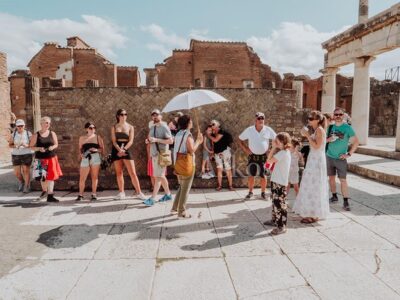
Pompeii: Small Group Tour with an Archaeologist
Read our review →Pompeii Small Group Tour with an Archaeologist
Read our review →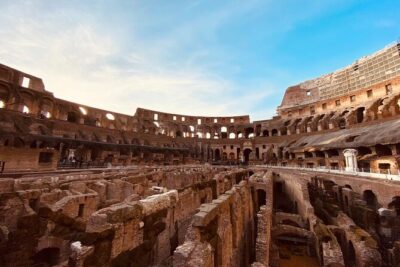
Rome: Colosseum with Arena, Roman Forum and Palatine Guided Tour
Read our review →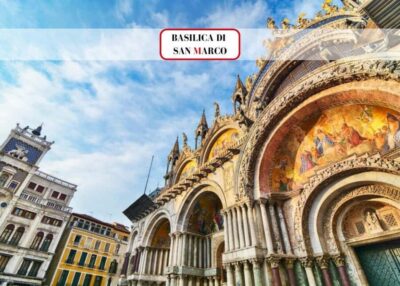
Venice: St. Mark’s Basilica Guided Tour & VR History Intro
Read our review →
Colosseum with Arena, Roman Forum and Palatine Hill Guided Tour
Read our review →
Herculaneum: Skip-the-Line Guided Tour with Archaeologist
Read our review →Browse the lists this tour appears in