
Review · NUREMBERG
Nuremberg: Historischer Kunstbunker WWII Art Bunker Tour
Nuremberg’s Historischer Kunstbunker is not a polished gallery. It is a cold, narrow cellar under the Old Town, built for storage, then turned into a bomb shelter for some of Europe’s most valuable art. I like the way this tour connects wartime destruction with postwar rebuilding, rather than treating the bunker as an isolated curiosity. I also like the chance to see where treasures such as the Veit Stoss Altarpiece and the Codex Manesse were protected.
The main drawback is the setting itself. The tunnels can feel tight, and the temperature stays around 10 to 12°C, even in summer. A group of about 21 people may feel cramped in places, so bring a warm layer and do not book this if you are uncomfortable in confined spaces.
Key Points at a Glance
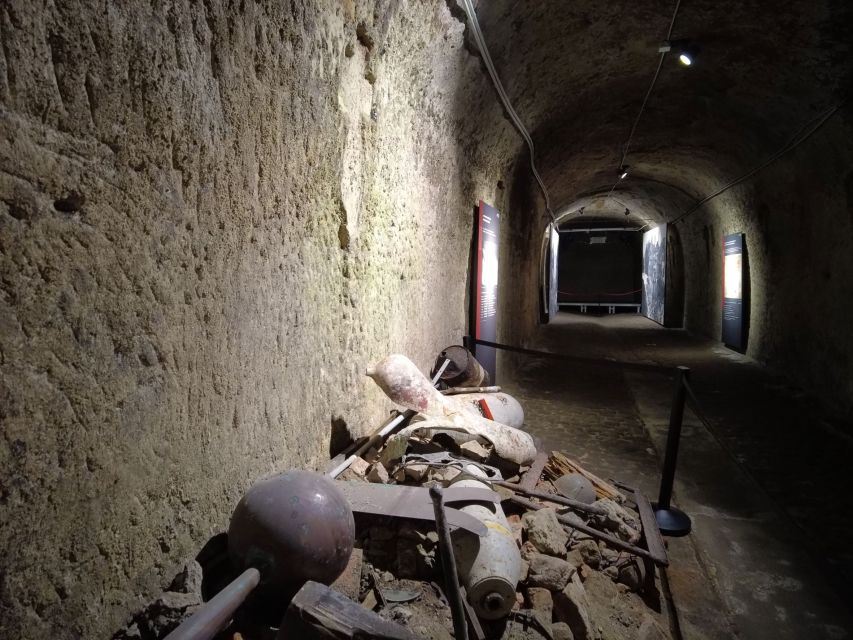
- A medieval cellar with a wartime purpose: Learn how old beer-storage tunnels became a secure shelter for priceless works of art.
- A direct link to Nuremberg’s destruction: Hear how bombing destroyed roughly 90 percent of the medieval Old Town and how the city was rebuilt.
- Major works were protected here: Discover the role of the bunker in safeguarding the Veit Stoss Altarpiece, the Frauenkirche automaton clock, the Codex Manesse, and works connected with Albrecht Dürer.
- A short, focused tour: The visit lasts one hour, leaving plenty of time for the rest of Nuremberg.
- Strong guiding is central to the experience: Guides such as Andreas, Michael, Marianne, Jana, and Ralf have been praised for clear explanations, local insight, humor, and thoughtful answers.
- Come prepared for the conditions: Wear warm clothing, and expect uneven, narrow underground spaces that are not suitable for wheelchair users or people with mobility limits.
Entering Nuremberg’s Underground Art Shelter
You meet your guide at the entrance to the Historischer Kunstbunker in Nuremberg’s Old Town. There is no long transfer or complicated starting point. If you are already exploring the central streets, the tour fits neatly into a day of walking, sightseeing, and stopping for a drink afterward.
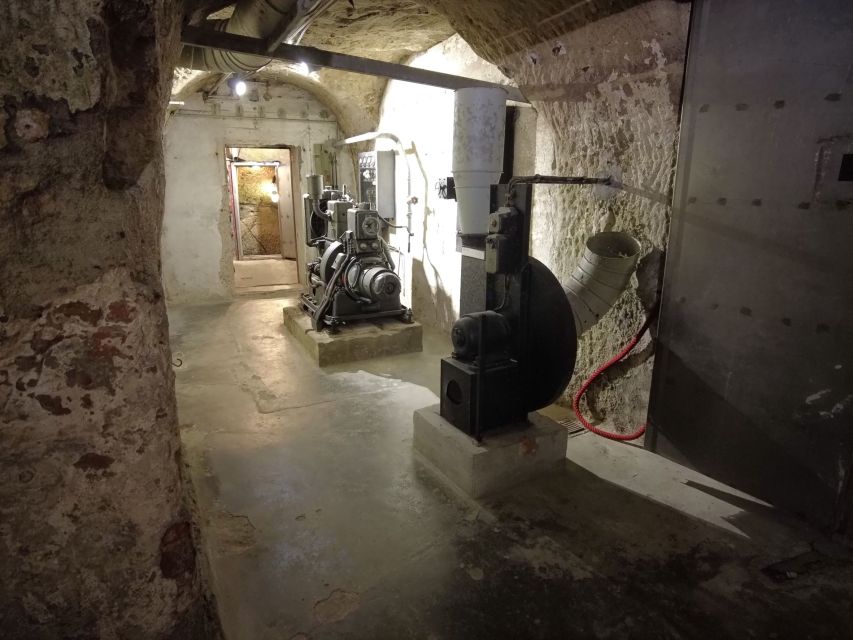
The first surprise is that this place was not created solely for World War II. The cellar tunnels had an earlier life as storage space for beer, part of the underground network beneath Nuremberg. That older use gives the tour a useful sense of time. You are not entering a bunker built from scratch in the 1940s. You are walking into an existing part of the city that was adapted when air raids became a serious threat.
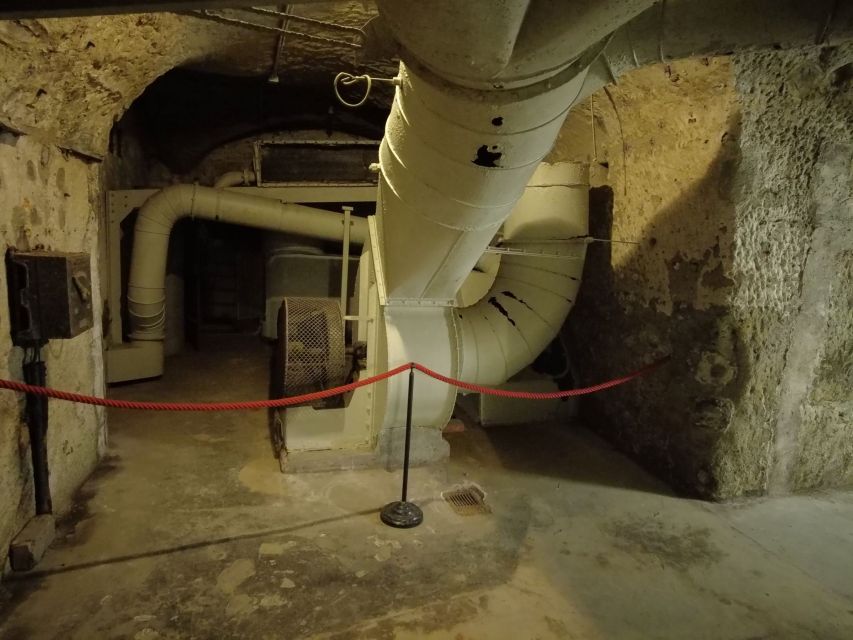
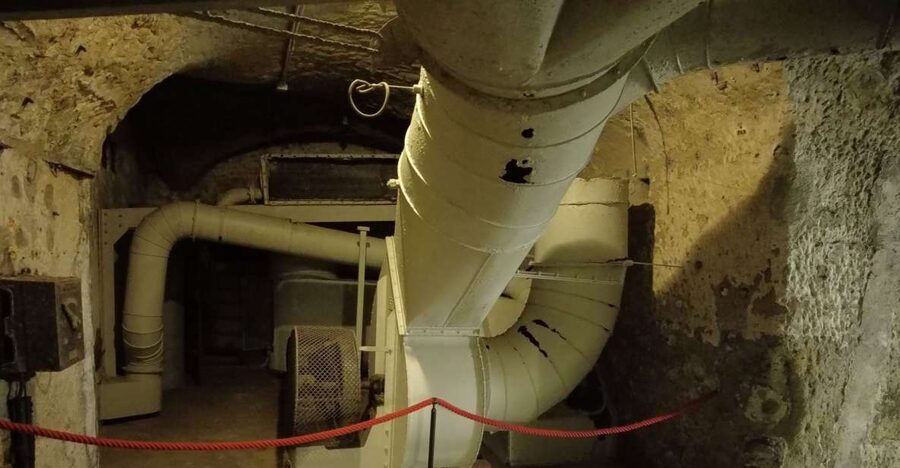
The surroundings are plain and functional. Do not expect display cases filled with original masterpieces or a large museum layout. The power of the visit comes from the rooms themselves and from understanding what they were used for. The walls, corridors, and underground chambers help you picture the practical problems of protecting art during a bombing campaign.
Your guide leads the group through the tunnel network, explaining the layout and the rescue operation that brought valuable works here. This is where a guide matters. Without the commentary, you would see a cellar. With it, the rooms become part of Nuremberg’s wartime story.
More WWII and D-Day Tours in Germany
- Berlin: Third Reich & Cold War Guided Walking Tour
★ 4.9 · 8,378 reviews - Munich: Third Reich & WWII Walking Tour
★ 4.6 · 6,181 reviews - Berlin’s Best: 2 Hour Walking Tour Third Reich and the Cold War
★ 5.0 · 5,486 reviews
How Nuremberg’s Art Was Saved
The central subject is the attempt to protect the city’s most important cultural objects. Nuremberg was heavily damaged during World War II, and about 90 percent of the medieval Old Town was destroyed. The bunker offered a place where selected works could be kept away from fire, falling masonry, and the effects of bombing.
The works associated with the shelter include pieces by or connected with Albrecht Dürer, one of Nuremberg’s most famous artists. You also learn about the Altarpiece of Veit Stoss, the automaton clock from the Frauenkirche, and the Codex Manesse. These names give the tour weight, but the guide also explains the practical side of the operation: how a cellar was prepared, why underground storage helped, and how the city’s cultural treasures were treated as items worth saving.
The tour also covers the way the Nazis used the space to preserve valuable works. That part deserves careful attention. The bunker’s wartime role is not presented as a simple story of noble preservation detached from the politics of the period. You are given the context of Nuremberg under the Nazi regime and the effort to protect important art during the war.
If you already know a lot about military campaigns, this visit may not add much to your general World War II knowledge. Its focus is narrower and more local. You are learning what happened beneath Nuremberg, how air raids affected the city, and why certain works survived when so much of the Old Town did not.
From Beer Cellar to Art Vault
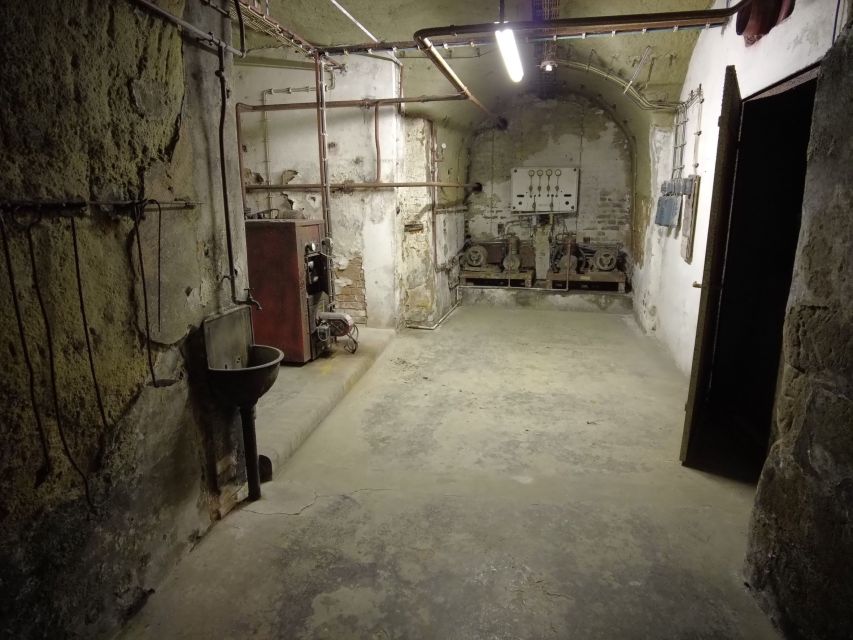
The change from medieval storage cellar to wartime shelter is one of the most interesting parts of the route. Nuremberg’s underground spaces were already part of everyday city life before the war. Their cool, enclosed conditions made them useful for beer storage, but their strength and location also made them suitable for protecting objects during air raids.
That change in use shows how war reshapes ordinary places. A cellar that once served a trade became part of an emergency plan for the city’s cultural identity. The tour helps you see that preservation was not only about moving art out of danger. It also required planning, secure rooms, and decisions about which objects were most important to protect.
You move through the tunnels with the guide rather than wandering alone. This keeps the route organized and makes the information easier to follow. It also matters underground, where it would be easy to lose track of the layout or miss a detail in a side room.
The spaces are not large. If your group is full, you may have to stand close together, and hearing every word can be harder when several people are gathered in one chamber. One recorded visit involved 21 people and felt crowded. That is not a reason to skip the tour, but it is a reason to arrive ready for a compact setting rather than a spacious museum.
Seeing the Damage Above Ground
The bunker makes more sense when paired with a walk through Nuremberg’s Old Town. The tour explains that much of the medieval center was destroyed, then rebuilt after the war. You do not need to spend the whole day on a formal wartime program to understand the basic contrast: above ground, you see a historic city with restored streets and buildings; below ground, you hear how much of that city was reduced to rubble.
Several guides add local stories and personal perspective. Andreas, for example, has been praised for connecting the bunker with other Nuremberg sites and for explaining the city through local experience. Other guides named in past visits include Michael, Marianne, Jana, Ralf, Stefan, Owen, Allen, Marc, and Adrian. The exact guide will depend on the departure, but the best part of the format is the live explanation and the chance to ask questions.
The human side of the rebuilding story is especially useful. The tour is not only about objects that survived. It is also about a city deciding what to restore and how to live with the physical remains of the war. Guides have explained architectural details, the destruction of Nuremberg, and the choices involved in rebuilding. That gives the tour more range than a simple inventory of saved artworks.
If you are visiting the Documentation Center or the former Nazi rally grounds, this bunker adds a different angle. Those places focus more directly on Nazi propaganda, political power, and the public scale of the regime. The Kunstbunker brings the story underground and makes it more personal through rooms, objects, and the question of what could be saved.
Same city, a different century:
- Leipzig: City History Canal Sightseeing Tour on a Motorboat
★ 4.7 · 7,671 reviews - Third Reich Berlin: Hitler and WWII Walking Tour
★ 5.0 · 3,301 reviews - Leipzig: 1.5-Hour Historical Walking Tour in German
★ 4.7 · 2,217 reviews - Nuremberg: Medieval Dungeons Guided Tour
★ 4.8 · 2,214 reviews
Why the One-Hour Length Works
At $14 per person, the tour offers good value if you care about Nuremberg’s art, wartime past, or underground architecture. The price includes admission and a live guide, and the one-hour length keeps the commitment modest. You can place it between other Old Town sights without giving up half a day.
I like the short format here because the bunker is a focused experience. The same narrow corridors that make the tour memorable could become tiring if you were underground for several hours. In one hour, you get the main story, see the significant areas, and return to the city streets with time left for other plans.
The tour does not include transportation, food, or drinks. That is easy to manage because the meeting point is at the museum entrance in the Old Town. Plan your route on foot, and consider pairing the visit with nearby sightseeing rather than treating it as a separate excursion.
The price is also reasonable for a guided visit because the details are not obvious from the architecture alone. You are paying for the explanations about the art, the air raids, the Nazi use of the shelter, the older beer cellar, and the postwar rebuilding. A self-guided look at the entrance would not give you that same connection.
Cold Tunnels and Practical Limits
Bring a sweater, jacket, or other warm clothing. The underground temperature is around 10 to 12°C regardless of the weather outside. Several people have found the cold noticeable, including visitors who came during summer. You will be standing for much of the hour, so warm shoes and comfortable clothing help.
The bunker is not suitable for wheelchair users or people with mobility impairments. It is also not a good choice if you have claustrophobia. The route uses narrow underground spaces, and larger groups can feel close together.
One thoughtful guide has brought a small folding chair for someone who could not stand for long. That is a kind practical touch, but you should not assume that a chair or special assistance will always be available. If standing or walking underground is difficult for you, contact the provider before booking.
The tour operates in rain or shine. That is useful to know when planning a day in Nuremberg. Bad weather does not cancel the visit, and the bunker can provide a sheltered activity, but you still need to dress for the cold inside.
Tours are offered in English and German. The guides have been described as easy to understand and willing to answer questions. Some, including Marianne and Adrian, have been praised for keeping people engaged, while others such as Michael and Andreas have been noted for combining facts with humor and local detail.
The Best Way to Fit It Into Your Day
I would schedule the bunker after you have seen at least some of Nuremberg’s central sights. Even a short walk around the Old Town helps you understand the scale of what was lost and rebuilt. After the tour, you can look at the restored city with a better sense of what lies beneath it.
The nearby setting also makes the visit easy to pair with a relaxed break. One local area mentioned by visitors is a picturesque plaza where you can stop for a beer after the tour. That contrast works well: first you spend an hour hearing about air raids and protected art, then you return to ordinary city life above ground.
You may also use the tour as a supplement to other World War II sites. If you have already visited the rally grounds, the bunker adds a quieter, more intimate story. If you know little about Nuremberg’s wartime past, it offers a manageable introduction without asking you to spend an entire day in museums.
Families can enjoy it, especially older children and teenagers who respond to real spaces more than long displays. One past group kept 12 and 13-year-olds engaged throughout the visit. Still, the cold, darkness, and subject matter may not suit very young children.
Who Will Get the Most From This Tour
You should book this if you enjoy:
- World War II history with a strong local focus
- Art preservation and the story of famous European works
- Underground architecture and historic cellars
- Nuremberg’s rebuilding after 1945
- Short guided visits with time for other sights
- Asking questions and learning through a live guide
You may want to skip it if you want to see original artworks on display in a bright gallery. The bunker is mainly about the place, the history, and the explanation. It is also not ideal if you dislike enclosed spaces, struggle with stairs or standing, or prefer to explore at your own pace.
The quality of the visit depends heavily on the guide. That is not unusual for a one-hour historical tour, but it is worth recognizing. Strong guides such as Andreas, Michael, Marianne, Jana, and Ralf have made the material clear, lively, and personal. A good guide can turn a plain corridor into a meaningful part of Nuremberg’s past.
Should You Book the Historischer Kunstbunker Tour?
I would book it if you want a compact, affordable way to understand how Nuremberg’s art survived the war and how the Old Town recovered afterward. The saved works give the tour a clear focus, while the cellar’s older use and the cold tunnel setting make it feel like a real place rather than a standard exhibit.
At $14 for an hour with admission and a guide, the value is strong. Just bring warm clothing, expect a crowded room if the group is large, and do not book if you have serious mobility limits or claustrophobia. For most history-minded visitors, this is one of Nuremberg’s most useful short tours.
FAQ
How long does the Historischer Kunstbunker tour last?
The tour lasts one hour.
How much does the tour cost?
The listed price is $14 per person.
What is included in the price?
Admission to the Historischer Kunstbunker Museum and a live guide are included.
Is the tour offered in English?
Yes. Tours are offered in English and German.
Where do I meet the guide?
You meet the guide at the entrance to the Historischer Kunstbunker Museum.
What artworks are discussed on the tour?
The tour discusses works connected with Albrecht Dürer, the Altarpiece of Veit Stoss, the automaton clock from the Frauenkirche, and the Codex Manesse.
How cold is the bunker?
The cellar is around 10 to 12°C, regardless of the weather outside. Warm clothing is recommended.
Is the tour suitable for wheelchair users or people with mobility impairments?
No. The tour is not suitable for wheelchair users or people with mobility impairments. It is also not suitable for people with claustrophobia.
More Battlefield and Military History Tours in Germany
- Berlin Battlefield Tour – Operation Berlin 1945
★ 4.7 · 32 reviews - Berlin Beers & Battlefields Tour: War History and German Beer
★ 5.0 · 29 reviews - Berlin Beers & Battlefields Tour: War History & German Beer
★ 4.9 · 29 reviews - Berlin Battlefield Tour – Operation Berlin 1945 (Small Group)
★ 5.0 · 23 reviews
Just added around Germany
- Berlin Food & Cultural Tour: Must-Try German & Berliner Classics★ 5.0 · 51 reviews
- Berlin Half-Day World War II Walking Tour★ 4.5 · 48 reviews
- Small-Group Historical Bike Tour in Berlin★ 4.5 · 103 reviews
- Historic center of Berlin – Tour in Italian★ 5.0 · 143 reviews
- Berlin Cold War & World War II Third Reich Walking Tour★ 4.5 · 30 reviews
- Private Taxi Tour City East & West History and Architecture 3-4h★ 5.0 · 42 reviews
- Berlin Wall and Cold War Bike Tour in Small Groups★ 5.0 · 114 reviews
- Private Tour: Jewish Heritage Walking Tour of Berlin★ 5.0 · 29 reviews
Nuremberg History Tours, compared.
Nuremberg: 1.5-Hour Private Tour through Historical Old Town
Read our review →
“Rotes Bier” and “Blaue Zipfel”. A historical-culinary walk
Read our review →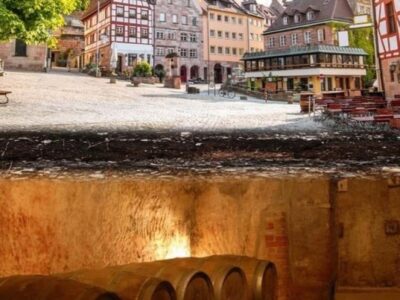
Nuremberg: WWII Tour, Courtroom 600 and 3rd Reich Sites
Read our review →
Browse the lists this tour appears in