
Review · HIROSHIMA
Hiroshima Historical Walking Tour – Why A-Bomb was Dropped
Hiroshima’s most useful question is not only what happened on August 6, 1945, but why Hiroshima was chosen. This 150-minute walk builds that answer step by step, beginning at a shrine for fallen soldiers and Hiroshima Castle, then moving toward the Atomic Bomb Dome and Peace Memorial Park.
I like the way the route links military history with human consequences, rather than treating the bombing as an isolated event. I also like the personal touch from guides such as Chihiro, Emi, and Thomas, who explain difficult subjects in clear English and often add local food tips. The main drawback is the pace: two and a half hours covers a lot, so you will get a strong framework, not every detail at each site.
Key points
- Starts at Gokoku Shrine: The opening stop places Hiroshima’s wartime identity in front of you before the tour reaches the memorial sites.
- Hiroshima Castle adds military context: You learn why the city mattered as a headquarters and military center.
- The route builds toward the bombing: Each stop helps explain Hiroshima’s selection as a target instead of beginning with the explosion alone.
- Local and international viewpoints: Guides include Hiroshima natives such as Chihiro and Emi, along with English-speaking guides from overseas.
- Ends at the Peace Memorial Museum: You can continue into the museum while the background is still fresh.
- Good value at $35: The price is modest for 150 minutes of guided history, especially if you are new to Hiroshima.
Why this Hiroshima walk is more than a memorial tour
Many people arrive in Hiroshima with a familiar image: the Atomic Bomb Dome, a river, paper cranes, and a museum filled with difficult evidence. Those sights matter, but without earlier context, the city can seem reduced to one terrible morning.
This walk takes a broader route. It shows you Hiroshima as a military city, a cultural center, and a place with a life before and after the bombing. You move from Gokoku Shrine to Hiroshima Castle, then through the modern city toward the memorial district. That order matters. It gives you time to understand Hiroshima’s role in wartime Japan before confronting the human cost.
The central question is handled as a historical problem, not a slogan. You hear about the city’s military importance, its strategic position, and the thinking that led to its selection. The tour also addresses what was destroyed, how people suffered, and how Hiroshima later shaped its public identity around peace.
I appreciate that balance. The experience does not stop at military facts, but it also does not rush past them in favor of emotion. You are given a usable framework before entering the Peace Memorial Museum.
More History Walking Tours in Japan
- Tokyo: Imperial Palace and Shogun Historical Walking Tour
★ 5.0 · 2,251 reviews - Kyoto Gion: 2-Hour Geisha Culture & History Walking Tour
★ 5.0 · 1,186 reviews - Tokyo Castle & Imperial PalaceーShogun Walking Tour
★ 4.7 · 1,068 reviews
Meeting at Gokoku Shrine, where the story begins
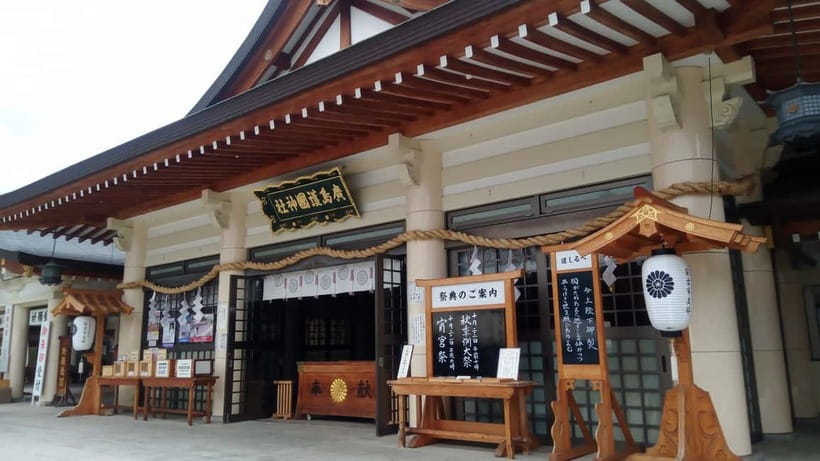
The meeting point is in front of the torii gate at Hiroshima Gokoku Shrine, near the main hall. This is a practical starting place because it immediately puts you inside one of the city’s important cultural and wartime settings.
Gokoku shrines honor those who died in military service. Beginning here helps explain the way national duty, sacrifice, and remembrance were presented in Japan before 1945. Your guide can use the shrine to introduce the wider political and military background without placing the atomic bombing in a vacuum.
This first stop also gives the tour a clear change in mood later. At the shrine, remembrance is tied to soldiers and the nation. By the end, at Peace Memorial Park, remembrance centers on civilians, victims, children, and the need to prevent another nuclear attack. The contrast is one of the most useful ideas in the walk.
Arrive ready to listen rather than simply snap a few opening photographs. The torii is easy to identify, but the meeting point is near the main hall, so check the exact location before setting out.
Hiroshima Castle and the city’s military importance
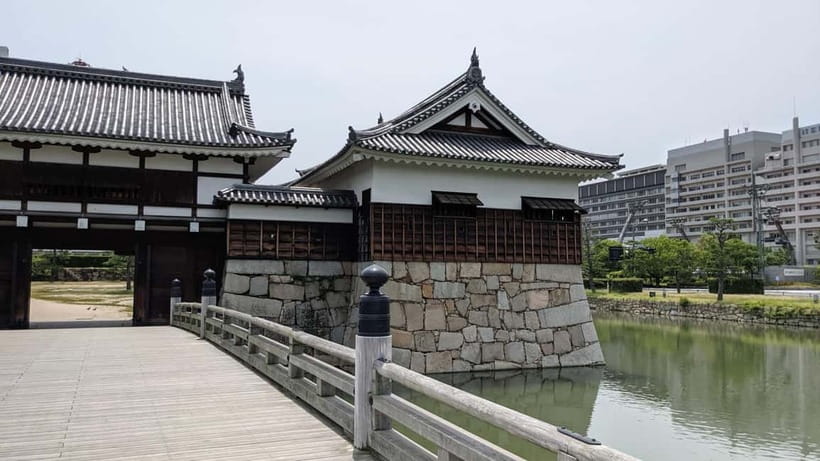
The walk continues to Hiroshima Castle, with about 20 minutes set aside for a visit and guided explanation. The castle is not simply a photogenic stop. It helps you understand why Hiroshima had military importance long before the bombing.
The tour uses the castle and its surroundings to explain Hiroshima’s role as a command and military center during World War II. That setting makes the target-selection question more concrete. Hiroshima was not chosen at random, and the castle area helps you see the city as an active wartime center rather than only as a later memorial city.
You will also hear about Hiroshima before the bomb. This is valuable because the city had its own culture, neighborhoods, institutions, and everyday life. The historical picture becomes more human when you understand that the city was not defined only by what happened to it.
The castle stop is relatively short, so do not expect a full architectural tour or a long visit inside every part of the site. Its purpose is to establish military and civic context. If you want a detailed castle visit, you would need more time on your own.
Hiroshima Gate Park and the route toward the memorial district
The next stop is Hiroshima Gate Park, where the tour spends about 30 minutes. This is a useful middle section because the walk shifts from the older military story toward the modern city and the memorial area.
Here, your guide can help connect Hiroshima’s past with the way the city was rebuilt and presented after the war. The park is also part of a route that makes the transition from historical explanation to direct remembrance less abrupt.
Several guided stops are grouped into this part of the walk, and the exact emphasis may vary with the guide. That is one reason the guide matters so much. Chihiro, Emi, and other English-speaking guides have been praised for answering side questions, explaining Japanese customs, and adding personal or family connections to Hiroshima.
The walk is not designed as a silent memorial procession. You can ask about local food, museums, restaurants, and other points of interest. Guides have also helped with restaurant suggestions after the tour, which is handy if you are using this experience to get your bearings on your first day in the city.
Same city, a different century:
- Kyoto: Fushimi Inari, Kinkakuji, Bamboo Grove 1 Day Bus Tour
★ 4.8 · 4,316 reviews - World Heritage Shirakawa-go and Experience Tours from Kanazawa
★ 5.0 · 4,049 reviews - World Heritage Kyoto & Nara Uji Authentic Matcha Experience
★ 5.0 · 1,573 reviews - Kanazawa: World Heritage Shirakawa-go Morning Guided Tour
★ 4.9 · 988 reviews
The Atomic Bomb Dome and the weight of place
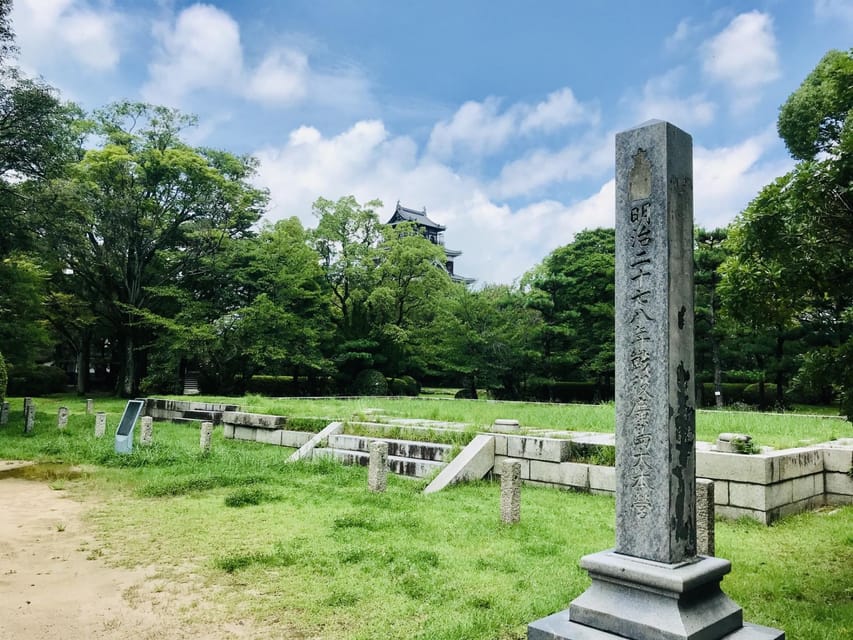
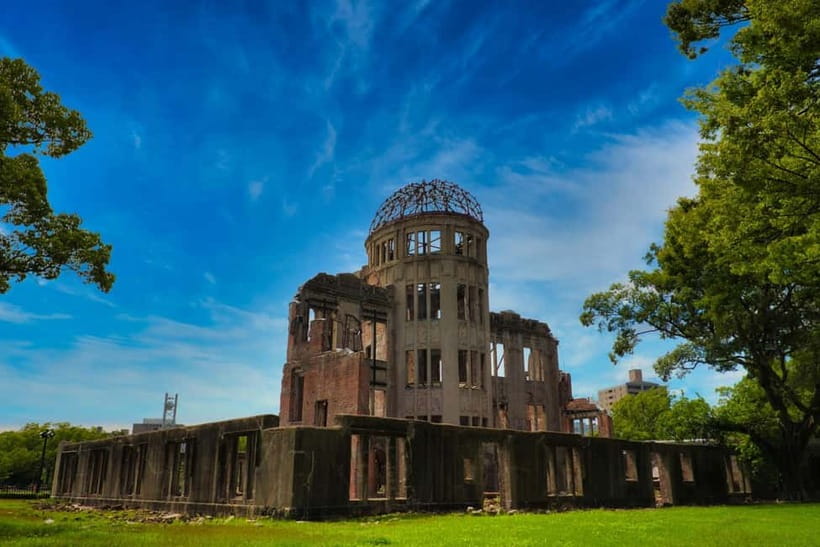
The Atomic Bomb Dome receives about 20 minutes of guided attention. This is one of Hiroshima’s most recognizable sights, but photographs alone cannot explain why it carries such force.
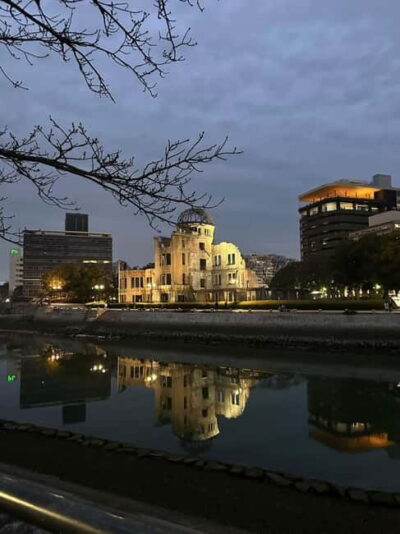
The former Hiroshima Prefectural Industrial Promotion Hall was one of the few structures near the blast area to retain part of its frame. Seeing it in person gives you a fixed point in the story. The building is not an abstract symbol on a postcard. It is a surviving structure within the city where the bombing happened.
Your guide explains the building’s place in the destruction of Hiroshima and the memorial meaning it holds today. The short stop is enough to orient you, but you may want to return later for a quieter look. The area can be emotionally heavy, especially when you begin connecting the structure with the people and neighborhoods around it.
This is also a good place to ask factual questions. The tour’s strongest feature is its effort to explain the choices and events leading to August 6, rather than treating the bomb as an unexplained act. The guide can clarify what the city was before the attack, why it was considered significant, and how the bombing changed the way Hiroshima was understood.
Peace Memorial Park, paper cranes, and a new message
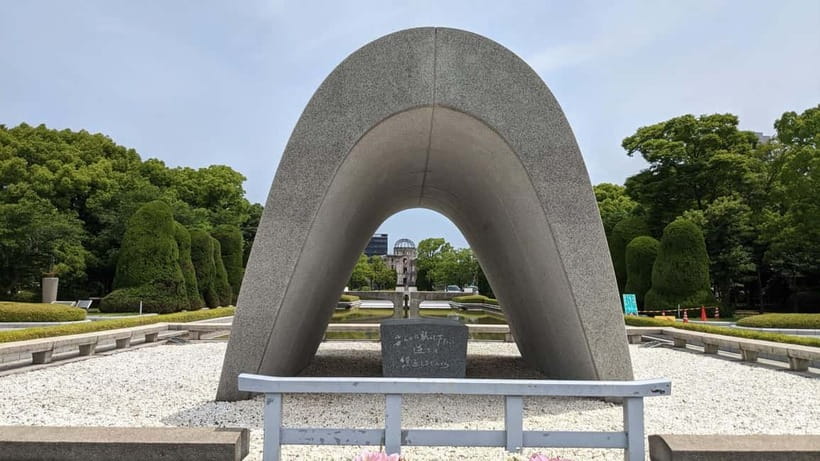
The largest section of the walk takes place in Hiroshima Peace Memorial Park, with about 30 minutes of guided explanation. This is where the military story becomes a story about ordinary people, memory, grief, and peace.
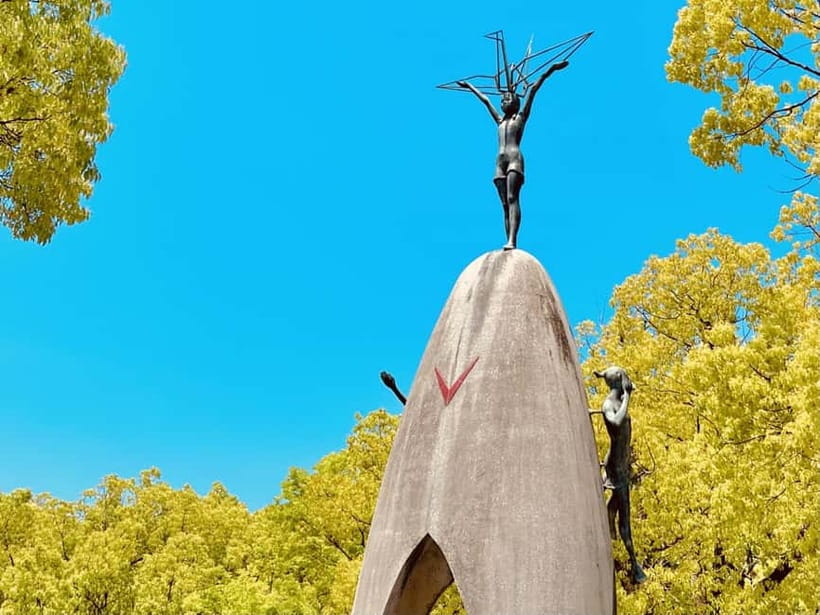
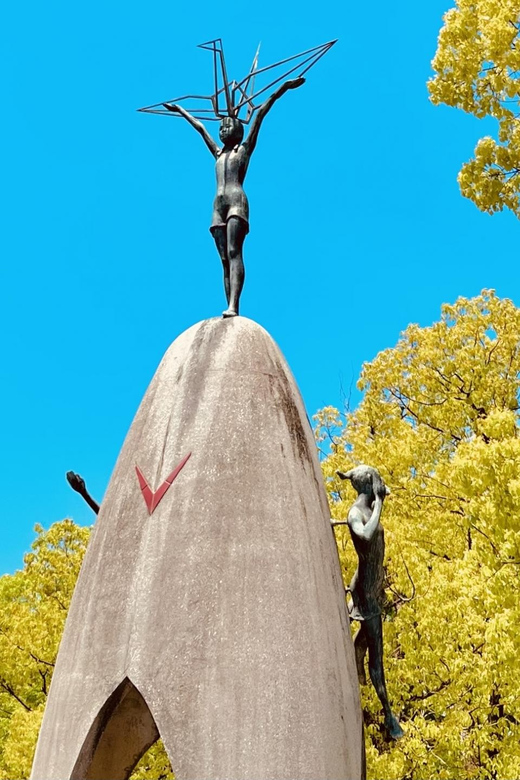
You will encounter the memorial spaces and hear about what they represent. The Children’s Peace Monument and the paper cranes are especially important. The cranes connect the bombing to the lives of children and to a continuing public wish for peace. The symbolism can feel simple at first, but your guide gives it enough background to make it more meaningful.
Some tours also include views or explanations connected with Hiroshima Orizuru Tower and the paper cranes there. The focus remains on how Hiroshima remembers the bombing and how the city communicates its message to people from around the world.
I value the balance here. The park is not presented only as a place of sorrow. The guide also explains Hiroshima’s effort to turn memory into a call for peace and reconciliation. That gives the final part of the tour a sense of purpose without making the history feel tidy or resolved.
The route includes sitting breaks according to several descriptions of the experience, but you should still wear comfortable shoes. You are walking between multiple sites for 150 minutes, and some of the stops involve standing while listening.
Finishing at the Peace Memorial Museum
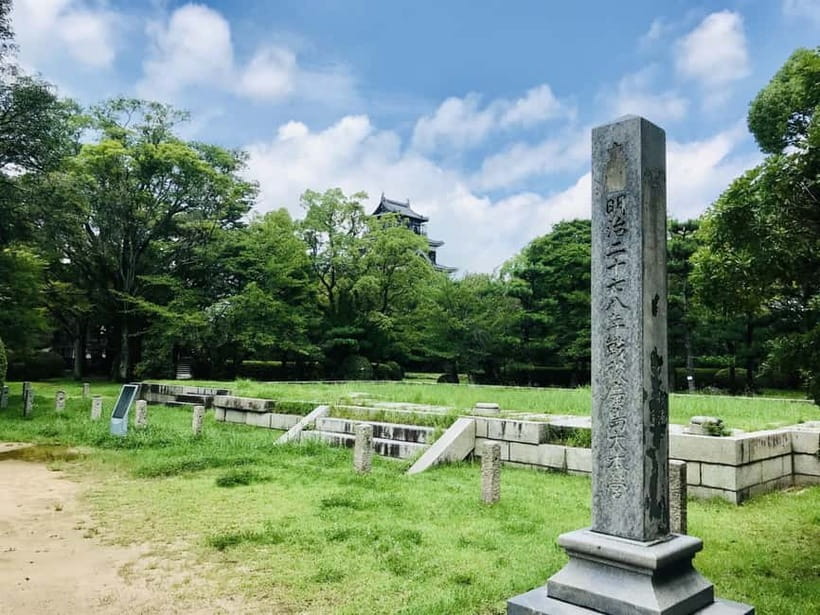
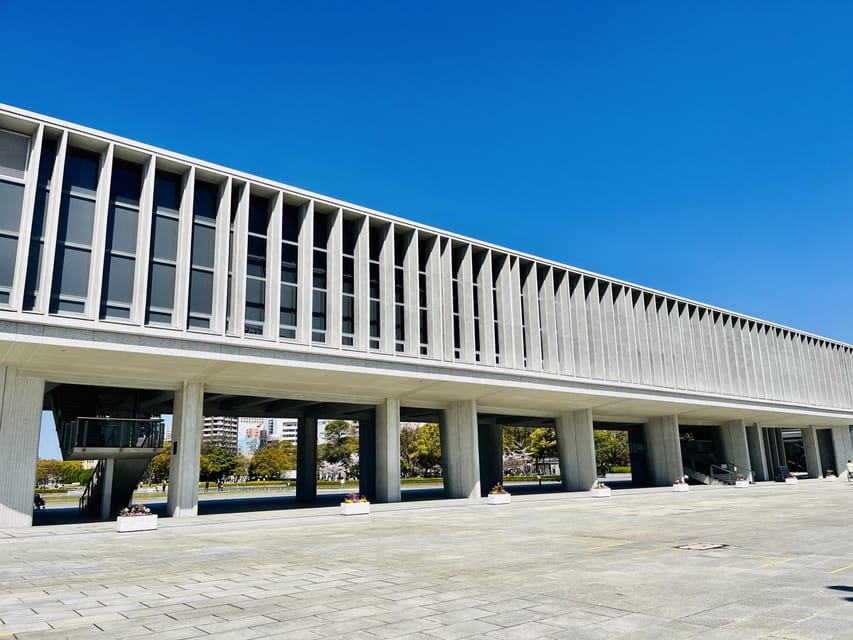
The tour ends at the Hiroshima Peace Memorial Museum, which is one of its smartest practical features. You do not have to find the museum afterward, and you arrive with a historical outline already in place.
The museum is emotionally demanding. Entering it after hearing about Hiroshima’s military role, the city’s selection, and the aftermath can help you understand the exhibits in sequence. Instead of meeting the evidence without preparation, you have already heard the larger story.
The guided walk itself does not replace the museum. It prepares you for it. The museum offers objects, photographs, personal accounts, and detailed displays that cannot be covered during a short outdoor tour. Plan enough time to visit it after the walk if your schedule allows.
Finishing at the museum also makes this a good first Hiroshima activity. You can use the guide’s explanations to decide what deserves a slower look inside, then return to the park or Dome later if you want more time.
The guides make the difficult subject easier to follow
The tour uses English-speaking guides, and the guide can shape the experience more than any individual stop. Several guides named in the tour material receive repeated praise for clear explanations and a calm approach to a painful subject.
Chihiro is a local Hiroshima guide whose family perspective and commitment to peace have added a personal layer for many groups. Emi has been described as especially strong at explaining history in excellent English, while Thomas is praised for a clear delivery, patient answers, and useful recommendations beyond the tour.
You may also meet guides with different backgrounds. Some are from Hiroshima, while others are international residents of Japan. That can be useful. A local guide may offer a family or city-based perspective, while an overseas guide may anticipate the questions that first-time visitors bring from outside Japan.
The best guide for you is not necessarily the one with the most facts. Look for someone who can explain difficult ideas plainly, answer questions without becoming defensive, and connect military decisions with real human lives. This experience appears to place strong emphasis on those qualities.
Is $35 a fair price for 150 minutes?
At $35 per person, this is a good-value introduction to Hiroshima’s main historical sites. You are paying for two and a half hours of a live English-speaking guide, not for entrance tickets, transport, or a private car.
The value comes from the order of the route and the explanations between the sights. You could walk to the castle, Dome, park, and museum yourself. What is harder to reproduce alone is the link between those places: shrine, military center, wartime target, ruined building, memorial park, and museum.
The price is especially sensible if you are visiting Hiroshima for a short stay or feel unsure how to approach the subject. Families and first-time visitors can ask questions as they go, and the clear route saves time.
The limit is depth. No 150-minute tour can explain every part of Hiroshima’s wartime history, the bombing, reconstruction, and postwar politics in full. If you already have advanced knowledge or want long periods at each monument, use this as an introduction and continue independently.
Free cancellation up to 24 hours before the start and the option to reserve now and pay later make it easier to fit into a changing Japan itinerary. Wheelchair access is also listed, though you should confirm any specific mobility needs before booking.
Who will get the most from this walk?
I would choose this tour if you want a clear starting point before visiting the museum. It suits anyone who wants to understand why Hiroshima was targeted, not only what the bombing destroyed.
It is also a good fit for families with older children and teenagers who can handle a serious subject. One family found the guide able to keep a 12-year-old engaged while still treating the history with care. That balance matters, since the tour is educational but not light entertainment.
You will probably appreciate it if you like asking questions. Guides have answered side questions about history, Japanese culture, restaurants, museums, and local food. The pace is steady, and the distance is manageable for many people, though it remains a walking tour with several outdoor stops.
I would skip it if you want a private, highly specialized military study or a long architectural visit inside Hiroshima Castle. I would also avoid booking it immediately before a tight train connection, since you should allow enough time to walk, listen, and continue into the museum without rushing.
Practical details before you book
The tour is in English and lasts 150 minutes. It begins at the torii gate of Hiroshima Gokoku Shrine near the main hall and finishes at the Peace Memorial Museum.
Wear shoes suited to city walking and bring weather protection. The experience includes outdoor sites and guided standing time, even though sitting breaks may be included. Bring questions, especially if you want help with food or other Hiroshima stops afterward.
The subject is serious. You do not need prior knowledge, but you should expect discussion of wartime decisions, mass death, family loss, and the long effects of the bombing. The guides aim for clarity and compassion, not shock for its own sake.
Should you book the Hiroshima Historical Walking Tour?
Book it if you want context before the museum, a carefully ordered route, and a guide who can explain the bombing from military, cultural, and human angles. At $35, it offers a lot of useful structure for a modest price.
The strongest reason to go is the way the walk connects Gokoku Shrine, Hiroshima Castle, the Atomic Bomb Dome, Peace Memorial Park, and the museum. You finish with more than photographs. You have a clearer sense of the city before 1945, the reasons Hiroshima was selected, and the peace message it carries today.
Skip it only if you prefer to study alone or need a much longer visit at each site. For most first-time visitors, I would take the tour early in a Hiroshima stay, then spend extra time at the museum and memorial grounds afterward.
FAQ
Where does the Hiroshima Historical Walking Tour begin?
It begins in front of the torii gate at Hiroshima Gokoku Shrine, near the main hall.
Where does the tour finish?
The tour finishes at the Hiroshima Peace Memorial Museum.
How long does the walking tour last?
The experience lasts 150 minutes, or two and a half hours.
What language is the tour conducted in?
The live guided tour is conducted in English.
How much does the tour cost?
The listed price is $35 per person.
Which places are visited?
The route includes Gokoku Shrine, Hiroshima Castle, Hiroshima Gate Park, the Atomic Bomb Dome, Peace Memorial Park, and the area of the Peace Memorial Museum.
Does the tour explain why the atomic bomb was dropped on Hiroshima?
Yes. The tour explains Hiroshima’s military role, the strategic reasons connected with its selection, and the human and cultural effects of the bombing.
Is the Peace Memorial Museum included as a guided visit?
The tour finishes at the Peace Memorial Museum. The guided route prepares you for the museum, but the provided information does not state that museum admission is included.
Can I cancel for a full refund?
You can cancel up to 24 hours in advance for a full refund.
Is the tour wheelchair accessible?
Yes, the activity is listed as wheelchair accessible.
Just added around Japan
- [30 minutes] Rickshaw tour around Asakusa [History, sightseeing, Tokyo Skytree]★ 5.0 · 38 reviews
- Private sake pairing@ancient underground★ 5.0 · 27 reviews
- Tokyo: Asakusa & Sensoji ー Oldest Temple Walking Tour (2hrs)★ 5.0 · 213 reviews
- Tokyo: Edo Castle & East Garden of the Imperial Palace Tour★ 4.7 · 112 reviews
- Tokyo: Imperial Palace, the history of Japan (ENGLISH GUIDE)★ 5.0 · 77 reviews
- Tokyo: Customized Private Historical Guided Photoshoot Tour★ 5.0 · 25 reviews
- Osaka: Dark Side of Osaka Night Walking Tour★ 4.9 · 89 reviews
- Osaka: Osaka Castle & Historical Museum Guided Tour★ 4.8 · 28 reviews
Hiroshima History Tours, compared.
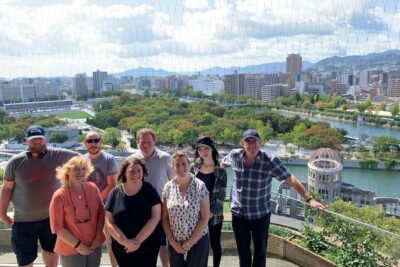
Hiroshima Peace (Heiwa) Walking Tour at World Heritage Sites
Read our review →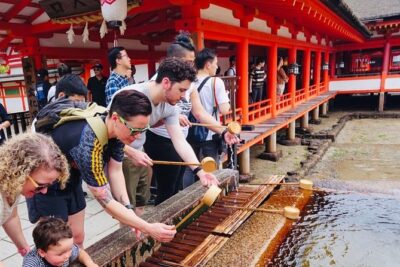
Miyajima Half-day Trip Historical Walking Tour
Read our review →
Hiroshima: History of Hiroshima Group Walking Tour
Read our review →
Hiroshima: Peace Walking Tour of World Heritage Sites
Read our review →
Hiroshima: Miyajima Half-day Historical Walking Tour
Read our review →
Hiroshima & Miyajima Island Private Tour: History & Culture
Read our review →Browse the lists this tour appears in