
Review · HIROSHIMA
Hiroshima: History and Hidden Gems Tour
Hiroshima’s most important sights are close enough to connect on foot, but they make more sense when someone explains the stories between them. This tour begins at the Peace Memorial Museum and moves through the park’s memorials, the Atomic Bomb Dome, Aioi Bridge, Hiroshima Castle, and Shukkeien Garden. It is less a checklist of sights than a guided lesson in how Hiroshima remembers, rebuilds, and lives today.
I like two things especially. First, guide Awais adjusts the pace and route to the group, shortening the museum visit when needed or spending more time on the sites that matter most to you. Second, the walk includes small memorials and overlooked corners that are easy to miss when you visit alone. The main consideration is time: three hours can pass quickly, and several people found the tour ran longer when the group wanted to see everything.
Key points to know before booking
- Start with Hiroshima’s hardest history: The Peace Memorial Museum and park provide the emotional center of the walk.
- See more than the Atomic Bomb Dome: The route includes the Children’s Peace Monument, Korean Atomic Bomb Victims Cenotaph, Aioi Bridge, and other memorial sites.
- Guide Awais sets the tone: He explains World War II and the atomic bombing in clear English, with a calm and compassionate approach.
- Expect plenty of walking: Comfortable shoes matter, and the route works best for people who enjoy seeing a city on foot.
- The route can bend around your needs: Rain, tired feet, previous visits, and different interests can all shape the experience.
- Budget about three hours, possibly more: The advertised duration is three hours, but a slower museum visit or extra garden time may extend the outing.
Why this Hiroshima walk works so well
Hiroshima can be visited independently, but the Peace Memorial Park is not a place where a map tells the whole story. A guide helps you connect monuments, names, dates, and personal accounts without reducing the experience to a string of facts.
This tour is particularly useful if you want a clear introduction in English. Awais explains the city’s past, the effects of the atomic bombing, and aspects of Japanese culture and present-day Hiroshima. His approach, based on the experience described by many participants, is patient and open to questions rather than rushed.
The tour has a strong emotional center, but it is not limited to tragedy. You move from memorial spaces into historic parts of the city, then toward Japanese garden scenery. That contrast matters. You see Hiroshima as a living city, not only as the site of one terrible event.
The price is $57 per person. That is fair value if you want guided interpretation at the museum and park, plus an introduction to several other major sights. A self-guided visit costs less, but you would need to organize the route and piece together the meaning of the memorials yourself. The value here is the guide’s time, context, flexibility, and local suggestions.
More History Tours in Japan:
- World Heritage Shirakawa-go and Experience Tours from Kanazawa
★ 5.0 · 4,049 reviews - Tokyo: Imperial Palace and Shogun Historical Walking Tour
★ 5.0 · 2,251 reviews - World Heritage Kyoto & Nara Uji Authentic Matcha Experience
★ 5.0 · 1,573 reviews
Starting at the Peace Memorial Museum
The meeting point is the Hiroshima Peace Memorial Museum, though you can request another meeting point. Starting here puts the most important material first: survivor accounts, personal belongings, photographs, and explanations of the bombing and its aftermath.
The museum can be difficult emotionally. Give yourself room to pause. You are not simply looking at exhibits about military history. The displays focus on individual lives and the human cost of the attack, which makes the visit personal and sobering.
The tour information allows for both a guided and self-guided museum visit. That gives you some control over the pace. If you want to read every panel, three hours may feel tight. If you prefer a shorter museum visit followed by outdoor sites, Awais can adjust the plan. Several groups used that flexibility to spend less time inside and still see the main memorials outside.
The advertised benefit of skipping the ticket line can save useful time, especially when the museum is busy. Admission details should be checked when you book, since the activity information separately lists the guide and historical tour among the inclusions.
Walking through Peace Memorial Park
After the museum, the route continues through Peace Memorial Park. This broad, open area contains the city’s central memorials and gives you time to process what you have seen indoors.
The park is not one single monument. It is a sequence of places, each with its own purpose. The Hiroshima National Peace Memorial, the Children’s Peace Monument, the Atomic Bomb Memorial Burial Mound, and the Korean Atomic Bomb Victims Cenotaph bring different groups and stories into view.
The Children’s Peace Monument is closely associated with children affected by the bombing and with the paper crane tradition. You will hear the story as part of the guided walk, rather than encountering the monument as a photo stop with no context.
The Atomic Bomb Memorial Burial Mound is another place where the scale of the loss becomes clearer. The name is plain, but the meaning is heavy. A guide helps explain why this modest-looking site matters and how it fits into the wider memorial park.
The Korean Atomic Bomb Victims Cenotaph adds another necessary perspective. It reminds you that the bombing affected people from beyond Hiroshima and Japan. Including it makes the tour’s account less narrow and more honest.
Aioi Bridge and the Atomic Bomb Dome
Aioi Bridge is one of the key points along the walk. Its location helps explain the bombing’s target area and gives you a physical reference for understanding the city’s geography.
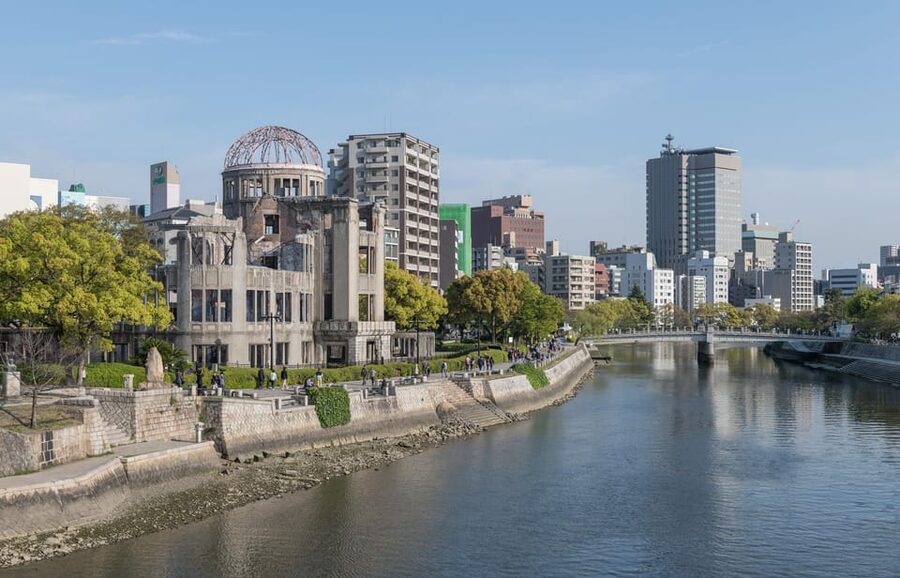
The Atomic Bomb Dome needs little introduction, but seeing it after walking through the park changes the experience. Its damaged frame is familiar from photographs, yet its position beside the river and modern Hiroshima makes the contrast sharper.
Awais connects the surviving structure with the surrounding memorial sites and the city’s rebuilding. You are not left to take a quick photograph and move on. The tour places the Dome within a sequence of places, including the museum, bridge, burial mound, and memorials.
The route may include repeated attention to some memorial areas, depending on the group’s interests and the exact path taken. That is useful for a first visit, though anyone hoping to cover every major Hiroshima attraction in one morning should keep expectations realistic. This is a focused historical walk, not a full city tour.
Same city, a different century:
- Kyoto: Fushimi Inari, Kinkakuji, Bamboo Grove 1 Day Bus Tour
★ 4.8 · 4,316 reviews - Kyoto Gion: 2-Hour Geisha Culture & History Walking Tour
★ 5.0 · 1,186 reviews - Tokyo Castle & Imperial PalaceーShogun Walking Tour
★ 4.7 · 1,068 reviews - Kanazawa: World Heritage Shirakawa-go Morning Guided Tour
★ 4.9 · 988 reviews
Hiroshima Castle and Shukkeien Garden
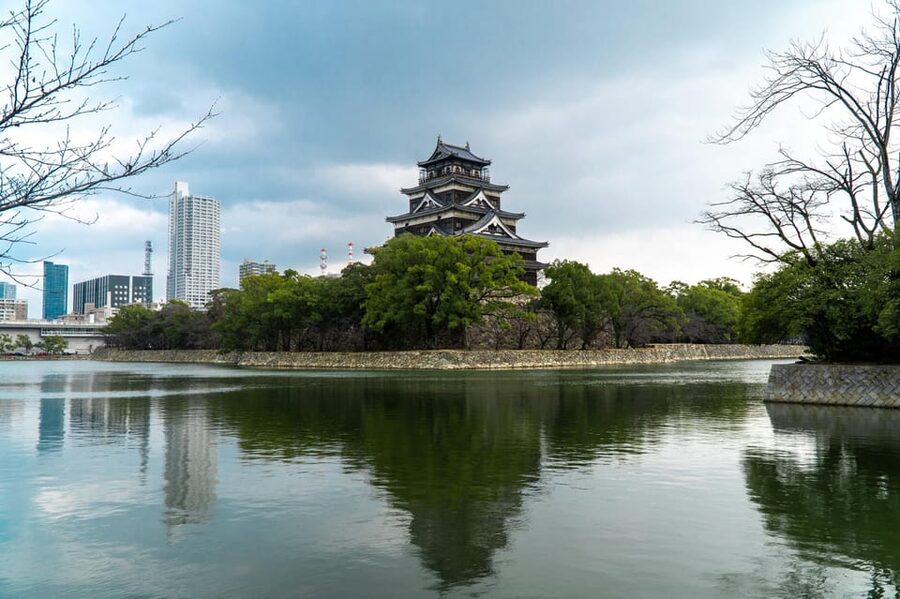
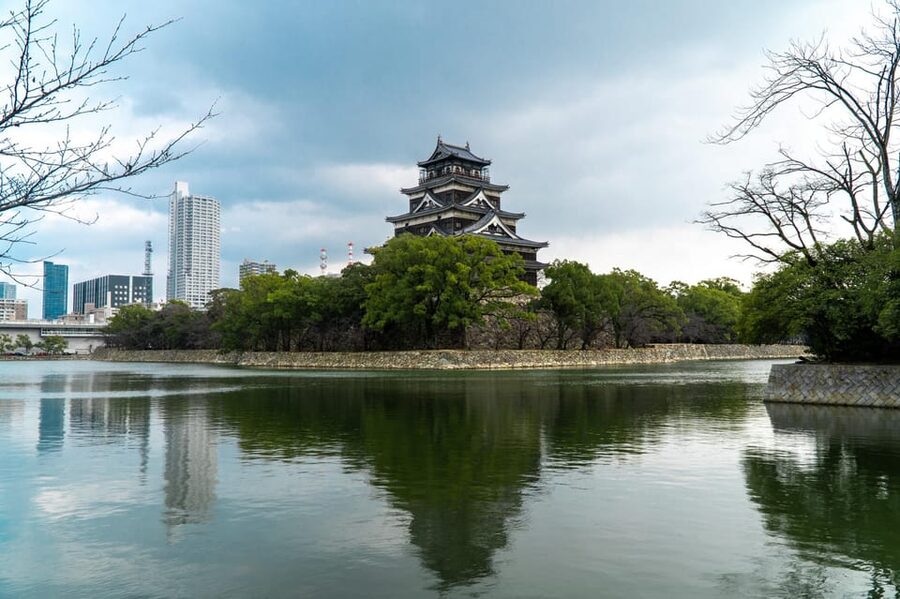
The plan then turns toward Hiroshima Castle, one of the city’s best-known historic sites. The castle gives the walk a different frame, shifting from twentieth-century war memory to older regional history and Japanese architecture.
The activity description says the tour heads inside to view the castle’s displays rather than waiting outside. This is a useful detail for anyone who wants more than a quick exterior photograph. Still, your actual time inside may depend on the pace of the earlier museum and park visits.
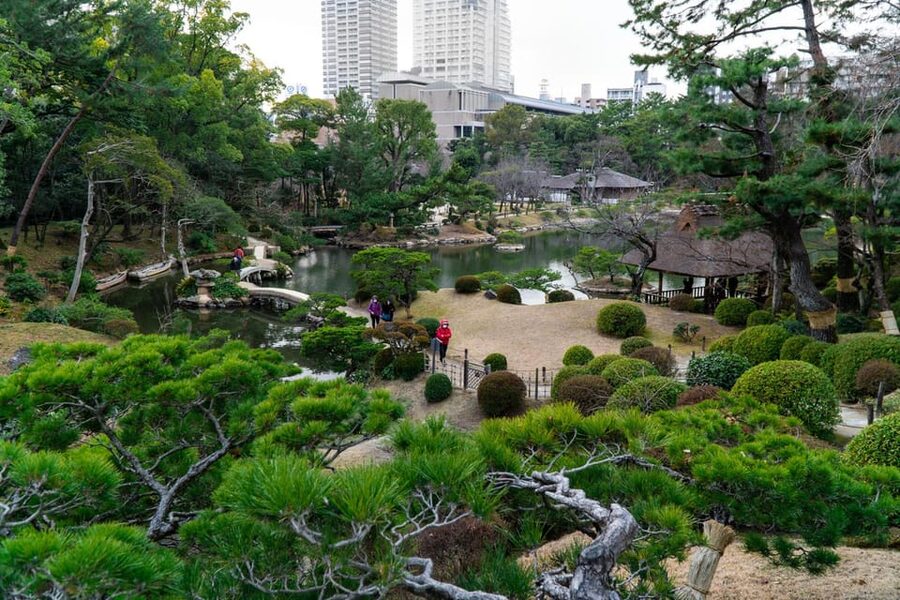
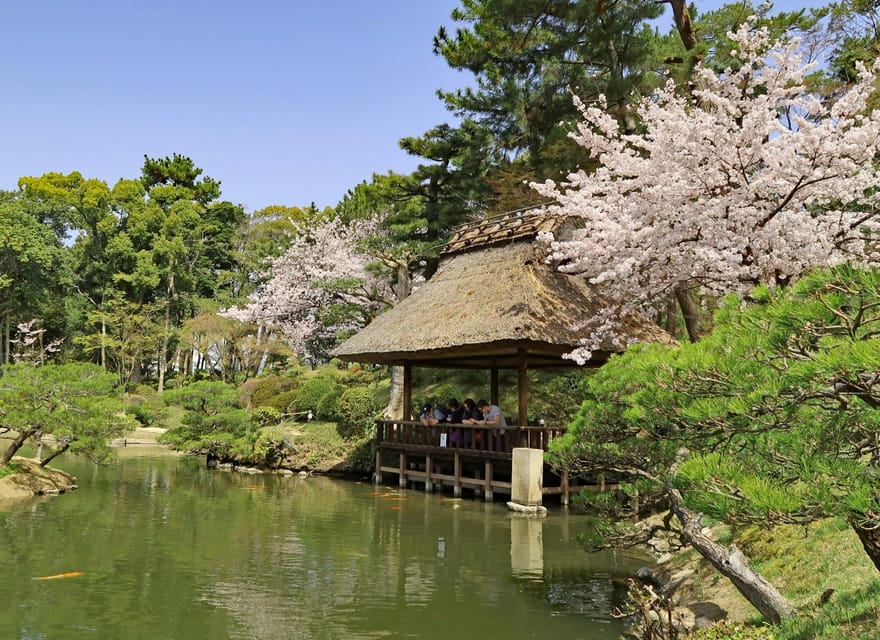
Shukkeien Garden provides the gentlest ending. Dating from the sixteenth century, it offers ponds, bridges, planted areas, and carefully arranged views. The garden gives you a glimpse of an older Japanese aesthetic, and its quiet setting contrasts strongly with the memorial park.
Several participants singled out the garden as a favorite part of the day. That makes sense: after the intense museum and memorials, the garden gives you space to breathe while still adding historical and cultural depth.
The listed drop-off points are Shukkeien Garden and the Hiroshima Peace Memorial Museum. If you have onward plans, ask Awais how much time the castle and garden will require. The standard duration is three hours, but groups that stop for photographs, ask questions, or spend longer in the garden may finish later.
A guide who adjusts the day around you
The strongest feature of this experience is the guide’s flexibility. Awais has adapted the route for rain, tired feet, previous visits, different interests, and tighter schedules.
One group shortened its museum time so it could focus on the outdoor memorials. Another had already visited the Hall of Remembrance, so the route changed. Some groups were small enough to feel close to a private tour, while others simply appreciated the chance to ask questions as they walked.
That flexibility is valuable in Hiroshima because the subject matter affects people differently. You may want more time indoors. You may need a pause after the museum. Or you may prefer to keep moving and learn through the outdoor sites. Awais’s approach allows those choices.
The guide also shares suggestions for the rest of your stay. That can include places to visit around Hiroshima and Miyajima, along with local food or cultural ideas. This is one reason I would schedule the tour early in your visit, if possible. You can use those recommendations for the rest of your time in the city.
The English is described as clear and fluent, which matters when the subject includes dates, names, and sensitive political history. Awais also makes room for questions and explains difficult topics in a balanced, compassionate way.
Walking conditions, weather, and comfort
You should expect plenty of walking. The pace is generally manageable, and the route can be modified, but this is not a vehicle-based sightseeing tour. Wear comfortable shoes, bring a hat and sunscreen, and dress for the weather.
Rain does not automatically ruin the outing. Awais has adjusted the route during heavy rain and found sheltered places when possible. Still, you should bring weather-appropriate clothing rather than count on ideal conditions.
The tour is wheelchair accessible, but the exact route and any interior access may still be worth confirming when you book. The park and major sights are spread across a walkable area, and the guide can discuss practical adjustments with you.
A short break may help, especially after the museum. You can ask for one if needed. One outdoor stop even ended with a courtesy coffee at a small local place, though that should not be treated as a guaranteed part of every tour.
Who will get the most from this tour
I would recommend this experience to first-time visitors who want Hiroshima’s major memorial sites explained in a clear order. It also suits families with older children and teenagers, since the guide can answer questions and adjust the pace.
History-focused visitors will get the most from the museum, memorials, and discussions of World War II. People interested in architecture and gardens will appreciate the change of mood at Hiroshima Castle and Shukkeien Garden.
This tour also works well for solo visitors. A solo booking may become a very small group, giving you more chances to ask questions and shape the route. Couples and families can benefit in the same way.
You may want a different plan if you dislike walking, want a strictly timed itinerary, or prefer to explore the museum alone for several hours. The tour can be adjusted, but it still tries to cover many sites in a limited period. If you want a slow, quiet museum visit, book extra time before or after the walk.
Practical value at $57
At $57, this is not the cheapest way to see Hiroshima. You can walk through Peace Memorial Park independently and visit the public sights on your own. The difference is the quality of explanation and the ease of moving between places.
The fee makes the most sense if you value an English-speaking guide, want help with the emotional and historical context, and hope to see more than the Atomic Bomb Dome. The castle, garden, smaller memorials, and local suggestions add useful variety.
It is also good value for a flexible private-style experience if your group is small. Several outings became longer or more personal because Awais stayed with the group and adapted the route. That extra time is welcome, but it means you should not schedule a train, meal, or reservation immediately after the advertised end.
Free cancellation up to 24 hours before the tour and reserve-now-pay-later booking make it easier to fit into a changing Japan itinerary. The activity is offered in English, with starting times dependent on availability.
Should you book the Hiroshima History and Hidden Gems Tour?
Book it if you want Hiroshima’s central memorials explained by a patient guide, and if you like the idea of adding a castle and traditional garden to the same walk. Awais’s flexibility is especially useful when the weather changes, your group has different energy levels, or you have already seen one of the listed sites.
The tour is best for a thoughtful first look at Hiroshima, not for a rushed photo circuit. Allow at least three hours, wear good shoes, and leave extra time if you want to ask questions or linger at the museum and garden.
I would choose this tour early in a Hiroshima stay. It gives you the historical foundation first, then leaves you with practical ideas for the rest of the city. If you want context, human stories, and a route that can respond to your needs, the $57 price is justified.
FAQ
Where does the Hiroshima walking tour begin?
The usual starting point is the Hiroshima Peace Memorial Museum. Guests can request a different meeting point.
How long does the tour last?
The advertised duration is three hours. You should allow extra time if your group spends longer at the museum, asks many questions, or visits the garden at a slower pace.
What language is the tour offered in?
The tour is offered in English with a live English-speaking guide.
Which major sights are included?
The route includes the Peace Memorial Museum, Peace Memorial Park, Hiroshima National Peace Memorial, Children’s Peace Monument, Atomic Bomb Memorial Burial Mound, Aioi Bridge, Korean Atomic Bomb Victims Cenotaph, Atomic Bomb Dome, Hiroshima Castle, and Shukkeien Garden.
Is the tour wheelchair accessible?
Yes, the activity is listed as wheelchair accessible. You can contact the provider to discuss the route and any specific access needs.
What should I bring?
Bring comfortable shoes, a hat, sunscreen, and clothing suited to the weather. The tour involves walking outdoors.
Can I cancel or pay later?
You can cancel up to 24 hours in advance for a full refund. The reserve-now-pay-later option lets you book without paying on the day of reservation.
Just added around Japan
- Private sake pairing@ancient underground★ 5.0 · 27 reviews
- Tokyo: Asakusa & Sensoji ー Oldest Temple Walking Tour (2hrs)★ 5.0 · 213 reviews
- [30 minutes] Rickshaw tour around Asakusa [History, sightseeing, Tokyo Skytree]★ 5.0 · 38 reviews
- Tokyo: Edo Castle & East Garden of the Imperial Palace Tour★ 4.7 · 112 reviews
- Tokyo: Imperial Palace, the history of Japan (ENGLISH GUIDE)★ 5.0 · 77 reviews
- Tokyo: Customized Private Historical Guided Photoshoot Tour★ 5.0 · 25 reviews
- Osaka: Dark Side of Osaka Night Walking Tour★ 4.9 · 89 reviews
- Osaka: Osaka Castle & Historical Museum Guided Tour★ 4.8 · 28 reviews
Hiroshima History Tours, compared.
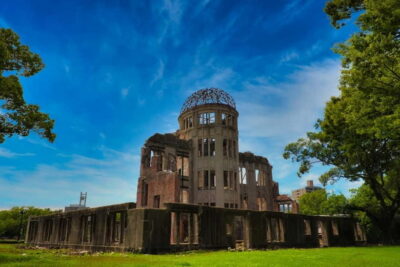
Hiroshima Historical Walking Tour – Why A-Bomb was Dropped
Read our review →
Hiroshima Peace (Heiwa) Walking Tour at World Heritage Sites
Read our review →
Miyajima Half-day Trip Historical Walking Tour
Read our review →
Hiroshima: History of Hiroshima Group Walking Tour
Read our review →
Hiroshima: Peace Walking Tour of World Heritage Sites
Read our review →
Hiroshima: Miyajima Half-day Historical Walking Tour
Read our review →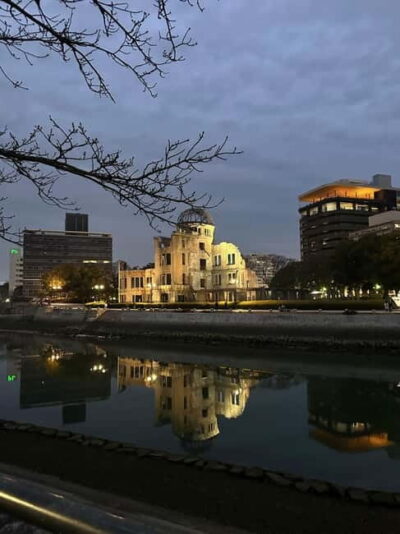
Hiroshima & Miyajima Island Private Tour: History & Culture
Read our review →Browse the lists this tour appears in