
Review · KYOTO
Kyoto: Historic Higashiyama Walking Tour
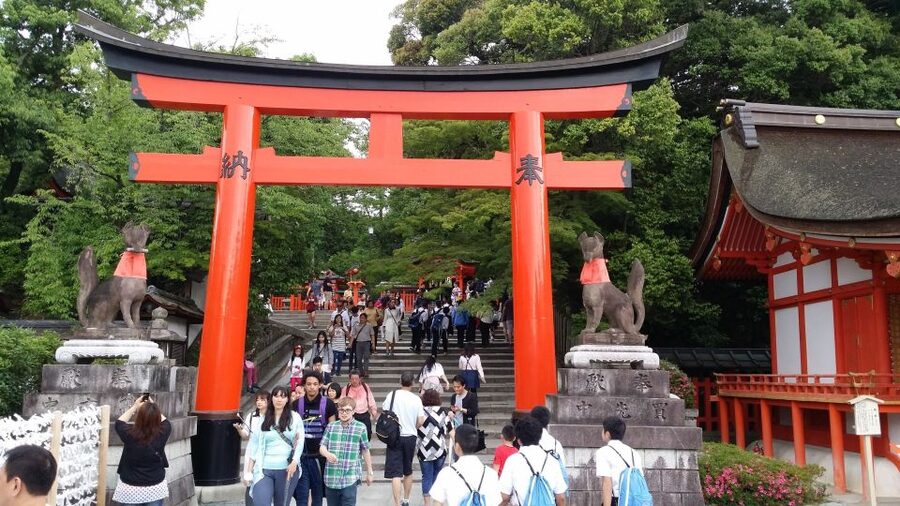
Fushimi Inari’s tunnel of red torii gates is the star here, but the real strength of this tour is the way it links several Kyoto essentials into one walk. You move from Shinto worship at Fushimi Inari to Gion’s traditional entertainment quarter, then into the temple lanes of Higashiyama and up to Kiyomizu-dera.
I like the small group limit of 10, which gives you a better chance to ask questions and hear the guide. I also like that admission to Kodaiji and Kiyomizu-dera, plus the train ride to Gion, are included. The catch is simple: this is a four-hour walk with steps, hills, and plenty of standing, so comfortable shoes are not optional.
Key points to know before booking
- Fushimi Inari comes first, with about an hour among the famous vermilion torii gates and shrine grounds.
- The route connects major sights efficiently, using a short train ride from Fushimi Inari to Gion.
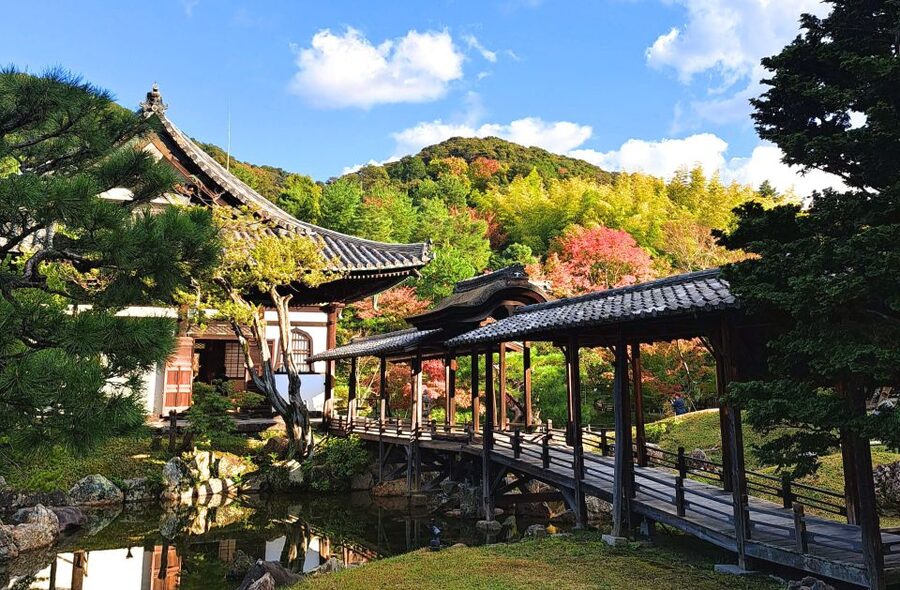
- Kodaiji offers a quieter break, with gardens and a bamboo grove included in the visit.
- Sannenzaka gives you time for snacks and souvenirs, though the uphill lanes can be tiring.
- Kiyomizu-dera admission is included, and the tour ends there so you can stay in the area afterward.
- Guides may include Hugo, Damian, Ferdinand, or Lito, with tours offered in English, French, Hebrew, and Spanish.
Why this four-hour route works
Kyoto can feel scattered at first. Fushimi Inari is south of central Kyoto, Gion lies farther north, and Kiyomizu-dera sits up on the eastern hills. This tour solves that geography problem by arranging the sights in a sensible order.
You start at JR Inari Station, visit the shrine, take the train to Gion, and then continue on foot through Higashiyama. That means you spend your time seeing places rather than figuring out which platform, lane, or temple entrance comes next.
The pace is active but not described as especially demanding. You will walk uphill, climb steps, and cover uneven streets. The route suits you best if you can comfortably manage four hours on your feet. Large luggage is not allowed, so leave suitcases at your hotel or in suitable storage before arriving.
The small group format is useful in Kyoto. Guides such as Damian have been praised for explaining Japanese history, customs, and religion in a way that connects the sites. Lito has also been noted for keeping younger members involved with stories about temple rituals, wishes, and luck. Your exact guide may differ, but the format gives you a more personal experience than a large coach tour.
More History Walking Tours in Japan
- Tokyo: Imperial Palace and Shogun Historical Walking Tour
★ 5.0 · 2,251 reviews - Kyoto Gion: 2-Hour Geisha Culture & History Walking Tour
★ 5.0 · 1,186 reviews - Tokyo Castle & Imperial PalaceーShogun Walking Tour
★ 4.7 · 1,068 reviews
Meeting at Fushimi Inari Taisha
Meet just outside the fare gates of JR Inari Station. This is a practical starting point because the station sits directly by Fushimi Inari Taisha, but pay attention to the rail line you use. Depending on your location in Kyoto, the Keihan line may be convenient, followed by a short walk to the JR station.
Do not confuse JR Inari Station with the broader Kyoto Station area. Build in enough time to reach the correct station and be outside the ticket gates at the meeting time. The activity information does not specify a single starting time, so you need to check availability for the day you want.
The tour begins with a guided visit of about an hour. That is enough time to understand the shrine and walk through part of its famous torii route without spending the entire day on the mountain.
Walking beneath Fushimi Inari’s red torii
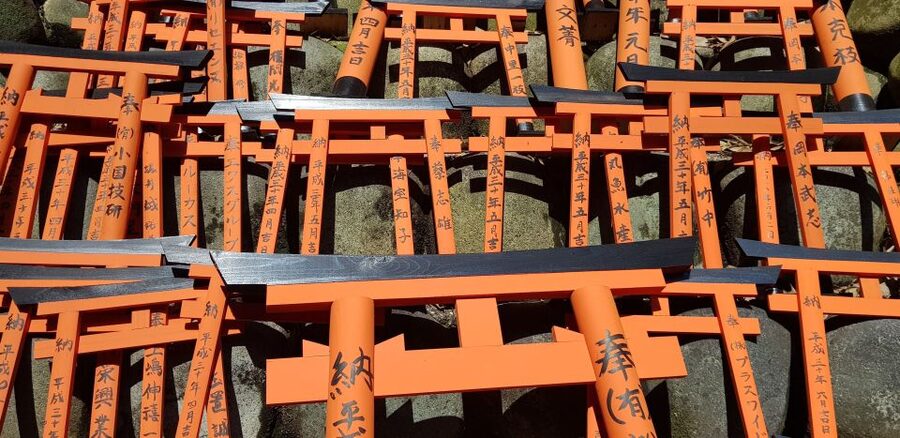
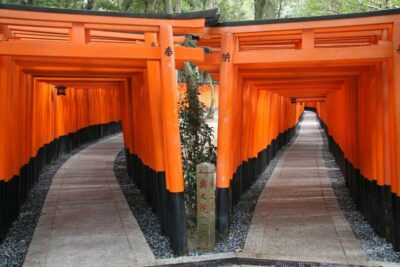
Fushimi Inari Taisha is famous for its long lines of vermilion torii gates. They climb into the wooded foothills of the Higashiyama range, creating one of Kyoto’s most recognizable scenes.
The gates were donated over time by individuals and businesses, and the shrine is linked with Inari, a Shinto deity associated with rice, agriculture, and business prosperity. Fox figures appear around the shrine because foxes are considered messengers of Inari. A guide can add useful context here, since the site is more than a photogenic path.
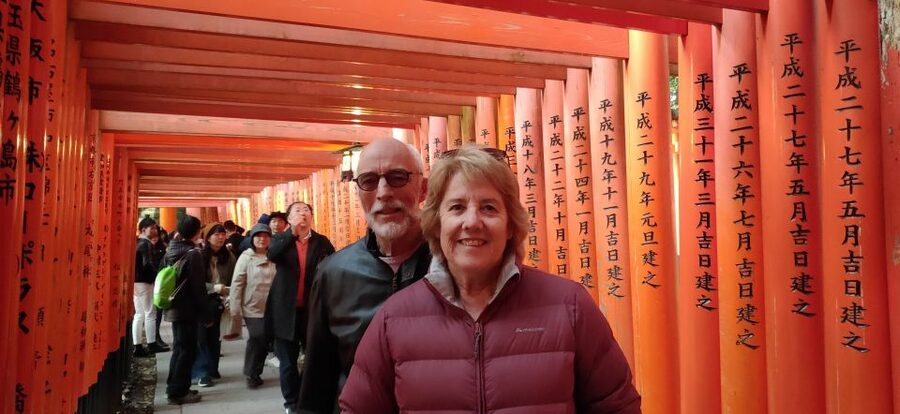
You will pass through the Senbontorii, or thousand torii, area. The route is atmospheric and often crowded, especially around the lower section. A guide helps you keep moving while pointing out the difference between the shrine buildings, worship practices, and mountain path.
The tour does not promise a complete climb to the summit, and the one-hour visit suggests a focused introduction rather than a full mountain hike. That is a fair trade for this itinerary. You get the essential experience at Fushimi Inari and still have time for Gion, Kodaiji, and Kiyomizu-dera.
If you want a long, quiet hike through the entire shrine complex, this tour may feel too brief. If you want to understand why Fushimi Inari matters and see the famous gates before continuing through Kyoto, the timing makes sense.
Taking the train from Fushimi Inari to Gion
The included train ticket from Fushimi Inari to Gion is a small but useful part of the tour. You avoid arranging this transfer yourself, and the short ride breaks up the walking route.
The train also shows how the districts fit together. You move from a major Shinto shrine at the foot of the hills into Gion, a district known for traditional entertainment and geisha culture. Gion is not a museum set aside for tourists. It remains part of modern Kyoto life, which is why a guide’s explanation matters.
The walking visit in Gion lasts about 30 minutes. Expect stories about the district, its entertainment traditions, and the difference between what you see in public streets and what takes place behind closed doors. Keep your camera respectful, especially around working establishments and people going about their day.
This is an introduction rather than an evening entertainment experience. The tour does not include dinner, a performance, or food. You get the setting and background, then continue into Higashiyama.
Same city, a different century:
- Kyoto: Fushimi Inari, Kinkakuji, Bamboo Grove 1 Day Bus Tour
★ 4.8 · 4,316 reviews - World Heritage Shirakawa-go and Experience Tours from Kanazawa
★ 5.0 · 4,049 reviews - World Heritage Kyoto & Nara Uji Authentic Matcha Experience
★ 5.0 · 1,573 reviews - Kanazawa: World Heritage Shirakawa-go Morning Guided Tour
★ 4.9 · 988 reviews
Gion and the route into Higashiyama
Gion gives you a change of mood after Fushimi Inari. The shrine has a strong religious presence, while Gion introduces the social and artistic side of Kyoto’s traditional culture.
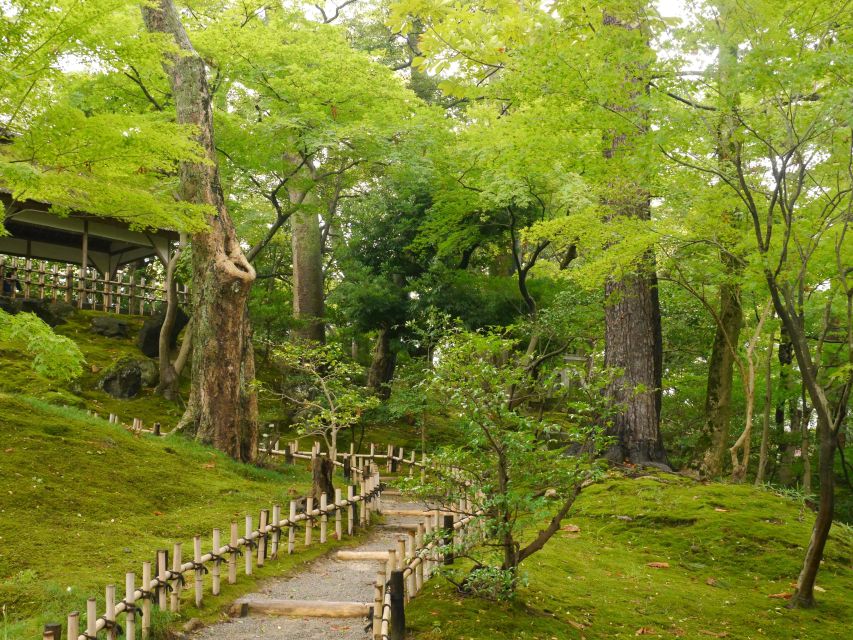
From here, the tour moves toward Higashiyama’s older streets. Higashiyama means East Mountain, referring to the range along Kyoto’s eastern edge. The district is full of wooden buildings, temple approaches, narrow lanes, and small shrines.
One advantage of walking with a guide is that the route can include places you might pass without noticing. Damian has been praised for showing small shrines away from the main path, while other guides have adjusted the walk to suit the group’s energy. That flexibility matters in hot and humid weather, when the hills and stairs can wear you down.
The tour does not include food or drinks, so carry water and budget for your own snacks. You will have opportunities to buy food and souvenirs along Sannenzaka, but these purchases are separate from the tour price.
Kodaiji Temple and its quiet gardens
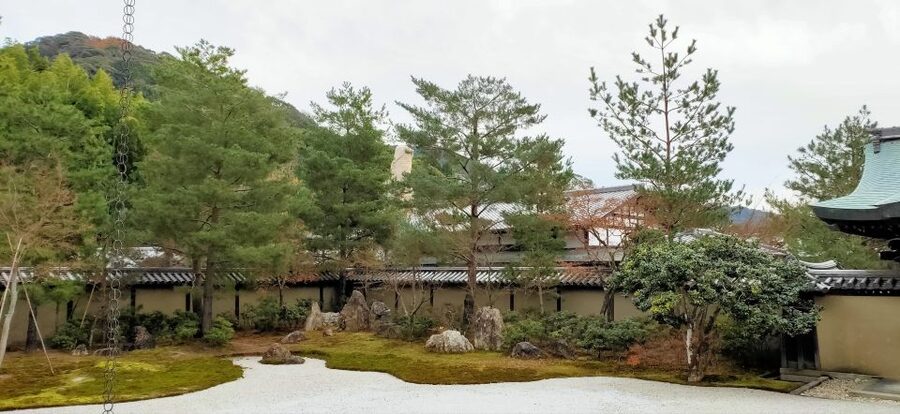
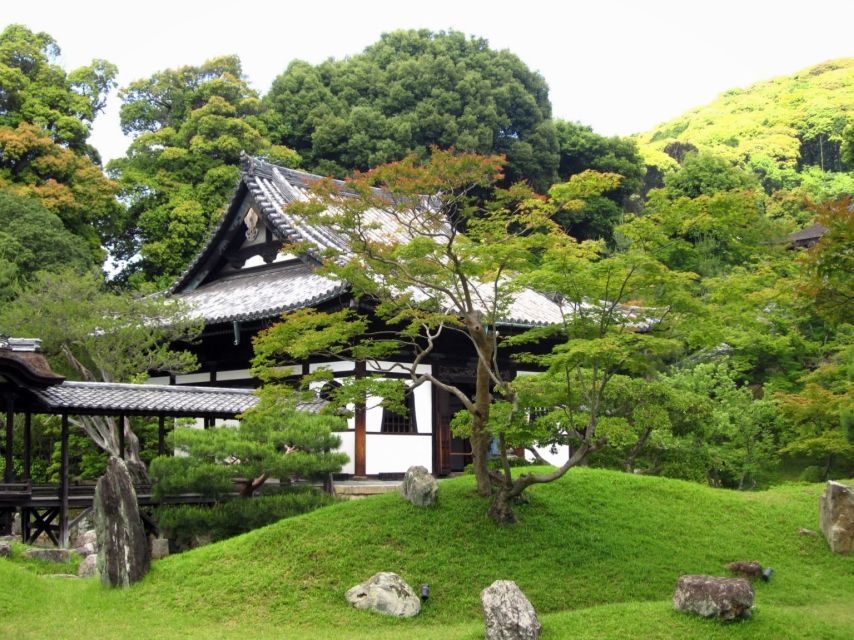
Kodaiji is the calm center of the route. The temple complex dates to the early 17th century and is known for its gardens and bamboo grove. Admission is included, which saves you from paying separately at the entrance.
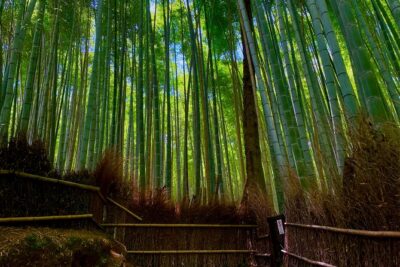
After the movement of Fushimi Inari and Gion, Kodaiji gives you room to slow down. The gardens and temple grounds offer a more peaceful setting, and the bamboo grove provides a change from Kyoto’s busy main sights.
The guided portion lasts about 40 minutes. That is enough for an overview of the temple’s story, layout, and religious role, while still keeping the day moving. You will not have unlimited time to wander every corner, so listen closely during the explanation and use any free moments for your own photographs.
Kodaiji is also where the tour earns part of its price. You are not simply walking past the temple gates. Your admission is covered, and the guide gives the site a place within Kyoto’s wider story.
Sannenzaka, snacks, and the uphill walk
The route then follows Sannenzaka and nearby Higashiyama lanes toward Kiyomizu-dera. This is one of the most pleasant parts of the walk if you enjoy browsing small shops, traditional sweets, and souvenir stalls.
Sannenzaka is also one of the places where the practical side of the tour becomes clear. The lanes rise toward the temple, and the old paving can be tiring after several hours of walking. You may want to buy a snack here, but do not linger too long if you want enough energy for Kiyomizu-dera.
The route is not described as exceptionally steep or demanding, but it is not flat. If you have mobility limitations, this activity is not suitable. If you tire easily, tell your guide early. A guide such as Damian has adjusted the pace and route when heat and humidity became a problem for a participant.
Wear shoes with good support. Sandals or stiff new shoes could make the final section unpleasant. Keep your day bag small, since large luggage is not allowed.
Kiyomizu-dera and the Otowa Waterfall
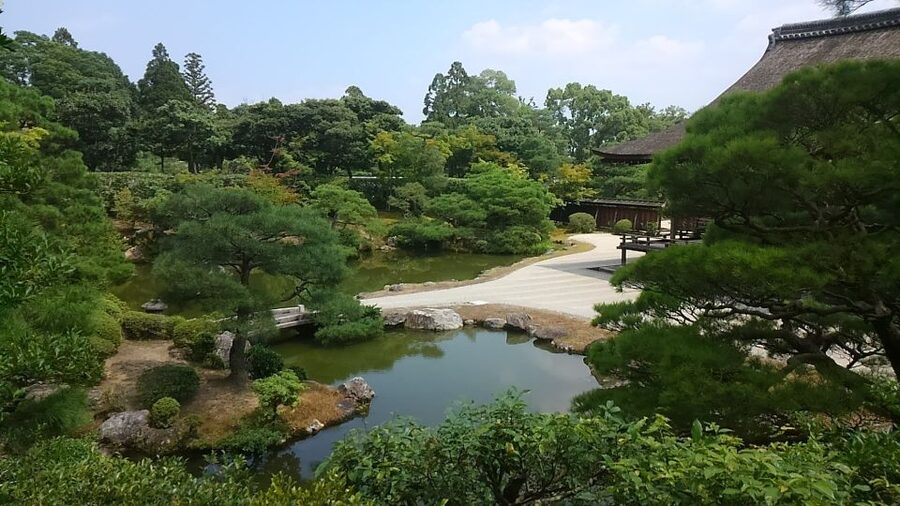
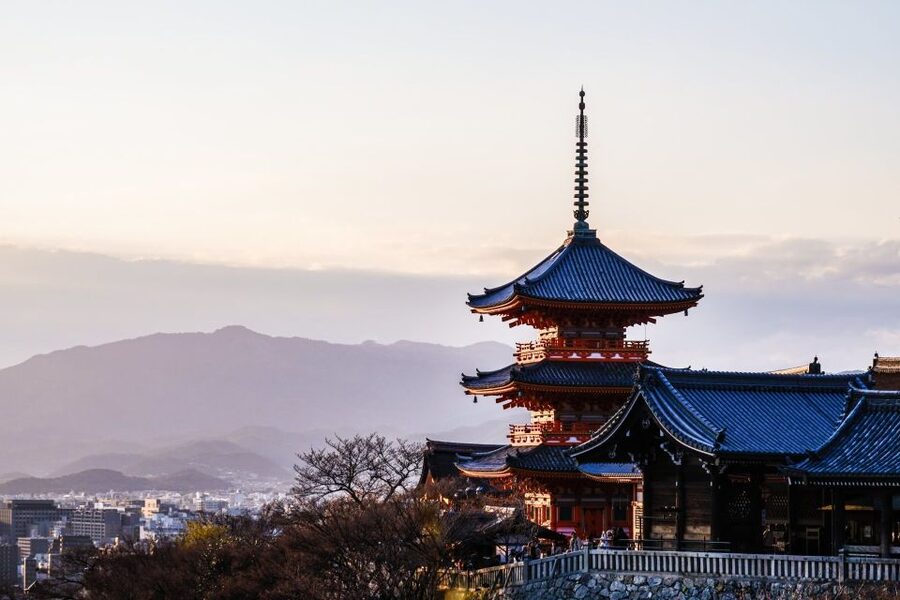
Kiyomizu-dera is the final major stop, with admission included and about 30 minutes of guided time. The temple is famous for its views over Kyoto and for the clear water flowing from the mountains into the Otowa Waterfall.
At the waterfall, three streams represent different benefits, commonly described as health, wealth, and happiness. The tradition comes with a playful warning: choosing all three, or asking too much, is considered greedy and may bring none of the wishes. Your guide can explain how this ritual fits into the visit.
The temple’s setting is a strong finish. You have moved from torii gates to a traditional entertainment district, then through a temple garden and historic shopping lanes. At Kiyomizu-dera, you get a broad view of Kyoto and a final chance to connect the city’s religious sites with its physical setting.
The guided visit ends here. That is useful because you can stay in the area after the four-hour tour rather than being led back to the starting station. You can continue looking around Kiyomizu-dera, browse Sannenzaka, or make your own way onward.
Is the $106 price fair?
At $106 per person, this is not a bargain walking tour, but the price needs to be judged against what it covers. You receive four hours with a live guide, entry to Kodaiji, entry to Kiyomizu-dera, and the train ride from Fushimi Inari to Gion.
You are also paying for a route that would take some planning to arrange alone. The value is strongest if you want context at the shrines and temples, dislike managing Kyoto’s transport, or have limited time in the city.
The value is weaker if you are comfortable navigating Kyoto independently and plan to visit these sites at your own pace. You would have more freedom to linger, take photographs, eat when you want, and spend longer at Fushimi Inari or Kiyomizu-dera.
The small group limit improves the equation. With no more than 10 participants, the guide can answer questions and make modest adjustments. Some departures may be much smaller, and one reported outing had only two people. That cannot be guaranteed, but the group cap is still more appealing than a large bus tour.
The tour also offers free cancellation up to 24 hours before the start and a reserve-now, pay-later option. Those terms help if your Kyoto plans are still shifting.
Which guide style and language should you expect?
Tours are offered in English, French, Hebrew, and Spanish. Guides named in the available feedback include Hugo, Damian, Ferdinand, and Lito.
Their strengths appear to differ slightly. Hugo has been described as adaptable when plans changed. Damian has focused on Japanese history, customs, and small shrines away from the main route. Ferdinand has been praised for answering questions about Kyoto, religion, and Japan more broadly. Lito has used stories about wishes, luck, and rituals to keep children engaged.
You cannot choose one of these guides based on the information provided, so book the language and date that suit you rather than expecting a particular person. The consistent theme is a guide-led walk with room for questions, not a scripted transfer between photo stops.
Who should book this Kyoto walking tour?
I would choose this tour if you have one or two days in Kyoto and want a strong first look at the eastern side of the city. It combines major sights with enough explanation to make them easier to understand.
It also suits families with older children. The route has visual appeal, short transport, stories about customs, and the novelty of the torii gates and waterfall ritual. Children still need to handle hills and steps, but the tour can be more engaging than a long temple lecture.
I would be cautious if you have mobility impairments, dislike walking in heat, or prefer unstructured sightseeing. Food and drinks are not included, and the tour does not leave much room for a long meal.
FAQ
How long does the tour last?
The tour lasts four hours.
Where does the tour begin?
It begins just outside the fare gates of JR Inari Station, in front of the station entrance.
Which sights are included?
The route includes Fushimi Inari Taisha, Gion, Kodaiji Temple, Sannenzaka and other Higashiyama streets, and Kiyomizu-dera.
Is admission to Kodaiji included?
Yes. Entry to Kodaiji Temple is included.
Is admission to Kiyomizu-dera included?
Yes. Entry to Kiyomizu-dera is included.
Is transportation included?
The train ticket from Fushimi Inari to Gion is included.
Are food and drinks included?
No. Food and drinks are not included.
What languages are available?
The tour is offered in French, Hebrew, Spanish, and English.
How large is the group?
The group is limited to 10 participants.
Is the tour suitable for people with mobility impairments?
No. The route includes uphill walking, steps, and walking through Higashiyama, so it is not suitable for people with mobility impairments.
Should you book it?
Book this tour if you want Kyoto’s eastern sights arranged into one clear, well-explained morning or afternoon. The strongest reasons are the small group, included admissions, short train transfer, and the mix of major landmarks with quieter temple spaces.
Skip it if you want to hike all of Fushimi Inari, linger for hours at Kiyomizu-dera, or set your own food and photo stops. For most first-time visitors who can manage hills and four hours on foot, the route offers a useful and efficient introduction to Higashiyama.
Just added around Japan
- Private sake pairing@ancient underground★ 5.0 · 27 reviews
- Tokyo: Asakusa & Sensoji ー Oldest Temple Walking Tour (2hrs)★ 5.0 · 213 reviews
- [30 minutes] Rickshaw tour around Asakusa [History, sightseeing, Tokyo Skytree]★ 5.0 · 38 reviews
- Tokyo: Edo Castle & East Garden of the Imperial Palace Tour★ 4.7 · 112 reviews
- Tokyo: Imperial Palace, the history of Japan (ENGLISH GUIDE)★ 5.0 · 77 reviews
- Tokyo: Customized Private Historical Guided Photoshoot Tour★ 5.0 · 25 reviews
- Osaka: Dark Side of Osaka Night Walking Tour★ 4.9 · 89 reviews
- Osaka: Osaka Castle & Historical Museum Guided Tour★ 4.8 · 28 reviews
Kyoto History Tours, compared.
Kyoto: Fushimi Inari, Kinkakuji, Bamboo Grove 1 Day Bus Tour
Read our review →
Kyoto Gion: 2-Hour Geisha Culture & History Walking Tour
Read our review →
Kyoto Early Bird English Tour: Fushimi-Inari and Arashiyama
Read our review →
Kyoto: Nara & Traditional Matcha Experience Bus Tour
Read our review →
Browse the lists this tour appears in