
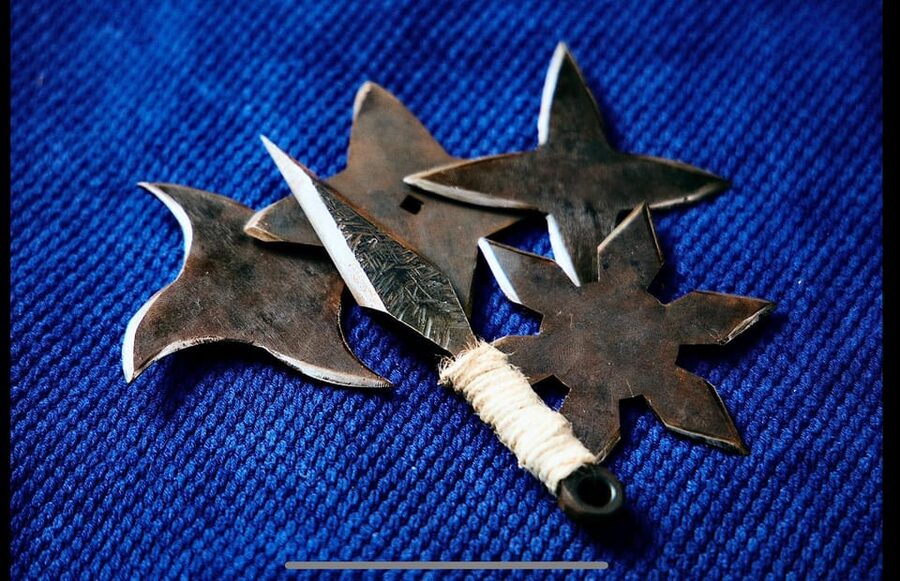
Review · KYOTO
Kyoto: Ninja Weapon Forging Experience
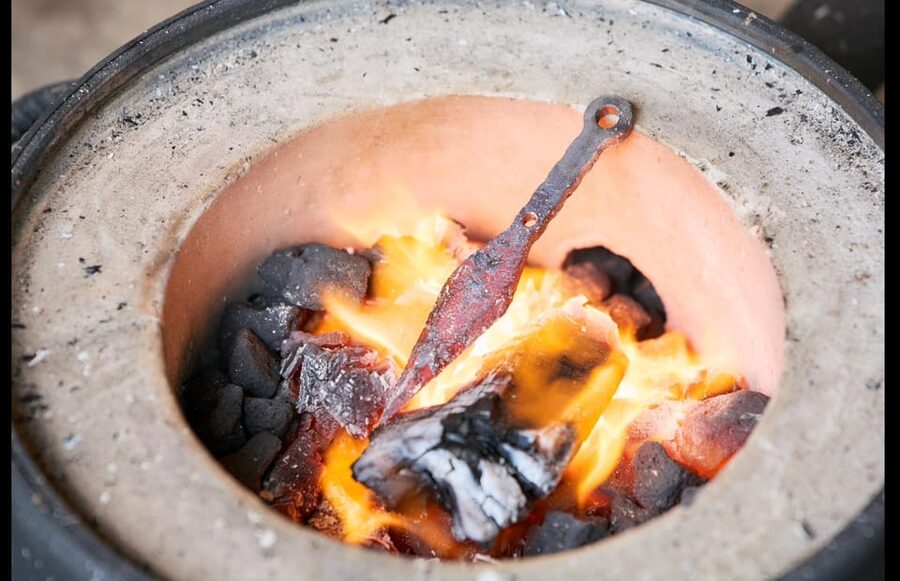
The best part of this Kyoto experience is that you do not simply buy a ninja souvenir. You heat real steel in an 800°C furnace, hammer it, sand it, darken it, and polish it under close instruction. Taka and his team keep the mood lively while still treating the craft with care.
I like the hands-on work and the personal finish. You choose from three shuriken styles or pay an extra ¥3,000 for a kunai, then select a kanji character for engraving. The main consideration is time: the listed duration is 150 minutes, but some sessions run closer to three hours, and the workshop sits uphill from the station.
Key points
- Real steel and an 800°C furnace: You take part in the forging rather than watching a demonstration from the sidelines.
- Three shuriken designs or a kunai: The kunai requires an additional ¥3,000 when you book.
- A custom kanji engraving: Staff engrave your chosen character after you complete the main shaping work.
- Traditional work clothes: You change into samue and wear a tenugui head wrap for the session.
- A strong family activity: Children as young as eight have taken part with adult help and enjoyed the process.
- Easy final access, longer journey from central Kyoto: Hieizanguchi Station is a one-minute walk away, but reaching the area can take about 40 minutes by bus.
Why this Kyoto workshop feels different
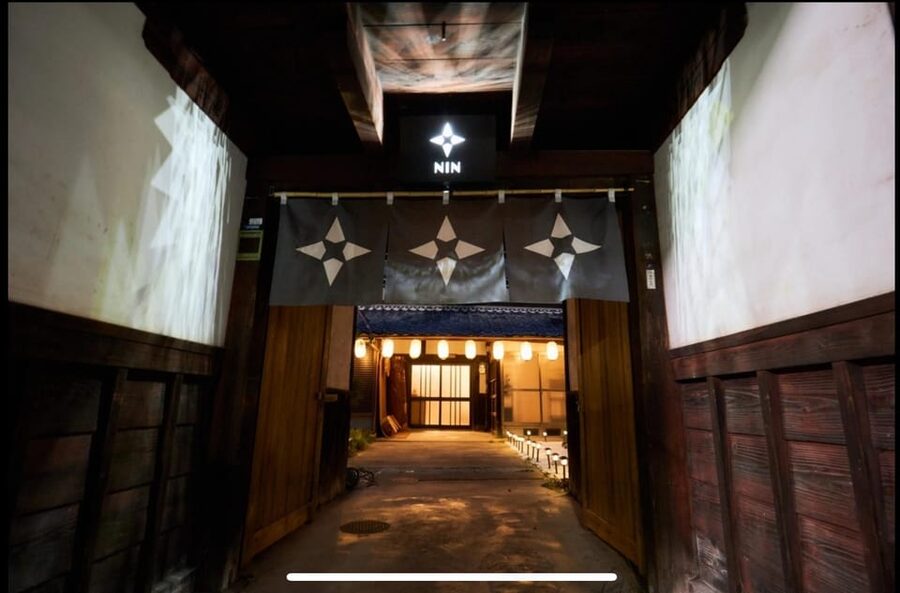
Kyoto offers many polished cultural activities, but this one leaves you with metal dust on your hands and a souvenir you helped make. The appeal is not only the ninja theme. It is the order of the work: heat, hammer, shape, sharpen, engrave, darken, and polish.
You work with real steel, but you are not expected to arrive with blacksmithing skills. An instructor explains each step before you try it. The staff then guide your hands and correct your technique as needed. That makes the experience approachable for first-timers while still giving you a genuine taste of the craft.
The English-speaking team is a major part of the experience. Taka is often singled out for his energy and clear teaching, while Mits, Ako, Yok, and other instructors help with the practical steps and engraving. Names and roles may vary by session, but the workshop is designed for English-speaking visitors.
You also get photos and videos of the process. Bring your camera if you want your own record of the furnace and hammering, but follow staff instructions around the hot metal and machinery.
Other history tours people book around Japan:
- Kyoto: Fushimi Inari, Kinkakuji, Bamboo Grove 1 Day Bus Tour
★ 4.8 · 4,316 reviews - World Heritage Shirakawa-go and Experience Tours from Kanazawa
★ 5.0 · 4,049 reviews - Tokyo: Imperial Palace and Shogun Historical Walking Tour
★ 5.0 · 2,251 reviews
Getting to Hieizanguchi Station and the uphill studio
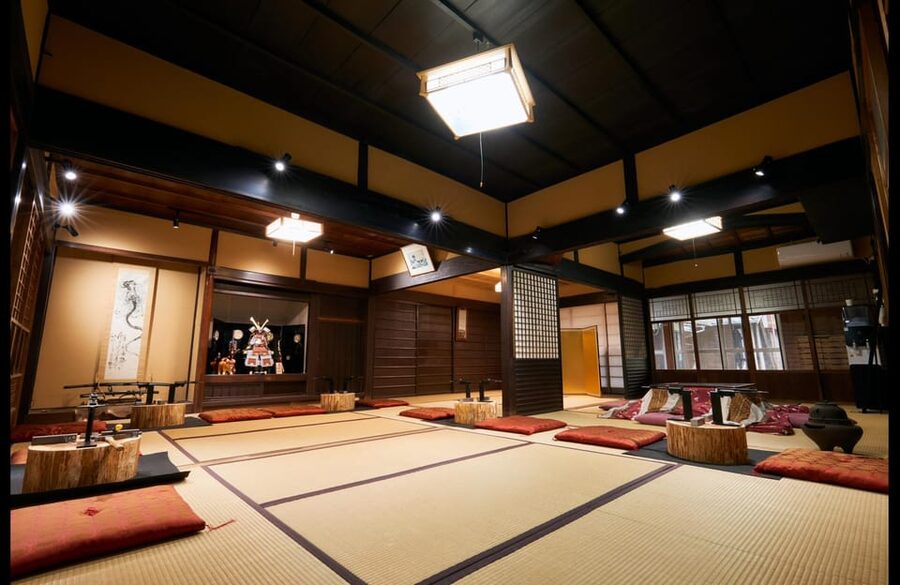
The meeting point is a one-minute walk from Hieizanguchi Station. From the station, go uphill toward the red postbox. That final walk is short, but it is not completely flat, so wear shoes that feel secure.
The location takes planning if you are staying in central Kyoto. One participant described a bus ride of about 40 minutes from the center, while another advised taking a taxi because public transport does not bring you close enough without a hill walk. The exact journey depends on your starting point and the day’s transport conditions.
I would not schedule this immediately before a train, airport transfer, or timed evening reservation. The activity is advertised at 150 minutes, and several people found that the session lasted closer to three hours. The extra time may be welcome, especially if you are enjoying the work, but it can affect a tightly planned day.
The setting also feels different from central Kyoto. You are heading into a quieter residential area rather than a major sightseeing district. That extra effort is part of the character of the outing, but it means you should confirm the route before leaving your hotel.
Changing into samue starts the lesson
At the studio, you change into samue, the practical clothing traditionally associated with Japanese workers and craftspeople. A tenugui wrapped around your head completes the outfit.
This is more than a costume photograph. The clothing helps separate the workshop from the rest of your sightseeing day and signals that you are about to work. It also makes the photos more fun, especially for families and groups of friends.
The staff then explain the choices. The standard booking includes a shuriken, with three styles available. If you want to make a kunai, select that option when booking and pay the additional ¥3,000 fee for materials and processing.
Choose based on what you want from the souvenir. A shuriken is compact and strongly linked with the popular image of ninja. A kunai gives you a knife-like form and costs extra. The finished item is a crafted keepsake, not a tool for use.
The furnace and hammering are the heart of the activity
The main sensory moment comes when your steel is heated in a furnace reaching about 800°C. You see the metal glow before taking your turn with the hammer.
The instructors control the hot-work setup and show you how to strike safely. You then help shape the steel blow by blow. The striking portion is supervised, and you are not left to guess what to do next.
Do not expect to forge an entire weapon from a rough lump of metal. The workshop gives you a prepared basic form, then lets you take part in important stages of shaping it. That is a sensible arrangement for a short class. It keeps the process manageable while still letting you feel the heat, hear the hammer, and see the metal change.
Some people wish they had more time at the anvil. If hammering is the only reason you are booking, keep that in mind. The experience covers many stages, so no single step occupies the whole session.
The furnace is also the best moment for photos and videos. Ask the staff when it is safe to record, and keep your phone clear of the work area.
Same city, a different century:
- World Heritage Kyoto & Nara Uji Authentic Matcha Experience
★ 5.0 · 1,573 reviews - Kyoto Gion: 2-Hour Geisha Culture & History Walking Tour
★ 5.0 · 1,186 reviews - Tokyo Castle & Imperial PalaceーShogun Walking Tour
★ 4.7 · 1,068 reviews - Kanazawa: World Heritage Shirakawa-go Morning Guided Tour
★ 4.9 · 988 reviews
Sanding and sharpening reveal the final shape
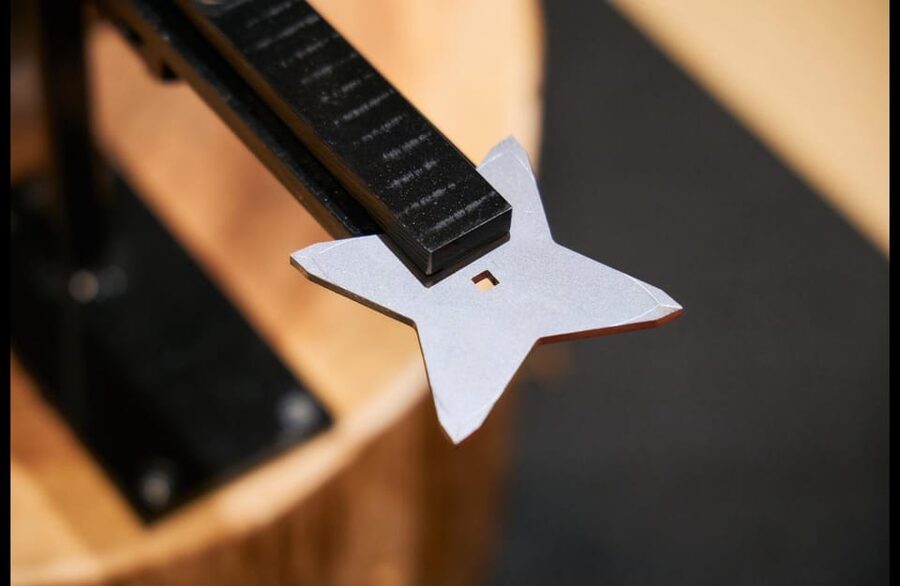
After forging, you refine the piece with a professional belt sander. This is where the rough outline becomes a cleaner, sharper-looking form.
The instructors demonstrate how to hold and move the metal, then help you work through the process. The machine does much of the heavy work, but you still take part in the decisions. You can see edges become more even and the surface become smoother.
Several participants found this stage especially satisfying because the weapon begins to look finished. It is also a useful reminder that blacksmithing is not only heat and force. Careful grinding and finishing matter just as much.
You can choose how sharp or dull the final piece is, according to one participant who made a shuriken deliberately dull for use as a classroom display. That is a helpful option if you are concerned about storage, handling, or showing the souvenir to children. Ask the staff about the finish you want before the final work is done.
The equipment is professional, so pay close attention to the instructions. You do not need prior experience, but you do need to follow the staff’s direction around the belt sander.
Kanji engraving makes the souvenir personal
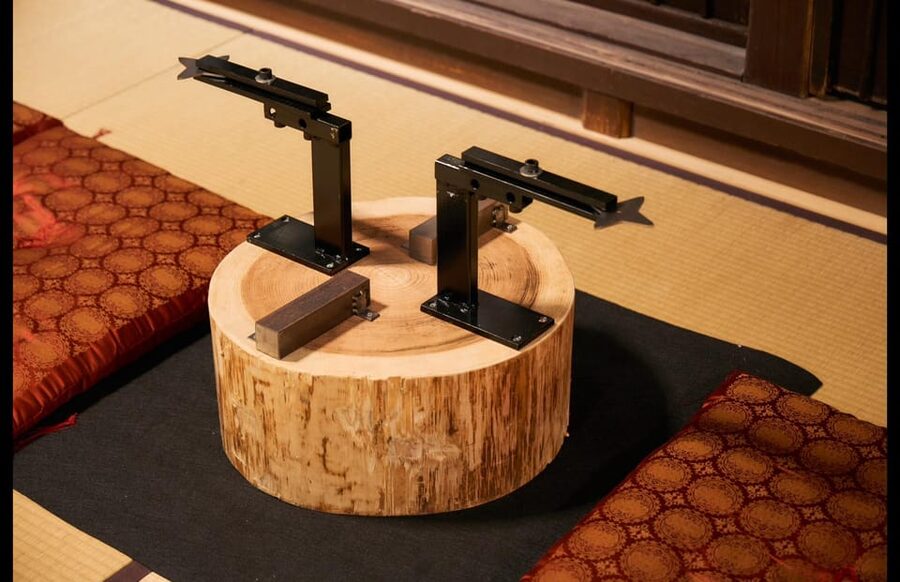
Once the shape is ready, you choose a kanji character that has meaning for you. Staff then engrave it onto the metal.
This is one of the strongest reasons to choose the workshop over a shop-bought replica. Your souvenir records both the activity and a personal choice. The engraving is handled by a skilled member of the team, so you do not need to operate the engraving equipment yourself.
Take a moment with your character selection. If you are unsure of the meaning, ask the staff to explain it before you commit. The activity includes the engraving, and the final piece can feel much more personal than a generic ninja item.
The engraving also gives you a clear stopping point in the process. You have moved from shared instruction to a finished object that belongs to you.
Blackening and polishing finish the piece
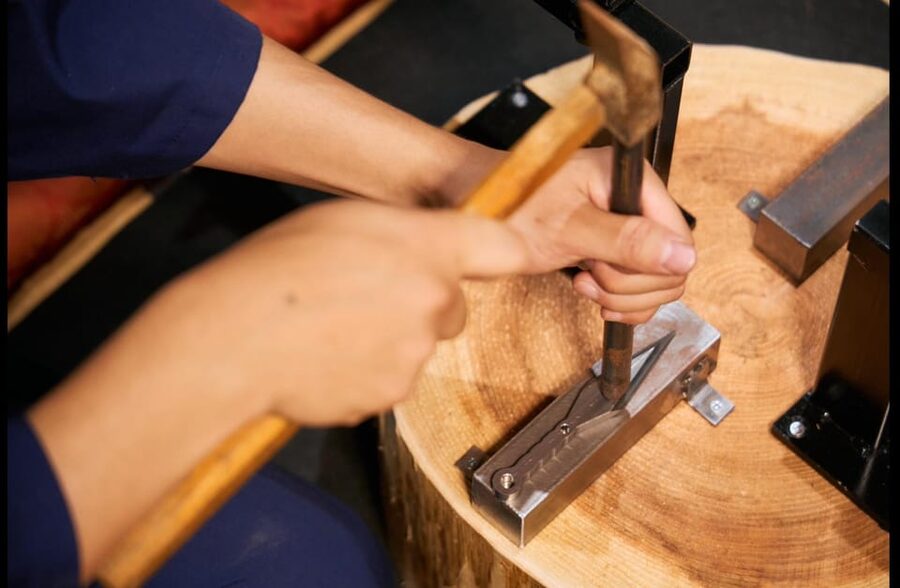
The metal is treated with a special solution that darkens the surface and helps protect it from rust. This gives the shuriken or kunai a subdued black finish associated with ninja equipment.
The treatment is followed by final polishing. You bring out the surface and refine the appearance until the object is ready for display.
This combination of blackening and polishing gives the piece more character than a plain, unfinished metal shape. It also shows why the workshop takes time. Forging creates the form, but finishing determines how the object looks and how it feels as a keepsake.
Your completed weapon is placed in a beautiful box for the journey home. Replica swords are also available to buy at the studio for an additional fee, but they are separate from the included handmade weapon.
The ninja lesson adds useful context
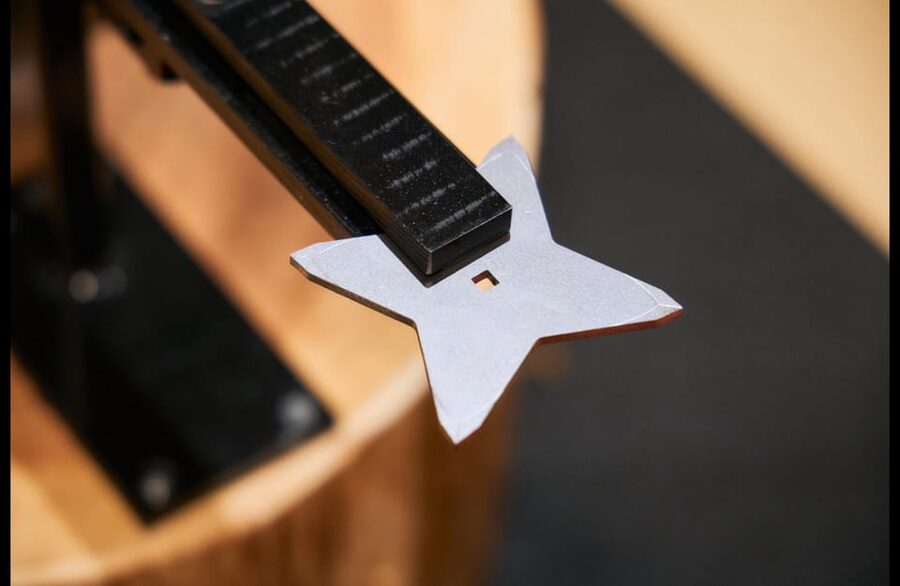
Between the practical stages, you learn about ninja history, symbolism, and techniques. The lesson gives the craft a cultural frame instead of treating the weapon as a costume prop.
Keep your expectations sensible. This is a short workshop, not a full academic course on ninja culture or Japanese metallurgy. Still, the background helps you understand why the shapes, dark finish, and tools matter.
The guides use humor and energy to keep the session moving. Taka is often praised for making explanations clear and entertaining, while the wider team helps quieter participants and children stay involved. The mix works well for families, couples, and solo visitors.
The history section also gives you something to discuss after the class. You are not only carrying home a metal object. You understand the sequence of work that shaped it.
Is $148 good value?
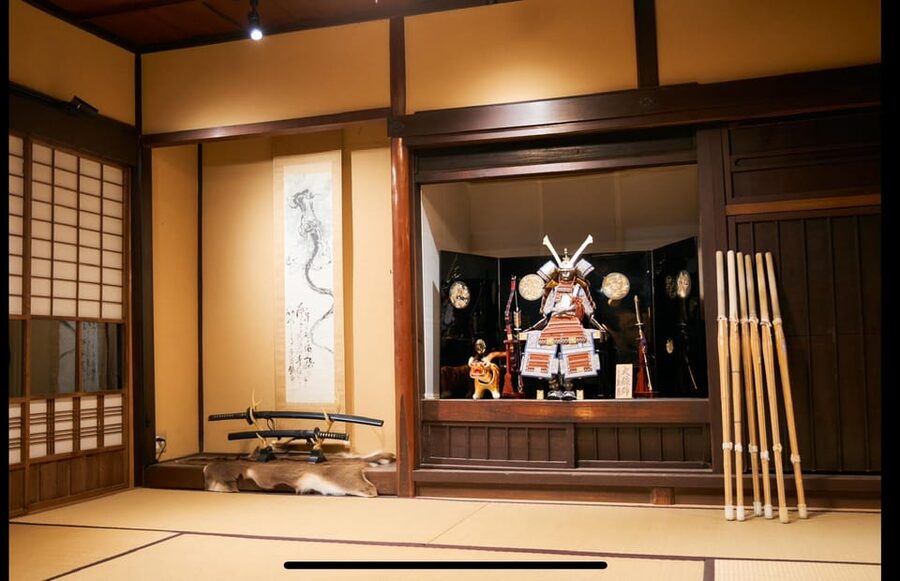
At $148 per person, this is not a cheap souvenir activity. The price needs to be judged against the amount of instruction, equipment, staff time, materials, clothing, engraving, and the finished weapon you take home.
I think the value is strongest if you want an activity rather than a purchase. A shop-bought replica may cost less and require no travel, but it will not carry the memory of hammering heated steel or choosing your own kanji.
The experience also works well as a break from temples and gardens. Kyoto sightseeing can involve a lot of looking, walking, and photographing. Here, you spend much of the session using your hands and concentrating on one task.
The cost is harder to justify if you are not interested in making things, if you have a very short Kyoto stay, or if you mainly want a polished ninja photo. In that case, the extra journey and price may not suit you.
The included box helps with presentation, but you still need to plan how to transport the item home. You can take the finished weapon on your flight only in checked luggage. It cannot go in your carry-on bag. Check the rules for your airline and destination, and declare it if required by your country’s customs process.
Who will enjoy the 150-minute session most?
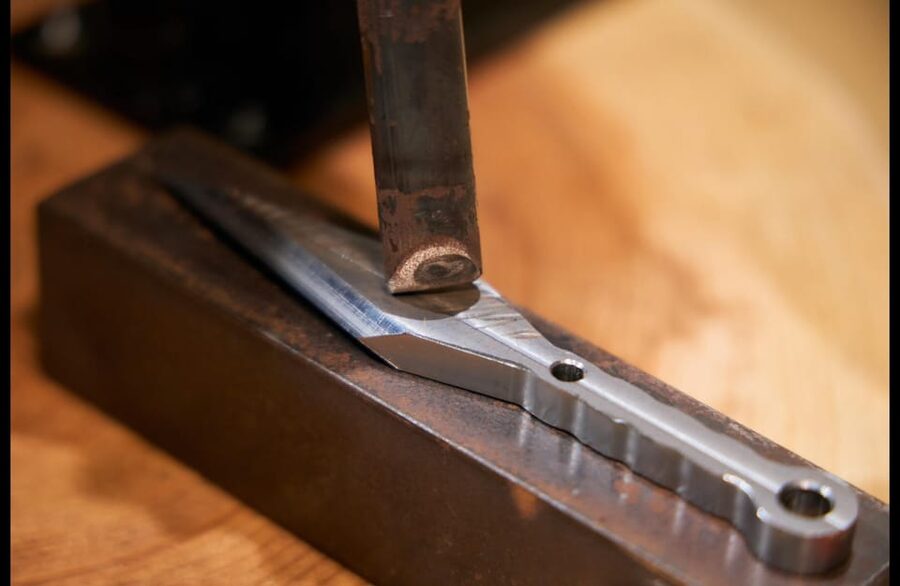
I would recommend this to families with older children, couples, solo visitors, and anyone who wants an unusual cultural activity. Children aged eight, eleven, twelve, fifteen, and seventeen have taken part with their families, and the repeated advice is that the instructors provide close help.
Solo visitors can also fit in comfortably. The group format gives you a shared project, and one solo participant made friends during the session and continued the evening with them.
You should have enough patience to follow safety instructions and wait briefly while staff assist others. One person wished for more one-on-one time, which is a fair point in a hands-on class. If the group is busy, the instructor’s attention is shared.
The class suits people who like process. You will enjoy it most if you want to understand how a piece takes shape, not just pose with a finished ninja item.
Booking tips that can save trouble
Reserve the kunai in advance if that is your choice. The additional ¥3,000 charge applies to the kunai, and you should select the correct option during booking.
Wear comfortable clothes underneath the samue and shoes suitable for an uphill walk. You do not need to bring tools. The instructor, uniform, equipment, class, and finished weapon are included.
Leave room in your day. The advertised time is 150 minutes, but reports of sessions lasting about three hours make a generous schedule wise. Allow extra time for the trip from central Kyoto and for the return journey.
The activity offers free cancellation up to 24 hours before the start time for a full refund. You can also reserve now and pay later, which helps if your Kyoto plans are still shifting.
Should you book the Kyoto Ninja Weapon Forging Experience?
Book it if you want a practical, memorable activity and like the idea of taking home something you helped create. The English-speaking instructors, clear step-by-step guidance, custom kanji, and real-steel work make this far more substantial than a quick souvenir stop.
I would especially choose it for a family looking for something the children can actively do, or for a repeat visitor who has already seen Kyoto’s main temples. The strongest parts are the furnace, the sanding, the personal engraving, and the friendly teaching from Taka and the wider team.
Skip it if you need a short activity close to central Kyoto, dislike machinery or hot metal, or want a completely passive cultural presentation. For everyone else, $148 buys a focused afternoon, a story to bring home, and a handmade object that carries your own mark.
FAQ
How long does the Kyoto Ninja Weapon Forging Experience last?
The advertised duration is 150 minutes. Some sessions may take closer to three hours, so leave extra time before your next booking.
Where does the activity take place?
The studio is a one-minute walk from Hieizanguchi Station. From the station, go uphill toward the red postbox in front of the station.
How much does the experience cost?
The listed price is $148 per person. A kunai requires an additional ¥3,000 fee for materials and processing.
Which weapons can I make?
You can choose from three shuriken styles. You can also make a kunai by selecting the kunai option when you reserve and paying the additional fee.
Is the activity taught in English?
Yes. The activity is conducted in English, and the instructors guide you through each stage.
What is included in the price?
The price includes the instructor, weapon-making class, uniform, tools, and the weapon you make to take home.
Do I wear traditional Japanese clothing?
Yes. You change into samue, traditional clothing associated with Japanese blacksmiths, and wear a tenugui head wrap during the session.
Can children take part?
Children have taken part successfully with their families, including children aged eight and eleven. The instructors provide step-by-step help, but the activity involves hot metal and machinery, so adult supervision remains important.
Can I bring the finished weapon home on my flight?
Yes, but it must go in checked luggage. It cannot be carried onto the plane in your hand luggage.
Can I cancel the booking?
You can cancel up to 24 hours in advance for a full refund. The activity also offers a reserve-now, pay-later option.
Just added around Japan
- Private sake pairing@ancient underground★ 5.0 · 27 reviews
- Tokyo: Asakusa & Sensoji ー Oldest Temple Walking Tour (2hrs)★ 5.0 · 213 reviews
- [30 minutes] Rickshaw tour around Asakusa [History, sightseeing, Tokyo Skytree]★ 5.0 · 38 reviews
- Tokyo: Customized Private Historical Guided Photoshoot Tour★ 5.0 · 25 reviews
- Tokyo: Edo Castle & East Garden of the Imperial Palace Tour★ 4.7 · 112 reviews
- Tokyo: Imperial Palace, the history of Japan (ENGLISH GUIDE)★ 5.0 · 77 reviews
- Osaka: Dark Side of Osaka Night Walking Tour★ 4.9 · 89 reviews
- Osaka: Osaka Castle & Historical Museum Guided Tour★ 4.8 · 28 reviews
Kyoto History Tours, compared.
Kyoto: Fushimi Inari, Kinkakuji, Bamboo Grove 1 Day Bus Tour
Read our review →
Kyoto Gion: 2-Hour Geisha Culture & History Walking Tour
Read our review →
Kyoto Early Bird English Tour: Fushimi-Inari and Arashiyama
Read our review →
Kyoto: Nara & Traditional Matcha Experience Bus Tour
Read our review →
Browse the lists this tour appears in