
Review · HIROSHIMA
Hiroshima Peace (Heiwa) Walking Tour at World Heritage Sites
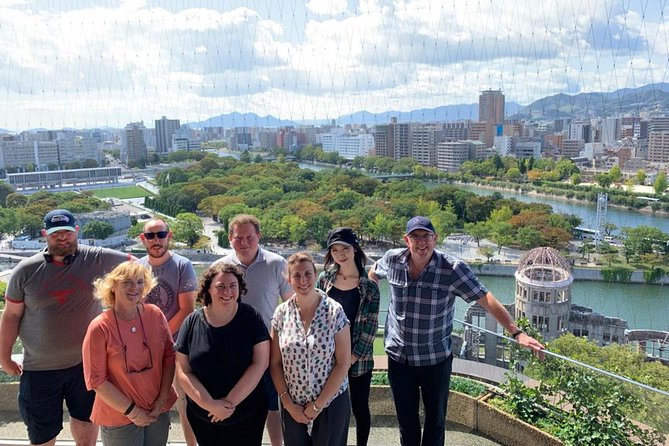
Hiroshima’s story is best understood on foot, and this tour puts the hardest part first: the Peace Memorial Museum, followed by the monuments and living city around it. A local guide helps connect stark exhibits with the human cost of August 6, 1945, then brings you up to Orizuru Tower for a broad view of the rebuilt city.
I like two things in particular. The small group, capped at eight, gives you room to ask questions without being lost in a crowd. I also like the balance of solemn sites, personal stories, lunch, and a view from above. You are not simply moving from one memorial to the next.
The main caution is timing. Five hours sounds generous, but the museum can become extremely crowded, especially near the end of the year. You may not have enough time to see every main exhibit slowly, and the walk is not a good fit if you have mobility problems.
Key points before you book
- The museum comes early, giving you historical context before the outdoor memorials.
- The group is limited to eight people, which makes questions and conversation easier.
- Local guides add personal detail, with guides such as Yuji, Hiro, Kaori, Yasue, Etsuko, and Tommy praised for warmth and clear explanations.
- Orizuru Tower changes the mood, offering a view of modern Hiroshima after the difficult museum visit.
- Lunch and entrance fees are included, adding practical value to the $94.84 price.
- Allow for a lot of walking, hot summer weather, and a museum visit that can feel emotionally heavy.
Why this five-hour route works
This is not a quick photo stop at the Atomic Bomb Dome. The route is built around understanding what happened, seeing how Hiroshima remembers it, and noticing how the city lives today.
That order matters. The museum gives you facts and objects. The Peace Park adds silence, ritual, and public memory. The Dome makes the destruction visible from outside. Orizuru Tower then gives you a view of the city as it exists now, not only as a place frozen in wartime history.
The tour is run by MagicalTrip, and the guide is a certified local guide. The strongest part of the experience depends on who leads your group, but the guide names appearing in the feedback include Yuji, Kaori, Hiro, Yasue, Etsuko, Tommy, Mariko, Mizu, Angela, Kaz, and Kinnei. Several are praised for sharing personal stories, answering questions patiently, and explaining more than you would get from signs alone.
You should expect a serious experience, not a light sightseeing morning. The tone is respectful and sometimes painful. At the same time, the tour places real weight on survival, rebuilding, daily life, and the hope that another atomic bomb will not be used.
More History Walking Tours in Japan
- Tokyo: Imperial Palace and Shogun Historical Walking Tour
★ 5.0 · 2,251 reviews - Kyoto Gion: 2-Hour Geisha Culture & History Walking Tour
★ 5.0 · 1,186 reviews - Tokyo Castle & Imperial PalaceーShogun Walking Tour
★ 4.7 · 1,068 reviews
Beginning at Hiroshima Peace Memorial Park
The first outdoor stop is Hiroshima Peace Memorial Park. You will begin to see how the city has arranged its memory in a public space, with monuments, trees, paths, and places for quiet reflection.
The park is easier to understand with a guide. You can walk through it independently, but the meaning of each monument is not always clear from its appearance. A guide can explain why certain sites matter and how they relate to the museum and the bombing.
The opening park visit is listed at about 10 minutes, so do not expect a long wandering session at this point. It functions more as an introduction before you enter the museum.
Bring water in warm weather. Hiroshima summers can be very hot and humid, with temperatures sometimes reaching 40°C. The park has outdoor walking in full weather, so a hat and light clothing are sensible.
Spending an hour inside the Peace Memorial Museum
The museum is the emotional center of the day. You will learn about the atomic bombing, the people affected, and the way Hiroshima rebuilt after the attack.
The scheduled museum visit lasts about one hour. That is long enough to take in major displays, but it may feel short if the museum is crowded or you read every panel carefully. One person found the end-of-year crowds so heavy that the main exhibit would have required more than an hour to see properly. That is the clearest practical warning for this tour: museum access does not always mean unrushed museum time.
Some exhibits include graphic images. The material may disturb young children, and you should tell your guide if anyone in your group has concerns. This is a place for a slower pace and a little emotional preparation.
A good guide changes the experience here. Yuji is repeatedly praised for explaining the city with care and enthusiasm. Hiro is described as bringing local stories and a sense of warmth to difficult material. Yasue is praised for patient answers and added context. Etsuko is remembered for connecting individual lives to the larger story.
The guides do not only explain military facts. They also discuss ordinary life, the effects on later generations, and the way Hiroshima residents coped with the aftermath. That human focus is one of the tour’s greatest strengths.
Pausing at the Cenotaph for the Atomic Bomb Victims
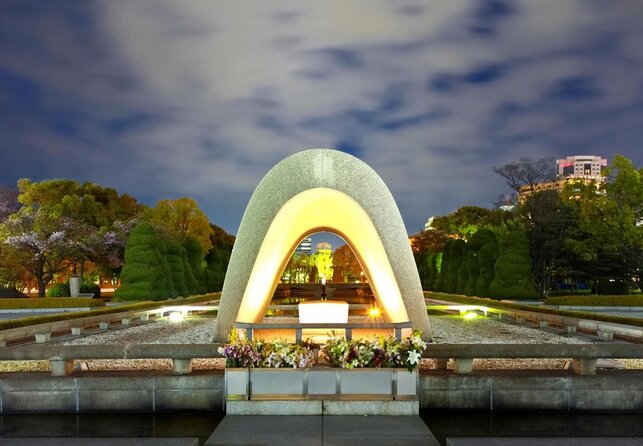
The Cenotaph is a brief stop, listed at about five minutes, but it carries great weight. It honors those who died in the bombing, and your guide explains its place within the Peace Memorial Park.
Do not mistake the short time for a lack of importance. The tour is moving through a carefully connected set of memorials, and the Cenotaph helps shift your attention from museum evidence to collective remembrance.
You may want a quiet moment here. The guide will provide context, but you do not need to fill every pause with conversation or photographs.
More WWII and D-Day Tours in Japan:
- Amsterdam: Life of Anne Frank and World War II Walking Tour
★ 4.8 · 10,467 reviews - Berlin: Third Reich & Cold War Guided Walking Tour
★ 4.9 · 8,378 reviews - Normandy D-Day Sites & Cemetery Day Trip from Paris with Lunch
★ 5.0 · 6,877 reviews - Munich: Third Reich & WWII Walking Tour
★ 4.6 · 6,181 reviews
Understanding the Children’s Peace Monument
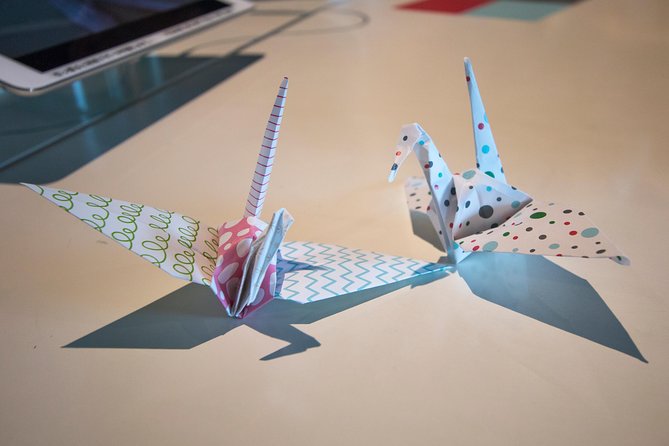
The Children’s Peace Monument receives about 10 minutes. Your guide explains its meaning and its connection to children affected by the bombing.
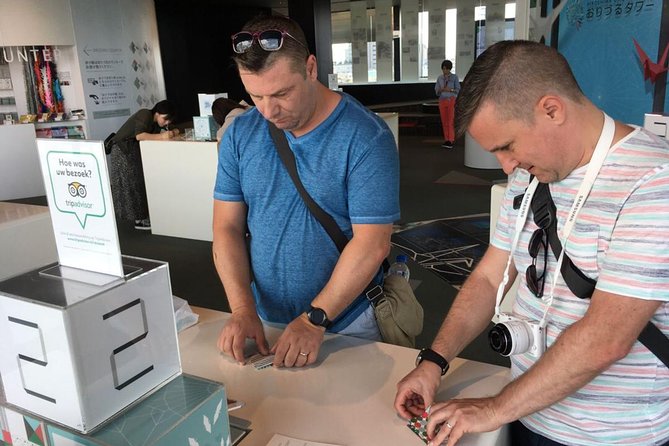
This stop adds a different emotional angle. The museum can feel clinical or overwhelming, while the monument points toward memory, innocence, and the long effects of the bombing on families. The story of paper cranes and peace is closely tied to Hiroshima’s public identity, and some tours include the chance to fold origami cranes or see them from a scenic city view.
The exact activity can depend on the guide and day, so think of this as a place for explanation rather than a guaranteed craft session. The supplied experience does include tour photos, and several guides are praised for taking thoughtful pictures during the day.
Facing the Atomic Bomb Dome
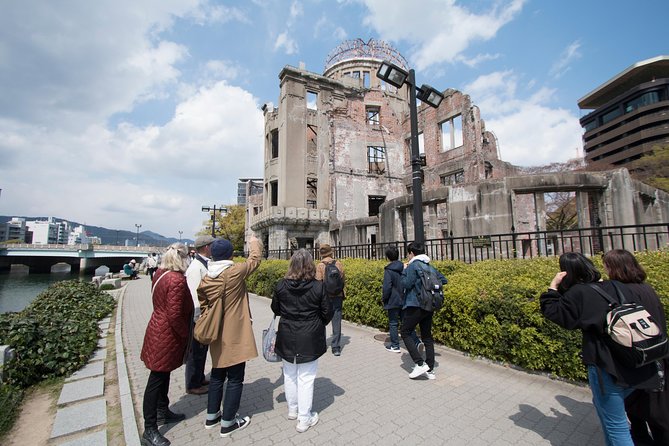
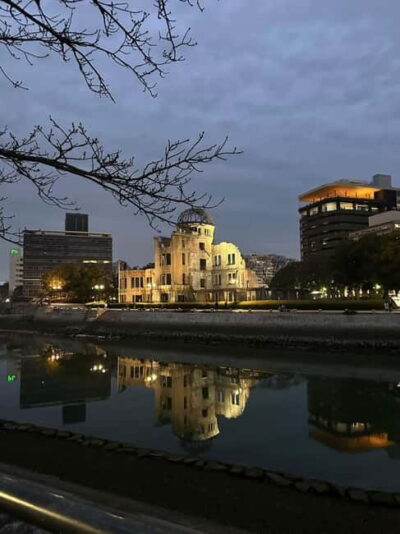
The Atomic Bomb Dome is one of Hiroshima’s most recognizable sights, but its power comes from the details around it. The surviving structure conveys what the explosion did to the city at 8:15 on August 6, 1945.
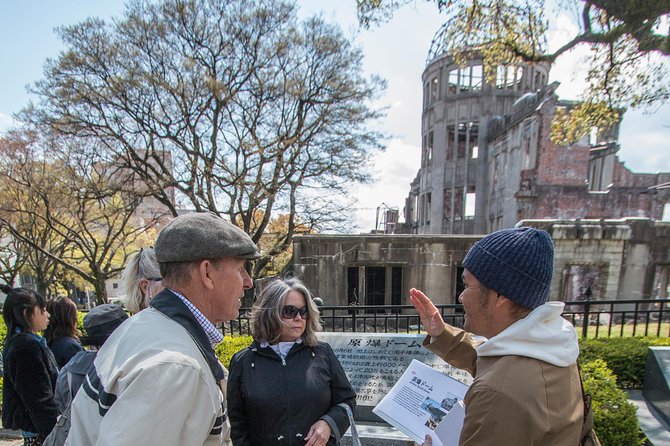
The stop lasts about 15 minutes. You will view the Dome from outside and hear why the ruined building was preserved. It is a strong contrast to the city around it. Trams, offices, shops, and everyday movement continue nearby, while the Dome remains a fixed reminder of the destruction.
This is one of the places where a local guide is especially useful. A sign can tell you what the building is. A guide can help place it within the city’s larger story and explain why preservation, peace, and memory remain so important to Hiroshima.
You will have time for photographs, but this is not a stop built around getting the perfect image. The better reason to pause is to notice the structure and the modern city surrounding it.
Reaching Orizuru Tower for lunch and the city view
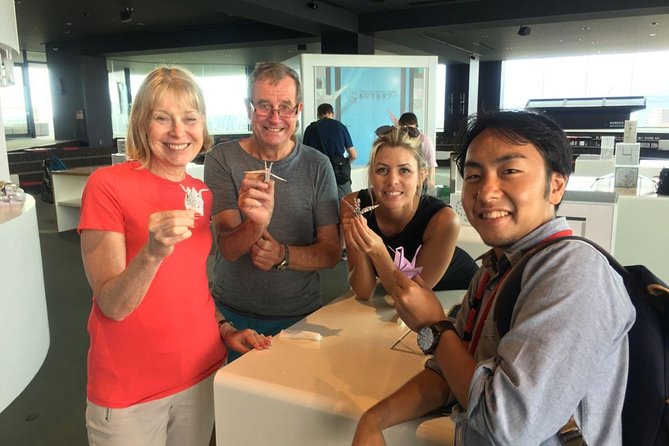
The tour then heads to Hiroshima Orizuru Tower. Lunch is included, and the experience describes eating at the top of the tower or at a nearby restaurant connected with the stop. The listed time is about 30 minutes.
This portion gives the day a needed change of pace. After the museum and memorials, you can eat, sit down, and talk with your guide. Lunch is not an extra charge, and you do not need to pay for your guide’s food or drinks.
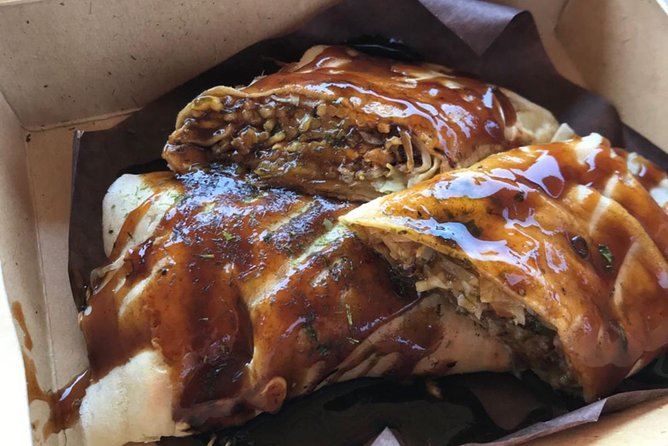
The food is described as enjoyable in the feedback, with some people calling the included lunch delicious and noting that it suited different tastes. Still, you should read the food restrictions carefully. Gluten-free requests cannot be accommodated, allergy-free meals are not guaranteed, and vegetarian choices are limited because many Japanese restaurants are not fully set up for vegetarian menus.
Tell the operator about allergies or dietary needs at least one day before the tour. Same-day requests cannot be handled. Even with advance notice, substitutions may not be possible at every stop.
The Orizuru Tower view is valuable because it shows the city as a living place. From above, Hiroshima is not only a site of tragedy. It is a rebuilt city with streets, buildings, and ordinary daily activity. That visual shift gives the tour a more complete message.
The activity ends near the lunch restaurant, with the stated meeting area at SOUVENIR SELECT HitotoKi Orizuru Tower on the first floor. Check the final location when planning your next stop.
What the guides add to the day
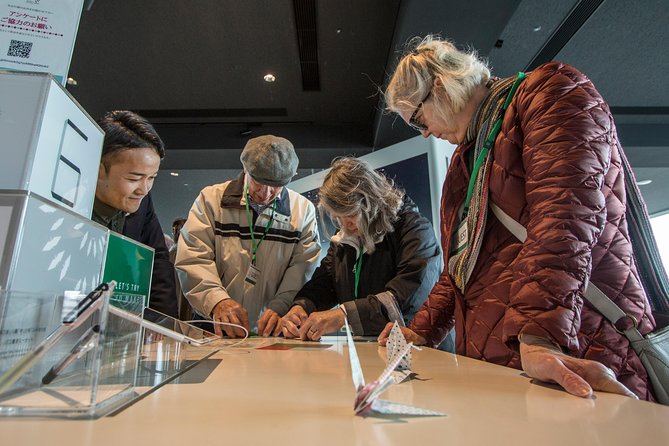
The guide is the part of this experience you cannot duplicate with a map and an audio guide. A local voice can explain how Hiroshima remembers the bombing, how the city recovered, and how the story is discussed beyond the standard museum text.
Yuji receives repeated praise for his historical detail, kindness, and ability to explain Japanese culture alongside the main subject. Kaori is praised for keeping a group moving smoothly and answering questions before they were asked. Hiro is noted for sharing stories from the city and making the visit feel warm and thoughtful.
Yasue is a good choice for people who want patient answers and careful context. Etsuko is praised for connecting monuments with individual stories and for her personal care toward the group. Tommy is described as making the time pass quickly while explaining Hiroshima as a city, not merely as the place where the bomb fell.
Guide quality can vary from person to person, but the consistent theme is clear: the tour works best when you want conversation, not just directions. You can ask about the history, the memorials, the city, and everyday life in Japan.
Is $94.84 a fair price?
At $94.84 per person, this is not the cheapest way to visit Peace Memorial Park. You can enter the park on your own, and the listed museum admission is included rather than a major separate expense.
The value comes from the structure. You receive about five hours with a certified guide, museum and Orizuru Tower entrance, lunch, and tour photos. You also avoid the work of planning the order of the sites and figuring out how the memorials relate to each other.
For a group of up to eight, the price is easier to justify than it would be for a large coach tour. You are paying for access to a local guide who can respond to your questions and adjust explanations to the group.
I would book it if Hiroshima is a major reason for your trip and you want help handling the history with care. I would skip it if you prefer to spend several hours alone in the museum, need a very flexible pace, or have strict dietary restrictions.
Group discounts are available, and free cancellation is allowed up to 24 hours before the start time. If bad weather cancels the activity, you can receive a different date or a full refund.
Walking, weather, and practical comfort
The tour lasts about five hours and involves outdoor walking between the park, memorials, Dome, and tower. Most people can participate, but the experience is not recommended for anyone with mobility problems. A private tour is suggested for people who have difficulty walking.
Summer conditions deserve serious attention. Bring water and a hat, and plan clothing for heat and humidity. Winter can also be cold, with temperatures sometimes dropping to about -5°C, so dress for the season rather than assuming Hiroshima will be mild.
The tour is near public transportation and starts at Montbell Japan in Kamiyacho. It finishes near Orizuru Tower, not back at the starting point. That makes it easy to continue sightseeing, but you should not plan to return to the meeting point afterward without allowing extra time.
The group limit of eight is one of the practical advantages. A small party is easier to move through the memorial area, and it gives you a better chance to ask the guide about difficult or personal subjects.
Who should book this Hiroshima tour?
I recommend this tour for first-time visitors who want a thoughtful introduction to Hiroshima. It also suits families with older children, couples, and solo visitors who would rather have company during a serious museum visit.
It is especially useful if you want the city explained through both public history and local experience. The outdoor sites are easy to locate, but their meaning can be hard to grasp without context.
I would think twice if your main goal is detailed museum study. Crowds may limit your time in the main exhibit, and the scheduled one-hour visit may not satisfy someone who reads every display.
I would also avoid booking without checking food needs. Gluten-free dining is not available, allergy-free meals cannot be promised, and vegetarian choices are limited. Send requests early, but understand that the operator cannot guarantee every substitution.
Should you book it?
Book this tour if you want Hiroshima’s major peace sites linked into one clear, human story. The museum, Cenotaph, Children’s Peace Monument, Atomic Bomb Dome, and Orizuru Tower form a sensible route, while lunch and a small group keep the day manageable.
The strongest reason to choose it is the guide. People such as Yuji, Hiro, Kaori, Yasue, Etsuko, and Tommy are praised for patience, local insight, and compassion. The main drawbacks are museum crowds, limited time inside, substantial walking, and restricted food options.
At $94.84, it offers solid value for a guided half-day with lunch and admissions included. If you want help understanding Hiroshima rather than simply checking off its landmarks, this is a worthwhile choice.
FAQ
How long does the Hiroshima Peace Walking Tour last?
The tour lasts approximately five hours.
What sites are included?
The route includes Hiroshima Peace Memorial Park, the Peace Memorial Museum, the Cenotaph for the Atomic Bomb Victims, the Children’s Peace Monument, the Atomic Bomb Dome, and Hiroshima Orizuru Tower.
Is lunch included?
Yes. Lunch is included, with the lunch stop scheduled at or near Hiroshima Orizuru Tower.
Is the museum entrance fee included?
Yes. Entrance to the Peace Memorial Museum and Orizuru Tower is included.
How large is the group?
The activity has a maximum of eight travelers.
Is the tour suitable for people with mobility issues?
It is not recommended for people with mobility issues because the experience involves walking between several sites. A private tour is recommended for those who have difficulty walking.
Can the tour accommodate food allergies or gluten-free diets?
Gluten-free requests cannot be accommodated. Allergy-free meals cannot be guaranteed, and substitutions may not be possible at every stop. Dietary requests should be submitted at least one day before the tour.
Can I cancel for a refund?
You can cancel up to 24 hours before the start time for a full refund. Changes or cancellations made less than 24 hours before the start time are not accepted for a refund. If poor weather causes the tour to be canceled, you will be offered another date or a full refund.
More UNESCO World Heritage Tours in Japan
- World Heritage Shirakawa-go and Experience Tours from Kanazawa
★ 5.0 · 4,049 reviews - World Heritage Kyoto & Nara Uji Authentic Matcha Experience
★ 5.0 · 1,573 reviews - Kanazawa: World Heritage Shirakawa-go Morning Guided Tour
★ 4.9 · 988 reviews - Kanazawa: World Heritage Shirakawa-go & Two Local Experience
★ 4.9 · 274 reviews
Just added around Japan
- [30 minutes] Rickshaw tour around Asakusa [History, sightseeing, Tokyo Skytree]★ 5.0 · 38 reviews
- Private sake pairing@ancient underground★ 5.0 · 27 reviews
- Tokyo: Asakusa & Sensoji ー Oldest Temple Walking Tour (2hrs)★ 5.0 · 213 reviews
- Tokyo: Edo Castle & East Garden of the Imperial Palace Tour★ 4.7 · 112 reviews
- Tokyo: Imperial Palace, the history of Japan (ENGLISH GUIDE)★ 5.0 · 77 reviews
- Tokyo: Customized Private Historical Guided Photoshoot Tour★ 5.0 · 25 reviews
- Osaka: Dark Side of Osaka Night Walking Tour★ 4.9 · 89 reviews
- Osaka: Osaka Castle & Historical Museum Guided Tour★ 4.8 · 28 reviews
Hiroshima History Tours, compared.
Hiroshima Historical Walking Tour – Why A-Bomb was Dropped
Read our review →
Miyajima Half-day Trip Historical Walking Tour
Read our review →
Hiroshima: History of Hiroshima Group Walking Tour
Read our review →
Hiroshima: Peace Walking Tour of World Heritage Sites
Read our review →
Hiroshima: Miyajima Half-day Historical Walking Tour
Read our review →
Hiroshima & Miyajima Island Private Tour: History & Culture
Read our review →Browse the lists this tour appears in